
Quick Answer
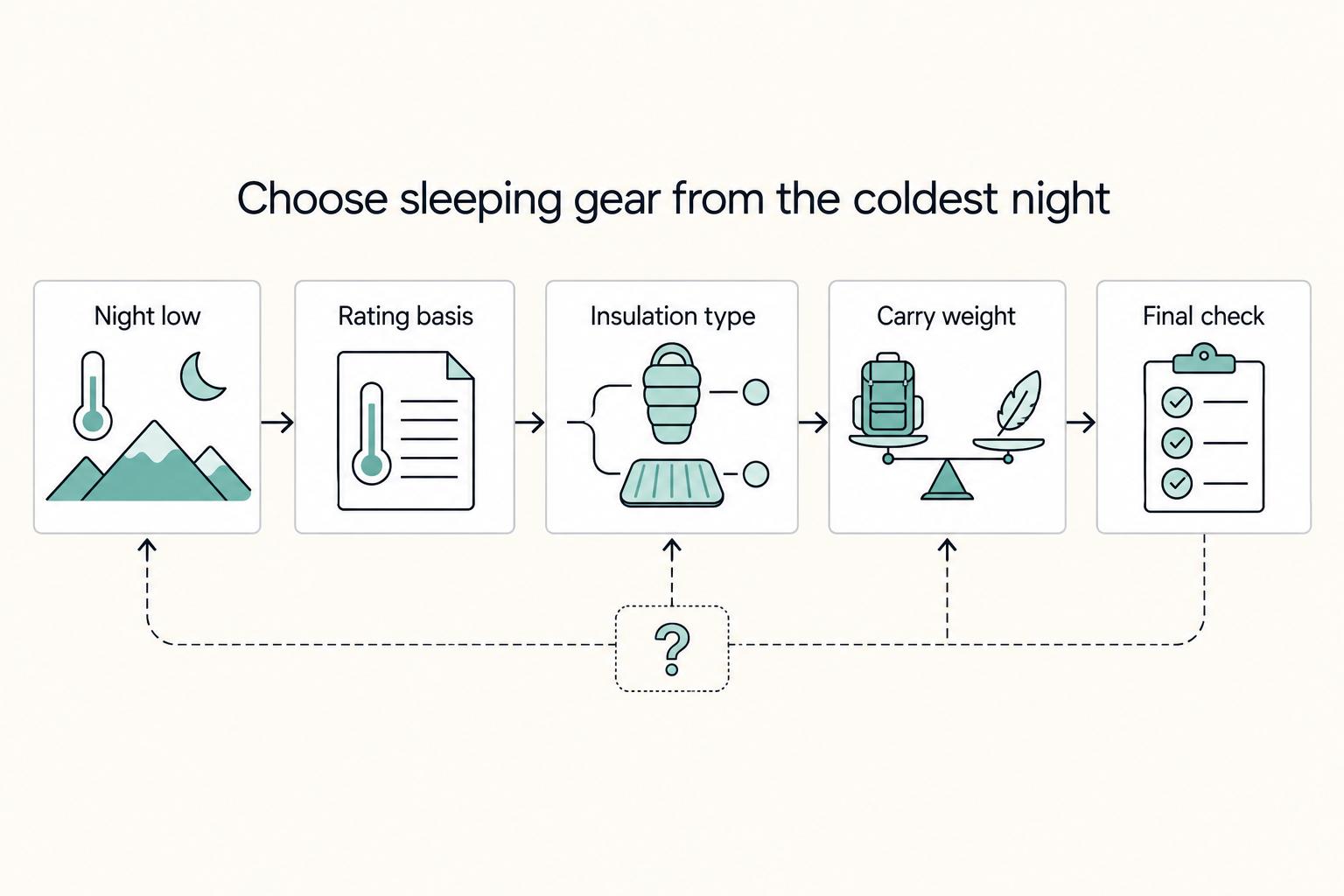
Start by sorting the best sleeping bags for backpacking by expected overnight lows, then narrow by carry weight and comfort fit. Western Mountaineering MegaLite is the strongest all-around reference because OutdoorGearLab labels it favorite overall, while Mountain Hardwear Bishop Pass 15 and Zpacks Classic 30 degree are treated as conditional choices pending spec checks. Verify EN 13537 or ISO 23537 context, confirm which rating output is cited, and only then finalize your shortlist.
The Best Sleeping Bags for Backpacking in 2026#
Start with temperature needs and testing quality, not brand loyalty. If you want to choose in one sitting, sort by likely overnight lows first. Then use weight, packed profile, and comfort features to break ties.
| Source | What the article cites | Date shown |
|---|---|---|
| OutdoorGearLab | Buys all the products it tests; testing sleeping bags since 2011 with upwards of 100 models purchased and reviewed | Updated October 31, 2025 |
| CleverHiker | Says it independently tests everything it recommends | March 17, 2026 |
| The Trek | Published piece says weight, warmth, price, materials, and features all matter | Published January 29, 2026 |
- Use a temperature-first filter
A backpacking bag only makes sense if it matches the coldest conditions you will realistically sleep in. OutdoorGearLab puts the core tradeoff in the right place: warmth has to be balanced against weight. Your first checkpoint is simple. Look for a temperature rating and confirm that the review explains how warmth was judged. A common mistake is buying the lightest option on paper, then finding out its comfort margin is too thin for your sleep style.
- Trust shortlists that explain how they test
Not all roundup lists deserve equal weight. OutdoorGearLab says it buys all the products it tests and has been testing sleeping bags since 2011, with upwards of 100 models purchased and reviewed. CleverHiker makes a similar point and says it independently tests everything it recommends. That matters because you want a shortlist built from repeated hands-on comparison, not recycled specs. Before you buy, check the page date too. The OutdoorGearLab roundup excerpt shows an update on October 31, 2025, and CleverHiker's page shows March 17, 2026.
- Expect tradeoffs, not a universal winner
If you move between climates and trip styles, one universal pick will probably be misleading. OutdoorGearLab names the Western Mountaineering MegaLite its favorite overall, which makes it a strong benchmark for an all-around choice. The Trek, published January 29, 2026, makes the broader point well: weight, warmth, price, materials, and features all matter. If your bag has to pull double duty across warm trips and shoulder season travel, treat versatility as a real requirement.
- Flag missing data instead of guessing
Be skeptical when public roundups do not line up cleanly on packed size, temperature performance, or price-to-weight value. If the available evidence does not support a direct comparison, put that model on hold and verify the spec sheet and rating details yourself before it makes your shortlist.
Start Here With Selection Rules and Fit#
Choose by temperature rating first, then compare weight and comfort features; that will get you to a better fit faster than picking by brand.
| Rule | Use it for | What the article says |
|---|---|---|
| EN/ISO rating first | First filter | REI says choose a bag rated a little lower than the typical lows you expect, then narrow from there; check that each option is rated on a comparable basis |
| Weight only after ratings match | Comparing models | Compare weights only across bags with equivalent temperature ratings; also account for pad R-value and the full sleep system |
| Backpacking shortlist only | Trail use vs drive-up camping | This section is for trail use where carried weight and packed efficiency matter; a CANWAY Flannel Sleeping Bag may fit that use case better if most nights are drive-up camping |
| Warmth margin for cold sleepers | If you tend to wake up cold | Buy extra warmth before chasing the lightest spec sheet; ultralight quilts and hoodless designs depend more on layering, pad pairing, and draft control |
- Start with EN/ISO temperature ratings
Use rating as your first filter. REI's rule is to choose a bag rated a little lower than the typical lows you expect, then narrow from there. Check that each option is rated on a comparable basis before you weigh materials, fill, or marketing claims.
- Only compare weight after ratings match
Compare weights only across bags with equivalent temperature ratings. That gives you a fair read when you're weighing options like Western Mountaineering, Mountain Hardwear, or the Zpacks Classic sleeping bag. Also account for your full sleep system, especially pad R-value, because bag comfort is not determined by the bag alone.
- Use this shortlist for backpacking, not car-camping-heavy setups
This section is for trail use where carried weight and packed efficiency matter. If most nights are drive-up camping, a roomier flannel-style option like a CANWAY Flannel Sleeping Bag may fit that use case better. If pack volume matters daily, stay focused on backpacking-oriented models.
- If you sleep cold, prioritize warmth margin over minimal weight
If you tend to wake up cold, buy extra warmth before you chase the lightest spec sheet. Ultralight quilts and hoodless designs can work, but they depend more on layering, pad pairing, and draft control. A small weight saving is rarely worth a consistent comfort penalty.
Compare the Shortlist Before You Read Full Reviews#
Use this section to filter for comparability first, not to force a winner. Right now, the safest move is to keep only candidates where you can verify an EN 13537 or ISO 23537 basis and identify which of the three rating outputs is being quoted.
Use this fast scan table#
Comfort has a specific meaning in the EN/ISO framework: the temperature where a standard female in a relaxed posture should feel comfortable. If a page does not clearly show rating context, treat that entry as unverified.
| Candidate | Best for | EN/ISO temperature ratings | Insulation type | Packed profile | Key tradeoff | Confidence level |
|---|---|---|---|---|---|---|
| Western Mountaineering MegaLite | Provisional all-around shortlist | Not shown here; verify EN 13537/ISO 23537 basis and which rating output is cited | Not verified; confirm on the current spec sheet | Treat packed size as non-comparable until you confirm a shared measurement method | Cannot compare warmth-to-weight fairly until rating basis is confirmed | Low |
| Mountain Hardwear Bishop Pass 15 | Provisional warmth/value shortlist | Not shown here; verify exact model and rating basis before comparing | Not verified; confirm on the current spec sheet | Treat packed size as non-comparable until you confirm a shared measurement method | Current excerpts mention Mountain Hardwear Phantom 15, not Bishop Pass 15 | Low |
| Zpacks Classic sleeping bag | Provisional ultralight shortlist | Not shown here; verify whether listed temps are directly comparable to EN/ISO-tested bags | Not verified; confirm on the current spec sheet | Treat packed size as non-comparable until you confirm a shared measurement method | Weight claims are hard to rank without a comparable rating basis | Low |
| Reddit / r/WildernessBackpacking chatter | Idea generation only | Usually unspecified in excerpted chatter; treat as anecdotal unless exact spec links are provided | Unknown | Rarely measured on a shared method | Useful for owner notes, weak for apples-to-apples ranking | Very low |
Use source recency as a filter too: one excerpted roundup is updated 25th February 2026, while one broader BestReviews page is marked Updated May 2023.
Match the bag style to sleeper type (verification matrix)#
Treat this as a reading map for product pages, not a verdict from any single review. Therm-a-Rest and Enlightened Equipment are reference points to compare style options, but validate brand-specific outcomes against current manufacturer specs before deciding.
| Sleeper type | Start with this style | Also compare | What to verify before deciding |
|---|---|---|---|
| Cold sleeper | Mummy | Hoodless / backpacking quilt | EN/ISO basis and which of the three outputs is quoted |
| Side sleeper | Mummy and backpacking quilt side-by-side | Hoodless variants | How each setup handles movement and coverage in real use notes |
| Ounce-counter | Hoodless / backpacking quilt | Mummy at same rating context | Whether weight is being compared at a truly comparable temperature-rating basis |
Verify these details before buying#
- Exact current-year model page
- Whether rating cites
EN 13537orISO 23537 - Which of the three EN/ISO outputs is being quoted
- Whether packed size is measured on a shared method across compared models
The biggest unknowns to resolve before buying are the full ranking method behind roundups and any standardized packed-size comparison across these models. Keep that uncertainty visible until you can verify both.
For a step-by-step walkthrough, see The Best Sleeping Pads for Backpacking.
Best Overall for Most Backpackers#
Western Mountaineering MegaLite is the practical default pick here if you want one all-around bag instead of a niche setup. OutdoorGearLab names it its favorite overall backpacking sleeping bag, and that recommendation comes from a test-led process rather than one-off roundup chatter.
OutdoorGearLab says its backpacking review was updated on October 31, 2025, with testing that goes back to 2011 and includes 100+ backpacking models. On its broader sleeping bag coverage, it reports 250+ bags tested since 2010. That does not make the MegaLite automatically right for every trip, but it does make it a credible place to start.
Why the MegaLite gets the nod#
- It is the only option in this shortlist with a clear "favorite overall" callout from OutdoorGearLab.
- The same review frames the core choice as balancing warmth with weight, which fits how most backpackers buy.
- If you want one setup you can keep using across mild and cooler trips, this is the most practical default before you optimize for edge cases.
Tradeoff to keep in view#
- Price is the main open variable in this section.
- An exact MegaLite-versus-Mountain Hardwear price gap isn't confirmed here, so check current model pricing directly before you finalize.
For shelter tradeoffs, see The Best Tents for Backpacking.
Best Budget Pick That Still Prioritizes Warmth#
If your budget has to cover a full setup, treat Mountain Hardwear Bishop Pass 15 as the practical pick and keep Western Mountaineering MegaLite for when lower carry weight is the priority.
- Mountain Hardwear Bishop Pass 15
Brief take: Best fit for a first serious backpacking kit where you need dependable warmth without putting most of your budget into one item. Key differentiator: This is a value-first decision, not a verified head-to-head price winner from published test tables.
OutdoorGearLab's sleeping bag coverage (updated December 3, 2025) says its team has tested 250+ bags in the field since 2010, notes that budget shoppers can still find "fairly affordable" options, and states it buys test products with no freebies. That gives this budget lane more trust than roundup copy built only from brand marketing.
The tradeoff with the Western Mountaineering MegaLite is straightforward: if you are paying to reduce pack burden, the premium lane is still the better fit. TrailGroove frames backpacking selection around weight and warmth-to-weight ratio, which is why ounce-sensitive hikers often move back upmarket.
Use this rule for real-world buying: if your money also needs to cover a pad, shelter, and stove, prioritize a bag choice that keeps the whole system strong. A premium bag cannot compensate for weak choices in the rest of your sleep setup.
Before checkout, verify the current Bishop Pass 15 product page for your size-specific listed weight, how temperature context is presented (EN/ISO context vs brand wording), and the actual current retail price.
For water treatment options, see The Best Water Filters and Purifiers for Backpacking.
Best Ultralight Option for Warm-Weather Trips#
For summer-focused trips where pack weight is the priority, the Zpacks Classic 30 degree is the ultralight pick. It fits fast-moving itineraries where every ounce counts and you accept a narrower comfort margin if conditions shift.
- Zpacks Classic 30 degree
Brief take: TrailGroove calls this its pick for the 30F+ summer-rated category. In that context, its listed 14 ounces and $420 make sense for hikers prioritizing warmth-to-weight over extra cushion. Key differentiator: It pairs low carried weight with a hoodless design that some backpackers find easier to move in. TrailGroove describes better sleep after switching to a hoodless bag (including the Zpacks 20 degree) because turning felt easier.
Do not let the weight headline override risk planning. TrailGroove also notes bags in this range can feel crisp in early morning hours, so if your nights could run colder than expected, plan a warmth buffer before you commit.
Before checkout, verify current product details against what TrailGroove cites: 900 fill power water-resistant down, 7 different sizes, your exact size-specific weight, and live pricing. Also treat "30 degree" as a category signal, not a guarantee of identical comfort for every sleeper.
This is a purpose-built choice, not a universal default. If your trips are truly warm-weather and mileage-heavy, the Zpacks Classic sleeping bag is a strong fit; if not, prioritize more warmth margin over lower weight.
Related: The Best Travel Backpacks for Digital Nomads.
How to Choose Between Down Bags and Quilts#
Choose a traditional down mummy bag when warmth retention and draft control are your top priority. Choose a backpacking quilt when movement, lower packed bulk, and modular layering matter more, but only if you will manage the full sleep system carefully.
If the hoodless Zpacks section sounded appealing, this is the next decision point. A hoodless bag still behaves more like a bag than a quilt. In practical terms, a sleeping bag gives cocoon-like coverage, while a quilt is mostly top insulation.
- Traditional down mummy bag
Brief description: Think Western Mountaineering and Feathered Friends as examples of the full-coverage bag style. This design encloses you, and sleeping bags usually include a hood. Key differentiator: Better draft control with less setup management. Insulation works best when it stays lofty, and insulation compressed under your body contributes less. A bag can still be the safer pick when you want fewer nighttime adjustments and more consistent coverage.
- Backpacking quilt
Brief description: Think Enlightened Equipment or Therm-a-Rest when you want more freedom of movement and a lighter upper layer. Quilts use less material, and one comparison example shows a quilt coming in nearly 11 ounces less than an ultralight bag. Key differentiator: Flexibility and lower weight. A quilt is hoodless top insulation rather than full enclosure, so it can feel less restrictive. The tradeoff is that pad pairing becomes more critical to overall warmth.
The most important verification step is your pad. Before choosing a quilt, confirm your sleeping pad has an R-value that matches the conditions you actually expect. A common failure mode is pairing a light quilt with an under-insulated pad, then blaming the quilt for drafts and ground chill.
Use this quick check before deciding:
- Sleep style: If you toss, side-sleep, or dislike tight hoods, a quilt is often easier to live with.
- Expected lows: If you sleep cold or expect conditions near your limit, the enclosed bag is usually the safer call.
- Wind exposure: Breezy, exposed camps make draft control more important, which favors a bag.
- Tolerance for nighttime adjustments: If you do not want to manage tuck-ins, layers, and pad setup after dark, choose the bag.
Short version: bags usually reduce user error, quilts usually reduce weight and restriction. If you want fewer surprises, start with the bag.
For route planning and packing decisions, see How to Plan a Multi-Day Hiking Trip.
Red Flags That Lead to Buyer Regret#
Buyer regret usually starts with weak evidence, not the bag itself. If a claim cannot be verified across clear specs and test context, treat it as a lead, not a reason to buy.
| Red flag | Why it is weak evidence | Safer next step |
|---|---|---|
| Unverifiable anecdotal praise | Exact model, specs, and trip setup may be missing, so a super warm claim lacks context | Confirm the exact model and core specs on the product page, then find a review that explains how performance was evaluated |
| Warm claims with no standardized context | A source framed as highlighting favorite sleeping bags in an 08:23 YouTube video published on 2024-04-29 is useful for ideas but not a published testing protocol | Do not compare warmth based on adjectives alone; if a review does not explain how warmth was assessed, treat the claim as non-comparable |
| Promotional copy mistaken for performance testing | Retail language such as Up to 70% Off or Fast, Free Shipping $49+ is built to sell, not to run controlled product comparisons | Filter out deal-driven picks until you confirm the specs that matter for your use case |
- Unverifiable anecdotal praise
Brief description: Forum posts and comment threads can help you find options, but they are weak decision evidence when the exact model, specs, and trip setup are missing. A "super warm" claim is not very useful without context like conditions and the rest of the sleep system. Key differentiator: Use anecdotal posts as a shortlist only. Before deciding, confirm the exact model and core specs on the product page, then look for a review that explains how performance was evaluated.
- "Warm" claims with no standardized context
Brief description: This is where comparisons break down fast. One review is explicitly framed as "highlighting our favorite sleeping bags" in an 08:23 YouTube video published on 2024-04-29, which is useful for ideas but not a published testing protocol. Key differentiator: Do not compare warmth based on adjectives alone. If a review does not explain how warmth was assessed, treat that claim as non-comparable.
- Promotional copy mistaken for performance testing
Brief description: Retail pages with language like "Up to 70% Off" or "Fast, Free Shipping $49+" are built to sell, not to run controlled product comparisons. Key differentiator: If your real constraint is backpacking practicality, filter out deal-driven picks until you confirm the specs that matter for your use case.
For cooking system choices, see The Best Backpacking Stoves.
Pick by Trip Conditions, Not by Hype#
Pick for your coldest realistic night first, then compare weight and comfort, and only then use brand as a tiebreaker. That order is more reliable than marketing claims in a category often shaped by hype and inconsistent temperature messaging.
| Trip profile | Prioritize first | What current sources support | Red flag |
|---|---|---|---|
| Nights stay above 40F | Rating context, then weight | Adventure Alan says a 30F model can work when expected lows stay above 40F | Assuming a minimalist setup will feel warm if you sleep cold |
| Mixed 3-season use | Warmth, then weight, then comfort | Adventure Alan centers 15-25F as a universal ultralight range; OutdoorGearLab says balancing warmth and weight is key | Comparing by fill power or brand before temperature context |
| You want one proven benchmark | Tested all-around performance | OutdoorGearLab (updated October 31, 2025) says it has tested since 2011, across upwards of 100 models, buys what it tests, and names Western Mountaineering MegaLite its favorite overall | Paying a premium before confirming fit, size, and full sleep-system fit |
- Western Mountaineering MegaLite
Use this as the clearest evidence-backed benchmark if you want one balanced option. OutdoorGearLab names it favorite overall within a long testing history, which is a stronger signal than isolated user reviews. Key differentiator: A supported all-around reference point for warmth, weight, and comfort balance.
- Mountain Hardwear Bishop Pass 15
Keep it on your shortlist if cost matters, but verify the current manufacturer specs before comparing it against premium options. Key differentiator: A practical candidate if its rating class and real specs match your trip.
- Zpacks Classic sleeping bag
Treat it as a specialist option, not a universal default. This section's evidence does not establish a tested "best ultralight" standing, so tie the choice to expected lows and your full sleep setup. Key differentiator: A lighter setup can make sense in warmer conditions, but minimalist designs leave less margin when conditions shift colder.
Next step: shortlist two options, verify missing specs, and pick the one that still works without adding fragile assumptions to your sleep system.
Related reading: The Best GPS Watches for Hiking and Trail Running.
Frequently Asked Questions
How do I choose a backpacking sleeping bag in five practical steps?
Start with the coldest typical overnight low you expect, then choose a bag rated a little lower than that. Next, decide between down and synthetic, compare only bags with the same temperature rating, and weigh warmth against carry weight and bulk. Your final verification step is the full sleep system, especially pad R-value, because bag comfort depends on more than the bag alone.
What should matter first for buying decisions, EN/ISO temperature ratings, total weight, or fill power?
Temperature rating comes first, because weight comparisons are meaningful only when two bags are rated for the same conditions. After that, use warmth-to-weight as the practical backpacking filter since even efficient models are still among the heavier, bulkier items in your pack. Choosing insulation type (down vs. synthetic) is well-supported, but fill power is not established as the lead buying rule.
When does a backpacking quilt beat a traditional sleeping bag for real trips?
For lower-risk warmth retention, a traditional bag is the safer default. If you prefer a quilt, validate the full sleep system carefully, especially pad support and overall setup.
Is a hoodless ultralight option like Zpacks Classic sleeping bag a bad idea for cold sleepers?
If you sleep cold, treat any hoodless setup as a full sleep-system decision and confirm your pad, layers, and overall setup before relying on it in cold conditions.
How much warmth buffer should I add beyond the stated temperature rating?
Use a modest buffer rather than treating the listed rating as your exact target. REI’s guidance is to choose a bag rated a little bit lower than the typical low temperatures you expect. The checkpoint is whether your pad, shelter, and sleep clothing support that plan, because the rating alone does not guarantee comfort.
When is a budget option like Mountain Hardwear Bishop Pass 15 "good enough" versus paying for Western Mountaineering MegaLite?
This guide does not provide pricing or performance specifics for Mountain Hardwear Bishop Pass 15. It does support prioritizing temperature rating first and comparing weight only within the same rating. Pay more for the MegaLite if you want the model OutdoorGearLab names its favorite overall, and verify current specs before purchase.
What information is still unknown from current public roundups that I should verify before purchase?
Check the manufacturer page for the exact model name, temperature context, total weight, available sizes, and packed size details. Also confirm how your pad and full sleep system affect real comfort, because comfort at a given rating depends on more than the bag alone. OutdoorGearLab says its page was updated October 31, 2025 and draws on testing since 2011 across upwards of 100 models, which is strong evidence, but you should still confirm the current spec sheet before buying.
Try a related tool
Researched and edited by the Gruv editorial team. Gruv builds cross-border billing, payouts, and finance-operations software for global businesses.
Sources
Includes 4 external sources outside the trusted-domain allowlist.
- archives.albion.edu/items/browsetrusted
- govinfo.gov/content/pkg/CREC-2026-03-04/pdf/CREC-2026-03...trusted
- princeton.edu/~oa/winter/wintcamp.shtmltrusted
- uplink.nmu.edu/_flysystem/repo-bin/2023-11/nmu_139541.pdftrusted
- adventurealan.com/ultralight-sleeping-bags-backpackingexternal
- backpacker.com/gear/sleeping-bags/backpacking-sleeping-bag-...external
- backpackers.com/gear/guides/backpacking-sleeping-bagsexternal
- bestreviews.com/camping-and-outdoors/sleeping/best-down-slee...external
Educational content only. Not legal, tax, or financial advice.
Related Posts
Value-Based Pricing for Freelancers Under Real Payment Risk
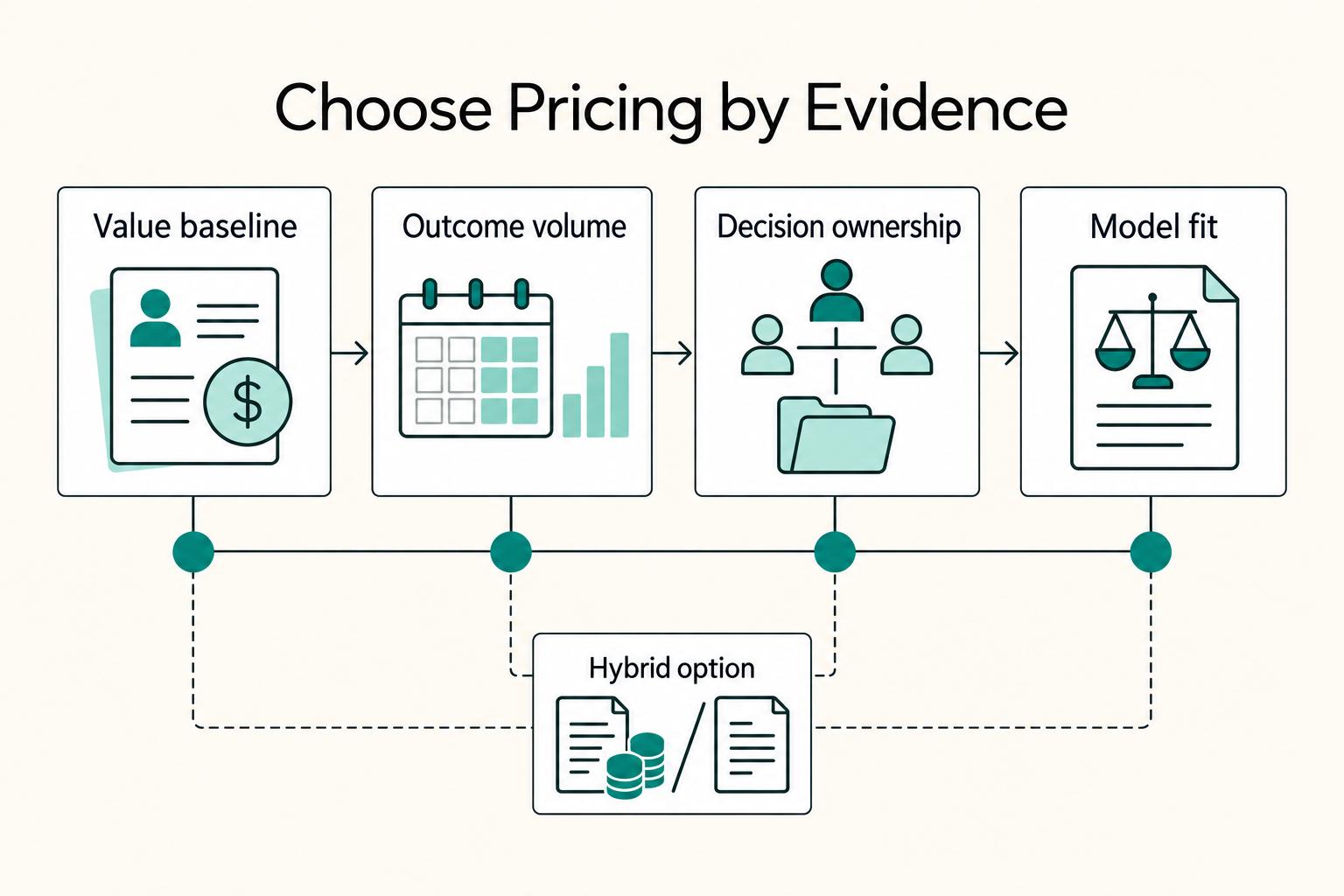
Value-based pricing works when you and the client can name the business result before kickoff and agree on how progress will be judged. If that link is weak, use a tighter model first. This is not about defending one pricing philosophy over another. It is about avoiding surprises by keeping pricing, scope, delivery, and payment aligned from day one.

The Best Travel Backpacks for Digital Nomads
Start by ruling out bad fits, not by chasing a universal winner. If a bag does not match how you move, how you work, or what you can comfortably carry, drop it early. That matters far more than one extra pocket or a slick product page.
How to Plan a Multi-Day Hiking Trip
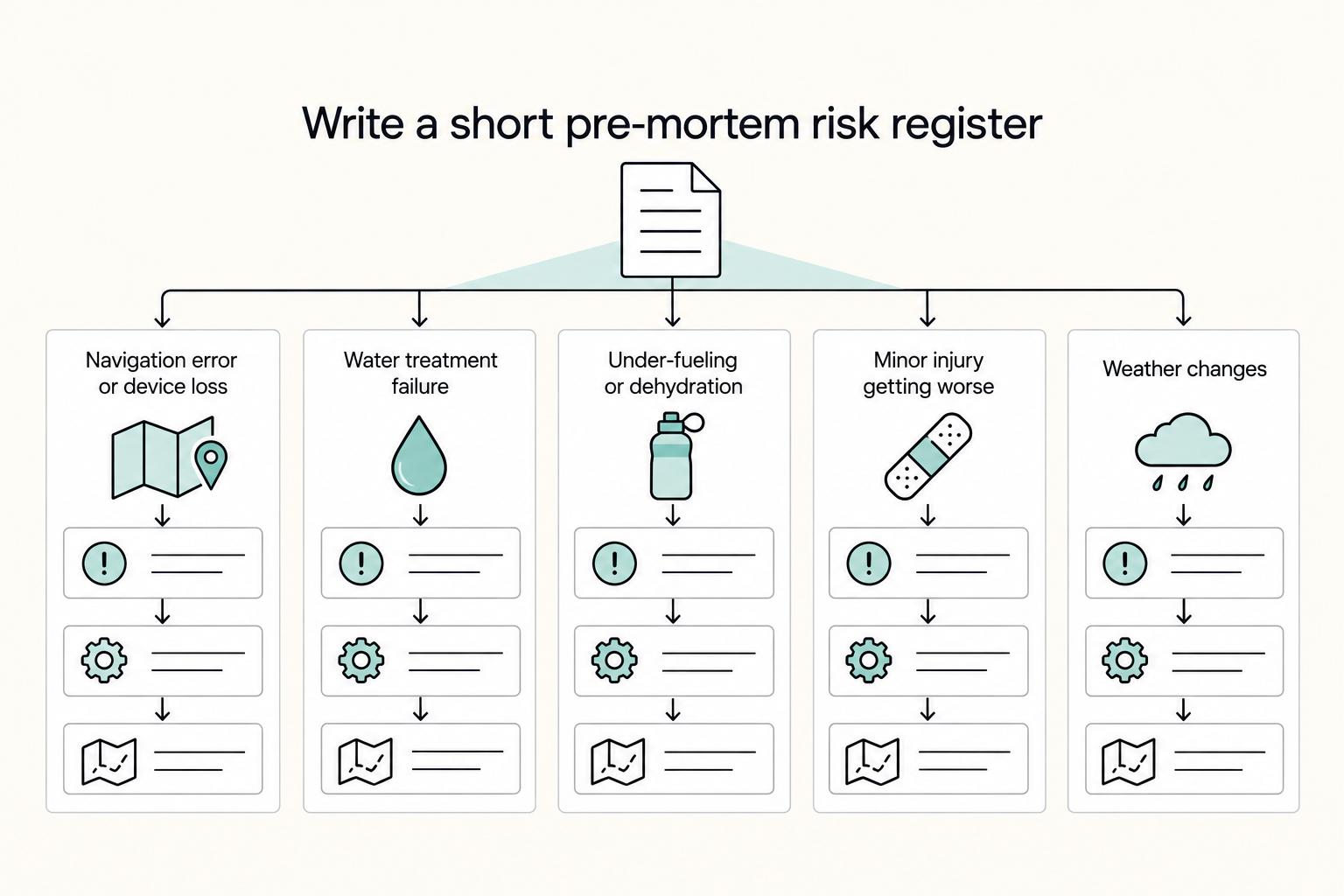
If you want to plan a multi-day hiking trip with fewer avoidable mistakes, treat it like something you build on purpose, not something you improvise the night before. By the end, you should have a practical phase-by-phase plan and a checklist mindset you can use right away.