
Quick Answer
The best screen recording software for freelancers is the tool that makes client handoff clearer, approvals easier to track, and recordings reusable later. Prioritize readable capture, clean exports, clear narration, access controls, editability, storage ownership, and a reliable file trail, then test the full recording, sharing, approval, and archive workflow before you commit.
Judge a screen recorder by proof of work, scope control, and reuse#
Treat your screen recorder like a delivery tool, not just a capture utility. The right choice can help you show what was delivered, keep scope from drifting, and turn one-off walkthroughs into assets you can reuse.
If you are choosing the best screen recording software for your business, judge it like any client-facing tool. Focus on the problems it helps you document and reuse.
- Proof of work
A recording can serve as a dated visual reference for what you showed, changed, or delivered. What matters first is traceability. Before you worry about extra features, make sure your process keeps version names, on-screen steps, and the final output together with the recording. A polished video without a saved source file, consistent naming, or a stored export is harder to verify later.
- Scope control
A recording can support your written scope, approval notes, and final files by making handoff details easier to review. What matters here is clarity. Use sharing controls that make access explicit, such as required access codes or view-only review options, instead of loose links that can be forwarded without context.
- Asset reuse
The same walkthrough you made for one client can later become a tutorial, onboarding clip, or internal reference, but only if your workflow supports editing, organizing, and retention. The practical test is storage ownership and editability. A common failure mode is easy sharing today, then no clean archive, no source media, and nothing you can safely repurpose later.
Use this guide in two passes.
- Evaluate now: capture clarity, sharing/access control, editability, storage ownership, and fit with your actual client communication habits.
- Evaluate later: how easily recordings turn into repeatable assets, training material, or documented delivery steps.
Start with the handoff. If the recording workflow does not improve what the client receives and what you can verify later, the rest of the feature list matters a lot less. Related: The Best Video Conferencing Tools for Client Meetings.
Part 1: What to confirm before you send a recording#
Your recording matters most at handoff, not capture. Before you send anything, confirm four basics: visual clarity, clean export, clear narration, and a retrievable file trail.
A deliverable is credible when someone else can open it, follow what changed, and match it to the project record. That usually means readable on-screen detail, a working export with no accidental branding, narration that states what was done and what still needs client action, and an archive that keeps the final file with related scope or task context.
Use one quick checkpoint before delivery: open the exported file outside your editing app and confirm the version label, key steps, and end state are visible.
Use a delivery evidence routine#
You do not need a heavy system. You need a repeatable one you can run every time: setup, review, handoff, approval.
| Stage | What to do | Record note |
|---|---|---|
| Capture setup | Close unrelated tabs, pause notifications, and show the exact file/version name on screen before you begin | If sensitive data may appear, decide whether the recording stays local until review |
| Review pass | Check the opening, ending, and key transition points for unreadable text, audio gaps, or accidental disclosure | Confirm your narration explains what changed, what is included, and what the client needs to do next |
| Handoff package | Send one clean export, keep one archived copy, and store editable source material under the same version label | Add a short written note linking the recording to scope, milestone, or approval request |
| Approval capture | Get approval in the same thread, portal comment, or project card where the deliverable lives | Ask the client to reference the version label |
- Capture setup
Close unrelated tabs, pause notifications, and show the exact file/version name on screen before you begin. If sensitive data may appear, decide whether the recording stays local until review.
- Review pass
Check the opening, ending, and key transition points for unreadable text, audio gaps, or accidental disclosure. Confirm your narration explains what changed, what is included, and what the client needs to do next.
- Handoff package
Send one clean export, keep one archived copy, and store editable source material under the same version label. Add a short written note linking the recording to scope, milestone, or approval request.
- Approval capture
Get approval in the same thread, portal comment, or project card where the deliverable lives, and ask the client to reference the version label.
| Practice | Client trust | Revision speed | Dispute defensibility | Admin overhead |
|---|---|---|---|---|
| Readable walkthrough with plain narration | Makes the work easy to verify | Reduces clarification loops | Improves the delivery record | Low once standardized |
| Versioned export plus archived source file | Signals traceability | Helps you update the right file | Preserves a clearer timeline | Moderate |
| Controlled access plus retention wording | Shows deliberate handling | Reduces link confusion | Supports access-history discussions | Moderate |
Keep sensitive footage on a short leash#
Treat every screen recording as a potential sensitive-data container. Sensitive data discovery tools are built to scan databases, file systems, cloud storage, and applications for high-risk categories like PII, financial records, healthcare data, and intellectual property. That is a useful reminder that recordings can capture more than intended.
For sensitive work, prefer local-first handling until review and redaction are complete. Before sharing, verify access permissions and include retention language in your handoff note, for example: "Recording available until the agreed date, then deleted or archived per our agreement."
This is where you balance security with productivity: use controls that reduce exposure risk without creating unnecessary delivery friction. Keep one clear rule for where the master file lives, and one clear rule for when temporary copies are removed.
A recorder only reduces handoff friction if it fits how you actually work. For solo operators, minimum viable integration looks like this:
- Use one naming convention, such as
[client]-[project]-[deliverable]-v## - Use one primary delivery channel and one archive location
- Use one approval location tied to the same version label
If you cannot find the export, source file, and approval note quickly, simplify your handoff path. For asynchronous client communication patterns, see A Guide to Using Loom for Asynchronous Client Communication.
Part 2: Mitigating Risk and Shutting Down Scope Creep#
To control scope creep, treat each handoff as a repeatable approval workflow, not a one-off delivery. Your recording supports the written agreement by showing what was delivered, when it was reviewed, and how approval was captured.
Run the same approval sequence every time#
Use the same four steps on every project so scope decisions stay tied to the written outline.
| Step | Action | Scope tie |
|---|---|---|
| Scope recap | Open the written project outline or milestone list before you record, and restate what this handoff includes | Keep the version label visible so the video maps to the same scope record |
| Recorded handoff | Walk through the delivered result in review order and show the end state clearly | Creates a baseline for what "done" looked like at approval time |
| Explicit sign-off capture | Capture approval in one central hub, such as the same email thread, project card, or client portal used for delivery | Ask the client to confirm the version label in their sign-off |
| Change-request handoff | If the client asks for work beyond the approved outline, move it into a documented add-on | Use an amendment appendix with stakeholder initials before treating it as active work |
- Scope recap
Open the written project outline or milestone list before you record, and restate what this handoff includes. Keep the version label visible so the video maps to the same scope record.
- Recorded handoff
Walk through the delivered result in review order and show the end state clearly. This creates a baseline for what "done" looked like at approval time.
- Explicit sign-off capture
Capture approval in one central hub, such as the same email thread, project card, or client portal used for delivery. Ask the client to confirm the version label in their sign-off.
- Change-request handoff
If the client asks for work beyond the approved outline, move it into a documented add-on. Use an amendment appendix with stakeholder initials before treating it as active work.
Skipping step 4 is where projects drift: extra requests get treated as "small tweaks," then budget, timeline, and outcomes start slipping.
Standardize what good feedback looks like#
If you want fewer revision loops, require the same comment structure every time, regardless of channel.
- Time reference
Use a timestamp when available; otherwise require an exact page, screen, section, or filename.
- On-screen context
State what the reviewer is looking at so feedback is tied to the right element.
- Requested change
Describe the edit directly and specifically.
- Ownership
State who acts next: you, the client, or another approver.
This pattern works for more than technical bugs. Use it for QA issues, content edits, delivery mismatches, wrong-file disputes, and "this was missing" claims. The test is simple: can a third party understand the issue from the comment, version label, and handoff record without a follow-up call?
| Workflow | Clarity | Turnaround friction | Dispute defensibility |
|---|---|---|---|
| Async video comments | High when feedback is anchored to the reviewed deliverable | Moderate | Higher when comments stay attached to the approved version |
| Threaded feedback in project tools | High when the thread links to the exact version | Low to moderate | High when approvals and decisions stay centralized |
| Email-only feedback | Often drops as versions and replies spread out | Low at first, higher later when context is missing | Lower when files, approvals, and requests are split across chains |
Quick revision-vs-scope checklist#
Use this before you start any requested change.
- Revision: Corrects the delivered version against the approved outline and stays within the revision terms already defined in your agreement.
- New scope: Adds deliverables, changes direction after sign-off, or requires an amendment appendix and fresh approval.
Once this control loop is stable, your recordings support both cleaner approvals and stronger reusable process assets. We covered this in detail in The Best E-Signature Software for Freelancers.
Part 3: Building Scalable Intellectual Property#
If you want recordings to become business assets, treat each one as an asset pipeline, not a one-off message. Choose your recorder based on how well it supports creation, cleanup, storage, and reuse over time.
Build a three-asset pipeline from one recording#
Use one recording session to produce three distinct assets with different rules:
| Asset | Primary use | Handling note |
|---|---|---|
| Client handoff source file | Keep a full, version-labeled master tied to the approved deliverable | Pair the video with the written instructions or milestone doc |
| Sanitized public teaching asset | Create an edited version for marketing, onboarding, or tutorials | Remove client names, proprietary screens, credentials, and identifying context |
| Internal SOP module | Use short modules that teach one repeatable task | These modules are easier to update and trust than one long handoff recording |
- Client handoff source file
Keep a full, version-labeled master tied to the approved deliverable. Pair the video with the written instructions or milestone doc, since a recorded walkthrough is strongest when it explains the same document the client is following.
- Sanitized public teaching asset
Create an edited version for marketing, onboarding, or tutorials only after removing client names, proprietary screens, credentials, and identifying context. Sanitizing enables reuse, but it does not automatically remove privacy, contract, or IP risk.
- Internal SOP module
Use short modules that teach one repeatable task. An SOP is a step-by-step guide, and these modules are easier to update and trust than one long handoff recording.
Choose for durable reuse, not just fast sharing#
Fast capture-and-share is useful. One documented workflow supports recording up to 50 minutes and sharing immediately. That works well for quick communication.
But durability is a different requirement. At scale, one company reports producing 100-200 Loom videos every single day, which shows how quickly maintenance can grow if you do not structure your library.
Use a capability matrix before you choose:
| Capability | What to check for IP creation |
|---|---|
| Editing depth | Can you turn a raw handoff into clean teaching and SOP versions without heavy manual rework? |
| Versioning workflow | Can you keep clear labels between source, edited, and current versions? |
| Transcript/search utility | Can your team find and update the right segment quickly? |
| Export flexibility | Can you move and reuse files in the formats your workflow needs? |
| Storage control | Can you keep archives organized by asset type and lifecycle? |
Then compare that against the workflow you are actually trying to run:
| Workflow type | Primary outcome | Maintenance effort | Long-term reuse value |
|---|---|---|---|
| Quick communication workflow | Fast explanation and immediate sharing | Lower at first, then rises if naming and retention are inconsistent | Limited unless you later sanitize, edit, and document |
| Durable knowledge-asset workflow | Reusable training, onboarding, and SOP content | Higher upfront because you structure, edit, and review intentionally | Strong, because one source can feed multiple asset types |
| Free-plan-first workflow | Low-cost experimentation | Can increase once limits matter, such as a maximum of 25 videos up to 5 minutes long | Often weaker if limits fragment your archive |
Use a governance checklist for cloud or desktop workflows#
Pick cloud-first or desktop-first based on governance fit and risk tolerance, not convenience alone.
- Access control: Define who can view raw files, edit derivatives, and publish outputs.
- Retention: Set separate retention rules for raw handoff files, public teaching assets, and internal SOP modules.
- Portability: Confirm you can export and retain the file formats you rely on.
- Lock-in risk: Verify how easily you can move your library if your workflow changes.
- AI reuse risk: If AI video tools or text-to-video tools are part of your process, document what inputs were used and where outputs are reused. The U.S. Copyright Office's May 2025 report notes active legal uncertainty, with "dozens of lawsuits" pending in the United States.
If you want a deeper business framing, read Value-Based Pricing: A Freelancer's Guide. Choose your recorder by matching your primary business model to the IP system you want to run.
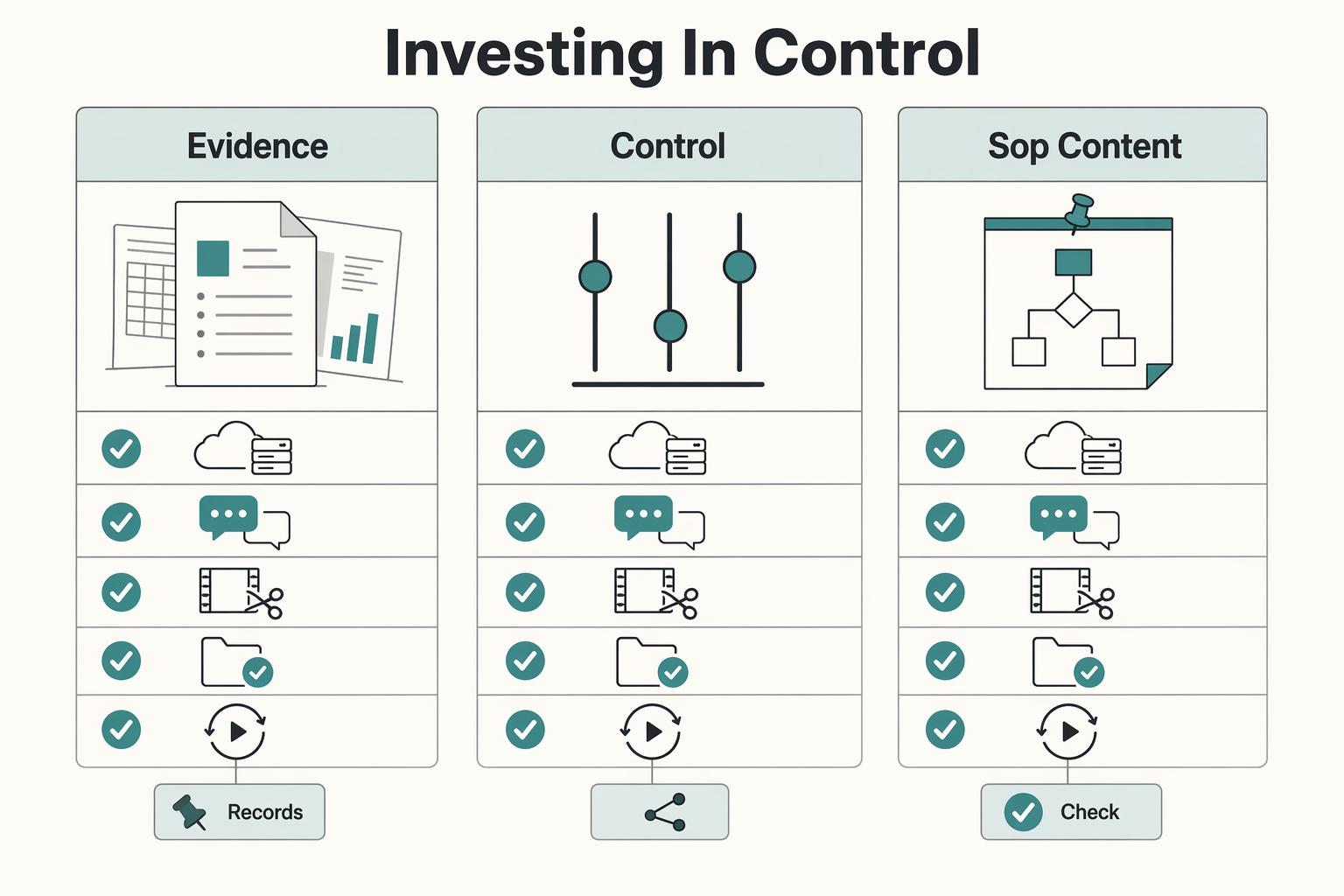
The Final Decision: Investing in Control, Not Cost#
Choose based on how you work, not the lowest monthly price. Your final pick should fit five checks: data handling model (cloud vs local), feedback workflow, editing depth, export ownership, and reuse potential.
Roundups can speed up shortlisting, but they are not a substitute for your own workflow test. Zapier's March 10, 2026 roundup says it tested 50 apps and narrowed to 7, with Loom positioned for quick desktop recording/sharing and Camtasia for advanced editing. It also discloses affiliate commissions on some links while stating inclusion is not paid placement, so treat it as useful input, then validate it against your own client process.
| Your priority | Best-fit tool type | Representative option | What to verify in a real test |
|---|---|---|---|
| Fast async client updates | Quick async recorder | Loom | Sharing speed, link/privacy settings, viewer friction, and whether you can keep your own copy |
| Polished client deliverables | Full editor | Camtasia | Editing control, export quality, and revision turnaround time |
| SOP/content repurposing | Full editor | ScreenFlow or Camtasia | How easily you can organize source files, version assets, and reuse clips later |
| Scheduled or annotated desktop captures | Standalone desktop recorder | Movavi Screen Recorder | Schedule reliability, annotation clarity, and how cleanly local source files stay organized |
Use this final choice checklist.
- If async speed is your main use case, pick the recorder that makes recording and sharing fastest, then run one real client update end to end.
- If polished output is your main use case, pick the editor that reduces rework, then export one client-style deliverable before committing.
- If reuse is your main use case, pick the setup that supports clean file ownership and repeatable organization from day one.
Pick one primary use case, test it in a real client workflow, then standardize how you record, name, export, and share. For a step-by-step walkthrough, see The Best Video Editing Software for Freelancers.
Frequently Asked Questions
What should you prioritize first when choosing a recorder?
Prioritize your workflow constraints before the feature list. Start with how fast you need to record and share, how much editing you need, how much collaboration is required, and how much control you want over files.
Which type of tool fits short client updates versus polished deliverables?
For short async client updates, Loom is often used for quick desktop recording and sharing. For polished deliverables, Camtasia fits advanced editing workflows. Descript fits transcript-led editing. Movavi Screen Recorder fits Windows or Mac desktop captures that want scheduled recording, on-screen annotation, and 4K export from a single standalone app. A browser studio workflow like StreamYard can help when you need screen, camera, and guests in one browser session.
How do you keep recorded deliverables professional and portable?
Run one test recording through your full share flow before you commit. Check video and audio quality, confirm you can download the files you need, and make sure a client can review without avoidable friction. Do not choose a sharing flow first and discover later that it does not match your control needs.
Are recordings enough to prove work in a dispute?
Recordings can support process clarity, but they are not enough on their own. You still need clear contract terms, scope or milestone records, and written approvals.
Which setup is better for confidential client work?
There is no single best setup for every confidential client project. Verify each tool's storage and sharing defaults, then decide whether a cloud-first or more local workflow matches your risk tolerance.
How should you think about subscription versus one-time purchase?
Choose based on workflow and control needs, not headline cost alone. Collaboration features and file-control expectations vary by tool, so verify current pricing and plan limits before you decide. Check how comments, approvals, storage, exports, updates, and access changes fit your workflow.
What if your main job is building an SOP library?
Pick for editability and reuse, not recording speed alone. Automatic transcription and deeper editing options can make SOP updates easier, and exportable files help you keep usable source material over time.
Try a related tool
Researched and edited by the Gruv editorial team. Gruv builds cross-border billing, payouts, and finance-operations software for global businesses.
Sources
Includes 3 external sources outside the trusted-domain allowlist.
- copyright.gov/ai/Copyright-and-Artificial-Intelligence-Par...trusted
- d.lib.msu.edu/etd/43242trusted
- federalregister.gov/documents/2021/10/27/2021-20621/determinatio...trusted
- nitrd.gov/pubs/nsa/sta.pdftrusted
- siskiyoucounty.gov/sites/default/files/fileattachments/board_of...trusted
- cityofcarroll.com/Uploads/agendas-minutes2019-2020/CouncilAgen...external
- clinton.presidentiallibraries.us/items/browseexternal
- corp.kaltura.com/blog/ai-video-toolsexternal
Educational content only. Not legal, tax, or financial advice.
Related Posts
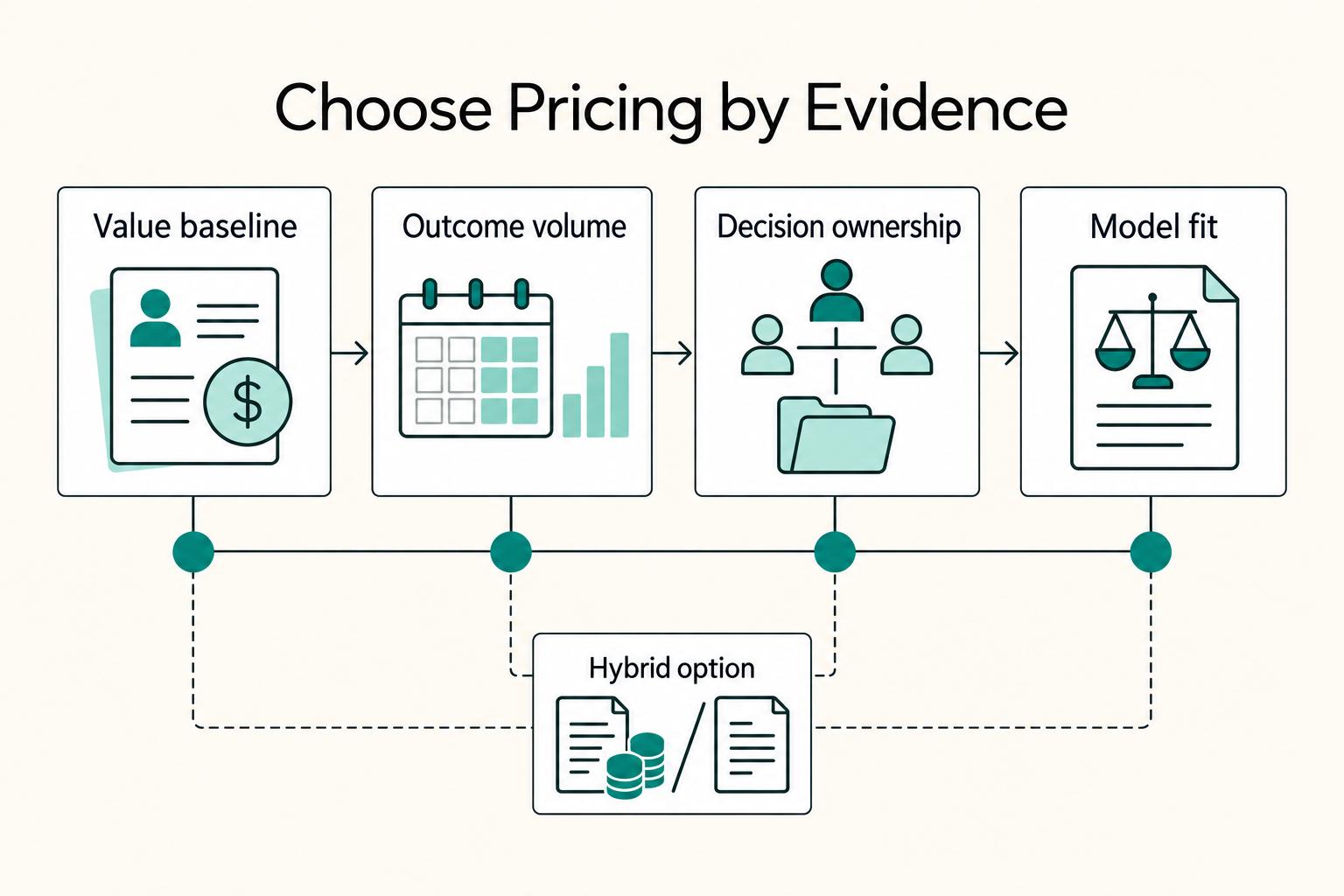
Value-Based Pricing for Freelancers Under Real Payment Risk
Value-based pricing works when you and the client can name the business result before kickoff and agree on how progress will be judged. If that link is weak, use a tighter model first. This is not about defending one pricing philosophy over another. It is about avoiding surprises by keeping pricing, scope, delivery, and payment aligned from day one.

Best Video Conferencing Tools for Freelancers in Client Meetings
Pick one primary meeting platform now, then write down when you will make exceptions. For most freelancers, consistency beats feature chasing because clients notice execution more than brand. They remember whether the link worked, whether you could manage the room, and whether decisions were easy to recover afterward.

How Freelancers Use Loom to Get Clearer Client Decisions
If you use Loom as a one-off recording app, you can keep re-explaining the same decisions. Treat it as a simple four-step client communication setup instead: capture, route, confirm, and track.