
Quick Answer
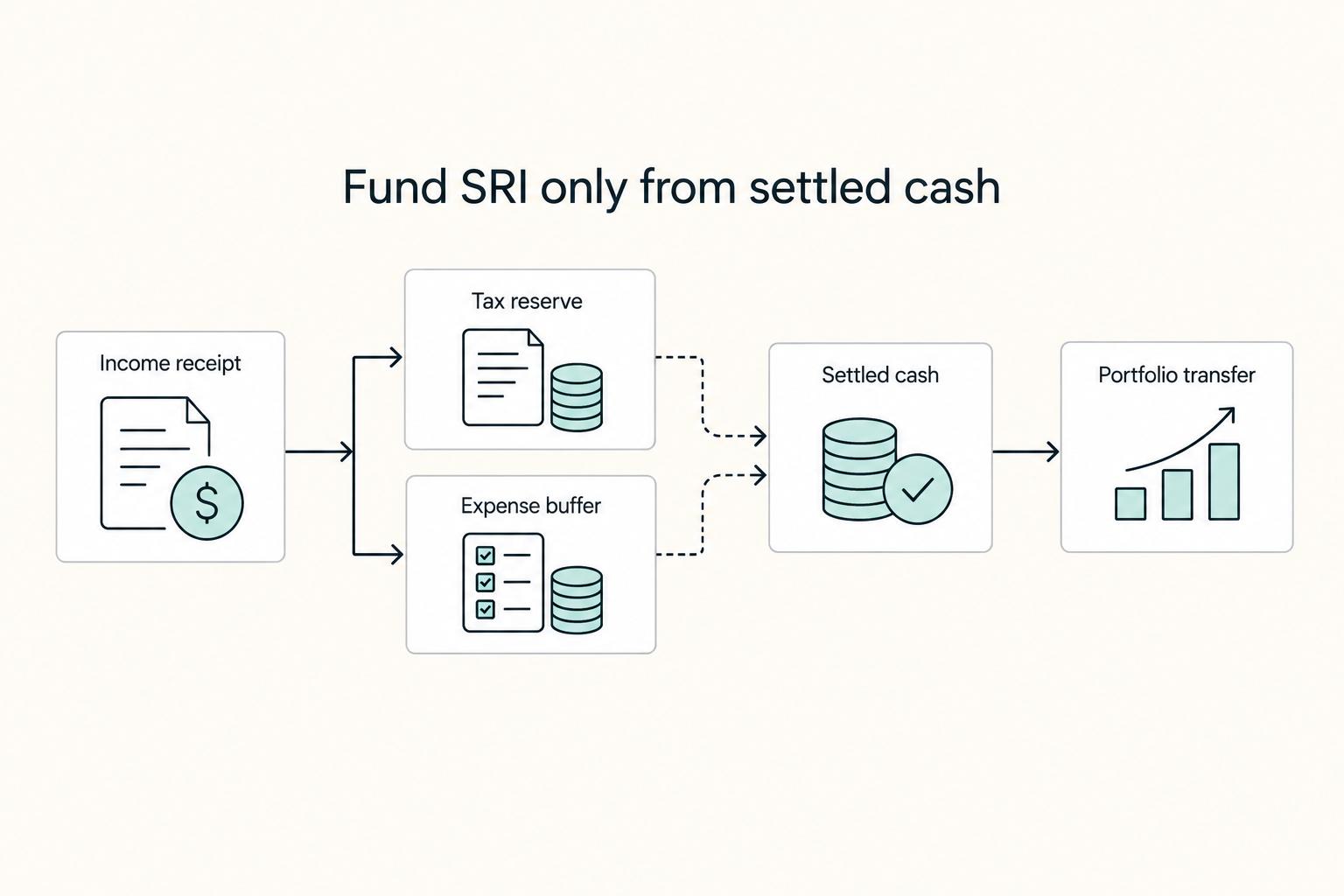
Use a cashflow gate first, then choose among the best robo-advisors for sri with a verify-before-funding process. The article compares Betterment, Wealthfront, Ellevest, SoFi, Vanguard Digital Advisor, and Fidelity Go, but treats provider specifics as unconfirmed unless disclosures are clear. Before depositing, confirm four items: holdings visibility, exclusion rules, rebalancing method, and pricing/minimums. If any of those are vague, eliminate that option.
The Best SRI Robo-Advisors for Freelancers Who Need Cashflow Stability First#
You can choose a robo-advisor for socially responsible investing without creating a new cashflow problem. The first decision is not which platform sounds smartest. It is whether your client payments are predictable enough that automated investing stays in the background instead of competing with rent, payroll, software bills, or estimated taxes.
This shortlist is built for freelancers, creators, and very small teams that invoice clients and deal with uneven payment timing. If your inflows swing week to week, you need two things at once: a provider that is simple to evaluate, and a personal rule that recurring contributions come only from cleared cash, not from invoices you expect to be paid. That rule can save more stress than any clever portfolio feature.
There is a deliberate scope limit here. This is not a hype ranking of the best robo-advisors for sri built from roundup pages alone. Choosing an advisor is a multi-factor decision, and broad search results often flatten the hard part: how well a platform fits your cash pattern and how clearly it explains its investing approach. Older user-generated threads are even less useful. If a Quora result says "Updated 8y," treat it as stale context, not current evidence.
What this shortlist will help you do#
- Filter for cashflow fit
Start with the practical question: can you fund this account consistently without depending on late receivables? If not, build a payment buffer first and wait on automation.
- Separate labels that often get blurred
SRI, ESG, and impact labels can be framed differently across providers. If exclusion rules matter most to you, any provider with vague "sustainable" language but no plain explanation of what it screens in or out belongs on your verify-first list.
- Use current provider disclosures, not marketing fog
Betterment, for example, openly markets "automation and tax-saving tech" and describes investing as "technology powered by human expertise." Those are useful signals about how the product is positioned, but they do not confirm SRI methodology on their own. That verification step is still yours.
- Make one controlled decision, not five loose ones
The rest of the article is structured to help you move in order: scoring criteria, a quick comparison table, provider-by-provider picks, red flags, and a setup sequence that starts small.
A practical red flag up front: do not turn on recurring deposits against money that has not landed yet. One avoidable risk for freelancers is setting automation too early, then dealing with skipped transfers, tighter checking balances, or the urge to unwind investing after one slow client month. The goal here is simpler: pick a robo option with eyes open, verify the unknowns, and keep your investing plan from creating new payment stress.
How this list is scored and who it is for#
This list is for people who want SRI automation without creating new cashflow stress. If client payments are uneven, the first decision is cash stability, not platform preference.
| Dimension | Article emphasis |
|---|---|
| SRI/ESG clarity | Clearly explains its sustainable option |
| Fees | What it costs |
| Account minimums | Allows a small test allocation |
| Automation depth | Easy to pause or resize recurring deposits |
| Fit for variable freelance income | Cash stability is the first decision if client payments are uneven |
- Who this is for (and not for)
This shortlist is for freelancers, creators, and very small teams comparing Betterment, Wealthfront, Ellevest, SoFi, Vanguard Digital Advisor, and Fidelity Go with payment reliability as a first-order constraint. It is not for readers who want to hand-build portfolios, skip automation, or invest funds they may need for near-term operating costs. If one late client payment would force you to stop recurring deposits, you are still in cash-stabilization mode.
- What gets scored
Each provider is scored on five dimensions: SRI/ESG clarity, fees, account minimums, automation depth, and fit for variable freelance income. That matches broader industry evaluation logic: Morningstar reports assessing 16 leading robo-advisors with weighted dimensions, including total price (30%) and portfolio matching (30%). In practice, we prioritize whether the provider clearly explains its sustainable option, what it costs, whether minimums allow a small test allocation, and how easily you can pause or resize recurring deposits.
- Hard rule before any provider score
If income is unstable, build a payment buffer and tighten invoice controls first, then automate contributions. Use cleared cash only for recurring deposits. If that is not consistently possible, waiting is safer than switching platforms.
- Evidence standard
Use provider disclosures as primary evidence; treat third-party roundups as secondary. For example, NerdWallet's March 2026 format shows rating, fees, account minimum, and promotion, and includes at least one "AD Paid non-client promotion" label. A row showing an approximate 0.15% annual fee, $100 minimum, and first 90 days promotion is useful for screening, but it does not confirm SRI methodology. If NerdWallet, Green America, or EarthFolio excerpts do not show clear SRI screening logic, holdings approach, or exclusions, treat SRI fit as unconfirmed until provider disclosures make it explicit.
SRI, ESG, and impact investing are not the same decision#
If exclusion screens matter most to you, treat SRI, ESG, and impact investing as different choices and confirm the exact rules before you fund an account.
| Label | How it is described here | Main caution |
|---|---|---|
| SRI | Starts from values and exclusions, with attention to company values, business conduct, and broader world impact | Look for explicit SRI rules if your first question is what the portfolio will avoid owning |
| ESG | Evaluates companies on environmental, social, and governance factors | An ESG-labeled portfolio can still hold companies you would personally screen out |
| Impact investing | A separate decision label, not shorthand for SRI or ESG | Do not assume one fixed definition or that an ESG option automatically matches an impact strategy |
- Socially Responsible Investing (SRI)
SRI means Socially Responsible Investing. In plain terms, it starts from values and exclusions, with attention to company values, business conduct, and broader world impact, not only profitability. If your first question is "what will this portfolio avoid owning?", you are usually looking for explicit SRI rules.
- Environmental, Social, and Governance (ESG) investing
ESG means Environmental, Social, and Governance. In practice, this often points to evaluating companies on those factors, not always a strict include-or-exclude list. So an ESG-labeled portfolio can still hold companies you would personally screen out.
- Impact investing
Treat impact investing as a separate decision label, not shorthand for SRI or ESG. Do not assume one fixed definition or that an ESG option automatically matches what you want from an impact strategy.
The mismatch risk is real because "sustainable investing" is often used as a catch-all. One roundup even combines terms in the same framing ("13 Best Sustainable Robo-Advisors for SRI & ESG") and is dated November 2, 2021, which is useful for discovery but weak for final selection.
Use this checkpoint: if exclusions are your top priority, prefer providers that clearly name the SRI option, the portfolio or fund used, and the exclusions in plain language. If a robo only says "sustainable" or "ESG" without clear rules, treat that as an evidence gap, not a fit.
Cashflow-first checklist before you fund any SRI portfolio#
Before you fund anything, make sure your cash timing is boringly clear: automate from settled cash, not expected cash.
- Collected cash only, not promised cash
Invest from money that has already landed in your account. Before you set recurring transfers, review four items once a week: invoice terms, actual collections cadence, emergency buffer, and a current weekly cash view. Then compare open invoices by due date against deposits received, and subtract cash already committed to rent, payroll, tax, and tools.
- Use conservative payout assumptions before automating transfers
Treat incoming payments as available only after they settle to your bank account. If your payment flow includes disputes, reviews, reserves, or payout delays, keep transfer rules conservative so your investing plan does not outrun your operating cash. If you want a deeper risk-control setup, see A Guide to Stripe Radar for Fraud Protection.
- Run a cross-border reporting check before adding account complexity
If you hold foreign accounts, live abroad, or split finances across countries, verify reporting obligations first. Under FATCA, Form 8938 covers specified foreign financial assets when total value is more than the applicable threshold; the IRS cites a baseline $50,000 trigger for certain U.S. taxpayers, with higher thresholds for joint filers or U.S. taxpayers residing abroad. Form 8938 is attached to your tax return, and if you do not have to file an income tax return for the year, you do not need to file Form 8938.
FBAR means Report Foreign Bank and Financial Accounts and is handled in the FinCEN reporting context. FinCEN's FBAR page includes filing due-date and extension notices, including notices posted as recently as 10/11/2024. Keep one folder with account statements, institution names, and account details before opening more accounts or increasing balances.
Quick comparison table for top SRI robo-advisor candidates#
Use this table to eliminate options quickly, not to rank winners. Provider-level fees, minimums, and SRI methodology are not confirmed for Betterment, Wealthfront, Ellevest, SoFi, Vanguard Digital Advisor, or Fidelity Go, so the main job is to spot what you still need to verify before funding.
| Provider | Best for | Known fees/minimums | SRI/ESG/impact positioning clarity | Automation scope | Key unknowns to verify | Confidence |
|---|---|---|---|---|---|---|
| Betterment | Shortlist only if you can verify sustainable rules directly | Confirm with provider | Not confirmed | Robo-advisor automation is supported at category level; provider-specific controls are not confirmed | Pricing, minimums, sustainable methodology, exclusions, holdings visibility, recurring transfer flexibility | Low for provider specifics; category-level only |
| Wealthfront | Shoppers willing to verify methodology before funding | Confirm with provider | Not confirmed | Category-level only; provider-specific automation details are unconfirmed | Sustainable criteria, holdings selection method, minimum funding rules, transfer timing flexibility | Low for provider specifics |
| Ellevest | Values-focused readers who still want holdings-level clarity | Confirm with provider | Not confirmed | Category-level only; provider-specific automation details are unconfirmed | Sustainable portfolio documentation, pricing, minimums, account types, exclusions clarity | Low for provider specifics |
| SoFi | Convenience-first users only if sustainable options are explicit | Confirm with provider | Not confirmed | Category-level only; provider-specific automation details are unconfirmed | Dedicated sustainable options, defining rules, fees, minimums, pause/skip transfer controls | Low for provider specifics |
| Vanguard Digital Advisor | Vanguard-leaning readers who can confirm SRI availability directly | Confirm with provider | Not confirmed | Category-level only; provider-specific automation details are unconfirmed | ESG/SRI availability, holdings details, pricing, minimums, support for irregular contributions | Low for provider specifics |
| Fidelity Go | Fidelity-leaning readers who can confirm sustainable options before opening | Confirm with provider | Not confirmed | Category-level only; provider-specific automation details are unconfirmed | Sustainable portfolio availability, fee schedule, minimums, holdings transparency, contribution pause options | Low for provider specifics |
Practical filter: verify pricing, sustainable methodology, and holdings detail before you fund. If an option cannot clearly show SRI transparency or fit your cashflow rules for collected cash and contribution flexibility, eliminate it and move on. You might also find this useful: The Best Robo-Advisors for Canadians.
Best SRI robo-advisors by use case and tradeoff#
Start with verification burden, not brand language. If you cannot quickly find pricing, sustainable-methodology, and holdings pages, treat that provider as higher risk for freelancers with variable cashflow.
Betterment#
Best for: mainstream robo users who want automation and will proceed only if sustainable rules are explicit.
Pros:
- Easy to keep on a mainstream robo shortlist.
- Fits a standard robo-advisor workflow.
- Easy to benchmark with the same three-document check you use for peers.
Cons:
- Confirm fee, minimum, and exact SRI method with Betterment directly.
- Exclusions and holdings transparency still need verification.
- Contribution pause/flexibility for uneven income is not confirmed.
Scenario (yes/no): If you want hands-off investing and will save the pricing, methodology, and holdings pages before funding, yes. If any page is missing or vague, no.
Wealthfront#
Best for: readers who care about portfolio construction details and will verify before funding.
Pros:
- Worth keeping in the mainstream robo comparison set.
- Useful for side-by-side portfolio presentation checks.
- Good fit for verify-first decision makers.
Cons:
- Fee, minimum, and SRI-screening specifics are not confirmed.
- A comparison-page mention is not proof of a defined sustainable process.
- Transfer timing and recurring-deposit controls still need checking.
Scenario (yes/no): If you will inspect holdings and method details before depositing, yes. If you want clarity from ranking pages alone, no.
Ellevest#
Best for: readers who value audience fit but still require holdings-level proof.
Pros:
- Can be a relevant option for values-led shoppers.
- Useful in comparisons where brand fit matters.
- May feel less generic for some readers.
Cons:
- Confirm fee, minimum, and SRI methodology with Ellevest directly.
- Values-forward messaging is not the same as clear exclusion rules.
- Unclear transfer controls can be a problem if you need to skip contributions.
Scenario (yes/no): If you get plain-English sustainable rules plus visible holdings, yes. If messaging is strong but documentation is thin, no.
SoFi#
Best for: readers who want a low entry point and will verify sustainable criteria separately.
Pros:
- NerdWallet's comparison ad block lists a 0.25% management fee.
- The same block lists a $50 account minimum.
- Those numbers can support small-dollar testing while protecting cashflow.
Cons:
- That snippet does not establish SRI/ESG quality.
- Screening logic, exclusions, and holdings still require provider-site verification.
- Low minimums can push premature funding before fit is confirmed.
Scenario (yes/no): If you confirm sustainable rules and can lower or pause recurring deposits cleanly, yes. If you are choosing mainly because $50 feels easy, no.
Vanguard Digital Advisor#
Best for: readers who want the clearest fee/minimum signals in this section and can treat SRI fit as a separate check.
Pros:
- Described as a purely automated investment platform.
- Advisory fee is about 0.15% net (about $15-$16 per $10,000 per year).
- First 90 days are fee-free for new clients; minimum is $100, lowered from $3,000.
Cons:
- These signals do not confirm an SRI path.
- Low fee does not equal sustainable-screen clarity.
- Assuming ESG availability without proof is a common selection error.
Scenario (yes/no): If cost discipline is primary and you verify whether an SRI option exists and what it holds, yes. If values-screen clarity is your top requirement and docs are vague, no.
Fidelity Go#
Best for: readers already in Fidelity's network who will verify sustainable availability before opening.
Pros:
- Still a reasonable robo comparison candidate.
- May reduce account friction if you already use Fidelity.
- Worth checking when convenience is important.
Cons:
- Confirm fee, minimum, and SRI method with Fidelity Go directly.
- Dedicated sustainable-path availability is still unconfirmed.
- Convenience can hide weak values fit.
Scenario (yes/no): If you confirm a dedicated sustainable path with visible holdings, yes. If that path is unclear, no.
If two options look similar, choose the one that makes verification easier. Clear documentation and flexible funding controls are usually more useful than polished sustainability copy. Related: A Guide to Using a Financial Planner vs. a Robo-Advisor.
Where "green" claims break down in real selection decisions#
Most selection mistakes happen before fees. If a robo-advisor uses "sustainable," "ESG," or "impact" language but does not clearly show holdings and portfolio maintenance, treat that as a no for now.
1. Vague labels hide decision-critical details#
The first failure mode is label drift. SRI is presented as weighing company values, business conduct, and world impact alongside profitability, but many pages blur SRI, ESG, and impact language. Do not treat those labels as interchangeable on wording alone.
Your decision is usually narrower than the marketing page. If you care about screening rules, exclusions, or what is actually in the portfolio, values-forward copy is not enough by itself.
2. Source quality and freshness matter more than rank position#
List placement is not funding evidence. On Moneywise, the same page says it follows strict editorial guidelines and that partners may provide earnings; it also says fees can be "as low as 0.25%," which is a category-floor example, not provider-specific pricing.
Older sources create a different risk. The EarthFolio piece (November 14, 2015) is framed as a conversation, not a current comparison or methodology page. The Impact Investor page (November 2, 2021) does signal methodology disclosure ("Learn how we calculate our rankings and scores"), which helps, but it still needs freshness checks before you treat it as current decision support.
3. Run this 10-minute check before funding#
If a provider misses two of these four checks, pause and keep shopping.
| Check | What you need to find | Red flag |
|---|---|---|
| Holdings transparency | A current portfolio or fund list you can inspect before opening | Values language only, no holdings page |
| Exclusion rules | Plain-English rules on what is screened out or prioritized | "Sustainable" claims with no rule set |
| Rebalancing method | A clear explanation of how the portfolio is maintained over time | No public explanation of maintenance |
| Cost clarity | A provider pricing page with advisory fee and any minimums | Category averages used instead of provider pricing |
Save those four pages as screenshots or PDFs before funding. That simple evidence pack helps prevent the common failure in this category: funding first, then finding out the "green" option was branding without clear operating detail.
30-day implementation sequence for freelancers#
Use a staged rollout: confirm real surplus first, then test automation, then formalize review rules.
| Week | Action | Guardrail |
|---|---|---|
| Week 1 | Define surplus from settled cash, not invoices | Avoid automating contributions until this baseline is stable |
| Week 2 | Compare two options with the same 4-point sheet | Save the holdings and pricing pages used at funding time |
| Week 3 | Test a small recurring contribution | Treat it as a pilot and monitor skipped transfers and cashflow impact |
| Week 4 | Lock the choice and set review triggers | Set quarterly checks for fee changes, holdings drift, and personal constraints |
- Week 1: define surplus from settled cash, not invoices
Base your investable amount on cash that has cleared and on obligations you already know are due. If income timing is irregular, avoid automating contributions until this baseline is stable.
- Week 2: compare two options with the same 4-point sheet
Shortlist two robo-advisors and score both with the same checks from the previous section: holdings transparency, exclusion rules, rebalancing method, and cost clarity. Save the holdings and pricing pages you used so your decision stays tied to what was disclosed at funding time.
- Week 3: test a small recurring contribution
Start with a contribution size that will not strain your cashflow if a payment arrives late. Recurring deposits can reduce decision friction, and the dollar-cost-averaging logic is straightforward: more shares when prices are lower, fewer when prices are higher. Treat this as a pilot, not proof of guaranteed results, and monitor skipped transfers and cashflow impact.
- Week 4: lock the choice and set review triggers
Finalize one provider, document your decision rules, and set quarterly checks for fee changes, holdings drift, and personal constraints. If you are investing in a taxable account, include a tax review trigger because rebalancing can create taxable events.
Final recommendation for choosing without cashflow regret#
Use one rule for the final pick: protect cashflow first, then automate around your values.
- Cashflow reliability comes first
Fund from settled cash, not expected receivables. If your surplus is still uneven, use manual contributions until you can contribute without pressuring rent, tax reserves, or your operating cushion.
- Use a two-stage decision, then require clear SRI disclosure
First, eliminate weak-fit options with your comparison table. Then pick based on your top constraint, for example pause/resume flexibility, simpler taxable-account handling, or clearer SRI language, and only move forward when disclosures are clear. Do not make a provider-specific final call from the current excerpts alone: one is a Quora thread showing an error state and marked "Updated 8y," another is a white-paper download listing, and another is a purchasable book page.
- Run a lightweight quarterly review
Recheck your saved portfolio and pricing pages, transfer settings, and how the provider describes its SRI/ESG approach every 3 months. If your income gets lumpier or disclosure clarity drops, pause automation and re-evaluate before continuing.
Frequently Asked Questions
What is the difference between SRI, ESG, and impact investing when choosing a robo-advisor?
These labels can be defined differently across providers, so focus on each provider’s own methodology. For practical comparison, check what is explicitly excluded, how portfolios are selected, and whether outcomes are framed as screening, scoring, or impact goals.
Are robo-advisors actually good for socially responsible investing, or just convenient?
They can be useful if the provider clearly explains holdings, screening rules, rebalancing, and costs. Convenience alone is not evidence of alignment, so treat vague sustainability language as a prompt to verify details before funding.
Which robo-advisor is best if my freelance income is inconsistent month to month?
Prioritize operational flexibility: the ability to start small, pause contributions, and understand taxable-account handling when allocations change. For uneven income, clear controls and cash-flow fit usually matter more than brand positioning.
How do I compare Betterment, Wealthfront, Ellevest, SoFi, Vanguard Digital Advisor, and Fidelity Go without guesswork?
Use the same checks for every provider: holdings transparency, exclusion rules, rebalancing approach, and cost clarity. Save the relevant portfolio and pricing disclosures before funding so you can compare what was actually stated. When judging the best robo-advisors for sri, remove options that are unclear on any of those checks.
What should I verify before opening an SRI robo account if provider details are unclear?
Verify the actual holdings, not just a marketing label. Then confirm whether exclusion criteria are plainly stated, whether rebalancing may create taxable events in taxable accounts, and whether fees are presented as specific charges. If you cannot confirm those basics quickly from provider materials, wait.
Should I automate investing first, or fix my invoicing and payment-risk process first?
If your cash flow is unstable, stabilize invoicing and payment reliability first, then automate from settled cash. That sequencing can reduce the risk of having to reverse transfers when receivables are delayed.
Do cross-border freelancers need to think about FBAR, FATCA, or Form 8938 before scaling investments?
Yes, especially if you have U.S. filing obligations and foreign accounts or assets. FBAR and Form 8938 are not the same filing: FBAR is a FinCEN reporting topic for foreign bank and financial accounts, while Form 8938 is an IRS form used to report specified foreign financial assets and is attached to your tax return. The IRS says certain U.S. taxpayers with an aggregate value exceeding $50,000 may need Form 8938, notes higher thresholds can apply for joint filers and taxpayers residing abroad, and says if you do not have to file an income tax return, you do not need to file Form 8938.
Try a related tool
Researched and edited by the Gruv editorial team. Gruv builds cross-border billing, payouts, and finance-operations software for global businesses.
Sources
- events.umich.edu/list/csvtrusted
- fincen.gov/report-foreign-bank-and-financial-accountstrusted
- irs.gov/businesses/corporations/do-i-need-to-file-fo...trusted
- irs.gov/forms-pubs/about-form-8938trusted
- nsarchive.gwu.edu/media/22926/ocrtrusted
- open.clemson.edu/cgi/viewcontent.cgitrusted
- pmc.ncbi.nlm.nih.gov/articles/PMC7508018trusted
- ri.cmu.edu/app/uploads/2018/01/Experience-Graphs_-Lever...trusted
Educational content only. Not legal, tax, or financial advice.
Related Posts

Japan Digital Nomad Visa 2026: Six-Month Planning Runbook
Treat this as your operating model: identify the right mission first, commit to one route, and keep dated records before you make irreversible plans. That is what keeps the rest of your timeline, paperwork, and decisions coherent.
A Guide to Using a Financial Planner vs. a Robo-Advisor
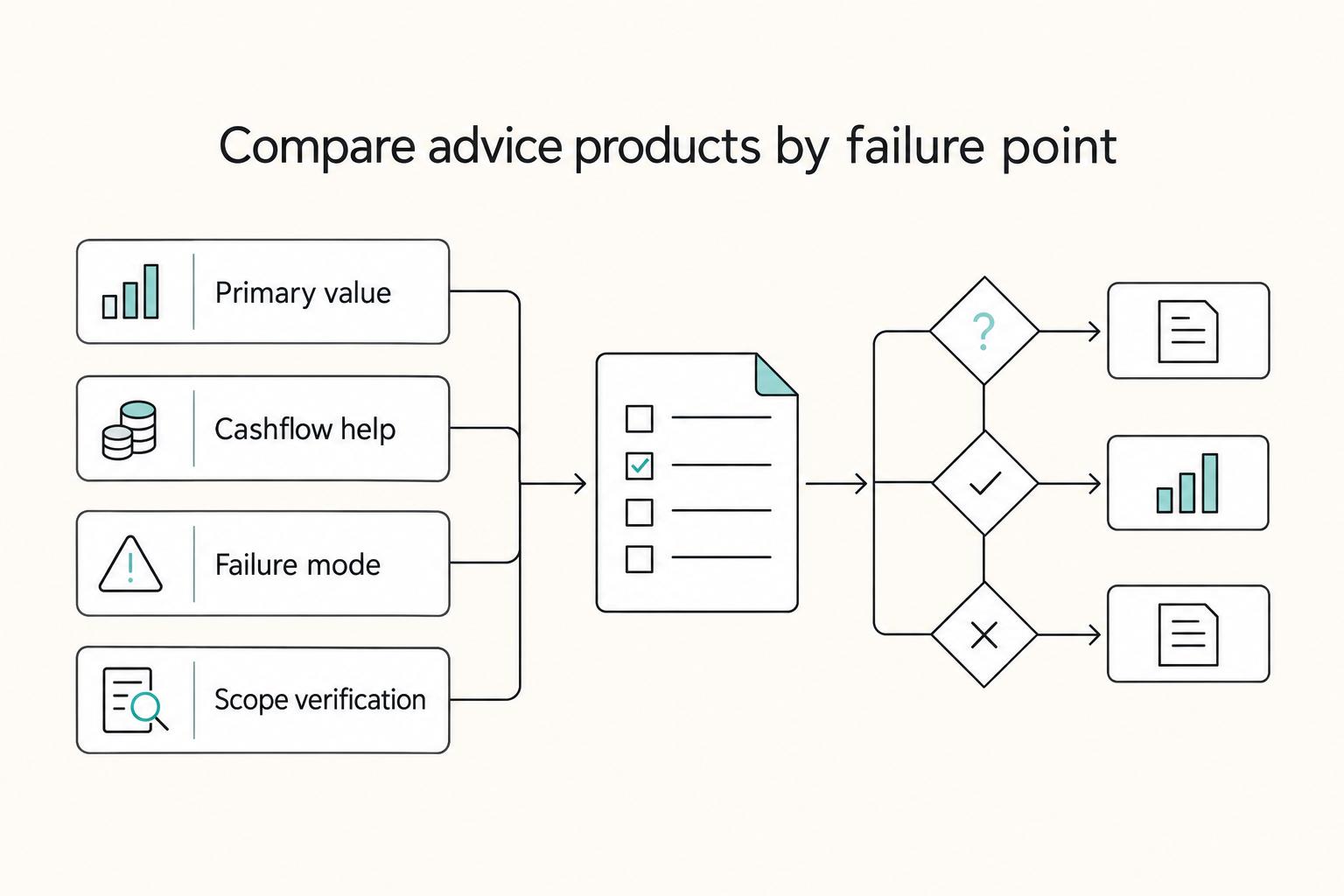
Make the decision that keeps your cashflow stable first, then choose the investing setup you can actually maintain. Do not start by debating portfolio optimization. Start by stress-testing the part of your finances most likely to break when you invoice clients: timing mismatches between incoming payments and outgoing obligations (rent, payroll, software, taxes).
A Guide to Stripe Radar for Fraud Protection
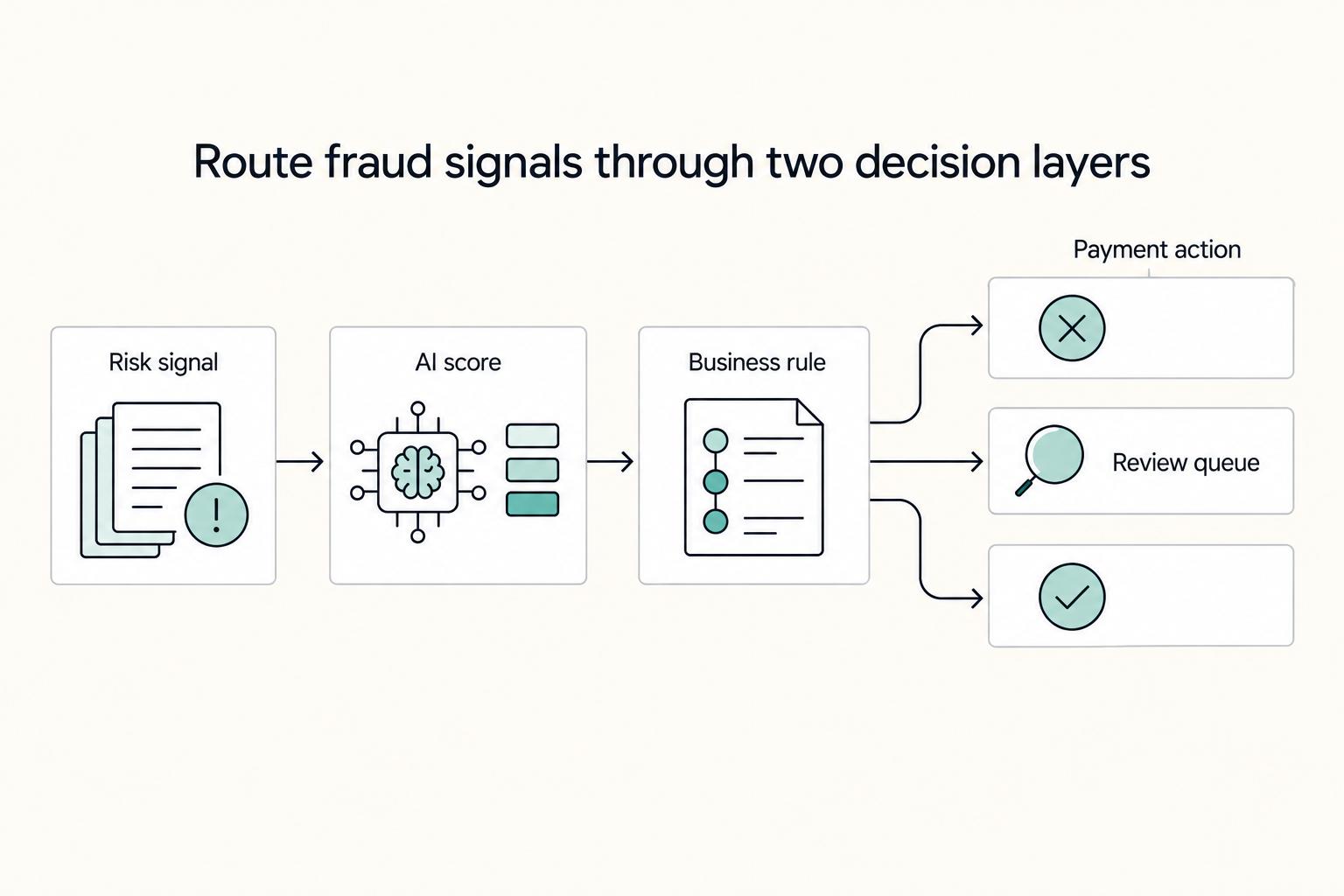
**Treat Stripe Radar for fraud as a cashflow protection system, not a vanity fraud score.** Stripe Radar gives you real-time screening with AI and no extra development setup, but outcomes still depend on your rules and operations. Your job is simple: decide when to `Block`, `Review`, or `Allow`, then tie those decisions to fulfillment timing and client communication so fraud protection supports more predictable revenue.