
Quick Answer
Choose the best print-on-demand for books by prioritizing control before print specs: lock ISBN and imprint decisions, build rights evidence, and complete tax onboarding on each platform. Then assign one distribution owner per edition, such as KDP for Amazon demand and IngramSpark for non-Amazon paths, to reduce listing and payout conflicts. Finish with a monthly reconciliation routine so each deposit maps to platform reports, timing lag, and any FX or fee variance.
If you're choosing the best print-on-demand for books, start with setup, not print finish. A book becomes a business asset through business decisions before print decisions. Before you compare paper weights or cover finishes, secure the asset itself. This first phase covers the compliance, rights, and setup work most self-publishing guides skip, so the rest of the process sits on solid ground.
Phase 1: Securing Your Asset#
If you're choosing a print-on-demand setup for your book, do not upload anything yet. Lock your identifier strategy first, your rights evidence second, and your tax onboarding third. In that order, you avoid costly mistakes: blocked publication, metadata conflicts, and withholding surprises.
1 Lock your ISBN and imprint strategy#
Use a simple rule. If you might use more than one printer or distributor for the same edition, buy and control your own ISBN. If that edition will live only inside one platform, a free ISBN can work, but you are giving up portability and often imprint visibility.
| Decision point | Platform ISBN | Your ISBN |
|---|---|---|
| Control | Verify in platform docs now who owns the identifier and who appears as publisher. KDP free ISBNs can only be used on KDP. IngramSpark says its free ISBN is non-transferable and owned by IngramSpark. Lulu free ISBN terms say Lulu.com is listed as publisher in bibliographic feeds. | Verify in platform docs now that your ISBN record matches your title, author, and publisher details. KDP says if your entered details do not match the ISBN record, you will not be able to publish. |
| Portability | Verify in platform docs now whether the edition can move elsewhere unchanged. KDP free ISBNs cannot be used outside KDP, and IngramSpark free ISBNs are non-transferable. | Verify in platform docs now that the same purchased ISBN can be used for the same edition on other services. KDP says a purchased ISBN can be used to publish the same book on other publishing services. |
| Metadata continuity | Verify in platform docs now which fields lock after approval. Lulu Global Distribution says title and subtitle are locked to the ISBN once approved, and must match the cover and title page exactly or retail rejection can occur. | Verify in platform docs now when a change becomes a new edition. KDP says changes to book details can require a new edition and new ISBN, and cross-format mismatches can force republishing one format. |
| Imprint visibility | Verify in platform docs now what name shows in retailer feeds. KDP free ISBNs display "Independently published," IngramSpark free ISBNs use Indy Pub, and Lulu free ISBN terms assign Lulu.com as publisher in bibliographic feeds. | Verify in platform docs now that your imprint is the publisher name attached to the ISBN record and is entered identically on every platform. |
Before you assign an ISBN, keep one edition record for each format. At minimum, include:
- title data: title, subtitle, series, edition statement, exactly as shown on the cover and title page
- contributor data: author name, co-author or editor names, and roles as you want them displayed
- imprint: the publisher name tied to the ISBN record
- format: paperback or hardcover, trim size, interior type, and language
- channel intent: Amazon only, broad retail, direct sales, or mixed, plus which platform owns that edition
That sheet is not admin for admin's sake. It is how you catch the mismatch that would otherwise block KDP publication or trigger a Lulu retail rejection.
2 Lock your rights evidence before upload#
Platforms care less about your intent than your proof. KDP requires you to hold publishing rights for uploaded content, warns that rights failures can lead to rejection or removal, and says it may ask for additional documentation. Build an evidence pack before launch, not after a complaint lands.
| Evidence | What to save | When |
|---|---|---|
| Manuscript exports | Dated manuscript exports | Before launch |
| Source files | Cover and interior source files | Before launch |
| Rights documents | Licenses or assignments for art, photos, fonts, and excerpts, plus approval emails and invoices | Before launch |
| Final files | Final files that match the published metadata | Before launch |
| Live listing proof | Retailer URLs, screenshots, and the platform settings used at launch | Once the book goes live |
| Policy copies | Page capture or PDF of the platform rule pages you relied on | When you verify a rights rule or metadata rule |
Store one folder per edition in storage you control, with a read-only evidence subfolder and a backup copy. Include dated manuscript exports, cover and interior source files, licenses or assignments for art, photos, fonts, and excerpts, plus approval emails, invoices, and final files that match the published metadata. Once the book goes live, add retailer URLs, screenshots, and the platform settings you used at launch.
Also save the platform rule pages you relied on. When you verify a rights rule or metadata rule, keep the page capture or PDF and add a dated note showing which official policy page was checked. That matters because platform policies and terms can change. For example, KDP's terms page shows a last updated date of September 27, 2024. Lulu's terms PDF shows revised November 11, 2024, and Lulu's Global Distribution setup page was modified March 23, 2026.
3 Lock tax onboarding as a maintenance loop#
If you are outside the US, treat tax setup as a per-platform compliance record, not a one-time form. Complete each tax interview when prompted, store the confirmation screen and submitted details, and note that current withholding or treaty treatment must be verified from official/provider records before use. Do not hardcode a treaty rate from memory.
The ongoing triggers matter more than the first submission. KDP says you must retake the tax interview after changes to tax identity information. It gives examples such as a legal name change, a move from one country to another, or a different TIN type. IRS W-8BEN instructions say a change in circumstances can invalidate the form and require notice within 30 days. Otherwise, the form is generally valid through the last day of the third succeeding calendar year. U.S.-source FDAP income can be subject to 30% withholding or lower treaty rates, but the exact outcome depends on your country and the current platform setup.
Once these records are clean, you can compare channel roles without guessing. The next phase builds on that. If you need a platform-level view first, see The Best Platforms for Self-Publishing Your Book.
Phase 2: The Hybrid Distribution Engine#
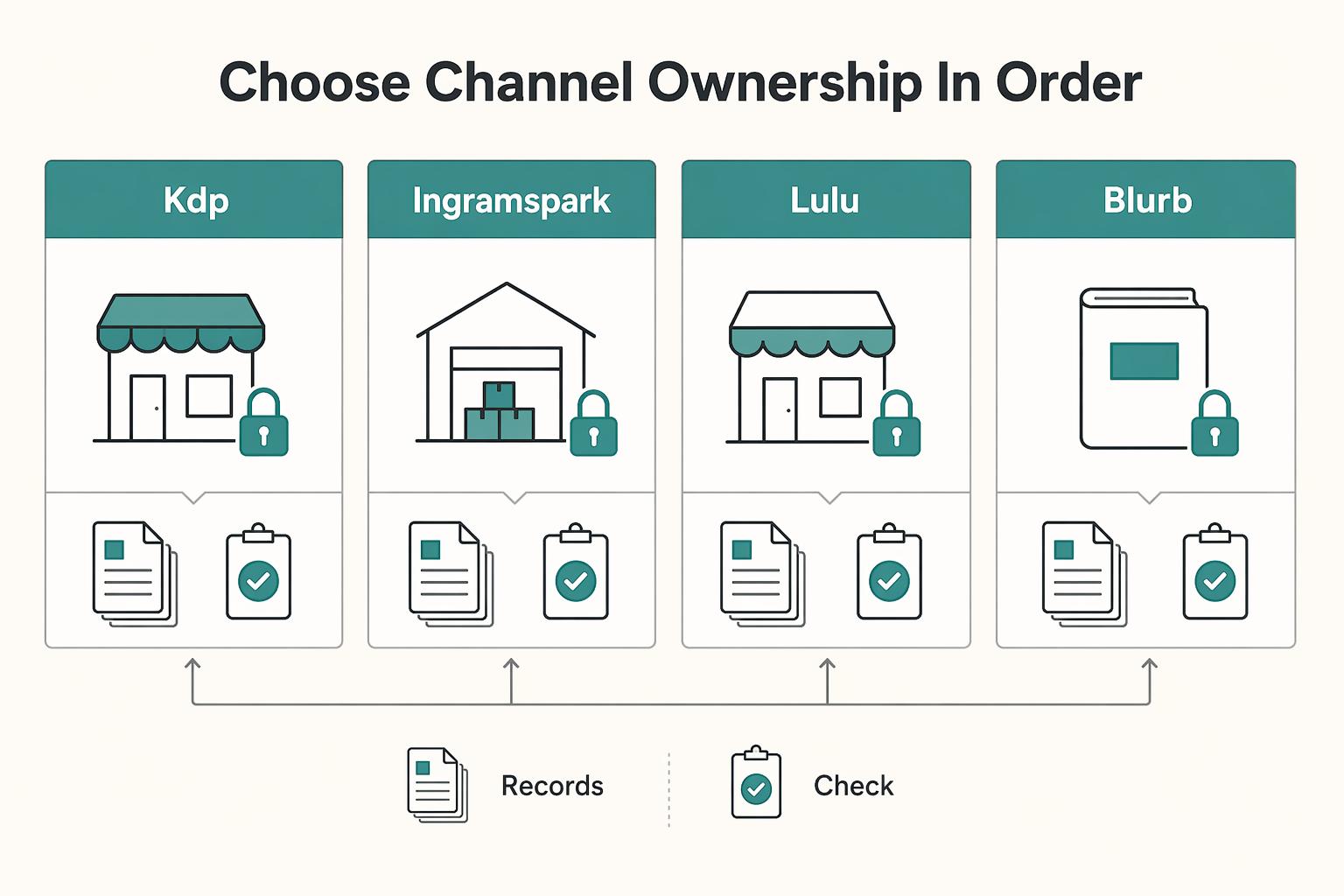
Use one channel owner per edition, then keep that ownership stable through launch. For most workflows, that means KDP for Amazon demand, IngramSpark for non-Amazon distribution, and Lulu or Blurb only when a specific use case justifies the added admin.
Choose channel ownership in order#
- Start with KDP if Amazon is your primary channel.
If you enable KDP Expanded Distribution, confirm the ISBN is not submitted through another distribution service. IngramSpark also warns that if you publish directly with KDP, you should not select KDP Expanded Distribution.
- Use IngramSpark when you want a separate non-Amazon distribution owner for that edition.
Treat this as an operational control: one owner per edition helps you avoid overlapping distribution paths that can create duplicate listings, metadata drift, support disputes, and payout confusion.
- Add Lulu only when direct sales or Lulu Global Distribution serves a specific goal.
Verify ISBN eligibility first, account for Lulu's one-time first-submission review fee of $4.99 (€4.99/£4.99), and treat metadata parity as a launch gate because Lulu requires exact title/subtitle matches across metadata, cover, and title page.
- Add Blurb only when format or audience fit is clear.
Plan for timing variance: listing visibility can take days to weeks, and Ingram sales profit can remain pending for about 90 days before moving to Completed.
| Platform | Channel reach: verify before launch | Margin controls: verify before launch | Metadata authority: verify before launch | Reporting exports: verify before launch |
|---|---|---|---|---|
| KDP | Decide whether Amazon-only is sufficient or Expanded Distribution must stay off because another service owns non-Amazon channels; Expanded Distribution does not guarantee acceptance or ordering. | Confirm the active royalty path: 50% or 60% for standard distribution (based on list price), 40% for Expanded Distribution. | Confirm ISBN and core metadata match your master edition record before approval. | Confirm Sales and Royalties download flow and Prior Months' Royalties timing (generated near the 15th each month). |
| IngramSpark | Confirm it is the non-Amazon owner for this ISBN and that KDP Expanded Distribution is off. | Confirm current pricing and payout settings in live docs before go-live. | Confirm which system is your source of truth for downstream metadata. | Confirm the export/report views you will use in monthly reconciliation. |
| Lulu | Confirm whether you need direct sales only or Global Distribution (which also creates an Ingram listing). | Confirm first-submission fee and current revenue math before enabling distribution. | Confirm exact title/subtitle parity across metadata, cover, and title page. | Confirm CSV export from the payee sales-report flow. |
| Blurb | Confirm the channel is worth the timing tradeoff; Blurb cites distribution access to over 45,000 retailers in 195 countries, but retailer display timing is outside Blurb/Ingram control. | Confirm expected payment timing and pending windows for your cash-flow plan. | Confirm the listing data you submit and where retailer-side delays can occur. | Confirm Monthly Profit Reports and timing differences between Blurb-site vs Amazon/Ingram sales. |
Launch from artifacts, not memory#
Before launch, save four artifacts in the edition folder: distribution-toggle screenshots, a metadata parity check against your master sheet, each platform's first report/export location, and a dated policy recheck note. Keep a standing policy-verification note for the official policy pages to check before launch and on a recurring cadence. Lulu's Global Distribution basics page, for example, shows a modification timestamp of Mon, Mar 23, 2026 at 4:14 PM.
| Artifact | What to save | Timing |
|---|---|---|
| Distribution settings | Distribution-toggle screenshots | Before launch |
| Metadata check | A metadata parity check against your master sheet | Before launch |
| Report access | Each platform's first report/export location | Before launch |
| Policy note | A dated policy recheck note | Before launch |
| Policy verification note | Official policy pages to verify before launch and on a recurring cadence | Before launch and recurring review |
If you want a deeper platform comparison before assigning ownership, see The Best Platforms for Self-Publishing Your Book.
Phase 3: Integrating Revenue into Your Business#
Once each edition has a channel owner, run revenue like a monthly close process, not a memory exercise. Your goal is simple: every payout should tie to a report, a bank arrival, and a documented explanation if anything is off.
If you cannot show why cash arrived, why it is short, or why it has not arrived yet, the revenue trail is not reliable.
Run the same monthly close every month#
Use one close owner, one close date, and one evidence folder per month. The IRS allows any recordkeeping system that clearly shows income and expenses, and requires you to keep supporting documents long enough to substantiate returns, so your close should produce auditable artifacts.
| Step | Action | Detail |
|---|---|---|
| Freeze the month | Export platform sales/payment reports and matching bank activity | For KDP, use prior-month summaries generated near the 15th and the Payment Report |
| Reconcile by timeline | Track sale month, report date, expected payout date, and actual bank-arrival date separately | Sales month and cash month will often differ |
| Capture proof | Save the platform export, bank export or statement snippet, and one settings screenshot | Use the screenshot that affects payout, withholding, or currency |
| Log assumptions | Record assumption, source checked, owner, and timestamp | Do this for each assumption |
| Open exceptions | If a payout is missing, short, or unexpected in currency or timing, open an exception the same day | Include amount, platform, edition, likely cause, next action date, owner, and last-updated timestamp |
- Freeze the month and pull reports
Export platform sales/payment reports and matching bank activity. For KDP, use prior-month summaries generated near the 15th, and use the Payment Report for payment number, status, and date detail.
- Reconcile by timeline, not one date
Track sale month, report date, expected payout date, and actual bank-arrival date separately. KDP royalties are paid monthly with lag (about 60 days, or 90 days for Expanded Distribution), so sales month and cash month will often differ.
- Capture proof for every matched line
Save the platform export, bank export (or statement snippet), and one settings screenshot that affects payout, withholding, or currency.
- Log assumptions with accountability
For each assumption, record: assumption, source checked, owner, and timestamp.
- Open exceptions immediately
If a payout is missing, short, or unexpected in currency or timing, open an exception the same day with amount, platform, edition, likely cause, next action date, owner, and last-updated timestamp.
Verify the payout mechanics that drive reconciliation work#
| Platform | What to verify for payout timing | What to verify for currency handling | What to verify for report depth | Expected reconciliation friction |
|---|---|---|---|---|
| KDP Print | Monthly royalties are paid with lag (about 60 days; 90 days for Expanded Distribution), and minimum thresholds still apply even though EFT has no threshold at policy level. | Confirm payout currency and withholding setup, including whether the default 30% withholding rate is reduced by treaty documentation. | Use the Payment Report for payment-level fields (number, status, date), plus prior-month summaries near the 15th for monthly review. | Usually lower when your edition ownership and payout setup are stable. |
| IngramSpark | Current payout terms pending official/provider verification. Agreement language can vary by account/context, including surfaced 180-day language for some MPC-title accounts. | Confirm payout currency at setup; the user guide says this selection cannot be changed. Also verify market-currency reporting behavior. | Confirm current sales and compensation export fields; compensation views can show paid vs unpaid earnings for e-commerce sales. | Often higher when accounts span multiple markets/currencies/terms. |
| Lulu | Verify current payout schedule and trigger rules on current help pages; Lulu states creator revenue may be paid from monthly sales reports before retailer remittance is received. | Confirm payout currency options (USD, CAD, AUD, EUR, GBP) and expect small FX differences between displayed estimates and paid amounts. | Confirm creator revenue and sales export fields, and keep monthly report artifacts with payout proof. | Moderate, mainly from estimate-to-payout variance and timing differences. |
| Blurb | Paid after month close only if threshold is met; PayPal within 15 days, USD check within 45 days. | Verify threshold by payout currency (USD $25, CAD $25, GBP £12.5, EUR €17,5, AUD $30). | Use monthly sales/payment records and account for Blurb's distinction between earnings and payout after processing fees. | Moderate to high when threshold holds or payment method delays bank arrival. |
Protect margin with a variance routine#
Use planned margin vs actual net cash received as your control metric. When variance appears, check in order: timing lag, withholding, FX conversion, processing fees, and sale-month vs payout-month mismatch.
If a deposit still does not reconcile, keep it as an open exception with owner and timestamp. Do not force a guessed adjustment into your books.
Track non-royalty value in the same close#
| KPI lane | What to track monthly | Evidence to save |
|---|---|---|
| Lead qualification | Inquiry forms or booked calls that explicitly mention the book | CRM export, form captures, call notes |
| Authority outcomes | Speaking invites, podcast requests, or proposal outcomes where the book was included | Outreach logs, proposal records, decision notes |
| Offer expansion | Workshops, audits, or advisory work that started from a chapter, QR code, or book landing page | Landing-page attribution notes, intake fields, signed scope records |
Close the month only when royalties, exceptions, and pipeline KPIs are all updated with owner/timestamp evidence. For offer-side pricing decisions after this close, use Value-Based Pricing: A Freelancer's Guide.
Your Book Is an Asset. Manage It Like One.#
After launch, your job is to run the book like an operating asset, not a one-time upload. Use these four standards to keep it portable, reconcilable, and defensible.
-
Keep asset records per edition. Maintain one folder per format, because each format needs its own ISBN. Store your metadata sheet, final interior and cover files, proof notes, rights evidence, and live title record. On KDP, reuse an ISBN only when title, author name, and binding type still match; if those details change, treat it as a new edition and verify ISBN requirements before changing distribution.
-
Govern distribution by channel. Document which platform owns each route (Amazon, wider retail, and any special path), then save dated screenshots of current settings. KDP Expanded Distribution can make a paperback available to distributors, but it does not guarantee acceptance or orders, and enrollment can be removed if requirements are not met. For Lulu Global Distribution, treat retail availability as variable and record the current timeline only after verifying it against official/provider records. If you need a routing refresher, use The Best Platforms for Self-Publishing Your Book.
-
Control revenue with official records. Reconcile from KDP Statements, not memory or dashboard snapshots. Keep the Prior Months' Royalties report and the Payments report details (payment number, status, and date) together so you can trace earnings to payout evidence cleanly.
-
Run a monthly review and save a proof pack. Each cycle, save:
- policy checkpoint notes with the official/provider verification date
- channel-setting screenshots
- royalty statements
- payment-report exports
- bank-match notes (including FX/bank charges)
- updated tax confirmation records
This week, create the folder for one live edition and complete one full monthly proof pack end to end.
Frequently Asked Questions
Can you use both KDP and IngramSpark for the same book?
Possibly, but the exact coexistence rules are platform-specific and can change. Before launch, verify the current distribution settings in each dashboard, define which sales path each platform should handle, and save one dated channel map so you are not guessing later. Take screenshots of the final settings before you approve distribution.
What should you do about tax if you are outside the US?
Complete each platform's tax onboarding before you expect payouts, then recheck it any time your entity name, tax residency, or banking details change. Tax handling can vary by platform and jurisdiction, so confirm current requirements in each account and keep the submission confirmation with your royalty records. Save the tax-status confirmation page and submission date for each account.
Which platform gives you more control?
Control is strongest when you keep clear ownership of rights and records. Lightning Source says it is a resource for publishers, not a retailer, and that publishers maintain all rights to their titles and pay author royalties. If you use that route, existing customers can start in the Publishers Secure Site, then compare your title metadata, rights notes, and payout owner across accounts before you act.
Do you need your own ISBN?
If portability matters, treat ISBN setup as a control choice, not a box to click through quickly. Check each platform's current ISBN and publisher-record handling before you upload files. Review the title record and publisher fields before you enable distribution.
How should you check print quality?
Check proofs in three passes: file fidelity, physical finish, and fulfillment condition on arrival. For Lightning Source, do not confuse print timing with delivery timing. It says print-to-order can happen within 2 business days, while short-run and web direct distribution orders are printed and fulfilled within 5-10 business days. For other providers, verify current turnaround expectations directly, and mark up one proof checklist with photos of any trim, cover, or shipping damage issues.
Try a related tool
Researched and edited by the Gruv editorial team. Gruv builds cross-border billing, payouts, and finance-operations software for global businesses.
Sources
Includes 1 external source outside the trusted-domain allowlist.
Educational content only. Not legal, tax, or financial advice.
Related Posts
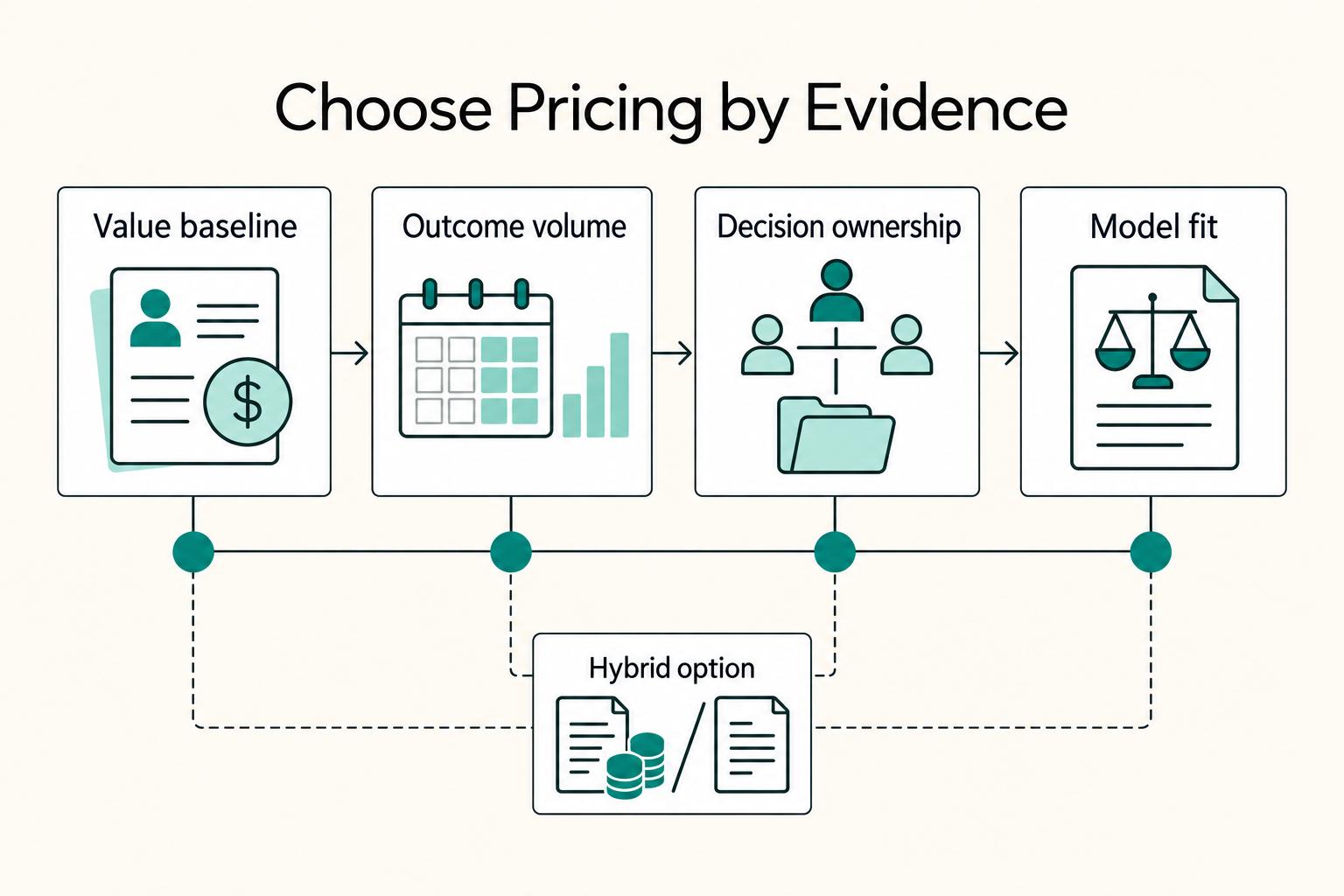
Value-Based Pricing for Freelancers Under Real Payment Risk
Value-based pricing works when you and the client can name the business result before kickoff and agree on how progress will be judged. If that link is weak, use a tighter model first. This is not about defending one pricing philosophy over another. It is about avoiding surprises by keeping pricing, scope, delivery, and payment aligned from day one.

The Best Platforms for Self-Publishing Your Book
If you run your publishing like a business-of-one, you need a repeatable system, not vibes.
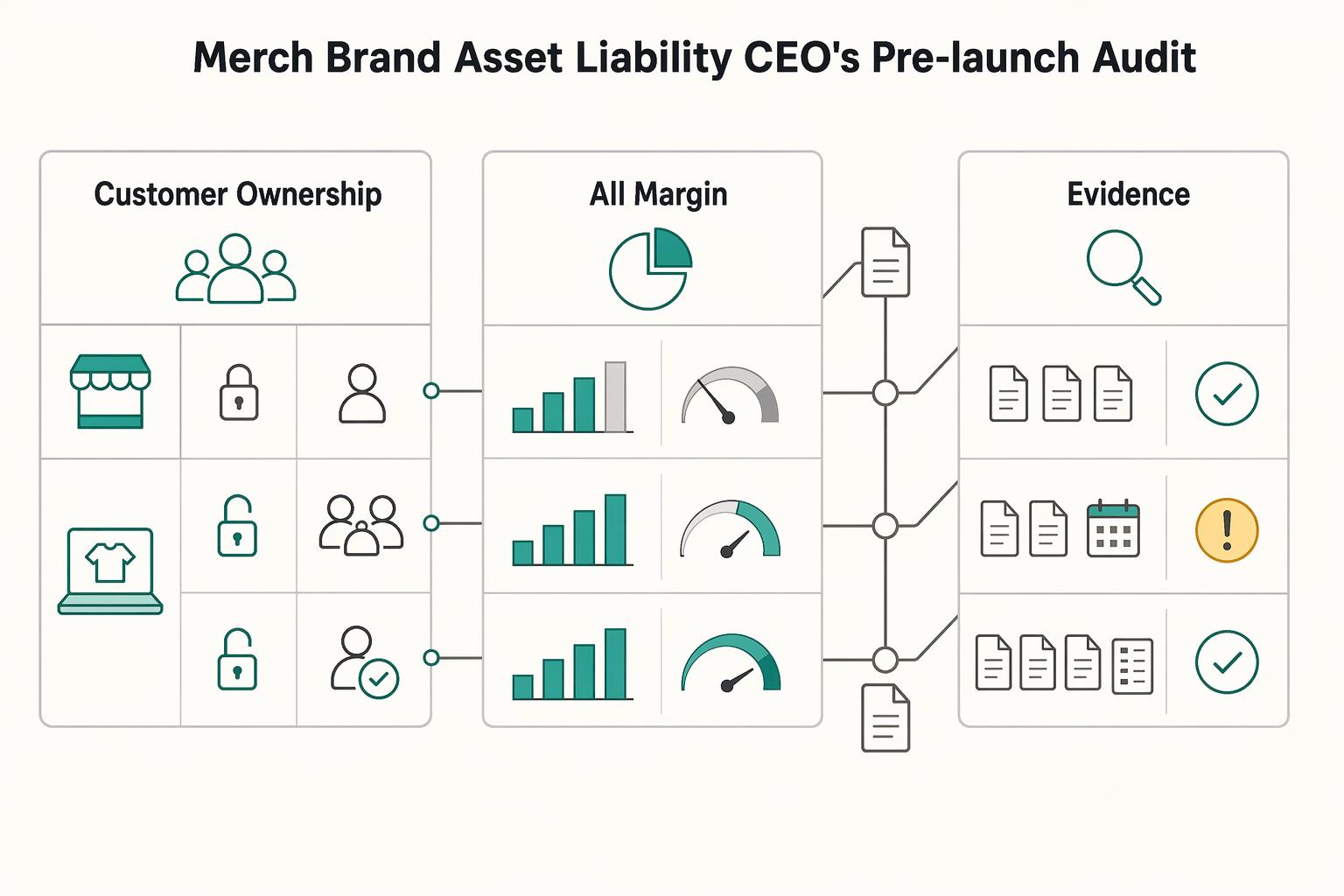
Best Merch Platforms for Creators Who Want Control and Compliance
Start with the operating model. Choose a marketplace if lower setup lift matters most. Choose POD plus [your own storefront](https://www.forbes.com/advisor/business/how-to-start-an-online-clothing-store) if customer ownership and brand control matter more. Run the three audits below as pass/fail checks, then finish with one live validation flow. If anything is unclear in your dashboard, policy docs, or payout flow, pause launch and get written confirmation before you publish products.