
Quick Answer
Choose based on model fit, not name recognition: use Collabstr for quick marketplace testing, try Aspire or Shopify Collabs for structured campaign applications, and consider BrandChamp when recurring ambassador work is the priority. The strongest first move is a 30-day two-lane test with clear checkpoints for compensation type, deliverable scope, and response quality. If terms are vague or the paid path is unclear, stop early and reallocate effort.
How to pick creator-brand platforms on traction signals and documented expectations#
If you need a decision-ready answer on the best platforms for creator brand deals, start with one useful assumption: there is no single winner for every creator. There are close to 100 UGC creator platforms in the market, and the one you choose affects what you earn and how much control you keep over your content and audience. That is why this guide judges options by fit, tradeoffs, and evidence quality, not brand familiarity.
- Who this guide is for
Freelancers, small teams, and finance-minded operators who want practical answers, not a hype list. If you care about paid work, repeat wins, and whether a platform is worth the time it takes to build a profile, apply, and follow up, this is for you.
- What it will help you decide
You will get a grounded view of where each option is strong, where it tends to break, and what kind of creator is likely to get value from it. That includes tradeoffs that actually change outcomes, such as differences in fees, features, and how much control you keep over your content and audience.
- What it will not do
It will not pretend one platform is universally right regardless of deal type, audience channel, or risk tolerance. A creator looking for early UGC jobs is making a different decision from a more established operator trying to build a larger paid pipeline.
A useful point up front: you do not need a giant following to pursue UGC jobs. You do need proof that you can make short, authentic videos for brands, and that proof usually takes the form of a UGC portfolio. If you are early stage, that is a real opening, but it also means your first checkpoint is not follower count. It is whether you can show examples that make a brand say, "yes, this person can deliver."
Before you spend time on applications or outreach, check what a platform actually expects from you: sample videos, portfolio pieces, and a clear path to paid opportunities. If those requirements are vague, or if the deal path is unclear, treat that as a warning, not as a mystery you will solve later.
A common failure mode is easy to spot. Creators can spend a lot of time on profile setup, applications, and message threads before confirming whether the opportunities align with their goals. In a market where companies are expected to spend more than $7.6 billion on UGC in 2025, there is real demand, but not every platform deserves equal attention. The sections that follow are built to help you sort faster, verify smarter, and avoid burning time on channels that look active but do not fit your goals. If you are also comparing operational tooling, see The Best Analytics Platforms for SaaS Businesses.
Selection criteria that actually change outcomes#
Choose for your outcome, not the logo. Platform choice can change both productivity and earnings, and most tools are built around discovery, management, and performance analysis, so your best fit depends on the result you want.
| Check | What to verify | Why it matters |
|---|---|---|
| Deal type mix | Whether opportunities are paid campaigns, gifted products, affiliate offers, or ambassador programs | Different monetization options come with different fees, features, and trade-offs |
| Qualification friction | Whether proof requirements include social links, UGC samples, rates, audience stats, or prior brand work | Match the effort to your stage instead of overinvesting too early |
| Communication flow | Whether work moves through in-platform messages, email handoff, campaign brief, or off-platform contract | Unclear handoffs usually mean delays |
| Payout clarity | Compensation structure, payment timing, and any platform fees | Find the written terms before you spend setup time |
| Repeatability of wins | Whether there are persistent profiles, recurring campaigns, or re-engagement paths | One deal helps, but repeat wins create real value |
Start by writing your primary goal in one line: paid campaign volume, long-term ambassador income, or fast starter deals on Instagram, TikTok, and YouTube. Then score each platform on these five checks:
- Deal type mix
Confirm what shows up most: paid campaigns, gifted products, affiliate offers, or ambassador programs. Different monetization options come with different fees, features, and trade-offs, so if you still cannot tell whether opportunities are mostly cash or product-only, treat that as a warning.
- Qualification friction
Check what proof is required up front: social links, UGC samples, rates, audience stats, or prior brand work. Match the effort to your stage instead of overinvesting too early.
- Communication flow
Verify how work moves from interest to signed deal: in-platform messages, email handoff, campaign brief, or off-platform contract. Unclear handoffs usually mean delays.
- Payout clarity
Find the written terms before you spend setup time: compensation structure, payment timing, and any platform fees. If those terms are hard to locate, treat it as a stop signal.
- Repeatability of wins
One deal helps, but repeat wins create real value. Look for signs of ongoing paths, such as persistent profiles, recurring campaigns, or re-engagement.
Use one exclusion rule across every option: if paid terms, contract flow, or creator support are unclear, do not invest in profile polish yet.
Quick comparison of platform models#
Sort by model first. For most readers, marketplace discovery is the fastest test, campaign application networks are a more structured lane, and ambassador tooling is mainly for recurring relationships.
This split matters because platform models differ in how they are built and priced: some feel closer to pay-per-collaboration workflows, while fuller influencer marketing platforms are positioned more like subscription software that centralizes discovery, relationship management, campaign execution, and measurement.
| Model | Example platforms | Best for | Deal type signals | Competition level | Expected workload | Platform-channel fit checkpoint | Evidence confidence |
|---|---|---|---|---|---|---|---|
| Marketplace discovery | Collabstr | Fast testing and quick first conversations | One-off collaboration framing, visible package/pricing cues, and clear paid vs gifted labeling before you apply | Unclear from verified data; treat as variable | Lighter setup, then deal-by-deal evaluation | Check live listings for Instagram, TikTok, YouTube, or UGC demand before investing in a full profile | Medium on model-level fit and Collabstr's "quick, vetted hiring" positioning; low for outcome claims from community posts |
| Campaign application networks | Aspire, Shopify Collabs, Cohley | Structured campaign applications when your portfolio is ready | Campaign briefs, application steps, deliverables, and documented compensation terms | Likely higher than open browsing models, but not validated here with acceptance/rejection benchmarks | More profile and application admin; verify deliverables and terms early | Confirm active campaign demand for your main channel (Instagram, TikTok, YouTube, UGC) in current briefs, not assumptions | Low to medium; model distinction is clear, but platform-specific workload and channel mix should be verified directly |
| Ambassador tooling | BrandChamp | Ongoing creator-brand relationships and repeat programs | Ambassador/advocate language, recurring tasks, cadence, and renewal terms | Unclear from available verified evidence | Ongoing program participation once active | Confirm recurring deliverables for your primary channel before committing | Low; useful as a model category, but platform-specific details should be verified directly |
Take the confidence labels literally. Recent comparison content can help you sort models, but it does not fully validate community claims about competition, payout speed, or channel fit. Treat Reddit (r/UGCcreators) and Facebook posts as leads to verify, not proof.
The simple decision rule: use marketplace discovery for speed, move to campaign networks when you can handle more structured applications, and use ambassador tooling when repeat work is your priority. Related: How to monetize a 'YouTube Channel'.
Best options for larger paid campaign pipelines#
If you already have a credible portfolio and can handle a heavier application lane, start by testing Aspire. If you do not, do not run Aspire, Upfluence, or Creator.co as your only channel. The tradeoff here is simple: stronger brand access can come with slower acceptance and more rejection noise, so treat these as pipeline bets, not guaranteed wins.
| Platform | Best for | Key pros | Key cons | One concrete use case |
|---|---|---|---|---|
| Aspire | Creators with a credible portfolio and consistent application capacity | Clear first test when you want larger paid campaign exposure in an application-based lane | Current grounding does not verify platform-specific acceptance speed, rejection volume, pricing, or contract flow | Run Aspire for 30 days alongside one lighter channel, then compare whether paid conversations actually move forward |
| Upfluence | Established creators or small teams adding a second structured lane | Useful as a secondary pipeline source when you want to compare campaign quality across channels | Platform-specific performance claims must be verified directly with each platform | Keep Upfluence as a comparison lane while your primary channel stays active, and evaluate response quality at day 30 |
| Creator.co | Creators expanding beyond marketplaces without relying on one platform | Helps diversify applications so one channel does not bottleneck your pipeline | Evidence gaps are material; if compensation terms or deal flow are unclear, setup time can outweigh return | Test Creator.co in a controlled month-long mix with one other application lane and one lighter channel |
Practical sequence for a 30-day test#
- Profile readiness checklist: make your niche, deliverables, and recent proof obvious at a glance before you apply.
- Application cadence: run 2 to 3 focused sessions per week and prioritize briefs that match your channel and content type.
- Follow-up rhythm: follow up once when there is a clear message path, then move on to avoid admin creep.
- Day-30 checkpoint: keep a platform only if it shows real pipeline quality, such as relevant briefs, clear paid-path terms, or serious scope conversations.
If those signals do not appear, reallocate time to a lighter lane while you strengthen proof and positioning. You might also find this useful: Best Merch Platforms for Creators Who Want Control and Compliance.
Best options for beginners and niche creators#
Start with the lane that gets you usable proof fastest, then add a second lane for comparison. For first deals plus product seeding, Shopify Collabs is often the fastest starting point. If you want more visible pricing or profile signals, test Collabstr next. Treat Cohley as a measured secondary test until you verify fit and compensation clarity.
| Platform | Best for | Speed vs upside | Main constraint | First verification check |
|---|---|---|---|---|
| Shopify Collabs | Early-stage creators building first deal activity and portfolio proof | Usually faster to get movement and examples | Gifted or seeded work can build proof, but may not meet short-term income needs | Confirm whether each opportunity is paid, gifted, or mixed, and save the terms |
| Collabstr | Creators who want clearer visible signals before applying | Useful when you want to compare opportunities more directly | Transparency does not guarantee easier wins if your proof is thin | Make sure your profile shows deliverables, examples, and current channel links |
| Cohley | Creators testing one more campaign-style lane after basic proof exists | Can be useful as an additional lane, not a default first lane | Beginner fit, payout clarity, and deal flow need manual verification | Check how compensation appears and where the process moves after interest |
The key constraint is proof, not follower count alone. One source says platforms generally do not require a minimum follower count. Another benchmark suggests either about 1,000 followers on your primary platform or a portfolio with at least six months of work. Practical read: you may not need a giant audience for UGC jobs, but you do need credible examples.
Gifted work is a tool, not a finish line. It can help you build portfolio assets and live examples early. It becomes a bad trade when you start counting free product as income or cannot identify a realistic paid path after initial collaborations.
For a new UGC creator on TikTok with limited audience but solid on-camera samples, Shopify Collabs is often the better first test because speed and product access matter most. For a niche expert on YouTube with a defined audience and category authority, Collabstr can be the better test because visible pricing and packaging may fit a specialized offer.
Whatever lane you choose, keep a simple evidence pack from day one: listing screenshot, paid vs gifted status, requested deliverables, and the next handoff point. With close to 100 UGC creator platforms by one estimate, do not overcommit to a channel that cannot show clear traction within a few weeks. If you want a deeper dive, read A guide to 'YouTube Sponsorships' for creators.
Long-term ambassador paths and recurring deliverables#
Choose ambassador-style paths only if you can sustain recurring output without quality drift; otherwise, one-off deals are usually safer. For long-term lanes, treat BrandChamp as a repeat-relationship option to vet carefully, and use Aspire when you want broader marketplace access that can lead to recurring work over time.
| Platform | Best fit | Tradeoff to watch | What to verify before accepting |
|---|---|---|---|
| BrandChamp | Creators prioritizing ongoing brand relationships over one-off campaigns | Recurring obligations can reduce flexibility for other campaigns | Exact deliverable scope, revision expectations, renewal terms, and where contract/payment handling happens |
| Aspire | Creators who want access to many partnership opportunities and may convert some into repeat work | More opportunity breadth can also mean more competition and less certainty of recurrence | Whether the opportunity is truly recurring, plus the same scope/revisions/renewal/contract-payment checks |
Aspire is described as a creator marketplace: you do not apply to Aspire itself, you join to access partnership opportunities across niches like beauty, fashion, fitness, and home goods. In parallel, a 2026 secondary source reports that 78% of brands use dedicated creator-management platforms, which can make expectations and tracking more structured.
In practice, recurring deliverables can make your pipeline more predictable, but they also consume calendar space and revision capacity. Use this rule: if you cannot commit to recurring output quality for the first full term, pass even if the headline offer looks strong.
Before you agree, confirm in writing the deliverables, revision expectations, renewal terms, and where contracts and payments are managed. Many platforms position themselves as all-in-one systems, but friction can still appear when conversations move outside the platform, so keep records of the offer, contract version, and any scope changes. Need the full breakdown? Read The Best Email Marketing Platforms for Freelancers.
Paid vs gifted deals and when each is a bad fit#
Use compensation type as your first filter. Gifted deals mean brands send products as gifts, while paid deals fund structured campaigns, and many teams use both depending on goals. Before you evaluate any platform pitch, confirm the actual offer terms: compensation, deliverables, usage rights, and whether a paid follow-up path is stated.
| Scenario | Good fit when | Bad fit when |
|---|---|---|
| Gifted for portfolio building | You need proof assets more than immediate income | The ask grows into multiple concepts, heavy revisions, or broad usage rights |
| Paid when cash flow matters | You need predictable income | Product value does not replace reliable payment for ongoing production |
| Mixed gifted and paid offers | There is a realistic path from one to the other | You keep seeing gifted offers with no clear progression to paid work |
- Gifted for portfolio building
Gifted work can make sense when you need proof assets more than immediate income. The upside is speed and practice, not cash. If the ask grows into multiple concepts, heavy revisions, or broad usage rights, treat it as work that should be paid.
- Paid when cash flow matters
If you need predictable income, gifted-only work is usually a bad fit. Product value may support testing, but it does not replace reliable payment for ongoing production. Ask in writing what would move the next collaboration into a paid campaign.
- Cap time where the ladder is missing
A mix of gifted and paid offers can be workable if there is a realistic path from one to the other. If you keep seeing gifted offers with no clear progression to paid work, cap your time there and move on.
This pairs well with our guide on The Best Community Platforms for SaaS Businesses.
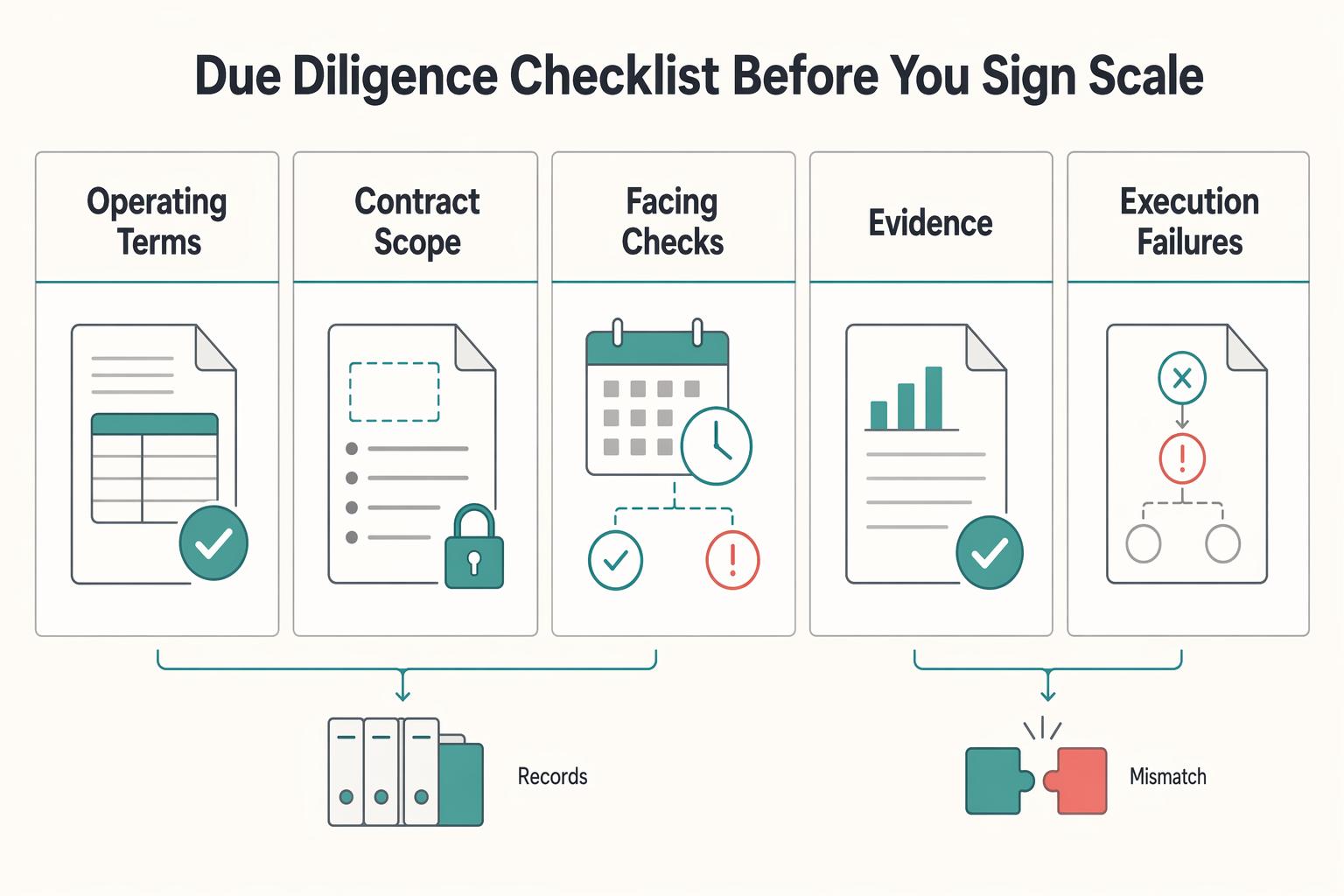
Due diligence checklist before you sign up or scale#
Scale only after you have written terms you can verify later. Use this checklist to confirm what is documented versus what is just sales language or community anecdote.
| Check | Verify in writing | Pause if |
|---|---|---|
| Operating terms | Fees, payout timing, invoice requirements, contract scope, and data handling expectations | Support cannot point to a written source |
| Contract scope | Usage rights, cancellation terms, revision expectations, reshoot responsibility, and final-approval rules | Revision scope or approval authority is unclear |
| EU-facing checks | Keep GDPR and VAT as separate workstreams | One answer gets mistaken for the other |
| Platform documentation vs community signal | Ask for the policy or agreement that states each risk point | The point is supported only by community anecdote |
| Execution failures | Whether the response loop, payment terms, and revision workload are documented | Any of those remain undocumented |
- Collect written operating terms before you increase volume
Ask for the exact policy or agreement that defines fees, payout timing, invoice requirements, contract scope, and data handling expectations. If support cannot point to a written source, treat that point as unverified.
- Review contract scope for workload risk, not just pay
Before accepting campaigns, confirm usage rights, cancellation terms, revision expectations, reshoot responsibility, and final-approval rules. If revision scope or approval authority is unclear, pause until it is documented.
- Run EU-facing checks with VAT and privacy separated
Keep GDPR and VAT as separate workstreams so one answer does not get mistaken for the other. For GDPR-specific checks, use GDPR for Freelancers: A Step-by-Step Compliance Checklist for EU Clients.
For EU VAT due diligence, verify which mechanism applies to your case:
| EU VAT mechanism | What to confirm before scaling |
|---|---|
| One Stop Shop (OSS) | For eligible cross-border B2C e-commerce activity, confirm whether registration in one single Member State applies, how the 1 July 2021 rule change affects your flow, whether the EUR 10 000 EU-wide threshold is relevant, and what record-keeping/audit duties apply. |
| Cross-border SME scheme | Confirm whether you can file one prior notification in your Member State of establishment, whether you stay within the EUR 100 000 Union turnover ceiling, and whether your timeline can absorb up to 35 working days for registration steps. |
| VAT Cross Border Rulings (CBR) | For complex cross-border VAT treatment, confirm whether you should request an advance ruling in the participating EU country where you are VAT-registered. |
- Separate platform documentation from community signal
Reddit or Facebook can help you spot patterns, but they do not replace platform terms. For each risk area, ask: "Can you send the policy or agreement that states this?"
- Watch for the three biggest execution failures
High application volume with no response loop, unclear payment terms, and hidden revision workload are common reasons to pause. If any of those stay undocumented, limit effort until terms are clear.
The practical standard is simple: only scale when effort, payment flow, and compliance responsibilities are documented enough to operate predictably. For a related decision framework, see The Best Platforms for Selling Digital Products.
Conclusion#
The right choice usually becomes clear when you compare platform models instead of logos. For most people, the real decision is use case first, then terms, then evidence that the model fits your workflow.
- Choose by use case
Start with the job you need the platform to do. The most useful lens is not popularity but fit across four common use cases: enterprise, ecommerce, performance, and UGC. That choice changes what "good" looks like, including which features, pricing model, and tradeoffs matter most for your stage.
What matters most here is stage fit. Reviews, roundup rankings, and brand-name familiarity can help you build a shortlist, but they should not override practical checks like pricing clarity, pros and cons, and the cost or complexity of scaling. If a platform looks strong on paper but does not match your current channel, niche, or deliverable style, you will feel that mismatch quickly.
- Run one primary lane and one backup lane first
Do not spread yourself across too many profiles at once. Pick one main option and one secondary option, then evaluate them against outcomes, workflow-stage fit, and cost/complexity/scale tradeoffs.
The differentiator is evidence, not activity. Prioritize platforms that make their pricing model, feature strengths, and limitations easy to verify. If key details stay vague after review, treat that option as provisional.
- Treat thin evidence as provisional and reward transparency
When the facts are unclear, act like they are unclear. Community posts can surface patterns, but they are not a substitute for clear platform documentation on how the model works and what to expect.
What matters here is process transparency. In 2026, authenticity remains central to effective marketing, and younger consumers are more likely to trust peers than polished corporate messaging. That can increase creator opportunity, but it does not make every platform equally dependable. Keep the ones that explain expectations and outcomes plainly, and drop the ones that need too much faith to use well. Related reading: The Best Platforms for Self-Publishing Your Book.
Frequently Asked Questions
What are the main platform categories for creator brand deals?
Most options fall into two broad buckets: UGC creator/job platforms and brand ambassador programs. UGC creator platforms are positioned as places to find paying work, while ambassador programs are framed as systems to recruit, manage, activate, and reward longer-term advocates, often with commissions, assets, and performance tracking. Beyond labels, check how deals are sourced and managed in practice.
Which platforms are best for beginners versus experienced creators?
A practical starting point is portfolio-first: Forbes is explicit that you need proof you can make short, authentic brand videos, and it suggests building sample content from products you already own and love. From there, compare options based on whether they offer paid opportunities that match your goals.
Is Collabstr a marketplace or a campaign application network?
If that distinction matters to your decision, verify the actual operating model directly: can you list services openly, are you applying into closed campaigns, or both? Use that answer to decide whether the platform fits your workflow.
What is the practical difference between paid and gifted deals?
Paid deals compensate you in cash for deliverables. Gifted deals are product-only offers; they can help with early portfolio building but are not the same as paid work. If predictable cash flow is your priority, evaluate gifted offers separately from paid campaigns.
How should I validate platform claims from Reddit, r/UGCcreators, and Facebook?
Treat community posts from Reddit, r/UGCcreators, and Facebook as anecdotal signals and confirm important terms against official platform documentation before committing significant time.
What should I verify before committing to Aspire, Shopify Collabs, BrandChamp, or Cohley?
Treat platform-specific fee structures, payout timing, and contract terms for Aspire, Shopify Collabs, BrandChamp, or Cohley as unconfirmed. Verify each platform’s current creator agreement, payout rules, and campaign terms directly before committing.
Try a related tool
Researched and edited by the Gruv editorial team. Gruv builds cross-border billing, payouts, and finance-operations software for global businesses.
Sources
Includes 3 external sources outside the trusted-domain allowlist.
- oecd.org/content/dam/oecd/en/publications/reports/202...trusted
- sme-vat-rules.ec.europa.eu/sme-scheme/cross-border-sme-scheme_entrusted
- taxation-customs.ec.europa.eu/archives/taxable-persons/vat-cross-border-ru...trusted
- vat-one-stop-shop.ec.europa.eu/index_entrusted
- vat-one-stop-shop.ec.europa.eu/one-stop-shop_entrusted
- archive.com/blog/influencer-marketing-platforms-creatorsexternal
- blog.passes.com/best-creator-monetization-platformsexternal
- campaign-creatives.com/top-demand-generation-platformsexternal
Educational content only. Not legal, tax, or financial advice.
Related Posts

GDPR Compliance Checklist for Freelancers Working With EU Clients
Start by separating the decisions you are actually making. For a workable **GDPR setup**, run three distinct tracks and record each one in writing before the first invoice goes out: VAT treatment, GDPR scope and role, and daily privacy operations.
YouTube Sponsorships for Creators Who Want to Get Paid on Time
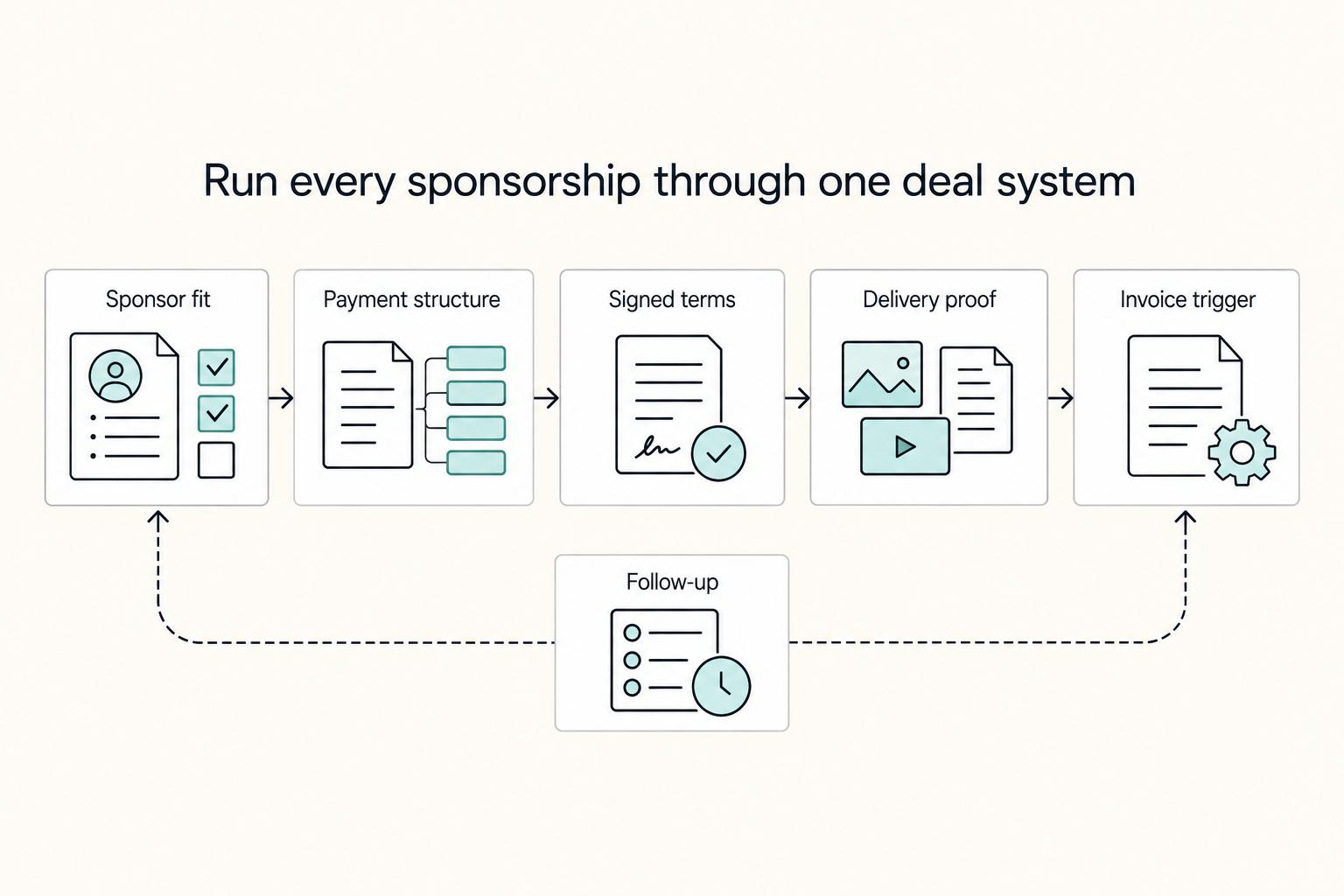
Landing interest is not the same as getting paid. The goal is not a lucky one-off campaign. It is a deal process that helps you manage sponsor work with fewer surprises.
How to Monetize a YouTube Channel for Reliable Cashflow
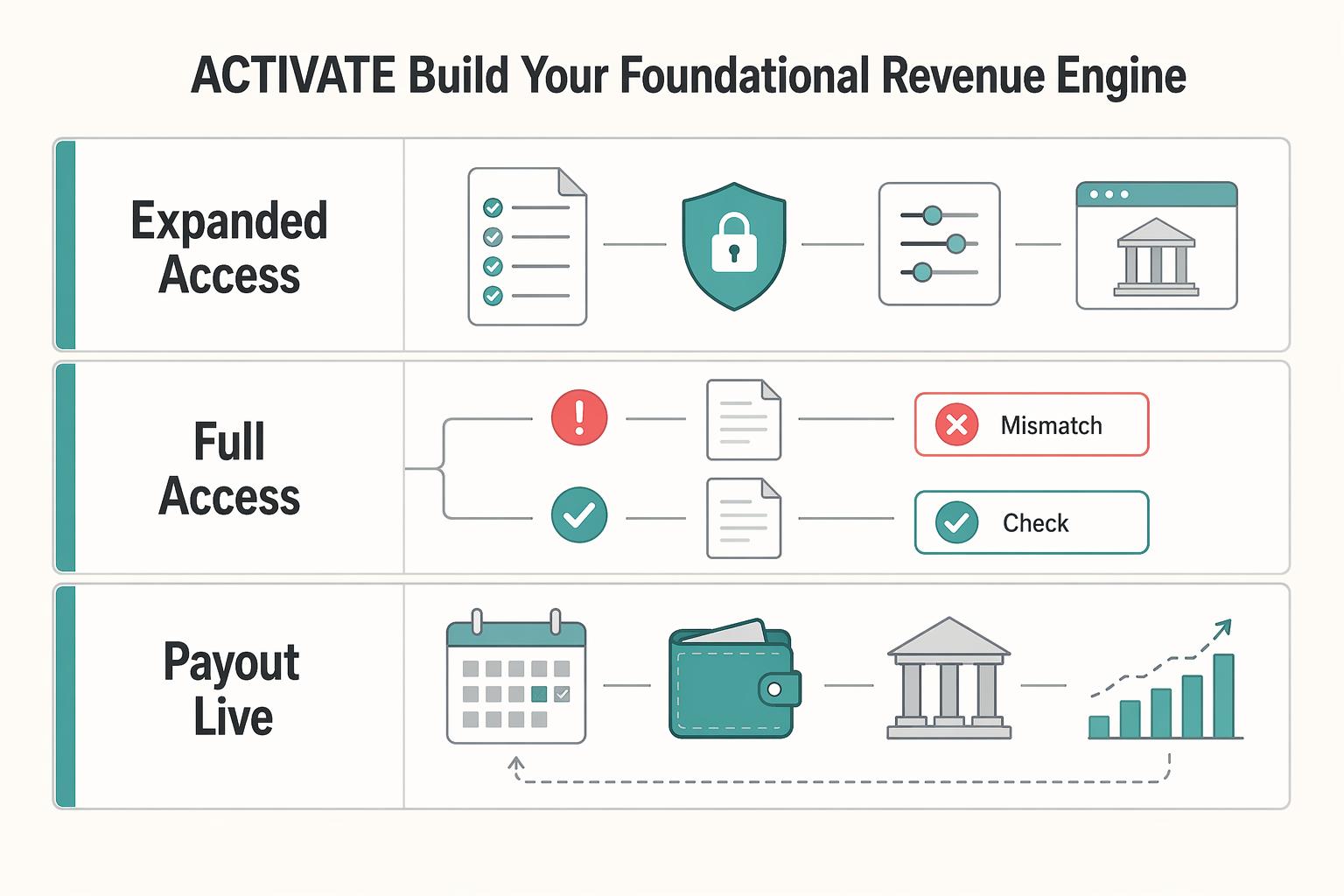
You are not just a content creator. You are running a business of one. That shift matters because most guides stop at feature checklists. They show you how to switch revenue on, but not how to build something resilient, compliant, and easier to manage over time.