

Quick Answer
Shortlist MindNode for an Apple-based map-and-outline workflow, Xmind for structured maps and presentation exports, Miro for broader client workshops, MindMeister for collaborative map-first work, or SimpleMind Pro for cross-platform maps with separate platform licenses. Check the required plan, client access, and export format with a sample project before buying.
What to check before you compare mind mapping apps#
For solo client work, start with two questions: can you create the structure comfortably, and can the client review it without getting access to unrelated work? The options below fit different devices and collaboration styles. After shortlisting, use one sample engagement to check scope review, live delivery references, and closeout exports.
| Tool | Useful fit | Plan or workflow limit | What to trial |
|---|---|---|---|
| MindNode | Apple-based mind maps and outlines | Free mapping/import/export; Plus adds outlining, notes, tasks and collaboration. Listed US price: $2.99/month or $24.99/year. | Check every participant has a supported Apple device and can use the required sharing workflow. |
| Xmind | Structured authoring and map-based presentations | Free: up to 10 online maps and 5 Pitch slides. Pro adds paid export formats and unlimited Pitch slides; Premium adds real-time collaboration and editable Gantt charts. | Export a real map with notes and links; confirm the chosen plan supports the handoff. |
| Miro | Workshops combining maps, documents and other visuals | Free: 3 editable boards, visible to team members. Starter adds private boards and high-resolution exports; listed at $8/member/month billed yearly. | Check client access, board privacy and whether an invite creates a paid member. |
| MindMeister | Shared map-first work with MeisterTask handoff | Free: 3 maps and collaborators; Personal adds file exports and two attachments/map; Pro adds unlimited attachments and MS exports. Regional prices exclude VAT. | Create a task handoff and check client permissions, attachments and exported content. |
| SimpleMind Pro | Maps on Mac, Windows, iOS or Android with cloud file sync | Pro adds notes, PDF/image/outline exports and cloud sync. Licenses are separate by platform; no subscription. | Open and revise a map on your actual platforms, then export it. Treat cloud file sync separately from simultaneous editing. |
A practical command center is not a vague "all in one" promise. It is one map, or a map plus outline. It keeps the pieces you actually need together: a scope map, links to assets, and structure you can carry forward. When those live in one place, scope can get clearer, file hunting can drop, and repeatable delivery can get easier. Use these checks when you evaluate options:
- Scope control
MindNode Plus combines a mind map with Outline View, which helps you review the same scope as a linear list. Outlining is a paid feature; the free editor still supports mind mapping and import/export. Check the review format your client can actually open.
- Execution context
Your map should point to the current brief and deliverables. SimpleMind Pro supports notes and links, while its free edition has fewer documentation and export features. Try a file or webpage link on your own devices before treating the map as a delivery index.
- Reuse and exit options
At closeout, retain an editable map plus a readable export. MindNode includes import/export in its free edition; SimpleMind requires Pro for PDF, image, and outline sharing. An export can preserve a review copy without necessarily preserving all tasks, links, notes, or editing behavior in another app.
Use the same trial project through three stages: scope review, delivery updates, and template reuse. Record where the app supports your workflow and where another tool still owns approvals or tasks.
Stage 1: The Scoping & De-Risking Hub#
Before proposal signoff, use the map to expose ambiguity. It supports the signed SOW by making deliverables, client dependencies, and exclusions easier to review. Keep a dated approved copy linked from the SOW; a later edit to the working map should not silently change the agreed scope.
Keep the structure simple: one objective in the center, then branches for the scope components. A clear tree makes review faster because the outcome stays central and each branch holds a decision point.
Follow this scoping sequence#
| Step | What to add | Article note |
|---|---|---|
| Objective | Client outcome in the center as one plain sentence | If this is vague, the rest of the scope becomes negotiable |
| Deliverables | One branch per handoff output | Name artifacts, not activities |
| Dependencies | What must come from the client or third parties | Assign an owner |
| Assumptions | Conditions you are pricing against | When reality changes, this explains why scope or timeline may need to change |
| Out of scope | Exclusions | Clear boundaries are your best defense when 'could you also' requests appear later |
| Acceptance criteria | Definition of Done under each deliverable | Completion and approval are testable, not subjective |
- Objective
Put the client outcome in the center as one plain sentence. If this is vague, the rest of the scope becomes negotiable.
- Deliverables
Create one branch per handoff output. Name artifacts, not activities, so each item is easy to match in your SOW.
- Dependencies
Under each deliverable, list what must come from the client or third parties (for example access, approvals, files, or availability), and assign an owner.
- Assumptions
Record the conditions you are pricing against. When reality changes, this branch explains why scope or timeline may need to change.
- Out of scope
State exclusions explicitly. Clear boundaries are your best defense when "could you also" requests appear later.
- Acceptance criteria
Add a Definition of Done under each deliverable so completion and approval are testable, not subjective.
Add lightweight governance for each major branch so decisions are auditable: decision owner, approval checkpoint, and change-request path. A simple note format is enough: "Owner: __. Checkpoint: __. Change path: new requests logged in writing, reviewed, then re-estimated before work starts."
Before signoff, run a branch-by-branch readout. Confirm every deliverable has dependencies, assumptions, out-of-scope notes, and acceptance criteria.
Compare Stage 1 tool fit by handoff quality#
| Option | Structure control | Notes depth | Export quality | Handoff readiness | Best fit |
|---|---|---|---|---|---|
| Miro | Mind-map templates on a broader canvas | Keep scope notes close to deliverable branches | Trial a readable frame export; high-resolution JPG/PDF exports are paid | Use the required private-board and external-access settings | Workshops with mixed visuals and documents |
| Xmind | Map structures with notes, links and attachments depending on plan | Keep details in notes rather than overcrowding branches | Pro lists PDF, SVG, Markdown and Office exports; test the target format | Pitch provides a map-based walkthrough; Free has a five-slide limit | Structured authoring with a presentation handoff |
| Your current app | Keep it if the scope tree remains readable | Check notes survive sharing | Export one real deliverable branch and its notes | Have a client open the shared result before signoff | An existing map habit that passes the trial |
Turn this into reusable operating templates: copy each deliverable's Definition of Done into your SOW, and keep a communication-cadence branch (contact points, review rhythm, approval path) for your kickoff doc.
Hypothetical website scope: the main branch is a five-page brochure site. Under each page, record the accepted layout, supplied copy, client owner, review date, and Definition of Done. Put online checkout under Out of Scope. If the client later asks for checkout, add CR-01 with its estimate, dependencies, and approval state. Continue agreed work where practical; schedule the additional branch only after its scope, price, and timeline are agreed. Keep the approved baseline alongside the working map.
Once scope is locked, keep the same map and move it from pre-sale control to live execution control. Related: The Best Tools for Virtual Whiteboarding and Brainstorming.
Stage 2: The Execution Hub#
Use the map as an index to the work rather than creating another competing task register. Link each active branch to the current asset and its task record. Decide which tool owns the due date and task status, and update or sync the map from that source through a process you can verify.
Use three repeatable execution habits#
- Attach the active asset to each deliverable branch
Keep one clearly marked current link under each deliverable. If the active file changes, update that branch the same day and move older links into a dated note below it.
- Capture decisions where they happen
Add short in-context notes directly under the affected branch during calls and async reviews. Use one consistent line format (for example: date, decision, owner, next action) so you can scan changes quickly.
- Tie active branches to task execution
For any branch in progress, show a task reference or mark it as not scheduled yet. Execution continuity is stronger when ideas connect to tasks, dependencies, and timeline views instead of staying as brainstorm fragments.
Add lightweight governance early#
Use simple rules you can maintain every week:
- Version control rule: one item marked current per branch, with older references dated.
- Decision log rule: one repeated note format across all branches.
- Change-request rule: tag scope additions (for example
CR), note requester, and mark status (approved,pending,deferred) before work starts. - Client visibility rule: add a short branch status the client can read at a glance (
On track,Waiting on client,Ready for review).
These are operating habits, not tool magic. The consistency is what keeps delivery controlled.
Choose by work style, not feature volume#
| Tool | Collaboration capability | Task or integration path | Client handoff check | Useful fit |
|---|---|---|---|---|
| MindMeister | Collaborative maps; Free includes collaborators | MeisterTask integration is listed on the current plan page | Trial assignment and updates; do not assume every field syncs both ways | A shared map with a separate task workflow |
| Miro | Shared canvas with plan-dependent access roles | Integrations and on-canvas formats; capabilities depend on the connector and plan | Check edit versus view permissions, private access, and paid-member invites | Workshops with maps and supporting visuals |
| Xmind | Premium lists real-time collaboration; Pro lists basic collaboration | Premium adds assignees, editable Gantt charts and Calendar/Excel task exports | Confirm the required plan; an export is not a continuing two-way sync | Structured maps with optional built-in project planning |
Choose MindMeister when a collaborative map and MeisterTask handoff suit the workflow. Choose Miro when the review also needs documents, sketches, or other canvas formats. These are workflow recommendations based on listed capabilities, not measured rankings of reliability.
At delivery review, check that asset links, task status, decision notes, and change tags still agree. That gives the closeout template a reliable starting point.
Stage 3: The Scalability Engine#
Stage 3 is where you turn finished delivery into a reusable operating asset. The goal is simple: convert completed maps into sanitized templates you can use for faster onboarding and setup on the next engagement.
At this stage, pick for reuse value, not feature volume. A low-cost tool matters less than avoiding high-cost scope confusion later.
Convert the finished map into a reusable template#
| Step | What to do | Control point |
|---|---|---|
| Sanitize a duplicate, not the original | Duplicate the final map and clean that copy; remove client-identifying details, private notes, and links that should not carry forward | Run one redaction check across branch names, notes, attachments, and links |
| Extract what repeats | Keep the sequence, decision points, and deliverable structure that worked; replace client-specific branches with reusable prompts | Examples: Discovery inputs, Approval gate, Ready for review |
| Capture failure points as a pre-mortem input | Add a branch for what failed or stalled; for each one, note the trigger, early signal, and template change you will make | Capture lesson, update template, version the playbook |
| Version, govern access, and retire old variants | Publish with a clear version tag (v1.0 or 2026-03) and set permission boundaries (internal, client-shareable, public) | Use a final review gate, then retire outdated copies |
- Sanitize a duplicate, not the original
Duplicate the final map and clean that copy. Remove client-identifying details, private notes, and links that should not carry forward. Before sharing, run one redaction check across branch names, notes, attachments, and links.
- Extract what repeats
Keep the sequence, decision points, and deliverable structure that worked. Replace client-specific branches with reusable prompts (for example: Discovery inputs, Approval gate, Ready for review) so the map becomes a practical onboarding template instead of an archive.
- Capture failure points as a pre-mortem input
Add a branch for what failed or stalled: scope confusion, delayed approvals, bad assumptions, or blocked handoffs. For each one, note the trigger, early signal, and the template change you will make. This is the loop: capture lesson, update template, version the playbook.
- Version, govern access, and retire old variants
Publish with a clear version tag (for example: v1.0 or 2026-03). Set permission boundaries before sharing (internal, client-shareable, public). Use a final review gate: confirm redactions are complete, permissions are correct, and this is the current version; then retire outdated copies.
Choose tools by scalability output type#
Different methods serve different purposes, so choose based on the output you need next.
| Tool | Listed capability | Reuse option | Constraint to check | Presentation option |
|---|---|---|---|---|
| Xmind | Paid export formats and Pitch | Keep an editable map and export the reusable structure | Confirm notes, attachments and tasks survive the chosen export | Free Pitch has five slides; Pro lists unlimited slides |
| Miro | Templates and paid blueprints | Create a sanitized private-board template | Check who can access the template and linked assets | Use a client-facing frame or slide view |
| MindNode | Import/export and paid outlining | Keep an editable map plus an outline export | Test output in the receiving app; collaborators need supported devices | Use a clean map or outline walkthrough |
| SimpleMind Pro | PDF, image and text/HTML outline sharing | Retain the map and a readable exported version | A readable export may lose editable structure | Slideshow support excludes phones |
Choose the output you will reuse: an editable map, a readable client handoff, or both. At the next kickoff, remove any branch that no longer matches the new engagement rather than treating the old template as a complete scope.
Choose the tool that supports scope, delivery, and reuse#
Choose the tool that helps you run this sequence: lock scope first, run execution from one live map next, and turn finished work into reusable templates ongoing.
- Do this first: lock scope with a visual contract
Build your Stage 1 map around deliverables, dependencies, assumptions, and out-of-scope items. If that structure is easy to review with a client, you cut ambiguity before it turns into scope creep.
- Do this next: run delivery from one source of truth
In Stage 2, your map should hold direct links to assets and meeting notes in context. Test this on a real draft project, because decision quality depends on whether the map stays useful when work changes.
- Do this ongoing: convert finished maps into reusable templates
At closeout, duplicate the final map, sanitize client-specific details, and save the reusable version. This is what makes onboarding and setup faster on the next project.
| Your main pressure point | Best-fit tool type | Stage priority |
|---|---|---|
| You need stronger solo planning depth | Structured mapper | Stage 1 |
| You need heavier client collaboration | Collaborative canvas or shared mapper | Stage 2 |
| You need cleaner documentation and repeatable delivery | Template-friendly mapper | Stage 3 |
If the map falls behind task or approval records, simplify its role to a linked index. Keep one place responsible for each status and review the handoff rather than maintaining two unchecked copies.
Start now with one active project: build the Stage 1 visual contract, add Stage 2 links and notes as work moves, then close by creating a sanitized Stage 3 template. For implementation steps, use How to use 'Mind Mapping' for project planning and brainstorming.
Frequently Asked Questions
How do you use a mind map to stop scope creep?
Use the map to review scope, then keep the approved baseline in the SOW. Give each deliverable branches for Definition of Done, Client dependency, and Out of Scope. Log a new request as a change with an estimate and approval state. Pause or defer the affected work as needed while agreeing scope, timing, and price; unrelated agreed work can continue where practical.
Which tool should you use for client presentations?
Xmind offers Pitch: Free allows up to five slides and Pro lists unlimited slides plus presentation exports. MindMeister lists presentations even on Free, while Miro offers a broader canvas and slide formats. Trial the exact output and remove internal notes before sharing. The listed Miro Starter price is $8 per member per month billed yearly, or $96 per member for the year, before applicable tax; that is not a monthly-billing quote.
Can you connect your map to a task tool or project tracker?
Often, yes, but decide first whether your map is the execution hub or just the planning layer. If multiple people need live editing, prioritize real-time collaboration. If you mainly need the map to turn into a trackable plan, prioritize tools that support that handoff well. In the map itself, add an owner, next action, and status on every active branch first, then verify current connector and sync details before you rely on them.
What if a tool promises AI help for mapping and planning?
Use AI for a first draft of branches or a summary you will review. Check its assumptions against the client brief, remove invented deliverables, and compare exclusions and dependencies with the agreed scope. Check the vendor plan and workspace data settings before uploading client material. AI output does not record client approval.
Can you use a map as a solo business plan?
Start with the offer at the center, then add target client, sales pipeline, pricing assumptions, delivery steps, and finances. Keep each assumption linked to a source or next action. A template can speed up the first draft, but review it against the business you actually run before using it to make decisions.
How do you close a project map so it is reusable later?
Duplicate the final client map, then turn that copy into a playbook or template by removing names, emails, file links, pricing notes, and comment threads. Rename it with a clear version tag like v1.0 or 2026-03, and do one last check that every shared item is editable and shareable without exposing old client material. Verify current export, archive, and permission options before you standardize on them.
Try a related tool
Researched and edited by the Gruv editorial team. Gruv builds cross-border billing, payouts, and finance-operations software for global businesses.
Sources
Includes 6 external sources outside the trusted-domain allowlist.
- mindmeister.com/pricingexternal
- mindnode.com/downloadexternal
- mindnode.com/featuresexternal
- miro.com/pricingexternal
- simplemind.eu/featuresexternal
- xmind.com/pricingexternal
Educational content only. Not legal, tax, or financial advice.
Related Posts
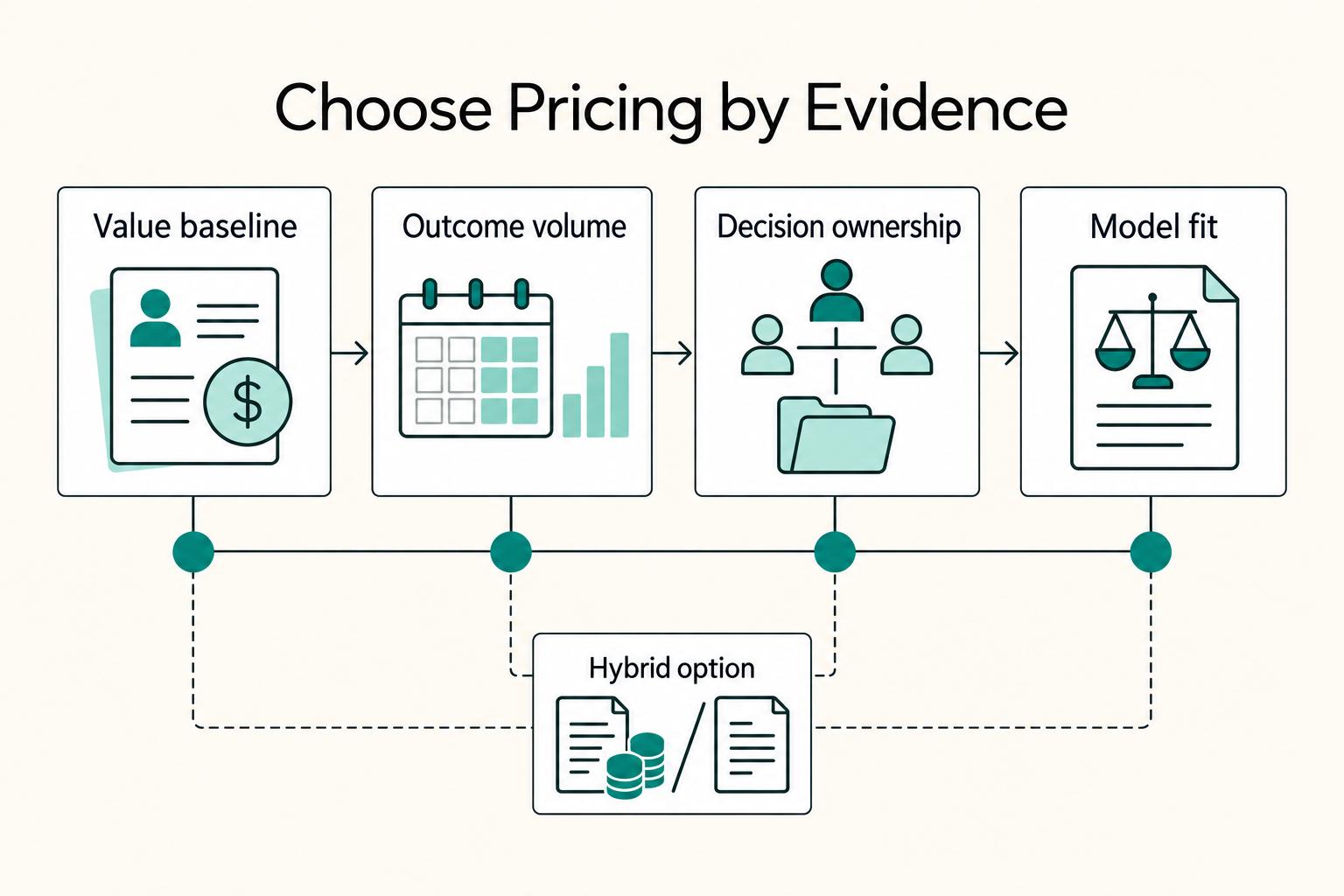
Value-Based Pricing for Freelancers Under Real Payment Risk
Value-based pricing starts with the client’s expected benefit and willingness to pay. It still needs a deliverable, scope and payment agreement you can perform. Use a discovery phase when the benefit or effort is too uncertain to support a defensible quote.
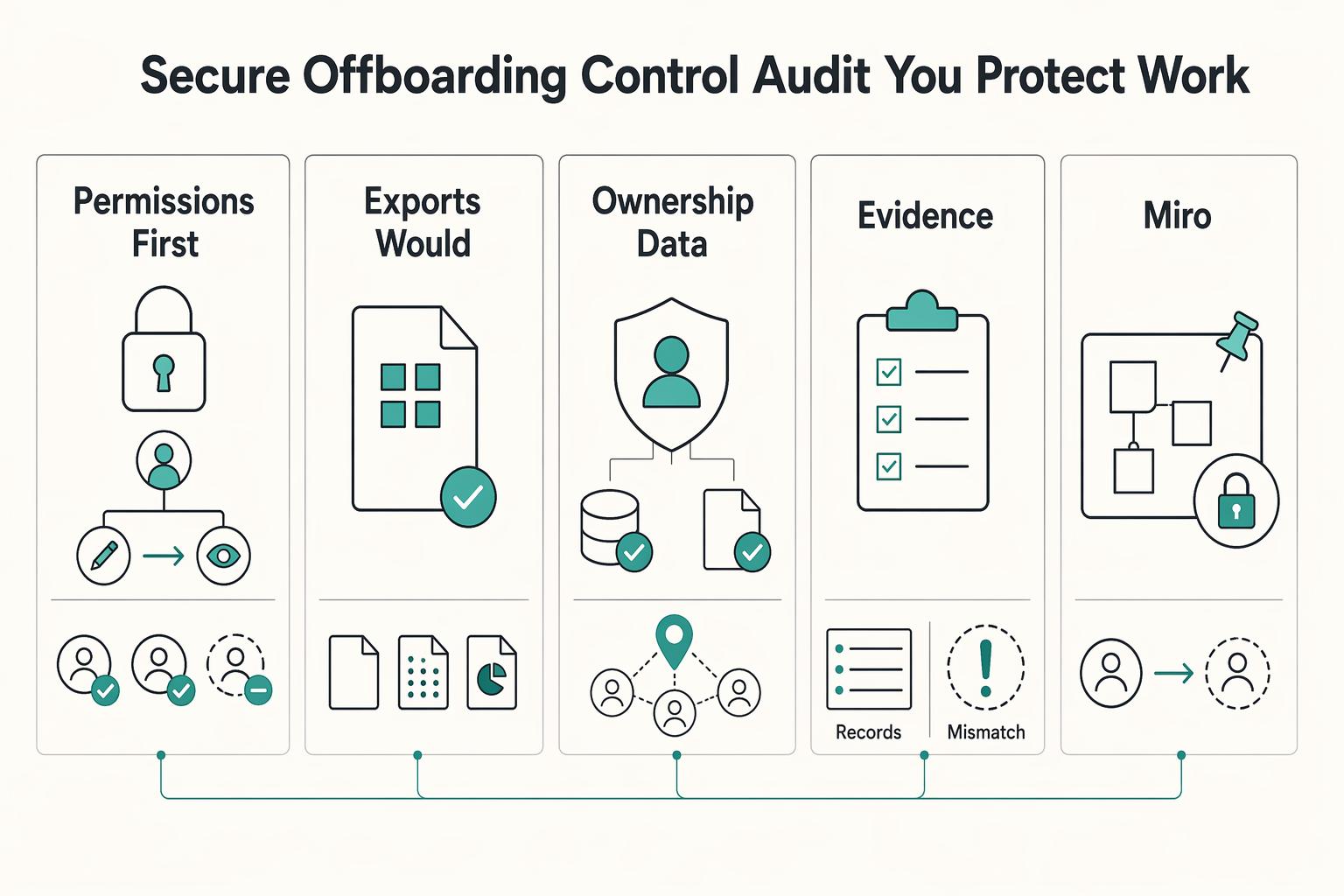
The Best Tools for Virtual Whiteboarding and Brainstorming
If your client struggles to join the board, if the session stalls while you explain basic controls, or if nobody knows who owns the final output, they will not experience that as a software issue. They will experience it as your judgment call. Choosing among the best virtual whiteboarding tools is less about feature bragging rights and more about avoiding visible mistakes you could have screened out before the client ever saw the board.
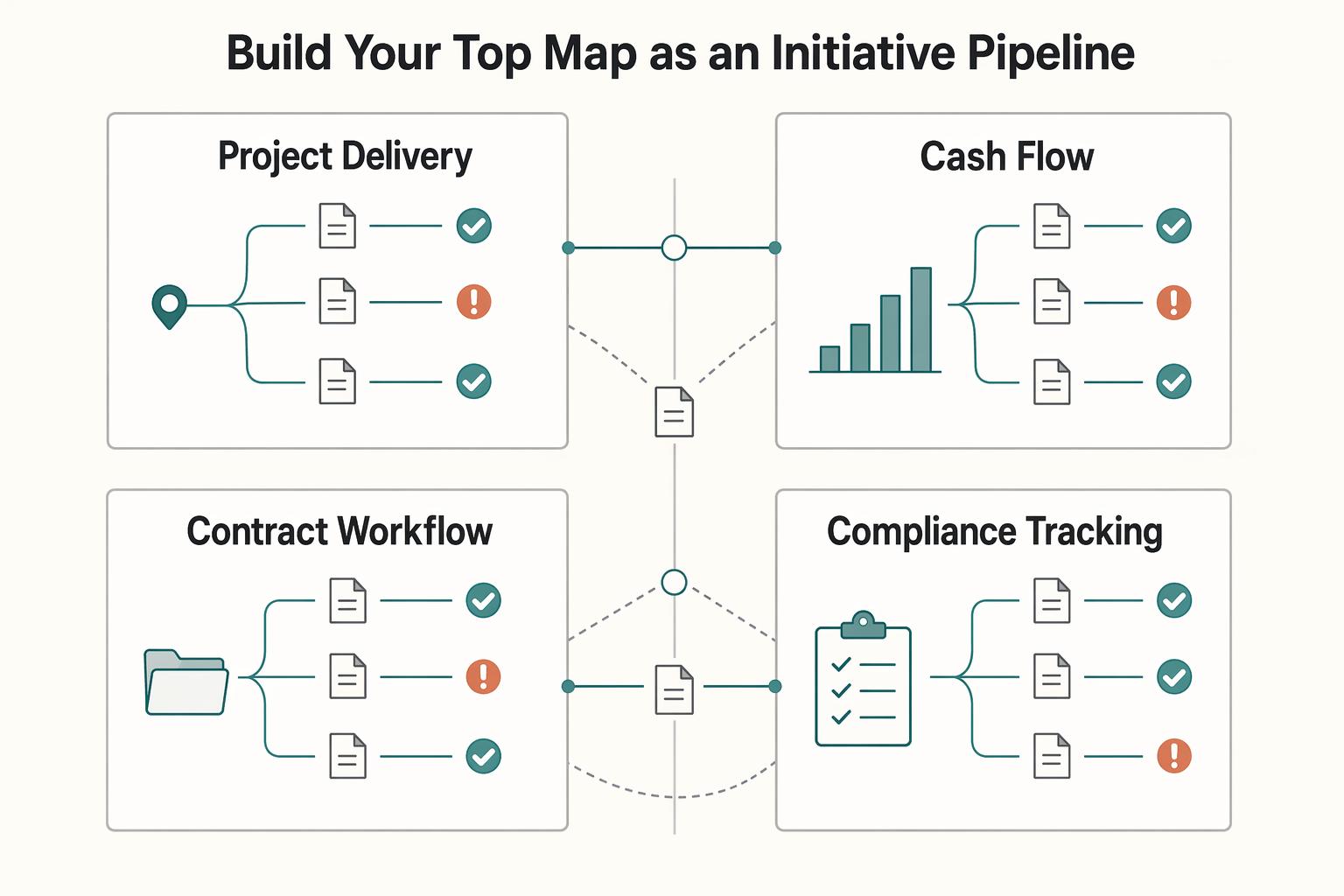
Mind Mapping for Freelancers Who Need a Real Operating System
You do not need a bigger idea board. You need one view that shows what is moving, what is stuck, what is waiting on a document or signature, and what needs a decision next. That is the real job of mind mapping when your ambition outruns your time and attention.