
Quick Answer
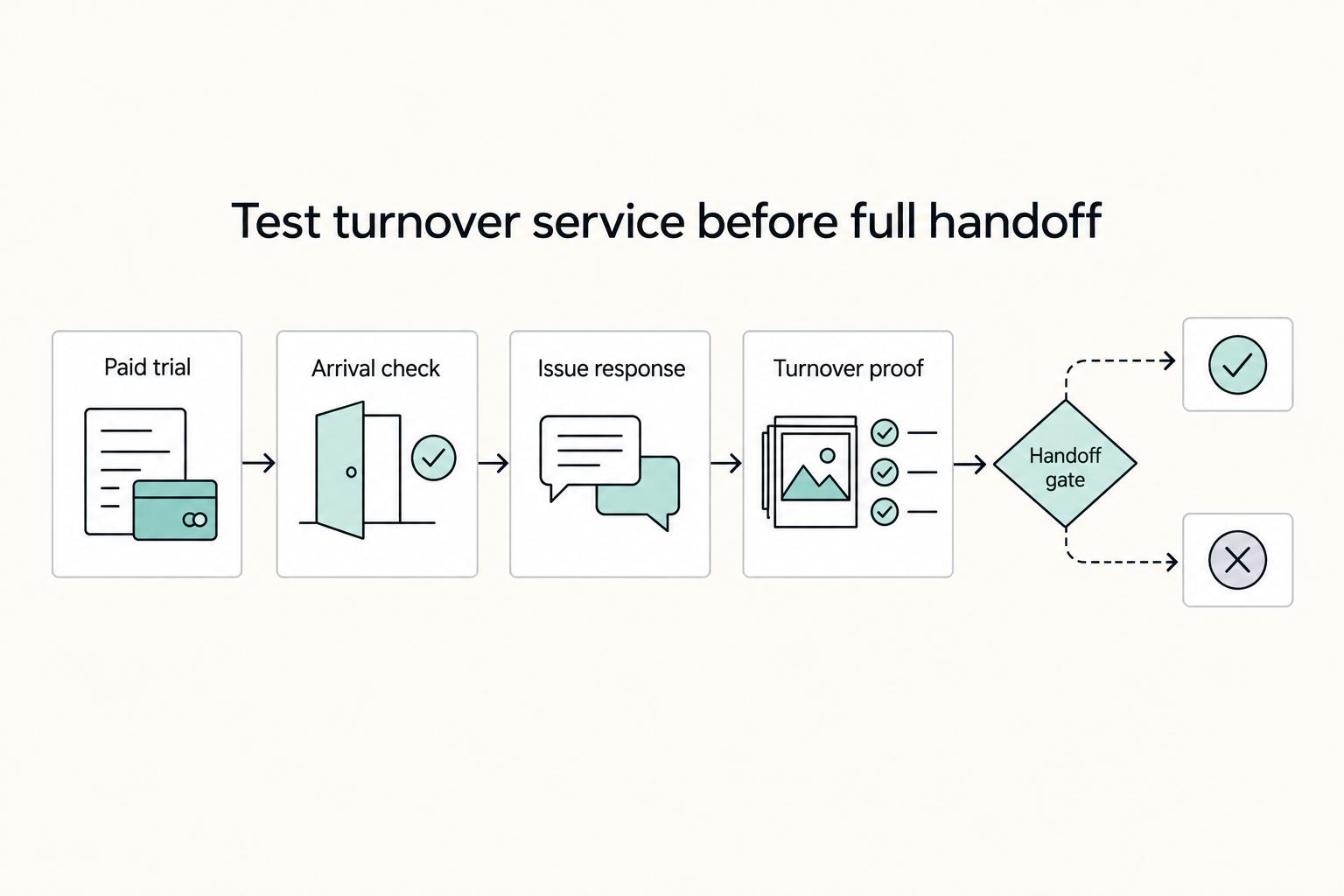
Start with a scorecard and one paid test turnover, then choose based on performance. For best airbnb cleaning services, compare candidates on reliability, response speed, checklist completion, and communication under a real handoff window such as 11 AM to 3 PM. Use a 30-day trial with 2-3 options, require documented inclusions like linens and restocking, and only move to recurring service after verified guest-ready results.
The Best Airbnb Cleaning and Turnover Services for Hosts Who Need Fewer Surprises#
If you are running an STR yourself, the right choice is rarely the flashiest cleaner. It is the service that gets a unit guest-ready on time, communicates clearly when something changes, and repeats that result without turning every check-in into a rescue job. That is the standard behind this look at the Airbnb cleaning services that are worth your shortlist.
- Built for independent hosts, not hotel-style operations
This guide is for operators with one or several listings who need dependable turnover cleaning between guest stays, not a standard residential clean. The pressure point is often a tight same-day window like 11 AM to 3 PM, where one late arrival or one missed bathroom reset becomes a guest-facing problem. Cleanliness affects reviews, but cleaner communication matters just as much when access codes change, laundry runs long, or damage needs to be flagged before check-in.
- Scoped to currently visible options, with verification required
The recommendations here are shaped by publicly visible options and service pages. Treat that as a starting map, not a guarantee of active coverage, staffing depth, or service quality in your exact ZIP code. Before you compare anyone, verify three basics in writing: whether they handle turnover cleaning rather than only standard house cleaning, whether they can support back-to-back scheduling, and whether restocking service is included or billed separately.
- Use a scorecard first, then a trial clean before any recurring commitment
You do not need a long vendor hunt. Use a fixed scorecard, then run one paid test turnover to see what actually happens at the property. Your scorecard should at minimum check scheduling reliability, checklist completion, communication speed, and quality-control evidence such as timestamped photos or a completion note tied to your turnover checklist.
That trial matters because scope drift is where many hosting problems start. A cleaner may say they handle Airbnb cleaning, but you still need the handoff details documented: linens, consumables, lockup steps, damage reporting, and whether disinfecting or deodorizing is part of the visit or an extra. If any of that is vague, treat the quote as high risk even if the base price looks attractive.
The rest of this guide follows the same logic. Choose the right service type, test it under real conditions, and only then hand over recurring turnover management. That is how you get fewer surprises, fewer rushed check-in fixes, and a cleaner operation as your hosting load grows.
Related: The Best Software for Managing Short-Term Rentals.
What actually makes an Airbnb cleaning service the best#
The best choice is the one that can deliver a consistent, guest-ready turnover under your real operating constraints, not the one with the strongest pitch.
-
Reliability. Prioritize cleaners who can repeat results across turnovers. Verify credentials, check recent turnover history and review patterns, and use a trial clean before any recurring commitment.
-
Turnover speed. Confirm they can handle quick turnaround times on your schedule, not just slower booking gaps. Ask directly how they handle urgent turnover issues and emergency availability when something goes off plan.
-
Quality control. Look for a clear process that checks work before handoff so standards stay consistent. If quality checks are vague, expect inconsistent outcomes.
-
Transparent pricing. Compare prices only after scope is clearly defined in writing. You should be able to see what is included in a standard turnover versus what is billed as an extra.
-
Operational fit. Match the service to your occupancy, property size, cleanliness feedback, and your own availability. A cleaner can be good in general and still be a poor fit for your workload.
Before comparing bids, define service boundaries in writing:
| Service type | What to define before you compare |
|---|---|
| Turnover cleaning | Standard between-guest reset tasks and handoff expectations |
| Deep cleaning | Periodic, heavier tasks beyond normal turnover work |
| Emergency cleaning | What urgent support is available and how escalation works |
| Restocking | Which supplies are refilled and how charges are handled |
If a provider cannot define these boundaries clearly, do not rank them yet. They have not earned a trial clean.
Related: The Best Translation and Localization Services for SaaS.
Choose marketplace or local company based on your operating reality#
Choose the channel based on your next likely failure, not on which brand looks familiar. If your workload already feels full-time across guest communication, pricing, marketing, and maintenance, start with the model that reduces that specific pressure first.
| If your main risk is... | Start here | Why this fit is practical | Watch out for |
|---|---|---|---|
| You need flexibility and quick comparison for one listing | Marketplace discovery (for example, Turno, TIDY, Yelp) | You can compare more options across Las Vegas and nearby areas before committing to a trial clean. | Discovery breadth is not proof of execution quality. |
| You run multiple listings and need repeatable standards | A direct local provider relationship (for example, Kokoro Cleaning or another local team) | One relationship can make it easier to hold one written standard across repeated turnovers. | Don't assume consistency means guaranteed backup capacity. |
| Your risks are split between coverage and consistency | Hybrid model | Keep a primary direct team, and keep marketplace discovery active as backup. | Hybrid only works if you define when to use primary vs backup. |
A practical rule: if missed cleans are your biggest concern, lean toward broader sourcing options. If inconsistent quality is the bigger issue, lean toward one accountable team with a tight SOP.
Whichever path you choose, confirm four basics before booking: who is coming, what the turnover includes, how access works, and what happens if the assigned cleaner cannot make it. Marketplace-style channels can help with discovery, but outcomes are still mixed unless your scope and accountability are explicit.
Related: Value-Based Pricing: A Freelancer's Guide.
Best options by host stage and operating need#
Choose by stage first, then by failure mode: discovery, recurring coordination, or repeatable execution with clear accountability.
| Option | Best fit | Confirm | Main risk |
|---|---|---|---|
| Turno | Moving beyond DIY and wanting a marketplace-style way to find and test cleaners | One paid test turnover, a property-specific checklist, a clear arrival window, and timestamped completion photos | Assuming platform presence equals consistent quality |
| TIDY | Recurring coordination is the main pain point | Vacation-rental turnover experience, detail orientation, quick-turn capability, and full scope in writing | Expectations drifting between a standard house clean and a true turnover |
| Yelp | A discovery layer when you need candidates quickly | How each candidate handles quick turnarounds, whether they use a detailed turnover checklist, and who reports damage or low stock before check-in | Strong general cleaning reviews alone are not enough |
| Kokoro Cleaning | A direct local provider relationship for recurring work | The written task list, point of contact, laundry and consumables ownership, and backup plan for delays | Assuming the company label itself guarantees consistency |
Cleanliness is operational, not cosmetic. One analysis of over 2.4 million listings reports that cleanliness ratings are a top driver in guest evaluation. Judge every option by the same standard: can it deliver a guest-ready turnover on time, using a written turnover checklist, with completion proof?
- Turno
Best fit when you are moving beyond DIY and want a marketplace-style way to find and test cleaners. Use it as a discovery and coordination channel, then verify the person doing the work against your exact turnover scope. Ask for one paid test turnover, a property-specific checklist, a clear arrival window, and timestamped completion photos. The risk is assuming platform presence equals consistent quality.
- TIDY
Best fit when recurring coordination is your main pain point. At this stage, the key capability is scheduling that stays aligned with your booking workflow, because manual coordination gets fragile as volume grows. Before committing, confirm vacation-rental turnover experience, detail orientation, and quick-turn capability. Put full scope in writing so expectations do not drift between a standard house clean and a true turnover.
- Yelp
Best fit as a discovery layer when you need candidates quickly. Use it to build a list, then do your direct vetting off-platform. Ask each candidate how they handle quick turnarounds, whether they use a detailed turnover checklist, and who reports damage or low stock before check-in. Strong general cleaning reviews alone are not enough.
- Kokoro Cleaning
Best fit when you want a direct local provider relationship for recurring work. This model can improve repeatability when one team follows one property standard. Confirm the written task list, point of contact, laundry and consumables ownership, and backup plan for delays. The risk is assuming the company label itself guarantees consistency.
If you are managing one listing, keep commitments light and prioritize discovery. If you are running recurring turnovers across multiple units, favor the option that can prove checklist discipline and reliable coordination under real conditions.
Related: The best 'book cover design' services for indie authors.
Price and scope checks that prevent expensive misunderstandings#
The safest way to compare cleaners is simple: use the same written pricing-and-scope format for every candidate, and treat undefined quotes as high risk.
| Check | What to standardize | Why it matters |
|---|---|---|
| Build one pricing sheet per candidate | Use the same one-page template for base turnover cleaning fee, add-ons, after-hours fee, and same-day surcharge | Makes transparent pricing testable instead of marketing language |
| Compare like-for-like only | Keep the unit, property size, and turnover condition the same across all quotes, and separate standard turnover cleaning from Deep Cleaning | Avoids comparing different scopes and calling one cheaper |
| Get written inclusions and exclusions | Confirm linens, consumables restock, damage flagging, photo proof, and a final lockup checklist before the first clean | Reduces misunderstandings and improves accountability |
| Use a short contract or signed scope attachment | Define responsibilities and standards, and ask for the signed scope, checklist version tied to the unit, and a sample completion report | Keeps both sides aligned before recurring turnovers begin |
- Build one pricing sheet per candidate
Put every option on the same one-page template: base turnover cleaning fee, add-ons, after-hours fee, and same-day surcharge. That makes "transparent pricing" testable instead of just marketing language.
- Compare like-for-like only
Keep the unit, property size, and turnover condition the same across all quotes. Separate standard turnover cleaning from Deep Cleaning so you are not comparing different scopes and calling one cheaper.
- Get written inclusions and exclusions before the first clean
Confirm in writing what is included: linens, consumables restock, damage flagging, photo proof, and a final lockup checklist. Written expectations reduce misunderstandings and make accountability easier, especially across repeated turnovers.
- Use a short contract or signed scope attachment
An Airbnb cleaning contract can be brief, but it should clearly define responsibilities and standards for that property. Ask for the signed scope, the checklist version tied to the unit, and a sample completion report so both sides are aligned before recurring turnovers begin.
A cheap, undefined quote is usually riskier than a slightly higher, specific one. If a quote is low but key responsibilities are unclear, do not treat it as a real low-cost option until scope is documented and signed off.
Cost still matters, but do not push price so hard that reliability drops. Fair compensation supports repeat performance from the same cleaner or team.
Related reading: The Best Smart Home Devices for an Airbnb.
Use a 30-day trial sequence before full handoff#
Run a 30-day paid trial before full handoff so you can verify real turnover performance, not just fast quoting.
| Week | Action | Evidence or outcome |
|---|---|---|
| Week 1 shortlist | Pick 2-3 candidates from Turno, TIDY, Yelp, or direct outreach to Kokoro Cleaning | Pre-screen for response speed and any documented screening evidence they can provide |
| Week 2 paid test clean | Run one real turnover clean with your live checklist, access rules, and deadline | Require timestamped completion photos at handoff to verify checklist completion against the actual turnover window |
| Week 3 score and calibrate | Grade each test using a fixed rubric | Keep quote, signed scope, checklist version, photos, and message thread together for comparison |
| Week 4 lock primary and backup | Assign one primary cleaner or team and one backup, then set recurring cadence and emergency contact rules | Give both the same property packet so backup coverage works without re-explaining standards during a turnover crunch |
Peak periods add coordination pressure, so test cleaners under normal guest-turnover conditions and score what actually happens.
- Week 1 shortlist
Pick 2-3 candidates from Turno, TIDY, Yelp, or direct outreach to Kokoro Cleaning. Pre-screen for response speed and any documented screening evidence they can provide. Use Yelp for discovery, then move to direct written questions for real vetting.
- Week 2 paid test clean
Run one real turnover clean with your live checklist, access rules, and deadline. Require timestamped completion photos at handoff so you can verify checklist completion against the actual turnover window.
- Week 3 score and calibrate
Grade each test using a fixed rubric: on-time arrival, checklist completion, guest-ready details, communication quality, and issue escalation. Keep the evidence together for comparison: quote, signed scope, checklist version, photos, and message thread.
- Week 4 lock primary and backup
Assign one primary cleaner/team and one backup, then set recurring cadence and emergency contact rules. Give both the same property packet so backup coverage works without re-explaining standards during a turnover crunch.
If no candidate clears the trial without major concerns, rebuild the shortlist and repeat the sequence instead of forcing a full handoff.
Related: The Best PEO Services for Small Businesses.
Red flags that predict bad guest reviews and repeat rework#
The clearest warning signs show up in recent guest feedback and in how issues get escalated, not in a polished profile.
- Strong overall ratings, but recent cleanliness complaints
Treat recent reviews as the deciding signal. If newer comments mention cleanliness problems or hidden issues, that is current operating evidence even when the headline rating still looks strong.
- A small cluster of negative reviews on the same theme
Do not dismiss "just a few" negative reviews when they point to the same cleanliness pattern. A short run of similar complaints is a practical red flag for repeat misses.
- Guests repeatedly documenting problems with photos
When guests are pushed to contact the host immediately and send photo evidence, you are already in failure-recovery mode. Repeated photo-documented issues usually mean the turnover standard is not holding consistently.
- Disputes escalating beyond host-level resolution
If problems keep moving into Airbnb's resolution center, where refunds or relocation may come into play, the risk is no longer minor rework. At that point, assume the process needs correction before the next turnover.
Set backup coverage before your first cleaning miss#
Set up backup coverage now, because same-day turnovers leave almost no recovery room once something breaks. When checkout is at 11 AM and check-in is at 4 PM, a single cancellation can quickly become a guest-facing problem.
- Keep two active options, not one favorite
Run with one primary cleaner and one backup from a different channel so you are not exposed to a single point of failure. Keep both options ready with your unit details, access method, and turnover expectations before you need them.
- Define your Emergency Cleaning trigger in writing
Pre-approve the events that switch you to emergency mode: last-minute cancellation, no-show, or a quality miss that will not be guest-ready by check-in. The goal is immediate action, not debate. If you use Turno Marketplace, Turno says support is available 24/7, can help schedule backup coverage, and may provide up to $100 in Marketplace credits in eligible replacement cases.
- Share one turnover management packet with both providers
Use one shared packet for your primary and backup: unit checklist, access instructions, supply list, required completion photos, and escalation contacts. This keeps backup execution consistent and lowers the chance of delayed check-ins, negative reviews, and repeat rework after a miss.
Related: The Best Render Farm Services for 3D Artists.
Make your choice with a scorecard and a trial, not a sales claim#
Choose the provider that performs against the same standard each time, not the one with the best pitch. Pick by operating risk first, score every candidate with one fixed rubric, and move to recurring service only after a live test clean proves guest-ready execution.
- Pick the service model by your main failure risk
If your biggest risk is coverage when someone cancels, start with a cleaner marketplace. Marketplace sourcing can reduce outage risk and gives you options to compare before assigning work. If your bigger risk is inconsistent turnovers, set explicit expectations first and prioritize a provider that can follow the same standard every time. Key differentiator: outage protection vs. repeatability.
- Use one fixed scorecard so every quote is comparable
Use one written scope for every candidate and score the same criteria each time: response speed, turnover availability, checklist compliance, photo/video proof, issue escalation, and pricing clarity. Before hiring, explain exactly what you expect and confirm pricing and fees. For pricing, keep platform add-ons separate from cleaning scope. Example: TIDY Autopilot publishes a 3.9% fee on completed job price, with a U.S. baseline of $5 minimum and $79 maximum. Key differentiator: objective comparison instead of vibe-based selection.
- Run a live trial before any recurring handoff
Use a real one-time turnover as the test, then decide on recurring service only if performance is documented. Require completion against your checklist, photo/video verification, and a written note on anything abnormal. If the one-time test does not meet your standard, do not move that provider into recurring turnover management. Key differentiator: documented performance over ratings or sales language.
Finalize your shortlist this week, run one paid test clean, and keep a primary plus backup.
Frequently Asked Questions
What is the right service type for one property versus multiple properties?
If you run one listing, start by getting recommendations and comparing a few options quickly so you keep flexibility. If you run multiple properties, you may prefer working closely with one company if they can consistently follow your turnover checklist. The practical decision rule is to vet candidates on credentials, services, quality controls, cleaning supplies, and scheduling flexibility, then use a trial clean to confirm fit.
How much should I expect to pay for turnover cleaning in my market?
Do not anchor on a generic national number, because this guidance does not provide reliable dollar ranges for specific markets. Instead, ask each candidate for the same written quote format and compare scope side by side. A low quote with no written scope is a risk, because linen changes, restocking, or damage checks can get missed.
What should be included in a turnover cleaning checklist for an STR?
Your short-term-rental cleaning checklist should cover more than surface cleaning. Turnover tasks can include laundering linens and towels, washing dishes, and disinfecting high-touch areas, and vacation-rental housekeeping may also include restocking essentials and assessing damage. The differentiator is guest-readiness: vacation rental housekeeping is more extensive than cleaning your own home, so your checklist should be explicit and easy to verify after each turnover.
How do I verify a cleaner beyond ratings on Turno, TIDY, or Yelp?
Ratings help, but they are not enough on their own. A stronger process is to check credentials, compare prices, ask about experience, services, quality controls, cleaning supplies, and scheduling flexibility, then conduct a trial clean to assess fit. Use your checklist during that paid test clean so you can verify whether the cleaner can execute your turnover standard consistently.
When should I choose a direct company like Kokoro Cleaning over a marketplace?
Choose the option that can meet your checklist consistently after vetting and a trial clean. A direct company can be a good fit when one team reliably handles recurring turnovers. A marketplace can be useful when you want to compare multiple options before committing.
How do I handle same-day or next-day turnover when my primary cleaner cancels?
You should not improvise this on check-in day. Keep a backup cleaner identified in advance and use the same written checklist and turnover standard with any replacement. Short-term-rental cleaning often requires a fast turnaround, so the biggest risk is a rushed, incomplete reset that leaves the unit not fully guest-ready.
Try a related tool
Researched and edited by the Gruv editorial team. Gruv builds cross-border billing, payouts, and finance-operations software for global businesses.
Sources
Includes 5 external sources outside the trusted-domain allowlist.
- documents.coastal.ca.gov/reports/2026/3/Th13b/Th13b-3-2026-corresp.pdftrusted
- govinfo.gov/content/pkg/PPP-2015-book2/xml/PPP-2015-book...trusted
- oregonmetro.gov/sites/default/files/2025-11/draft-2024-ugr-p...trusted
- 5starstr.com/the-complete-guide-to-airbnb-short-term-rent...external
- airdna.co/blog/find-airbnb-cleaning-serviceexternal
- awning.com/post/best-airbnb-cleaning-companiesexternal
- bnbcalc.com/reviews/the-best-airbnb-cleaning-services-to...external
- bookingninjas.com/blog/airbnb-cleaning-contractexternal
Educational content only. Not legal, tax, or financial advice.
Related Posts
Value-Based Pricing for Freelancers Under Real Payment Risk
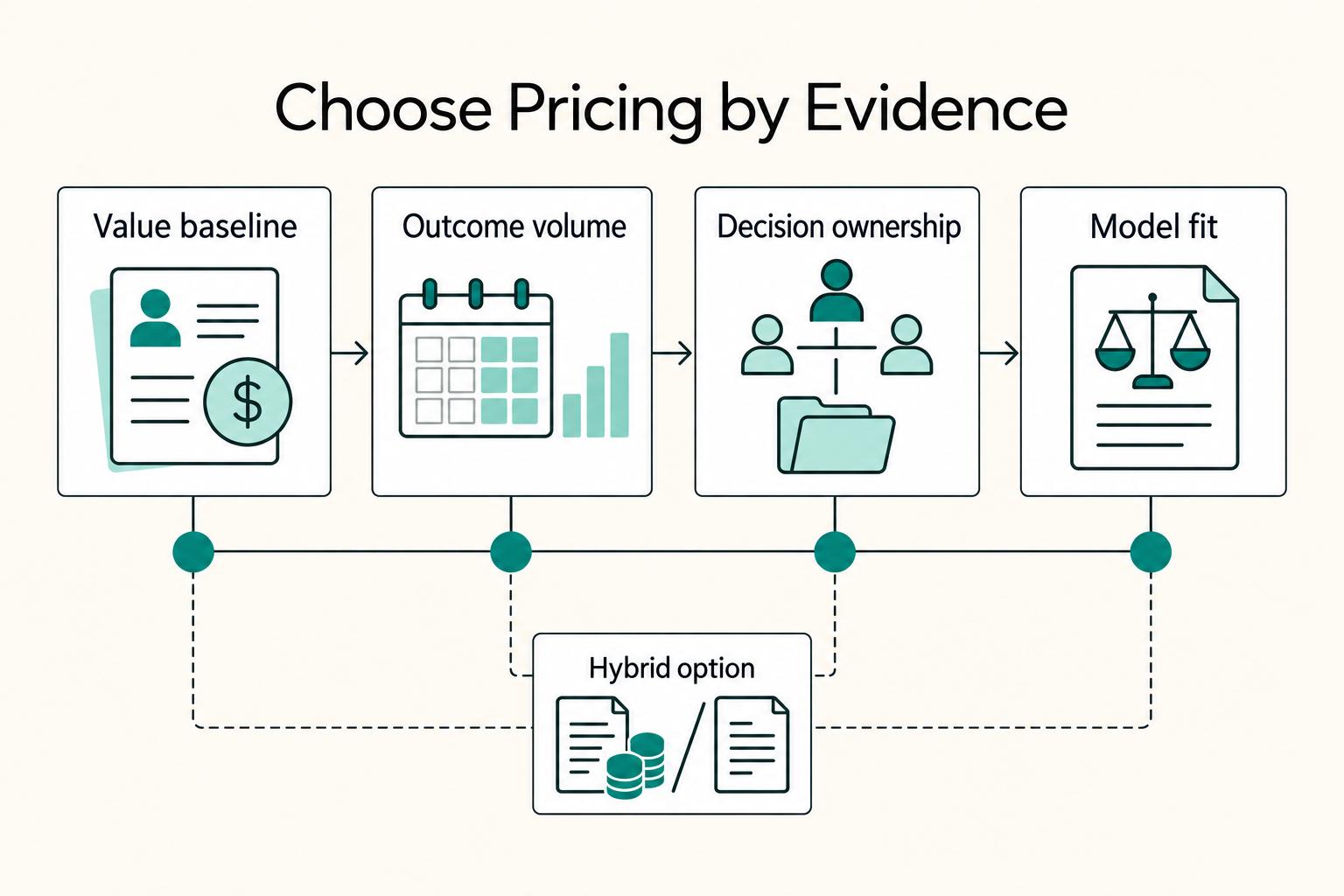
Value-based pricing starts with the client’s expected benefit and willingness to pay. It still needs a deliverable, scope and payment agreement you can perform. Use a discovery phase when the benefit or effort is too uncertain to support a defensible quote.
The Best Software for Managing Short-Term Rentals
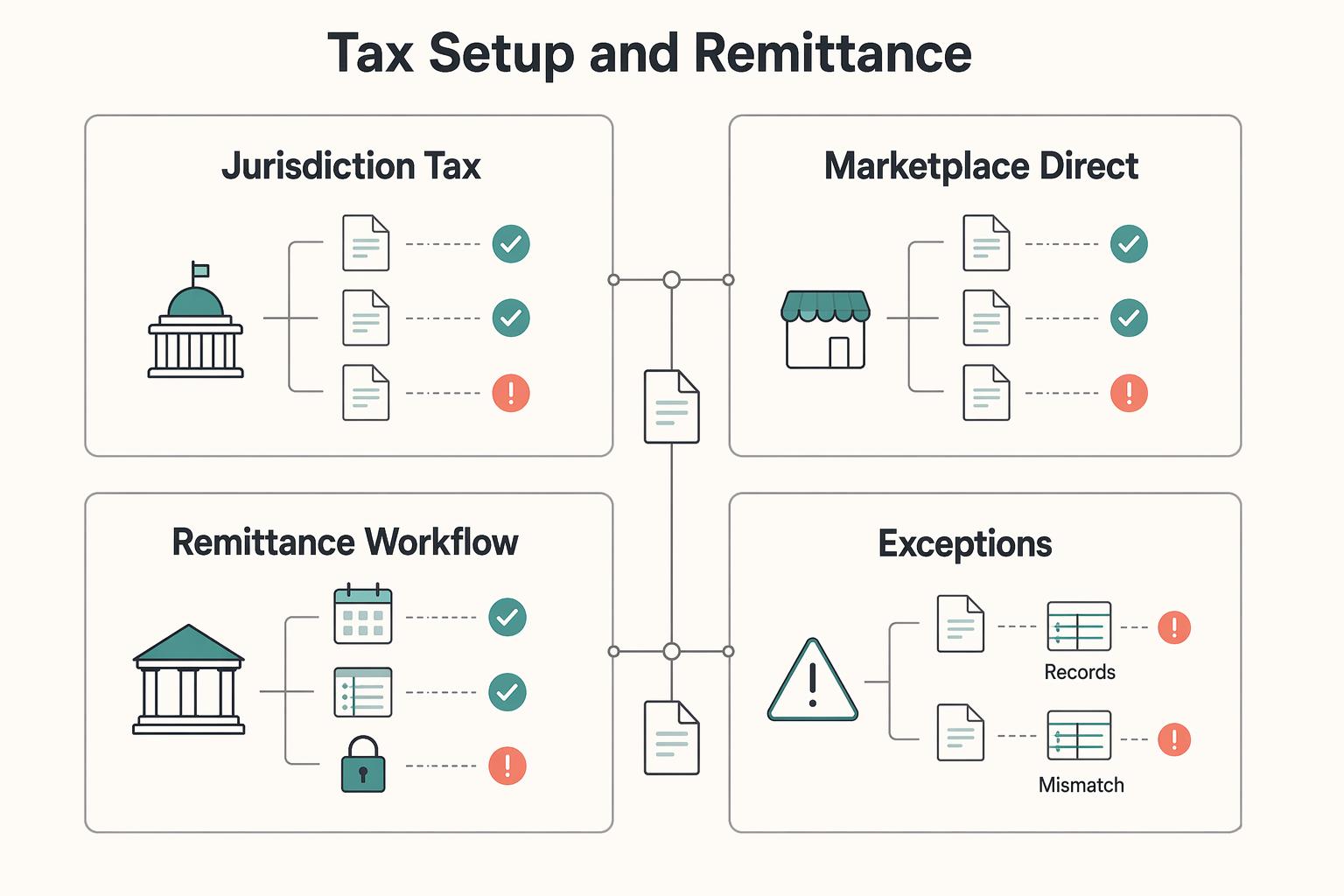
If you own or manage a short-term rental, your job is not just answering guest messages and turning over a property. You are managing an income-producing asset. The real work is protecting cash flow, reducing operating mistakes, and making sure one missed detail does not turn into a booking issue or a compliance problem.
How to Automate Your Airbnb with Smart Home Tech
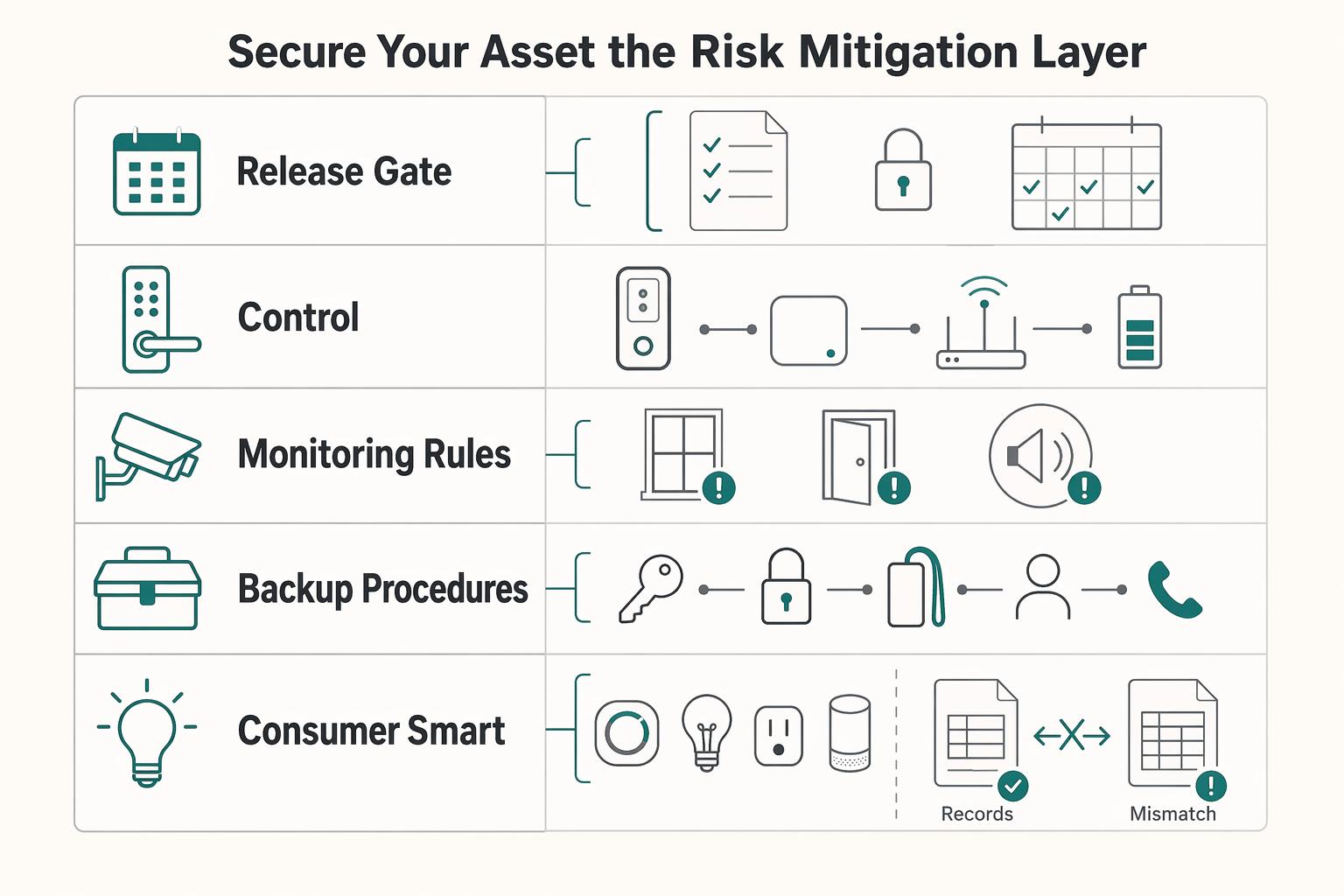
The internet is full of advice on "automating your Airbnb," and most of it starts in the wrong place. It treats automation like a pile of gadgets instead of an operating model. For a serious investor, that is a distraction. You are not trying to build a clever smart home. You are trying to run a resilient, scalable, profitable hospitality business that performs the same way whether you are across town or across the globe.