
Quick Answer
Prioritize a cashflow-first shortlist for Airbnb investment cities in the US, then move forward only when each candidate passes comparable data checks. In the current evidence set, markets such as Abilene, Downtown Saint Paul, Napa, Key West, and Kapolei are watchlist candidates rather than confirmed buys. Advance only if source year, geography level, and metric definitions match, and the deal still holds on occupancy rate plus cash-on-cash return when assumptions soften.
The Best Cities for Airbnb Investment in the US in 2026#
If you care about durable monthly income, not peak-season screenshots, the best cities are not always the obvious tourist names. CNBC reports that AirDNA ranked the best U.S. places to invest in short-term rentals for 2026, and that some small and mid-sized cities may be better starting points than famous vacation markets. That matters when you're buying with real financing pressure and need a market that still works if occupancy softens.
- Cashflow first, not headline-return chasing
The practical question is simple: can a market miss plan and still protect cashflow? If the answer depends on perfect weekends, one booking channel, or an unusually high daily rate, it does not belong at the top of your list. Start with the assumption that the best candidates may be less glamorous than headline tourist markets.
- Use only evidence you can inspect and compare
The strongest visible source base here comes from AirDNA's ranking coverage in CNBC plus market tables you can inspect directly. That is a real scope limit, not a footnote. Visible ranking providers can also disagree, which makes your comparison rules even more important.
There is also a timing problem you need to control before you trust any ranking. Airbtics explicitly says its figures are based on January 2025 to December 2025, which is not the same thing as a 2026 ranking. If you compare a 2025 revenue table against a 2026 city list without normalizing the timeframe, you can talk yourself into a market that only looks strong because the inputs do not match.
- Leave with a shortlist you can defend in four numbers
By the end of this article, you should be able to defend a shortlist with four metrics that matter together: Airbtics Market Score, annual revenue, property price, and short-term rental yield. None of them is enough on its own. A city can post attractive revenue or a strong market score and still be a weak buy if the property price drags down yield or if performance is too seasonal to support your downside case.
In practice, for each city, verify that those four numbers come from comparable geography and a comparable time window. Then write one sentence on the tradeoff. One city may offer stronger revenue but require too much capital. Another may have lower revenue but a better income-to-price relationship. If you cannot make that tradeoff clear, the city stays on a watchlist.
For a step-by-step walkthrough, see The Best Cities for Airbnb Investment in Europe.
Who This List Is For and the Selection Criteria We Use#
This list is for buyers who underwrite downside first and need reliable monthly income, not peak-season upside from one booking channel.
- Best fit: cashflow-focused operators
You are the right reader if you evaluate cities with a full metric set, not one headline number: occupancy, daily rate, monthly rental income, and cash-on-cash return. The goal is durability, so the deal still works when bookings soften.
- Not a fit: prestige-market buyers without a downside case
High monthly income alone is not enough. In Hospitable's March 2025 table, Napa shows $11,531 monthly rental income, but also a $3,024,967 median property price and 3.68% cash-on-cash return. That tradeoff matters more when financing is still around 6.1%, not cheap-money conditions.
- Selection criteria: income-to-price first, then demand durability, then operational complexity
Use income-to-price as the first gate. AirDNA's STR premium framework is useful here: the gap between monthly STR earnings and financing cost, reported at $989 in early 2026. If monthly income looks strong but capital requirements are heavy, do not shortlist the city. For example, Kapolei still needs a full read across $1,357,784 median price, $12,590 monthly income, 6.71% cash-on-cash return, $632 daily rate, and 56% occupancy.
- Evidence pack: one comparable city file, not a pile of screenshots
For each city, collect the same inputs in the same order: source timestamp, metric definitions, and geography scope. Keep one hard rule: Hospitable's Top 25 is monthly-rental-income data as of March 2025, so do not treat it as direct 2026 performance proof. Then review Airbnb, VRBO, and Booking.com demand signals and use CNBC's AirDNA summary as an independent methodology check.
Apply one pass/fail rule: if a city is strong on monthly rental income but weak on median price efficiency, leave it off the shortlist. For tradeoff framing, see The Pros and Cons of Short-Term vs. Long-Term Rentals.
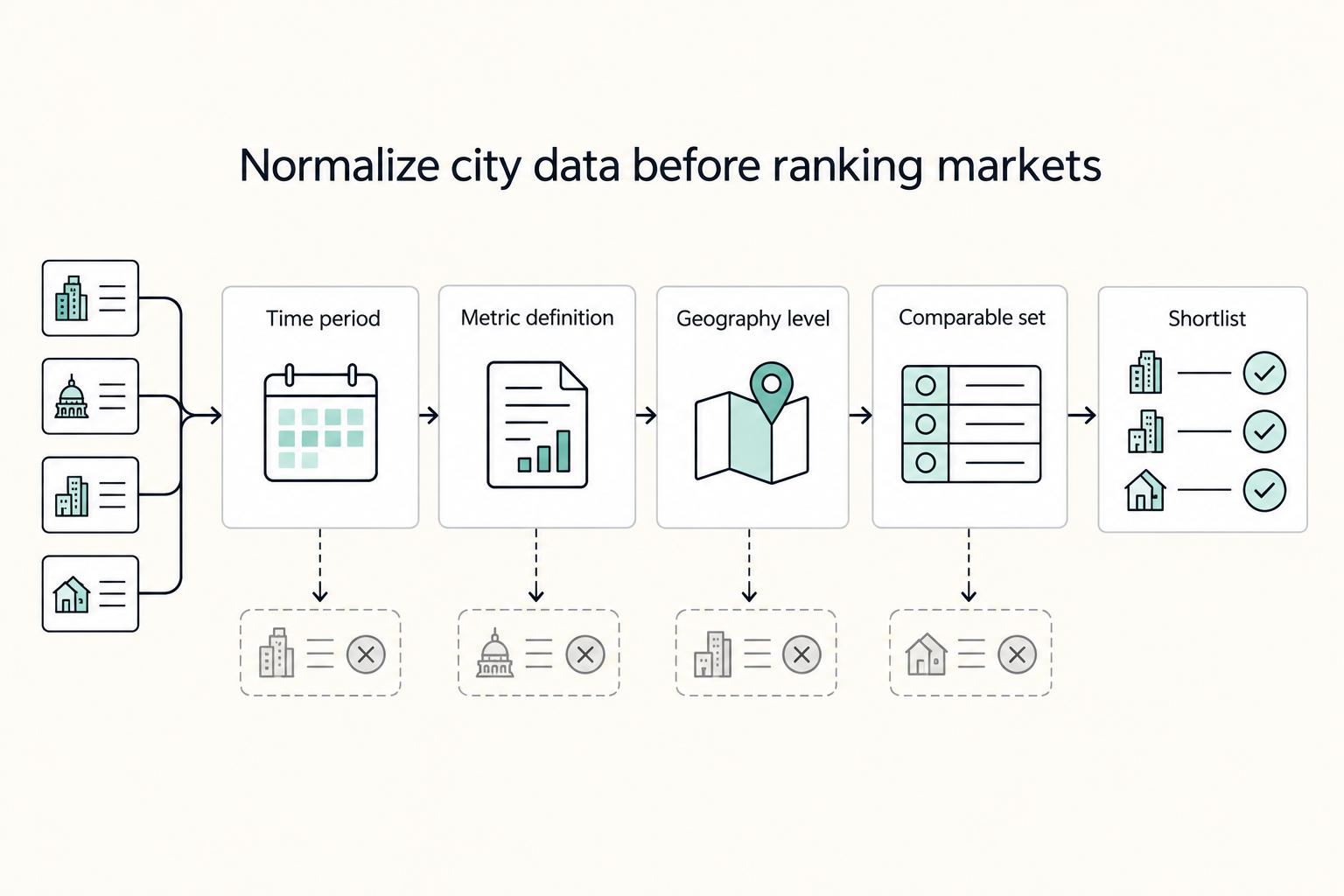
Normalize the Data Before You Rank Any City#
Before you rank anything, normalize the dataset: align time period, metric definitions, and geography level so each comparison is like-for-like. Most weak shortlists come from treating unlike inputs as if they were equivalent.
| Check | What to do | Why it matters |
|---|---|---|
| Source date | Add a source date column; keep 2025 inputs separate or label older rows as directional | Mixed-year inputs are not one current underwriting view |
| Metric definition | Match the actual metric and cadence; monthly rental income, annual revenue potential, RevPAR, occupancy rate, and booking frequency are not interchangeable | Different metrics answer different questions |
| Geography level | Compare city-to-city or district-to-district; do not mix a full city with a premium submarket | Mixing geographies can overstate demand and distort the shortlist |
- Separate source years first
Add a source date column before you score any market. If one input is dated in 2025 and another reflects a newer cycle, keep them separate or clearly label older rows as directional. Do not treat mixed-year inputs as one current underwriting view.
- Match the metric definition, not just the label
Monthly rental income, annual revenue potential, RevPAR, occupancy rate, and booking frequency answer different questions. AirDNA describes Rentalizer as an estimate of revenue potential, not guaranteed performance. National context, like occupancy benchmarks, can help frame risk, but it is not city-level proof. If sources use different cadences, convert to one cadence or keep separate columns.
- Keep geography at one level
Compare city-to-city for city screening, or district-to-district for neighborhood screening. Do not mix a full city with a premium submarket in the same rank table. That shortcut can overstate demand and distort your shortlist.
Quick Comparison Table for the Most Visible Cities in This Guide#
Every city below belongs on a watchlist, not a buy now list, because comparable city-level investment data is not available here.
| City | State | Source | Best for | Key pro | Key con | What is still unknown | Confidence |
|---|---|---|---|---|---|---|---|
| Port Arthur | Texas | Search result visibility only (provider details unverified) | Follow-up validation | Visible enough to review further | Confirm with current market data | Source date, metric definition, geography level, full underlying table | Insufficient evidence |
| Abilene | Texas | Search result visibility only (provider details unverified) | Follow-up validation | Visible enough to review further | Confirm with current market data | Source date, metric definition, geography level, full underlying table | Insufficient evidence |
| Downtown Saint Paul | Minnesota | Search result visibility only (provider details unverified) | Geography-level cleanup | Visible enough to review further | District-level row is not directly comparable to city-level rows | Boundary definition, citywide equivalent data, source date and metric alignment | Insufficient evidence |
| Lebanon | Pennsylvania | Search result visibility only (provider details unverified) | Follow-up validation | Visible enough to review further | Confirm with current market data | Source date, metric definition, geography level, full underlying table | Insufficient evidence |
| Kapolei | Hawaii | Search-listing visibility only (provider details unverified) | Follow-up validation | Visible enough to review further | Confirm with current market data | Source date, metric definition, geography level, full underlying table | Insufficient evidence |
| Napa | California | Search-listing visibility only (provider details unverified) | Follow-up validation | Visible enough to review further | Confirm with current market data | Source date, metric definition, geography level, full underlying table | Insufficient evidence |
| Key West | Florida | Search-listing visibility only (provider details unverified) | Follow-up validation | Visible enough to review further | Confirm with current market data | Source date, metric definition, geography level, full underlying table | Insufficient evidence |
Use this table for triage only. It identifies markets to investigate, but it does not support a capital-allocation decision yet.
One comparability break is already clear: Downtown Saint Paul is district-level while other rows are city-level. Keep it on watchlist status until you either convert the full table to neighborhood-level comparisons or replace that row with citywide Saint Paul data.
Keep non-ranking documents out of your city evidence memo. The Brewster short-term-rental task-force meeting agenda (April 24, 2025 at 6:00 PM) and the Vacasa prospectus supplement (March 18, 2022) are not city ranking datasets. The same applies to STR marketing guides, Airbnb scraping-tool pages, and international SEO guides.
Use one hard checkpoint before promotion:
- Pass to next step only if the same memo shows source date, geography level, and metric definition, plus one relevant independent cross-check.
- Fail to watchlist if any of those are missing, if the city appears only in partial top-list excerpts without the underlying table, or if key comparability context is unresolved.
- Fail to watchlist if the case depends on missing context (including incomplete Extra Space Storage visibility or unstated median-price context).
We covered adjacent decision criteria in The Best Cities for Digital Nomads with Families.
Best City Picks by Investor Profile and Use Case#
Treat these as profile-fit watchlist picks, not confirmed winners. Move a city forward only when your memo has a dated source, matching geography level, clear metric definitions, and at least one relevant cross-check.
| City | Investor fit | Key caveat |
|---|---|---|
| Abilene, Texas | Lower-entry operators focused on downside control | Confirm city-level occupancy rate, revenue context, and source date before moving beyond memo stage |
| Downtown Saint Paul, Minnesota | Investors seeking an urban demand mix | District-level data is not directly comparable to city-level rows; use a district-only comp set or citywide Saint Paul data |
| Napa, California | High-capital buyers with volatility tolerance | Advance only if the deal still works with about 6.1% mortgage rates and a weak-month case |
| Key West, Florida | Experienced hosts | Seasonal swings and carrying-cost pressure matter; do not rely on one booking source |
| Kapolei, Hawaii | Advanced investors targeting high income | Capital intensity raises downside if occupancy, financing cost, or booking pace slips |
-
Abilene, Texas is the best watchlist fit for lower-entry operators focused on downside control. It is visible in the provider/CNBC layer, but the full ranking context is still incomplete. Keep it in memo stage until you confirm city-level occupancy rate, revenue context, and source date.
-
Downtown Saint Paul, Minnesota fits investors who want an urban demand mix and can handle comparability issues. It appears in the CNBC-linked ranking context, but it is a district-level entry rather than a city-level one. Keep it only if your entire comp set is also district-level, or swap to citywide Saint Paul data.
-
Napa, California is the premium-rate candidate for high-capital buyers with volatility tolerance. Strong monthly rental income visibility is not enough on its own if purchase price and financing pressure erase returns. Under current 2026 context (about 6.1% mortgage rates and a $989 STR premium nationally), advance only if the deal still works in a weak-month case.
-
Key West, Florida is the experienced-host option for established vacation demand, not a low-risk first buy. It can fit a mature operating strategy, but seasonal swings and carrying-cost pressure need to show up early in underwriting. Keep your memo channel-aware so the case does not rely on one booking source.
-
Kapolei, Hawaii is the high-income-targeting pick and the most assumption-sensitive. Reported monthly income visibility can look strong, but capital intensity increases downside if occupancy, financing cost, or booking pace slips. It is better suited to advanced investors who can absorb variance.
Related: How to Invest in Real Estate as a Digital Nomad.
Small and Mid-Sized Cities Versus Destination Markets#
If your priority is dependable cashflow, start with small and mid-sized markets and make destination markets pass a stricter downside test. Destination markets can show stronger daily rates, but smaller markets can be more efficient on purchase price, which often matters more for cash-on-cash return.
- Stable cashflow route
CNBC's February 2026 coverage of an AirDNA-linked report released in January supports this starting bias: some small and mid-sized cities may be better places to start than popular tourist destinations. The edge is not guaranteed revenue leadership. The edge is that lower entry pricing can leave room for acceptable returns even when occupancy is only average.
Use revenue-to-price metrics first, then validate with expense-aware checks. Airbtics defines short-term rental yield as annual revenue divided by property price, and Chalet frames gross yield similarly as a fast revenue-versus-price screen, with cap rate as the expense-adjusted validation step. Keep the timeframe attached to each source in your memo: Airbtics reflects January 2025 to December 2025 data, while CNBC/AirDNA is framed in a 2026 selection context.
- Upside route
If you are intentionally pursuing upside, destination candidates can stay on your shortlist, but with tighter controls. The 2026 backdrop is more favorable than recent years, including mortgage-rate movement from around 7% in early January 2025 to about 6.1%, and an early-2026 STR premium of $989.
That backdrop does not remove destination-market risk. The common failure mode is purchase-price drag plus seasonality: a market can look strong on daily rate and still underperform once debt service, slower months, and operating costs are included. If your model only works on peak-season assumptions, the underwriting is too fragile.
- Pass/fail rule before offer stage
Pick the market where occupancy can miss plan and still preserve an acceptable cash-on-cash return. Run at least a base case and a weak-month case before moving from watchlist to offer.
Test channel dependence explicitly in the same memo. Do not assume demand on Airbnb automatically matches VRBO or Booking.com; record how your outcome changes if one channel underperforms. Also include a local regulation check before committing, since single-metric rankings are not enough and rules can change viability.
Red Flags That Make "Top City" Lists Dangerous#
Most "top city" lists are only a starting point. If a list fails any one of these checks, keep that market on a watchlist, not in your offer pipeline.
- Ranking without normalization
A ranking is weak when it merges different source years and methods as if they were one dataset. Even a page labeled with a specific year, like a "2025 Homeowner Guide," should not be blended with other sources unless the timeframe, geography, and metric definitions match. If your memo does not show source name, year, geography level, and metric for each comparison, the ranking is not normalized.
- Income-only framing
Income-only tables can make a market look better than it is. If a list highlights revenue but does not force an income-to-entry-price check, you still do not know whether the deal can hold up after financing, fixed costs, and softer months. Treat those lists as lead generation, not decision support.
- Unknowns presented as evidence
Incomplete or inaccessible sources are not confirmation. A blog index ("Our most recent blogs") is not a comparative city dataset, and a blocked page ("Please enable JS and disable any ad blocker") is not usable proof. Personal hosting experience can be useful context, but statements like "I myself am an example of that" and economics that "may not continue to add up" should stay labeled as anecdotal, not market-wide evidence.
- No operating downside check
A city list is incomplete if it skips weak-season performance and channel concentration risk. Run a base case and a weak-month case, and test what happens if one booking channel underperforms instead of assuming demand will translate evenly. If the deal only works near plan, the market is too fragile for a confident buy decision.
A city becomes investable when the comparison is normalized, unknowns stay marked unknown, and the downside case still works.
The 14-Day Shortlist Validation Checklist Before You Make an Offer#
Use this 14-day checklist to disqualify fragile markets before you make an offer.
| Days | Focus | What to do |
|---|---|---|
| 1 to 3 | Normalize the evidence pack | Build one comparison sheet with source year, geography level, metric definition, and access status; reject mismatched definitions or geography levels |
| 4 to 7 | Write three one-page city memos | Create memos for Abilene, Downtown Saint Paul, and one high-price market with best-case, base-case, downside, and one regulation and one nuisance risk note |
| 8 to 11 | Test channel resilience | Run separate assumptions for Airbnb, VRBO, and Booking.com; flag single-channel dependence |
| 12 to 14 | Make the pass/fail call | Finalize against occupancy rate, median property price, monthly rental income quality, and cash-on-cash return consistency |
- Days 1 to 3: normalize the evidence pack
Build one comparison sheet with source year, geography level, metric definition, and access status for each input (ranking source, CNBC coverage context, Hospitable, Mashvisor). If definitions or geography levels do not match, reject the comparison. Mark blocked sources as unusable; an access-denied legal source is not usable confirmation.
- Days 4 to 7: write three one-page city memos
Create memos for Abilene, Downtown Saint Paul, and one high-price market (for example, Napa or Key West). For each memo, include best-case, base-case, and downside, plus one regulation risk note and one nuisance risk note. Keep those risk notes explicit: a March 12, 2026 Pacifica correspondence describes claims that local rules made STR operation impossible there, alongside nuisance concerns like sleep disruption, loud music, and parking congestion.
- Days 8 to 11: test channel resilience, not just demand
Run separate assumptions for Airbnb, VRBO, and Booking.com. If the deal only works when one channel carries most bookings, treat it as a single-point-of-failure setup. If one soft month or one channel dip breaks the economics, the market is not resilient yet.
- Days 12 to 14: make the pass/fail call
Finalize against four gates: occupancy rate, median property price, monthly rental income quality, and cash-on-cash return consistency. Keep seasonality claims in the "directional" bucket unless you can verify them for your exact buy box. Rabbu's multi-season-demand framing and its 60-70% summer-revenue concentration example for beach markets are useful prompts, not proof for your target property.
Choose Cities That Protect Cashflow, Not Just Headline Returns#
A city is only "best" if your cashflow still holds when assumptions get tighter, not just when headline revenue looks strong. Use rankings as a starting list, then eliminate fragile markets early.
- Prioritize durability before upside.
The 2026 setup is more accessible than recent years, with mortgage rates moving from near 7% to around 6.1% and an early-2026 STR premium of $989. That is helpful context, not a guarantee. The decision test is whether income-to-price still works if occupancy softens.
- Normalize evidence before you compare cities.
For every candidate, document the same four checks: source year, geography level, metric definition, and access status. If those do not match, you are not comparing like for like. Keep risk in view too: AirDNA explicitly flags regulatory uncertainties, market saturation, and property damage/liability issues.
- Decide from a three-city shortlist, then run a 14-day validation sequence.
Shortlist one lower-entry market, one mixed-demand market, and one premium-rate market, then force a pass/fail decision on cash flow, ROI, and risk. Favor cities that balance return, resilience, and simplicity of management over headline-chasing picks.
Related reading: The Best Digital Nomad Cities for Entrepreneurs and Startups.
Frequently Asked Questions
Are small and mid-sized cities better Airbnb investments than beach or ski markets in 2026?
Not from this evidence alone. This guide does not provide a normalized 2026 comparison of small and mid-sized markets versus beach or ski markets. Treat it as a deal-level underwriting question: check whether occupancy rate and cash-on-cash return still work after financing costs.
Which metric should I trust first when two rankings disagree?
Start with comparability, not the headline winner. If one source is a March 2025 table ranked by monthly rental income and another is a 2026 outlook with financing context, you do not have a like-for-like disagreement yet. Align year, geography, and metric definitions first, then compare occupancy rate and cash-on-cash return alongside income.
Can a city with high monthly rental income still produce weak real cashflow?
Yes. Napa is a visible example. In the Hospitable and Mashvisor March 2025 table, Napa shows median price $3,024,967, monthly income $11,531, occupancy 70%, and cash-on-cash return 3.68%. High income can still sit next to a lower return profile, so the practical check is income relative to financing cost, not gross revenue alone.
Why do AirDNA and Hospitable/Mashvisor city rankings point to different winners?
Because they are not ranking the same thing on the same timeline. Hospitable says its 2025 article was prepared with Mashvisor and its Top 25 table is based on monthly rental income as of March 2025, while the 2026 view includes financing context such as mortgage rates moving from near 7% in early 2025 to around 6.1% in early 2026 and an STR premium of $989 in early 2026. Different as-of dates and different ranking logic will naturally surface different cities.
What should I do when source data is incomplete or not directly comparable?
Put the city in watchlist status and do not force a buy decision. A 403 source like Extra Space Storage in this scrape is not usable evidence, and a gated Moneywise excerpt is not enough to validate city-level returns or methodology. Your evidence pack should record source year, geography level, metric definition, and access status, then reject any comparison that fails one of those checks.
Should I prioritize California and Hawaii markets or start with Texas, Pennsylvania, or Minnesota candidates?
Prioritize the shortlist that fits your financing limits and risk tolerance first. The visible 2025 table shows how expensive premium markets can be: Kapolei at median price $1,357,784 with monthly income $12,590 and 6.71% cash-on-cash return, and Napa at median price $3,024,967 with monthly income $11,531 and 3.68% cash-on-cash return. Use the same metrics and time window when comparing any Texas, Pennsylvania, or Minnesota candidate.
Try a related tool
Researched and edited by the Gruv editorial team. Gruv builds cross-border billing, payouts, and finance-operations software for global businesses.
Sources
Includes 2 external sources outside the trusted-domain allowlist.
- brewster-ma.gov/sites/g/files/vyhlif16031/f/events/strtf_mee...trusted
- documents.coastal.ca.gov/reports/2026/3/Th13b/Th13b-3-2026-corresp.pdftrusted
- documents.coastal.ca.gov/reports/2022/3/W14f/W14f-3-2022-corresp2.pdftrusted
- huduser.gov/portal/publications/DisplacementReport.epubtrusted
- scholarship.law.marquette.edu/cgi/viewcontent.cgitrusted
- sec.gov/Archives/edgar/data/1874944/0001874944220000...trusted
- airbtics.com/best-airbnb-markets-the-united-statesexternal
- airdna.co/best-places-to-invest-in-vacation-rentalsexternal
Educational content only. Not legal, tax, or financial advice.
Related Posts
Should Your Freelance Business Accept Credit Cards?
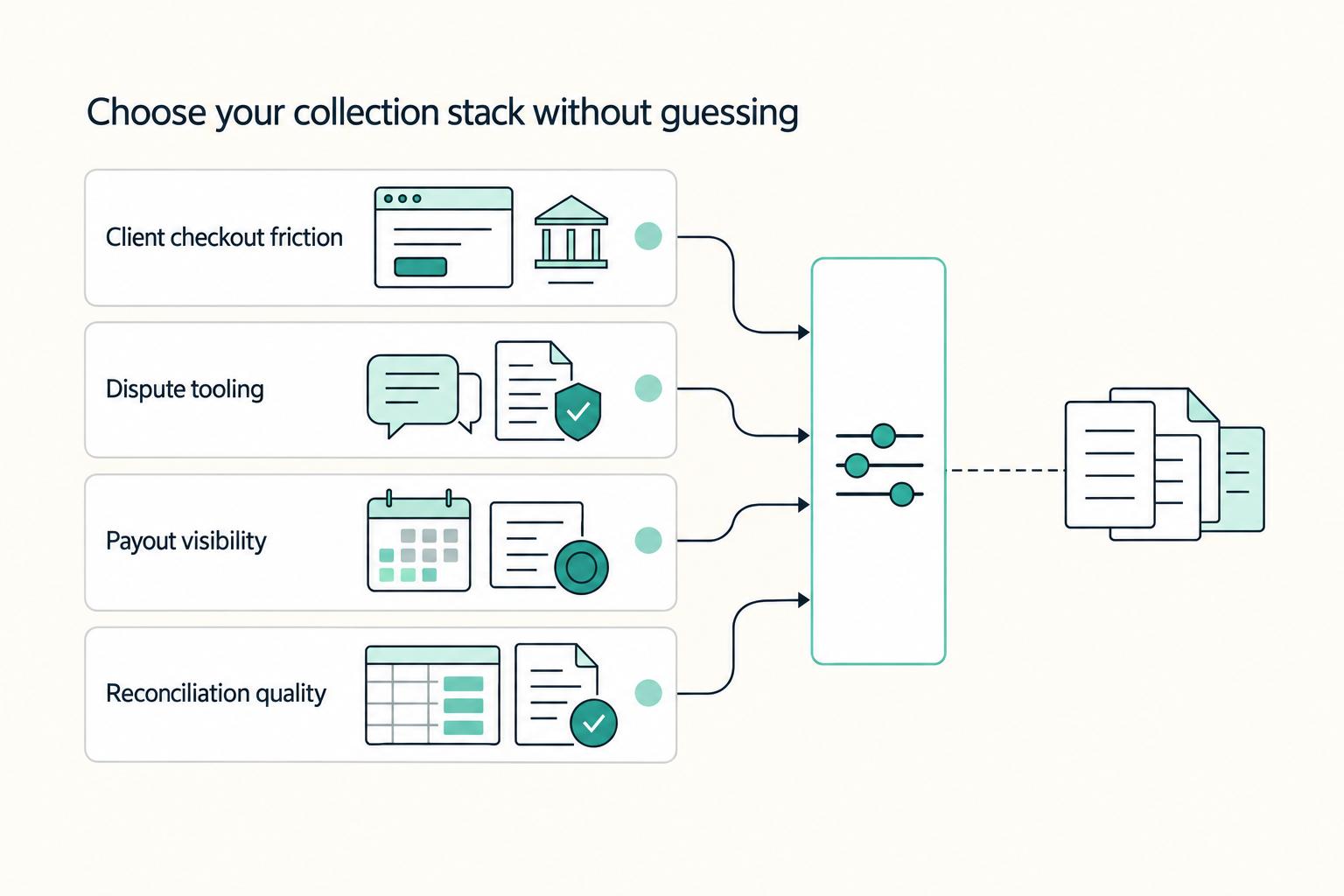
Offer card payments, but stay in control of how money reaches you. The goal is not a smoother checkout screen. It is predictable cash you can use to run the business.
How to Invest in Real Estate as a Digital Nomad
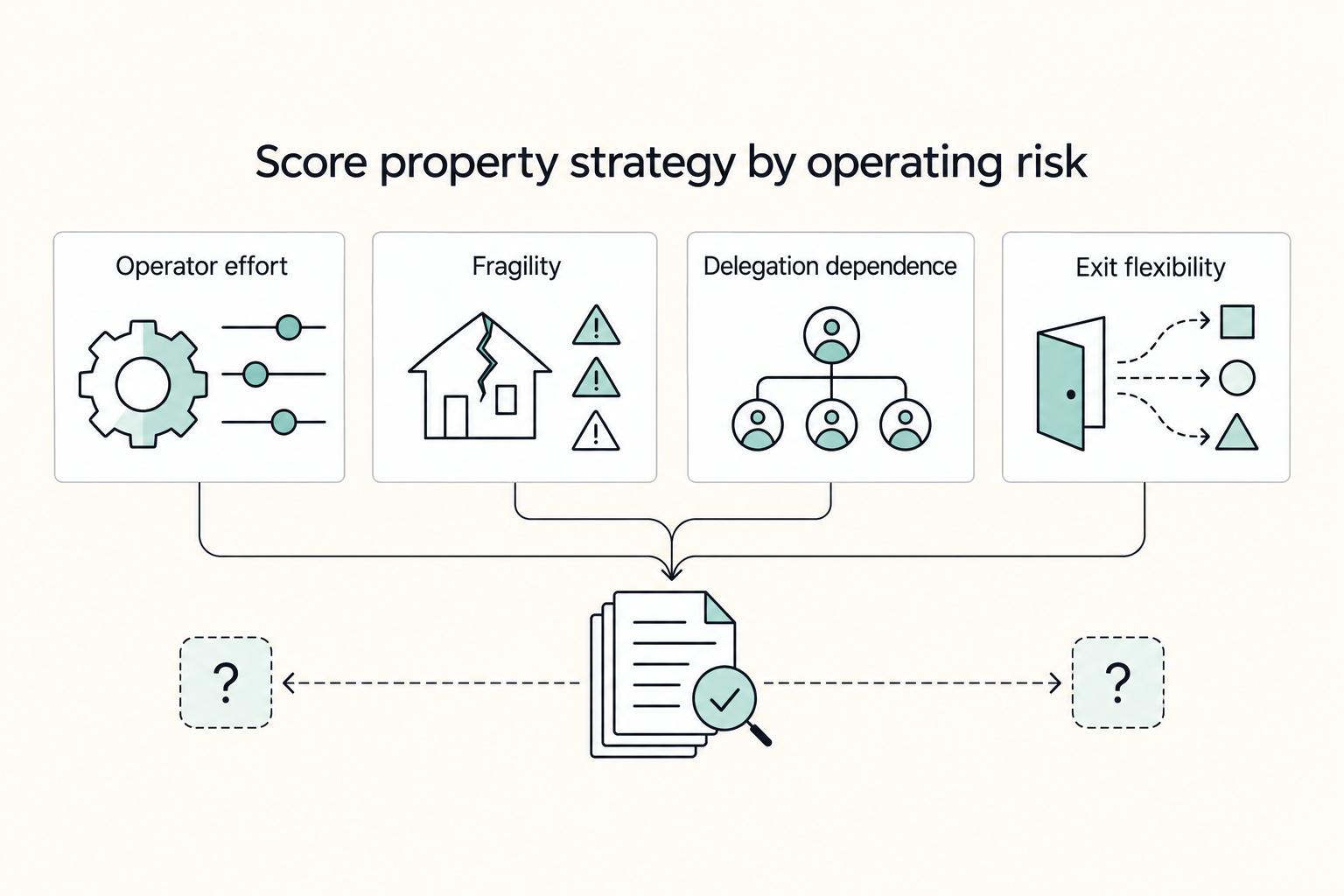
**Run anything with money and moving parts like an operations system (cash, docs, delegation, and controls), not a "passive income" vibe.** Real life stress-tests weak spots. You change time zones, a client pays late, and something breaks at the worst moment. As the CEO of a business-of-one, your job is to build a setup that keeps working when you are not available on demand.
The Pros and Cons of Short-Term vs. Long-Term Rentals
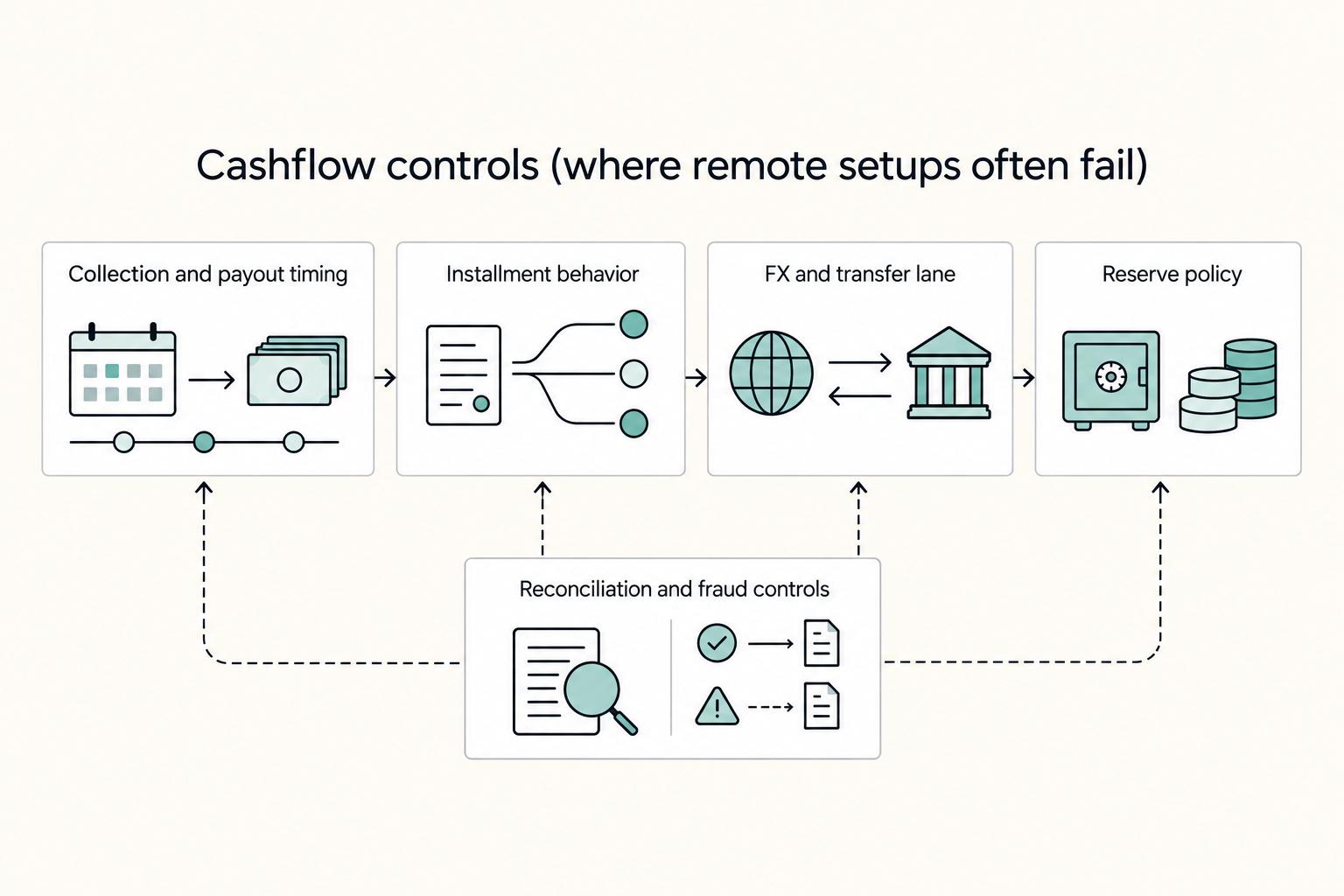
You are probably not chasing the biggest headline revenue number. You want rent that arrives, stays collected, and does not turn into a second job or a cross-border tax headache. For an owner living internationally, the real choice between a short stay and a long-term lease is about risk first. Which model gives you lower compliance exposure, less remote operating drag, and more cash left after fees, taxes, and reporting?