

Quick Answer
Yes. You can make linkedin for freelancers more predictable by running one connected system: clear positioning, tighter prospect selection, concise outreach, proof-backed content, and disciplined follow-up. Use weekly checkpoints around qualified replies, booked calls, and referral starts, then fix targeting or message fit before raising volume. Keep trust controls active by aligning your claims across profile, posts, and DMs.
Start With the Right Mental Model for LinkedIn as a Freelancer#
Treat LinkedIn as two jobs you run at the same time: a credibility check and a conversation engine. If you only chase attention, you can get noise. If you only send messages, prospects may click through to a thin profile and hesitate.
That is the right mental model. Your profile is not just a bio page. It is where people decide whether you are clear, credible, and relevant enough to speak with. On LinkedIn, people often discover and vet you in the same place, and profile strength can influence outcomes when two people are similarly qualified. For a freelancer, that means profile clarity and outreach quality should be designed together, not handled as separate tasks.
Choose visibility or fit on purpose#
Your first real decision is not how often to post. It is positioning. You can aim for broad visibility or narrow fit, but each creates a different kind of pipeline.
| Positioning choice | Main upside | Best use case | Common failure mode |
|---|---|---|---|
| Broad visibility | More profile interest from different types of people | You are early, testing markets, or sell a widely useful service | You sound vague, attract low-fit conversations, and people cannot tell what you actually sell |
| Narrow fit | Higher relevance and easier qualification | You already know the buyer, problem, and service you want more of | You narrow too early, shrink your prospect pool, and miss adjacent work you could close |
| Default if unsure | Clear enough to qualify, flexible enough to learn | You need focus without boxing yourself in | You add labels and jargon instead of plain language, so the offer still feels abstract |
If you are unsure, start with the third option. Pick one buyer, one problem, and one clear service outcome, then leave room for adjacent work. Keep the wording simple. A practical warning: the more opaque and abstract the title, the harder it is for someone to understand what you are selling. If a stranger cannot tell what you do in a few seconds, your profile is too clever for its job.
Track pipeline quality, not vanity#
Do not let follower growth, impressions, or likes decide what you keep doing. Use a short scorecard before you test any new tactic.
| Signal | What counts | If weak |
|---|---|---|
| Booked discovery calls | Calls with plausible fit and a real business problem to discuss | If replies exist but calls do not, fix the next step first |
| Qualified replies | Responses from people with problem ownership, budget influence, or credible referral access | If quality falls, tighten targeting and rewrite the offer |
| Referral introductions | Introductions that can reduce trust friction | If they are missing for a long stretch, check positioning clarity and whether people know who to send your way |
Count discovery calls only when there is plausible fit and a real business problem to discuss. If replies exist but calls do not, the next step is usually the weak point. Your call ask may be weak, mistimed, or unclear. If reply volume rises but quality falls, tighten targeting and rewrite your offer so it is easier to place. And if referral introductions are missing for a long stretch, check whether your positioning is clear enough for people to know who to send your way.
Run one short diagnose-and-adjust loop each week. Check whether outreach activity went up, whether profile visits followed, and whether qualified conversations improved. If outreach rises but qualified conversations do not, change targeting and offer clarity before you increase volume. More activity rarely fixes a mismatch problem.
A simple verification step helps here. Show your headline and top profile section to one peer and ask, "Who do you think I help, and with what?" If they hesitate, buyers probably will too.
Treat advice as input, then test it cleanly#
LinkedIn advice is noisy, and tactic switching is expensive. Use a simple test protocol so you do not keep rewriting everything at once.
| Step | What to do | Constraint |
|---|---|---|
| Hypothesis | Write one sentence about what you think will improve qualified replies | One sentence |
| Single change | Change one thing only, such as your headline wording, first message opener, or the question in a post | One thing only |
| Review window | Give it one week or one small batch of outreach before judging | One week or one small batch |
| Keep or discard | Keep the change only if conversation quality improves; if not, revert and note what happened | Use conversation quality as the decision rule |
Use conversation quality as the decision rule. If qualified replies improve, keep the change. If not, revert it and note what happened.
This matters for content too. Generic content can get ignored in a crowded feed, and questions that are too broad can suppress responses. A specific, answerable prompt is easier to evaluate than a vague "what do you think?" post. If you want the wider channel setup after this, read A Freelancer's Guide to LinkedIn Marketing.
Use Two Client Acquisition Engines Instead of One#
Use both engines together: outbound starts targeted conversations, and inbound proof helps those conversations feel credible faster. If you rely on only one, your pipeline is more likely to swing between spikes and dry periods.
Prospects often read, search, and evaluate quietly before they reply, so your profile and posts directly affect outreach performance. The passive-portfolio pattern still hurts results: update once, post occasionally, then wait. A stronger setup is simple: do light pre-pitch engagement, keep outreach personalized, and let your profile, recent posts, and Featured section carry proof.
Choose the first contact path on purpose#
Do not choose contacts by title alone. Pick the path that best matches how this company will recognize urgency and move decisions.
| Contact path | When to use it | Risk to watch |
|---|---|---|
| Problem owner | Your service solves a clear business pain and outcome | They may care but not control budget or approvals |
| Process gatekeeper | External support usually enters through formal process | You can get trapped in admin threads with low urgency |
| Peer or adjacent specialist | You need context, referrals, or a warm route into the account | Friendly replies may never reach a buying conversation |
Build a focused list in LinkedIn search, including the People tab if that is your workflow, then add one or two context signals before outreach. Use signals like a recent post, company update, shared connection, or visible initiative tied to your service. If you cannot state in one sentence why someone is relevant, do not start the thread yet.
Keep the first message short: one to two sentences, personalized, and specific. Generic mass outreach is easy to ignore.
Reallocate effort from pipeline signals#
Do not lock into a fixed outbound/inbound split. Shift effort based on what your pipeline shows.
If reply quality drops, tighten targeting and context first. If replies are positive but calls are weak, strengthen proof in your profile and Featured section and simplify the next step. If threads stall after the first response, shorten follow-up and confirm you are talking to someone close to the problem.
Track this in a relationship log with three required fields: current stage, next action, and stop/park rule. That helps you cut dead-end follow-ups and protect time for qualified opportunities. Related reading: Cybersecurity for Freelancers Who Need Reliable Client Delivery.
Build a LinkedIn Profile That Answers Buyer Questions Fast#
Make your profile answer buyer questions in under a minute. People often evaluate quietly before they reply, so if they cannot quickly see who you help, the outcome, and the first step, your outreach loses momentum.
Treat your profile like a decision page, not a career summary. For people who hire external specialists, the core test is simple: can they understand what you offer without guessing? Keep wording plain and specific, because abstract titles create friction.
| Profile section | Buyer question to answer | Weak version to avoid |
|---|---|---|
| Headline | Who do you help, and what outcome do you help create? | Broad labels like "consultant" or clever phrasing that hides the service |
| About | What problem do you solve, how do you work, and what should happen first? | Biography-heavy copy, philosophy, or generic claims without a next step |
| Featured | What proof should I review first? | Mixed or outdated links that do not support the offer you are pitching |
| Experience highlights | Can you support this with relevant work history? | Full CV-style history with no clear link to your current offer |
Keep outreach and profile consistent. If your message promises one thing but your headline, About, or proof suggests another, trust drops.
Use this message-match check before sending more invites:
- Your headline matches the same audience and outcome used in outreach.
- Your About section is organized around problem, approach, result, and fit boundaries.
- Your Featured items support that exact offer, not adjacent work.
Test one positioning variable at a time and keep everything else fixed. Compare audience-first vs outcome-first wording, or service-name vs business-problem wording, then review reply quality, qualified calls, and profile-to-conversation fit. After review, write down the criteria that tell you a change should stay.
We covered this in detail in How to Use Social Media to Build Your Freelance Brand.
Pick Better Prospects With a Simple Qualification Filter#
You get better outreach results when you filter harder before you message anyone. Use this order: check problem ownership first, then title, then whether the person can route you to the real buyer.
Narrow from broad search to a shortlist#
Use LinkedIn People search as a screening workflow, not a name-collection task.
| Step | Action | When/why |
|---|---|---|
| 1 | Start broad with problem and role language, then tighten with Boolean search | Narrow intentionally instead of overfitting to exact titles |
| 2 | Open the expanded panel (often All filters) and apply practical constraints like industry and location | Use practical constraints like industry and location |
| 3 | If you are prospecting beyond your current network, focus on 2nd and 3rd degree connections | When prospecting beyond your current network |
| 4 | Review profiles for ownership signals before saving leads | Check whether the person appears responsible for the outcome you improve |
| 5 | Save only pass candidates, then create a search alert | Updates come to you by email or inside LinkedIn |
That sequence protects quality: weak targeting makes even a strong message look generic. In practice, do not rush past step 4. A lot of weak outreach starts with a saved lead who never showed real ownership in the first place.
| Buyer path | Best use | Failure risk |
|---|---|---|
| Functional owner | Your offer improves a team-level outcome | Good engagement but limited buying power, so momentum can stall |
| Process owner | Your offer reduces delivery or coordination friction | Helpful operational context, but no clear commercial next step |
| Founder or business lead | Your offer ties to revenue, growth, or a visible bottleneck | Real pain but low attention; vague outreach gets ignored |
Before outreach, qualify with observable evidence, not assumptions.
- Profile pass signals: role language tied to your outcome, recent activity that suggests timing, and a visible path to the next stakeholder.
- Thread pass signals: they name the issue, describe constraints, or route you to the right decision-maker.
- Weak signals: polite but generic replies like "interesting" or "send details" with no problem context.
Keep a do not pursue list so low-fit threads do not consume follow-up time.
- Exit now: clear scope mismatch, no identifiable problem owner, or no routing path after back-and-forth.
- Park for later: fit is real but timing is not.
- Re-enter only on a trigger: role change, new hiring activity, relevant new post, or a fresh alert that indicates the issue is active again.
Send Outreach That Converts to Calls Instead of Dead-End Chats#
To move from chat to calls, keep your first message simple: context, relevance, next step.
Use context from one observable signal that is both recent and tied to their role. Then add relevance by naming the business problem you solve. End with a next step that is small and easy to answer. Skip personalization that does not connect to a real problem.
| Opener pattern | What it sounds like | Likely outcome |
|---|---|---|
| Specific, buyer-relevant opener | I noticed a signal tied to your role, and it usually creates a clear delivery problem. I help teams fix that without adding extra coordination load. Open to a short call? | Clearer replies, faster qualification, cleaner path to a call |
| Generic opener | Love your profile. I help companies grow on LinkedIn. Interested? | Polite but vague replies, low trust, threads that stall |
Before you send, check for outcomes, not wording:
- Context: shows why your message matters now, so it does not read like bulk outreach.
- Relevance: points to one problem they likely own, so they can answer with specifics.
- Next step: asks for one small action, so the thread can move to qualification quickly.
Keep automation on a short leash. The risk is straightforward: it can trip spam-pattern detection, hurt deliverability, lead to account restrictions, and break trust when automation patterns are obvious. If you use tooling for pacing support, such as throttling, random intervals, or working-hour logic, keep replies manual.
Use this handoff rule: once you get a meaningful reply, qualify for call fit immediately. If they confirm a live issue and ownership, ask for the call. If the reply is vague, ask one clarifying question, then either advance or stop.
Use one angle shift only in follow-up. If your first note led with a profile signal, shift to the business problem or the cost of leaving it unresolved. Park the lead when timing is unclear, they cannot own or route the issue, or the thread stays polite but generic. Related: Building a Personal Website That Converts for Freelancers.
Publish Content That Supports Sales Conversations#
Your content should do one thing: reduce buyer doubt before the call. Use posts to answer real pre-call questions, not to chase reach. On LinkedIn, buyers often vet vendors and shape shortlists before they engage directly.
Run a simple weekly workflow: pull objections from recent calls, DMs, and stalled threads, turn each objection into one post angle, and tie each post to one next step, such as a reply, referral intro, or a clear yes/no on a discovery call.
Build posts from live sales friction#
Write from repeated hesitation, not abstract ideas. If prospects keep asking about fit, scope, timeline, pricing logic, or whether your approach works for their team type, that is your content queue.
Before publishing, check one thing: can a buyer verify the claim in your profile? If your post claims a result, your About section, Featured items, testimonials, samples, or case-study snippets should support it.
| Post type | Best use case | What to include | Expected conversation outcome |
|---|---|---|---|
| Objection-led | The same doubt keeps blocking replies or calls | One clear objection, why it appears, where your offer fits, and where it does not | Better-fit prospects reply with specific concerns instead of vague interest |
| Proof-led | Interest exists, but trust is still thin | A concrete example, visible evidence, boundaries, and what changed after your work | Easier movement from interest to qualification |
| Decision | Buyers are comparing options | Tradeoffs between paths, when each path fits, and the cost of a poor choice | More serious conversations with decision-ready buyers |
| Conversation | You want to surface hidden demand or referrals | A narrow fit prompt, clear audience, and a simple invitation to respond or refer | More qualified comments, DMs, and introductions |
Use objection-led posts for repeated resistance, proof-led posts when trust is the blocker, decision posts when buyers are evaluating paths, and conversation posts when your network needs a precise prompt to connect you to the right person.
Keep the post tied to outreach#
A post should support the same path as your outbound messages. If your message centers on one business problem, your recent content should help the buyer understand that problem, see proof, and know what a first call is for.
Keep these four pieces aligned:
- Post topic names one buyer problem or decision.
- Profile proof supports that claim with visible evidence.
- DM prompt references the post only when it matches the prospect's context.
- Call-fit criteria define who moves forward and who gets parked.
Do not confuse activity with pipeline. Some freelancers report lower-quality inbound than outbound, so keep using your qualification filter when post engagement is broad or out of scope.
Also avoid using paid promotion to patch a weak process. If you are not yet consistently building lists manually, refining outreach by hand, and running real sales conversations, paid ads can become a time sink instead of leverage. If you need a tighter prospect list to match your content themes, How to Use LinkedIn Sales Navigator for Freelance Lead Generation is the next practical step.
You might also find this useful: Permission Marketing for Freelancers Who Want Better-Fit Clients.
Run a Weekly Execution Cadence You Can Sustain#
Run your week in a fixed sequence, then judge it by conversation progression, not effort: prospecting adds qualified targets, publishing resolves live buyer doubts, and follow-up drives one clear next step per thread. Keep that order steady, and adjust inputs only when quality signals show drift.
Prospecting#
Use this block to add better-fit targets, not just more names. Decision rule: if someone does not match your fit criteria, do not add them just to keep activity high.
If your list grows but qualified replies weaken, treat it as a fit issue first. Tighten around problem ownership, scope, and whether the person can move a project forward.
Publishing#
Use this block to answer doubts already appearing in active conversations. Decision rule: publish only content that helps a buyer reply, book, refer, or self-disqualify.
Keep publishing tied to outreach, not as a separate visibility project. Posting alone is a weak strategy for winning clients, so verify each claim against visible profile proof before you publish.
Follow-up#
Use this block to convert active threads into outcomes. Decision rule: each thread should move to one explicit next step, such as book, refer, or park.
If replies rise but movement stays flat, your follow-up is likely too open-ended or disconnected from why the prospect engaged. Ask for a decision instead of extending low-momentum threads.
Track activity and progression together so you can spot false positives early:
- qualified targets added + qualified replies started
- profile visits from outreach or posts + profile-to-DM or profile-to-call movement
- active threads + booked calls, referral asks, or explicit parks
Keep the profile checkpoint operational: review recent threads where someone viewed your profile, then check whether that visit helped move the conversation to DM or call. If visits rise but movement does not, adjust targeting or message fit before increasing outreach volume.
| Pattern observed | Likely cause | What to adjust this week |
|---|---|---|
| More targets added, but few qualified replies | Prospect fit is too broad | Narrow the list around the exact buyer problem and decision owner |
| Replies increase, but calls do not | Message sparks interest without a clear next step, or profile proof is thin | Rewrite the ask to one outcome and strengthen matching profile proof |
| Threads stay active, but no decision happens | Follow-up discipline is weak | Send one message that asks for book, refer, or park, then stop extending the thread |
Protect Trust With Clear Rules, Records, and Boundaries#
Do not scale outreach until your trust controls are clear. If your profile, posts, and DMs set different expectations, fix that first.
Run one quick alignment check as a buyer would: your promise, your proof, and your CTA should match everywhere. If your DM offers one outcome but your profile or posts imply another, you create a credibility gap at the exact moment someone is evaluating you.
Before repeating any tactic, review LinkedIn's current User Agreement, Privacy Policy, and Cookie Policy. If you have not reviewed the current documents, do not claim a tactic is compliant. When a decision is unclear, use the lower-risk option: transparent, identity-consistent, and easy to explain.
| Tactic type | Low-risk signal | High-risk signal | Default action |
|---|---|---|---|
| Outreach identity | You message from your own account and role | Hidden identity, shared access, or account renting | Use only your real account |
| Credibility signal | Clear proof with attribution and accountability | Purchased credibility signals or borrowed reputation | Remove the signal unless you can substantiate it |
| Targeting method | Relevant outreach tied to an observed problem | Tactics that bypass identity or geographic checks | Stop and choose a simpler method |
Use AI for drafting structure only. A structured prompt with persona, objective, audience, tone, and format can improve clarity, but AI is not final authority. Keep client-identifying data, sensitive details, recommendations, and forecasts out of prompts, and review outputs for biased, overly promotional, or legally risky language.
Keep records lean, and log each field for a specific reason:
- contact source and date, so you can explain why your outreach was relevant
- problem signal observed, so follow-up stays tied to what they actually showed
- last touchpoint and next agreed action, so you avoid pressure from vague persistence
- contact preference, referral request, or explicit no-contact request, so boundaries are honored immediately
Need the full breakdown? Read The Purple Cow Method for Freelancers Who Want Enterprise Trust.
Turn LinkedIn Into a Predictable Client Channel#
When results are mixed, do not add volume first. Make one weekly decision at each step of your system so you can fix the bottleneck before you send more messages.
Make one clear decision in each part of the chain#
Start with positioning. If replies are polite but calls are weak, your profile is often too broad or too service-led. Rewrite it so people can quickly see who you help, what problem you solve, and what outcome you deliver, then make sure your Featured section shows real proof, such as portfolio pieces, case examples, or similar evidence.
Then review targeting. If profile views are up but qualified replies are thin, narrow your list instead of expanding it. Focus on people who likely own the problem you solve, and engage with a real signal from their content or company activity before you pitch, because generic mass outreach gets ignored.
Next fix follow-up discipline. If conversations start and then stall, track relationship touchpoints so each follow-up reflects prior context, the problem signal, and a clear next step. If someone stays vague or low-fit after the first exchange, park the lead instead of extending a dead-end thread.
Finally, strengthen proof. If replies are interested but hesitant, publish proof-led posts and case studies 2 to 3 times weekly only if you can keep them specific and useful. Strong visuals help, but aesthetics alone do not create conversion trust.
| What you observe | Likely bottleneck | What to adjust next |
|---|---|---|
| Many profile visits, few qualified replies | Positioning is unclear or too generic | Rewrite headline/About around one outcome, then add stronger proof in Featured |
| Replies come in, but they are wrong-fit | Targeting is too broad | Prioritize problem ownership over title alone and tighten your prospect list |
| Calls get booked, but conversations are weak | Proof is not convincing enough | Publish case-based proof and point outreach to the most relevant evidence |
| Good first reply, then silence | Follow-up lacks context or tracking | Log touchpoints and send shorter follow-ups tied to the last real signal |
Fix the system before you add volume. Optimize for credibility over any "24/7 lead generation" promise, then scale only what keeps trust intact. Next step: How to Use LinkedIn Sales Navigator for Freelance Lead Generation.
Frequently Asked Questions
Is LinkedIn worth it for freelancers if you are not looking for a full-time job?
Yes. It works best as a relationship and credibility channel, not just a job board. Prospects may check your profile before replying, referring you, or taking a call, and a passive profile rarely creates momentum on its own. Make sure your headline, About section, and CTA all point to one clear client outcome instead of a broad service list.
How do you get clients on LinkedIn without sounding spammy?
Qualify people before you message them, then use a real signal from their profile, post, or company activity before you pitch. Mass generic outreach is easy to spot and usually gets ignored, while relevant context makes your message feel earned. Pick a small set of prospects that match your filter, note the problem signal you observed, and send only short messages tied to that specific issue.
Should you start with outbound outreach or content creation first?
Start with the one you can sustain every week, then add the second channel quickly. Outreach creates direct conversations, while content and profile proof help those same people validate your judgment after they click through. This week, send a small batch of targeted messages and publish one proof-led post. If you already have material, work toward case-study posting 2 to 3 times weekly only if you can keep that pace.
How long does LinkedIn usually take to generate freelance leads?
There is no fixed timeline you can rely on. Progress depends on how clear your positioning is, how well your prospects fit, and whether your follow-up stays relevant instead of turning into vague persistence. Track qualified replies, profile visits from target accounts, and follow-up outcomes before you increase message volume.
What should you optimize first on your profile?
Fix your positioning first, then your proof. A buyer needs to understand who you help, what result you deliver, and whether your Featured section backs that up with something real. Rewrite your profile around client-outcome positioning and add a few Featured items that show portfolio work, case evidence, or another concrete proof asset.
Which roles should you contact first in the People tab for service-based work?
Prioritize people who seem to own the problem you solve or feel the cost of it, not just the most senior title you can find. Title-only targeting can create polite but low-value conversations, while problem ownership gives you a better chance of relevance. Build a short list, verify each person against your qualification filter, and log the contact source, observed problem, and last touchpoint before you send anything.
What if someone replies but does not really fit your offer?
Do not keep forcing the conversation forward. Weak-fit leads can create long threads, muddy your positioning, and push you toward promises your profile and proof do not support. Set one exit rule for yourself, such as parking any contact who cannot describe the problem clearly or who falls outside your scope after the first exchange.
Can you use AI in your LinkedIn workflow without creating trust problems?
Yes, but keep AI on drafting duty, not decision duty, and do not paste in confidential client or prospect information. Sensitive details, recommendations, and forecasts should stay out of prompts, and no tool should be treated as compliant by default just because it promises speed or safe automation. Create one prompt for turning your rough notes into a message draft, remove identifying details before using it, and review every final message manually before it goes out.
Try a related tool
Researched and edited by the Gruv editorial team. Gruv builds cross-border billing, payouts, and finance-operations software for global businesses.
Sources
Includes 5 external sources outside the trusted-domain allowlist.
- casperwy.gov/Documents/Government/MPO/Governing%20Documen...trusted
- hendrix.edu/uploadedFiles/Student_Life/Career_Services/U...trusted
- surface.syr.edu/cgi/viewcontent.cgitrusted
- asrify.com/blog/gig-economy-trust-alertexternal
- blackfreelance.com/how-i-use-linkedin-ads-as-a-freelancerexternal
- capsulecrm.com/blog/linkedin-for-salesexternal
- filipkonecny.com/2026/03/01/social-media-marketing-freelancerexternal
- forbes.com/sites/josephliu/2023/05/22/the-ultimate-guid...external
Educational content only. Not legal, tax, or financial advice.
Related Posts
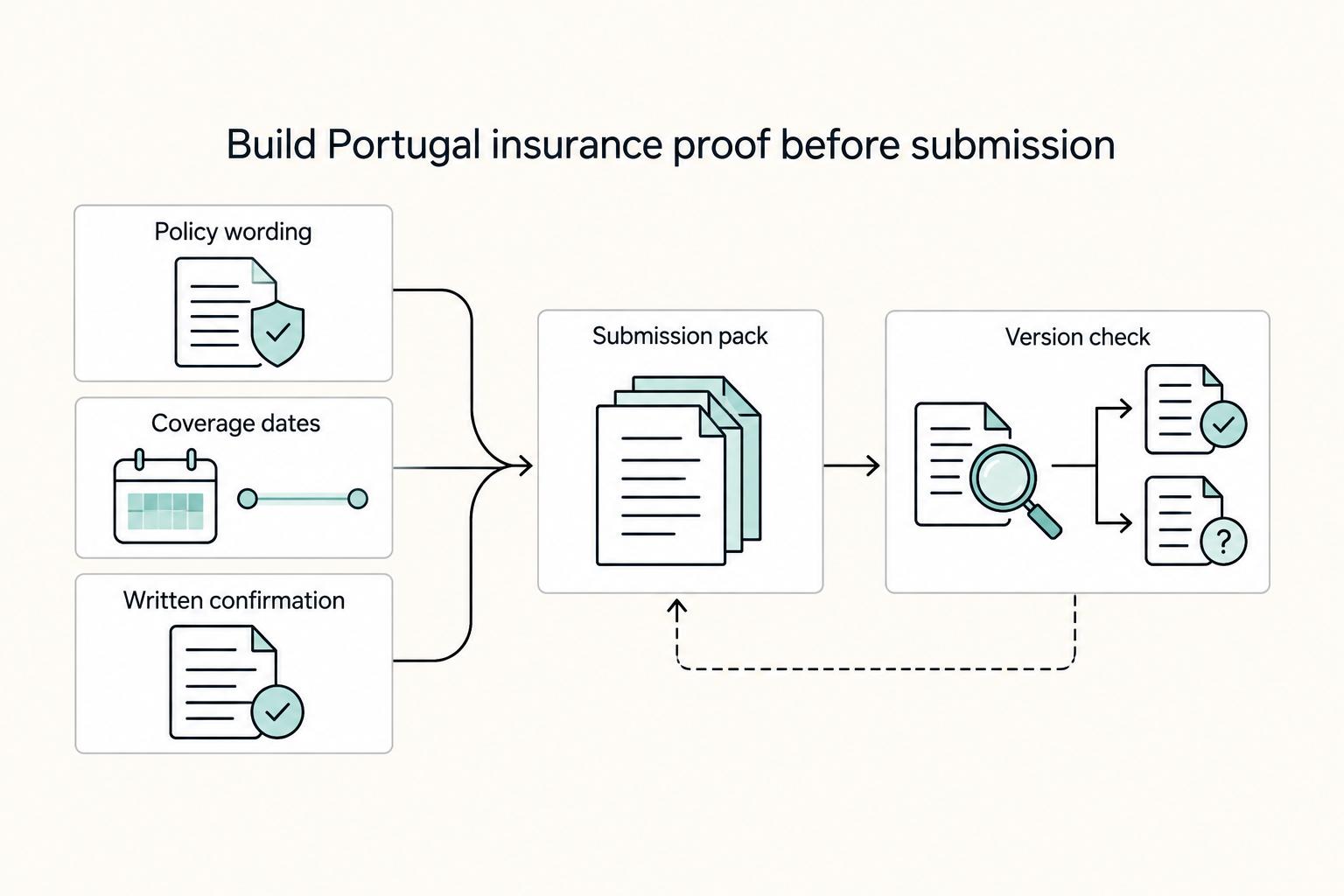
How to Get Health Insurance in Portugal as a Digital Nomad
If you are searching for health insurance portugal nomad options, treat the decision as part of your visa file before you treat it as a product search. The policy matters, but timing, wording, and document quality often determine whether your file moves cleanly or turns into a clarification request.

The Freelance Payment Penalty: A Modeled Audit of Platform Fees, FX Spreads, and Payout Delays
The money rarely disappears through a single, easy-to-spot fee. The real loss is stacked. A marketplace takes its commission, a processor adds a charge for international cards, a bank or payment company converts the currency at a spread, a platform holds the funds before release, and a wire sheds a little to intermediaries on the way in. Each layer looks defensible on its own, but the worker feels the combined result as a smaller deposit and a later payday.

How to Respond to a Subpoena for Business Records
Move fast, but do not produce records on instinct. If you need to **respond to a subpoena for business records**, your immediate job is to control deadlines, preserve records, and make any later production defensible.