

Quick Answer
Yes - clutch for lead generation can work for agencies, but only with strict execution. Start by tightening positioning, building verifiable proof, and matching your listing to buyer filters like budget, location, and industry focus. Then run disciplined intake and qualification before meetings are booked. Treat paid placement as optional: Clutch notes some placements involve fees, so test sponsorship only after organic quality is stable and your break-even threshold is clear.
Using Clutch to Generate Agency Leads#
If you want Clutch to produce qualified pipeline, aim for better-fit conversations and cleaner conversion, not instant volume.
Clutch highlights discoverability among qualified leads and shortlisting methods that include client interviews and project audits. It also points to trust signals such as Clutch-verified reviews, Verified Provider checks, and Leaders Matrix visibility, including a top 15 tier. At the same time, Clutch discloses that some placements may involve fees, so organic visibility and paid visibility should not be treated as one blended channel behavior.
That tension matters. Credibility signals can help you earn first contact, but they do not prove return. Referral stories are still anecdotal, and independent third-party ROI benchmarks are not present in the current evidence set. Competition also appears heavy. Clutch lead-generation pages show large company counts, including 427,300+ on one listing view and 3,068 companies on one rankings view, with ratings updated March 15, 2026.
Read this article as an execution guide, not a promise. You will start by preparing proof and qualification inputs, then decide whether this channel fits your current economics, then tune positioning, profile trust, reviews, and inbound handling. After that, use shared performance definitions to compare Clutch against other directories and non-directory channels. The throughline is simple: verify quickly, measure honestly, and scale only when quality and conversion improve together.
What to Prepare Before You Start#
Prepare your inputs before you edit the profile. Doing this up front keeps qualification standards stable when inbound starts and helps you avoid mistaking activity for progress.
Clutch lead-generation guidance emphasizes audience research, quality over quantity, user-data analysis, and measurement. Translate those themes into a practical prep pack your team can use without room for interpretation. The pack should be short enough to maintain and specific enough to settle disagreements when a lead is borderline.
- Define your ideal client profile and exclusions in writing so qualification decisions stay consistent.
- Prepare defensible proof assets, including project summaries, service boundaries, and proof points you can stand behind in reviews and sales calls.
- Set simple intake, tracking, and follow-up basics before volume starts so early leads are handled consistently.
- Build a baseline comparison sheet across potential channels or providers so later decisions are measured, not guesswork.
- If you plan to hire support, set partner-fit criteria early. Clutch service guidance is framed around choosing the best fit, and improvement depends on ongoing research and optimization.
A practical way to make this stick is to assign clear ownership for each prep item. One person owns ICP and exclusions, one owns proof assets, one owns tracking definitions, and one owns channel or provider comparison logic. If ownership is unclear, edits drift and qualification standards weaken in the first busy week.
Before your first profile update, run a quick internal trust check. Ask a teammate who was not involved in writing to answer three questions using only your prep pack: who you help, what you do, and what evidence proves it. If those answers are fuzzy, you are not ready to optimize listing copy yet. Tighten inputs first, then publish.
Decide Whether Clutch Is a Fit for Your Agency Right Now#
Make a go or no-go call before polishing your listing. Proceed only when positioning is specific, economics are workable, and market focus is clear enough to support qualified opportunities.
| Gate | What to check | Grounded detail |
|---|---|---|
| Specificity | Niche and proof | Clutch uses defined category language, including Sales Outsourcing: B2B Lead Generation |
| Channel intent | Qualified-inquiry criteria before comparing results | Buyers can filter by budget, hourly rate, location, and industry focus; LinkedIn and G2 may attract different intent |
| Economics | Break-even before paid visibility | Treat paid boosts as optional early on; a profile example shows a $5,000+ minimum project size and a stated fit threshold above £50,000 average annual client value |
| Geography | Primary market | Clutch routes searches by market, including the United States, United Kingdom, and Canada |
Directories can look attractive because they package demand and social proof in one place. That alone is not a reason to push hard on this channel right now. A poor fit at this stage often shows up as rising inquiry counts, weak qualification, and calendar load that does not convert. Use these gates to avoid that trap.
- Apply a specificity gate before publishing.
If your niche and proof still read as generic, tighten them first. Clutch uses defined category language, including Sales Outsourcing: B2B Lead Generation, so buyers need to see your fit quickly. If a prospect cannot tell what you actually deliver in one pass, you are inviting low-fit inquiries.
- Compare channel intent before comparing volume.
Clutch lets buyers filter agencies by budget, hourly rate, location, and industry focus. LinkedIn and G2 may attract different intent, so define qualified-inquiry criteria before you compare results. Use one shared definition so channels are judged on equivalent standards.
- Check economics before paid visibility.
Treat paid boosts as optional early on, especially because Clutch notes some placements may involve fees. A profile example shows a $5,000+ minimum project size and a stated fit threshold above £50,000 average annual client value. Use those as fit signals, not market-wide rules. Your own break-even point is the real decision lever.
- Choose geography up front.
Clutch routes searches by market, including the United States, United Kingdom, and Canada. Pick your primary market first, then align profile language and proof to that market. A broad multi-country profile can look active while quietly reducing relevance in each target region.
If these checks pass, move forward. If one check fails, do not force momentum. Fix that gap and reassess. A short delay before launch is cheaper than months of noisy inbound and unclear attribution.
Define a Positioning Statement Buyers Can Verify#
Write one positioning line that buyers can confirm from your profile and proof. In crowded directories, broad full-service language is easy to ignore and harder to trust.
This is not just brand decoration. It can act as a qualification filter. A clear line can attract fewer but better-fit prospects, which can improve downstream close quality and protect team time.
- Write one sentence with one buyer, one service lane, and one outcome.
Use a direct pattern like We help [specific buyer] achieve [specific outcome] through [specific service]. Stay in one lane unless you can support multiple lanes with equal proof. If you cannot prove both lanes equally, pick the stronger one and let other offers stay secondary.
- Match wording to category language.
If your lane is Sales Outsourcing: B2B Lead Generation, keep that phrasing consistent. If your real offer is closer to a different service category, name it directly. Misaligned labels can create avoidable friction between discovery, qualification, and proposal stages.
- Attach proof that matches the claim.
For each promise, include a short case snippet with buyer context, implementation scope, and result. This aligns with how providers are reviewed and verified, including client interviews, project audits, and legitimacy checks tied to Verified Providers. The point is not to sound polished. The point is to be easy to verify.
- Keep first-touch messaging consistent.
Your website is often the first and most frequent touchpoint. Keep the same buyer, lane, and proof anchor across your site, Clutch profile, and outbound headers. If these surfaces disagree, buyers may spend effort reconciling your story instead of evaluating your fit.
- Revise from evidence, not preference.
Adjust positioning when inquiry quality supports a change, and change one variable at a time. If results are mixed, hold category language steady and improve proof clarity first. Treat the 10% to 20% brand-consistency revenue figure as directional, not guaranteed.
A useful guardrail is to keep a short positioning change log. Capture what changed, why it changed, and what quality shift you expected. Without that record, teams can over-credit the latest edit and underweight broader market noise.
Build a Clutch Profile That Passes a Trust Check#
A trust check passes when a buyer can confirm fit from your profile in minutes. In crowded listing environments, unclear details get skipped fast.
| Profile area | What to include | Grounded detail |
|---|---|---|
| Core identity | Company name, service labels, target market, short description | Match Clutch.co, LinkedIn, and your website; keep capitalization and region naming consistent |
| Proof | Clear scope, concrete project context, accurate company details | Provider shortlisting includes client interviews and project audits, and Clutch describes checks for Verified Providers |
| Buyer filters | Budget, hourly rate, location, industry focus | Include enough context for fast self-qualification, especially in the United States, United Kingdom, or Canada |
| Trust context | Review readiness, delivery clarity, consistent evidence | Clutch discloses that it may earn fees for some placements |
| Change control | Date, field changed, reason, expected effect, review date | Change one meaningful element at a time, then review inquiry quality after each cycle |
Think of your profile as a decision page, not a brochure. Every field should reduce uncertainty: who you help, what you do, what proof supports the claim, and whether the buyer should continue.
- Step 1: Keep core identity consistent across touchpoints.
Match company name, service labels, target market, and short description across Clutch.co, LinkedIn, and your website. Keep capitalization and region naming consistent. Inconsistencies can create confusion before contact and add avoidable qualification friction.
- Step 2: Make proof easy to verify.
Clutch says provider shortlisting includes client interviews and project audits, and it describes checks for Verified Providers. Write profile copy so those checks are easy to follow: clear scope, concrete project context, and accurate company details. If a claim cannot be verified quickly, simplify or remove it.
- Step 3: Write for buyer filters.
Clutch lets buyers filter by budget, hourly rate, location, and industry focus. If those details are vague or missing, buyers may screen your profile out early. Include enough context for fast self-qualification, especially in geography-specific markets such as the United States, United Kingdom, or Canada.
- Step 4: Pair trust signals with transparent context.
Clutch discloses that it may earn fees for some placements. Focus on trust signals you control inside your profile: review readiness, delivery clarity, and consistent evidence. Visibility can increase exposure, while clear proof helps buyers choose with confidence.
- Step 5: Treat edits as controlled changes.
Track updates with date, field changed, reason, expected effect, and review date. Change one meaningful element at a time, then review inquiry quality after each cycle. This keeps cause and effect readable.
Run a monthly profile pass to catch drift. Offers evolve, team language changes, and old snippets linger. A short monthly cleanup prevents mixed signals from accumulating and protects your ability to compare performance over time.
Trust does not come from profile completeness alone. It comes from consistent identity, verifiable proof, and clear detail that helps the right buyer decide quickly.
Collect Reviews and References Without Gaming the System#
On Clutch, specific and verifiable reviews often matter more than raw review count. Keep requests structured, use Clutch review flows, and treat vague praise as incomplete.
The goal is not to collect as much positive sentiment as possible. It is to help a qualified buyer understand fit and delivery conditions before first contact.
- Run a monthly review cadence through Clutch.co.
Use one fixed review window each month and ask recent clients who can describe delivery details. Avoid screenshots and copied testimonials so your profile can reflect verified reviews where applicable. Consistent timing can help reduce long dry periods followed by rushed outreach.
- Prompt for specific feedback tied to the actual service.
Ask each client to cover the buyer problem, the service delivered, and concrete collaboration details. For example, request detail tied to Sales Outsourcing. Specific prompts can improve consistency and reduce vague praise.
- Quality-check every review before submission.
Confirm account names, project context, and team details are accurate. Keep fair nuance instead of polishing everything into all-positive language. Mixed feedback is normal, and balanced detail often reads as more credible than perfect language.
- Read Review Insights for themes, not just score.
Review Insights can show both overall rating and recurring feedback themes. Use recurring themes to improve future review prompts and refine messaging in your profile.
- Track review evidence in a simple monthly log.
Record request date, client segment, service category, key points, and any clarification requested before approval. This keeps proof consistent and easier to trust during profile updates.
A common failure mode is asking for reviews only when pipeline feels weak. That timing can lead to rushed, generic requests. Keep the cadence steady even when demand is healthy. A steady review operation helps protect future conversion quality.
Improve Ranking Visibility Before You Spend on Sponsorship#
Improve what you control first, then test sponsorship only if qualified organic inquiries stay weak. This order gives you a cleaner read on what is improving visibility and fit.
Paid placement can increase shortlist exposure quickly, but exposure without fit often creates expensive noise. Start with profile quality, review quality, and category clarity so paid tests, if needed, rest on a stronger base.
- Complete profile depth and category fit before buying placement.
Make service positioning clear and keep reviews specific to the work you want to win. Because Clutch reviews are described as interview-verified, detailed feedback can carry more decision value than generic praise.
- Use visible directory signals as directional clues.
Treat them as guidance for what to tighten, not a formula to reverse-engineer. Ranking logic is usually not public, so focus on controllable inputs and log each profile or review-quality change.
- Track movement by service and geography to avoid false wins.
Monitor each service separately across your target geographies instead of relying on one blended total. Look for the same segments improving in both visibility and qualified inquiries.
- Set a decision rule before sponsorship.
If qualified organic inquiries remain weak after a disciplined organic pass, run a paid test. Sponsorship can increase shortlist exposure, but positions may drop when payments stop, so plan for recurring spend and treat case-study outcomes as directional.
Keep your test design simple. Change one major variable at a time and record expected impact before launch. If qualified outcomes do not improve, stop and re-evaluate profile fit rather than layering more spend onto unclear performance.
Decide on Sponsorship With a Clear Break-Even Rule#
Treat sponsorship as a break-even decision, not a visibility gamble. Test only when your economics can absorb paid placement without relying on best-case conversion.
The key is to look at channel math and qualification quality together. A placement can look good on inquiry volume while underperforming on real pipeline value.
- Set the floor before you spend.
Use your own numbers: monthly sponsorship cost, average deal value, and close rate from qualified opportunities. If the qualified leads required to break even exceed what this channel has produced for you, delay the test.
- Compare paid exposure with trust improvements first.
Sponsored placements are clearly labeled, and Clutch notes that some placements involve fees, so treat sponsorship as an exposure lever. In parallel, Clutch highlights Verified Providers and describes review verification and company evaluation, which supports strengthening profile trust signals before buying placement.
- Decide by segment, not one blended average.
Listings support filters for budget, location, industry focus, and services. Evaluate results by service and geography. Because pages route by countries such as the United States, United Kingdom, and Canada, track qualified inquiry quality per segment.
- Run a short test with pre-set stop rules.
Use a fixed test window and continue only if qualified-lead quality improves, not just inquiry volume. Stop when qualified opportunity cost exceeds your cap or lead fit stays weak.
After the test, run a structured post-test review with the same rules you set before launch. Decide explicitly to scale, hold, or stop. Avoid soft continuations based on hope, especially when attribution is partial.
If average deal value is higher, the break-even threshold may be easier to reach; if it is lower, require stronger evidence before extending spend.
Handle Inbound Leads Like an Operator#
For Clutch inbound leads, a lot is won or lost in intake. Respond quickly, qualify firmly, and route consistently before anything hits your calendar.
Even strong positioning and reviews usually cannot rescue a weak intake motion. Slow replies, inconsistent qualification, and unclear handoffs can turn inbound interest into missed opportunities.
- Set a response SLA and triage path before leads arrive.
Choose a first-response target your team can hit consistently, and route every Clutch.co inquiry through one intake path before booking. Use a short intake checklist so response quality does not vary by who handles first touch.
- Qualify for fit, budget, timeline, and buying role.
Use your ICP and requested scope, such as Sales Outsourcing: B2B Lead Generation, to filter weak-fit requests early. Confirm scope fit, realistic budget, workable timing, and decision authority. A fast no is better than a slow misfit meeting.
- Route only minimum-fit leads into CRM stages, then set meetings.
Move leads forward only after they pass minimum-fit checks. Trigger B2B Appointment Setting after qualification, not at first inquiry. This protects calendar capacity for prospects with stronger buying potential.
- Keep source tagging clean so channel decisions stay clear.
Tag leads separately for Clutch.co, LinkedIn, and referral, and segment by service and geography when relevant. Clean tagging prevents blended reporting from hiding what is actually producing qualified opportunities.
Add one quality checkpoint after each held meeting. Capture fit verdict, objection pattern, and next-stage probability in a consistent format. Those notes give you practical signal for profile edits, qualification updates, and sponsorship decisions.
Track Performance With Decision Checkpoints#
The real question is not whether inquiries increased. It is whether a source creates qualified pipeline consistently as you scale. Performance tracking fails when teams compare unlike definitions, so lock terms first and review trends through the same lens each cycle.
| Tracking area | What to track | Grounded detail |
|---|---|---|
| Shared dashboard | Inquiry volume, reply rate, qualified-lead rate, meeting rate, close rate, payback by source | Keep one primary source tag on each record, such as Clutch.co or referral |
| Qualification rules | One minimum-fit standard across sources | Use ICP fit and real buying roles, and keep attribution timing consistent so one source is not favored by a longer conversion window |
| Geography | Region first, then country, state, and city when needed | Break results out by US, Canada, Europe, and Asia; Clutch supports filtering by country, state, and city |
| Decision checkpoint | Qualification and downstream conversion together | If inquiry volume rises while qualified-lead signals fall, pause scaling and tighten targeting first |
- Build one shared dashboard with fixed definitions.
Track inquiry volume, reply rate, qualified-lead rate, meeting rate, close rate, and payback by source. Keep one primary source tag on each record, such as Clutch.co or referral.
- Compare channels on the same qualification rules.
Use one minimum-fit standard across sources: ICP fit and real buying roles. Watch for repeated "not relevant" replies as a signal that role or industry targeting may be off. Keep attribution timing consistent so one source is not favored by a longer conversion window.
- Review by geography before calling a trend.
Do not rely on blended averages alone. Break results out by region, such as US, Canada, Europe, and Asia, then by country, state, and city when needed. Clutch supports filtering by country, state, and city.
- Use decision checkpoints, not volume-only wins.
If inquiry volume rises while qualified-lead signals fall, pause scaling and tighten targeting first. Scale only when qualification and downstream conversion signals are stable or improving together across segmented cohorts. If one improves while another weakens, pivot and re-test.
Use checkpoint notes to document the decision each cycle: what improved, what declined, what changed, and what action follows. That written trail reduces recency bias and helps future reviews stay disciplined.
Common Mistakes and How to Recover#
Even after you invest in lead generation, conversion can still break when channel decisions outpace conversion data. The fixes below address root causes, not symptoms, and work best when performance stalls.
- Mistake: Copying generic positioning from peers.
Recovery: narrow your message to a specific buyer problem and service scope, then keep only claims you can support in your profile and sales process. Generic language may increase inquiry volume without improving lead quality.
- Mistake: Prioritizing visibility before lead quality.
Recovery: improve lead quality and qualification first. Higher exposure alone is not a reliable path to better outcomes when fit is weak.
- Mistake: Depending too heavily on one channel.
Recovery: run a mixed acquisition motion and review source performance monthly using shared qualification rules. Inbound and outbound should not be treated as the same buyer stage.
- Mistake: Treating anecdotal wins as proof.
Recovery: use anecdotal ideas as test inputs, not final decisions. Log each tactic as a measured test and let conversion tracking decide what scales.
When you recover from any of these mistakes, resist changing everything at once. Keep one clear hypothesis per cycle so you can tie outcome shifts to actual decisions.
Copy and Use This Weekly Operating Checklist#
Use this weekly checklist to keep your Clutch pipeline work grounded in verified results: test changes in small batches first, then scale only when lead quality improves. Create one log with change, expected impact, owner, verification date, and result.
Run this checklist on a fixed day each week so decisions do not drift. Keep the meeting short and evidence-led. If a metric moved, identify what changed and whether the shift improved qualified outcomes or only activity.
- Align messaging across email, LinkedIn, and calls.
Use shared offer language, targeting, and qualification criteria so channels reinforce each other. Fix mismatches quickly so activity does not drift from quality outcomes.
- Define "qualified, held meeting" in writing.
Set one clear definition that requires the meeting to be attended, not just booked. Use that definition in weekly reporting and pipeline reviews.
- Audit booked-to-held performance.
Review qualification consistency and conversion from booked meetings to held meetings. If booked volume rises while held meetings stall, tighten first-touch qualification.
- Use one scorecard and shared definitions.
Track inquiries, qualified rate, held meetings, and real pipeline movement with the same metrics each week. Keep measurement tied to held meetings and real pipeline, not activity alone.
- Ship one deliberate improvement per week and verify it.
Make one change, record the expected impact, and review it on the set date. If quality does not move, stop that change and replace it instead of stacking more edits.
The discipline here is single-change focus. One meaningful update with clear verification beats five simultaneous edits that blur cause and effect.
Conclusion#
The checklist works when you treat Clutch as one measured channel, not a growth bet. Clutch.co can support pipeline growth, but only when performance data and lead quality stay aligned. Visibility alone is not evidence of qualified demand.
-
Diversify before scaling directory volume. Compare Clutch.co with at least one non-directory channel and another review directory using the same definitions. If a channel drives more inquiries without more qualified opportunities, reduce effort and reallocate.
-
Require click-to-close tracking before raising paid spend. Increase sponsorship or ad spend only when you can trace performance from click to qualified opportunity to closed revenue. If attribution is incomplete, pause expansion.
-
Use conversion-rate examples as context, not targets. Treat reported directory ranges like 1-4% as directional, not universal. Scale from your own baseline, and roll back changes that raise conversion while lowering qualification.
-
Set written scale and stop rules, then enforce them. Define what must improve together before expansion and what triggers a stop.
Leader Matrixvisibility is one signal, but it does not guarantee profitable fit.
Keep execution evidence-led: measure, compare, and scale only when your numbers justify it. When tracking quality, waste control, and ongoing monitoring stay tight, you can judge whether directory visibility is translating into qualified pipeline without overexposing growth to one channel.
If you want this to hold over time, keep the cadence simple: weekly checklist, monthly channel review, and strict stop conditions for paid tests. That sequence protects quality, protects spend, and keeps decisions tied to results you can verify.
Frequently Asked Questions
Does Clutch.co actually work for lead generation for small agencies?
It can, but it is not automatic. Lead generation takes sustained effort and time, and outcomes vary with execution. One Belkins case study reports over 100 opportunities monthly from its review-site footprint, but that is directional evidence, not a guaranteed outcome. Treat early traction as a signal to keep refining, not proof that the channel is solved. Small agencies can improve results by narrowing fit and improving response quality before increasing visibility spend.
How many reviews do I need before Clutch.co starts producing qualified conversations?
There is no universal minimum number of reviews that guarantees qualified conversations. Prioritize specific, trustworthy reviews over vague volume. Then check monthly whether qualified conversations improve, not just total inquiries. If review count rises but qualification does not, revisit message-to-proof alignment instead of assuming more volume will fix it. Tighten prompts and profile clarity before chasing more volume.
Is Clutch sponsorship worth it, or should I stay organic longer?
There is no universal yes-or-no answer. Stay organic until your qualification process and pipeline hygiene are consistent. Extra visibility alone does not ensure qualified leads. Use a short paid test only after you can track qualification, pipeline progression, and conversion performance and enforce stop rules. Without those controls, spend decisions become hard to evaluate.
What should I track first to prove channel profitability?
Start with qualified lead rate by source. Then track pipeline progression with consistent definitions each month so you can compare channels on quality, not just activity. This keeps decisions grounded in qualification and pipeline performance. As data matures, add conversion context to avoid over-weighting top-of-funnel movement.
Can I rely on Clutch.co alone, or should I pair it with LinkedIn and other directories?
Do not rely on one channel alone. Single-channel outreach limits lead-generation potential, and cold email plus LinkedIn are stronger together than either one in isolation. Pair directory demand with LinkedIn motion, and review both with the same rules each month. This guide on LinkedIn marketing can help shape that mix. A diversified mix can also help if one source fluctuates, so keep channel comparisons fair with shared qualification criteria.
What is the fastest way to improve lead quality if inquiry volume is already coming in?
Tighten lead qualification and pipeline hygiene before adding more volume. Apply the same qualification criteria consistently, and move only qualified inquiries forward. This keeps improvement efforts focused on lead quality instead of top-of-funnel activity. A practical first move is to audit recent disqualified leads and look for repeated qualification gaps. Then update intake prompts and keep the next review cycle focused on quality change.
Try a related tool
Researched and edited by the Gruv editorial team. Gruv builds cross-border billing, payouts, and finance-operations software for global businesses.
Sources
Includes 5 external sources outside the trusted-domain allowlist.
- belkins.io/blog/how-to-generate-b2b-leads-from-clutchexternal
- clutch.co/resources/cold-email-vs-linkedin-outreach-b2...external
- clutch.co/resources/why-b2b-lead-generation-failsexternal
- kkbc.co/blog/the-b2b-lead-generation-agency-audit-ch...external
- savemyleads.com/blog/other/clutch-lead-generationexternal
Educational content only. Not legal, tax, or financial advice.
Related Posts

LinkedIn for Freelancers Who Want a Predictable Client Pipeline
Treat LinkedIn as two jobs you run at the same time: a credibility check and a conversation engine. If you only chase attention, you can get noise. If you only send messages, prospects may click through to a thin profile and hesitate.
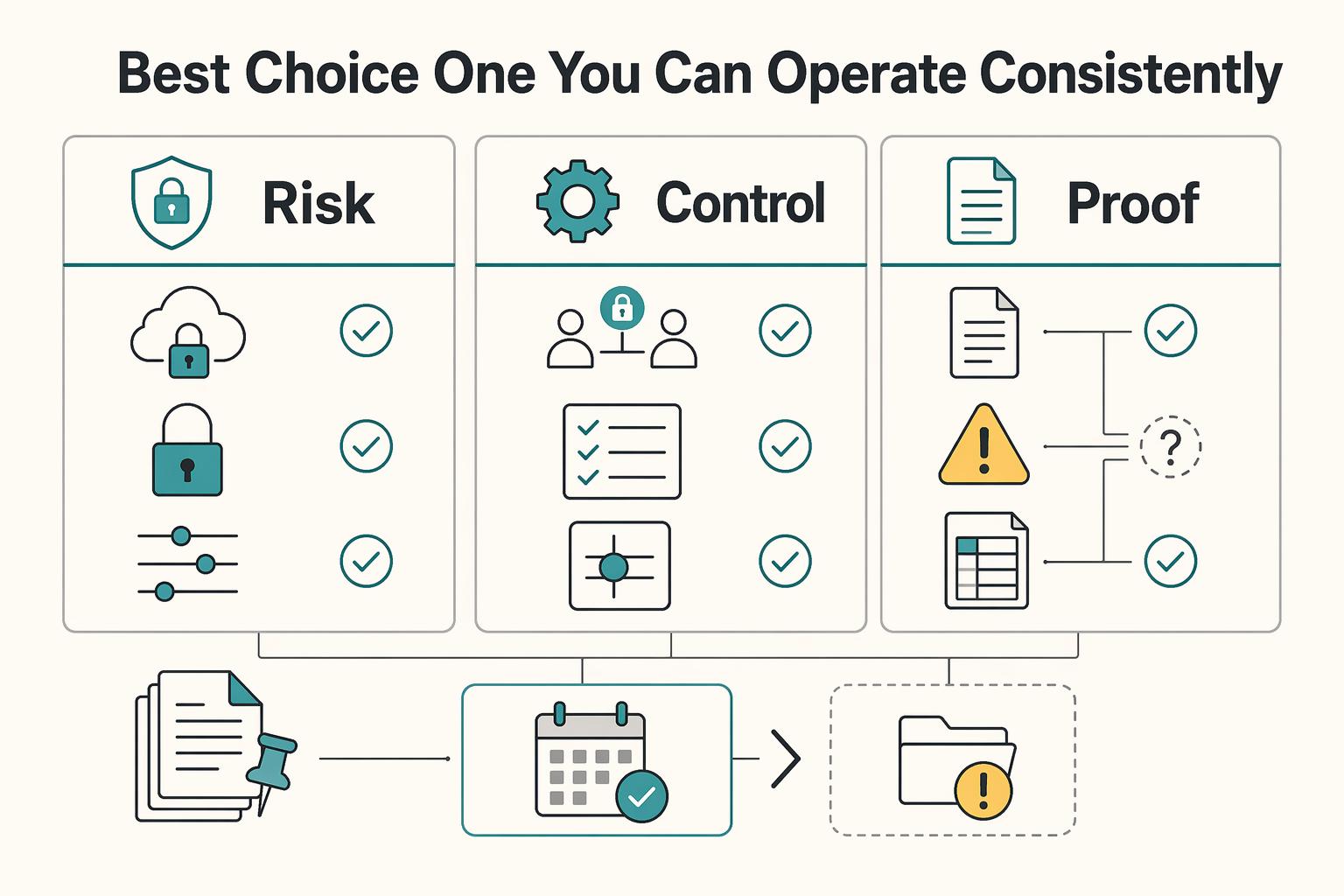
The Best Secure Cloud Storage for Freelancers
For freelancers, a secure cloud storage decision should start with risk, not convenience. One weak sharing setting can expose client files, and trust is harder to rebuild than a folder structure.

The Freelance Payment Penalty: A Modeled Audit of Platform Fees, FX Spreads, and Payout Delays
The money rarely disappears through a single, easy-to-spot fee. The real loss is stacked. A marketplace takes its commission, a processor adds a charge for international cards, a bank or payment company converts the currency at a spread, a platform holds the funds before release, and a wire sheds a little to intermediaries on the way in. Each layer looks defensible on its own, but the worker feels the combined result as a smaller deposit and a later payday.