
Quick Answer
Screen tenants by setting a written policy before you list, then run every qualified applicant through the same application, report review, manual verification, and documentation steps. Verify negative records before relying on them, get consent before running credit, and make decisions against objective criteria instead of gut feel. A complete file should show what you reviewed, verified, and why you approved, denied, or requested more information.
Why Your Screening System is Your Highest ROI Activity#
If you want to screen well, treat screening as your risk-control process, not a one-time checkbox. A weak placement does not just hurt rent collection. It creates follow-up work, inconsistent decisions, and avoidable compliance exposure.
Step 1: Verify serious negative items before treating them as decision-ready#
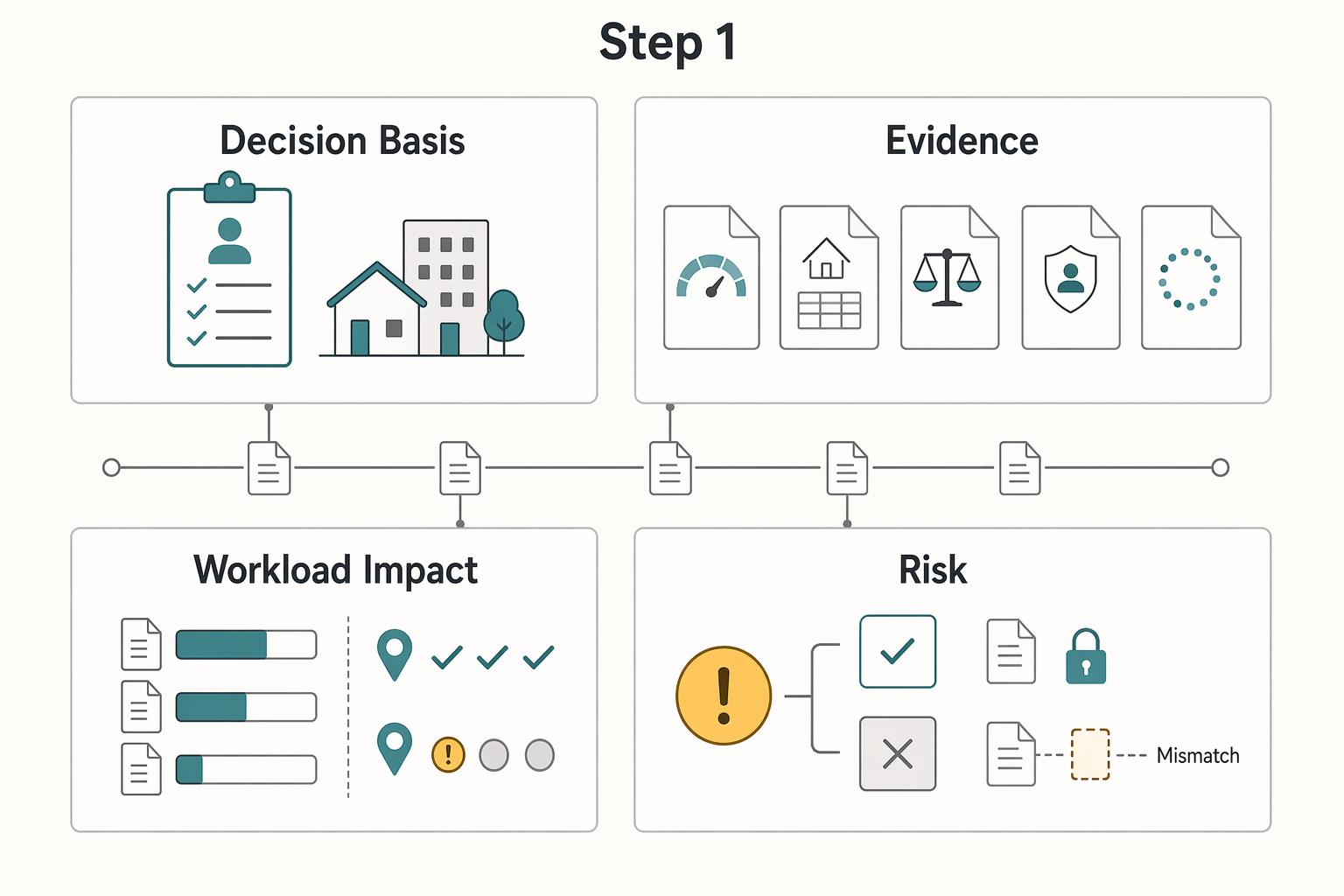
Start with the decision record you are actually using. Tenant screening reports can pull together credit history, past rental payments, civil and criminal records, and sometimes proprietary risk scores. That makes them useful, but not self-proving.
The CFPB notes there is no independent public evidence that these reports reliably predict future rental behavior. It also notes that report data can be ambiguous, outdated, or wrong. Your first checkpoint is simple: if a report surfaces a serious negative item, verify it before you treat it as decision-ready.
| Area | Reactive screening | System-based screening |
|---|---|---|
| Decision basis | Gut feel, rushed review, isolated report | Pre-set criteria applied the same way each time |
| Documentation | Scattered notes or none | Saved application, report, verification notes, final reason |
| Workload impact | Missed rent follow-up, repeated exceptions, admin pileup | Front-loaded review, fewer surprises later |
| Risk exposure | Inconsistent applicant treatment, harder to defend | Clearer record with consistent, documented criteria |
Step 2: Map the three places where the real risk shows up#
The real risk shows up in three places. Financially, one bad approval can create additional costs and follow-up work. Operationally, reactive screening means more document chasing, more applicant back-and-forth, and more cleanup when the file was thin from the start.
From a compliance standpoint, inconsistent treatment is a red flag. If you waive one requirement for one applicant but not another, you increase dispute and documentation risk.
Step 3: Define objective criteria first and verify the same way every time#
Build for consistency, not speed alone. Many screening products rely on low-cost automated record pulls, while higher accuracy may require manual verification. That tradeoff matters.
Your goal is not to collect more data than necessary. Define objective criteria first, verify the same way every time, and document why you approved, denied, or asked for more information. That becomes the foundation for Phase 1. Related: How to Invest in Real Estate as a Digital Nomad.
Phase 1: The Legal Shield | Build Your Defensible Screening Policy Before You List#
Set your screening policy before you publish the listing so every applicant is reviewed under the same rules and documentation standard.
Step 1: Write one policy you apply consistently to every applicant#
Write one policy you can apply consistently to every applicant. Define only measurable behaviors, such as payment reliability, property care history, and communication responsiveness. Avoid subjective descriptors or an "ideal tenant" profile that can introduce bias.
Where rules vary by jurisdiction, keep the value unresolved until it has been verified from official state, local, or policy records.
| Screening Criterion | Pass/Fail Rule | Documentation Required |
|---|---|---|
| Income | Pass if documented income meets your written standard | Pay stubs, offer letter, tax return, or other accepted proof |
| Credit profile | Pass if report meets your written standard | Applicant consent, credit report, review notes |
| Rental history | Pass if prior housing history meets your written standard | Landlord references, call notes, lease history |
| Eviction or court records | Do not fail on an unclear automated record alone | Report copy, manual verification notes |
| Application fee | Apply the same lawful fee rule to each applicant | Fee disclosure, receipt, local law check |
Checkpoint: another reviewer should be able to reach the same decision using only your policy and file documentation.
Step 2: Build applicant consent and manual verification into the written policy#
Treat compliance as part of the policy itself, not as a final check at the end. Fair Housing Act obligations and local fair-housing guidance affect how you word criteria and how consistently you apply them. FCRA obligations apply when you use consumer reports, including credit checks and tenant screening reports, in rental decisions.
Build two hard rules into the written policy:
- Get applicant consent before running credit.
- If a negative record is unclear, require manual verification before using it to fail an applicant.
This matters because screening data can be ambiguous, outdated, or wrong. CFPB reporting cites a study of 3.6 million eviction court records in which 22% of state eviction cases were ambiguous or false, so automated pulls should not be treated as self-proving. Also state that proprietary tenant risk scores are supplemental only, not standalone decision makers.
Step 3: Turn the policy into a pre-screen script for every inquiry#
Turn the policy into a pre-screen script and use it for every inquiry so Phase 2 verification starts with clean, comparable inputs.
- Confirm move-in timing, occupancy details, and willingness to complete your written application.
- Ask whether documented income meets your verified posted standard.
- Confirm they can authorize a credit check and provide the required documents in your policy.
- Ask whether they can provide prior housing references that meet your written standard.
- Disclose any lawful application fee using your verified state/local rule.
- Record notes in the same format for each inquiry, then move qualified leads to full verification.
For a step-by-step walkthrough, see A Guide to Schedule E (Supplemental Income and Loss) for Foreign Rental Property.
Phase 2: The Verification Engine | A Tech-First Workflow for Vetting Applicants#
Run every qualified lead through the same sequence: intake, reports, human verification, then employment confirmation. Consistency here is what turns your policy into a defensible process.
Step 1: Collect a complete application before pulling reports#
Your intake process is the first bottleneck, so standardize it. Use one application format and require the same baseline fields from every serious applicant.
Required fields checklist:
- Full identity details and current contact information
- Current address, prior rental history, and landlord contact details
- Employer information and income sources
- Income documents suited to the applicant's situation (for example, pay stubs, offer letters, bank statements, or tax returns where relevant)
- Occupancy details and planned move-in timing
- Signed authorization allowing you to obtain consumer reports, including credit or other screening reports
Checkpoint: before you move forward, confirm another reviewer could match the application and documents without guessing who works where, earns what, or lived at which address.
Step 2: Choose a screening method for consistency#
Pick the method you can run the same way every time. Manual sourcing can work at low volume if your documentation discipline is strong, but an all-in-one platform is usually easier to run consistently.
| Decision criterion | All-in-one platform | Manual sourcing |
|---|---|---|
| Compliance support | Better for standardized consent capture and uniform report handling | Depends on your process and recordkeeping discipline |
| Data coverage | More likely to consolidate credit and other screening data in one place | Often piecemeal, with more gaps between sources |
| Turnaround reliability | Often faster, with reports delivered in minutes rather than days in some cases | More variable because each source is separate |
| Documentation quality | Easier to save complete reports and timestamps | You must assemble and label each record yourself |
| Operational effort | Lower per applicant once set up | Higher, especially when applications arrive in clusters |
Use tools to gather evidence, not to make the final decision for you.
Step 3: Read reports as inputs, not verdicts#
A report should tell you what to verify next. Do not auto-approve or auto-deny based on a single score or database hit.
| Report type | What you verify | What triggers follow-up |
|---|---|---|
| Credit report | Payment pattern, debt load, collections, major derogatories | Thin file, recent delinquencies, identity mismatch, unexplained debt spikes |
| Eviction or court record search | Whether the record actually matches the applicant and fits your written rule | Partial match, outdated entry, unclear disposition, name-only match |
| Criminal background check, where lawful and relevant to your policy | Whether the record is accurate, relevant, and reviewable under your stated criteria | Incomplete identifiers, unclear offense details, records needing manual review |
When something negative appears, pause and verify before deciding.
Step 4: Verify documents and callbacks independently#
Check documents for internal consistency first: names, addresses, employer names, pay periods, deposit patterns, and dates should align across the application, ID, and income records. Fraud-detection tools can help flag altered documents, but treat flags as prompts for review, not proof.
Then make independent callbacks:
- For employers, use a public or official company contact where possible, not only the number on the application.
- For prior landlords, confirm tenancy basics and behavior-based details like payment timeliness, notice given, and whether they would rent to the applicant again.
If details do not match, escalate calmly: request written clarification and substitute documents, then document whether the mismatch was resolved or remains unresolved.
Step 5: Pass the "verification complete" gate before Phase 3#
Do not score or decide until the file includes all of the following:
- Completed application with signed consumer-report authorization
- Identity and income documents reviewed for consistency
- Screening reports saved in the file
- Manual notes showing what you verified and what required follow-up
- Independent callback notes for landlord references and employment confirmation
- Written explanation and supporting documents for any mismatch
- Applicant Scorecard updated against your fixed criteria
- File organized for your Compliance Vault
If any item is missing, the file is not ready for a decision. You might also find this useful: A Guide to Background Checks for Employees.
Phase 3: Decide by One Written Protocol and Document the File#
Once verification is complete, make the decision with one protocol every time: score against your written policy, document any allowed exception, then assign a final disposition. Do not compare applicants to each other. A wrong placement can turn into a two-to-three-month eviction process and costs in the $3,500 to $10,000 range.
Step 1. Score against policy criteria, not the applicant pool. Use the Applicant Scorecard as the decision record. Each line should map to your objective policy, verified evidence, and a short reviewer note. If your policy allows exceptions, document them as a separate written decision with approver sign-off.
| Criterion | Evidence source | Reviewer notes |
|---|---|---|
| Gross income | Pay stubs, bank statements, employer confirmation | Pass/fail/exception and why |
| Credit profile | Credit report | Context from review |
| Rental history | Prior landlord callback notes | Tenancy findings |
| Court or screening record review | Screening report and manual verification | Match and relevance notes |
Checkpoint: a second reviewer should be able to read the scorecard and see why each line passed, failed, or moved to exception.
Step 2. Assign one disposition and complete its documentation path.
- Approve: Confirm the file meets policy, send your standard approval message, and store that communication in the file.
- Conditional next step: Use this when a mismatch may be resolved with clarification or substitute documents. Request the item in writing, set a response deadline, and update the scorecard before any approval.
- Deny: Record the specific policy criterion or verified issue that failed, then run the adverse-action check if screening-report information contributed to the decision.
Step 3. Treat adverse action as a separate compliance event. When a less favorable outcome is based in whole or part on screening-report information, pause the file and run your adverse-action workflow. Use your screening service process or jurisdiction-specific form set, and include the required notice elements under applicable law. Log what report was used, which policy criterion was at issue, which notice version was sent, how it was delivered, and when it was sent.
Step 4. Archive a retention-ready Compliance Vault. For each vacancy, keep one complete file containing:
- policy version used when the unit was marketed
- application and authorization artifacts
- screening reports and verification records
- completed Applicant Scorecard
- exception memo and approver notes (if any)
- approval, conditional, or denial communications
- adverse-action notices and delivery log (when applicable)
- communications log with date, channel, sender, and purpose
If you need to defend the decision later, the file should stand on its own without guesswork. The FAQ handles edge cases next, but the rule stays the same: unusual facts still go through the same documented process, not ad hoc judgment.
Conclusion: Evolve from Landlord to Strategic Asset Manager#
The shift is practical, not philosophical: stop treating each vacancy like a fresh judgment call. When you use the same written criteria, the same verification steps, and the same documentation habit every time, you get cleaner decisions, faster handling when inquiries pile up, and a file you can actually defend later.
| Reactive approach | Strategic approach |
|---|---|
| Decides standards after applicants start asking questions | Sets selection standards before the listing goes live |
| Changes the process based on who seems promising | Uses the same written application, credit report, background check, and interview sequence for each applicant |
| Keeps notes in texts, memory, or scattered emails | Keeps one decision file showing what was reviewed, verified, and decided |
| Loses momentum when multiple inquiries arrive quickly | Follows the same follow-through for missing items, callbacks, and final decisions |
Your operating cadence should be simple and repeatable:
- Set your criteria before marketing the unit.
Verification point: your selection standards are written down and ready before the first inquiry. If you are still deciding standards after applications arrive, you are already drifting into inconsistency.
- Run the same checkpoint sequence for every applicant.
Use the same written rental application, credit report, background check, and applicant interview for each applicant. It is easy to skip a step when one applicant looks strong on paper or when multiple inquiries arrive quickly, so keep the process consistent.
- Record the decision and the support behind it.
Your file should show what documents were reviewed, what was verified, what criterion mattered, and what happened next. That helps you explain decisions later and keeps decisions tied to facts instead of memory.
- Review and refresh the process on a regular cadence.
Recheck your criteria, keep your documentation current, and apply the same standards to every applicant consistently.
Frequently Asked Questions
How do you legally deny an application?
Legally deny an application by tying the decision to a failed objective policy criterion, such as your verified credit or income standard. If the denial relied on a credit report, send an adverse action letter through your notice workflow instead of an informal text. Save the failed criterion, the report used, the notice version, the delivery method, and the sent date in the scorecard and vacancy file. If local law changes notice content or timing, follow that rule.
What credit standard should you use?
Use one written credit criterion and apply it the same way every time. The goal is consistency, not chasing a magic number. Confirm whether local rules limit how you use credit data before publishing the policy. Review the full report details and pair them with direct screening questions because reports can miss important context.
What if an applicant does not have a Social Security number?
Use your rental application to collect either a Social Security number or an Individual Taxpayer Identification Number as the identity checkpoint. You can still review employment, income, credit history, and past evictions or bankruptcies under the same written criteria. Do not skip identity verification just because the rest of the file looks strong. If you accept alternate documents, record exactly what you accepted and why.
What questions can you ask without creating protected-class risk?
Ask only questions tied to lease performance, identity, occupancy, income, rental history, and move-in facts. Do not base screening decisions on race, religion, color, national origin, sex, disability, or familial status. Use the same script for every applicant to stay consistent.
Are online screening services reliable?
Online screening services can be useful, especially when they provide criminal, identity, eviction, and credit reports and help verify employment history. But do not rely on reports alone. Direct questions and manual verification still matter because official reports can miss key details.
Can you charge an application fee?
Application fee rules depend on the jurisdiction, so confirm local requirements before charging one. The amount, cap, refundability, and timing can vary by location. Keep a copy of the disclosure in the vacancy file.
How long should the screening process take?
This guide does not pin down a universal processing deadline. Set a written expectation and give a clear deadline for missing documents or callbacks. If an adverse action tied to credit occurs, the applicant may have the right to get a free copy of that report from the reporting agency within 60 days.
Try a related tool
Researched and edited by the Gruv editorial team. Gruv builds cross-border billing, payouts, and finance-operations software for global businesses.
Sources
Includes 1 external source outside the trusted-domain allowlist.
- csus.edu/faculty/d/dowden/_internal/_documents/logica...trusted
- dspace.mit.edu/bitstream/handle/1721.1/50123/463621783-MIT.pdftrusted
- files.consumerfinance.gov/f/documents/cfpb_tenant-background-checks-ma...trusted
- hud.gov/sites/dfiles/OCHCO/documents/40001-hsgh-upda...trusted
- hud.gov/sites/dfiles/Housing/documents/Section-8-Ren...trusted
- justiceinnovation.law.stanford.edu/tag/intaketrusted
- sandiego.gov/sites/default/files/k-16-1400-mac-3_sunshine...trusted
- aaroncoxlaw.com/the-most-common-questions-from-landlords-abo...external
Educational content only. Not legal, tax, or financial advice.
Related Posts
Canada Digital Nomad Visa Planning for Visitor Status and Work Permits
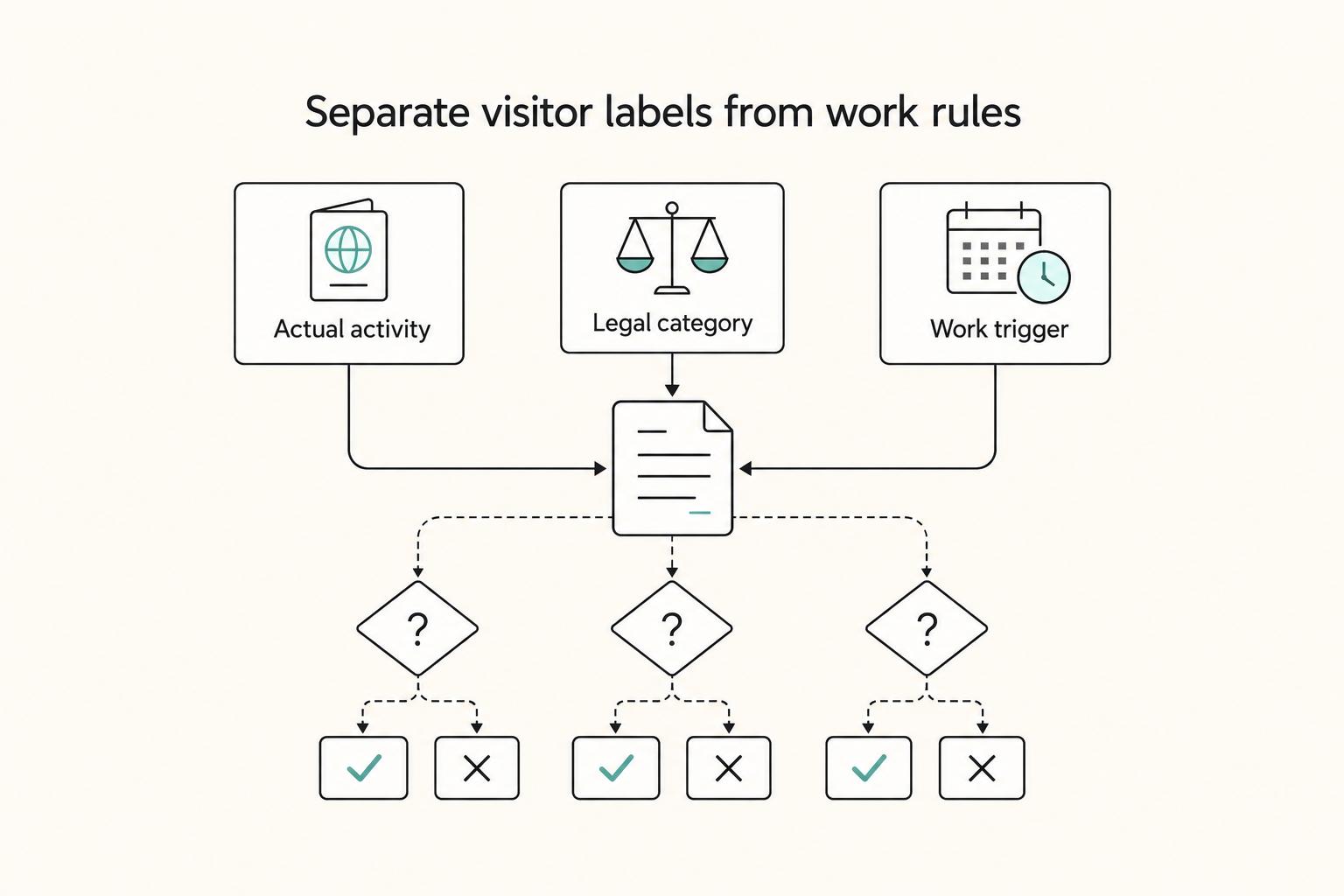
The phrase `canada digital nomad visa` is useful for search, but misleading if you treat it like a legal category. It is shorthand for existing Canadian status options, mainly visitor status and work permit rules, not a standalone visa stream with its own fixed process. That difference is not just technical. It changes how you should plan the trip, describe your purpose at entry, and organize your records before you leave.
How to Invest in Real Estate as a Digital Nomad
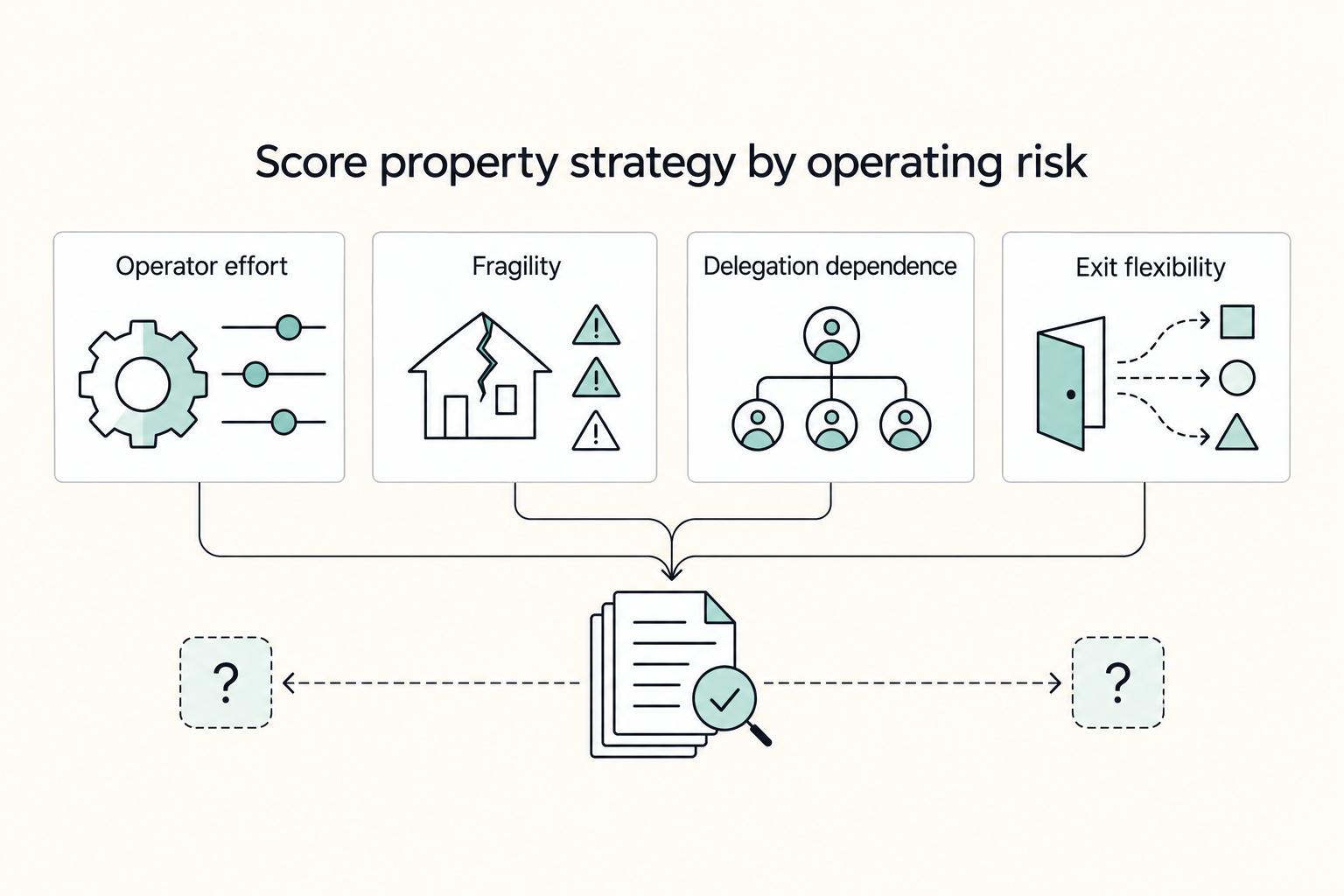
**Run anything with money and moving parts like an operations system (cash, docs, delegation, and controls), not a "passive income" vibe.** Real life stress-tests weak spots. You change time zones, a client pays late, and something breaks at the worst moment. As the CEO of a business-of-one, your job is to build a setup that keeps working when you are not available on demand.
Background Checks for Employees and Contractors Without Scope Creep
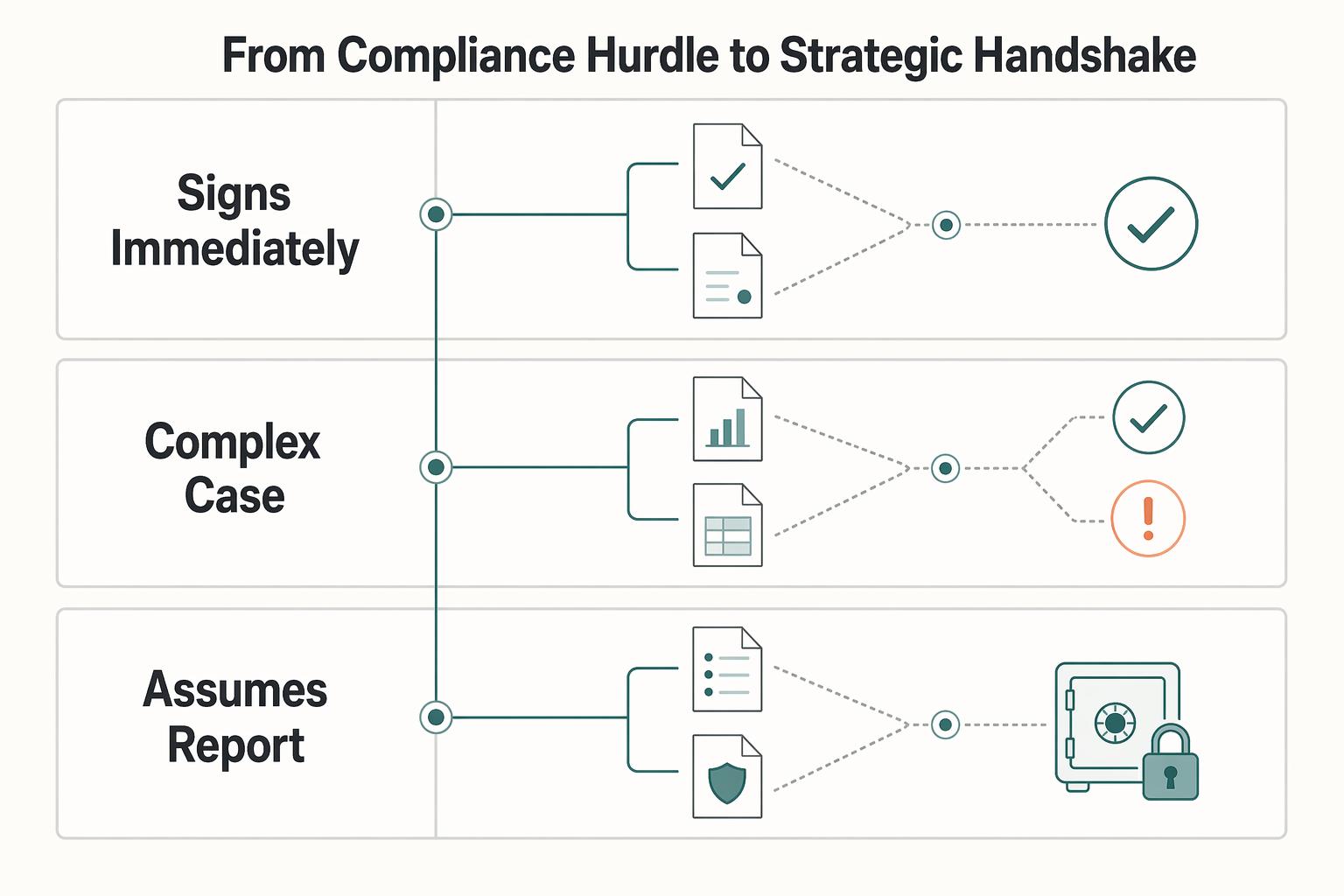
**How elite consultants and contractors transform a compliance hurdle into a strategic advantage.** For an independent professional operating at a high level, a client-requested background check can feel like an awkward last hurdle. After weeks of strategic conversations, proposal refinement, and building peer-level rapport, a formal request for personal data can change the tone. It does not have to.