

Quick Answer
Audit every recurring tool before renewal: keep, downgrade, replace, or cancel only after owner, usage, terms, and timing are documented. To manage saas subscriptions, keep one evidence row that matches your vendor billing page and internal tracker, then run the day 30, 21, 14, 7, and 2 sequence so edits land before the next charge. Keep monthly terms when demand is uneven, and move to annual only after usage remains consistently proven.
Start Here and Build a Cashflow Safe Subscription System in One Hour#
In the first hour, decide every recurring tool: keep, cut, or review before the next charge. If you want to manage SaaS subscriptions without cashflow surprises, run four checks in order: owner, usage, terms, timing.
Set one rule before you open any billing portal: if a tool has no named owner and no recent business output, do not approve auto-renewal. Some vendors renew unless you act. Google Workspace Annual/Fixed-Term plans renew for another one-year term if unchanged. Microsoft notes that for domain subscriptions, you need to turn off recurring billing if you do not want renewal.
Make one pass, not a debate#
Pull every recurring software charge from your card feed, bank transactions, or statements. Then run the same four checks for each item.
| Check | Verify | Log |
|---|---|---|
| Owner | Who is accountable using the approved app list, admin console, procurement email, or last invoice contact | decision owner; backup contact |
| Usage | Active use using the Microsoft 365 Active Users report across 7, 30, 90, or 180 days; note the 24 to 48 hour reporting lag | date range |
| Terms | What happens on downgrade, cancellation, or non-renewal by checking billing settings, renewal behavior, the order form, and service terms | renewal behavior; effective date of change; service impact |
| Timing | When you are charged and when the change takes effect; GitHub says downgrades and cancellations apply after the current billing cycle | next charge date; change effective date |
- Owner
Verify who is accountable using your approved app list, admin console, procurement email, or last invoice contact. Capture proof such as the name, team, and approval trail, then log decision owner and backup contact in your tracker.
- Usage
Verify active use, not intent. A practical model is the Microsoft 365 Active Users report, which shows activity across 7, 30, 90, or 180 days. Save a timestamped screenshot or export and log the date range. Also note that the report can lag by 24 to 48 hours.
- Terms
Verify what actually happens on downgrade, cancellation, or non-renewal. Check billing settings, renewal behavior, the order form, and service terms. Log renewal behavior, effective date of change, and service impact.
- Timing
Verify both when you are charged and when your change takes effect. Those are often different. GitHub documents that downgrades and cancellations apply after the current billing cycle, and pending changes can be reviewed or canceled before they take effect. Log next charge date and change effective date.
Decide with evidence, not instinct#
| Decision | Use when | Evidence required | Reversibility check | Action now |
|---|---|---|---|---|
| Keep | Business-critical and actively used | Named owner, current usage proof, clear renewal terms, known charge date | Terms and renewal settings confirmed | Confirm plan, seats, renewal status, and next amount in billing |
| Cut | Noncritical, duplicative, unauthorized, or unused | Missing owner or weak usage proof, plus terms reviewed | Confirm if change is immediate, end-of-cycle, or has data-loss risk | Submit cancellation or disable auto-renew, save confirmation |
| Review | Potentially needed, but the record is incomplete or timing is risky | Partial or conflicting proof | Too much uncertainty to commit safely in one pass | Assign owner, request proof, set a deadline before renewal |
Watch the failure modes that cost money#
The common mistake is assuming "cancel" means "stops today." Vendor timing differs. Zoom says cancellations take effect on the next renewal date, and cloud recordings are permanently deleted 30 days after cancellation. Atlassian says canceled subscriptions deactivate 15 days after the current subscription period ends.
Also treat unauthorized tools as risk, not as routine renewals. CISA recommends maintaining an up-to-date authorized software inventory and removing outdated or unauthorized applications.
Close the hour with a hard handoff#
Close the first pass by confirming each decision in two places:
- Vendor billing page: renewal setting, pending changes, renewal date, and cancellation confirmation all match the decision.
- Internal tracker: the same decision, proof used, and next action date are logged.
If those two records do not match, treat the decision as incomplete. Once you know what should happen for each renewal, collect the proof before you change anything.
Gather What You Need Before You Change Anything#
Do not change plans, seats, or auto-renew settings until each tool has a complete intake pack. Before any edit, confirm four things: what you pay, which terms govern it, whether it is used, and who owns the decision. If one is missing, you are exposed at the two billing moments that usually create trouble: mid-cycle plan changes and payment failures.
| Artifact | What it captures | Specifics |
|---|---|---|
| Statement export | Money leaving your accounts | Pull recent card and bank statement exports |
| Billing-portal record | Plan, seats, billing cycle, next charge date, and payment method | Save a screenshot or export with a visible timestamp |
| Governing-document link or file | Terms of Service, Privacy Notice, order form, or End User Subscription Agreement | If the vendor uses an Applicable Order, capture that exact order record |
| Timestamped usage snapshot | Recent activity evidence | If available, capture a recent activity view for the past three months, with the date visible |
| Owner assignment note | Who owns the decision and where evidence lives | Add one named owner, one backup contact, a decision date, and where the evidence is stored |
Create one auditable record per subscription before you edit anything. Attach these five artifacts to the same line item:
- statement export
- billing-portal record
- governing-document link or file
- timestamped usage snapshot
- owner assignment note
This is not legal archiving. It is a simple evidence trail that someone else can verify later without guessing.
Start with spend evidence, not memory#
Start from money leaving your accounts. Pull recent card and bank statement exports, then group recurring charges by payment method and billing descriptor.
For each tool, capture the matching billing-portal record: plan, seats, billing cycle, next charge date, and payment method shown. Save a screenshot or export with a visible timestamp. Checkpoint: the statement charge and portal charge must clearly match the same subscription. If they do not, stop and resolve that mismatch first.
A billing error can turn into a cancellation or a chargeback, so lock your before-state record before you make any change.
Save the documents that control the subscription#
Collect the governing documents for each tool: Terms of Service, Privacy Notice, order form, or End User Subscription Agreement, and link what is available to the subscription record.
Treat these as operating controls, not background reading. Terms can be legally binding, and fee obligations or access rights may depend on order-defined quantities. If the vendor uses an Applicable Order, capture that exact order record. If terms reference Authorized Users or other entitlement limits, log that too.
Add a plain-language note to each record with only two lines:
- how renewal appears to work
- what cancellation or downgrade appears to trigger
Pull minimal usage proof and classify it#
You do not need a perfect usage model to make a defensible call, but you do need something real. Use light evidence such as assigned users, active versus inactive users, and reclaimable licenses. If available, capture a recent activity view for the past three months, with the date visible.
Do not force a fixed threshold. Classify from current evidence:
| Status | What the evidence shows | Next action |
|---|---|---|
| Active | Clear recent activity, sensible assignments, and no obvious reclaimable-license issue | Keep review |
| Unclear | Partial or conflicting evidence, weak activity visibility, or unclear entitlement terms | Downgrade review |
| Idle | No meaningful recent activity, inactive or unassigned users, or clearly reclaimable licenses | Cancel review |
If usage is missing or contradictory, do not default to active. Mark it unclear and run downgrade review first.
Assign one accountable owner to every tool#
Before any change, add one named owner, one backup contact, a decision date, and where the evidence is stored. Clear ownership keeps accountability explicit when renewals are under time pressure.
If your team already runs project tracking in Airtable, keep this record there only if ownership and review dates stay explicit. The Airtable guide is useful for teams already using that setup, not as a reason to add another tool.
Once each subscription has these five artifacts and a status, move to the tracker step.
Build One Tracker That Shows Real Spend and Real Risk#
Use one operating tracker with one row per subscription so you can make renewal decisions quickly, verify them, and hand them off without guesswork.
Set up columns in four blocks so reconciliation and approvals stay fast:
- Identity fields: vendor name, product or workspace, internal owner, backup billing admin, team or client, tags or labels for allocation metadata
- Billing fields: current plan, seat count or usage tier, billing cycle, last charge amount, payment method, billing descriptor
- Renewal-control fields: next billing date (or vendor equivalent), auto-renew status, pending-change status (if available), notice or cancel terms, documented cancellation path, known post-cancel effect
- Decision fields: current status, decision date, decision owner, short rationale tied to evidence, next review date
Treat the renewal-control block as your execution checkpoint. After any plan, seat, or renewal edit, reopen the vendor billing page and confirm plan and seats, then verify next billing date and pending-change status where those controls are exposed before you close the task.
| Tracker type | Mandatory for renewal decisions | Optional reference data |
|---|---|---|
| Inventory tracker | Vendor, product or workspace, owner, plan, payment method | Notes, department, onboarding date |
| Decision tracker | Next billing date (or equivalent), pending-change status (if exposed), usage proof, governing terms link, cancellation path, decision owner, rationale | Vendor support URL, feature notes |
| Risk tracker | Financial risk, delivery risk, access or security risk, compliance risk, plus an accountable owner for each risk type | Broader vendor profile data |
Use simple status labels you can defend: clear, watch, escalate, blocked. Apply them separately by risk type. A tool can look fine on spend and still be blocked on access or security if permissions are too broad or ownership is unclear.
Link required evidence on every row: governing terms, usage proof, current plan scope, cancellation steps, and the latest billing-page record. Add a short rationale that points back to that evidence. If your usage window is 30 or 90 days, remember reporting can lag by 24 to 72 hours, so avoid same-day cancellation calls based on incomplete data.
Keep an action log in the same tracker. For every change, record the trigger, the action taken, the billing-page verification step, and the next review owner. For accounts where billing roles control critical changes, keep at least two billing admins so billing actions are still covered if one person is unavailable.
Need the full breakdown? Read SaaS International Pricing That Protects Cashflow First.
Assign Owners and Require Usage Proof Before Renewal#
If a tool has no named owner or no current evidence pack, do not let it auto-renew. Put it on hold, into downgrade review, or into cancel review until someone can defend the spend with current proof.
This control helps prevent reactive renewals. Scattered ownership, unclear usage evidence, and late deadlines can push teams into weak keep decisions. Use your tracker as an enforcement gate, not just a record.
Name the people who can actually make the call#
For every subscription, assign:
- Decision owner who can justify renewal scope and cost
- Backup owner who can act if the decision owner is unavailable
- Approver path for plan changes (seat cuts, downgrades, add-on removal), billing disputes (amount, descriptor, invoice mismatch), and access-impact decisions (delivery, shared files, admin rights, login access)
Keep these on the same tracker row as the renewal date and cancellation path. If any role is missing, the tool is not ready for a keep decision.
Require the same minimum evidence for every tool#
Standardize the evidence pack so any reviewer can validate the decision:
- User activity signal such as active users, last-use signal, or active seats versus purchased seats
- Business outcome note describing what the tool is currently used for in client or internal work
- Tracker link to the live row with plan, cycle, next billing date, and latest billing-page check
- Classification note tied to current evidence
Before approval, confirm that the usage artifact is current for your decision window and still matches the live billing setup. If purchased seats materially exceed active use, treat that as an underutilization signal to act on before renewal.
Use the same status definitions every time#
| Status | What it means | Required proof | Default action |
|---|---|---|---|
| Active | Current use is clear and tied to ongoing work | User activity signal, business outcome signal, tracker link, and a short classification note | Move to renewal review |
| Unclear | Some use exists, but current need or scope is not proven | Partial, stale, or missing evidence | Hold or downgrade until evidence is complete |
| Idle | Little or no current activity, with no clear current outcome | Low or no activity signal and no current outcome signal | Cancel or reduce scope before renewal |
This keeps classification consistent and reduces default renewals that happen only because no one challenged an old decision.
Treat inventory mismatch as a governance trigger#
Use payment records to spot shadow IT. If paid vendors exceed approved app records, route unmatched tools to governance review before renewal approval. A gap like 180 vendors in payment records versus 60 approved applications is a governance signal, not a routine reconciliation detail.
Do not assume every unapproved tool is automatically non-compliant. Do require review before the next charge: who bought it, who uses it, whether it is approved, and whether it belongs in inventory.
Once the owner, backup, approver path, and evidence pack are complete, move the tool into the renewal-sequence calendar. For a step-by-step walkthrough, see A Guide to Revenue Recognition for SaaS Companies.
Run a 30 Day Renewal Sequence With Decision Checkpoints#
Decide and execute before billing locks. If you cannot show current usage, confirm the portal change, and verify the payment setup, move to the safer commitment option instead of keep.
| Day | Action | Evidence | Fallback |
|---|---|---|---|
| 30 | Set keep, downgrade, replace, or cancel | One current usage artifact such as a Microsoft 365 Active Users report or a Google Workspace user usage report | If the owner or usage proof is missing, move to downgrade or cancel review; Google last sign-in data can lag up to 3 days |
| 21 | Apply the decision in the vendor portal | Portal confirmation, ticket ID, or cancellation confirmation email when provided | Treat the status as unresolved and keep the safer option; in Zoom, verify the listed renewal date first and cancel active add-ons before the base plan |
| 14 | Execute seat cuts, plan edits, and access cleanup | Before and after seat counts or an admin export; update tracker plan, seat total, and expected next charge | Reduce seats or shift to the least committed option instead of renewing full scope |
| 7 | Verify the payment setup that will actually be charged | Renewal status, primary method, and backup payment method on the billing page | Escalate immediately, especially if status is replace or cancel but billing remains active |
| 2 | Close only after a three-way cross-check | Tracker, vendor portal confirmation, and payment-method check match on next billing date, next amount, and renewal setting | Keep the task open until all three records match |
Run the same five checkpoints every cycle so each tool ends in a confirmed billing state:
- Day 30
Action: Set one status in your tracker: keep, downgrade, replace, or cancel. Evidence: Attach one current usage artifact such as a Microsoft 365 Active Users report or a Google Workspace user usage report. Fallback if missing: If the owner or usage proof is missing, move to downgrade or cancel review. If you use Google last sign-in data, account for reporting lag of up to 3 days.
- Day 21
Action: Apply the decision in the vendor portal. Evidence: Save portal confirmation, ticket ID, or cancellation confirmation email (when provided) in the tracker row. Fallback if missing: Treat the status as unresolved and keep the safer option. In Zoom, verify the listed renewal date first, since cancellation is effective at the next renewal date and active add-ons must be canceled before the base plan.
- Day 14
Action: Execute seat cuts, plan edits, and access cleanup. Evidence: Save before and after seat counts or an admin export, then update tracker plan, seat total, and expected next charge. Fallback if missing: Reduce seats or shift to the least committed option instead of renewing full scope. Remove unused accounts and unnecessary privileges.
- Day 7
Action: Verify the payment setup that will actually be charged. Evidence: Confirm renewal status, primary method, and backup payment method on the billing page. Fallback if missing: Escalate immediately, especially if status is replace or cancel but billing remains active.
- Day 2
Action: Close only after a three-way cross-check. Evidence: tracker, vendor portal confirmation, and payment-method check must match on next billing date, next amount, and renewal setting. Fallback if missing: Keep the task open until all three records match.
| Status | When to choose it | Proof required | Common execution risk |
|---|---|---|---|
| keep | Current use is proven and scope still fits | Usage report, owner signoff, portal renewal details | Wrong seat count carries into the next bill |
| downgrade | The tool is still needed, but seats, add-ons, or tier exceed use | Underuse evidence and updated portal plan details | Tracker updated, portal unchanged |
| replace | Another tool is taking over and overlap should end | Migration owner, target date, cancellation evidence | Old tool keeps billing active during transition |
| cancel | No current need or no defensible proof | Cancellation confirmation and access cleanup note | Remaining charges can still apply on some annual fixed-term plans, including Google Workspace |
This sequence keeps the next charge visible. Your record should show whether it should proceed, shrink, or stop.
Before you lock annual terms, run your real numbers with this payment fee comparison tool to confirm the cashflow tradeoff.
Choose Monthly or Annual Based on Risk Not Discounts#
Choose based on commitment risk first, then price. If usage is still changing or inconsistent, keep it monthly and preserve your ability to adjust.
Billing cadence and commitment are related, but they are not the same decision. The billing cycle is the payment rhythm, monthly or annual. Commitment risk is how much exposure you accept before you can change course. Annual billing charges the full 1 year upfront on the billing date. Monthly billing spreads smaller payments across the year.
| Option | Commitment exposure | Cashflow strain | Usage confidence | Reversal path |
|---|---|---|---|---|
| Monthly | Lower, because you are not paying a full year upfront | Lower per charge, with smaller recurring payments | Better fit when use is infrequent, uneven, or still being validated | Easier to adjust at the next billing cycle |
| Annual | Higher, because the full year is charged on the billing date | Higher at charge time due to upfront payment | Better fit when use is frequent and consistent | Less flexible after the upfront charge |
| Default rule | Start monthly unless annual is a clear fit | Protects near-term cash with smaller charges | Requires less certainty to justify | Keeps your exit path clearer if needs change |
Before you switch from monthly to annual, note your current usage pattern and why annual now fits. Then log the annual billing date you are accepting so the upfront charge is visible before it hits.
Revisit cadence regularly and when usage patterns change, and record why you kept monthly or moved to annual so the next renewal decision is faster and auditable.
Set Payment Controls That Prevent Autopay Surprises#
Once you set a billing cadence (monthly or annual where the vendor offers both), control the payment rail so it does not decide for you. Use this rule: if the owner, next charge, renewal status, or payment rail is unclear, do not leave that subscription on autopay.
Run four controls on every recurring tool: where the charge lands, when it lands, who owns fixes, and how you verify changes.
| Control area | Common failure mode | Required evidence | Escalation owner |
|---|---|---|---|
| Payment method | A non-critical tool shares the same rail as business-critical software, or an old card remains attached | Vendor billing page shows active payment method; tracker row shows payment rail and criticality | Finance owner or card admin |
| Charge timing | Renewal hits before expected client cash arrives | Tracker note mapping expected inflow date to next charge date, plus whether timing is adjustable now or deferred to the next contract window | Budget owner or founder |
| Accountable owner | Failed payment, duplicate charge, or disputed renewal sits unowned | Named owner in tracker, billing contact, invoice, and confirmation emails | Tool owner, then finance if unresolved |
| Verification | Downgrade or cancel request was submitted, but billing settings did not change | Vendor billing page and internal tracker both confirm billing cycle, renewal status, next charge, and payment rail | Tool owner with billing access |
Split critical and non-critical spend on purpose#
Keep critical and non-critical tools on separate payment rails. Critical tools are the ones that stop delivery if access fails. Non-critical tools can pause without breaking delivery. This can limit blast radius when cash is tight and make discretionary cuts faster.
Before any renewal stays on autopay, your tracker row should be complete: criticality, payment rail, billing cycle, next charge date, renewal status, and named owner. If any field is blank, treat the renewal as unapproved.
If your card product supports spending controls, set explicit limits instead of assuming defaults. Stripe documents that spending controls can block categories, countries, or specific merchants before authorization, and defaults vary by product.
Match recurring outflows to expected inflows#
Treat timing as cashflow matching, not as a reminder exercise. Put expected client inflows next to recurring software outflows and flag charges that consistently land before money comes in. Then log one outcome per tool: timing adjustable now or timing locked until next contract window.
That distinction matters when a platform ties future invoices to a billing cycle anchor. If timing cannot change now, record the next contract window when you can change it.
Verify plan changes in two places before closing#
After any downgrade, cancellation, or payment-method update, check both the vendor billing page and your internal tracker before you mark the task done. Confirm the same four fields every time: billing cycle, renewal status, next charge, and payment rail.
Vendor behavior can change the outcome of a request. Microsoft documents that turning off recurring billing stops future billing. It also notes that turning it off can cancel scheduled subscription changes. If you stage a change and then disable renewal, recheck the live billing state. For Microsoft business billing, verify payment details in the billing profile and Payment methods page.
Access scope matters too. GitLab subscription management requires Owner role permissions, and paid subscription scope is at the top-level group. If you cannot verify billing at that level, your verification step is incomplete.
Reduce Security and Compliance Risk With Access Discipline#
Access discipline is both a spend control and a risk control. If a seat stays active without a clear business purpose, named owner, and current user match, treat it as unapproved until proven otherwise. SSO, MFA, and other front-door controls help at login, but they should be paired with lifecycle proof for who has access, who approved it, and whether the seat should still be paid.
Use your subscription tracker as a centralized record that drives access decisions so finance and ops can run one review flow. Require every lifecycle change to include four things: accountable owner, current status, proof artifact, and escalation path.
| Lifecycle stage | Risk prevented | Proof artifact in tracker | Escalation owner |
|---|---|---|---|
| Onboarding | Shadow access, role mismatch, unapproved seat creation | Approved request path, business purpose, role fit, app and seat type, named approver | Tool owner, then ops or finance owner |
| Offboarding | Former users left with active licenses | Offboarding record, removal confirmation, seat reclaimed or reassigned note | People manager, then app admin |
| Reconciliation | Unknown or inactive accounts left active | Dated admin-user export matched to roster, exceptions list with owners | Ops owner, then department lead |
| Privileged access review | High-permission accounts remain active and billable without review | Admin-role export, review decision, renewal note | Security or technical owner, then finance owner |
Enforce clean onboarding before seat assignment#
Do not assign seats from informal requests. Require one approved request path that captures business purpose, role fit, tool owner, and approver before access is granted. If you allow an exception, log it with an owner and follow-up so it does not quietly become a renewal default.
Make offboarding close access and license disposition#
Offboarding is not complete until you can show both access removal and seat disposition. A common failure mode is a license for a former employee that was never deactivated. If proof is missing, keep the item open and route it to the app owner instead of assuming the seat is available.
Reconcile to explicit operational statuses#
Reconcile your roster, vendor admin export, and tracker records, then force each account into an explicit status, such as active or on hold while removal is in progress. These simple labels can keep unresolved accounts from drifting into renewal decisions without ownership.
Review privileged access before renewal#
Run a separate review for high-permission accounts before renewal decisions are finalized. Confirm each privileged account still matches a current business need, then tie the outcome to a clear license action. If privileged cleanup is still open, do not renew extra capacity on assumption.
Negotiate Terms You Can Enforce in Real Operations#
Prioritize enforceable terms over headline discounts. If you cannot prove usage, act on notice windows, or control seat creation in normal operations, a lower price can still lead to a bad renewal.
Carry the same access-discipline standard into contract decisions: every negotiated term needs a named owner, required evidence, and a clear storage location in your renewal record.
Ask for terms you can actually execute#
Focus on a short list of terms you can verify and run under deadline pressure:
| Term type | What to ask | How you enforce it | What fails if missing |
|---|---|---|---|
| Renewal notice mechanics | How notice is delivered, who receives it, and the deadline to cancel or change | Record method, recipient mailbox, and deadline in the renewal record; calendar owner checkpoints | Notice goes to the wrong inbox, the deadline is missed, and renewal happens by default for auto-renewing terms |
| Ownership obligations | Named customer roles for approval, billing, and account administration | Record primary owner, backup owner, and approver in the tracker and contract note | No one can approve, act, or escalate when billing or seats need changes |
| Usage-evidence requirements | Which usage data is accepted and which report window is valid for renewal decisions | Save export name, date window, and admin source in the evidence pack before approval | Decisions rely on anecdotes or screenshots that are hard to defend later |
| Change-control language | How updates are communicated and whether material changes get advance notice | Review current versus prior terms, write an impact summary, and require sign-off before completion | Terms change quietly, and for some vendors continued use can lock in updated terms before impact is reviewed |
Use vendor specifics to test enforceability. For Google Workspace annual or fixed-term billing, inaction renews for another one-year term, and Google says notice is sent 30 days and 3 days before renewal. Your control is simple: log those checkpoints, assign an owner, and require proof that billing settings were reviewed.
Put every tradeoff in the renewal record#
Keep negotiation outcomes in one record, not in scattered threads. For each decision, log the agreed term, accountable owner, required evidence, approved fallback, and where the supporting file is stored.
If a vendor rejects your preferred language, log what was rejected, what you accepted instead, and who approved that tradeoff. AC-2 and CM-3 are useful operating patterns here. Assign ownership, require approvals for account creation, review changes before implementation, and document decisions so the next owner can execute them.
Flag anything that can create paid seats without fresh approval. Google notes automatic licensing can assign paid licenses to new users, and turning it off can help avoid paying for licenses you do not need. If you keep it on, log that as an accepted risk and name who reconciles user creation against billing.
Review contract changes before you approve#
Do not mark approval complete until you compare current and prior terms side by side and attach a short operational impact summary. Store both versions in the same renewal evidence pack, then answer three questions: what changed, who is affected, and what action is required.
This matters because vendor update mechanics differ. AWS says it may update terms by posting a revised version and says continued use indicates agreement, so capture its published "Last Updated" date in your record. Microsoft provides a change-summary page but points you to the full agreement for complete review. Slack says material supplemental-term changes get reasonable prior notice, but you still need the updated text in your file.
No "approved" status until current terms, prior terms, comparison notes, and impact summary are all attached.
Match commitment to evidence quality#
When a vendor pushes for a larger commitment, decide from evidence quality and execution capacity, not discount pressure.
- Choose longer commitment when usage evidence is strong, ownership is stable, and notice handling is reliable.
- Choose flexible commitment when evidence is mixed or your execution process is still inconsistent.
- Delay deeper commitment when ownership is unclear or required data is missing.
For Microsoft 365, reports are available across 7, 30, 90, and 180 days, and data typically appears with a 24 to 72 hour delay. For longer commitments, prefer 90- or 180-day exports over same-day short windows, and store the export with the decision note.
If seat counts move frequently, a flexible plan can be easier to enforce operationally than a fixed term. Google states flexible billing charges for accounts in service during the month. Whichever path you choose, log the decision, supporting evidence, and a re-evaluation trigger.
Related: Manage Finances While Traveling Long-Term Without Cashflow Gaps.
Fix the Most Common Failure Modes Fast#
Fix the visible break first. Treat each failure like an incident: contain spend, capture evidence, assign one accountable owner, and update the subscription record before you mark it controlled.
Start with the highest-risk billing events first: mid-cycle plan changes and payment failures. When your tracker, billing page, renewal notes, and vendor messages do not match, manual handling can turn into incorrect renewals, delayed corrections, and extra reconciliation work.
| Failure mode | Risk created | Fastest corrective action | Tracker fields to update before controlled |
|---|---|---|---|
| Missing owner | Actions stall on renewals, billing issues, or access changes | Freeze spend increases and assign one accountable owner now | Owner name, business purpose, admin contact, renewal date, last review date, current decision status |
| Missed cancellation window | Can create extra charges, unwanted renewal, or rushed changes that increase billing-error risk | Split actions into what can still change now versus next renewal, submit the immediate request, log the vendor response | Notice clause reference, request timestamp, vendor reply, next charge date, next action date, current plan state |
| Duplicate tools | Can lead to double spend, fragmented access, and an unclear source of truth | Name one primary tool and pause new purchases in the overlapping category | Primary tool, duplicate tool, overlap reason, migration or shutdown decision, user counts, follow-up date |
| Annual prepay regret | Commitment terms may no longer fit real use | Block repeat long-term commitments until the evidence gap is documented and approval criteria are updated | Prior approval basis, actual usage evidence, evidence gap, revised approval criteria, next review date |
Missing owner#
Trigger: No named owner, or the listed owner cannot explain current use, renewal timing, or admin access. First containment step: Pause seat increases, upgrades, and renewal approvals until one person accepts accountability. Required evidence: Business purpose, active-user proof, next renewal date, payment method, and the billing or admin location used for verification. Owner accountability: Close only when the owner can match billing-page status to the tracker and confirm the next renewal decision date.
Missed cancellation window#
Trigger: You missed the date to cancel or change terms. First containment step: Identify what can still change now, such as seat reductions or downgrades, and what must wait until next renewal, then submit the immediate request. Required evidence: Relevant clause, request timestamp, vendor response, current plan state, next action date, and any effective date confirmation in writing. For mid-cycle changes, verify proration and credit timing before approval. Owner accountability: The owner must execute the best available change now and schedule the next action so the miss does not repeat.
Duplicate tools#
Trigger: Two tools overlap in the same job and no one has resolved which one is primary. First containment step: Designate one primary tool and stop new purchases in that category until a keep, replace, or sunset decision is made. Required evidence: Active-user counts, renewal timing for both tools, supported process for each tool, and migration dependencies. Owner accountability: The owner must make an evidence-based recommendation and keep the overlap status and dated follow-up visible in the tracker until controlled.
Annual prepay regret#
Trigger: An annual commitment appears misaligned with current use, team size, or business output. First containment step: Block new long-term commitments until you document why the prior approval was weak. Required evidence: Original approval basis, current usage proof, active-user history, what changed, the specific evidence gap, and revised approval criteria. Owner accountability: Keep the incident open until updated criteria and the next review date are attached to the subscription record.
Related reading: SaaS Usage-Based Pricing for Predictable Cashflow and Fewer Disputes.
Tie Subscription Decisions to Your Get Paid System With Gruv#
Set one rule and enforce it every cycle: time subscription spend from expected or confirmed inflows against required disbursements, not from vendor renewal pressure. When incoming cash is weak, late, or uncertain, your default is to delay, downgrade, or shorten commitment until the evidence improves.
Make each decision record cash-timing based. Include these fields: linked invoice or payment reference, customer, amount and currency, expected or confirmed collection date, next subscription charge date, requested action, and owner.
| Collection confidence | Subscription action | Required proof | Approval path in Gruv |
|---|---|---|---|
| Confirmed collected | Keep or approved upgrade | Collection confirmed, amount and currency matched, next charge date, owner rationale | Configured approval workflow, then release tracked through reconciliation |
| Invoice issued with near-term expected payment | Keep or cautious downgrade; avoid longer commitments | Invoice reference, due date, customer status, fallback if payment misses, current usage proof | Request and finance review, with release only if timing risk is acceptable |
| Payment uncertain, disputed, or overdue | Delay, downgrade, or cancel at next allowed point | Aging status, dispute or delay note, vendor notice window, business impact note | Escalated exception path; hold release until evidence improves |
Map the charge to a real inflow#
Treat a sent invoice and available cash as different states. In Gruv's MoR flow, use the visible sequence as a gate: invoice, collection, VAT/GST handling where applicable, then payout status. In your record, capture inflow status, linked reference, expected or confirmed collection date, next charge date, and owner decision.
If collection is not confirmed, or the timing is tight, keep the lower-commitment option until status improves.
Act before the billing cycle closes#
Decisions can lose flexibility after cycle close, so act early. Log the execution fields before submission: billing-cycle close date, request timestamp, requested effective date, expected amount change, and written vendor confirmation when changes are not immediate.
Close the task only after both checks pass: the vendor billing page reflects the new plan state, and your payment record still aligns to the linked inflow.
Verify cross-border timing before you rely on it#
If cross-border timing affects whether you can release spend, confirm eligibility first. Gruv states coverage, methods, and timelines vary by market and are subject to compliance and policy checks, and corridor or method fit should be confirmed during evaluation.
Apply the same rule to Virtual Accounts and Payouts: they are timing tools only after availability is confirmed for your market or program. In your record, include: market, corridor, payout method, currency path, feature confirmation date, verifier, and current status. Do not approve spend based on assumed payout speed.
Keep evidence that survives reconciliation#
Route approvals through Gruv so request, release, and reconciliation stay traceable. Keep a minimum evidence pack: approval record, linked inflow reference, lifecycle status, vendor confirmation, and exportable finance support for month-end review.
The FAQ next covers operator tradeoffs: how strict to be when evidence is incomplete, when to escalate exceptions, and what review cadence gives you control without adding admin drag.
Use This Copy Paste Checklist Every Month#
Run this checklist once per calendar month. If owner, terms, or usage proof is missing, move the tool to do not auto-renew pending review and require follow-up before any renewal proceeds.
| Step | What you verify | Evidence to attach | Owner |
|---|---|---|---|
| Update your tracker baseline | Confirm tool name, owner, payment method, billing cycle, next charge date, and recurring-billing status so baseline records are current | Billing-page screenshot and tracker timestamp | Tool owner + billing owner/contributor |
| Attach current usage proof | Confirm active use, billable-seat reality, and billing scope, including top-level group scope when the vendor bills there, so need is documented at the right level | Usage export, admin screenshot, seat report, short value note | Tool owner |
| Decide before renewal closes | Set keep, downgrade, cancel, or replace before the charge date so the renewal state is explicit in time | Decision status, effective date, approver name | Tool owner, approver, and billing owner/contributor |
| Verify terms and renewal state | Confirm cancellation terms, pre-billing disclosures, and whether turning off recurring billing avoids automatic rebilling without immediate cancellation so contract status is clear | Terms link or PDF, billing-state screenshot, manual-payment note if service continues | Billing owner/contributor |
| Enforce access hygiene | Remove unneeded access and reclaim paid seats with least-privilege discipline so seat count and access match current need | Before and after user list, deprovisioning confirmation, seat delta | Admin or ops owner |
| Reconcile by payment method | Match each approved subscription to actual card or bank activity and verify payee, amount, date, proof, and business purpose so books are audit-ready | Invoice, receipt, card or bank record, reconciliation note | Finance owner |
| Log the decision trail | Record who decided, what changed, when, where verified, and why so the control history is complete | Dated decision log linked to usage, terms, and invoice evidence | Tool owner |
Apply one escalation default every month: no owner, no terms, or no usage proof means no clean renewal approval. Because recurring billing can be on by default for card or billing-profile subscriptions, verify that setting explicitly each cycle. If recurring billing is off but service must continue, log the required manual payment path.
If a charge is imminent and normal billing controls fail, escalate to the billing owner immediately. For bank debits, a stop payment order may need to reach your bank at least three business days before the scheduled payment. Stopping the debit does not cancel what you still owe under the contract.
If a keep or change decision depends on Gruv market, method, or payout coverage and you still cannot confirm the exact program or corridor, use Talk to Gruv before you close the month.
Frequently Asked Questions
How do you manage saas subscriptions without a finance team?
Start by setting clear ownership for each tool, even if that means one person handles multiple tools. Keep a tracker or equivalent record with billing cadence, payment method, renewal terms, and the latest decision status. Before you approve anything, verify real usage evidence, not just verbal confirmation.
What should you check before a renewal decision?
Check in this order: usage evidence, renewal terms, payment method, then decision log. This gives you proof of actual need, the timing of the next charge, and whether the decision is already recorded and approved. Confirm the vendor billing page matches your tracker before you close the task.
How often should you review subscriptions?
Review at each meaningful change and before renewal, not only once a year. Run a light check each billing cycle for new charges, payment method drift, and access changes. Run a deeper periodic review to catch duplicates, stale ownership, and tools kept in place by inertia.
How do you choose keep, downgrade, or cancel?
Use a quick triage based on current evidence. Keep when use is verified and the plan still fits. Downgrade when use is real but lower than the current tier. Cancel when active need is no longer supported. For cancellation, complete the full checkpoint sequence: flag the event, update subscription status, handle the final invoice or credits, and notify the customer or affected users.
What mistakes usually cost the most?
Common leaks include duplicate tools and unused seats, especially when decisions are delayed. Risk also rises when access provisioning and deprovisioning lag behind onboarding or role changes, so those controls belong in subscription management. If spend looks off, verify payment method and billing status first.
How do you cut costs without breaking delivery?
Cut in stages instead of making one broad change. Remove duplicate tools first, then reduce tiers or seats where usage supports it, then cancel what no longer has a clear business case. Log the effective date for each change and close only after billing-page status and tracker records both match.
Try a related tool
Researched and edited by the Gruv editorial team. Gruv builds cross-border billing, payouts, and finance-operations software for global businesses.
Sources
- cisa.gov/audiences/small-and-medium-businesses/secure...trusted
- cisa.gov/zero-trust-maturity-modeltrusted
- consumerfinance.gov/ask-cfpb/how-do-i-stop-automatic-payments-fr...trusted
- csrc.nist.gov/projects/cybersecurity-framework/filterstrusted
- csrc.nist.gov/glossary/term/least_privilegetrusted
- ftc.gov/news-events/news/press-releases/2024/10/fede...trusted
- ftc.gov/system/files/ftc_gov/pdf/p064202_negative_op...trusted
- gao.gov/assets/gao-14-704g.pdftrusted
Educational content only. Not legal, tax, or financial advice.
Related Posts
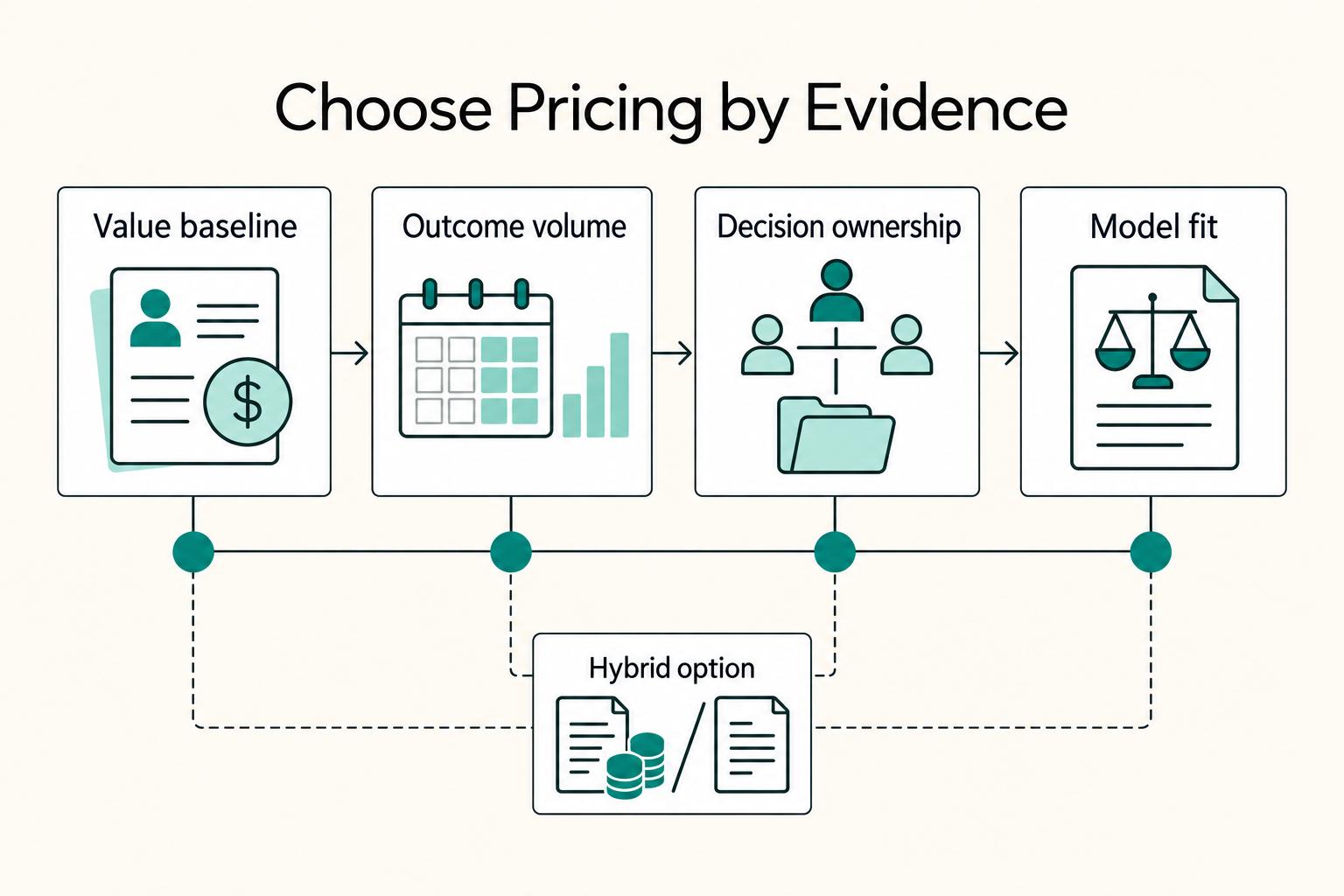
Value-Based Pricing for Freelancers Under Real Payment Risk
Value-based pricing works when you and the client can name the business result before kickoff and agree on how progress will be judged. If that link is weak, use a tighter model first. This is not about defending one pricing philosophy over another. It is about avoiding surprises by keeping pricing, scope, delivery, and payment aligned from day one.

Using Airtable for Freelance Project Management That Stays Reliable
The right way to think about **airtable for freelancers** is as an operating habit, not just a setup project. The first win is not a polished base. It is reliable visibility into client work, project status, and follow-through, so you can see what needs action before something slips.

The Freelance Payment Penalty: A Modeled Audit of Platform Fees, FX Spreads, and Payout Delays
The money rarely disappears through a single, easy-to-spot fee. The real loss is stacked. A marketplace takes its commission, a processor adds a charge for international cards, a bank or payment company converts the currency at a spread, a platform holds the funds before release, and a wire sheds a little to intermediaries on the way in. Each layer looks defensible on its own, but the worker feels the combined result as a smaller deposit and a later payday.