

Quick Answer
To launch a podcast for your freelance business, treat it as an operating system, not a side project. Choose one track for the next 90 days, set a measurable success target, and run a stage-gated plan from pre-production to post-launch. Use repeatable SOPs, clear go/no-go checks, and clean records for scope, permissions, and payments so you can ship consistently and grow without chaos.
You're not "starting a podcast." You're installing a repeatable growth engine for your freelance business.#
Treat your podcast like a documented operating process that compounds your positioning over time. You're running a business of one, and the job is to build a machine you can run without chaos. Once you decide this is a business move rather than a weekend experiment, you need structure that protects your time and keeps shipping predictable.
Spotify frames the core of the medium plainly: "At its heart, podcasting is about human connection." That connection gets much easier to build when you publish consistently in a format you can sustain.
Before you start: pick the operating track (one for now)#
Step 1: Choose one primary track for the next 90 days. You can do both later, but splitting focus early often creates half-finished assets and scattered messaging.
| Decision | Track A: Brand podcast | Track B: Client podcast services |
|---|---|---|
| Primary outcome | Build authority and inbound demand | Sell deliverables and retainers |
| "Success" looks like | Consistent episodes that lead to consults | Clear packages clients can buy |
| Core skill | Editorial clarity and positioning | Production workflow and scope control |
| Common failure mode | Publishing drift after the initial burst | Unlimited revisions and unclear inputs |
Step 2: Write one sentence that defines "winning" in 90 days. Keep it measurable and operational, not vibes. Example formats: "Publish X episodes and generate Y qualified conversations," or "Close X clients for a defined package."
Install go/no-go checks so you ship Episode 1 with confidence#
Step 3: Build a stage-gated launch plan with explicit go/no-go criteria. You don't need perfection. You need proof the machine runs.
| Gate | Check | Go if |
|---|---|---|
| Content clarity | Episodes 1 to 3 and the call to action for each | You can name Episodes 1 to 3 and the call to action for each |
| Workflow rehearsal | A test run from record to publish | You can complete a test run from record to publish without improvising steps |
| Capacity reality | A recurring weekly block on your calendar | You can protect a recurring weekly block on your calendar |
Step 4: Adopt an audit-ready checklist mindset for business hygiene. You don't need bureaucracy. You need clean artifacts:
- A folder per episode or client with consistent naming
- Written scope boundaries (what you will do, what you will not do)
- Invoice and payment records you can reconcile later
Hypothetical scenario: you launch a brand show, then a client asks for production help because they like your audio. If your workflow, scope, and payment checkpoints are documented, you can quote and deliver without turning your podcast into an unpaid side quest.
Step 5: Turn distribution into a system, not a scramble. Spotify's step-by-step guide covers the path from producing and distributing to growing and monetizing. Treat that as baseline mechanics, then add your operator advantage on top: documented steps, clear ownership, repeatable promotion. A strong default is to build your promotion loop around LinkedIn using A Freelancer's Guide to LinkedIn Marketing.
Which track are you launching - and what does "success" mean in your next 90 days?#
Pick one primary outcome for the next 90 days, then define success with metrics you can track weekly.
Once you choose a primary outcome, your workflow, content, and pipeline stop fighting each other. That turns the idea into a 90-day execution target.
Step 1: Choose your focus by choosing what you want the podcast to do for the business#
Decide what you want the show to primarily accomplish in the next 90 days, for example:
- Build authority and audience you can keep showing up for
- Create more qualified conversations (and a clearer path from listener to lead)
- Support a specific offer you can deliver reliably
Pick one as the main job. Everything else is a bonus.
Step 2: Run a quick written decision check (no "thinking," only answers)#
Write your answers in notes so you can act on them:
- Clarity: What outcome would make the next 90 days a clear win?
- Consistency: What can you realistically do every week without gambling on "free time" showing up?
- Offer and CTA: What is the one-sentence promise of the show, and what do you want a listener to do next?
Step 3: Define a 90-day success metric using leading and lagging indicators#
A 90-day business plan works because it stays "short enough timescale not to be overwhelming, but long enough to actually make a difference." John Lamerton puts it simply: "Every three months, I write out my goals for the next 90 days."
| Type | Metric example | Article definition |
|---|---|---|
| Leading indicator | Episodes shipped | Actions you control |
| Leading indicator | Outreach messages sent | Actions you control |
| Leading indicator | Proposals delivered | Actions you control |
| Leading indicator | SOPs documented | Actions you control |
| Lagging indicator | Consult calls | Results you earn |
| Lagging indicator | Closed clients | Results you earn |
| Lagging indicator | Retained accounts | Results you earn |
Set:
- Leading indicators (actions you control): episodes shipped, outreach messages sent, proposals delivered, SOPs documented.
- Lagging indicators (results you earn): consult calls, closed clients, retained accounts.
Hypothetical scenario: your focus is authority and audience. You track "episodes published" weekly (leading) and "qualified conversations started" monthly (lagging). If publishing slips, fix the system, not your self-discipline.
Prerequisites: what to prepare before you record anything (so you don't re-do your launch)#
Prepare your show concept and your basic workflow before you record.
A few upfront decisions help you avoid niche drift, rework, and the "why does this feel chaotic?" moment a few episodes in.
Step 1: Lock your concept (topic, promise, and format)#
Start by choosing a podcast topic you can commit to, then make it easy to explain in one or two sentences for your show description, outreach, guest invites, and CTA. Keep it tied to what you actually want the show to do, not a vague vibe.
Next, decide what the show is and isn't so you don't accidentally build or sell a different job than you want. A simple "this is in-scope / out-of-scope" note is enough to keep decisions consistent as you plan episodes and guests.
Before you move on, make the basic show choices too:
- Pick a name.
- Write a description.
- Decide a format.
Connection scales when you publish consistently, and consistency gets easier when you reduce avoidable decisions.
Step 2: Plan your launch essentials (and set realistic expectations)#
Podcasts often work as a long game. Abbas Marketing calls podcasts a "slow burner" that "takes time to build an audience." So aim for simple, repeatable prep that supports consistency.
At minimum, plan for the practical launch pieces:
- Create artwork (and any music, if you're using it).
- Buy and test the equipment/software you'll use.
- Choose a hosting service.
If it helps, sketch a small starter list of episode ideas that fit your concept and lead naturally to your business outcome. Keep it lightweight: you're proving you have a clear lane, not writing a novel before you ever hit record.
Set up a basic file-and-notes system from Day 1 so you can find your assets and decisions later (naming conventions, where final exports live, where episode notes live). Pair it with a promotion plan from A Freelancer's Guide to LinkedIn Marketing.
Verification: write your first "Episode 1 readiness" rule now. You won't publish until you meet your go/no-go criteria (you'll define the exact criteria later), and that single decision saves you from re-doing your launch.
What's the minimum viable podcast setup that still sounds professional?#
Build an MVP setup you can repeat weekly that produces clean audio, predictable outputs, and a stable publishing path. RSS.com says podcasts are "one of the most popular ways to consume content," with "more than 4 million podcasts online today," so consistency matters.
Consistency beats perfect gear. With your positioning locked and an Episode 1 readiness rule in place, the goal is a setup you can run without friction.
Step 1: Choose a repeatable recording chain (process first, gear second)#
Treat your recording environment as part of the setup. Whatever you record with, choose a space and routine that reduce distractions like echo and background noise.
Use this MVP decision rule:
- Start with what you can run without friction, then standardize it (same place, same setup, same routine).
- Do a quick test before you commit to a full episode: listen back and make sure your voice is clear and consistent.
- Upgrade when the process stabilizes. Don't reward chaos with new hardware. Earn complexity after you ship consistently.
If you already own a mic you like, treat it as a tool, not an identity. Your listener won't care. They care that your show sounds steady from episode to episode.
Verification: record a short test, listen on earbuds and laptop speakers, and confirm you hear your voice clearly without distracting echo or constant background noise.
Step 2: Document capture + distribution so nothing breaks#
Your professional standard shows up in what happens after you stop talking.
Remote recording workflow: pick one approach, then write down the rules. The exact platform matters less than having an SOP:
- Decide who hits record (and what happens if that person drops).
- Decide where audio lands (one predictable place everyone on the team uses).
- Decide what you keep (a primary recording plus a backup plan).
Before you end a session, confirm you have a usable recording and a safe copy saved.
Distribution workflow: choose a podcast host early and stick with it, because switching later creates rework across your setup and publishing workflow. Document the login owner and recovery info the way you would for any business-critical tool.
Abbas Marketing calls podcasts a "slow burner" and "not a quick fix." That reality rewards operators who standardize the boring parts:
| Standardize (default every time) | Customize (per show or client) |
|---|---|
| Intro/outro template, show notes structure, publish checklist | Guest format, segment structure, CTA placement |
| Storage locations, backup habit, handoffs | Tone, pacing, thought leadership angle |
| A simple post-episode workflow (edit → review → publish) | How you package clips for audience building |
Hypothetical scenario: you interview a guest remotely, something goes wrong, and your end-of-session check catches it before you announce the episode. That one habit saves your credibility and your week.
How do you design a podcast workflow that won't collapse after Week 3?#
Design a workflow that assigns an owner to every stage and sets a clear "done" check before anything moves forward.
Once your MVP recording and distribution setup works, the next constraint is operations. This is where most plans break, because you rely on motivation instead of a pipeline.
Before you start: name your baseline SOPs (even if you're a team of one)#
The Podcast Host puts it plainly: "A podcast can be a one man show." That only works if you run it like a system. Write a one-page SOP for Podcast Production that lists your stages, owners, and where files live.
| Stage | What it covers |
|---|---|
| Plan | outline and guest prep |
| Record | capture and file receipt |
| Edit | assembly and cleanup |
| QC | listen-through and final checks |
| Package | show notes and assets |
| Publish | schedule and preview |
| Promote | distribution to channels |
If you're not strong at everything (market research, recording, outreach, editing, scheduling/posting, and writing show notes), you may need help. Some shows split responsibilities across different people, for example recording vs audio editing, video editing, and uploading.
Keep the stage labels simple: Plan, Record, Edit, QC, Package, Publish, Promote.
Operator rule: if a stage lacks an owner, it stalls. If you work with contractors, split responsibilities, but keep one accountable owner per stage.
| Workflow element | Solo "one person" default | With help (contractors) default |
|---|---|---|
| Ownership | You own every handoff | You own the handoff, others own execution |
| Handoff method | Checklist + folder naming | Checklist + folder naming + due date |
| Failure mode | You forget steps | People wait on approvals |
Step-by-step: install "definition of done" checks (your anti-chaos system)#
Step 1: Write a definition of done for every stage. Treat each check as your gate. The Podcast Host frames workflow optimization as a way to "make you work more efficiently and increase the reach of your podcast," and gates make that real.
Practical examples you can standardize:
- Edit done = final audio exported, clearly named, and saved in the agreed place.
- Publish done = episode scheduled or posted, and you've confirmed it displays and plays correctly.
Verification: if you can't answer "Where is the latest approved file?" in five seconds, the workflow leaks.
Step 2: Decide what "strategic" means for your show, then build the workflow around that. Fame puts it well: "a podcast isn't a side project. It's a strategic content engine." If repurposing is part of the plan, define who creates the extra assets and when, because it won't happen by accident.
Step 3: If you work with clients or stakeholders, make the feedback process explicit (who reviews what, and at which stage) so edits don't arrive at the finish line.
Step 4: Promote from a checklist, not vibes. Podcasts tend to take time to build an audience and aren't a quick fix, so consistency matters. Use a repeatable promotion SOP for the channels you actually run. If LinkedIn matters to your pipeline, follow a cadence you can sustain from A Freelancer's Guide to LinkedIn Marketing.
The stage-gated launch plan: pre-production → setup → publish → post-launch (with go/no-go criteria)#
Move through clear stages and only graduate when you hit explicit go/no-go checks.
Run your launch like an operator. With a workflow you can sustain, a stage-gated plan protects consistency and keeps perfectionism from hijacking shipping.
Step-by-step: work the gates (and pause when a gate fails)#
Step 1: Ship the plan before the audio (Pre-production). Start with a 1-page brief. The Podcast Launch Blueprint puts the priority in the right place: "itʼs worth asking yourself why you want to start a podcast." Write the brief so you can use it to drive marketing and promotion, not just content.
Include:
- Audience and problem you solve
- Show promise (what changes for the listener)
- Episode format (solo, interview, teardown, etc.)
- Primary CTA (what you want the listener to do next)
- Publishing cadence you can sustain
Go/no-go: you can describe your first few episode ideas and the CTA simply. If not, you're still marketing a vibe, not a product.
Step 2: Make the machine runnable (Production setup). Confirm your microphone and recording setup, your remote workflow (if you plan interviews), and your file storage structure.
Run a full rehearsal:
- Record a short test (solo plus a remote guest if you plan interviews)
- Edit, export, and store the final in the right place
- Verify you can find "latest approved audio" instantly
Go/no-go: you can complete an end-to-end test (record → edit → export → store) in one focused session without guesswork.
Step 3: Publish like a business (Launch readiness). Prep your launch assets: show art, a show description, a standard show notes template, and at least one ready-to-publish episode (plus a buffer if you can). Podcasts earn trust because, as the Blueprint notes, "Listeners hear your actual voice, inflection, and personality." Treat metadata and packaging as part of that trust.
Go/no-go: your podcast host setup shows correct metadata, and you've written a simple "publish + promote" checklist you can repeat.
Step 4: Prove consistency, then optimize (Post-launch operations). Block one weekly ops slot for recording or guest outreach, editing/QC, distribution, and repurposing. Remember the upside: "A great episode can continue to attract new listeners months or years later." That only happens if you keep publishing.
After you've shipped enough episodes to see patterns, review:
- Retention signals you can observe (where listeners drop, which topics hold attention)
- Inbound lead quality (who mentions the show, and why)
- Production time (what stage drags)
Tie the insight to monetization: push services when you see consult intent, and consider sponsorship later when you can predictably ship and package.
| Gate | Primary deliverable | Example go/no-go check |
|---|---|---|
| Pre-production | 1-page show brief | You can pitch early episode ideas + CTA simply |
| Production setup | End-to-end rehearsal | You can run record → edit → export smoothly in one session |
| Launch readiness | Launch assets + at least one ready episode | Metadata looks correct + a repeatable publish/promote checklist exists |
| Post-launch ops | Weekly ops block + review | You can sustain cadence, then change one variable at a time |
Hypothetical scenario: a client asks you to "just launch it" with no brief. You pause at Gate 1, write the promise and CTA together, and save yourself weeks of rework and misaligned promotion.
If you're selling podcast services: build a service package matrix clients can actually buy#
Productize your podcast skills into a small menu with explicit deliverables, inputs, and boundaries.
If you can launch and run a show with gates and checklists, you now need a commercial wrapper that protects your time and makes the offer legible.
Before you start: decide what you will standardize#
Treat your service package matrix as an operations document first, then a sales asset. Shannon Mattern teaches a "Package Matrix™ pricing strategy" on the Profitable Web Designer Podcast, and she notes, "I also share how the Package Matrix™ pricing strategy came to be." The useful takeaway: build packages around how you actually deliver, not aspirational "anything you need" offers.
Step-by-step: build the matrix, scope controls, proof, and pricing guardrails#
Step 1: Draft tier names as a starting point. Simple labels (for example, Starter/Growth/Premium) can help buyers self-select. Tie each tier to clear outcomes and clean execution.
| Tier | Best for | Deliverables (examples) | Client provides | Boundaries |
|---|---|---|---|---|
| Starter | "Get me consistent" | Editing, basic show notes, publish assist | Raw audio, intro/outro assets, show title metadata | One review cycle, limited comms |
| Growth | "Make it marketable" | Everything in Starter + marketing checklist, repurposing prompts | Brand voice notes, CTA, links | Defined promo channels only |
| Premium | "Own the pipeline" | Everything in Growth + guest management ops, calendar coordination | Guest list targets, approval SLAs | Change orders for scope creep |
Step 2: Install intake that blocks chaos at the door. Use a kickoff questionnaire plus a "source files checklist" (audio format, brand assets, intro/outro, spelling of names, sponsor reads if any). Define acceptance criteria in writing: "ready for editing" means complete files, correct labels, and all required assets delivered. Trigger a change order when the client changes the brief, adds new segments, or delivers unusable audio.
Step 3: Build proof before you build a roster. Create 1 to 2 mini case studies: a short pilot, a "bad audio rescue," or a show launch walkthrough. Include a before/after clip and one documented workflow screenshot (for example, your checklist or folder structure). Hypothetical: a founder asks, "Can you make us sound professional?" You answer with a one-page teardown plus a 60-second before/after, then offer the Starter package.
Step 4: Price off assumptions, not vibes. Pick a pricing structure, then attach it to operational constraints you control (your input requirements, revision policy, turnaround expectations, and what's included). If you can't enforce inputs, you can't defend margins.
Step 5: Mirror real buyer language. Pull recurring phrasing from where your buyers already ask questions (sales calls, DMs, emails, community threads) and copy it into your service page and onboarding docs as voice-of-customer cues, not as "proof." Pair it with a distribution channel you control (for example, LinkedIn content).
Next step: publish one post that explains your tier differences and link to your intake form, then reference A Freelancer's Guide to LinkedIn Marketing to tighten the loop.
Money, permissions, and audit-ready records: the controls most podcast guides ignore#
Install lightweight business controls so you can quickly reconstruct what happened, who approved what, and where key assets live.
Once you productize your offer, you need operations that survive growth. This is the part that keeps your podcast engine (and your client services) from turning into a dispute-prone mess.
Step-by-step: build an audit-friendly checklist (not just a production checklist)#
Step 1: Split "creator tasks" from "business tasks," then assign an owner (even if it's you). Run two parallel tracks so you never "finish the edit" while forgetting the admin.
| Track | What you do | Proof artifact to save |
|---|---|---|
| Creator | Record, edit, QC, publish | Final audio export, show notes doc, transcript file (if used) |
| Business | Agreements, billing notes, permissions, backups | Copies of relevant approvals/agreements, billing and payment records, backup notes |
Verify: you can open any episode folder and understand the status quickly.
Step 2: Create an "Episode Permissions" subfolder and treat it like a deliverable. Default to written clarity because rules vary and memories fail. Store guest permission or release documentation per episode (even a simple email thread) and keep it next to the episode assets. If you use third-party material (like music or clips), keep notes on what you used, where it came from, and any permission context you have with the episode records.
Step 3: Build a simple money trail you can follow later. Avoid heroics here. Track what you billed, what you received, and what remains open, tied to the same milestones you already use (outline approval, edit approval, publish). Keep whatever confirmations and records you have together so you can answer questions without digging through five systems.
Hypothetical: a client disputes a charge after launch. You pull the episode folder and send the scope, the approval note, the billing record, and the payment confirmation in one thread. The conversation ends fast.
Step-by-step: vendor due diligence without tool sprawl#
Step 4: Maintain a vendor register per client, and keep one source of truth for ownership and handoff. Track which podcast host, transcription service, and recording tool you used per show. Then keep a single handoff document that lists what accounts exist, who owns them, where raw audio lives, and what happens when the engagement ends.
Verify: handoffs are straightforward, and you can explain the workflow and records tied to each episode.
The failure modes: common mistakes (and how to recover without nuking your credibility)#
Treat every "podcast failure" as a fixable process break, then run a recovery playbook that protects cadence, scope, proof, and records.
With controls in place, the next skill is staying credible when something slips.
Step-by-step: diagnose fast, then choose the smallest credible fix#
Step 1: Name the failure mode in one sentence: no stories, no excuses. Most problems fall into a few buckets. Pick the one that matches reality.
| Failure mode | What it looks like | Smallest credible recovery |
|---|---|---|
| No workflow buffer | You ship Episode 1, then miss Week 2 | Reduce promises, then rebuild slack before you recommit to a faster cadence |
| Tool-first buying spree | You configure endlessly and publish nothing | Freeze the stack at "minimum shippable," then iterate after you ship consistently |
| Unclear client scope | Endless revisions, free strategy, blurred ownership | Re-anchor scope in writing, introduce change requests, and re-baseline at the next milestone |
| Weak proof | Prospects say "sounds interesting" and stall | Publish a tight pilot plus one tactical episode, then package as a case study |
| Messy records | Tax time panic, payment disputes, missing approvals | Rebuild folders, export payment history, and restart a consistent checklist per episode |
Step 2: Stabilize cadence with go/no-go criteria before you promise "weekly." Write a rule you can actually honor. You only commit to a cadence when you meet your internal readiness bar.
Example go/no-go criteria: you have a documented SOP from Outline to Publish, you maintain a repeatable weekly ops block, and you keep enough work pre-produced that one bad week doesn't break the show.
Step 3: Cut your tool stack down to an MVP you can run half-asleep. If complexity blocks shipping, revert to basics (for example: a basic mic, a simple remote-capture setup, one podcast host, and one transcription workflow). Lock those choices, document the workflow, and delay upgrades until you ship consistently. E-Heroes' host describes starting simply: "Back in January 2018, I sat down at my computer, fired up Zoom, and recorded my very first episode."
Step-by-step: recover credibility with clients and prospects#
Step 4: Reset scope in writing and introduce change requests immediately. Send a plain note: "To protect timeline and quality, I'm aligning us to the package deliverables we agreed. New requests go through a change request so we both stay clear on scope, cost, and approvals." Then update your service package matrix so future work stays clean.
Step 5: Turn interest into proof with a two-asset case study. Publish (1) a pilot that shows your positioning and (2) one tactical episode that demonstrates outcome-driven thought leadership. Document your production timeline, decisions, and what you would improve next time. Borrow a project recovery principle that applies across industries: "Website success starts with a clear definition of what the site must accomplish." Do the same for your podcast outcomes.
Step 6: Rebuild records the same day you rebuild trust. Export invoices and payment confirmations, fix folder naming, and restart a consistent checklist per episode and per client. Mistakes happen, and you recover faster when you can show what happened. As Applause puts it, "Making mistakes at work happens to everyone. It's an inevitability of professional life."
Hypothetical: a client pushes for "just one more revision" plus extra audience building strategy. You route it through a change request, point to the milestone, and keep production moving without burning your credibility.
The durable launch: pick the track, pass the gates, then scale what's working#
A durable podcast launch comes from a coordinated workflow and repurposing each episode through content stacking. Content Allies frames modern podcasting as a coordinated, multi-step effort where "Quality and coordination set the pace," so durability is less about hype and more about getting briefs, recording, reviews, and publishing moving in one repeatable flow.
Step 1: Choose the track you will optimize (and say "no" to the other one for now)#
Pick one primary track to focus your decisions for the next stretch, then revisit once the workflow feels steady. For freelancers, that often looks like either (A) a brand show that supports your expertise, or (B) client services where podcast production is the deliverable. The goal is simple: reduce split attention so your process can actually settle.
Step 2: Write SOPs that remove "reinventing the wheel" from every episode#
Instead of relying on memory, write down your workflow as a short, repeatable sequence you can follow each time. Content Allies' point is that coordination matters, and teams benefit from stacks that keep "briefs, recording, reviews, and publishing in one flow." Your "SOPs" can be lightweight - just enough to make the handoffs and expectations clear.
Step 3: Enforce go/no-go criteria at each gate (so consistency wins)#
Use clear review points before you move forward, especially around capture quality, review feedback, and publishing readiness. Content Allies recommends building a stack that supports "clean capture, fast feedback, and predictable releases," so treat those as your practical gates. If the capture isn't clean or feedback is stuck, pause and fix the workflow instead of pushing ahead.
Step 4: Build the compounding loop with content stacking (not more episodes)#
Content stacking is "a way of marketing podcast episodes by creating multiple content pieces from a single episode across formats (audio, video, written, image)." Pod Paste calls it "a powerful new way of marketing your podcast episodes: content stacking," and claims that adding about 10-20% more effort after recording/editing can increase reach by up to 40 times versus audio-only, with a process for creating 24 pieces from one episode.
If LinkedIn is part of your distribution, route those stacked outputs into a consistent posting workflow so each episode travels further than the feed alone: A Freelancer's Guide to LinkedIn Marketing.
Frequently Asked Questions
Should freelancers start a podcast for their own brand or offer podcast services to clients first?
Start with the track that matches your next reliable revenue move and your weekly capacity. If you can publish consistently, a brand show supports personal branding, thought leadership, and audience building. If you need near-term cashflow and you already know podcasting, client services let you sell clear deliverables without betting on audience growth. Keep in mind what Ayo Abbas warns: “podcasts tend to be a slow burner as a marketing channel, and it takes time to build an audience.”
What is the minimum viable setup to launch a podcast as a freelancer (without sounding amateur)?
Use a simple, repeatable recording chain and control your environment. Being Freelance references “Podcasting using Zencastr and Rode Podcaster USB Microphone,” which is one example of a straightforward setup: a USB microphone plus a remote recording tool (when you record guests). Then make your room do the heavy lifting with soft furnishings and consistent mic distance, because consistency sounds professional.
What should be in a freelance podcast launch checklist before publishing episode one?
Lock the plan, the pipeline, and the distribution path before you hit publish. The Podcast Host’s 10-step framework explicitly includes “Set up your Podcast Hosting,” so treat hosting and directory submission as a real project step, not an afterthought. Include: episode titles and CTA, recording and file storage SOP, edit and QC checklist, show notes template, and a documented publish workflow.
How do you choose a podcast niche and service package as a freelancer?
Choose a niche you can serve with specific outcomes, not broad interests. Niche is the narrow audience plus the promise you repeat every episode and every sales call. Then package your offer around what you can standardize (editing, show notes, publishing) and what you intentionally keep custom (strategy, guest format) so you protect scope while still supporting content marketing goals.
What proof do clients expect from a freelance podcast consultant before hiring?
Clients want evidence you can ship clean work reliably and run a professional process. Bring a short pilot, a before/after audio sample, and a one-page workflow that shows how you move from outline to publish. If you run your own show, point to consistent execution, not vanity metrics.
How long does it realistically take to launch if you’re doing this alongside client work?
It takes longer when you keep decisions open. Spotify’s guide positions launch as “every step, from producing and distributing to growing and monetizing your podcast,” which implies multiple phases, not one sitting. Set stage gates (plan, setup, readiness, post-launch ops), and only advance when your SOPs and assets meet your go/no-go criteria.
What are the biggest operational and compliance risks most podcast launch guides ignore?
Most guides focus on creation and gear, not business controls. Watch for scope creep (endless revisions), broken cadence from zero buffer, and messy records (lost approvals, missing invoices, scattered assets). Spotify frames podcasting as human connection (“At its heart, podcasting is about human connection.”), so protect that trust with consistent delivery, clear approvals and permissions, and a clean system of record for episodes and client work.
Try a related tool
Researched and edited by the Gruv editorial team. Gruv builds cross-border billing, payouts, and finance-operations software for global businesses.
Sources
Includes 5 external sources outside the trusted-domain allowlist.
Educational content only. Not legal, tax, or financial advice.
Related Posts

LinkedIn for Freelancers Who Want a Predictable Client Pipeline
Treat LinkedIn as two jobs you run at the same time: a credibility check and a conversation engine. If you only chase attention, you can get noise. If you only send messages, prospects may click through to a thin profile and hesitate.
How to Get Health Insurance in Portugal as a Digital Nomad
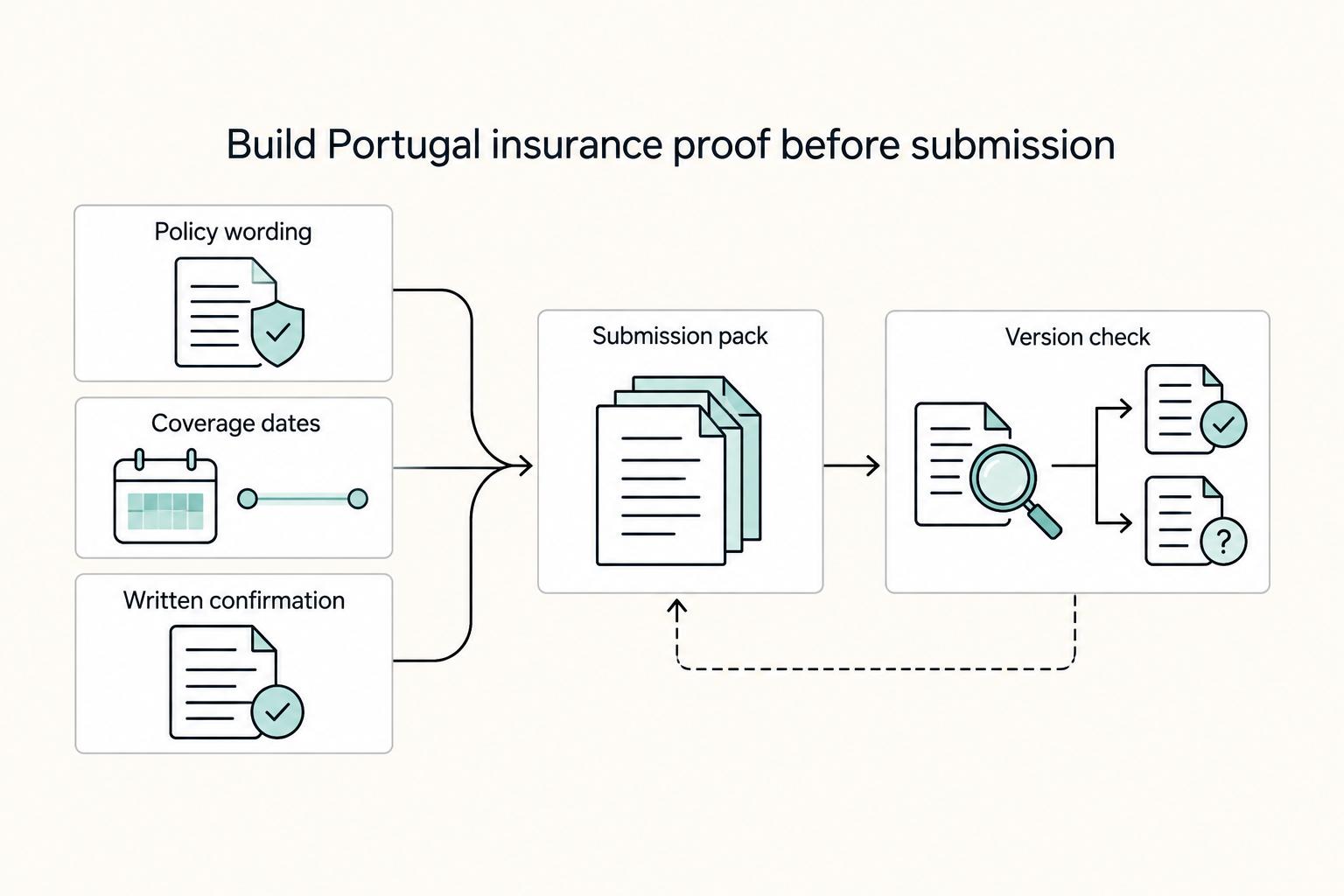
If you are searching for health insurance portugal nomad options, treat the decision as part of your visa file before you treat it as a product search. The policy matters, but timing, wording, and document quality often determine whether your file moves cleanly or turns into a clarification request.
The Best Power Adapters and Converters for Global Travel
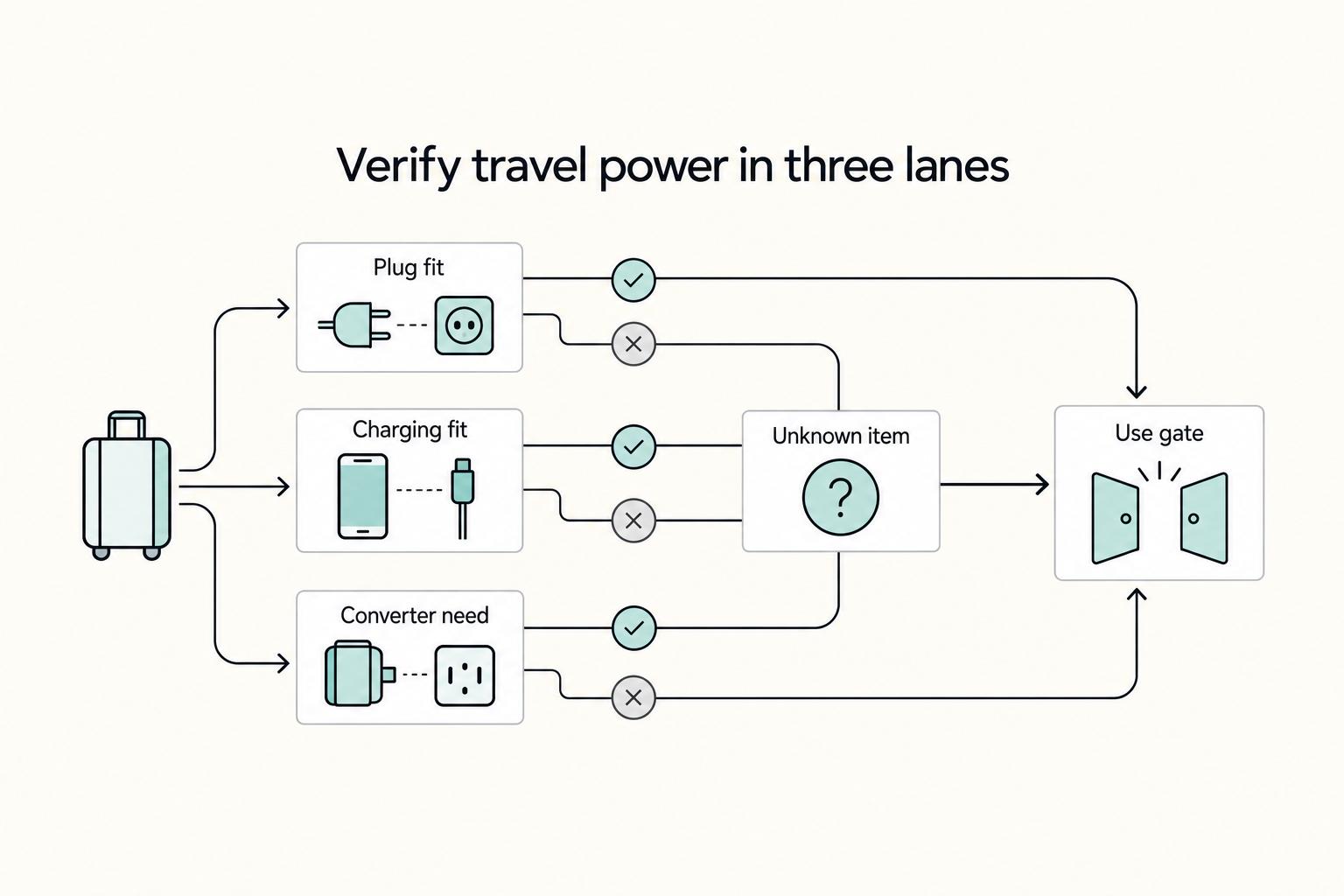
Your goal is simple: leave this section with one primary power path and one backup path for client-critical devices. If any key detail is missing, mark it **Unknown until verified** and do not make that gear part of your default kit.