
Quick Answer
Start by identifying whether you received a pre-dispute alert or a formal chargeback, then choose fight, settle, or accept loss based on recoverability and documentation quality. In a chargeback dispute service provider workflow, your strongest path is a single case file that connects the signed agreement, current SOW, dated approvals, delivery proof, and prior resolution messages. Submit only evidence that matches the processor’s complaint framing, and move within the stated response window.
Stage 1: The Foundation - Architecting a Chargeback-Proof Business#
Build your defense before the first invoice. Once a dispute starts, you do not get to recreate missing scope definitions, approvals, or policy acknowledgments after the fact.
Step 1. Draft a contract that maps risk before work starts#
Your contract should let a reviewer understand, without guesswork, what was agreed. It should also show which law applies, where disputes are handled, and how issues are raised and documented before formal escalation.
| Clause | What it protects | What to do |
|---|---|---|
| Forum selection clause | Reduces venue uncertainty by naming court/location for disputes. | Add the forum in your master agreement after legal review. |
| Governing law | Sets which law applies if a dispute occurs. | Add a clear choice-of-law clause after legal review. |
| Limitation of liability | Can set liability boundaries in the agreement. | Set reasonable limits for your engagement type. |
| Revisions and dispute process | Creates a documented path for feedback, revisions, and formal complaints. | Define revision rounds, escalation steps, and written notice requirements. |
Do not improvise on cross-border, high-value, regulated, or IP-heavy deals, and do not wing it when a client asks for uncapped liability. Escalate those cases to counsel. Also, do not assume these clauses will be enforced the same way in every jurisdiction or fact pattern. Before kickoff, confirm one signed agreement, the final SOW attached or incorporated by reference, and one named approver.
Step 2. Turn your SOW into an acceptance record, not a task list#
A defensible SOW is more than a work list. It should show what you will do, where the work happens, the period of performance, the deliverable schedule, and the performance standard. Then tie each meaningful deliverable to a clear acceptance method.
Use this four-part structure every time:
- Deliverable
- Test method
- Approver
- Approval record
| Service area | Vague and risky | Strong SOW with acceptance criteria |
|---|---|---|
| Website copy | "Write homepage and services copy." | Deliverable: Homepage and Services page copy. Test method: Delivered in Google Doc and matches approved messaging outline. Approver: Client marketing lead. Approval record: Email reply stating approval for publication. |
| Design | "Create brand assets." | Deliverable: Logo package, color palette, and type system. Test method: Files delivered in SVG, PNG, and PDF; palette includes hex codes; typography guide included. Approver: Founder. Approval record: Approval comment on milestone card. |
| Analytics setup | "Set up tracking." | Deliverable: GA4 and conversion events for lead form and booking flow. Test method: Test conversion appears in property and implementation notes are attached. Approver: Client ops lead. Approval record: Written email approval or signed acceptance line on invoice note. |
Do not rely on verbal approvals from calls. Written approvals are stronger evidence and much easier to match to a milestone, deliverable, and date later.
Step 3. Invoice against accepted milestones, not optimism#
Milestone billing is easier to defend when each invoice maps to written acceptance. That gives you a clean record of what was delivered, who approved it, and why the charge was due.
| Pattern | Risky workflow | Defensible workflow |
|---|---|---|
| Billing structure | Large back-loaded balances or vague monthly invoices. | Milestone invoices mapped to SOW deliverables. |
| Approval proof | "Work in progress" billed without documented client sign-off. | Written approval from the named approver before the next invoice. |
| Invoice detail | Minimal descriptions that are hard to verify later. | Reference contract title, SOW version, milestone name, delivery date, approval date, approver name, and delivery link/ticket. |
| Scope changes | Extra work starts before scope/fee updates are confirmed. | Written change order first: new scope, added fee, revised due date. |
Why this matters: dispute windows are short and processor-specific. Stripe says response deadlines are usually 7 to 21 days by network, and Square says document requests can have a 7-day window. Evidence also varies by reason code, and intangible-service disputes may require technical logs linked to the buyer.
Step 4. Set a written communication protocol at onboarding#
Set the ground rules early. After kickoff, send a short recap and ask for a written confirmation reply so you have a baseline record before delivery friction appears. In that recap, include:
- scope and excluded items
- milestone dates
- named approver
- approved communication channels
- scope-change request method
- milestone approval method
- cancellation/revision policy acknowledgment
Then be strict about channels. Call decisions are only final after a written recap. Scope changes are valid only in writing, approvals must come from the named approver, and invoice disputes must be raised in writing.
Maintain one approval log for the full project with the delivery date, deliverable link, approver, approval message, invoice number, and related change order. If a pre-dispute inquiry appears, you can respond quickly with a chronological, organized evidence record. For a related playbook, see How to Protect Yourself from Chargebacks as a Freelancer.
Stage 2: The Protocol - Managing Dissatisfaction Before It Escalates#
Once a client signals dissatisfaction, stop treating it as routine project chatter. Move into written incident response so you can try to resolve the issue directly, protect margin, and preserve a clean record before it turns into a chargeback.
Before you start#
Before you reply, gather the core file in one place so you are working from one record the whole way through:
- signed contract
- current SOW version
- approval log
- latest invoice and payment status
- delivery links, files, tickets, and milestone messages
One project record is far better than scattered evidence across email, chat, and call notes. If representment becomes necessary later, a clean file is easier to submit and easier for a reviewer to follow.
Step 1. Acknowledge and move the issue into writing#
Your first move should be calm, fast, and written. Confirm you received the concern, say you are reviewing it against the agreed scope, and state when you will send next steps. That can lower friction without admitting fault.
If you take a call, send a written recap right after. Use a consistent set of fields so your file stays organized, such as:
- issue summary
- scope impact
- requested change
- owner
- due-by date
- client confirmation
Store each recap with the contract, SOW, approvals, invoices, and delivery proof so the file is ready if a dispute is filed.
Step 2. Re-anchor to the signed record#
A practical way to classify complaints is: work not delivered, work delivered but disputed against the SOW, or a new request outside scope. Classify the issue first, then go back to the signed agreement and current SOW as the baseline.
Direct resolution matters here. Banks often ask whether the cardholder tried to resolve the issue directly with the merchant. Your written resolution trail helps whether the matter settles now or escalates later.
| Area | Escalation-prone behavior | Dispute-reducing behavior |
|---|---|---|
| Client communication | Arguing tone or defending yourself in the first reply | Acknowledge the concern, reference the agreed record, and set a clear next update time |
| Approvals | Treating verbal "looks good" as final approval | Tie decisions to named approver, acceptance criteria, and written approval status |
| Scope changes | Starting extra work before terms are updated | Separate in-scope fixes from new scope and document changes before work starts |
Step 3. Send a concrete recovery plan#
Once the complaint is classified, send a short recovery plan with a verifiable path to completion: disputed item, action, owner, due-by date, and approval method. If someone outside the project cannot tell what success looks like, the plan is still too vague.
Prefer specific statements over generic reassurance. For example: "Revise homepage copy against the approved outline by Thursday 3 p.m.; client marketing lead confirms by email reply."
Step 4. Use partial refunds as a decision tool, not a default#
A partial refund is a tool, not a reflex. Weigh margin impact, relationship risk, and the likelihood of a formal dispute before you offer one. If the work was substantially delivered and previously approved, start with corrective action and a documented acceptance path.
If the client refuses objective review, keeps shifting the complaint, or signals bank escalation, compare a controlled partial refund against the risk and effort of a formal dispute. Fighting chargebacks successfully can be challenging. If you issue a refund, document the amount, what it resolves, the remaining scope, and whether any open invoice is canceled or still due.
You might also find this useful: A Guide to Stripe Radar for Fraud Protection.
Stage 3: The Arsenal - How to Win a High-Value Service Dispute#
When a dispute notice arrives, do not jump straight into evidence gathering. First make a fast go or no-go decision: fight, settle, or accept the loss based on recoverability, evidence strength, operating cost, and processor-account risk.
Before you start#
Lock the record immediately so nothing gets edited or lost. Pull the dispute notice, transaction amount, processor reason shown, contract, current SOW, approval trail, delivery proof, and any prior refund or remediation offers. Save a screenshot or PDF of the processor case page with status and due date so everyone is working from the correct dispute stage.
Step 1. Confirm notice type before you respond#
Your first decision is simple but critical: is this a pre-dispute alert or a formal chargeback? In publicly described Ethoca Alert flows, merchants may have 48-72 hours to respond by refunding before formal dispute initiation, or let it escalate to a formal chargeback.
That choice changes your options. Pre-dispute resolution can avoid formal dispute handling and lost-dispute fees, but it often means giving up the transaction amount. Use it deliberately, not automatically, because overuse is associated with lost revenue, emboldened friendly fraud, and rising chargebacks.
Before you act, verify three things:
- notice type (pre-dispute alert vs formal case)
- visible response deadline in your processor view
- whether a refund closes the issue or only changes the path
Step 2. Run a go/no-go triage checklist#
Use the same four checks every time so the decision stays consistent:
- Recoverability: Is the amount worth pursuing, and was service substantially delivered?
- Evidence strength: Do you have a signed contract, current SOW, written approvals, delivery proof, and change records aligned to the complaint?
- Operational cost: How much non-billable time will this consume, and who owns compilation?
- Processor-account risk: If the file is weak, does fighting create more downside than a controlled loss?
Then choose the path that fits:
| Path | When it fits |
|---|---|
| Fight | Recoverability is meaningful and documentation is strong and consistent |
| Settle | You are still in a pre-dispute window or evidence is mixed and concession is cheaper than full dispute handling |
| Accept loss | Documentation gaps are material and expected recovery does not justify the time and risk |
Step 3. Build an internal evidence dossier#
If you fight, make the package easy to review in one pass. Start with a one-page case summary that covers the transaction date, amount, service sold, complaint summary, and your position. Then attach evidence in this order:
- Timeline of events: contract, payment, milestones, approvals, revision requests, final delivery, dispute notice.
- Contract and SOW extracts: relevant scope, acceptance criteria, payment, revision, and cancellation terms.
- Approval trail: who approved what, when, and in which written channel.
- Delivery proof: handoff emails, shared links/files, access records, ticket closures, and acknowledgments.
- Change-order records: what changed from original scope, who approved, and commercial impact.
- Resolution history: documented attempts to resolve before formal dispute.
| Evidence area | Weak package | Strong package |
|---|---|---|
| Contract and scope | Generic contract, outdated or missing SOW | Signed contract plus current SOW with relevant terms clearly identified |
| Approvals | Verbal or ambiguous approval messages | Dated written approvals tied to milestone or acceptance criteria |
| Delivery proof | Final files exist but no clear handoff trail | Timestamped handoff plus receipt/access evidence and client acknowledgment |
| Scope changes | Informal chat changes with no formal record | Written change records showing approval and scope/commercial impact |
| Resolution attempt | No documented attempt to resolve | Clear written remediation steps, dates, and client responses |
Step 4. Use specialist support only when the case justifies it#
For a high-value service dispute, outside help is most useful when the provider can work with service-delivery evidence, not just transaction metadata. Vet providers on:
| Vetting point | What to confirm |
|---|---|
| Direct experience | Direct experience with your dispute type |
| Evidence-building method | Timeline, extracts, approvals, delivery proof, and change records |
| Fee model | Fee model and total cost visibility |
| Handoff workflow | Handoff workflow between your team and theirs |
| Escalation path | Escalation path and ownership if the first submission fails |
If their pitch stays focused on dashboards, volume, or automation without a clear method for service evidence, treat that as a potential mismatch. It may be a poor fit for a one-off B2B service case.
If you want a deeper dive, read The Silent Profit Killer: How to Stop Margin Erosion in Your Freelance Business.
Before your next client kickoff, standardize scope, acceptance criteria, and sign-off language so your evidence file is ready from day one with this SOW generator.
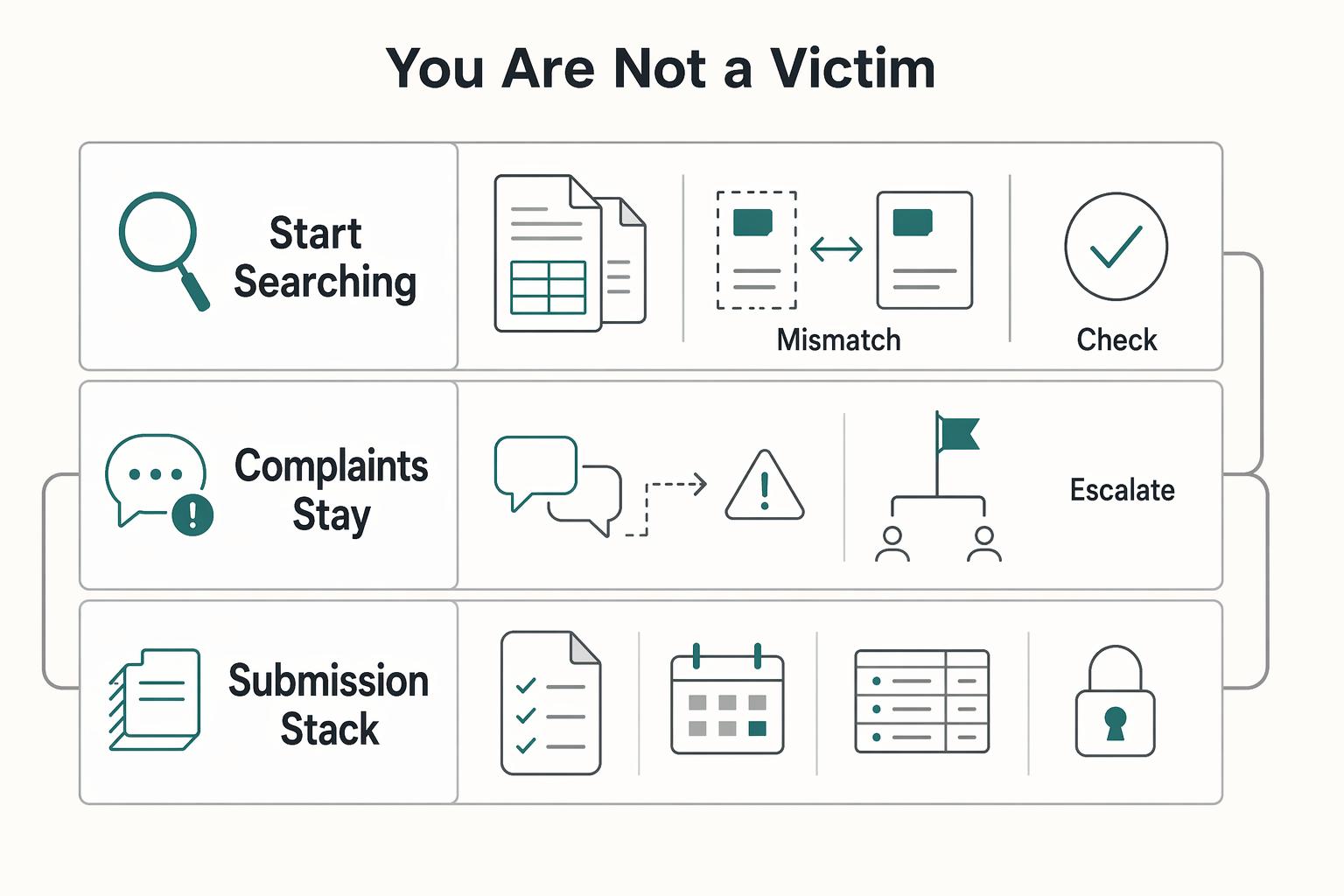
You Are Not a Victim; You Are the Architect#
You cannot control every dispute outcome, but you can control whether your process produces credible evidence fast enough to protect cash flow. The difference between a scramble and a defensible response is usually set long before a notice arrives.
The practical model is simple: prevent avoidable disputes, de-escalate dissatisfaction early, and be ready to submit a coherent file when a formal case lands. Each part should leave a usable record.
- Prevention: clear policies shown before purchase, recognizable billing descriptors, and complete sale records.
- De-escalation: documented inquiry or complaint, your response, and any remediation offered.
- Dispute response: a deadline-ready evidence file organized to match the chargeback reason code.
| Reactive firefighting | Architected workflow |
|---|---|
| You start searching old threads after funds are reversed and fees are applied | You already have the sale, communication, and delivery record in one case file |
| Complaints stay informal until they escalate | You treat inquiries as pre-dispute events and respond early |
| Submission is a stack of screenshots | Evidence is grouped by type: policies, communications, receipts, and system logs |
Timing is operational risk, not admin detail. Formal disputes can reverse payment immediately and pull dispute fees. Response windows are often short, commonly 7 to 21 days by network, and missing a deadline can mean an automatic loss. Dispute activity above 0.75% is generally treated as excessive, and disputes can still appear up to 120 days after payment.
- Set up the case file at sale: keep the sale record, policy visibility proof, scope record, and delivery record in one place.
- Capture approvals in writing: tie milestones to dated client confirmations or revision requests so completion can be evidenced as described.
- Log dissatisfaction early: save the inquiry, your reply, and the exact remediation offered.
- Keep a dispute-ready folder: group policies, communications, receipts, and system logs so you can submit quickly and coherently.
Run this on the next client, the next invoice, and the next complaint so the architecture is already in place when the next dispute tests it.
For a step-by-step walkthrough, see A Guide to Using an Escrow Service for High-Value Projects.
If you want one operational flow for invoicing, payment tracking, and compliant payouts as your client load grows, review Merchant of Record for freelancers.
Frequently Asked Questions
What is a chargeback, exactly?
A chargeback is a forced reversal of a card transaction initiated by the issuing bank on a cardholder's behalf. It is usually set in motion when the customer files a dispute with their bank or card provider, though businesses can request one in some cases. Treat it differently from a normal refund request because it moves into a bank-led process and can create downstream risk for your ability to keep processing payments.
What is the most effective way to prevent service disputes from turning into chargebacks?
There is no single guaranteed tactic, but in non-fraud situations, direct resolution should be attempted first with a refund, replacement, or clarification. Chargebacks are intended as a last resort, and banks may have limited visibility into whether direct resolution was attempted. Keep your scope, approvals, and delivery communications clear so issues are easier to resolve before escalation.
What evidence matters most when you fight a service dispute?
There is no universal evidence formula. Focus on a clear, consistent record of what was sold, what was delivered, and what resolution steps were offered before the dispute.
Can a client dispute work they already approved or used?
Yes. A client can still file a dispute, and chargebacks are usually initiated by customers. Focus on documentation: what was agreed, what was delivered, and what resolution was offered before escalation.
When is a dispute actually valid?
Some disputes are legitimate. Billing errors, duplicate charges, and failure to receive goods or services can qualify. If your records show a real billing mistake or no defensible delivery record, early resolution may be better than forcing a weak response.
Should you hire a specialist for one high-value case?
It depends. Decide case by case based on the amount at risk and the complexity of the dispute.
What are the account-risk consequences if you lose too many chargebacks?
The loss is not just the transaction amount. Chargebacks can create downstream consequences that threaten your long-term ability to keep processing payments. Check your processor's current monitoring policy so you know when a case issue may become an account issue.
What should you do first when a dispute notice arrives?
Start by confirming the dispute type and the response window shown in your processor view. Then preserve your records and gather the relevant transaction, delivery, and communication file, including any refund or remediation offers. If you cannot assemble a consistent record quickly, reassess whether fighting is the right move.
Try a related tool
Researched and edited by the Gruv editorial team. Gruv builds cross-border billing, payouts, and finance-operations software for global businesses.
Sources
- acquisition.gov/far/43.201trusted
- acquisition.gov/far/part-32trusted
- buy.gsa.gov/api/system/files/documents/Sch_70_SOW_PWS_Ta...trusted
- des.wa.gov/sites/default/files/2023-12/EPM-scope-of-wor...trusted
- docs.stripe.com/disputes/respondingtrusted
- docs.stripe.com/disputestrusted
- doi.gov/sites/doi.gov/files/uploads/contract_no._d13...trusted
- ecfr.gov/current/title-48/chapter-1/subchapter-B/part...trusted
Educational content only. Not legal, tax, or financial advice.
Related Posts

Stop Freelance Profit Margin Erosion Before It Hits Cashflow
Revenue can hold steady while the business underneath it gets weaker. What comes in matters, but what you keep after the work is delivered is the clearer signal of health.

How to Protect Yourself from Chargebacks as a Freelancer
**Chargeback prep can reduce avoidable losses, but it cannot guarantee a win.** The real goal is narrower and more useful: build a repeatable sequence you can follow before, during, and after a dispute so cash flow is less fragile and decisions are less reactive.
A Guide to Stripe Radar for Fraud Protection
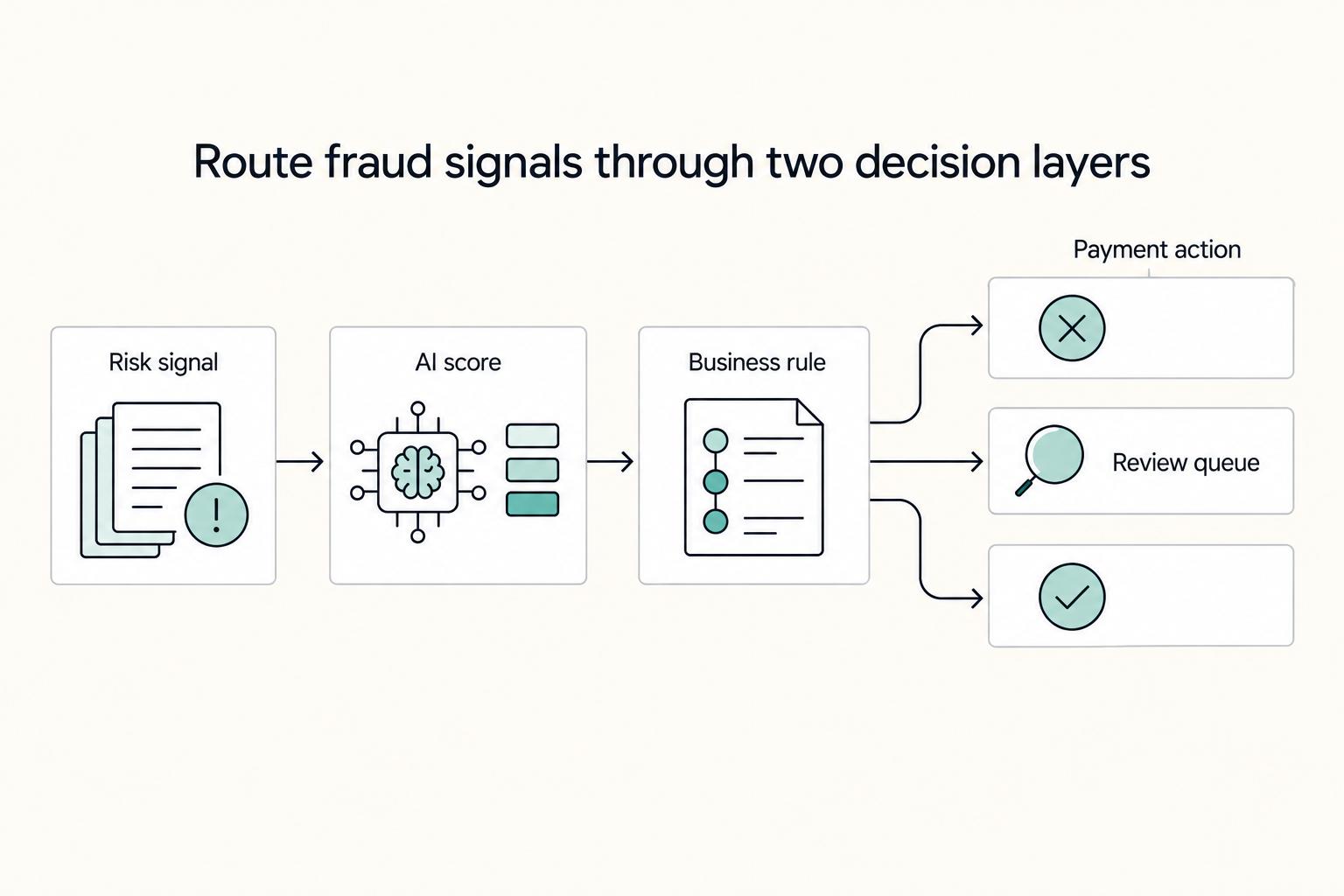
**Treat Stripe Radar for fraud as a cashflow protection system, not a vanity fraud score.** Stripe Radar gives you real-time screening with AI and no extra development setup, but outcomes still depend on your rules and operations. Your job is simple: decide when to `Block`, `Review`, or `Allow`, then tie those decisions to fulfillment timing and client communication so fraud protection supports more predictable revenue.