
Quick Answer
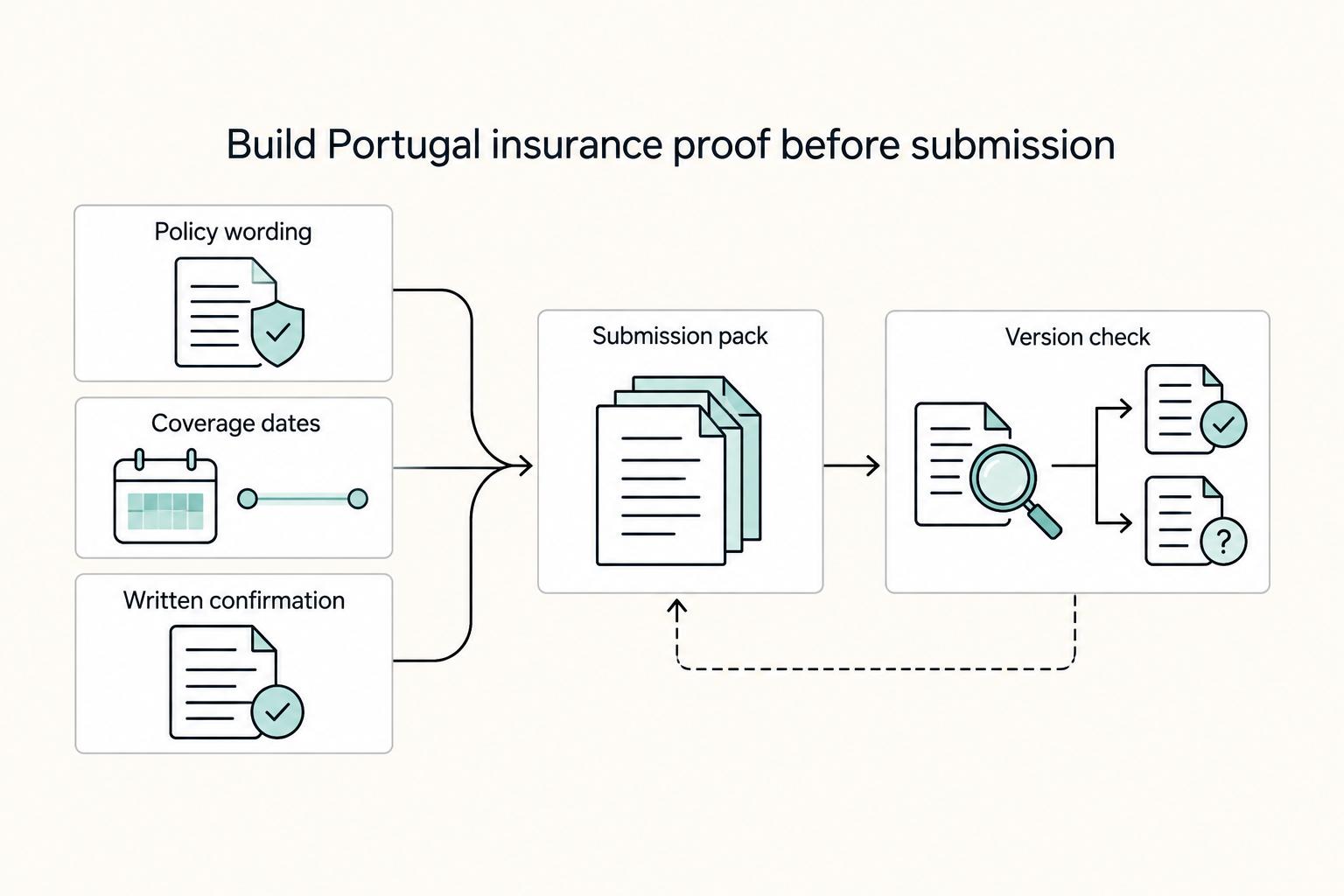
Start by treating health insurance portugal nomad as a D8 filing task: align appointment, entry, and policy start dates, then get written confirmation of visa-useful documents before paying. Keep a packet with the policy certificate, proof of coverage, full terms, and payment confirmation, and verify any date changes in writing. Use travel or digital nomad cover as a bridge when plans are still moving, but do not cancel current coverage until SNS Portugal or private replacement is active.
Moving to Portugal and Need Insurance That Will Not Delay Your Visa#
If you are searching for health insurance portugal nomad options, treat the decision as part of your visa file before you treat it as a product search. The policy matters, but timing, wording, and document quality often determine whether your file moves cleanly or turns into a clarification request.
The practical tension is simple. Temporary cover can fit short travel periods. A D8 application usually needs documents and coverage dates that line up with your filing timeline. Public care through SNS Portugal is tied to legal residency steps. Because visa stage and residency stage are not the same thing, do not assume one insurance setup will carry the whole move without adjustment.
That is why the safest approach is to work in sequence. First, identify the stage you are in now. Next, confirm what documents the insurer can issue for that stage and those dates. Only then should price start to matter. A plan can look fine at checkout and still create friction later if the certificate dates are off, the wording is vague, or updated documents are hard to get once plans change.
Before you book flights or lock your appointment, keep these actions in order:
- Map your dates to the visa timeline.
Put three anchors on one page: your appointment window, your entry date, and your first active coverage date. If you are non-EU or your stay may run beyond 90 days, plan from day one as a visa or residence-permit case. Keep those dates in one note rather than scattered across inboxes and booking pages, because once one date moves you need to see immediately whether the policy still matches. That single note becomes your reference point whenever support asks for dates or you need to compare one policy start date against another.
- Confirm the document set before you pay.
Ask what documentation is needed for your Portugal Digital Nomad Visa file, then collect the policy certificate, proof of coverage, and full terms if they are part of your checklist. Payment confirmation alone does not solve the paperwork side. You need to know what the insurer actually issues, what details appear on those documents, and whether corrected versions can be reissued if timing changes.
- Get written details, not verbal reassurance.
Request written confirmation of coverage dates and issued documents, then check them against your D8 submission requirements. Insurer wording is not a visa approval guarantee, and it should not be treated as one. The value of a written reply is more practical than that: it gives you something concrete to save, compare, and use if you later need a corrected document. It also gives you a baseline to compare against the final issued files, which makes small mismatches easier to catch before they become a submission-day scramble.
If one of those pieces is missing, stop and fix it before you submit. The rest of this guide follows that sequence, from choosing the right policy type to building the file you will actually rely on on submission day.
If you want a deeper dive, read Portugal Digital Nomad (D8) Visa: A Complete Guide.
Compare Your Three Real Options Before You Spend Money#
Start by deciding what job the policy needs to do. The label on the sales page matters less than the role the plan will play in your move. Travel insurance is usually built for shorter trips, digital nomad insurance often works as a bridge while dates are still moving, and private or expat-style coverage is more often part of longer continuity planning.
| Stay length | Visa stage | Recommended policy type | Main caveat |
|---|---|---|---|
| Short exploratory stay | Pre-application research | Travel insurance | Usually built around emergency medical and trip disruption, not long-stay continuity. |
| Unclear or shifting timeline | Preparing or waiting on D8 steps | Digital nomad insurance | Terms can vary by provider and policy version. |
| Longer planned residence | Post-arrival continuity planning | Private health insurance / expat insurance | Often costs more, but continuity is usually stronger. |
Use comparison articles to build a shortlist, then verify current terms directly with the insurer before paying. At this stage, what matters most is not the headline premium. It is whether the actual policy documents clearly explain exclusions, extension rules, and how dates are handled if your plans move.
A useful way to compare plans is to ignore the marketing label for a minute and ask what problem you are solving right now. Do you need a short-trip safety net, a bridge while your D8 timing settles, or a more stable option for the next phase of the move? That framing usually gives you a cleaner answer than a price table, because it forces you to match the policy to the stage rather than to a vague idea of "good coverage."
A practical comparison sheet should answer the same questions for every option:
- What stage of your move does this policy fit right now?
- Can the insurer issue the documents you need for that stage?
- How cleanly can the start date match your appointment window and entry date?
- What happens if you need updated documents because dates change?
- Are exclusions, extension rules, and deductible details easy to understand in the full terms?
Use a simple decision rule. If your timeline is fluid, prioritize flexibility and set a review date now. If your move is clearly long term, start the long-stay evaluation earlier so you are not trying to solve continuity in the middle of arrival admin. If two options look similar on the surface, compare the clarity of their issued paperwork and how easy it is to get corrected documents before you compare small price differences.
Two mistakes show up again and again here. One is choosing the cheapest premium before checking whether the document set works for appointment timing. The other is postponing long-stay planning until a last-minute handoff is needed. A cheap policy that creates document problems is rarely a bargain, and a more expensive one is not automatically better if it solves the wrong stage of the move.
Once you are comparing policies by role instead of by label, the next step gets easier. Before you shop any further, get those inputs clean.
Gather the Inputs You Need Before Shopping Plans#
Do not shop plans until your dates, care scope, and review trigger are on one page. Unclear inputs usually cause preventable delays, not a lack of options.
Most insurance problems start before checkout. A certificate shows a date that no longer matches the appointment. The full wording excludes something you assumed was covered. A temporary policy quietly becomes a longer-term dependency because nobody decided when to review it. Browsing more plans does not fix that. Clear inputs do.
- Lock your timeline anchors.
Keep your appointment window, move date, and proof-of-coverage validity date in one place, and shortlist only policies that can match those dates without a gap. If one date is tentative, mark it that way. That sounds minor, but it is what reminds you to recheck the policy when something shifts instead of assuming the file still works.
- Define your care scope first.
Decide whether you are solving for short-term emergencies or longer continuity. Travel insurance is generally framed around short trips and emergencies, while overseas health insurance is positioned for extended time abroad. In practice, this is the point where you decide whether the plan is a bridge or part of a longer continuity plan.
- Log activity and eligibility risks early.
If your routine includes higher-risk activities, check exclusions before checkout. Confirm eligibility terms and pre-existing-condition handling in the full policy wording, not just on a summary page. If the summary sounds reassuring but the actual wording stays vague, keep that issue open until you get a clearer answer.
- Set your bridge strategy before payment.
Decide whether this is temporary coverage and when you will reassess after arrival, including any transition plan to SNS Portugal and private cover if that is your path. The review trigger can be simple: arrival, a change in stay length, or the point when your next coverage option is ready to evaluate.
Price should be the last filter, not the first. A useful working note only needs four lines: dates, care scope, exclusions to watch, and reassessment trigger. If a policy does not answer one of those lines clearly in its documents, remove it from the shortlist. If the answer exists only in marketing copy or a vague support message, treat it as unresolved until it appears in documentation or in a clear written reply.
It helps to write those four lines in the same order you will use later: first dates, then care scope, then exclusions, then review trigger. That way, when you compare plans or ask support questions, you are using the same structure every time instead of reinventing your checklist for each provider.
This is also where you stop treating insurance as a generic travel purchase and start treating it as part of a staged move. Once those inputs are clear, you can choose a policy type with much less guesswork.
Related: The Crypto Cautionary Tale: Why Freelancers Should Be Wary of Crypto Payments.
Step 1 Choose Policy Type by Stay Length and D8 Visa Stage#
This is where most people either buy sensible bridge cover or accidentally buy a short-term fix for a long move. Choose the policy type based on your current D8 stage and expected stay length, then put a review date on the calendar now.
Advisory D8 guides commonly describe two paths: a temporary stay route, up to one year, and a residence route for a longer stay. That split is useful because it stops you from buying a short-horizon plan for what is really a relocation.
| Expected stay | D8 stage | Suggested starting policy type | Main caveat |
|---|---|---|---|
| Short or exploratory | Pre-application, dates moving | Digital nomad insurance | Use it as bridge coverage and set a reassessment date. |
| Up to one year | Temporary stay route | Digital nomad insurance with a planned handoff | Without a planned switch, continuity can break later. |
| Longer relocation | Residence-focused plan | Expat insurance or private health insurance | Start evaluation early so you are not forced into a rushed switch. |
This step is not about predicting the perfect long-term setup on day one. It is about avoiding obvious mismatch. If you are in a temporary or exploratory phase, bridge coverage can make sense. If the move is clearly settled and longer term, that is your signal to start long-stay evaluation earlier, even if other admin steps are still in progress.
Use the table as a staging tool, not as a promise about what you will need forever. Pick the row that fits your situation today. If your timeline changes, rerun the step instead of stretching an old choice beyond its job. A plan that was sensible when your dates were still soft can become the wrong fit once your move turns into a settled residence plan.
A practical way to apply the table is this:
- Match the policy to the stage first, then compare price.
A low premium does not help if it creates document problems or a messy handoff later.
- Use bridge coverage only when the uncertainty is real.
Bridge coverage works best when you already know it will be reviewed. It works badly when it becomes the default because nobody set a checkpoint.
- If your plan is clearly long term, start long-stay evaluation early.
That gives you time to compare continuity rather than scrambling during arrival admin.
- If visa-related wording is unclear, pause.
Get written confirmation before you buy. If the plan only sounds suitable in summary copy, you are not ready to rely on it.
Some advisory pages also list D8 preparation thresholds, such as income and transfer amounts. Treat those as items to verify for your exact filing path, not as blanket guarantees.
The real output of Step 1 is not just a shortlist. It is a clear role for the policy you are about to buy: short exploratory cover, bridge coverage, or longer-term continuity planning. Once that role is clear, Step 2 gets much easier because you know exactly what you need the insurer to confirm.
Step 2 Confirm Visa Usability With the Insurer in Writing#
Written confirmation from the insurer is the checkpoint that turns a plausible plan into a usable one. Before you pay, confirm that the insurer can issue documents suitable for your Portugal D8 file for your specific dates.
| Check | What to confirm | Why it matters |
|---|---|---|
| Suitability question | A clear written yes or no on document usability for your D8 submission context, tied to your appointment window, travel date, and intended policy start date | It keeps the reply specific to your case instead of drifting into generic sales language. |
| Document outputs | Whether the insurer provides an insurer letter, policy certificate, and proof-of-coverage wording, with identity details, dates, and territory clearly shown | It shows what will appear on the issued documents before you pay. |
| Timing alignment | How your appointment window, travel date, and desired policy start date are handled, and how updates or reissued documents work if dates move | Date changes are easier to manage when the update path is clear in advance. |
| Reviews | Use review-platform comments only to decide whom to contact | Reviews are opinions, not proof of visa acceptance. |
You are not asking the insurer to predict a visa outcome. You are asking whether they can issue a clean, date-aligned document set for the application context you are in. That distinction matters. A broad support reply can sound reassuring while still answering a different question than the one you actually need resolved.
- Ask one direct suitability question.
Request a clear written yes or no on document usability for your D8 submission context. Keep the message specific to your appointment window, travel date, and intended policy start date so the reply does not drift into generic sales language.
- Confirm document outputs before purchase.
Ask what they actually provide, such as an insurer letter, policy certificate, and proof-of-coverage wording. Make sure identity details, dates, and territory are clearly shown. If something appears on the sales page but you are not sure how it appears on the issued document, ask before you pay.
- Align timing in writing.
Share your expected appointment window, travel date, and desired policy start date, then ask how updates or reissued documents are handled if dates move. This is one of the highest-value checks you can do before purchase, because date changes are manageable when you already know the update path.
- Use reviews only to shortlist.
Review-platform comments are opinions, not proof of visa acceptance. Use them to decide whom to contact, then rely on the insurer's written confirmation for your exact policy version and dates.
If support replies with a general overview, follow up until the important points are explicit. What you need is a record tied to your situation, not a broad statement that the plan works for travelers in the abstract. Save those replies in the same folder you will use for your application packet so the thread does not disappear into old email history. It also helps to keep the question in one email thread, so the answer, your dates, and any later correction all live in the same place.
Step 2 is complete only when you have three saved items: written suitability confirmation, document-format details, and date-alignment notes. If one of those is missing, you are still researching, even if you already like the plan.
With that in place, the next move is straightforward: build the document pack while everything is still current.
Step 3 Build the Insurance Document Pack for Submission Day#
Once you have written confirmation, build the packet immediately while the details are fresh and the versions are clear. A complete submission-day pack removes avoidable friction and makes later updates much easier if something changes.
Step 3.1 Assemble one master packet. Include the policy certificate, full terms, payment confirmation, proof of coverage, and a one-page summary of exclusions and deductible. Use clear, date-stamped file names so the current version is obvious at a glance. Keep the insurer's written suitability confirmation in the same folder as supporting context, even if you do not expect to show every page. If a corrected document is issued later, archive the older version right away instead of leaving both active files in the same place. When you finish downloading the packet, open each file once to make sure it is complete and readable. Do not assume every attachment saved properly.
Step 3.2 Prepare appointment and travel copies. Keep one primary copy and one backup copy, with both offline and cloud access. Your primary copy should be the exact version you plan to rely on. The backup exists for the boring failures that still cause real stress: a device problem, a missing download link, or the moment you realize too late that one device contains an outdated file.
Step 3.3 Add contact and claim-start details. Save the insurer's phone number, email, emergency line, and claim instructions in the same folder as the packet. If you need help, you should not have to search old inboxes to figure out where the right contact path lives.
Step 3.4 Write your transition note. Add a dated note to yourself on the post-arrival handoff plan: bridge coverage now, then SNS Portugal and/or private health insurance after arrival. Keep it short. What is active now, what event triggers review, and what the next path may be are enough. The point is not to write a long memo. It is to leave yourself a simple instruction that still makes sense when you revisit the file after travel fatigue or a change of dates.
A strong packet should let you answer a few basic questions quickly: what policy is active, when it starts, what document proves it, and what happens next. If you need memory, chat history, or scattered attachments to answer those questions, the packet is not finished.
This folder becomes your source of truth. Treat it that way. The next step is to make sure the file still matches your real travel plan right before departure and through your first months after arrival.
Step 4 Run Pre-Travel Checks and Your First-90-Day Transition Plan#
At this stage, drift is the main risk. The comparison work may already be done, but dates move, documents age, and an earlier packet can quietly stop matching the move you are actually making. The goal here is continuity, both before departure and through your first months in Portugal.
Step 4.1 Reconfirm policy status shortly before departure. Check the active dates, territory wording, and any COVID-19 terms shown in your policy. Review current government travel alerts for Portugal before your trip. Save dated proof of policy status in your folder. Do not only confirm that the policy exists. Confirm that the visible dates still match your actual travel plan and that the file in your folder is the latest version. A simple last check works well here: put your booked travel date, coverage start date, and current appointment timing on one screen and make sure they still tell the same story.
Step 4.2 Choose your early post-arrival coverage path. In your first weeks after landing, decide whether to keep bridge digital nomad insurance or begin moving toward longer-term cover. Tie that decision to your country-of-residence setup and access to longer-term care through national or private insurance. Make the choice early enough that it stays deliberate instead of turning into rushed cleanup later.
Step 4.3 Protect continuity before any switch. Do not end current coverage until the next policy is issued with a confirmed start date. Keep both timelines in one place and mark the handoff date. If the next policy is still under review or the new documents are not yet issued, the safest move is usually to keep the current cover active until the replacement is real instead of assumed.
Step 4.4 Recheck exclusions when your plan changes. If your city, work pattern, or activities change, review exclusions right away rather than waiting for renewal. A policy that fit your original plan may fit less well once day-to-day life starts looking different from the assumptions you used when buying it.
During the first 90 days, run regular checkpoints and refresh written confirmations whenever the timeline shifts. That keeps your planning tied to the move you are actually living, not the version of it you first penciled in. If your entry dates change or the handoff plan moves, rerun Steps 2 and 3 rather than relying on documents built for an earlier timeline. The earlier you catch drift, the easier the fix usually is.
Common Mistakes That Cause Delays and How to Recover#
Most delays come from one quiet assumption that nobody tested. Usually the issue is not a lack of effort. It is a familiar shortcut: trusting the brand name, relying on a forum anecdote, or assuming an old certificate is still good enough. The recovery pattern is simple: get the key point in writing, update the file set, and stop guessing.
- Verify suitability before trusting familiar brands.
Brand familiarity does not prove document suitability. Ask what documents the insurer issues, how they are labeled, and whether your policy version matches your dates, then keep the written reply. Trust the issued documents, not the comfort of recognizing the brand.
- Use forum anecdotes as leads, not proof.
Forum mentions can help you build a shortlist, but they do not confirm current eligibility rules or document handling. Validate each point against insurer documentation for your own case. A useful anecdote gives you a better question to ask. It does not close the question for you.
- Audit deductible and exclusions before lock-in.
Review exclusions line by line before payment and confirm what you can realistically absorb. If anything is unclear, stop and request written clarification before proceeding. A practical test helps here: if the wording or deductible would change how quickly you seek care or how comfortable you feel using the policy, that is a real risk, not a theoretical one.
- Schedule your post-arrival handoff before departure.
Put two dated checkpoints on the calendar: one to review short-term coverage, and one to decide whether to transition toward SNS Portugal or longer-term private coverage. Without those checkpoints, it is easy to leave the issue open until the switch becomes rushed.
Claims discipline matters too. Keep your documentation from day one, because what you do after disruption can affect whether a claim or refund succeeds. That means saving the files that show which version of the policy was active and when, not just the latest marketing summary.
If you do spot a mistake, recover in sequence. Pause any new purchase or cancellation action. Gather your current policy files and written exchanges. Send one clear insurer question tied to your dates and document needs. Then update your packet and calendar only after you have a written answer. If the fix requires a reissued document, replace the older version everywhere you stored it so the same confusion does not show up again later.
Version drift is its own failure mode. Keep one folder as the source of truth, and archive outdated files in a separate subfolder so old versions are not reused by accident. Clear file names matter here almost as much as the policy itself. Another common problem is mixing information from a sales page, a chat reply, and the final issued wording. When those do not line up, rely on the policy documents and the written confirmation tied to your dates.
You might also find this useful: How to Get a US Business Address as a Non-Resident.
Your Copy-Paste Insurance Checklist Before You Apply and Fly#
Use this as a final pass before you file or fly. Keep insurance prep tied to your D8 checklist, and make sure every important point is written down and easy to retrieve before your consulate or VFS appointment.
- Match coverage to your timeline. Keep your appointment window, entry date, and coverage start date in one note. If travel dates or stay plans shift, recheck the policy before filing.
- Choose the policy for your current stage. Decide whether you are buying short exploratory cover, bridge coverage, or something aimed at longer continuity. Do not let the marketing label make that decision for you.
- Confirm D8 fit in writing. Ask the insurer to confirm your policy version and dates for your application window, and save the written reply in the same folder as the policy files.
- Keep one organized file set. Store your policy certificate, proof of coverage, full terms, payment confirmation, and written insurer confirmations together so they are quick to access.
- Separate current files from old ones. Keep the active version in your main folder and archive outdated documents in a separate subfolder so old files are not reused by mistake.
- Prepare primary and backup access. Keep one primary copy and one backup copy, with both offline and cloud access.
- Set your transition reminder. Put your post-arrival review date and handoff plan on your calendar before you travel so short-term coverage does not drift into a rushed decision later.
- Run a last readiness check. Make sure dates align, files are readable, and nothing in your packet depends on memory or unsaved chat history.
If anything is still unclear or missing, fix it before submission. For D8 planning, treat this as a resident-visa process for remote work with a formal appointment step, and keep your file set consistent from application through travel.
Frequently Asked Questions
Do digital nomads need health insurance to move to Portugal?
Plan for active coverage from day one. Access to Portugal’s SNS is not automatic for newcomers and typically follows administrative steps linked to legal residence status. Early coverage can help maintain continuity while those steps are in progress.
Is travel insurance enough for a long stay in Portugal?
It can be useful early, especially for short scouting periods or uncertain dates. For a longer stay, do not assume travel insurance alone will cover everything you may need. Reassess as soon as your timeline extends.
What is the difference between digital nomad insurance and expat insurance for a D8 Visa applicant?
A practical way to compare them is by timeline and care needs. Short-term moving phases may call for one type of setup, while longer, stable stays may require coverage designed for ongoing care. The right choice depends on your stage and how settled your plans are.
Which insurance documents should I prepare for a visa appointment?
Keep one complete file set with your policy documents and any written confirmations you have. Requirements can vary, so confirm the exact checklist for your appointment in advance. If a document is only implied in chat history and not saved, treat the packet as incomplete.
When should I switch from short-term coverage to private health insurance or SNS Portugal?
Set the decision early and tie it to your first months after arrival. Because SNS access is not immediate for most newcomers, avoid ending short-term coverage until your next coverage path is confirmed active. Put the handoff date and review date on your calendar so continuity is visible.
How do I check if my policy exclusions or deductible create practical risk after arrival?
Review exclusions against your real routine after arrival, not your original plan. Then check whether the deductible is affordable without delaying care. If wording is vague, request written clarification and save it with your policy files. These answers work best when you apply them on a timeline, not as isolated tips. Keep your policy decision, document checks, and transition checkpoints in one sequence so each answer leads to a concrete next action.
Try a related tool
Researched and edited by the Gruv editorial team. Gruv builds cross-border billing, payouts, and finance-operations software for global businesses.
Sources
Includes 2 external sources outside the trusted-domain allowlist.
- eures.europa.eu/living-and-working/living-and-working-condit...trusted
- meredith.edu/wp-content/uploads/2025/03/StudyAbroadPredep...trusted
- smart-networks.europa.eu/wp-content/uploads/2025/05/sns-journal-2025-...trusted
- alibaba.com/product-insights/digital-nomad-visa-vs-touri...external
- ipmiglobal.com/in-focus/digital-nomads-insurance/12-frequen...external
Educational content only. Not legal, tax, or financial advice.
Related Posts

Portugal Digital Nomad Visa Decisions That Prevent D8 Delays
Start with verification, not paperwork. In this research set, some material is useful only as EU VAT context, not as D8 instruction, and mixing those categories is one of the fastest ways to build the wrong plan. We use the same separation rule in [Global Digital Nomad Visa Index](/blog/global-digital-nomad-visa-index) comparisons.
Freelance Crypto Payments That Protect Cashflow and Reduce Disputes
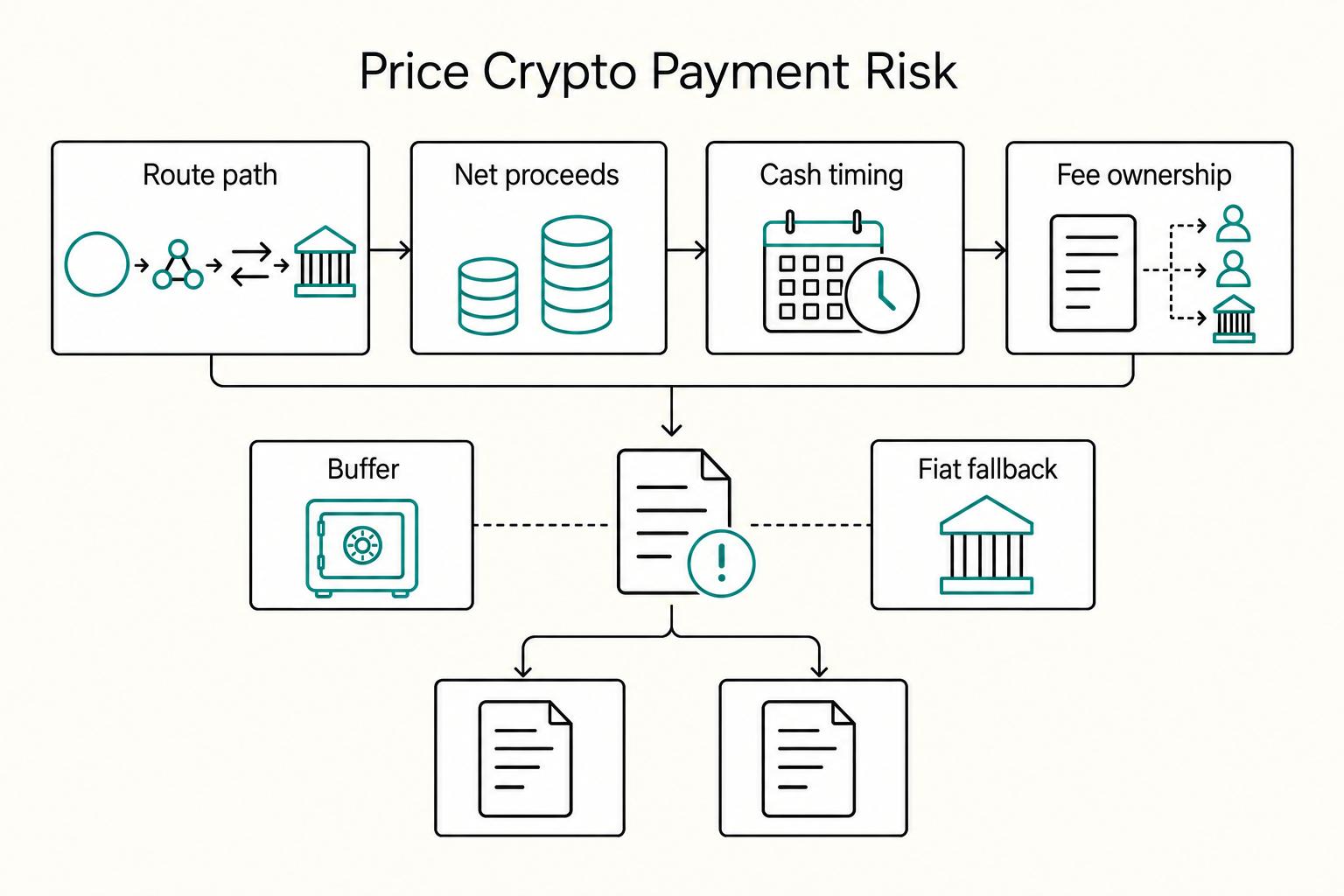
Crypto payments make sense only when they improve how reliably you get paid after you plan conversion, compliance, and recordkeeping up front. They can reduce friction in some international setups where traditional platforms add fees, restrictions, or extra steps. They also move risk onto conversion timing, exchange-fee exposure, and documentation quality, so use a simple acceptance test before you agree:

How to Get a US Business Address as a Non-Resident
The cheapest path is to verify first, then buy. You want an address setup that survives filings, onboarding, and daily operations, not just a clean signup screen.