
Quick Answer
To hire the right caregiver abroad, treat the search as a structured cross-border recruitment project. Define the role and full budget, decide whether your needs fit a nanny or an au pair, vet candidates through an agency or direct sourcing, confirm labor and visa compliance in your host country, and onboard the hire with a contract, payroll system, and clear household procedures.
Treat an International Nanny Hire as a Managed Project#
The decision to find a nanny abroad is not a lifestyle upgrade - it is a major operational investment in your life and career. For a global professional, your household is the logistical headquarters for your "Business-of-One." When it runs smoothly, it quietly supports your professional success. Yet when you start this process, you are often pushed toward generic online forums and vague checklists that do little to address the real issue: compliance anxiety. That leaves you exposed to unfamiliar labor laws, ambiguous visa pathways, and meaningful financial risk.
It does not have to stay that way. The feeling of vulnerability is justified, but it is not permanent. Hiring an international nanny or hosting an au pair is a project that can be managed, de-risked, and controlled. But it requires a shift in mindset: stop thinking like a parent simply searching for help and start acting like a CEO executing a cross-border talent acquisition strategy.
Think of this guide as a strategic project plan for replacing ambiguity with a workable process. It is not just a list of options; it is an operational framework. This disciplined, four-phase process turns the overwhelming task of hiring a caregiver from abroad into a series of manageable, clear-headed business decisions. Each phase builds on the last, so by the time you make an offer, you are operating from a position of far more control and confidence. It's time to approach expat childcare with the seriousness it deserves.
Phase 1: Build Your Business Case - Strategic Scoping & Financial Modeling#
This hire starts long before you review the first candidate. Begin by building a real business case. In this phase, you define the role, model the full financial picture, and replace vague anxiety about cost and responsibility with a concrete plan.
Define Your 'Job Description' & Scope of Work, Not Just 'Childcare'#
First, define the operational need clearly. Move beyond a vague desire for "help with the kids" and document a detailed Scope of Work. This is not a simple to-do list; it is the foundational document for your contract, a tool for candidate evaluation, and your primary defense against future misunderstandings. Your professional life runs on clear deliverables and KPIs; apply the same logic here.
Your 'Job Description' should quantify the requirements that directly support your professional output and family stability. Consider these critical inputs:
- Required Hours & Flexibility: Detail the specific blocks of time you need covered to protect your deep-work sessions and professional commitments. Specify expectations for weekend work, travel, or schedule changes.
- Core Responsibilities: Go beyond supervision. Do you need someone to manage educational activities for a worldschooling curriculum? What about meal preparation, driving to activities, or light household tasks related to the children?
- Essential Skills: List non-negotiables like language proficiency, a valid driver's license with a clean record, or specific certifications like first aid and CPR.
- Travel Expectations: If you are a digital nomad family or travel frequently for work, outline the expected frequency, duration, and nature of travel.
This document turns a subjective search into an objective, professional recruitment process. It lets you assess candidates against a consistent benchmark and sets clear expectations from day one.
Model Your Total Cost of Ownership (TCO), Not Just Salary#
The most significant financial mistake you can make is focusing only on salary. A CEO evaluates an investment based on its Total Cost of Ownership (TCO), and you should do the same. Build a detailed spreadsheet that accounts for every potential expense, not just the monthly paycheck.
Your TCO model for an international nanny should include several line items that are often overlooked in casual arrangements:
| Expense Category | Example Estimated Cost (First Year) | Notes |
|---|---|---|
| Gross Annual Salary | Varies by location ($20,000 - $60,000+) | Must meet or exceed the host country's minimum or prevailing wage. |
| Employer Taxes & Social Security | ~10-15% of Gross Salary | You are a household employer and legally responsible for these contributions. |
| Agency Placement Fee | 10-20% of Annual Salary | A significant one-time cost for professional vetting and matching services. |
| Visa & Legal Consultation Fees | $1,000 - $10,000+ | Varies by country and complexity. The UK Overseas Domestic Worker visa fee is £682. H-2B visa costs in the US can be around $10,000. |
| Round-Trip Flights | $800 - $2,000 | The cost to bring your nanny to the host country and potentially return them home. |
| Health Insurance | $2,000 - $6,000 | As the employer, you may be required to provide private health coverage. |
| Contingency & Onboarding Fund | 5-10% of Total | Covers unexpected costs like emergency travel, severance, or re-hiring expenses. |
This exercise turns a daunting unknown into a workable budget. It gives you a realistic view of the investment, helps you test whether the hire is sustainable, and reduces the risk of financial strain later. If you are still deciding where to base the family, the best cities for digital nomads with families can help you narrow the shortlist before you model wages, housing, and visa costs.
Make a Strategic Choice: Nanny (Employee) vs. Au Pair (Cultural Exchange)#
Finally, use your detailed 'Job Description' to make the key structural decision: are you hiring a professional employee (nanny) or hosting a cultural exchange participant (au pair)? This is a strategic choice with real legal and operational implications, not just a matter of preference.
A nanny is a professional employee. This is the right structure if your Scope of Work demands significant hours, high flexibility, and extensive responsibilities. You have greater control over duties and schedules, but in return, you assume the full legal and financial obligations of an employer, including paying at least minimum wage and following labor laws.
An au pair, by contrast, is a participant in a formal cultural exchange program. Their role is intended to be one of cultural immersion, with childcare being one component of that experience. This structure comes with strict, government-regulated limitations. For instance, in the U.S., au pairs cannot work more than 10 hours per day or 45 hours per week and are not recommended for homes with infants under three months old without direct parental supervision.
Use this table to make a clear-eyed decision based on your operational needs:
| Factor | International Nanny (Employee) | Au Pair (Cultural Exchange) |
|---|---|---|
| Legal Status | Employee | Program Participant |
| Primary Purpose | Professional Childcare Service | Cultural Exchange |
| Working Hours | Flexible; governed by employment contract & labor law. | Strictly regulated (e.g., max 45 hrs/week in the U.S.). |
| Scope of Duties | Broad; defined by the employment contract. | Limited to childcare and light, child-related housework. |
| Cost Structure | Gross salary, taxes, benefits (Higher TCO). | Stipend, room & board, educational contribution (Lower TCO). |
Choosing the wrong framework because of a perceived cost saving is a critical error. If your needs are those of an employer, but you engage an au pair, you risk creating an illegal employment situation and an unstable arrangement for your family. Making the correct strategic choice here is the final step in building a solid, defensible business case for this hire.
Phase 2: The Due Diligence Mandate - Sourcing & Vetting Like a Pro#
With your business case in place, you move from planning to execution. This is not about casually browsing profiles; it is a structured recruitment process designed to reduce risk, surface real professionals, and protect your most valuable assets: your children and your peace of mind.
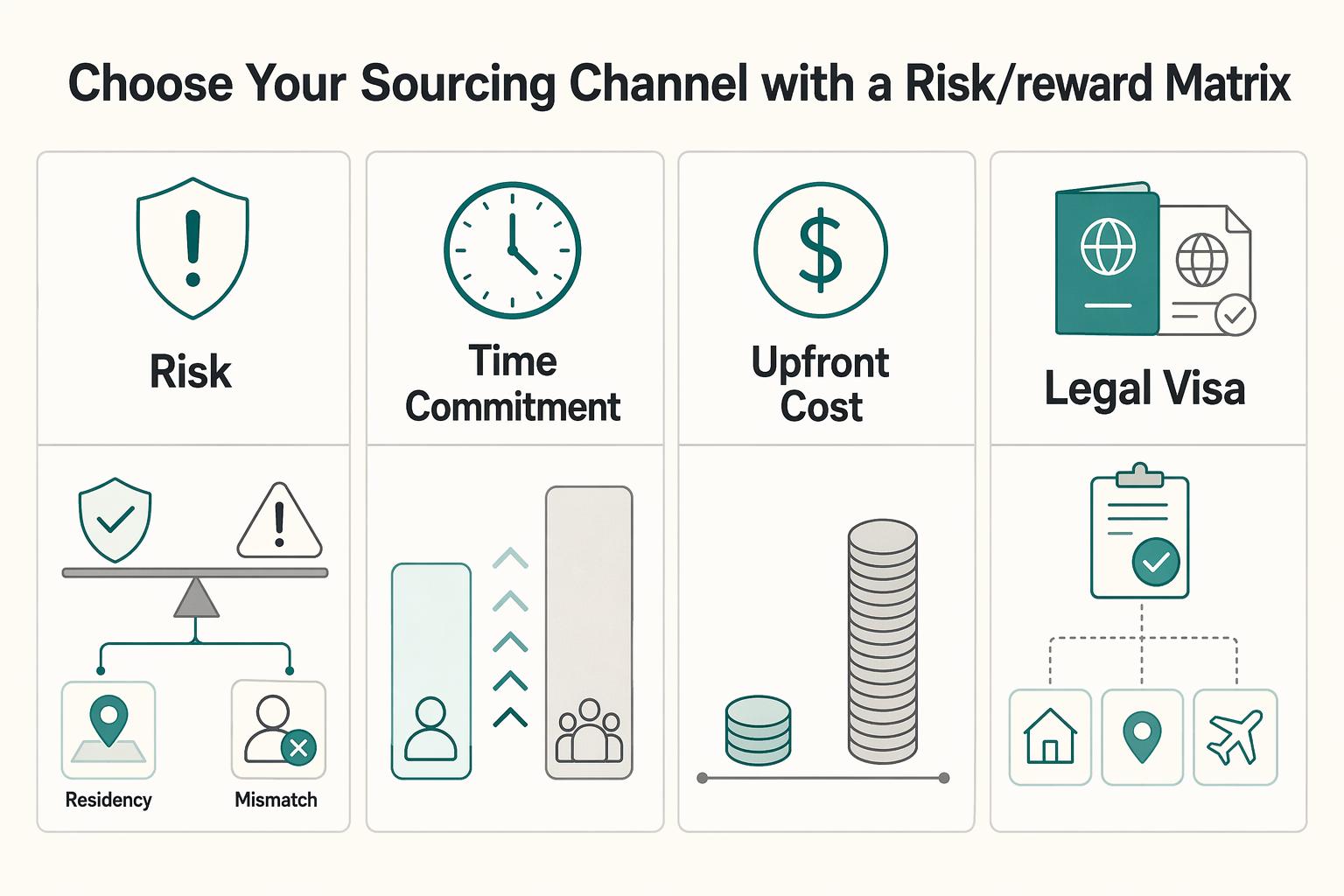
Choose Your Sourcing Channel with a Risk/Reward Matrix#
Your first operational decision is where to source candidates. That choice largely determines how much risk and legwork you keep versus outsource. You can either delegate the initial heavy lifting to a professional agency or manage the entire process yourself through an online platform. Neither is inherently "better," but the trade-off between cost and outsourced risk management is real.
| Factor | Professional Nanny Agency | Online Platform (DIY) |
|---|---|---|
| Risk Profile | Lower. Agencies conduct initial screening, reference checks, and background verification, reducing your liability. | Higher. You are solely responsible for all vetting, verification, and compliance checks. |
| Time Commitment | Lower. You receive a curated shortlist of pre-vetted candidates who meet your specific criteria. | Higher. Requires significant personal time to sift through numerous profiles, screen, and conduct initial interviews. |
| Upfront Cost | Higher. Placement fees are typically 10-20% of the nanny's first-year gross salary. | Lower. Usually involves a small subscription fee to access the platform's database. |
| Legal/Visa Support | Often provide guidance or referrals to immigration specialists, streamlining the process. | No legal support provided. You must source and manage all legal and visa counsel independently. |
Your choice should reflect your actual risk tolerance and available time. If you are time-poor and risk-averse, the premium for an agency is a sound investment. If you have the time and confidence to manage a complex vetting process, a direct-hire platform may be more cost-effective.
Run a Complete Screening Checklist on Your Candidate#
Once you have a candidate, your vetting process must be uncompromising. A standard background check is only one part of a complete screening process. For an international nanny, the work is more complex because you may be dealing with multiple jurisdictions. Your checklist should be non-negotiable.
- Multi-Jurisdiction Criminal Background Checks: You need a criminal record check from the candidate's home country and any other country where they have resided for six months or more. This is critical for uncovering a complete history.
- Identity and Documentation Verification: Confirm the validity of their passport, driver's license, and any educational or childcare certifications they claim to possess.
- Complete Reference Interviews: Do not simply accept letters of recommendation. Get former employers on the phone or a video call. This is where you can use behavioral questions ("Describe a time you dealt with a child's sudden illness") to gauge real-world competence. As Daryl Camarillo, an INA member and founder of Stanford Park Nannies, advises, you must "Verify and interview all previous employers (even non-childcare related) and do a thorough accounting for all gaps in work history." That level of persistence is what separates a casual chat from proper vetting.
- Driving Record Check: If driving is a requirement, you should obtain the candidate's official driving record to check for any violations or suspensions.
- Sex Offender and Child Abuse Registry Checks: These are absolutely essential and should be run in every relevant jurisdiction.
Conduct a Multi-Stage Interview Process, Not Just a 'Chat'#
Your interview process should work like a funnel, with each stage testing something different and going a bit deeper than the last.
- Stage 1: The Screening Call. This is a 20-30 minute call to confirm baseline qualifications, discuss salary expectations, and assess cultural fit and communication skills. The goal is efficiency - to determine quickly whether a deeper investment of time is warranted.
- Stage 2: The Scenario-Based Interview. This is a longer, 60-90 minute video call focused on competency. Present the candidate with realistic scenarios relevant to your family's needs (e.g., "How would you handle a disagreement between the children while supporting their worldschooling tasks?" or "What is your protocol for a medical emergency if you cannot reach us?"). Their answers will reveal their experience, problem-solving skills, and professional judgment far more than a simple recitation of their resume.
- Stage 3: The Practical Interaction. If logistics permit, a paid trial period or at least a live, interactive video call with your children is the final gate. This lets you observe their natural interaction style, patience, and ability to connect with your children, which is often the ultimate determinant of success.
Phase 3: Navigating the Labyrinth - Your Framework for Legal & Visa Compliance#
Getting through interviews is a real milestone, but it also brings you to the part most families fear: legal and immigration compliance. This is where ambiguity creates risk. The goal here is not to turn you into an immigration lawyer. It is to give you a practical framework so you can manage the process with foresight, ask better questions, and avoid preventable mistakes.
First, Adopt the 'Household Employer' Mindset#
The moment you decide to hire, make an important mental shift. You are no longer just a "family"; you are a legal employer. This distinction is the bedrock of compliance and your primary shield against liability. It means you are accountable for following the labor laws of your host country, which govern everything from employment contracts to termination procedures. Ignoring this reality is a common but costly mistake. To protect yourself, you need to understand your obligations regarding:
- Legally-binding contracts
- Stipulated working hours and overtime pay
- Minimum wage requirements
- Mandatory paid leave
- Termination notice periods and procedures
Accepting your role as an employer is the foundational step toward mitigating risk and professionalizing the relationship from day one.
Use a Decision Tree to Understand Visa Pathways (Before You Call a Lawyer)#
Immigration rules can feel like a black box, but you can demystify the process with some preliminary research. Before you engage costly legal counsel, your goal is to understand the shape of the problem. Start by investigating the common visa pathways for an international nanny or au pair in your host country.
Ask targeted questions:
- Does the country have a dedicated visa for in-home caregivers or domestic workers, like the UK's Overseas Domestic Worker visa?
- Is there a formal, government-regulated au pair program with a specific visa class, similar to the J-1 Visitor Exchange Program in the United States?
- What are the typical eligibility requirements for these visas, such as age, employment history, and financial independence?
Understanding these likely routes lets you pre-qualify candidates based on their nationality and background. More importantly, it equips you to have a much more productive conversation with an attorney.
Draft a Precise Employment Contract With These Clauses#
Your employment contract is the single most important document for mitigating risk in this entire process. It must be governed by the laws of your host country, not your country of origin. A vague agreement creates disputes; a precise one creates clarity and security. Make sure your contract explicitly details the following:
- Duties & Responsibilities: Directly reference the detailed "Job Description" you created in Phase 1. This leaves no room for ambiguity about expectations.
- Compensation: Specify the gross salary, the exact payment schedule, and a clear statement on how taxes and any other social contributions will be withheld and paid under local law.
- Hours of Work & Overtime: Define the standard work week, daily hours, and the precise policy and rate for any overtime hours to prevent future disagreements.
- Confidentiality & Social Media Policy: Include a clause to protect your family's privacy, outlining what can and cannot be shared publicly, especially concerning your children.
- Termination Conditions: Clearly articulate the notice period required by both you and your employee, and the specific conditions under which the contract can be terminated. This protects both parties and ensures a professional separation if necessary.
How to Brief Your Immigration Attorney to Maximize Value#
Do not begin a conversation with an immigration attorney by asking, "So, what do I do?" That approach invites a costly, open-ended exploration. Instead, manage the engagement like a strategic business consultation. Present your attorney with a prepared brief containing:
- Your candidate's profile (nationality, age, qualifications).
- Your host country and your own legal status there.
- The detailed job description.
- Your initial research on the potential visa pathways.
This preparation changes the conversation. Instead of paying for basic discovery, you are paying for targeted strategic advice to validate your findings and help you execute the best possible path forward. As Olga Nechita, an immigration solicitor at Fragomen, warns, "Clients often come to us at the last minute, realising too late that domestic staff face different immigration rules." By acting early, you avoid this common and stressful pitfall and make sure your process is built on a solid legal foundation.
Phase 4: Launch & Optimize - Professional Onboarding & Performance Management#
Legal peace of mind matters, but the day-to-day success of this hire depends on what happens after the contract is signed. Signing is not the finish line; it is the start of a professional working relationship. For a strong long-term outcome, shift from legal setup to practical implementation. Give this role the same onboarding and management structure you would give any key employee, with clear expectations for both you and your new hire.
Implement a 'First 90 Days' Onboarding Plan#
The arrival of your international nanny is a significant transition for everyone. Don't leave the integration process to chance. A structured 90-day plan replaces ambiguity with clear expectations and builds a strong foundation. This isn't micromanagement; it's basic support. Your plan should be a thoughtful mix of logistical, procedural, and philosophical training.
- Week 1: Household & Safety Immersion. Focus on the essentials. This includes a thorough tour, demonstrating how all appliances and security systems work, and a detailed review of all emergency procedures. Where is the fire extinguisher? What is the emergency evacuation plan? Who are the emergency contacts?
- Weeks 2-4: Routine & Philosophy Integration. Move from the "what" to the "how" and "why." Walk through daily routines together, explaining your family's specific approaches to meals, naps, discipline, and play. This is the time to articulate your core parenting values, making sure your expat childcare is consistent with your vision.
- Months 2-3: Fostering Autonomy. Gradually step back as competency grows. The goal is to help your nanny make confident decisions that align with your family's framework. Schedule weekly check-ins to discuss challenges, celebrate wins, and refine routines together. This feedback loop is critical for long-term success.
Establish a Clear Household Operations Manual#
Your "Household Operations Manual" should be the single source of truth for your home. It's a living document that reduces your mental load and helps your nanny act decisively without constantly asking for direction. For a digital nomad family or those engaged in worldschooling, this document is especially important because it provides a baseline of consistency amid changing environments. It should be complete and easy to access.
| Section | Key Information to Include |
|---|---|
| Emergency Protocols | Full contact list (parents, doctors, trusted neighbors), medical information (allergies, medications), and step-by-step instructions for various emergency scenarios. |
| Daily & Weekly Routines | Detailed schedules for meals, naps, schoolwork, and bedtime; checklist for any light housekeeping duties. |
| Child-Specific Rules | Clear policies on screen time, approved foods and snacks, playdate rules, and disciplinary guidelines. |
| Household Logistics | Instructions for appliances, list of preferred vendors (plumbers, electricians), and information on transportation and vehicle use. |
Set Up a Compliant Payroll and Tax Withholding System#
This is the final, non-negotiable step in de-risking your role as a household employer. Managing payroll and taxes for a domestic employee is complex and varies significantly between countries. If you get it wrong, you can face significant penalties and legal trouble.
You are responsible for withholding and remitting all required taxes and social security contributions. In most developed countries, this includes contributions toward retirement or pension funds, unemployment insurance, and healthcare. The administrative burden of correctly calculating these deductions and making timely payments to the correct government agencies is substantial.
In practice, using a reputable, local payroll service is not a luxury - it is an essential compliance tool. These services specialize in household employment laws in your specific country. They can calculate gross-to-net pay correctly, manage all withholdings, remit payments to the authorities, and provide you and your employee with legally compliant payslips. Automating this process removes a significant, recurring compliance burden, helps you fulfill your legal obligations, and lets you focus on what matters most: building a successful and supportive relationship with the professional you've hired to care for your family.
Execute with Confidence#
After all the detail around taxes, insurance, and legal contracts, the core point is simple: hiring a nanny from abroad is not a casual household arrangement. It is a strategic decision that directly affects your family's well-being and your capacity to run your "Business-of-One" effectively. For a digital nomad family, securing the right kind of expat childcare is part of the infrastructure that makes the lifestyle sustainable, especially when managing the unique educational demands of worldschooling. It is an operational investment that protects your focus, energy, and time - your most valuable professional assets.
The anxiety around this process is understandable. Vague online checklists and anecdotal advice leave too much room for legal liabilities and financial surprises. That is why a reactive, informal approach falls short here. You would never build a critical part of your business on guesswork, and the same principle applies to this hire.
By abandoning those generic checklists and adopting the 4-phase operational framework outlined here, you turn a source of deep anxiety into a structured, manageable project. This playbook is meant to give you control. It gives you the financial models, risk-assessment matrices, and compliance frameworks to de-risk the entire endeavor from start to finish. It shifts your role from an overwhelmed parent to a capable executive making an informed decision. You are the CEO of your life and your career. Now you have a practical framework to execute this hire with more control, more confidence, and far less guesswork.
Frequently Asked Questions
What are my legal responsibilities as a 'household employer' when hiring a nanny from abroad?
As a household employer, you must follow the labor laws of your host country. That includes a formal employment contract, at least the minimum wage, and compliance with rules on working hours, overtime, paid leave, and termination. You are also responsible for registering as an employer, withholding and remitting income tax and social security contributions, and avoiding illegal contractor misclassification.
How much does it *really* cost to hire an international nanny in the first year?
The real first-year cost is the nanny's total cost of ownership, not just salary. Budget for gross salary, employer taxes and social security, agency and visa fees, round-trip flights, health insurance, and a contingency fund for unexpected costs.
How do I create a legally sound international nanny contract?
Your contract must follow the labor laws of the country where the work will be performed. It should clearly cover the scope of work, gross salary and tax withholding, working hours and overtime, leave entitlements, termination conditions, and confidentiality.
For a digital nomad family, what is the key difference between a nanny and an au pair?
A nanny is a professional employee, while an au pair is a cultural exchange participant. Nannies generally offer more flexible, contract-based childcare, while au pairs have stricter limits on hours and duties. For a digital nomad family, the choice comes down to whether you need consistent professional childcare or a more limited cultural exchange arrangement.
What should be on a checklist to vet an international nanny candidate?
Use a checklist that covers identity and documentation verification, criminal background checks in the candidate's home country and other recent countries of residence, direct reference calls with former employers, and verification of claimed certifications. If driving is required, obtain an official driving record as well.
What kind of insurance do I need when hiring a nanny from another country?
At a minimum, you will likely need comprehensive health insurance for your nanny in your host country and employer's liability insurance. Depending on the jurisdiction, you may also need workers' compensation to cover lost wages and medical costs from on-the-job injuries.
Who is responsible for paying taxes on the nanny's salary?
You, the employer, are responsible for calculating, withholding, and remitting the required taxes on the nanny's salary. That includes income tax, social security, and any other mandated contributions, plus your separate employer share. You cannot legally shift this duty by treating the nanny as self-employed or telling them to pay their own taxes.
Researched and edited by the Gruv editorial team. Gruv builds cross-border billing, payouts, and finance-operations software for global businesses.
Sources
Includes 2 external sources outside the trusted-domain allowlist.
- ilo.org/topics-and-sectors/domestic-workerstrusted
- irs.gov/publications/p926trusted
- j1visa.state.gov/programs/au-pairtrusted
- gov.uk/au-pairs-employment-law/au-pairsexternal
- iapa.orgexternal
Educational content only. Not legal, tax, or financial advice.
Related Posts
The Best Cities for Digital Nomads with Families
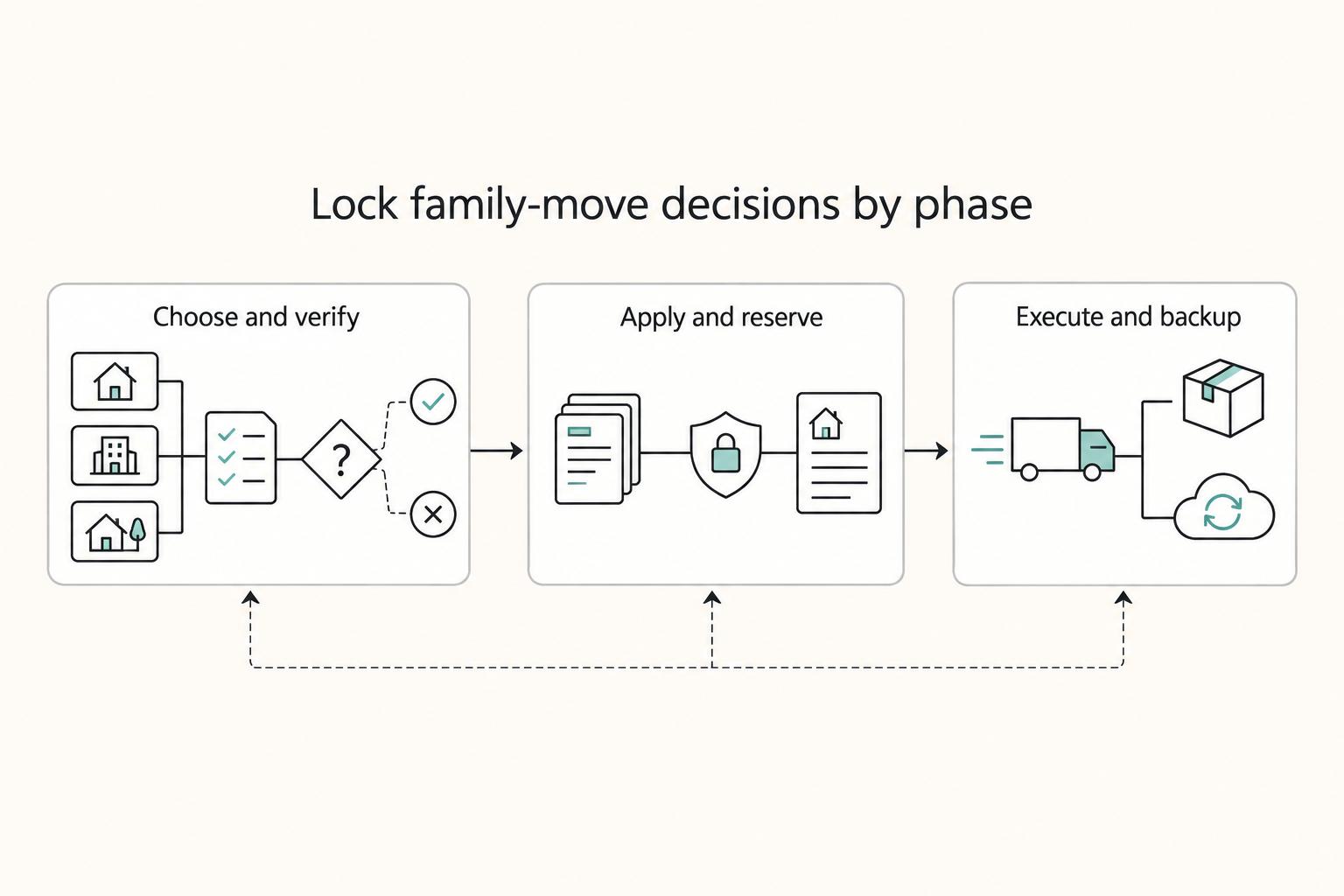
**Don't pick cities on vibes alone. Compare them with a simple, verification-first framework, then confirm every "yes" with a primary source before you book anything nonrefundable.** When you're moving with kids, not just traveling, you need a process that still works when you're tired, busy, and on a deadline. The operator loop is simple: assess, verify, then execute.

The Freelance Payment Penalty: A Modeled Audit of Platform Fees, FX Spreads, and Payout Delays
The money rarely disappears through a single, easy-to-spot fee. The real loss is stacked. A marketplace takes its commission, a processor adds a charge for international cards, a bank or payment company converts the currency at a spread, a platform holds the funds before release, and a wire sheds a little to intermediaries on the way in. Each layer looks defensible on its own, but the worker feels the combined result as a smaller deposit and a later payday.

How to Respond to a Subpoena for Business Records
Move fast, but do not produce records on instinct. If you need to **respond to a subpoena for business records**, your immediate job is to control deadlines, preserve records, and make any later production defensible.