
Quick Answer
Start with a business-first sequence: set one objective, build a per-SKU P&L, choose your seller model, and verify shipping and compliance workflows before launch. For designing merch for creators, the article’s core point is that demand signals are not enough unless unit economics, ownership of tax and VAT responsibilities, and fulfillment handoffs are clear. Use checkpoints like internal test orders, documented approvals, and post-launch review loops so you can scale what works instead of fixing preventable issues later.
Treat Your Merch Line Like a Business Unit From Day One#
Treat your merch line like a business unit from day one. This is not about making it feel more serious for its own sake. It is about reducing avoidable risk before you spend money on art, samples, ads, or inventory.
The shift is simple. Stop treating the product as the whole job. A 2025 opinion post put it cleanly: "Artists focus on the product. CEOs build the engine that powers the product." Even if you dislike the framing, the operating truth holds. If you start with taste and postpone operational decisions, you can work full-time hours for part-time results.
Before You Start#
This guide is for you if you already run your work like a real business and want merch to be a durable extension of it. It is not for a hobby-first launch where the goal is simply to "see what happens" with a quick drop.
If you need market context for an internal pitch or planning memo, verify it against current sources before using it. Do not use broad market-size claims as the reason to launch. Your decision should rest on clearer ground: margin discipline, operational fit, brand fit, and your tolerance for support and compliance overhead.
One practical rule before you move on: if you cannot name who will own compliance checks, fulfillment exceptions, and customer emails, do not approve a design yet.
Follow These Four Decisions#
- Define the job of the merch line.
Decide what this line is supposed to do for your business: deepen brand loyalty, create a premium touchpoint, test physical products, or open a new revenue stream. Without one primary job, you will judge products by vibes instead of results. Verification point: you should be able to explain the line in one sentence without mentioning the artwork.
- Model the money before the moodboard.
Decide what has to be true financially for this to be worth operating. That means product costs, support burden, returns or remakes, and the time cost of managing vendors. A product can look "successful" in public and still drain cash or attention in private. Red flag: if your plan only works when nothing goes wrong, it is not ready.
- Choose how you will handle compliance and delivery risk.
Decide how you will verify what rules apply and how you will document those checks. The habit matters here: save dated copies of what you relied on. For example, the Code of Virginia page shows a visible date, 3/21/2026, and its "Create Report" tool lets you download, print, or email selected sections. Use that standard when you check any rule or policy that affects your store. Evidence pack: keep dated screenshots or PDFs, vendor terms, and notes on who approved each choice.
- Decide whether you are testing a side income stream or building an asset.
Decide how much ownership you need over the customer relationship, brand presentation, and operating data. Convenience now can limit control later.
Start with Phase 1 the way a CEO would. Decide the job first, then decide whether any design earns the right to exist.
You might also find this useful: How to create a professional 'Logo Presentation' for a client.
Phase 1: What to Decide Before You Design Anything#
Decide what your merch line must do for the business before you design anything. If you skip that decision, the concept drifts, costs rise, and you end up judging ideas by taste instead of outcomes.
- Choose one primary objective and one decision metric.
Pick the main job first: revenue, audience bonding, premium brand signal, product testing, or another concrete goal. Then choose one metric to judge whether the concept is working. That choice should filter product type, pricing, and channel decisions from day one.
Your concept should answer five points in one sentence each: who it is for, what job it does, what makes it different, what brand signature it carries, and why the price makes sense. Verification point: if you cannot state those answers clearly, the line is not ready.
- Filter concepts against real audience behavior.
Use this pre-design screen before you move to production:
- Identity fit: does owning it signal belonging your audience actually wants? - Utility fit: does it match a real use case, habit, complaint, or routine? - Quality bar: will your audience see material, finish, durability, and print quality as credible for your brand? - Brand fit: does it feel like your work, not a generic logo on a commodity?
Base it on comments, customer emails, recurring requests, and past buying behavior. Broad concepts usually get lost; tighter concepts are easier to execute.
- Run a feasibility screen before any design execution.
This is a gate, not full modeling. Build a short checklist and verify each current cost input from the relevant vendor, provider, or finance record before you use it:
- blank product cost - decoration method cost - packaging and inserts - sample cost - platform and payment fees - expected support, remake, or return exposure - your time to manage the line
Check method constraints early. For example, sublimation works on light-colored polyester items or sublimation-coated surfaces, so it is a mismatch if your concept depends on dark cotton apparel. Production on demand can reduce upfront inventory exposure because you produce after sale, but it does not remove quality or margin risk. Full P&L modeling comes in Phase 2.
- Define a defensible difference, not a gimmick.
Your moat should come from something repeatable: an ownership signal, an access mechanism, or a launch concept your audience learns to expect. Personalization can help for some audiences, but only if it strengthens the offer and does not add support complexity without strategic value.
Leave Phase 1 with four artifacts: a one-sentence objective plus one decision metric, audience-fit criteria, a feasibility screen with verified inputs for Phase 2, and a moat hypothesis you can test.
Related: How to create a 'Patreon' or 'Buy Me a Coffee' for your audience.
Phase 2: Model Each SKU, Then the Portfolio and Cash View#
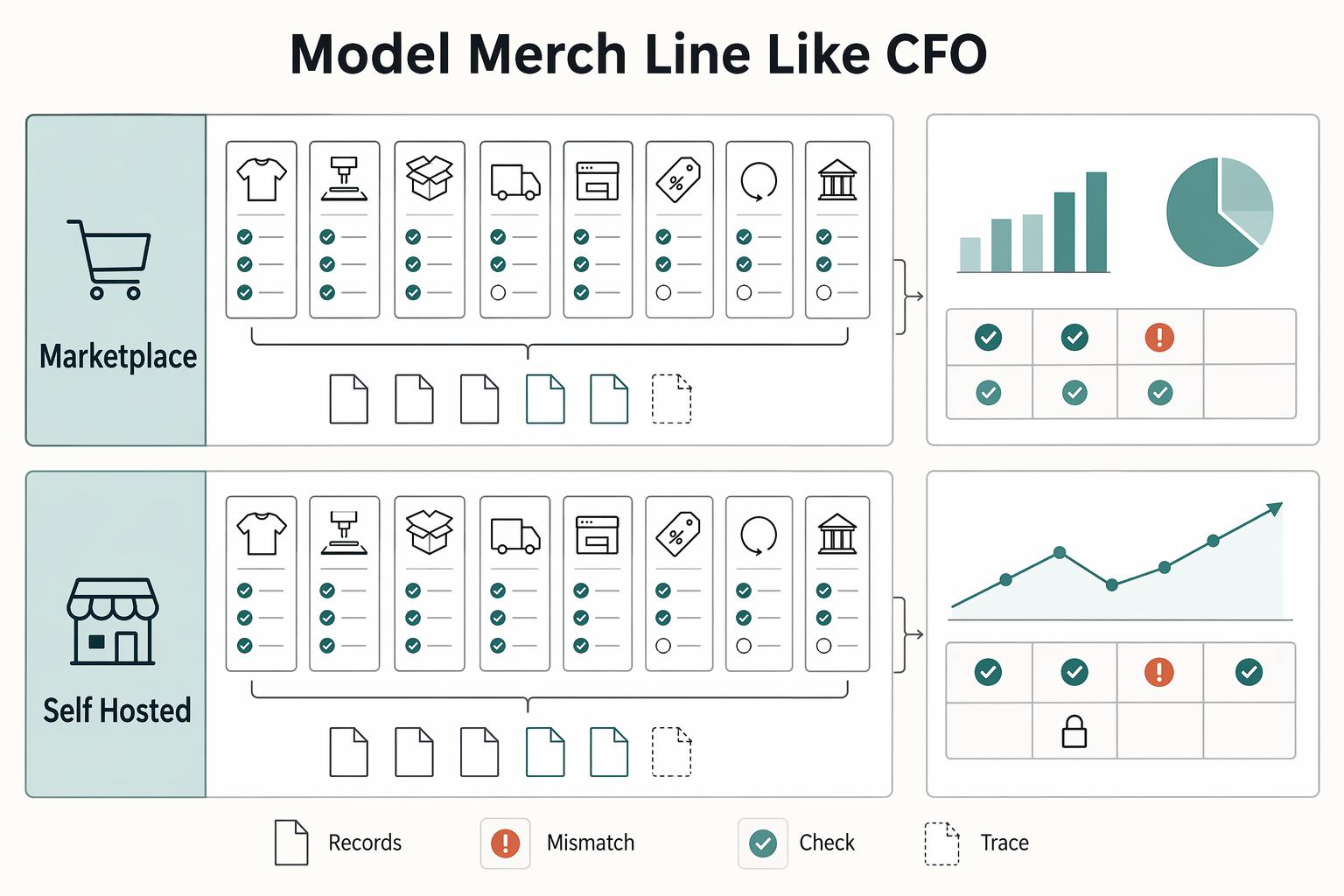
Model each SKU before launch, then roll approved SKUs into a portfolio and cash-flow view. If you skip the per-SKU contribution model, revenue can look fine while margin leaks through discounts, returns handling, support time, failed payments, and fee treatment.
Start by creating one input sheet per SKU with verified assumptions: base product cost, decoration, packaging, shipping treatment, platform costs, payment fees, return policy impact, and tax/fee handling. If any rate is still unknown, keep the line item in the model and leave it pending until the current rate is verified from the vendor, provider, platform report, or finance record.
Step 1: Build one per-SKU contribution model first. Use one product, one price, one fulfillment path. Track: selling price minus product and decoration costs, packaging/inserts, shipping subsidy or fulfillment charges, platform and payment fees, discount impact, returns reserve, failed-payment/chargeback reserve, support-time cost, and any taxes/fees you absorb. Also show two cases for the same SKU: one at full price and one discounted. If the SKU only works in a perfect case, it is not ready.
Step 2: Price to your Phase 1 objective, then set no-go rules. Choose your value position first, then confirm the SKU can clear your minimum acceptable margin under normal conditions. Write your margin floor and rejection rules before launch. If a SKU fails after an ordinary promotion, replacement, or support load, treat it as a no-go until you redesign inputs (product, bundle, policy, or channel).
Step 3: Compare selling stacks with a separate stack-level template. No single model can answer every decision, so keep per-SKU contribution sheets and compare stack assumptions in parallel.
| Selling stack | Cost lines to model | Control and data | Main margin/cash risk |
|---|---|---|---|
| Marketplace | Listing/referral costs, payment fees, promo participation, settlement timing | Often less direct control of customer relationship and policy levers | Fee stacking, delayed settlements, less flexibility on pricing/returns |
| Self-hosted store + POD | Store subscription, payment fees, app costs, POD unit cost, shipping charges | More direct control of brand and customer data | Unit-cost shifts and timing mismatch between order cash-in and supplier billing |
| Self-hosted store + stocked inventory or 3PL | Store costs, payment fees, storage, pick/pack, carrying costs, shipping | Highest operational control | Inventory commitments, volatile demand cycles, cash tied in unsold stock |
If you are still choosing channels, The best merchandise (merch) platforms for creators is the right comparison to review alongside your model.
Step 4: Run return-policy scenarios, then roll up to portfolio + cash flow. Model return scenarios separately: size issue, quality defect, lost shipment, and cross-border refusal. Each scenario changes contribution differently, so do not use one generic return assumption. Then roll approved SKUs into a portfolio view and run scenario testing on the main drivers: price, discount rate, cost changes, unit mix, support load, and return assumptions. Add a short cash view so timing mismatches are visible, not hidden.
You are ready for Phase 3 when all four are true:
- Per-SKU margin sheet is complete with verified or clearly flagged assumptions
- Assumptions are documented for pricing, costs, discounts, taxes/fees, and returns treatment
- Sensitivity pass is done with at least a base case and a stress case
- Handoff inputs are prepared for logistics/compliance decisions, especially shipping policy, return scenarios, and cross-border risk points
If you want a deeper dive, read The 1% Tax Regime for Entrepreneurs in Georgia.
Phase 3: What is Your Global Compliance & Logistics Stack?#
Before you open international sales, lock four decisions: who is legally selling, how shipping terms will work, how fulfillment issues are handled, and how transactions flow into accounting.
Choose your seller model before you switch on global checkout#
Decide this first: will a Merchant of Record (MoR) sell to the customer, or will you sell directly?
Under an MoR model, the MoR processes payment and handles related obligations such as sales-tax collection, compliance, refunds, and payment disputes. Legally, the customer buys from the MoR, and a practical checkpoint is that invoices show the MoR's company details. The tradeoff is control: customer money is collected by the MoR and then remitted to you.
If you sell directly, you keep transaction ownership and take on the related operational and compliance load. Neither model is universally better. Tax outcomes can differ by jurisdiction, so treat this as an operating decision that needs market-by-market verification, not a one-size rule.
Define shipping terms before launch#
Set your shipping policy before checkout goes live, then verify how it affects customer communication and support handling.
| Shipping term | Checkout transparency | Delivery friction | Refund risk | Support workload |
|---|---|---|---|---|
| DDP | Confirm whether buyers see full landed costs before payment | Confirm what happens at customs and delivery handoff | Define refusal/refund handling in policy | Define who handles import-charge questions |
| DDU | Confirm what charges may appear after checkout | Confirm how customs payment requests are communicated | Define refusal/refund handling in policy | Define escalation path for delays and charge disputes |
Use this table as a pre-launch verification checklist, not an assumption set.
Vet fulfillment partners against known failure modes#
Choose partners based on operational proof, not marketing copy. Pressure-test the failure cases that hurt merch margins: fit-related returns, wrong size/color/style shipments, peak-season overload, and fragmented issue handling across channels.
Pre-launch checklist:
- Coverage in the markets you actually plan to serve
- Service consistency in normal periods and peak periods
- Returns handling for apparel-specific issues
- Written issue-resolution workflow across store, warehouse, and support
If a partner's answers are vague before launch, support costs usually show up after launch.
Wire merch into accounting as an operating control#
Define this flow before the first international orders: merch sales, platform or MoR fees, refunds, chargebacks, shipping charges, and duty/tax treatment in your records. For each line, document the source report, owner, posting cadence, and reconciliation step. Where a rule is pending, keep the line item open until the current reporting rule is verified from provider documentation, platform reports, or finance records.
Your go-live gate for this phase:
- Compliance model chosen (ownership and liability understood)
- Shipping policy defined (DDP or DDU decision documented)
- Partner SOPs documented (returns, mis-ships, escalation)
- Finance handoff ready (reporting flow and verification placeholders in place)
For a step-by-step walkthrough, see A guide to 'Affiliate Marketing' for creators.
Phase 4: Are You Building a Side Hustle or a Scalable Asset?#
Build this phase for repeatability, not speed. In POD, suppliers can handle production and shipping after purchase, so your leverage is your channel decisions, records, and review process.
Choose your channel by testing dependency, not convenience#
Etsy and Shopify are both valid publishing options for POD products. What matters is not a blanket "best" platform claim, but whether your setup still works when policies change, data exports are messy, or a launch has issues.
| Decision factor | Marketplace check | Self-hosted check | Why this check matters |
|---|---|---|---|
| Ownership and brand control | Confirm what parts of storefront and product presentation are fixed by the platform | Confirm what you can control across domain, navigation, and product pages | Shows how much control you actually have over customer experience |
| Policy risk | Review listing rules, prohibited content rules, and enforcement terms | Review platform, payment, and POD partner rules | Shows where one rule change could block a product or launch |
| Data access | Test which customer and order fields are exportable | Test which customer, order, and analytics fields are exportable | You need usable records, not only dashboard totals |
| Margin flexibility | Test pricing, discount, bundle, and promotion controls | Test the same controls plus app/payment cost impact | Early POD margins can be thin while you refine pricing, supplier mix, and promotion |
| Dependency risk | Estimate reliance on one platform for discovery and repeat sales | Estimate reliance on one app stack or one supplier | Exposes single points of failure before they hurt launches |
Run one internal test order before committing: check buyer-facing branding, export quality, and who owns support when an order goes wrong.
Keep first-party records usable for future launches#
If your channel allows it, keep customer and order data in a format you can use later. At minimum, retain product, variant, order date, geography, repeat vs first-time status, and permission status for future contact.
That does not guarantee retention outcomes on its own. It does give you operational room to plan relaunches, follow-up flows, and cross-sell campaigns without relying only on one platform inbox.
Build a launch operating system before adding more products#
Use one documented launch pack every time. Standards, templates, reference docs, copyright requirements, and review checkpoints are practical controls, not bureaucracy.
- Intake brief: audience segment, design objective, product type, theme, copy angle, and source assets.
- Design QA: brand style guide alignment, color use, mockup consistency, and variant naming. If needed, refresh your baseline with a brand style guide.
- IP clearance checkpoint: log the source of each graphic element, font, phrase, and collaborator contribution. If a design assembles preexisting material into an original whole, record it as a potential compilation; if separate contributions are assembled together, record it as a potential collective work.
- Listing QA: title, description, product mapping, shipping/returns wording, and supplier assignment.
- Post-launch review loop: after first orders, review support tickets, wrong-variant errors, weak listings, and low-margin items.
Assign approval ownership even if one person wears multiple hats: one owner for creative QA, one for listing accuracy, and one for IP sign-off.
Set your asset-ready handoff gate#
You are ready to hand off this phase when four things are true: channel model selected, launch workflow documented, ownership controls in place (files, approvals, exports), and a repeatable launch cadence established. If any one is still unclear, pause expansion and tighten operations first.
This pairs well with How to Write a Pitch Email to a Brand for a Sponsorship.
Conclusion: Control the Basics Before You Scale#
The useful part of the "You, Inc." framing is not motivation. It is management. You are not just making products now. You are making decisions about risk, ownership, and repeatability.
Confirm what you now control#
Recent reporting describes many workers in founder mode, with strong business-formation signals and more people identifying as founders. Treat that as context, not a guarantee. The practical move is to control the basics before you scale.
Aim to control four things that matter more than any single design concept. First, make your assumptions explicit so decisions are based on tradeoffs, not hope. Second, document responsibilities and handoffs so ownership is clear when something goes wrong.
Third, make platform choices by reviewing terms, exports, and dependency risk, not just aesthetics. Fourth, run a repeatable operating process with named approvals and a clear review cadence. Outcome: you should be able to run one internal test flow and trace each handoff without guessing who owns the next step.
A red flag is any launch that still depends on memory, inbox search, or one person "just handling it." That is where avoidable errors and support confusion usually appear.
Run your before-you-launch check#
Before you publish, do four things:
- Validate assumptions with a small release, not a full catalog.
- Confirm responsibilities for approvals, listing accuracy, and customer support.
- Run the customer journey end to end and confirm what is visible at each step.
- Review post-launch signals and treat early results as directional until the pattern is stable.
That is the real point here. This is not a one-time creative project. It is a managed business line you revisit as it grows. The FAQ tackles the practical edge cases you will want to check next.
We covered this in detail in How a YouTuber should structure their business for tax efficiency.
Frequently Asked Questions
How do you calculate profit margins for creator merch?
Build a working margin model from your own quotes and sales data rather than relying on a universal benchmark. Include base product cost and any changes tied to quantity, size, color count, and packaging add-ons, then pressure-test the result against what you actually sell and fulfill.
Do creators need to charge sales tax or VAT on merchandise?
Assume tax responsibility exists somewhere and confirm who owns it before launch. Review the platform’s shipping, tax interview, and VAT guidance, then confirm what you still need to register, report, or disclose in your jurisdictions.
What are the legal requirements for selling creator merch?
Do not assume platform policies remove your responsibility for IP issues. Check copyright, trademark, and publicity rights, and get clearly documented permission before you use any person’s name, likeness, or image. Review the artwork, product name, description, bullet points, and brand field, because listing metadata is also reviewed for infringement risk. If ownership is unclear, get legal advice rather than guessing.
Printful vs. Printify: which is better for a professional business?
Compare quality control, catalog fit, fulfillment consistency, and margin impact for your use case, then order samples and verify outcomes before committing. If you need a wider market scan, read The best merchandise (merch) platforms for creators.
How do you handle international shipping and customs for merchandise?
Check fulfillment regions, duty handling model, customer-facing policy language, and a real test order before opening international sales. Some suppliers say they can handle customs paperwork, but that is vendor-specific, so verify the promise in writing and do not assume it applies everywhere. Then confirm delivery estimates and duty/tax messaging match what buyers actually see at checkout.
Try a related tool
Researched and edited by the Gruv editorial team. Gruv builds cross-border billing, payouts, and finance-operations software for global businesses.
Sources
- 19january2021snapshot.epa.gov/sites/static/files/documents/stylebook.pdftrusted
- azahcccs.gov/PlansProviders/Downloads/FFSProviderManual/M...trusted
- copyright.gov/title17/92chap1.htmltrusted
- federalregister.gov/documents/2022/09/30/2022-21020/beneficial-o...trusted
- hhs.gov/sites/default/files/research-based-web-desig...trusted
- law.lis.virginia.gov/vacodefull/title18.2trusted
- pmc.ncbi.nlm.nih.gov/articles/PMC9844195trusted
- sowela.edu/wp-content/uploads/College_Catalog-2024-2025...trusted
Educational content only. Not legal, tax, or financial advice.
Related Posts

Georgia 1% Tax for Entrepreneurs Without Filing Surprises
Treat Georgia's 1% tax path as a compliance question first and a rate discussion second. The goal is a setup you can defend under review, not a shortcut that fails at filing time.
How to Create a Brand Style Guide for a Client
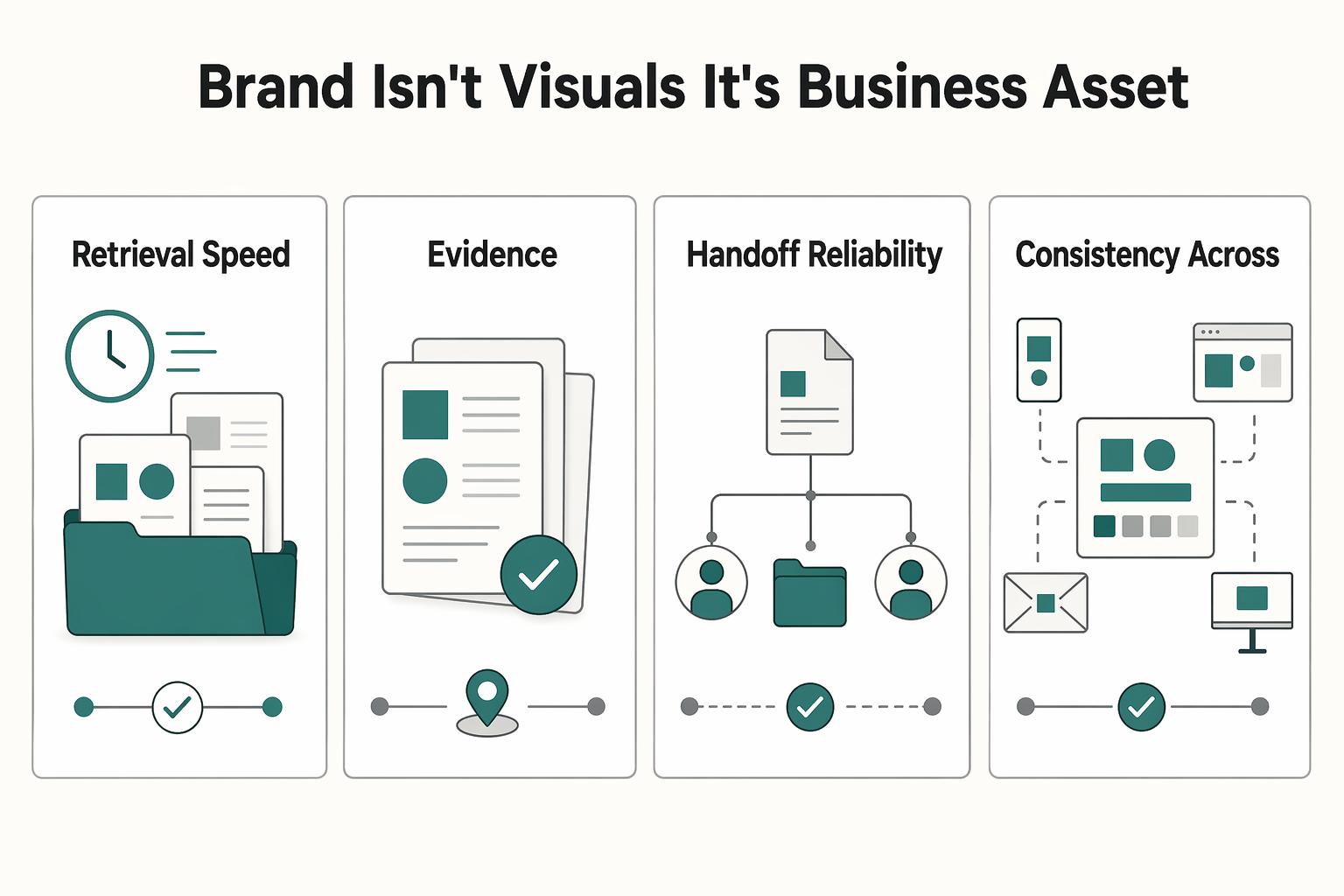
If you work alone, your guide does not need to be a full brand book. It should work as a control document. Standardize the few choices that keep coming up so your proposals, reports, invoices, decks, and delegated work look and sound like they come from the same business.
Best Merch Platforms for Creators Who Want Control and Compliance
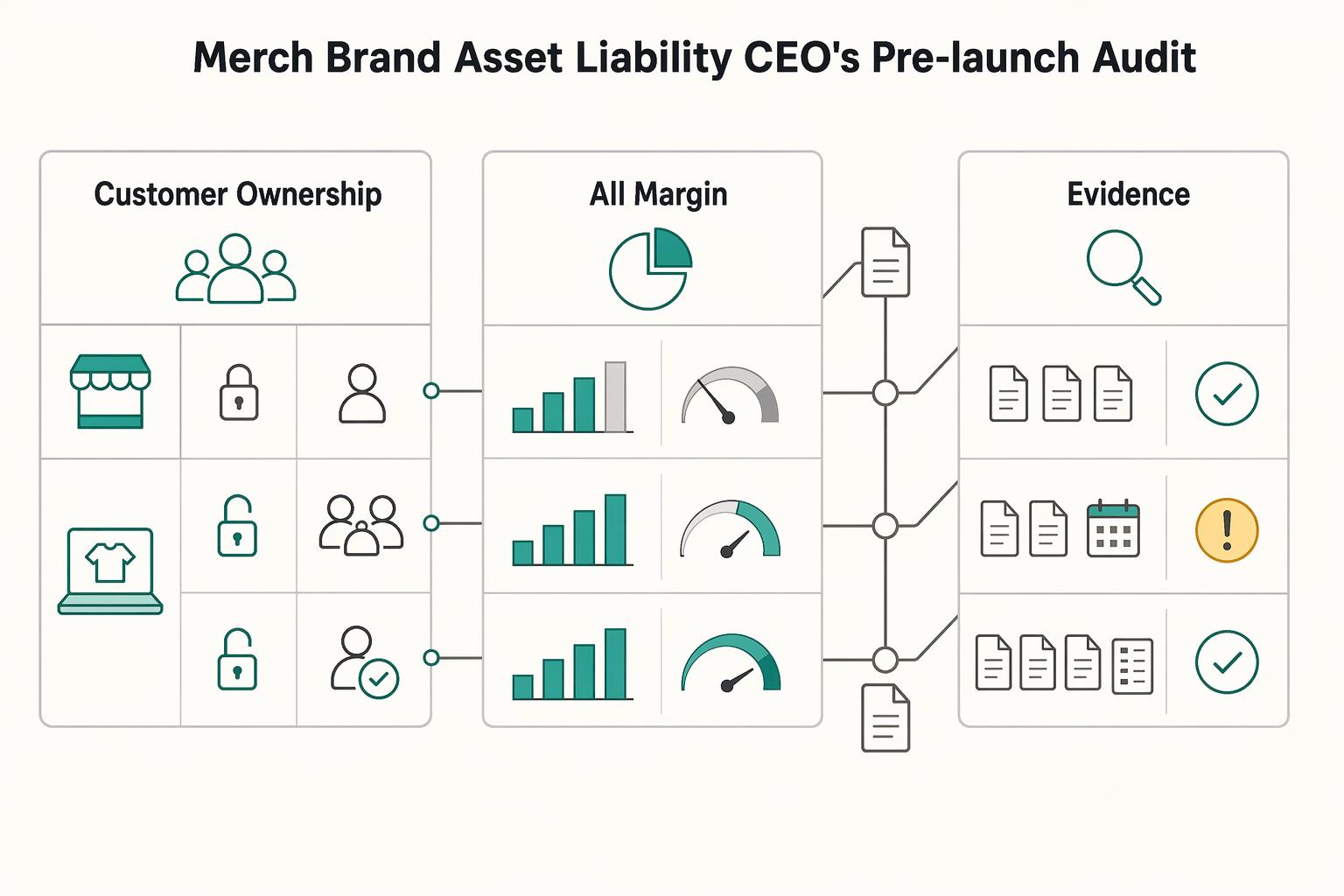
Start with the operating model. Choose a marketplace if lower setup lift matters most. Choose POD plus [your own storefront](https://www.forbes.com/advisor/business/how-to-start-an-online-clothing-store) if customer ownership and brand control matter more. Run the three audits below as pass/fail checks, then finish with one live validation flow. If anything is unclear in your dashboard, policy docs, or payout flow, pause launch and get written confirmation before you publish products.