

Quick Answer
Start by defining one offer, one buyer type, and pass-or-fail gates for Awareness, Evaluation, and Conversion. Keep a strict weekly time limit, require fit proof before drafting proposals, and enforce a close-or-revise rule when acknowledgment is missing. Then run a 30-day test cycle, log where leads stall, and repair only the weakest stage before adding channels, assets, or new messaging.
Start Here So Your Funnel Stays Simple and Usable#
Start smaller than you want. Your freelance sales funnel should survive a normal delivery week, not a rare week when you happen to have extra energy. If you cannot maintain it without pushing client work aside, it is not usable yet.
In practice, keep it as a short path with few stages, clear ownership, and one visible next action at every step. Keep it usable by making sure the work still gets done when delivery gets busy. Leads get a reply, fit gets checked, and open decisions do not drift because your calendar tightened.
A practical first version can start with four constraints before you add channels, assets, or automation: one operating goal, one primary buyer, one weekly time cap, and one narrow stage path. Pick one goal such as booked calls, qualified proposal conversations, or signed projects. Pick one buyer type most likely to buy that offer without heavy education. Then set a weekly cap for funnel work and treat it as real capacity, not a hopeful estimate.
Define the narrow version before you build anything#
A common way funnels get messy is by mistaking activity for movement. More pages, more posts, and more follow-ups can feel productive while the actual decision path stays vague. If you want something you can run consistently, treat it as an operating sequence, not a content project.
One optional starting model is three stages: Awareness, Evaluation, and Conversion. This is not a universal rule. It is a tight model that makes it easier to see where a lead should go next, or where they should stop. When time gets tight, keep only the work that protects movement inside those stages:
- Keep replies to active leads, qualification checks, proposal follow-up, and explicit close or pause decisions.
- Pause new content drafts, channel experiments, page redesigns, and any extra nurture sequence you are not actively monitoring.
Set fast no-go rules. If a lead will not describe the problem clearly, cannot define the scope boundary, cannot name who is involved in the decision, or pushes for a quote before basic fit is clear, do not advance them just to feel busy. Ask for the missing detail once. If it stays vague, close or pause the lead and log why.
Use stage gates you can actually maintain#
To keep this maintainable, give each stage one clear signal to move forward, one clear reason to stop, and one note in your tracker that explains what happened. If a stage cannot be updated in one short note, it is probably too fuzzy to manage.
| Stage | Advance signal | Exit signal | Required tracker note |
|---|---|---|---|
| Awareness | The lead responds to a problem-specific message or CTA and takes the next agreed step | No response after your follow-up window, or inquiry is clearly outside your buyer fit | Source, pain point mentioned, next action due |
| Evaluation | You have enough fit proof to justify deeper time: problem, scope boundary, likely start timing, and who is involved in deciding | Missing fit details stay unresolved, scope conflict appears, or timing is too unclear to plan around | Qualification gaps, risk note, next owner |
| Conversion | The lead acknowledges the proposed scope, timeline, and decision path | Proposal goes silent past your follow-up limit, or changes requested break margin or delivery feasibility | Decision date, open objection, close or pause reason |
One failure mode to watch for is silent drift. Leads sit in a stage because nobody owns the next move, or because the last action was logged but the next action was not. Your tracker note should always make the next decision obvious. "Sent proposal" is weak. "Sent proposal, waiting for scope confirmation by Friday, risk: budget mismatch" is usable.
If you want a fixed review window, use the first 30 days as a baseline, then review what is actually happening. At the end of each week, answer one line per stage:
- Awareness: What made people respond, and what made them ignore the next step?
- Evaluation: What proof was present when leads moved forward, and what was missing when they stalled?
- Conversion: What objection, delay, or unclear decision path stopped a yes or a no?
These prompts help you edit from observed behavior instead of guesswork. If you cannot answer them in one sentence, do not add more assets yet. Tighten the stage rule, the exit rule, or the tracker note first.
We covered this in detail in Build a Freelance Customer Journey Map You Can Run Every Week.
What to Prepare Before You Build#
Before you send outreach, prepare a one-page operating kit: stage rules, qualification rules, trust assets, and follow-up rules. If those decisions are not written down, you end up making them ad hoc in email threads.
Keep it simple and visible. Your funnel and pipeline should show how a lead moves, what counts as fit, what to send next, and when to pause or close.
Build the one-page operating kit#
Use your stage map (Awareness, Evaluation, Conversion), then define what must be true before a lead moves forward. A practical qualification check is BANT: budget, authority, need, and timeline.
Write plain-language signals for each BANT category so decisions stay consistent from week to week. For example: the lead can explain the problem, a decision-maker is identified, budget is realistic, and there is a usable decision timeline. If key details stay vague after one clarification round, do not advance the lead.
Also define disqualifiers in advance. Common ones are missing decision access, unclear need, quote pressure before scope is clear, or timing too loose to plan delivery. If scope boundaries are challenged, restate included and excluded work in writing, ask what must change, and continue only if the revised scope still fits your capacity and margin.
Prepare trust assets with a job#
Use assets to support one decision at one stage. Matching the right asset to the right stage works better than sending everything at once.
| Asset type | When to use | Decision it supports | Send trigger |
|---|---|---|---|
| Case study | Evaluation, after initial fit is confirmed | "Have you solved a similar problem?" | Send after the lead states their need and scope boundary |
| Process summary | Evaluation, before or after discovery | "What will working together look like?" | Send when the lead needs clarity on steps and responsibilities |
| Pricing-context explainer | Conversion, before proposal review or during budget friction | "Why is this priced this way?" | Send when price questions appear before full scope review |
| Proposal or comparison document | Conversion, after fit and scope are clear | "Approve, request changes, or decline?" | Send only when next actions and decision path are explicit |
Set tracker and follow-up rules before outreach#
Use a CRM or simple pipeline sheet, but track decisions, not just contacts. Keep these fields visible: stage, close/decision date, next step, owner, and recent activity. If you use Salesforce opportunities, close date is required; if timing is uncertain, set a future date and update it later.
| Follow-up state | Definition |
|---|---|
No response | Lead has not replied within your planned sequence window |
Soft no | Interest exists, but timing or priority is not current |
Pause | A blocker exists (usually fit gaps or scope conflict) and outreach should stop until it changes |
Run one weekly review that forces next actions onto the calendar. Add a stalled marker so old deals do not hide in active stages. In HubSpot, a default stalled signal can appear when time in stage runs 20% longer than that owner's closed-won average for that stage.
Use those follow-up states consistently so you are not improvising. Keep one active sequence per lead path. In HubSpot, a contact can be in only one active sequence at a time, and switching sequences requires unenrollment first. You might also find this useful: Build a Freelance Marketing Plan You Can Run Every Week.
Choose Your Lead Source Mix Before You Write More Content#
Pick your lead sources before you publish more content. If a channel does not have a clear role, owner, and review trigger, it usually adds activity without giving you decision-quality data.
Use a capacity-and-evidence lens, not raw lead volume. Assign each source to TOFU, MOFU, or BOFU, set one owner, and define one review cadence tied to stage movement, not inbox noise.
Give each source a defined job#
Before comparing channels, confirm attribution is working. In HubSpot, check Original Traffic Source and its drill-down fields. In Salesforce Account Engagement, confirm utm_source mapping. If source data is missing or collapsing into direct traffic, fix tracking before you reallocate effort.
| Source | Funnel role | Fit check | Stage check | Effort and margin check |
|---|---|---|---|---|
| Owned inbound | Usually TOFU into MOFU | Are inquiries clear on need, decision owner, and timeline? | Keep if leads repeatedly reach Evaluation with usable details | Front-loaded content effort, no marketplace proposal-credit system or platform service fee |
| Upwork | Temporary TOFU volume | Screen job posts before proposing | Track proposals that turn into real Evaluation conversations | Proposals require Connects; Connects cost $0.15 each; required Connects vary and can change while a post is live; boosting uses extra Connects; freelancer service fee ranges from 0% to 15% per contract |
| Freelancer.com | Temporary TOFU volume | Screen for scope clarity and buyer seriousness | Keep if bids turn into scoped conversations | Free members receive initially 6 bids per month; Basic membership lists 50 bids per month |
| PeoplePerHour | Temporary TOFU volume | Check brief quality before sending a proposal | Keep if conversations advance with real scope and timing | Users receive 15 proposal credits monthly; each proposal uses 1 credit; freelancer commission tiers are 20% / 7.5% / 3.5% by lifetime billing per buyer |
A practical default: use marketplaces when you need controlled top-of-funnel volume and can enforce a firm weekly cap on bidding and inbox cleanup.
Apply explicit continue-or-pause rules#
Run the same disqualifiers from your operating kit before every bid or proposal: vague scope, unclear decision ownership, price-first urgency before scope discussion, or no usable start window.
Continue a source when it repeatedly moves leads into Evaluation and still protects margin after bid time, credits, and platform fees. Reduce or pause when leads stall in Awareness, loss reasons repeat (for example budget or authority gaps), or proposal churn starts taking your best delivery time. Track four required fields on each record: source, stage movement, loss reason, next action. Documented loss reasons are what make channel changes evidence-based. Need the full breakdown? Read How to Automate Your Freelance Sales Process.
Define Stage Gates From First Click to Repeat Client#
Your funnel stays usable when every stage change has a written reason and supporting proof. Treat each lead as a decision record: it advances with evidence, stays put with a named gap, or exits with a clear cause.
Use this section's four-stage flow as your operating model: Awareness, Evaluation, Conversion, Repeat Client. Give each stage one job, and do not advance a record just because momentum feels good.
- Awareness: initial interest and relevance
- Evaluation: qualification and fit evidence
- Conversion: decision-ready opportunities
- Repeat Client: follow-on work after delivery evidence exists
Make evidence explicit before proposals#
Keep proposal drafting behind a short evidence check so Evaluation does not leak into Conversion. A practical evidence set is:
- problem clarity
- scope fit
- decision owner
- buying intent
- next decision step
If evidence is missing, hold the lead in Evaluation and label the gap in plain language. For example: "scope fit unclear, waiting on asset list" or "decision owner not confirmed, stakeholder access requested."
Separate hard stops from fixable gaps#
Split unresolved leads into two buckets so next actions stay clean.
- Hard stops: exit now because the fit or risk is wrong.
- Fixable gaps: keep in nurture or re-qualification with one specific follow-up action and date.
This prevents a large "maybe" pile that makes Conversion look full while decision-ready opportunities stay thin.
Control exceptions and review for causes, not volume#
Decide in advance who can override a gate, and record every override in your tracker with the reason, missing proof, accepted risk, and next check date. In each review cycle, inspect stalled and exited records first, then tighten one unclear rule at a time so you can see what changed.
Build Awareness Assets That Attract Better Leads#
Awareness content should do one thing well: educate the right people and prompt one small next action, so better-fit leads move forward and poor-fit leads self-filter early.
Use these terms consistently:
- Awareness asset: top-of-funnel content for awareness and education before decision-stage selling.
- Qualified lead: someone likely to convert and ready to progress.
- Low-friction next step: one clear CTA asking for one specific action.
- Disqualifier signal: an early barrier that suggests poor fit (for example, budget, authority, need, or timing gaps).
Plan each asset before you publish it#
If you cannot fill out each field below, hold the draft. Publishing without this structure usually creates cleanup work later in Evaluation.
| Asset idea | Buyer pain | Channel | Core promise | CTA | Disqualifier signal | Expected next-stage movement |
|---|---|---|---|---|---|---|
| Short article | "We keep getting proposals but cannot compare them." | Your site blog | Clarify the scope details buyers need before requesting quotes | Download scope checklist | Wants pricing before sharing scope context | Reader takes the checklist/form step and enters Evaluation with clearer scope |
| Short video | "Our website gets traffic but not serious inquiries." | Primary social channel | Show one awareness-stage mistake and one practical fix | Reply with current bottleneck | Expects instant results or asks for work outside your offer | Prospect starts a relevant conversation that can be qualified |
| Email lead magnet page | "We waste time on calls with bad-fit vendors." | Email signup page promoted from content | Help buyers screen providers before booking | Submit short application | Refuses basic fit questions | Prospect submits usable qualification details and moves to Evaluation |
Before publishing, confirm the CTA matches the stage job: education plus one small step, not proposal or close language.
Choose one primary channel and one supporting channel#
Choose one primary channel where your audience already pays attention, then one supporting channel that reinforces the same message.
Use this frame:
- Audience fit first: base channel choice on market research, including audience demographics and location.
- Reach is context, not a verdict: for U.S. adults (Pew, 2025), reported usage was 84% YouTube, 71% Facebook, and 50% Instagram. Use this as attention context, not proof that any one channel is best for you.
- Consistency and upkeep: favor the channel you can run reliably without turning content into a second full-time job.
For messaging, keep one structure: buyer pain + consequence of inaction + realistic outcome + single next action.
Diagnose quality before you create more content#
Do not judge awareness by impressions alone. Check whether people take the next step and whether those people advance with fit intact.
| Metric | What it helps you check |
|---|---|
| CTR | Whether the asset earns attention |
| Conversion rate | Whether people take the intended action |
| Form views vs. submissions | Whether your qualification step is too loose or too strict |
form_submit event | Whether asset-to-application movement is measurable |
Track those four signals consistently. If results are weak, test one change at a time against a baseline (headline, CTA, or channel). If poor-fit inquiries continue, pause the asset and fix the likely cause: pain framing, distribution targeting, or CTA clarity.
This pairs well with our guide on Build a Freelance Referral Program Without Payout Disputes.
Build Evaluation Assets That Pre-Qualify Before Calls#
Gate your calendar with evaluation assets so calls go to likely-fit buyers, not early sorting. Pre-qualification means checking fit, finances, and need before anyone books, then using both profile and behavior signals to judge readiness.
Before booking, give prospects one clear self-service block they can use to qualify themselves:
- Who this is for: the buyer type, problem, and project shape you handle best
- How delivery works: your process, client responsibilities, and what is not included
- Pricing context: a realistic range or starting point anchored to what alternatives cost
- Non-fit signals: no decision-maker access, unresolved scope or stakeholder conflict, or inability to afford your rates
Then require a client intake form. Keep every question tied to a decision in your tracker: problem clarity, scope boundaries, budget comfort, decision role, and target start date. Route each submission as advance, hold, or decline. If a hard cutoff seems useful, keep it pending until it is verified against current intake data, stage records, and review criteria before use.
| Evaluation asset | Purpose | Best use case | Buyer question answered before a call |
|---|---|---|---|
| FAQ | Standardize recurring answers | Repeated objections or basic buying questions | "What usually happens, and what do clients ask most?" |
| Process page | Show delivery approach | Buyer uncertainty about how work runs | "How do you run the project?" |
| Scope explainer | Clarify inclusions and exclusions | Scope confusion or comparison shopping | "What is included, excluded, and delivered?" |
| Intake form | Test fit and readiness | Booking control | "Am I a match, and what do you need from me first?" |
In B2B, this self-service layer is especially important: Gartner's March 2026 survey of 646 B2B buyers found 67% prefer a rep-free experience. On the first call, confirm decision roles, buying path, and next-action ownership. If ownership is still unclear, keep the lead in Evaluation instead of moving to Conversion.
For a step-by-step walkthrough, see How to Use LinkedIn Sales Navigator for Freelance Lead Generation.
Convert With a Clear Offer Path and Firm Next Actions#
Use the conversion stage to force a clear outcome, not let proposals drift. Your offer path is the route from proposal to reply. Your decision action is the exact response you ask for. Close-or-revise means a stalled proposal must either move into a scoped revision or be marked won, lost, or paused in your tracker.
Keep your proposal structure consistent so the buyer can scan it quickly. Use the same order each time: problem summary, included scope, excluded scope, assumptions, timeline or delivery period, pricing logic, and one decision ask: approve, request changes, or decline. Before you send, confirm it still matches your intake form and call notes on scope boundary, decision owner, and target start date; if not, move it back to re-qualification.
Handle negotiation through scope, timeline, and effort tradeoffs, not vague back-and-forth on price alone. Price objections are normal, so keep the discussion tied to delivery consequences.
| Scope change | Delivery outcome | Effort impact | Pricing direction |
|---|---|---|---|
| Add an extra deliverable | Broader final output | More production and review time | Increase |
| Shorten timeline | Faster turnaround | Higher scheduling pressure | Increase |
| Remove one project phase | Narrower result or less support | Lower effort | Can decrease |
Set your tracker states before follow-up starts: sent, acknowledged, revision requested, won, lost, and pause, with labels like no response or soft no. After sending, require acknowledgment within your stated window, and assign every follow-up a next date and next owner. If movement stalls, apply close-or-revise and record the lost reason so you can diagnose pipeline bottlenecks and source quality later.
Use your pricing FAQ before the first follow-up. Standardize short answers to price, timing, and stakeholder buy-in concerns, and keep those answers aligned with the same promise and exclusions you set in Evaluation. If you introduce new promises during follow-up, the deal usually slides backward and the proposal stops functioning as a decision document.
Retain and Upsell With Service Milestones, Not Random Pitches#
Retention and upsell work best when every milestone ends with a clear client decision and next action, not an open-ended check-in.
A milestone is the planned completion of a significant project event. A review point is the checkpoint tied to that milestone, often around a major deliverable. A next-scope offer (upsell) is a recommendation for a higher-value or expanded service than originally planned, and it should come after you can show a completed result plus a remaining constraint.
Set review decisions at kickoff#
At kickoff, define each review point as a decision checkpoint. For every milestone, agree the decision path in advance: continue as scoped, expand scope, pause, or close.
Keep your post-sale tracker simple and standardized so decisions do not drift. At minimum, track milestone/stage, next step, recent activity, owner, next review date, delivered outcome, and open gap. Before any review meeting is booked, confirm two fields are filled: decision owner and next step.
Turn outcomes into next-scope offers#
Use one sequence when you make an extension offer: completed result, remaining constraint, recommended next scope, then one direct call to action.
Keep the recommendation narrow and decision-ready. If you present too many paths at once, the conversation often moves back into discovery instead of a clear yes/no/revise decision. The common failure mode is pitching a new service before the current milestone has visible evidence of impact.
Track retention and stall risk in the same pipeline view#
Review retention signals in the same dashboard you use for acquisition so you can compare changes over time and spot degradation early.
| Signal | What to track | Warning pattern |
|---|---|---|
| Retention rate | (customers at end - new customers) / customers at beginning | Downward trend over time |
| Churn rate | Customers lost over the same period | Upward trend over time |
| Repeat purchase ratio | Share of clients who buy again | Flat or declining repeat behavior |
| Lifetime value | Revenue value per client over time | Declining value per retained client |
If a post-sale stage is taking much longer than your normal baseline, treat it as a stall signal and force a next-step decision rather than adding more top-of-funnel work first.
After final delivery, keep the post-project loop focused: testimonial, referral, then follow-on scope. If you use testimonials in marketing, make sure your request and usage align with the FTC Endorsement Guides revised effective July 26, 2023.
Decide When to Use Marketplaces and When to Step Back#
Use marketplaces when they reliably move qualified leads forward at workable effort and margin, and step back when they repeatedly create rushed, low-clarity selling.
An owned channel is one you control (like your site, blog, or email). Shared-lead pressure is marketplace competition where many freelancers chase the same request and visibility can be bid up. On Upwork, boosted proposals can appear in the top four slots, and the auction closes after seven days or first hire. To step back means you deliberately reduce or pause a source after repeated risk signals, especially vague briefs or weak discovery.
| Source | Keep using when | Step back when | Effort and margin signals |
|---|---|---|---|
| Owned channel | Inquiries match your form, problem, and scope rules | Inquiries repeatedly fail qualification | Time goes into assets and follow-up; no marketplace service-fee layer |
| Upwork | Clarifying questions turn briefs specific, and proposals progress to scoped work | You keep getting vague briefs or price-first pressure before scope clarity | Proposal time, optional boosting, and 0% to 15% freelancer service fee per contract |
| PeoplePerHour | Conversations move past first reply into real scoping | Crowded bidding produces weak-fit, low-clarity opportunities | Proposal time plus service fees: 20% below £250, 7.5% from £250 to £5000, 3.5% over £5000 lifetime billing per buyer |
| Freelancer | Budget, timeline, and buyer seriousness are clear before you bid | Bids repeatedly end in price-only contests with poor progression | Competitive bidding time; free members start with 6 bids per month; contest winners may pay 10% of prize or $5 |
Do not step back because a platform feels competitive. Step back when competition and poor stage movement show up together in your data.
Treat market chatter as a prompt, not proof. Confirm with your own scorecard by source: are opportunities stalling before Evaluation, are losses clustering around budget mismatch or scope confusion, and is margin dropping after fees and proposal time?
Keep the decision cycle simple for each source: continue, reduce, or pause, then log one next action. One action per source keeps the review operational instead of opinion-based.
Decide When to Hire a Sales Funnel Copywriter#
Hire copy support when interest is still coming in, but people keep dropping at the same next step. Early engagement is present, but stage movement is weak at a repeat break point.
Before anyone rewrites copy, lock your measurement setup:
- Set one primary action per asset.
- Save a baseline from the control version.
- Capture stage drop-off in GA4 Funnel Exploration or Microsoft Clarity.
A landing page might target one form submission, an email at least 1 click, and an offer page one booked call. If you skip this baseline, cleaner wording can look productive without proving movement.
| Asset | Common friction to verify | Stage impact | Test priority |
|---|---|---|---|
| Landing page | Message is clear, but visitors do not take the form or booking action | Awareness to Evaluation | High if traffic is steady |
| Opens or clicks look healthy, but replies or next clicks do not happen | Evaluation | Medium; treat opens as directional because bots and MPP can inflate them | |
| Product or offer page | People view the page but do not move to inquiry or call | Evaluation to Conversion | High if this is the main decision page |
| CTA itself | Button text or placement causes drop-off at the exact step change | Any stage transition | High for a single-variable test |
Choose copywriters who can work inside your existing stage gates and explain test logic clearly. Ask what single variable they would test first, which metric decides the winner, and what baseline evidence they need from you. Strong candidates usually ask for your funnel map, baseline metrics, and each asset's primary action before showing samples.
Roll changes out narrowly and keep the same action metric. Compare edited copy against the control version, then decide only when the review threshold is verified against current intake data, stage records, and review criteria. Keep the decision pending if reporting still shows insufficient data like "--" or the threshold is not yet confirmed.
Related reading: How to Build a Sales Pipeline for Your Freelance Business.
Common Mistakes That Break Freelance Funnels and How to Recover#
Most funnel breakdowns are operational, not mysterious. Fix them one stage at a time instead of reacting by instinct. Treat your freelance sales funnel as a working system: track where leads stall, and recover with controlled changes.
Use this recovery protocol:
- Find the leak using stage conversion rate and time-in-stage.
- Run root cause analysis before changing anything (use the 5 Whys when needed).
- Apply one fix to one variable, then review movement in the next cycle before changing something else.
| Mistake | What you will observe | Likely root cause | Immediate recovery action | What to check in your next review |
|---|---|---|---|---|
| Treating traffic as progress | Visits or clicks rise, but few leads enter your tracker | Message and next step do not match | Rewrite the CTA or qualification step so the promise and next action line up | Awareness-to-Evaluation movement improves, not just traffic |
| Letting Evaluation run without qualification | Calls happen, but few leads deserve a proposal | Fit rules are missing or too loose | Require minimum fit proof before proposal work using BANT (Budget, Authority, Need, Timeline) | Fewer low-fit calls and stronger proposals |
| Following up without a clear decision ask | Replies stall after early interest | Each touchpoint asks for too much or nothing specific | Send one clear next-step ask (approve, decline, or request changes) | More stage movement and less time stuck in Evaluation |
| Sending proposals without a decision path | Proposals are viewed but sit open | Buyer, timing, or scope ownership is still unclear | Move the lead back to Evaluation and confirm decision owner, target date, and scope boundary | Shorter time in Conversion and fewer ghosted proposals |
| Stopping acquisition during delivery | Pipeline looks healthy, then suddenly empties | Current client work was treated as future pipeline security | Keep light prospecting or referral activity active during delivery | New Awareness entries continue while client work is in flight |
Use tighter decision rules during recovery. Hold when the stage metric is improving and you changed only one variable. Escalate when the same leak repeats after a focused fix. Move leads back a stage when fit, authority, or timing is unresolved instead of forcing them forward.
Two operator details matter. If your CRM restricts stage skipping or backward movement, check those rules before troubleshooting. If you manually move a lead backward, default automation may not move it forward again later, so confirm record history and set the next action manually.
What not to do:
- Do not add channels when Awareness traffic is misaligned.
- Do not relax qualification to keep your calendar full.
- Do not send more follow-ups without a clear ask.
- Do not keep revising proposals when the buyer path is undefined.
- Do not pause acquisition because one month feels busy.
Copy and Paste One-Hour Weekly Funnel Checklist#
Use this hour as a decision meeting, not housekeeping: every active record should end the review with a clear outcome and a dated next step.
Keep your definitions fixed so weekly notes stay comparable. Stage movement means a lead or deal changed stages over time, not just that you sent a message. A stalled lead is a record sitting in one stage too long versus your baseline, or simply idle. If your CRM supports it, you can use a stalled signal like HubSpot's example: time in stage is 20% longer than the owner's closed-won average for that stage. A trust asset is a document that clarifies expectations, deliverables, deadlines, and responsibilities. Source mix is your deliberate mix of channels.
| Weekly block | What to check | Decision to make | Update to tracker |
|---|---|---|---|
| 15 min stage movement | Which records moved, moved backward, or did not move | Advance only when stage-gate proof exists. If one stage repeats the same friction, set that stage as next week's single fix target | Record movement, days in stage, and bottleneck note |
| 10 min stale lead cleanup | Records with no next date, no reply, or time in stage beyond baseline | Close poor-fit leads. Pause inactive but still possible leads. Keep active only with a dated next action | Set status to active, paused, won, lost, or archived; log close or pause reason |
| 15 min trust asset update | One asset tied to the stage with the most friction | Update one asset only. If proposal friction is scope or handoff ambiguity, use a statement-of-work template before another proposal | Log asset updated, related stage, and gap it should resolve |
| 10 min follow-ups and proposals | Due follow-ups, active sequences, and open proposals | Ask for one decision: approve, request changes, or decline. Pause or close threads that miss your acknowledgment window and still lack a decision owner or target date | Log last touch, next action, proposal status, and pause/close reason |
| 10 min source mix | Sources by stage progression, fit, and close outcome | Increase, maintain, or reduce one source this week. Do not add effort to a source that creates awareness without evaluation movement | Update source tag, weekly decision, and loss reasons by source |
Two operator checks prevent avoidable noise. Confirm follow-up sequences automatically stop when someone replies or books a meeting. Confirm your pipeline rules for stage skipping or backward movement, because those rules change how you record recovery actions.
The main failure mode is false activity: busy work without stage movement. If records stay parked, proposals stay open without a decision path, or paused deals remain in active view, correct it this week so your funnel stays readable and improvable.
Final Takeaway and Next Step#
Your next step is to run a pipeline review and fix one bottleneck stage first, not redesign the whole funnel. Keep your funnel clear enough to manage under real client workload, and let the number of stages match your model.
In each review (weekly or twice monthly), check stage, latest action, next date, and the obstacle blocking progress. Flag deals that are not moving, and close or pause records that have no clear next action. If stage gaps appear, prospects can drop out before purchase, so treat vague "active" status as a warning sign.
Use these triggers to choose one change:
- Adjust your channel mix when activity rises but progression into later stages does not, or when marketplace fees erode margin after time spent. Upwork fees range from 0% to 15% per contract, Freelancer.com charges 10% of the winning bid or $5 USD minimum, and PeoplePerHour fees can start at 20% below £250 lifetime billing per buyer.
- Tighten qualification when leads reach Evaluation without clear need, budget, or decision-making authority.
- Prioritize retention operations, including onboarding and ongoing support, when repeat work weakens.
Run this week's checklist, mark the stage with the most repeated obstacle, and make one change before the next review cycle. If you want extra operational support after that diagnosis, Gruv Tools is a reasonable next stop, but it should follow your review, not replace it.
Frequently Asked Questions
What is a freelance sales funnel in plain terms?
A freelance sales funnel is a guided path from first awareness to purchase. It works as staged progress, not one message trying to close instantly. Keep one conversion goal per funnel so each step has a clear job. In plain terms, it turns interest into a decision through clear stages.
What stages should every freelancer include from first touch to repeat business?
There is no universal stage count, so keep your structure simple and consistent. One common model is Awareness, Evaluation or Consideration, and Conversion. After close, you can include a follow-up stage for cross-sell and upsell. The exact labels matter less than clear stage definitions and consistent use across your tracker.
Should I use Upwork and build my own funnel at the same time?
There is no evidence here that every freelancer should always use or always avoid marketplaces. If you use both, run marketplace and owned leads through the same stages in your CRM. Then compare stage movement and pipeline value to decide where effort is paying off. This lets you keep optional demand without losing sight of channel quality.
What is the practical difference between shared leads and exclusive leads?
Shared leads can be sold to multiple providers, so response speed can be critical. In that setup, delayed contact can reduce your chance of winning. Exclusive leads are positioned as one-client, branded opportunities rather than immediate multi-buyer competition. The practical impact is time pressure. Shared leads often require faster response.
What should I include at each stage to move leads forward?
In Awareness, focus on trust-building and avoid pushing a specific solution too early. In Evaluation, provide material that helps prospects solve specific challenges and compare options. In Conversion, keep the decision path clear and centered on one conversion goal. A practical way to keep progress measurable is pairing each stage with one explicit next action.
When should I hire a sales funnel copywriter instead of doing it myself?
Use your own funnel data, especially where leads stall between stages. If you cannot identify a repeat bottleneck yet, keep refining core messaging first. If you decide to hire, define a measurable bottleneck and check whether stage movement improves after copy changes.
Which funnel metrics matter most for a solo freelancer each week?
Track movement between stages in your CRM, not just total lead count. Add pipeline value so you can see whether opportunities are progressing. Also track prospecting time as a workload signal if lead generation starts crowding out the rest of the business. These metrics work together: movement shows flow, pipeline value shows weight, and prospecting time shows sustainability.
Try a related tool
Researched and edited by the Gruv editorial team. Gruv builds cross-border billing, payouts, and finance-operations software for global businesses.
Sources
- acquisition.gov/far/36.302trusted
- acquisition.gov/far/8.405-2trusted
- federalregister.gov/documents/2023/07/26/2023-14795/guides-conce...trusted
- ftc.gov/business-guidance/advertising-marketing/endo...trusted
- govinfo.gov/content/pkg/FR-2002-12-31/xml/FR-2002-12-31.xmltrusted
- online.hbs.edu/blog/post/earned-vs-paid-mediatrusted
- pmc.ncbi.nlm.nih.gov/articles/PMC12578950trusted
- sba.gov/business-guide/plan-your-business/market-res...trusted
Educational content only. Not legal, tax, or financial advice.
Related Posts
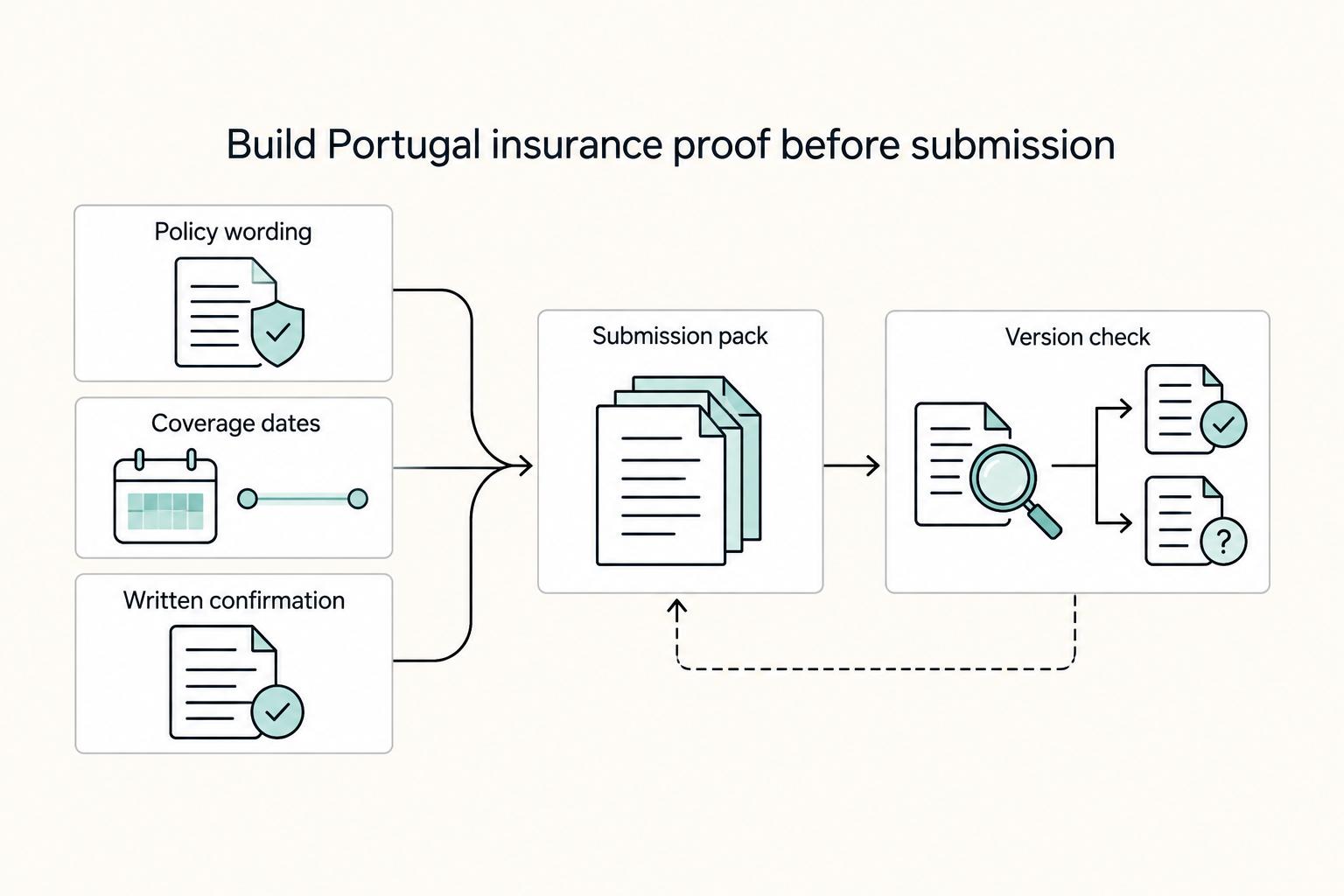
How to Get Health Insurance in Portugal as a Digital Nomad
If you are searching for health insurance portugal nomad options, treat the decision as part of your visa file before you treat it as a product search. The policy matters, but timing, wording, and document quality often determine whether your file moves cleanly or turns into a clarification request.

How to Compare Debit Cards with No Foreign Transaction Fees
Compare the total cost of using a debit card abroad: foreign transaction fees, ATM charges, account fees and currency conversion. This guide compares three U.S. personal checking accounts for travel use, including freelancers travelling on their own account. Account eligibility and permitted use still matter; a travel debit card does not establish a business banking or client-payout setup.

The Freelance Payment Penalty: A Modeled Audit of Platform Fees, FX Spreads, and Payout Delays
The money rarely disappears through a single, easy-to-spot fee. The real loss is stacked. A marketplace takes its commission, a processor adds a charge for international cards, a bank or payment company converts the currency at a spread, a platform holds the funds before release, and a wire sheds a little to intermediaries on the way in. Each layer looks defensible on its own, but the worker feels the combined result as a smaller deposit and a later payday.