
Quick Answer
Start by locking four non-negotiables: pathway (IB, British, or American), all-in budget, weekday commute limit, and onboarding/language needs. Then request decision-changing documents from each school: current course guide, assessment policy, sample timetable, admissions checklist, and fee sheet. In Lisbon, timing can decide outcomes, with St. Julian’s noting very few places after March and United Lisbon using rolling admissions plus a payment window after offer. Keep every unknown marked Unverified until confirmed directly.
Phase 1: Defining Your Strategic Thesis#
Start with a one-page decision brief, not a school list. Done well, it gives you a usable filter for your Lisbon international school search before you email a single admissions office, and it saves you from rebuilding your shortlist later.
| Item | What to define | Note |
|---|---|---|
| Curriculum direction | Test IB / British / American against your likely next move and timing | Treat pathways as hypotheses and verify them with documents |
| Community profile | Set needs for parent involvement, onboarding support, and language environment | Confirm all three in writing |
| Total education budget | Set an annual all-in ceiling for tuition, transport, meals, activities, deposits, and one-time fees | Annual budget ceiling pending family and school/source verification |
| Commute rule | Set a maximum normal Tuesday trip door to door | No exceptions for Carcavelos, Sintra, Oeiras, or central Lisbon unless a trial route confirms it |
- Fill your four non-negotiables first
Write these as short rules you can defend on a tired weekday, not aspirations. Use these prompts to keep unresolved decisions visible without turning them into assumptions:
- Curriculum direction: Compare IB, British, and American pathways against your likely next move and timing.
- Community profile: Define the level of parent involvement, onboarding support, and language environment your child needs.
- Total education budget: Set an annual all-in ceiling for tuition, transport, meals, activities, deposits, and one-time fees; threshold pending family and school/source verification.
- Commute rule: Set a maximum normal Tuesday door-to-door trip time, and do not make exceptions for campuses in Carcavelos, Sintra, Oeiras, or central Lisbon until a trial route confirms it.
This turns a vague preference into a clear reject-or-advance rule.
- Treat pathways as hypotheses and verify them with documents
Do not choose between IB, British, or American routes based on reputation, parent forums, or preference-based ranking lists. Ask each school for the current course guide, assessment policy, sample timetable for your child's year, and the admissions checklist before you score fit.
| Pathway | What it signals | What you should request |
|---|---|---|
| IB | Diploma Programme is a 16 to 19 option | Current programme authorization detail per campus, secondary course guide, assessment policy, Grades 11 to 12 timetable |
| British | Cambridge IGCSE is a common 14 to 16 route | Year group curriculum map, IGCSE subject list, exam year entry rules |
| American | High school diploma route, sometimes with AP or IB options | Graduation requirements, transcript format, AP list if offered, course catalogue |
St. Julian's, for example, publishes a British route through Year 11 leading to IGCSE, then IB DP or CP in Years 12 and 13. CAISL states all graduates earn an American High School Diploma, and that students in Grades 11 to 12 may also pursue the IB Diploma. Compare paper trails, not marketing language.
- Make community fit operational and get it in writing
A good feel is not enough. Confirm three things in writing:
- Parent involvement style: ask how much parent participation is expected and where it happens.
- Child onboarding support: ask what the first weeks look like for a new joiner and whether this changes by age.
- Language environment: ask for the written language policy and compare it with what you hear on campus.
If your child is entering Year 4 and above, note that St. Julian's requires an admissions assessment before interview. If you are applying from abroad, United Lisbon states remote assessments are available for overseas applicants. This is where soft fit becomes evidence.
- Use a source triage rule before building your comparison table
Start with current primary documents from the school or government service. Mark anything secondary as Unverified unless it leads you to a primary document. Discard user-uploaded decks, scraped roundup pages, and rankings based on parent preferences when they are being used as fee, admissions, or curriculum evidence.
If equivalence in Portugal may matter, keep the government service page in your evidence pack. Foreign certificates may need a Hague Apostille and Portuguese translation, and that affects document prep. Bad inputs create fake certainty.
Once this brief is complete, Phase 2 becomes much easier. You will score schools against fixed criteria instead of re-debating what matters every time a brochure looks impressive. If you want a related example of turning judgment into a usable brief, see How to Write a Compelling Case Study.
Phase 2: Data-Driven Due Diligence#
Once your thesis is fixed, compare schools by verified facts, open gaps, and risk impact in one view. Your goal is not reputation; it is to find which options still hold up on curriculum continuity, admissions timing, and weekday operations.
1. Build a thinner table with verification gaps#
Build one lean master table with only decision-changing fields. For any item you cannot verify from a current official document, label the field as pending school/source verification instead of guessing.
| School | Verified facts | Unverified gap to chase | Risk impact |
|---|---|---|---|
| St. Julian's | Carcavelos campus; admissions assessment required for Year 4 and above; full year groups go to waiting list; usually very few places remain after March; generally does not accept applications for final IGCSE or IB DP/CP years | Fee band pending school/source verification; place availability for your target year | High late-cycle risk for older entrants and families moving mid-secondary |
| United Lisbon | Central Lisbon campus; applications accepted year-round; admissions policy says the school operates on a rolling basis; enrollment fee must be paid within 10 working days of offer to secure a place | Fee band pending school/source verification; assessment steps for your child's grade | Faster decision window after offer, so document readiness matters |
| CAISL | Applications accepted year-round; campus in Linhó, Sintra; students follow an American High School Diploma pathway; bus service covers major Cascais and Lisbon population corridors | Fee band pending school/source verification; upper-school option detail if you need a second pathway | Commute and pathway continuity are primary filters |
Reward schools for current, decision-relevant documents, not polished marketing copy.
2. Separate source quality before you score#
Score only from reliable inputs, in this order: current primary school or official curriculum documents, written admissions follow-up, then your own visit notes. Exclude rankings, roundup pages, and forum claims unless they point you to a primary source you can verify.
If a claim affects money, timing, or transfer risk, get it in writing. That includes seat-hold rules after offer, exam-year entry limits, and document requirements. The DGE equivalence FAQ says foreign-language qualification documents require official Portuguese translation; still confirm each school's own admissions document policy separately.
3. Choose the pathway for your next move, not the school's brand#
Choose the pathway that protects continuity for your likely next-country move. The IB Diploma Programme requires the DP core plus six subject groups, which supports breadth but can increase assessment load.
| Pathway | Structure stated here | Continuity note |
|---|---|---|
| IB | Diploma Programme is a 16 to 19 option; requires the DP core plus six subject groups | Supports breadth but can increase assessment load |
| British | Cambridge IGCSE is commonly used for 14 to 16 year olds; A Level is typically two years; AS Level is typically one year | If a move during those years is possible, ask where transfer break points are |
| American | High school diploma route; CAISL states all students follow a course of study leading to the American High School Diploma; AP, where offered, is college-level coursework and exams in high school | Can be stronger when transcript continuity is your priority |
The British pathway is staged: Cambridge IGCSE is commonly used for 14 to 16 year olds, Cambridge International A Level is typically two years, and AS Level is typically one year. If a move during those years is possible, ask where transfer break points are.
The American pathway can be stronger when transcript continuity is your priority. CAISL states all students follow a course of study leading to the American High School Diploma. AP, where offered, is college-level coursework and exams in high school.
4. Treat specialist schools as explicit rule-in or rule-out decisions#
Rule in a specialist school when your priority is continuity in one pathway or a clearly defined language environment. Rule out specialist options when you need broad cross-country mobility or expect another move during exam years.
For children who need onboarding stability, rule out any option that cannot describe first-weeks support in writing.
5. Score fit, then add a confidence rating before you apply#
Use a repeatable process so your shortlist reflects both fit and evidence quality.
| Confidence | Definition |
|---|---|
| High | Most decision-critical items are documented |
| Medium | One or two items are open |
| Low | Key facts still rely on calls or marketing copy |
- Weight criteria first: curriculum fit, commute reality, support, cost, and timing.
- Validate the same items at each school: current course guide, assessment policy, sample timetable, admissions checklist, fee sheet, and transport detail.
- Score only verified evidence; mark missing items as Unverified.
- Add a confidence rating: High when most decision-critical items are documented, Medium when one or two are open, Low when key facts still rely on calls or marketing copy.
- Rank by score plus confidence; a slightly lower score with high confidence is often the safer application choice.
This keeps uncertainty visible in your final ranking. For another city-by-city process, see How to Choose the Best International Schools in Barcelona.
Phase 3: The Execution Plan#
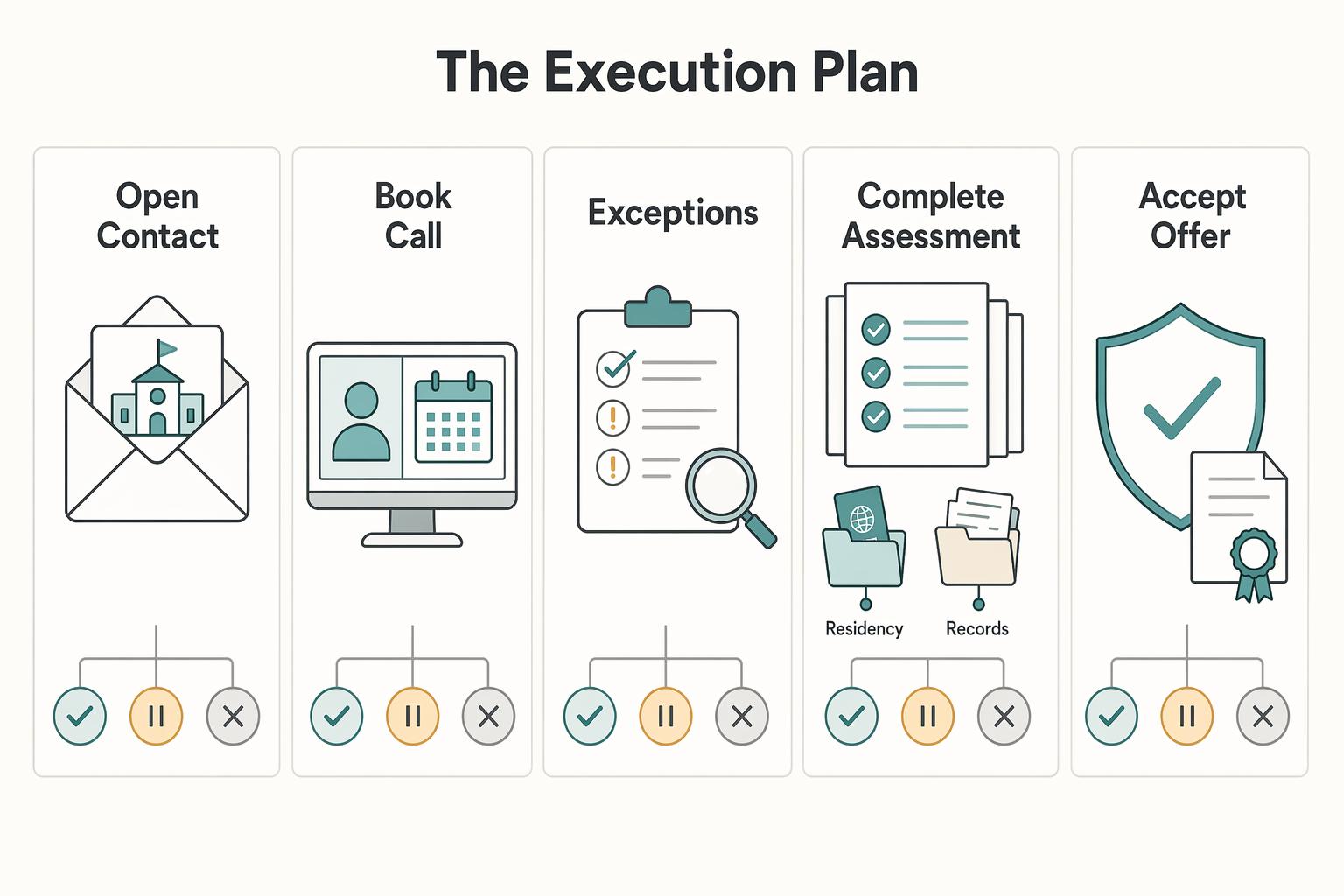
Once your shortlist survives due diligence, control matters more than speed. Run every school through the same milestone plan and force a decision gate at the end of each step: proceed, pause for missing evidence, or deprioritize.
| Stage | What you do now | Verify in writing | Verification gap to track | Decision gate |
|---|---|---|---|---|
| 1. Open contact and confirm intake reality | Send one concise admissions email with target grade, intended start, passport country, and current school system | Whether the year group is open, waitlisted, or subject to later review | Deadline window | Proceed if admissions confirms a live intake path; pause if they reply with generic marketing copy; deprioritize if your year is already closed or waitlist-only |
| 2. Book call or tour | Use the call to test the current process, not school culture alone | Assessment stage, interview format, remote options, and who must attend | Assessment steps | Proceed if the process is clear; pause if sequence or timing stays vague |
| 3. Submit application and dossier | Reuse one master file set across schools | Translation, legalization, and any school-specific document gaps | Document exceptions | Proceed if the dossier is complete; pause if records need official Portuguese translation or Apostille |
| 4. Complete assessment and interview | Prepare for fit and readiness, not scripted performance | Grade placement rule, timing, and whether late applicants face capacity limits | Enrollment window | Proceed if your child can enter the right year and cope with the process; deprioritize if the entry point is wrong or the school cannot explain support clearly |
| 5. Accept offer and operationalize first day | Pay, sign, activate portals, and lock transport and start dates | Offer-hold period, onboarding calendar, and transport terms | Transport cutoff | Proceed only when payment, onboarding, and move logistics line up; pause if visa or housing timing is still uncertain |
-
Start with admissions timing, not enthusiasm. Intake language can sound flexible even when availability is tight. St. Julian's says applications received during the year are usually considered subject to availability, but it also says there are usually very few places remaining after March and that full year groups move to a waiting list. If you are applying late in the cycle, treat explicit capacity pressure as higher risk unless admissions confirms current space in writing.
-
Build one dossier, then control it before you upload. Your reusable pack should include passports, transcripts, certificates, immunization records, and requested school reports. Add control fields across every school so you do not duplicate work or miss blockers. DGE says foreign-language documents need official Portuguese translation, and an Apostille authenticates the origin of a public document.
- Owner: parent, current school, translator, or authority
- File status: requested, received, merged, quality-checked
- Translation/legalization: not needed, translation pending, Apostille pending, complete
- Submission status: not sent, uploaded, acknowledged, correction requested
-
Prepare for assessment by entry stage, and confirm details in writing. For older entrants, confirm the exact sequence with admissions before practice. At St. Julian's, applicants in Year 4 and above must complete an admissions assessment before interview, and interviews are compulsory for all applicants, with online interviews possible when needed. Keep preparation natural so admissions can evaluate real fit and support needs.
-
Treat offer terms as deadlines that affect enrollment risk. United Lisbon says enrolment is complete when the enrolment fee has been received by the financial department. An older fee overview states the fee must be paid within 10 working days of the offer to secure the place, so re-verify this for the current cycle. It also publishes a September 30 cutoff date for intended school-year placement, so confirm grade placement and payment timing before committing elsewhere.
-
Run a relocation handoff before you lock final commitments. After acceptance, align enrollment payment, portal activation, transport request, uniforms, and first-week dates with housing and residency timing. St. Julian's says transport enrollment must be for the full academic year, and its 2026/27 dates include New Families' Morning on Tuesday 1 September and Autumn Term starting Wednesday 2 September. If visa or permit timing is still moving, pause commitments that assume physical presence, including family reunification visa costs such as the published €90.00 fee and renewal dependencies where a permit expired less than 6 months ago.
If residency timing is your blocker, use this next step: Portugal Digital Nomad (D8) Visa: A Complete Guide. For broader city planning context, see The Best Cities for Digital Nomads with Families. For tools, use Browse Gruv tools.
Conclusion: Making Your Most Important Investment with Confidence#
You do not need a perfect answer from a school search. You need a choice your family can run confidently on real school days, with the documents, commute, and curriculum path all checked before money moves.
- Lock your thesis
Choose the school that fits your child now, not the one with the strongest name. If a pathway ends earlier than you want, or pushes a curriculum choice too soon, treat that as a real limit. Your first tie-break is always child fit. If two schools are close, ignore facilities and move to the next test.
- Verify what changes the decision
Trust live school pages and direct written confirmation over roundup content. If you are applying to St. Julian's, "Year 4 and above" matters because candidates must complete an admissions assessment before interview. Interviews start in September for the following academic year, and the school says there are usually very few places remaining after March. If you are applying from abroad, United Lisbon states it accepts applications throughout the year and offers remote assessments, which can help reduce timing risk.
- Choose the option you can execute
Daily logistics are not a side issue. Carcavelos, Linhó in Sintra, and Barcarena are different campus locations, and they can create very different weeks. If child fit is similar, pick the campus and route you can sustain. If logistics are still tied, choose the cleaner long-term pathway, such as CAISL's American High School Diploma with an IB Diploma option in Grades 11 and 12, or United Lisbon's route to the IB Diploma in Grades 11 and 12.
Before you commit, recheck:
- live admissions status for your entry point
- exact campus and year group map
- current fee sheet and payment window
- equivalence requirements on enrolment under Decree-Law no. 227/2005
- official Portuguese translation requirement for foreign school documents
- which legalisation route applies in your case (for example, Apostille or another route), after current verification
If your move timing is still shifting, pair this with the visa side in Portugal Digital Nomad (D8) Visa: A Complete Guide. For a step-by-step walkthrough, see The Best Health Insurance for Digital Nomad Families.
Frequently Asked Questions
How much should you budget for an international school place in Lisbon?
Budget for the total cost, not only headline tuition. Use one template for every school and split costs into core fees, recurring costs, and one-time start-up charges, then confirm each school’s current fee schedule before you compare options.
How should you decide between St. Julian’s and CAISL?
Do not turn this into a brand contest. Compare the likely curriculum path, the support your child may need, and the weekly rhythm your family can actually sustain. Ask both schools for their current programme structure by year group, how new students are placed, and how they explain fit during the enrollment process, then score only verified fit signals.
Which schools work best if you want a city-based lifestyle?
Treat this as a weekly lifestyle and operations choice, not a brochure question. Use your likely routine to test whether the school run is realistic for your family, then verify those assumptions directly with each school before you decide.
Should you also consider Portuguese public schools?
Yes, but treat this as a school-by-school decision. The key unknown is not the label "public" or "private." It is the support actually available at the specific school and how your child may cope in Portuguese-medium learning. Ask directly what support exists and how placement works, then verify critical points in writing before you decide.
What should you verify right before making a final choice?
Run one last pre-commit check, because high-level guides on international schools in Portugal are useful for orientation but not enough for a school-by-school decision. Even a visible recency marker matters, so if you are relying on a guide updated 6-10-2025, confirm what has changed since then. Before you pay, confirm that admissions status is live for your child’s entry point, the exact campus and programme are confirmed in writing, the policy or information page is current enough to trust, and your documents are ready, complete, and accepted as submitted.
Try a related tool
Researched and edited by the Gruv editorial team. Gruv builds cross-border billing, payouts, and finance-operations software for global businesses.
Sources
Includes 8 external sources outside the trusted-domain allowlist.
- ap.collegeboard.orgexternal
- apstudents.collegeboard.org/what-is-apexternal
- caislisbon.org/life-at-caisl/family-servicesexternal
- caislisbon.orgexternal
- cambridgeinternational.org/programmes-and-qualifications/cambridge-uppe...external
- cambridgeinternational.org/programmes-and-qualifications/cambridge-adva...external
- dge.mec.pt/faq-equivalence-foreign-qualificationsexternal
- expatica.com/pt/education/children-education/internationa...external
Educational content only. Not legal, tax, or financial advice.
Related Posts

Portugal Digital Nomad Visa Decisions That Prevent D8 Delays
Start with verification, not paperwork. In this research set, some material is useful only as EU VAT context, not as D8 instruction, and mixing those categories is one of the fastest ways to build the wrong plan. We use the same separation rule in [Global Digital Nomad Visa Index](/blog/global-digital-nomad-visa-index) comparisons.
The Best Cities for Digital Nomads with Families
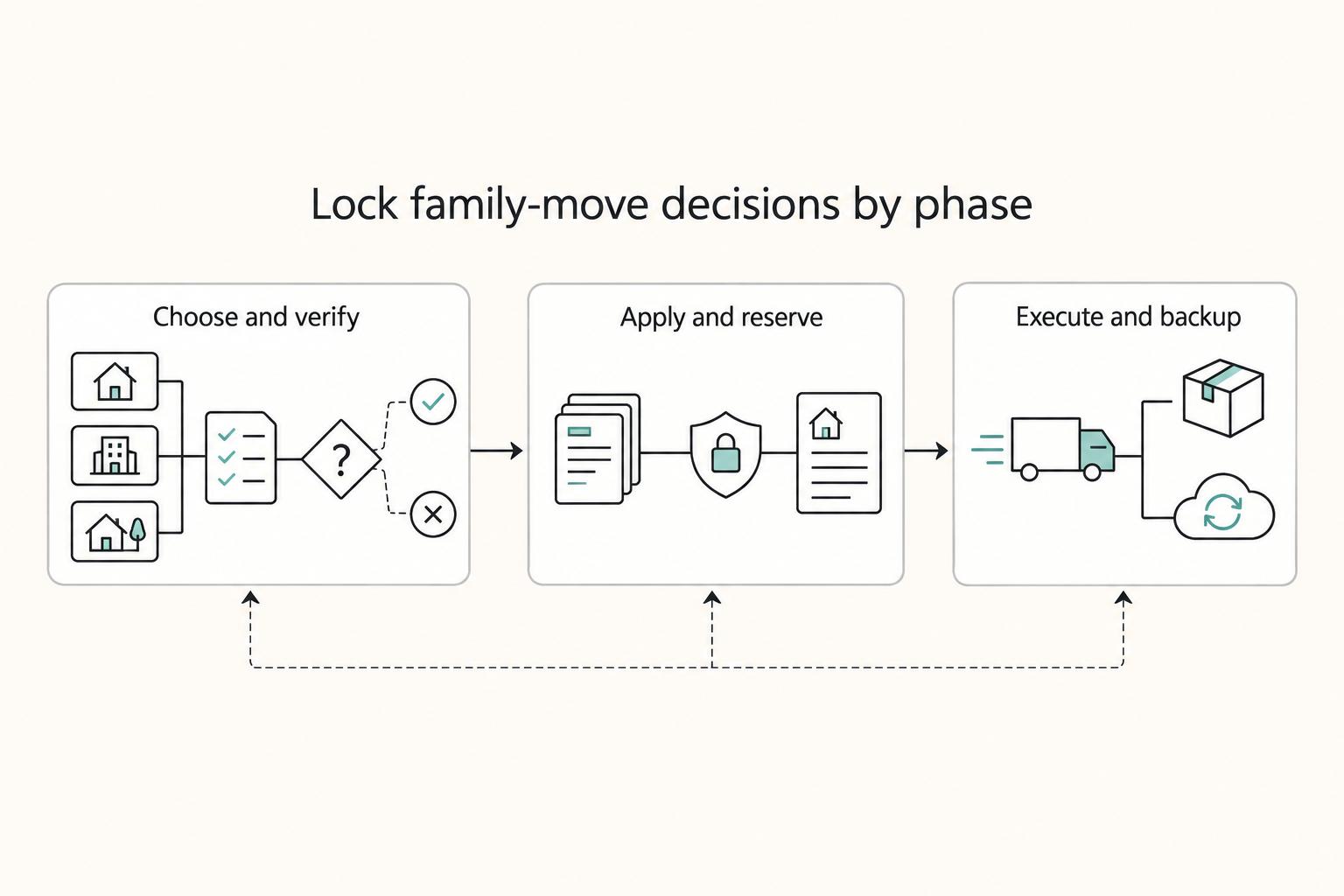
**Don't pick cities on vibes alone. Compare them with a simple, verification-first framework, then confirm every "yes" with a primary source before you book anything nonrefundable.** When you're moving with kids, not just traveling, you need a process that still works when you're tired, busy, and on a deadline. The operator loop is simple: assess, verify, then execute.
How to Write a Compelling Case Study
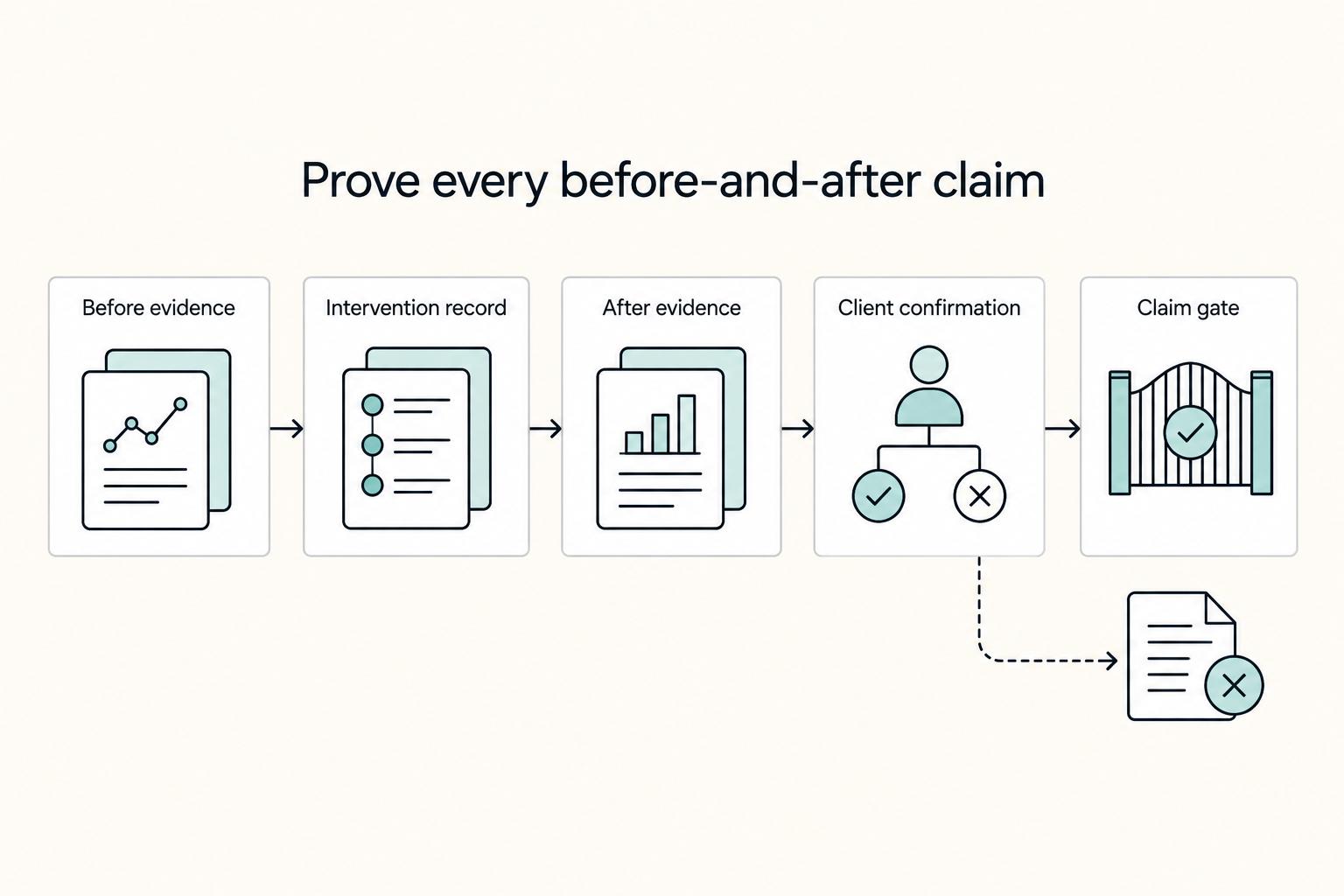
A case study should help a buyer make a decision, not just feel good about your work. Treat it as decision evidence: a detailed account of a business problem, the solution you delivered, and the results that followed. The strongest versions use client-centered proof, documented facts, and a clear [challenge-solution-results structure](https://libguides.usc.edu/writingguide/assignments/casestudy). They do not lead with praise, drift into product-centered copy, or make vague claims that sound like promotion.