
Quick Answer
Yes, dating as a digital nomad can work when you run it like an operating system, not a spontaneous side quest. Start with phase gates, state your real timeline early, and filter for people who can plan clearly. Keep first dates low-friction near your base, use fast checkpoints to move from chat to confirmed plans, and scale effort only after your routine is stable. If your stay window or capacity changes, rebase without guilt.
Treat Dating Friction as a Logistics Problem#
Start by treating dating friction like a logistics problem. If your stay window, housing, transport habits, and work blocks are still moving, keep things light. Trouble starts when emotional commitments sit on top of unstable travel math. Use three phase gates and make one decision at each. Anything that depends on certainty gets pushed to the next gate.
- Pre-move: Check your actual runway, not the hopeful version. That means your entry rules, likely departure date, and whether your stay is capped by something like the Schengen short-stay rule of 90 days in any 180-day period across 29 Schengen countries. Also check the destination Travel Advisory, local laws, and entry and exit requirements. Decision: choose the kind of connection you can realistically support. Postpone: intensity, exclusivity talk, and future-trip promises.
- Early stay: Protect stability first. Do not build your week around dates while you are still fixing housing, learning routes home, or absorbing a new work schedule. Decision: allow only low-friction plans that fit around existing work blocks and leave you a simple return-home option. Postpone: late-night plans, cross-city travel for a first meet, and anyone who needs your calendar to stay vague.
- Later stay: Once your sleep, transport, and schedule are steady, decide what deserves more time. Decision: deepen one connection, keep it casual, or pause dating if your next move is already near. Postpone: anything that requires pretending your exit date is not real.
| Model | Typical use | Early risk signal | Default boundary |
|---|---|---|---|
| Locals | You want routine, neighborhood familiarity, and repeat in-person time | They assume your stay is open-ended, or you avoid naming your departure window | State your likely exit date early |
| Other nomads | You want fast lifestyle alignment and mutual understanding of remote work | Plans stay hypothetical because both of you are moving soon | Treat "we should sometime" as a no until it is scheduled |
| Long-distance | You already have a strong connection worth maintaining across moves | No concrete next meeting or communication cadence | Set the next check-in or trip decision before calling it serious |
| Pause and stabilize | Your work, health, or move logistics are still noisy | You are dating to distract yourself from relocation stress | Reopen dating only after housing and schedule are stable |
Keep your channel mix simple enough to survive a busy week. Pick one primary channel, timebox it, and review what actually happened. That might mean one app session for outbound messages, one in-person event, or one community meet-up. At review, do not count matches or chat volume. Count follow-through: who scheduled clearly, who respected your work hours, and who showed up without creating friction.
Two practical checks matter from the start, alongside chemistry. First, if you use pre-arrival matching, remember Tinder Passport works in 1 city at a time. People you liked in a previous location may still see your profile for up to 24 hours after you switch. Second, never mix romance with money or unverified logistics. Requests for cash before meeting in person are a scam signal. Fake rental listings can derail your housing setup. For any rideshare meet, use app safety guidance to confirm the license plate, car make and model, and driver photo before you get in.
You might also find this useful: A Guide to Colombia's Digital Nomad Visa and Tax Implications.
Your Constraint-First Mental Model (Define the Terms, Then Run the System)#
Use a constraint-first model so your dating decisions do not fight your work and travel reality. In analysis of 66,601 Reddit posts from the DigitalNomad subreddit, practical nomad-life concerns were the dominant theme, which is a useful reminder to treat logistics as a core input, not an afterthought.
These labels are practical tools, not research terms. Use them to separate three things that often get tangled together: your motivations, your operating reality, and your network options across online and offline spaces.
| Term | Plain meaning | How to apply this week |
|---|---|---|
| Relationship runway | The real time and stability you can offer someone right now. | Write your likely departure window, busiest work blocks, and realistic availability. Then plan to that number, not your optimistic number. |
| Emotional runway | The pace your feelings and expectations are moving. | If your expectations are moving faster than your calendar, slow the pace and reset expectations early. |
| Timeline gates | Pre-set checkpoints where you review reality and choose to continue, adjust, or pause. | Put your next checkpoint on the calendar now, tied to a real travel or workload milestone. |
| Base | A setup stable enough for repeat plans and normal routines. | Check whether meeting someone fits your week without turning each date into a logistics project. |
| Rebase | Intentionally simplifying movement (for example, staying put longer or returning) because fewer variables improve fit. | Consider this only after your housing and work rhythm are already stable. |
| Channel stack | Your mix of apps, in-person events, and communities. | Pick one primary and one secondary channel for seven days, then review follow-through. |
Run one repeatable check at every checkpoint#
At each checkpoint, run the same loop:
- Facts: What is confirmed about your stay, workload, and routine?
- Signal: Is this person following through and making plans clearly?
- Cost: What is this costing in focus, sleep, recovery, or schedule stability?
- Decision: Continue, slow down, switch channels, or pause.
This keeps decisions grounded in reality instead of momentum. If your stay window is shrinking or work pressure is rising, let that evidence shape your next step.
Build a channel stack that fits your constraints#
Choose channels by constraint, not mood. Use apps when you need reach fast, in-person events when your weekly routine can absorb them, and communities when you want repeated contact and better context over time.
Use simple pivot triggers. If apps create chat but few concrete plans, reduce app time and increase repeated in-person context. If events stay one-off, add a recurring community touchpoint. If community activity eats evenings without clear connection, scale it back and keep one lighter channel active.
For a step-by-step walkthrough, see How to Make Friends as a Digital Nomad.
Pre-Move (T-14 to T-0): Pick a Relationship Model and De-Risk the Move#
Set your relationship pace by what the move can actually support, not by best-case assumptions. If your stay details, admin steps, or workload are still unclear, lower dating intensity now and raise it later when your setup is stable.
This matters because digital nomad life can include loneliness, and thinner social support can make that worse. Your ability to stay in one place long enough to build a network also affects outcomes. Pre-move prep is not just logistics; it protects your judgment.
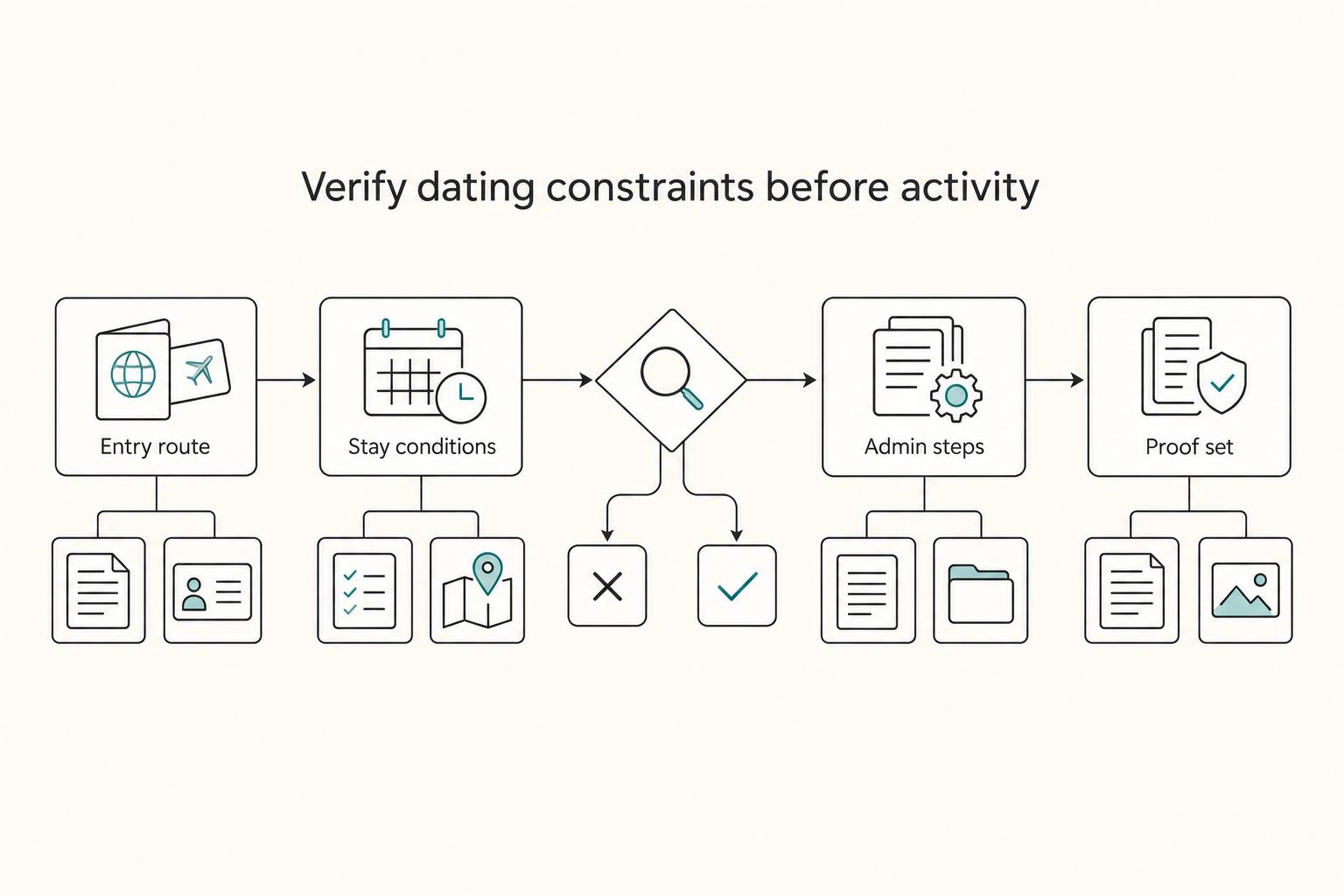
Pre-move verification checklist (before dating activity)#
Before you swipe, message, or schedule dates:
| Check | What to confirm | Source / record |
|---|---|---|
| Entry route | Confirm your entry route | Official immigration authority, consulate, or embassy source |
| Allowed stay conditions | Confirm allowed stay conditions for that route | Same official source |
| Required admin steps | Confirm any required admin steps before or after arrival | Official instructions |
| Proof set | Save your proof set | Official URL, dated screenshot/PDF, booking details, accommodation details, appointment/application receipts |
Do those four checks against official instructions, then save your proof set: official URL, dated screenshot/PDF, booking details, accommodation details, and any appointment/application receipts.
Write one truth line for yourself: "My verified route is [route], my verified stay window is [timeframe], and my next required admin step is [step]." If any field is unknown, treat your runway as uncertain.
Choose a relationship model with three planning inputs#
Use three planning inputs: runway confidence, workload volatility, and emotional bandwidth.
| Relationship model | Pick this when | Check these inputs | Main risk | Fallback if uncertain |
|---|---|---|---|---|
| Locals | You expect enough time in one place for repeat plans | Higher runway confidence, manageable workload volatility, steady bandwidth | Expectations drift if your stay changes | Disclose limits early and slow pace |
| Other nomads | You want mobility-aligned expectations | Medium runway confidence, higher workload volatility, moderate bandwidth | Two unstable calendars stall momentum | Keep plans short-cycle; avoid future-casting |
| Long-distance | You have trust and realistic follow-through | Clear bandwidth, disciplined calendar, workable communication windows | Ambiguity without consistent contact | Set next call and next decision checkpoint now |
| Pause-and-stabilize | Your move is still noisy or underconfirmed | Low runway confidence, high volatility, low bandwidth | Forcing intensity during relocation stress | Build routine and community first, then reopen dating |
If you cannot answer the three inputs clearly, default to pause-and-stabilize.
Match logistics readiness to dating intensity#
Use this fast readiness check:
- Ready: Housing, work rhythm, connectivity, and first-week obligations are clear. You can keep first dates simple.
- Limited: One or two core items are unresolved. Keep dating light and low-commitment.
- Pause-and-stabilize: Multiple core items are unresolved, or stay details are still unclear. Focus on settling first.
When you are in limited or pause-and-stabilize, prioritize broader connection channels so you reduce isolation and build network support. Common broad-network channels include Instagram, Facebook groups, Slack, MeetUp, CouchSurfing, and Tinder; WhatsApp is often better for maintaining closer ties once they already exist.
Use this expectation-setting template early: "I'm moving to your city around the arrival date. My current plan is to stay until the planned timeframe, and I'm still confirming the open variable. I work your hours and time zone, and I'm open to what you want from dating. I prefer simple first meets once I'm settled."
Send it in your first meaningful scheduling exchange, not after prolonged back-and-forth. For related planning details, see Digital Nomad Health Insurance Comparison for Long-Stay Moves.
Should You Date Locals or Other Nomads?#
Choose based on runway, not chemistry. If your stay plan is still uncertain, pause. If your plan is stable enough for repeat plans, pick the lane that matches your timeline reality. Frequent moves can make dating harder, especially when you are moving every few months, so treat timeline clarity as your first filter.
Use this quick decision table:
| Option | Timeline fit | Coordination risk | Expectation risk | Best default action |
|---|---|---|---|---|
| Locals | Best when you can stay in one place long enough for repeat in-person plans | Lower only if your own calendar is stable | If you are unclear about how long you can stay, expectations can drift | Share your current stay window early and keep first plans simple |
| Other nomads | Best when both people already accept mobility and short planning cycles | Higher when both calendars and locations keep changing | Easy to imply future plans that are not verified yet | Plan short-horizon meetups and confirm the next touchpoint before travel |
| Pause-and-stabilize | Best when your route, housing, or near-term timeline is still unsettled | Your own logistics block consistency | Loneliness can push overpromising | Build routine first, then restart dating from a steadier base |
Use a simple disclose-ask-avoid filter#
Before the first date:
- Disclose your actual timeframe, work-hours reality, and whether your plan is fully confirmed or still in flux.
- Ask what they want right now, whether they are staying or moving soon, and how they handle planning.
- Avoid commitments you cannot verify yet, especially future-trip promises or vague "we'll make it work" talk.
After you choose your lane, do not rely only on random app matches. Nomad-focused apps can help with lifestyle alignment and pre-arrival global search, but the tradeoff is smaller user pools, and follow-through can be inconsistent. Add recurring communities so you see the same people repeatedly and reduce random-match volatility: The Best Digital Nomad Communities to Join.
If loneliness is driving rushed decisions, use this first: The Best Ways to Overcome Loneliness as a Digital Nomad.
Apps, In-Person, or Communities - What Channel Stack Actually Works?#
Channel choice is an operations decision: pick the mix that gives the most usable signal per hour for your current runway, work cadence, and social energy, then cut what stays chat-heavy or event-heavy without follow-through.
If your runway is short, prioritize channels that convert to real plans quickly. If your schedule is stable and you can stay long enough to see people again, give recurring communities more weight. If your energy is limited, avoid running daily app chat and multiple events in the same week.
| Channel | Best for | Failure pattern | Switch trigger | Default first move |
|---|---|---|---|---|
| Apps | Short runway and fast scheduling | Endless chat, vague travel talk, no concrete plan | Active use is not producing scheduled meets | Use location-based apps and disclose your travel timeline early |
| In-person one-offs | Fast context and immediate chemistry | One good conversation, then no repeat path | You get conversations but no second touchpoint | Pick one nearby event/venue and attend consistently |
| Communities / recurring groups | Longer stays, friends-first pacing, repeated exposure | Too many events, no familiarity anywhere | You keep attending new events without seeing the same people twice | Join one recurring coworking event or Meetup group and keep showing up |
Apps work when you force clarity early. State your stay window up front so people do not have to guess. If someone keeps the conversation abstract and avoids scheduling, move on.
In-person works when context matters right away. Coworking events are useful if you want people with similar work rhythms, but only if attendance is practical for your week. Verify repeatability before committing time. For example, in Lisbon, nomad meetups are centralized on Meetup and include a recurring Thursday event that requires sign-up.
Run a simple reallocation loop#
Choose one primary channel and one secondary channel. Set an effort cap (for example, limited chat volume or one recurring event), then track outcome quality through scheduled plans and repeat plans. Reallocate weekly when time spent stops turning into real follow-through.
Because constant movement is a common blocker, keep your stack light: apps for quick scheduling plus one recurring community touchpoint is a strong default. If you need help setting up the community layer, use The Best Digital Nomad Communities to Join.
First 30 Days: Operational First Dates That Don't Blow Up Your Schedule (or Safety)#
In your first 30 days, prioritize stability over volume. Protect work cadence, sleep, and personal safety while you test for fit.
Set your operating limits before you accept any plan: your actually free blocks, the zones you can reach easily, your transport tolerance, and your latest workable return window. If a plan does not fit those limits, treat that as signal.
| First-date format | Planning load | Time risk | Safety control | Schedule impact |
|---|---|---|---|---|
| Coffee walk near your base | Low | Low to medium | High (easy to leave) | Light |
| Daytime activity in a familiar area | Medium | Medium | Moderate to high | Manageable if time-boxed |
| Dinner reservation | Medium | Medium to high | Lower (harder to shorten) | Can run late |
| Cross-town event | High | High | Lower if routes are unfamiliar | Most disruptive |
Keep logistics intentionally simple:
- Use pre-vetted venues in familiar areas.
- Confirm the route both ways before leaving.
- Keep a backup transport option.
- Use a basic check-in habit with one trusted person.
- Prepare an exit line if timing slips or behavior becomes unreliable.
Treat communication consistency as a month-one gate. In one nomad relationship anecdote, erratic communication created strain and doubt, and abrupt itinerary changes required direct calls. Apply that standard early: if plans, location, or intent change, you should hear it directly before you are in transit.
Accept invitations that are local, specific, and easy to end. Decline or reschedule plans that are vague, late, cross-town, or already showing intent mismatch. Expand flexibility only after your routine and their follow-through both stay stable for a few weeks.
How Do You Move From Online Match to In-Person - Safely and Practically?#
Once your month-one limits are set, move matches toward a real plan quickly: advance on clarity, pause on partial signal, and stop when intent or logistics stay vague.
Travel already adds enough drift. If someone cannot coordinate one small plan now, take that as the signal, not the chat chemistry.
Use a short progression with checkpoints#
Do not let messaging become the relationship. You are looking for decision-grade signal: timing alignment, intent alignment, and follow-through.
| Step | What to do | Checkpoint |
|---|---|---|
| Open chat | Use in-app pre-meet chat to confirm basics; on Bumble, a first message must be sent within 24 hours or the match expires | Advance if replies are timely and specific |
| Reality-check intent and runway | Ask how long they are in town and what kind of connection they are open to | Advance if answers are direct; pause once if vague; stop if misaligned |
| Propose a concrete plan | Offer two time windows and one area near your base | Advance only when they choose a window and confirm location |
| Voice pre-check | Add a short call or voice-note exchange when text is noisy | Advance if coordination improves; stop if ambiguity continues |
| Lock the meet details | Confirm day, rough time, and place in one thread | If those three are not set, you do not have a plan |
- Open chat and set a response baseline
Use in-app pre-meet chat to confirm basics. If the app has a timer, respect it. On Bumble, a first message must be sent within 24 hours or the match expires. Checkpoint: Advance if replies are timely and specific.
- Reality-check intent and runway
Ask early: how long are you in town, and what kind of connection are you open to? This is where intent mismatch often appears, especially on proximity-based apps. Checkpoint: Advance if answers are direct; pause once if vague; stop if misaligned.
- Propose a concrete plan
Offer two time windows and one area near your base. Checkpoint: Advance only when they choose a window and confirm location.
- Use a voice pre-check when text is noisy
If messages stay fuzzy, add a short call or voice-note exchange to test real-time coordination. Checkpoint: Advance if coordination improves; stop if ambiguity continues.
- Lock the meet details
Confirm day, rough time, and place in one thread. Checkpoint: If those three are not set, you do not have a plan.
Choose the pathway that gives clear signal fastest#
| Pathway | Signal quality | Coordination effort | Safety control | Likely failure mode |
|---|---|---|---|---|
| Text-only for days | Low to medium | Low | Medium while still remote | Feels promising but never converts to a plan |
| Voice pre-check, then meet | Medium to high | Medium | Medium | Turns into over-processing without a date set |
| Direct one-on-one meet | High once confirmed | Medium | Lower than group-first | Flaking or intent mismatch shows up in person |
| Group-first meet | Medium | Medium to high | Higher and lower-pressure | Momentum stalls before one-on-one clarity |
Use app features as tools, not endorsements. In-app chat helps early filtering. Local discovery and map-style views help identify who is actually nearby. Some nomad-focused apps also support current-area or global search, which can help with pre-arrival coordination, but momentum is fragile when people move every few months.
Practical boundary protocol for first meets#
Use a simple protocol you can repeat every time:
- Meet in a public setting.
- Keep route and timing in your control.
- Keep personal disclosure limited early.
- Use one cancellation rule: if timing, location, or tone keeps changing without a clear explanation, cancel and stop negotiating.
The most common failure mode here is unreliable follow-through: flaking, vague planning, or messages that never become real conversation. Your best protection is a short path to clarity and a fast exit when clarity does not arrive.
Days 60-90: Sustainability Rules, Communication Cadence, and Rebase Triggers#
By days 60-90, treat dating like a weekly maintenance loop: protect capacity first, then decide whether to continue, scale down, or pause.
Keep one short plan.md note and update it weekly. Write your current pace, why you chose it, what it protects, and what would trigger a rebase. This keeps you from re-solving the same boundary decisions every week.
Run one weekly review and adjust one thing at a time#
Review the last 7 days before you add anything new.
| Cadence rule | What you monitor | Boundary you hold | If capacity drops, then |
|---|---|---|---|
| Social load | Evenings/long blocks used for dates, calls, events | Stay inside your preset live-social cap | Remove one live plan from next week before cutting work or recovery blocks |
| App exposure | App checks outside your planned window | Keep app use inside one scheduled check window | Turn off notifications and reduce to one smaller window |
| Communication load | Whether chats/calls stay inside agreed windows | Do not add ad hoc call times | Move back to async-only until your week is stable |
| Recovery time | Whether your solo reset blocks actually happened | Protect pre-booked downtime first | Cancel one optional social plan and restore the missed block |
Keep cross-border communication low ambiguity#
Use a simple framework and agree it early:
- Windows: Define when you are reliably reachable.
- Response expectations: Define what a slow reply means so silence is not misread.
- Fallback channel: Keep one logistics-only backup channel for plan changes.
If your channels start to sprawl, consolidate back to one main channel plus one fallback.
Use direct rebase triggers#
Make the call that week, not later:
| Trigger | Action |
|---|---|
| Work quality slips | Continue only existing plans and stop starting new conversations |
| Sleep, meals, or routines keep getting displaced by vague scheduling | Scale down to fixed windows only |
| Dating becomes your only social outlet | Pause and rebuild non-dating support first |
| Travel timeline changes | Restate your runway before making new plans |
If the issue is that dating has become your only social outlet, rebuild non-dating support first: The Best Digital Nomad Communities to Join.
Weekly checkpoint (yes/no)#
- Did your core routine stay intact this week?
- Did you keep at least one non-dating support touchpoint?
- Did you stay inside your channel and cadence boundaries?
- Did you follow the boundaries written in
plan.md? - Is your next weekly review already scheduled?
If two or more answers are "no," rebase now.
Need the full breakdown? Read A Guide to Greece's Digital Nomad Visa and its 50% Tax Break.
Conclusion: Run the Timeline, Tell the Truth Early, Rebase Without Shame#
Treat dating as a scheduling and honesty problem before you treat it as a chemistry problem. You will usually make clearer decisions around three simple actions: state your runway early, protect your work and sleep blocks, and pause fast when reality changes.
That matters because this lifestyle is not just tourism. It is a work paradigm, which is a useful correction when your social life starts drifting into holiday logic. A useful checkpoint is simple: can this connection fit your actual stay length, budget, and weekly calendar without hidden strain? One practical risk is trying to force intensity when your reply windows, transit days, and energy are already unstable.
The practical finish is not "try harder." It is to build repeatable social anchors that lower friction and create honest continuity. Think one recurring activity, one light app window, and one standing plan you can keep even during a busy week. If you only have room for two social touches each week, make them predictable enough that you can show up well.
If you feel overloaded, scale down in this order:
- Stop starting new chats or first dates for a short period.
- Keep only low-logistics plans that do not cut into sleep, meals, or deep work.
- Re-enter with one channel and one clear disclosure line about your timeline and intent.
No guilt, no dramatic reset. Rebase, stabilize, then start again from a cleaner baseline. If your next step is more community than romance, use The Best Digital Nomad Communities to Join and build from there.
Related reading: A Guide to Italy's Digital Nomad Visa and Tax Regime.
Frequently Asked Questions
Is dating as a digital nomad realistic?
It can be, if you treat it like a time-bounded choice instead of an open-ended fantasy. A common constraint is the implicit expiration date many connections carry when your stay is short, so share your runway early and let that screen for fit.
Should you date locals, other nomads, or both?
Pick based on timeline truth first, chemistry second. If you are here briefly, disclose your stay length at or before the first date, even if it is as simple as, “I am here for six weeks,” then ask what they are actually open to. | Option | Intent alignment | Logistics friction | Continuity risk | |---|---|---|---| | Locals | Can depend on whether your departure date is acceptable | Can be higher if your routines and future geography differ | Can rise as your exit date gets closer | | Other nomads | Often easier to align on travel reality | Lower in the short term | Can feel emotionally harder even when logistics are easier | | Mixed approach | Flexible, but evidence is limited | Depends heavily on the city and your channel mix | Unclear, so reassess case by case |
Are apps worth using?
They can be, but not as your only channel. App norms and user quality shift a lot by country, and a common failure mode is matches that never turn into real plans, so judge apps by follow-through, not volume.
Should you prioritize apps or in-person channels?
Use both, then cut whatever is wasting your time. In many nomad hubs, coworking spaces, language exchanges, and group activities can produce better signal than endless swiping, so if app replies stay vague, shift effort to in-person community and digital nomad communities.
What should you disclose early?
Disclose your stay length, likely departure window, and the kind of connection you are open to. Also make one communication expectation clear early, especially if time zones or travel days will affect replies.
When should you pause dating?
Pause when expectations and logistics stop feeling manageable. If time zones and travel days keep creating mismatched expectations, stop starting new conversations and reset first.
Try a related tool
Researched and edited by the Gruv editorial team. Gruv builds cross-border billing, payouts, and finance-operations software for global businesses.
Sources
- cdc.gov/condom-use/index.htmltrusted
- consumer.ftc.gov/articles/rental-listing-scamstrusted
- consumer.ftc.gov/consumer-alerts/2025/02/looking-love-watch-o...trusted
- dash.harvard.edu/server/api/core/bitstreams/7312037c-e5b9-6bd...trusted
- explorecourses.stanford.edu/print;jsessionid=1lv82g5sxy4x9eh6wwb9c3o5strusted
- fbi.gov/how-we-can-help-you/scams-and-safety/common-...trusted
- govinfo.gov/content/pkg/CZIC-gc1020-u55-1969-v-1/html/CZ...trusted
- home-affairs.ec.europa.eu/policies/schengen/visa-policy_entrusted
Educational content only. Not legal, tax, or financial advice.
Related Posts
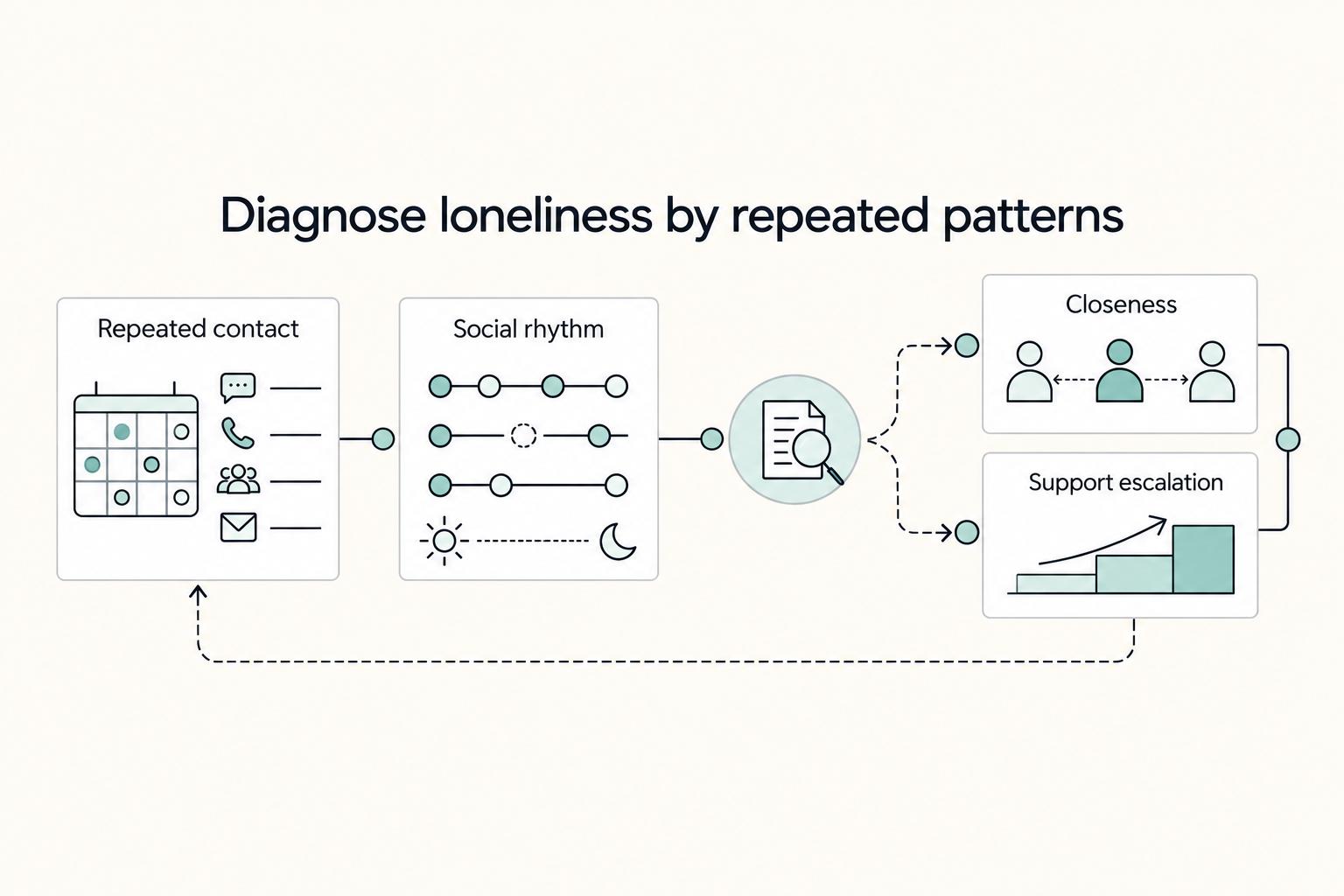
The Best Ways to Overcome Loneliness as a Digital Nomad
If you run a business of one while moving city to city, treat connection as an operating issue, not a personality verdict. You do not need to become louder, more social, or permanently available. You need a repeatable way to move from unknown faces to familiar ones.
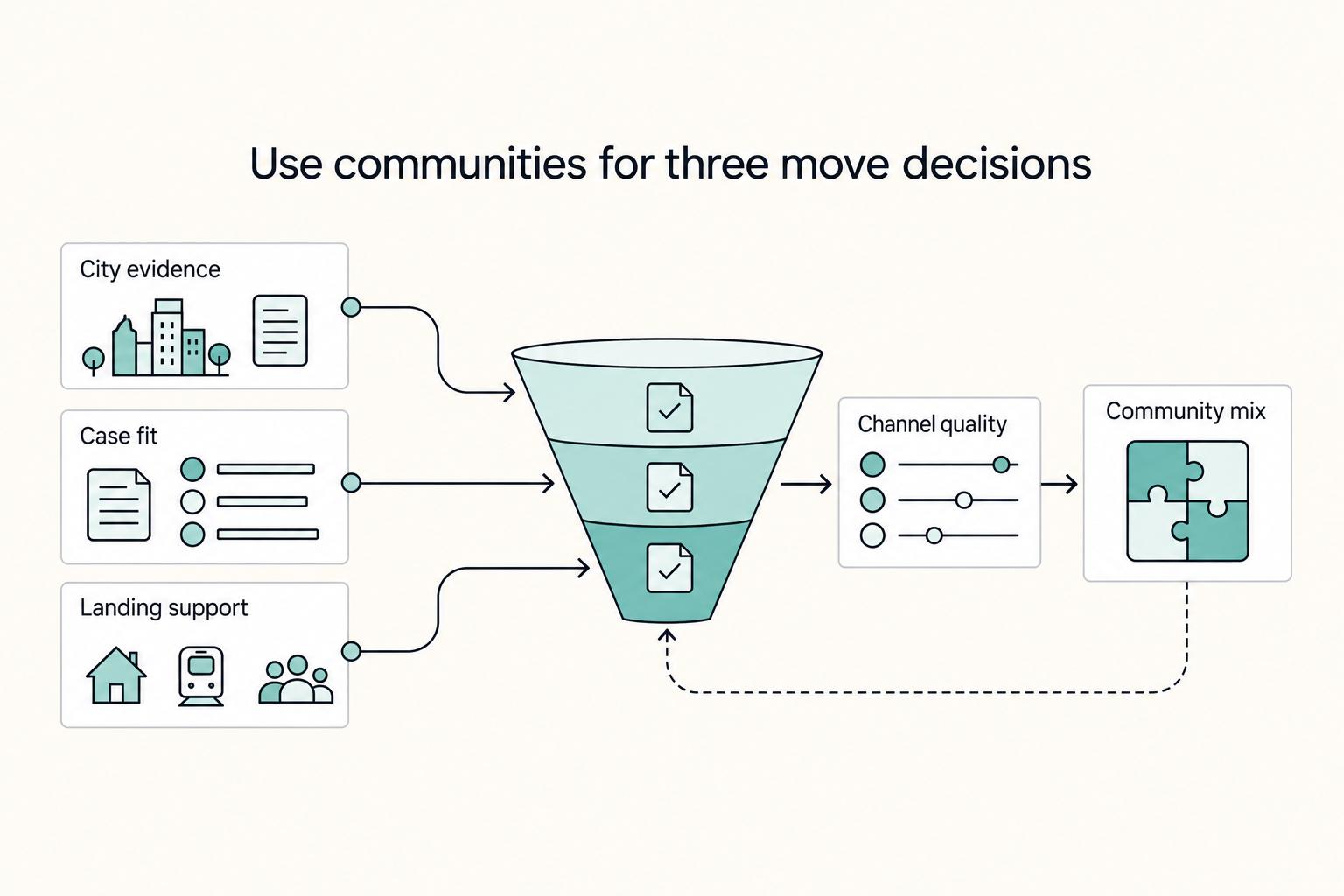
The Best Digital Nomad Communities to Join
If your move date is real, use communities to answer three decisions in order: which city stays on your list, whether your case actually fits, and whether your landing week is covered. Judge every channel by outcomes, not activity. If it does not give you evidence you can use, stop giving it time.
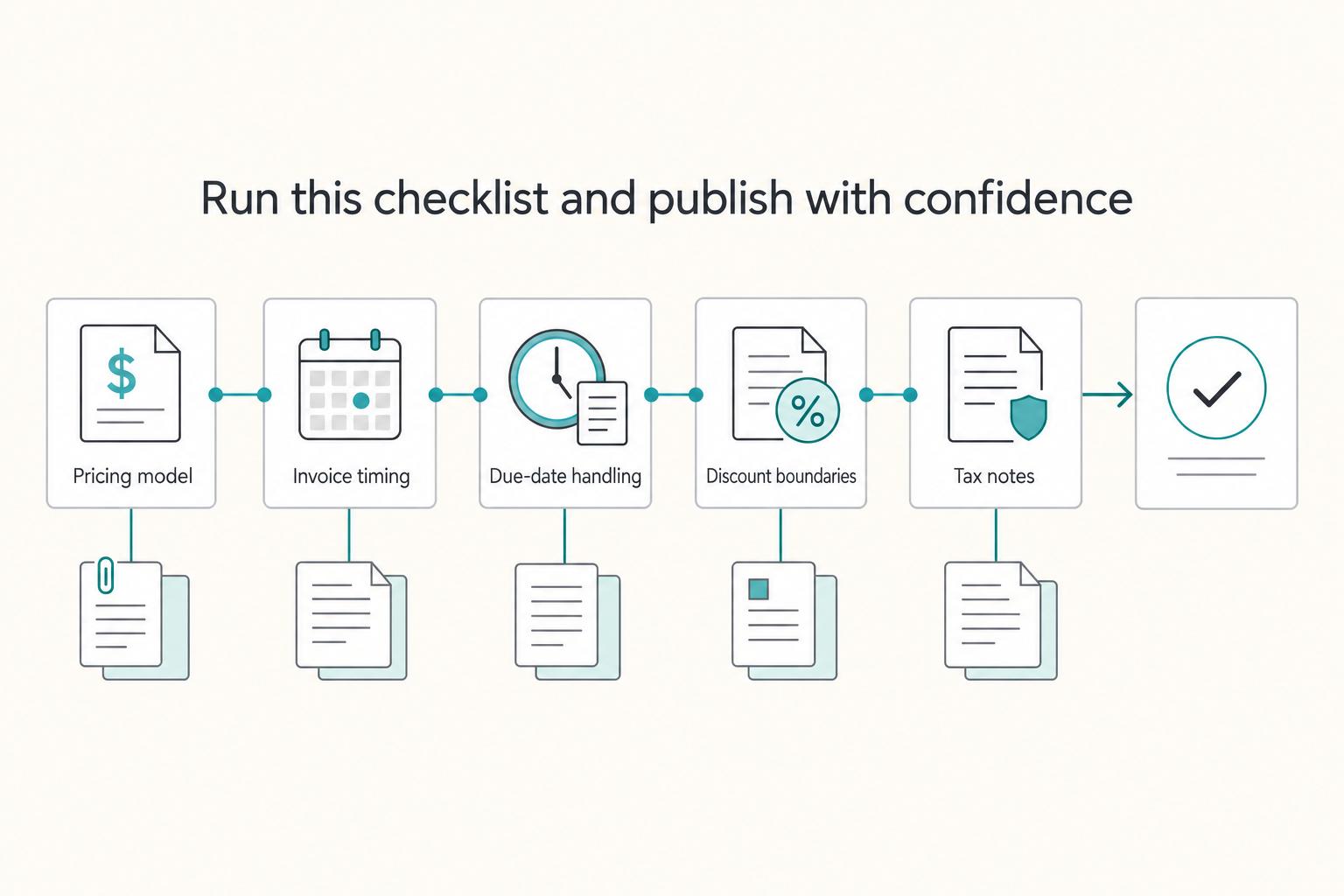
Build a Freelance FAQ Page That Pre-Qualifies Clients
Your freelance FAQ page should be where you and your clients go to make decisions, not a polished filler page. You want one place for answers; otherwise you end up digging through folders, emails, and calendars every time a lead asks a familiar question.