
Quick Answer
Start with one baseline and one verification path. For global data privacy laws, use GDPR controls for consent, rights handling, and incident discipline, then confirm each country trigger through regulator links such as the Global Privacy Law and DPA Directory before launch. Keep a short include/exclude memo per engagement, and do not collect personal data until scope is confirmed. This gives small cross-border teams a workable way to move fast without guessing.
Why Cross-Border Privacy Rules Matter for Freelancers#
Privacy misses on small international teams usually come from sequencing, not ignorance. You can know GDPR well and still make the wrong first move when the client sits in one country, users are in another, and the data path runs through a third. The practical fix is simple: decide in a repeatable order, then keep a short record of why each call was made.
Use one anchor throughout: treat GDPR as baseline language, not the only rulebook. Its reach can extend beyond Europe when you process personal data tied to people in the EU or EEA, even if your company is elsewhere. It also gives you a strong starting control base, including withdrawable consent, breach notification duties, impact assessment expectations, and role-based accountability such as a DPO where relevant. That makes it a good foundation, but not a complete answer.
From there, the work splits into a manageable pattern for a small team:
- Standardize once: onboarding intake questions, consent and withdrawal handling, retention notes, access-request handling, and a basic incident log.
- Localize by jurisdiction: country-specific legal triggers, regulator contact details, and any added notice or reporting duties.
- Verify before launch: confirm both the law text and the relevant DPA page for each country in scope.
- Record the decision trail: keep a short memo showing why each law was included or excluded.
That memo does not need to be long. It just needs to show the reasoning, the source checked, and who made the call. The goal is not to predict every issue before work starts. It is to separate what you can reuse across clients from what you must check country by country, so your team is not rebuilding the whole process every time a new engagement opens.
Two reference sets make that easier to manage. Data Protection Laws of the World gives a broad map across more than 160 jurisdictions, which helps during early scoping. The Global Privacy Law and DPA Directory indexes legislation and regulator links for over 200 countries, which is more useful for final checks right before onboarding goes live. One helps you narrow the field. The other helps you confirm it right before you act.
One red flag should stop progress: collecting personal data before you have confirmed which jurisdiction rules apply. That usually creates rework on notices, retention, and incident handling, and it is harder to defend later if a client or regulator asks how decisions were made. If country scope is unclear, pause intake, verify the DPA path first, then move forward.
By the end, you should have concrete checkpoints for onboarding, routine data handling, and incident response that a small team can maintain without turning privacy into a full-time job. For a broader privacy read, see How to Teach Your Kids About Online Privacy. If you want a direct next step, Browse Gruv tools.
Start with the global privacy reality, not a GDPR-only mindset#
If your work crosses borders, privacy is a scoping decision at kickoff, not just a GDPR exercise.
That matters because the risk appears before a policy is drafted. It starts when intake forms collect personal data, when a vendor account is opened in another country, or when support and storage get split across regions without anyone pausing to ask which rules now apply. The earlier you make the scope call, the less cleanup you need later.
UN Trade and Development captures the bigger picture well: as social and economic activity shifts online, privacy and data protection become increasingly critical, and governments, businesses, and individuals should prioritize strong data protection measures. For a small team, that is not abstract policy language. It is how the work actually runs. Set your privacy assumptions before intake, delivery, or vendor setup starts spreading data across countries.
GDPR is still a strong baseline for structure and language. It was adopted by the European Union in 2018 and is designed to give individuals more control over personal data while imposing strict obligations on organizations. Use it as your starting lens, then verify jurisdiction-specific obligations wherever your client, users, or processing footprint is involved. A GDPR-shaped process is helpful because it gives you disciplined defaults. It is not the same thing as a finished country review.
Before kickoff, run this checkpoint:
- List three locations for each engagement: client entity, user base, and where data is stored or processed.
- Mark GDPR as your baseline reference.
- Create a short jurisdiction note for each location with an include or exclude decision and brief reasoning.
- If scope is unclear, pause intake until you verify applicable obligations.
That note is more than a scratchpad. It becomes the file you can point to later when someone asks why a notice, consent flow, or incident step was handled a certain way. It also forces a good habit early: separate assumptions from verified scope.
Understand what GDPR gives you and where it stops#
GDPR is a useful baseline, but only if you keep the evidence clean.
The point is straightforward: this guide does not support GDPR privacy claims on its own. It covers EU VAT administration, including OSS, VAT Cross-border Rulings, and SME VAT procedures. Those sources can guide tax setup, invoicing flow, and VAT process decisions. They cannot establish privacy duties, and treating them as if they do is where teams get into trouble.
Keep a strict split so the language stays accurate:
Tax evidence: use these sources for invoicing flow, VAT routing, and VAT process decisions.Privacy evidence: use privacy law and regulator sources for consent, incident handling, and other personal-data obligations.- Do not approve "GDPR-ready" wording until privacy evidence is present for each relevant jurisdiction.
- Keep a short memo of what each source confirms and what it does not confirm.
This is a common failure mode because VAT pages often look more concrete. They contain exact numbers and timelines, so teams copy that specificity into privacy sections without noticing the shift. Values like EUR 10,000, EUR 100,000, and 35 working days are VAT-specific. They should not be repurposed as privacy thresholds, privacy timelines, or proof that a privacy requirement exists.
In practice, the mistake is rarely malicious. Usually, one person is handling tax, operations, and privacy at the same time and wants one tidy answer. But a tidy answer built on the wrong source is still the wrong answer. Keeping tax and privacy separate protects your notices, your contracts, and your internal review notes from drifting into unsupported claims.
The practical conclusion is simple: tax sources support tax decisions, and privacy claims need privacy-specific grounding. Once you make that separation, it becomes much easier to sort which laws deserve attention first in a real client engagement.
Prioritize the laws that apply first in each client engagement#
Do not draft notices first. Draft the jurisdiction map first.
That one sequencing choice does a lot of work. It keeps a one-region engagement narrow when it really is narrow, and it stops a cross-border engagement from being under-scoped because someone copied the last template and assumed it would be close enough. Until you know which countries matter, you do not know which promises belong in notices, forms, or contracts.
Triage each engagement by client location, end-user location, and processing location. Use that map to test which privacy laws may apply instead of reusing the last project's template. A single-market client with local users and local processing can usually be reviewed more narrowly. A distributed audience or a service stack spread across countries needs country-level checks early, before you finalize anything public or contractual.
| Engagement shape | First triage move | Verify before drafting controls |
|---|---|---|
| One-region client and audience | Confirm local scope first, then check for cross-border spillover from vendors or subcontractors | Whether support, storage, or processing happens outside that region |
| Multi-country audience or operations | Build a country-by-country applicability list first | Which jurisdictions are triggered by user location, service delivery, and processor footprint |
The table is intentionally simple. At kickoff, you are not trying to solve every edge case. You are trying to answer a narrower operational question: can this engagement stay narrow, or do you need country-by-country review before you promise anything in a notice, onboarding form, or contract? That is the decision that sets the pace.
If jurisdiction is unclear, verify against primary regulator pages directly. Do not use VAT administration sources to decide privacy scope. Terms like Member State of identification, MSEST, EX number, OSS registration, and CBR process rules are useful for VAT routing, not for including or excluding privacy laws. They belong in your tax notes, not in your privacy scoping file.
Keep one checkpoint record per engagement:
included_law: law name plus trigger fact, such as user location, client entity location, or processing locationexcluded_law: why it was ruled out and what would reopen reviewverification_source: regulator page used and date checkedowner_decision: approver and revalidation timing
That record does two jobs. It shows your reasoning when someone reviews the file later, and it gives the team a trigger for reopening the question if the facts change. A law that is out of scope today may come back into scope if the user base expands, a processor changes, or support moves to a new location.
Red flag: if your notes still say "GDPR only" while users or processing span multiple countries, stop rollout and finish the jurisdiction check before finalizing notices or contract language.
Once that map is stable, the next move is to build the part of your privacy setup that should not change much from country to country.
Build a baseline control set you can reuse across countries#
A reusable baseline is what keeps cross-border privacy manageable.
Without one, every client turns into a fresh build, consistency disappears, and the evidence trail gets thin. With one, your team can move quickly without improvising the same answers over and over. The baseline should survive a new client, a new vendor, or a new handoff without being rebuilt from scratch.
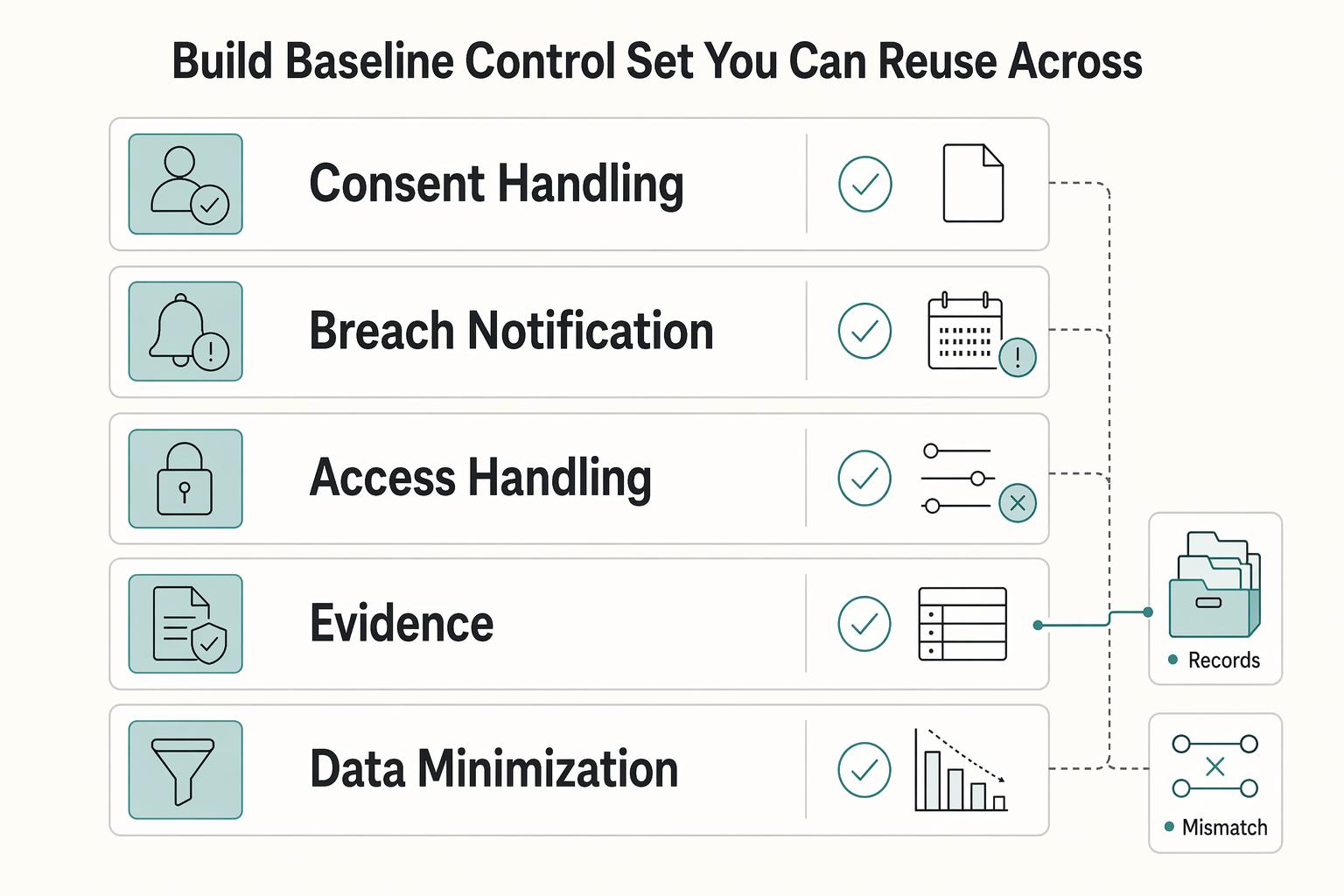
Start with core controls you can apply everywhere:
- Consent handling
- Breach notification process
- Access handling
- Records management
- Data minimization: collect only what is adequate, relevant, and necessary for the intended purpose
Those controls cover most of the daily questions small teams actually face: what you collect, how you explain it, how people act on their data, and what you do when something goes wrong. They also create a stable operating floor. When a client asks how requests are handled or how an incident gets escalated, you are not inventing the answer on the call.
Use a lightweight DPIA trigger as an internal gate. If processing is high-impact or sensitive, pause, document risk, and record mitigations before go-live. Keep this as an internal consistency rule, not a universal legal threshold. The point is not to imitate a large-company process. It is to force a deliberate pause when the default checklist is no longer enough.
Define ownership early. If you are not appointing a formal DPO, assign a named privacy owner and a clear escalation path, then keep those decisions visible in the client file. Titles matter less than accountability. What matters is that someone is responsible for the decision, the record trail, and the pause when extra review is needed.
A common failure mode is collecting extra personal data without a clear purpose or retention rationale, then scrambling during audits or incidents. In practice, once unnecessary fields make it into a form or spreadsheet, they tend to stay because removing them later feels riskier than leaving them alone. Build the baseline to prevent that drift, then add local changes only where the evidence supports them. That keeps the default simple and makes every exception easier to justify.
Add country-specific requirements without breaking operations#
Country overlays should be narrow and testable.
The fastest way to break operations is to pile speculative requirements onto your baseline and treat them as settled. That turns a usable privacy setup into a patchwork of guesses, half-verified clauses, and controls no one can explain. The goal of an overlay is not to make the baseline bigger. It is to record only what truly changes by jurisdiction.
Keep one overlay table for GDPR, CCPA, PIPEDA, LGPD, and PIPL, and treat it as a working record until verification is complete.
| Law | Change from baseline | Data localization laws flag | DPA-facing obligation check | Status |
|---|---|---|---|---|
| GDPR | Add only confirmed obligations | Required check | Assigned | Pending or active |
| CCPA | Add only confirmed obligations | Required check | Assigned | Pending or active |
| PIPEDA | Add only confirmed obligations | Required check | Assigned | Pending or active |
| LGPD | Add only confirmed obligations | Required check | Assigned | Pending or active |
| PIPL | Add only confirmed obligations | Required check | Assigned | Pending or active |
Do not move a row to active until it includes the jurisdiction, the exact requested change, the evidence location, the reviewer, and the review date. Keep a visible last-updated marker so stale entries are easy to spot. A table without ownership or dates looks organized, but it does not tell you whether the entry can be trusted.
This is what separates a useful overlay from a wish list. A useful overlay tells you exactly what changed and why. A wish list keeps growing until someone copies unverified language into a policy, a contract, or an onboarding form. That is usually where operational breakage starts, because the rest of the team assumes anything written down must already be approved.
For refresh cadence, rely on sources that show clear update markers and revisit overlays on a fixed schedule. If resources are limited, start with your top revenue jurisdictions, then expand quarterly. That keeps review tied to business exposure instead of trying to boil the ocean. If a project is active while its row is still pending verification, pause launch until that check is complete. For related storage decisions, see A Guide to Data Localization Laws for Global Freelancers.
Once the overlay is verified, the next move is to turn those decisions into client terms and evidence your team can actually use.
Turn privacy rules into contract terms and onboarding evidence#
Contracts should reflect verified privacy choices, not aspirational language.
Hold that standard from the first draft onward. Treat contract terms and onboarding evidence as a single go-live gate for international work. If they do not match, pause launch. A good contract clause with no supporting file behind it is still weak. A strong internal note that never made it into client terms leaves the client-facing record incomplete.
Convert confirmed obligations into plain client-facing terms for:
- Consent handling
- Incident notice expectations
- Subprocessor use
- Cross-border handling
Only include obligations that are already confirmed in your country overlay. If an item is still pending verification, keep it out of binding contract text and mark it for review instead of guessing. When a client asks why a clause is there, you should be able to point to the overlay row and the supporting note without reconstructing the analysis from memory.
With the signed agreement, store an onboarding evidence pack that includes:
- A short law-applicability memo for why each law is in or out of scope
- DPIA notes when relevant
- A named privacy contact path, whether that is a responsible owner or a DPO if one is appointed
- Verification links from Data Protection Laws of the World
Keep the pack short enough to review quickly, but complete enough that another teammate can understand the reasoning without starting the research over. If the person who built the file is out for a week, someone else should still be able to see what was checked, what was left out, and who owns the next decision.
Decision rule: no new international client goes live until the privacy checklist and evidence pack are complete, dated, owned, and stored in the client record. If EU personal data may be involved, run an extra pre-launch verification pass because GDPR can apply even without a physical presence in Europe.
That same file becomes valuable during an incident, because it tells you which laws were considered and who owns the next decision. Your onboarding discipline directly affects your response discipline later.
Prepare incident handling before you need it#
Incident response is where weak preparation shows up fast.
| Incident element | Article detail |
|---|---|
| One intake path | Timestamped logging |
| Role ownership | Response, client communication, review, and final sign-off |
| Incident record | Stores decisions, approvals, and corrective actions with owner and due date |
| Legal-check handoff | References the existing law-applicability checklist without assuming jurisdiction-specific notification duties unless separately verified |
If ownership is vague, the incident file is scattered, or legal-notification questions get invented in the middle of an event, the first hours disappear into confusion. Set the operating model before launch: pre-assign owners, keep one retrievable record, and avoid making legal-notification calls ad hoc during an event. The first hours should go to containment and documentation, not ownership disputes.
Make sure your process does four things: route every issue through one intake path, assign clear owners for response and communication, keep one record of decisions and corrective actions, and hand legal review back to the law-applicability checklist instead of guessing under pressure.
That last point matters. Your incident file should point back to the laws already reviewed, not invent obligations in the moment. That is why the earlier sections matter so much. If the applicability memo is missing or vague, the team will try to answer scope questions at the worst possible time.
Run two short tabletop drills on this structure, one EU-facing and one non-EU-facing account, to expose gaps in handoffs and approvals while the stakes are low. The point of the drill is not theater. It is to catch the practical issues that slow real response, such as missing owner names, unclear client communication paths, or incomplete records. Keep the record discipline as rigorous as the practices you already use in EU VAT work, where guidance emphasizes registration flow plus record-keeping and audit readiness.
Preparedness here is mostly about retrieval and clarity. Can your team find the right file, see who owns the call, and document what happened without rebuilding the history in the moment? If the answer is yes, the process is doing its job.
Conclusion#
The closeout decision is simple: standardize first, then localize with intent.
Use GDPR language as your baseline, but treat it as a starting point, not a universal pass. What keeps execution reliable is a consistent core, country-by-country checks where needed, and a record of why each decision was made. That is the thread through the whole article: scope first, verify next, then turn those decisions into controls, contracts, and incident handling that your team can actually maintain.
You do not need a massive privacy program to work across borders. You need a defensible order of operations. Keep the baseline tight: data minimization, clear transparency language, rights handling, and breach-response ownership. GDPR has shaped global privacy standards since 2018, so it remains a useful reference point even outside the EU. The gap to avoid is assuming a GDPR-ready setup automatically satisfies CCPA, LGPD, or other local obligations. The small-team advantage is speed, but speed only helps when you answer the same questions in the same order every time.
Use this month to complete a short checklist and store proof as you go:
- Pick your top revenue jurisdictions and confirm which laws apply to client location, user location, and processing location.
- Build baseline controls once, then create an overlay table for what changes by country.
- Create one repeatable evidence pack per new client: applicability note, policy version, consent handling method, rights-request log, and breach contact owner.
- Run one breach-response drill and record timestamps for detect, classify, notify decision, and corrective action.
That evidence pack is not paperwork for its own sake. It keeps routine compliance practical instead of theoretical. If you cannot show why a law was included or excluded, due diligence and regulator questions are harder to answer. Another avoidable failure mode is collecting more personal data than needed, then discovering during an incident that retention logic and notification triggers were never documented.
As cross-border data flows and payments expand, tie privacy checks directly to onboarding, payout setup, and audit-trail reviews. If a new country is added for payouts, require the law overlay update before go-live. If services touch localization-sensitive data, plan for added process requirements early, then phase by revenue priority. For teams expanding quickly, pair this with A Guide to Data Localization Laws for Global Freelancers.
Frequently Asked Questions
How many countries currently have national data privacy laws?
There is no single fixed number you can treat as permanent. Laws and amendments change over time, so treat any count as a point-in-time reference and recheck before client onboarding. For practical decisions, what matters more is whether the specific countries in your client and user footprint have active rules.
Is GDPR the global standard or just one major benchmark?
General Data Protection Regulation (GDPR) is a major benchmark, not a universal substitute for every jurisdiction. It applies to companies processing personal data of people residing in the European Union (EU). It can also reach non-EU businesses when they offer goods or services to EU citizens. Use it as a strong baseline, then layer country-specific checks.
What is the minimum privacy setup for a freelancer working with international clients?
Start with controls you can run consistently: a clear privacy policy, consent collection for non-essential cookies, and a process for access, correction, and deletion requests. Keep ownership clear and maintain basic records of when requests are received and resolved.
How do I decide which privacy law applies first to my business?
Start by mapping three facts: where your clients are, where end users are located, and where personal data is processed. If EU residents are involved, test GDPR scope first. If you serve US states with opt-out signal requirements, include Global Privacy Control handling early, since as of January 1, 2026, twelve state comprehensive privacy laws require recognition by covered entities.
Do small teams need a formal Data Protection Officer?
Not always. This section does not support a blanket rule that every small team must appoint a formal DPO. In practice, set clear accountability and review whether your activities trigger additional role requirements.
What is the difference between a privacy law directory and an actual compliance plan?
A directory helps you identify which laws and regulators may apply. A compliance plan turns that into day-to-day execution: notices, consent controls, rights handling, ownership, logs, and review checkpoints. In short, the directory tells you where to look, and the plan shows how you operate.
Try a related tool
Researched and edited by the Gruv editorial team. Gruv builds cross-border billing, payouts, and finance-operations software for global businesses.
Sources
Includes 2 external sources outside the trusted-domain allowlist.
- oercs.berkeley.edu/privacy/selected-privacy-policies-and-regula...trusted
- sec.gov/Archives/edgar/data/1861795/0000950170250290...trusted
- sme-vat-rules.ec.europa.eu/sme-scheme/cross-border-sme-scheme_entrusted
- cycoresecure.com/blogs/global-data-privacy-laws-country-by-co...external
- getterms.io/blog/global-data-privacy-laws-by-countryexternal
Educational content only. Not legal, tax, or financial advice.
Related Posts

Data Localization Laws for Global Freelancers Before You Sign
You can work within **data localization laws** without stalling a cross-border deal, but only if you scope data location before price and timelines are set. For freelancers, the goal is simple: make assumptions explicit, tie them to contract language, and update them when facts change.
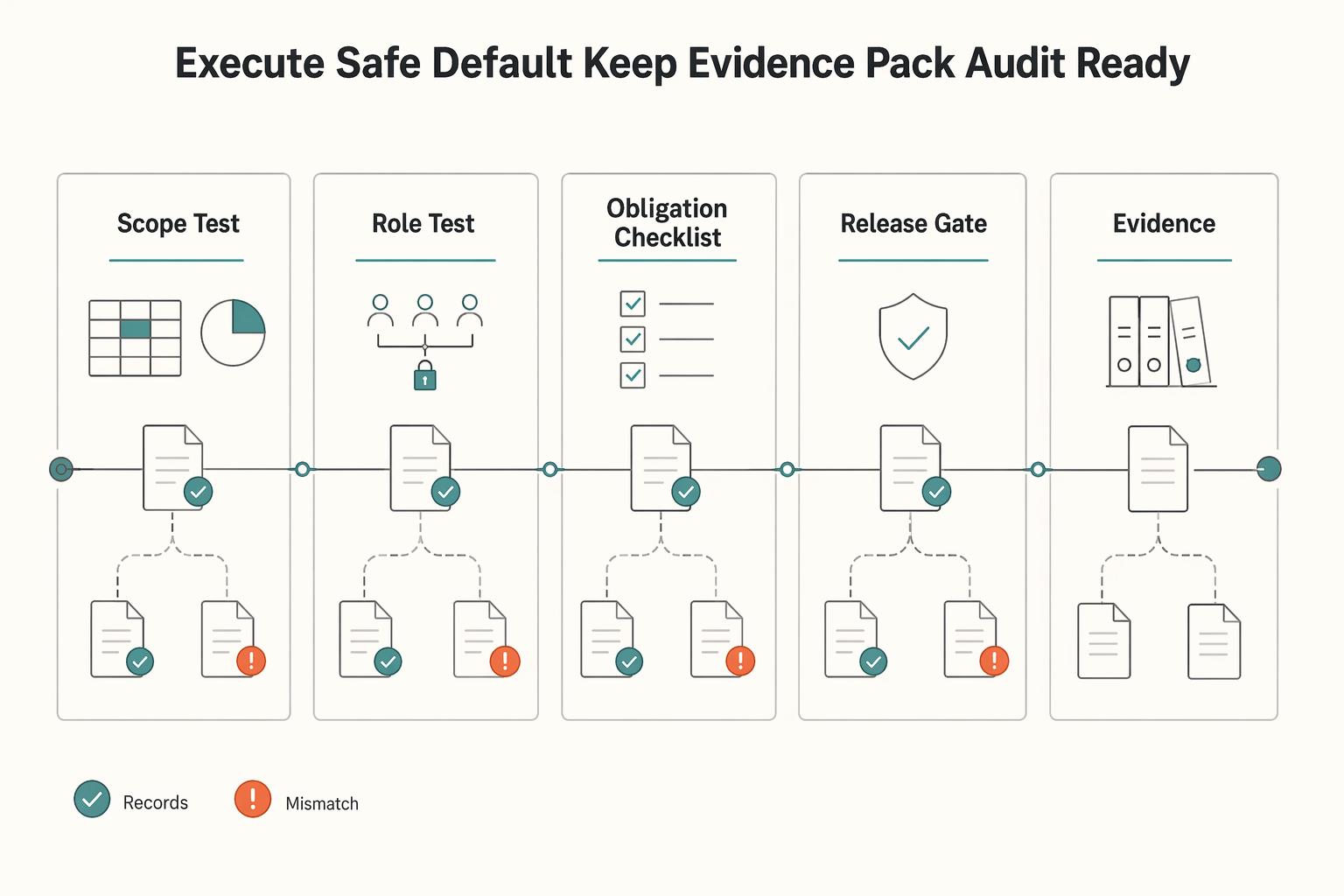
A Guide to GDPR Compliance for SaaS Businesses
**Use GDPR for SaaS businesses as an operating playbook that protects trust and gives you defensible legal decisions before onboarding.**
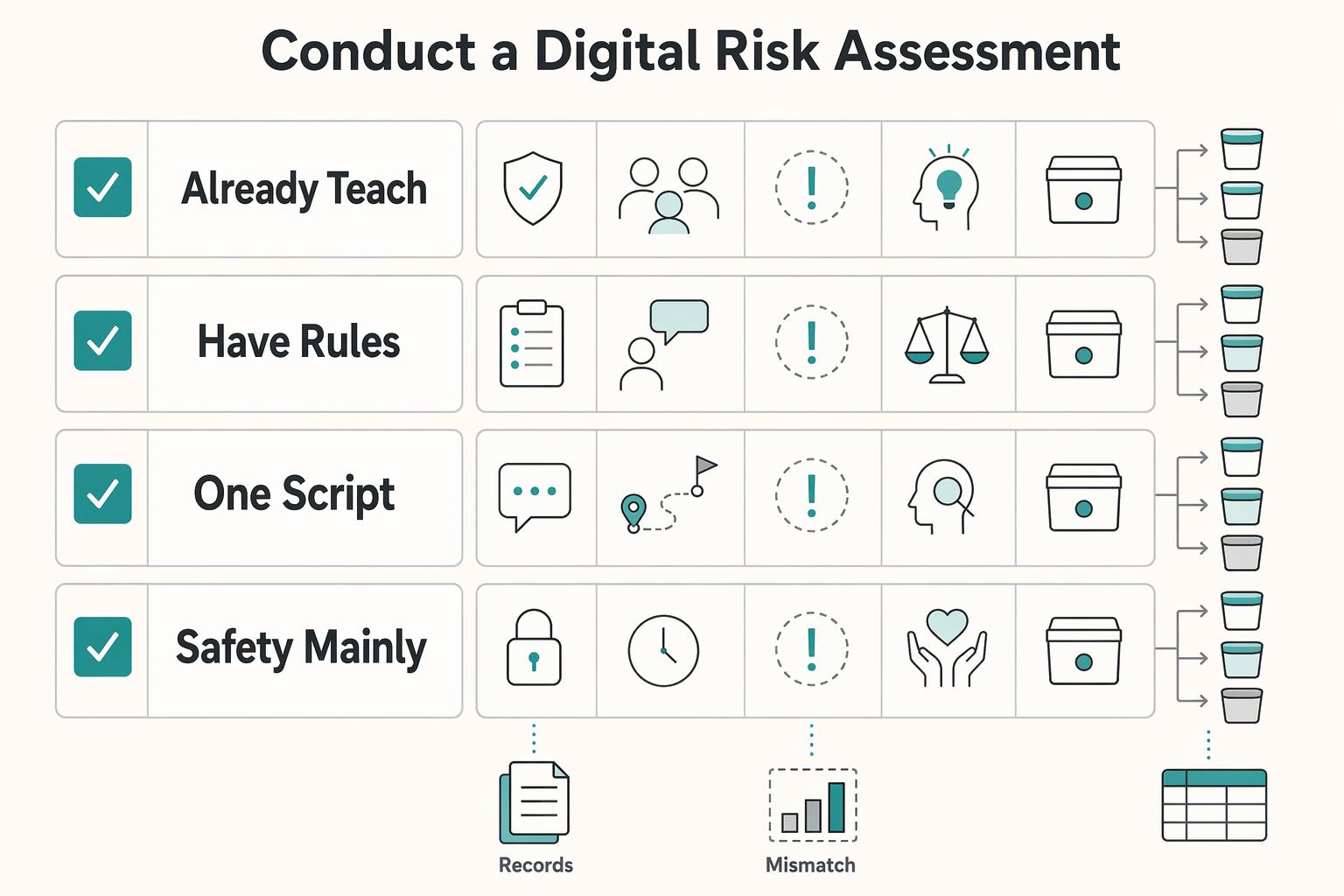
How to Teach Your Kids About Online Privacy
If you want to teach kids about online privacy well, treat your child's digital identity as something you actively manage, not just something parental controls can lock down. Controls still matter, but they mainly help with immediate device and app boundaries. Long-term privacy risk is different. It involves data collection, persistent identifiers, profiling, and a digital record that can affect identity and reputation long after a screen-time limit ends.