

Quick Answer
Dealing with freelance burnout starts with fixing your operating system, not pushing harder. Use a practical sequence: diagnose warning signals, run a 7-day triage and load reset, install intake and capacity rules, and review monthly for drift. This approach protects delivery quality, preserves recovery time, and reduces relapse risk while helping you communicate clear timelines to clients.
You are not broken you are running a broken operating system#
If you are dealing with freelance burnout, you need a better system, not another motivation speech. Over the next 7 days, you can run a practical reset to decide what to stop, what to protect, and what to review regularly. The goal is momentum you can sustain, even when energy is low.
| Layer | What it covers |
|---|---|
| Market pressure | Demand swings, client urgency, and budget shifts you cannot control |
| Business system | Intake rules, workload limits, communication standards, and calendar boundaries |
| Operating model | How you respond when pressure spikes, including recovery time and decision rules |
You chose independence for control. But Hustle Culture rewards constant availability, and unpredictable client demand pushes you into reactive decisions. That mix drives burnout and stress. You overcommit during busy stretches, then overcorrect during slow stretches, and your work-life balance erodes quietly. You are not failing. Your current system is.
Use that three-layer lens so you stop personalizing structural pressure: market pressure, business system, and operating model.
Picture a common moment: a client requests a rush change late in the day while a new inquiry lands in your inbox. A broken setup says yes twice and steals from sleep. A durable setup checks capacity first, protects delivery quality, and offers the next realistic window.
Here is the flow for the rest of this guide: diagnose, triage, stabilize, then reduce the odds of slipping back with repeatable checklists and review loops. You will get safe defaults and practical scripts so you can handle burnout like an operator.
This is professional operations guidance, not medical diagnosis or treatment for mental health conditions. If your symptoms feel severe or persistent, engage licensed clinical support in parallel while you apply this workflow. For boundary design, How to Create a Work-Life Balance as a Freelancer is a strong companion.
Build the mental model before you change your schedule#
Treat freelance burnout as a capacity system failure, then fix the system before you edit your calendar. You already stopped treating burnout like a character flaw. Now you need a model that turns that mindset into daily decisions. Without a model, calendar tweaks can feel good for a week and then collapse under pressure.
Start with clear definitions, as a working model, not a clinical one. Freelance burnout can look like a recurring capacity failure where demand, recovery, and decision quality drift out of balance over time. Feast-or-Famine Cycles are workload swings that can fuel burnout. Work-Life Balance is a design outcome you build through boundaries, capacity rules, and client acceptance criteria.
Treat flexibility as a mixed condition, not automatic relief. Work-from-home well-being is often framed as a double-edged sword. Some freelancers report waking up exhausted even after eight hours of sleep, where ordinary rest still does not restore energy. Persistent fatigue like that can be a sign you need to look at the system, not just your motivation.
Use a decision map before every commitment#
| Map element | Question to ask | Risk signal | Corrective action |
|---|---|---|---|
| Trigger | What changed this week | Rush requests, vague scope, inbox spikes | Pause intake until scope and timing are clear |
| Symptom | What is my operating signal | Irritability, low focus, quality slips | Protect recovery and remove nonessential tasks |
| Business risk | What fails next if I continue | Missed deadlines, weak client updates, rework | Renegotiate timeline and narrow deliverables |
| Corrective action | What rule applies now | Reactive yes decisions | Apply one boundary rule and review it soon |
Separate stories from operating policy. Stories can help you recognize what burnout feels like. Use them for recognition, not policy. Personal narratives explain one person's path, while your business needs repeatable rules.
Example: you receive an urgent add-on request during a full delivery week. Instead of saying yes on emotion, you run the map, flag quality risk, and offer the next available slot with scoped deliverables. That one move protects self-care, work quality, and client trust.
If you want a boundary blueprint, use How to Create a Work-Life Balance as a Freelancer.
Why do freelancers burn out even with flexible schedules?#
Freelancers can burn out with flexible schedules when they run on availability instead of guardrails. You have the mental model. Now apply it to the pressure points so burnout stops feeling random and starts looking more predictable.
Flexibility is real. You can often work from anywhere and set your own hours. But flexibility alone does not remove freelance stress, and freelancers can still feel significant pressure. Hustle Culture can train you to treat constant output as progress, so hidden overwork can look like discipline. Over time, it can get harder to recover and maintain your usual decision-making, and burnout can build in the background.
Flexibility creates risk when you skip operating rules#
| What you tell yourself | What happens next | Rule that protects capacity |
|---|---|---|
| I can work anytime | Work can expand into evenings and recovery can shrink | Set a hard daily stop and protect a recovery block |
| One more project helps cash flow | You can stack commitments and spread yourself thin | Cap active projects and use a waitlist |
| I will catch up this weekend | Admin and delivery tasks can spill into personal time | Batch admin into fixed windows |
| I only need better motivation | You can ignore a system failure and repeat the cycle | Review your workload policy regularly |
Feast-or-famine cycles can make this worse. During busy periods, you might accept extra work. During quiet periods, inconsistent earnings can create pressure, so you may accept weak-fit work out of fear. Each decision seems small. Together, they can overload your schedule and erode work-life balance.
Use stories for awareness and policies for decisions. Anecdotes can help you feel less alone. Keep them in the awareness bucket, not the decision bucket. Your business needs rules for intake, scope, and recovery.
Scenario: a current client asks for urgent revisions while a new lead requests a fast kickoff. Without rules, you say yes twice and cut self-care. With rules, you protect the current deadline, offer the lead the next available start date, and keep quality stable.
If your billable hours look reasonable but you still feel strained, check the hidden load: non-billable work like client messaging, invoicing, revisions, and context switching. Then run this weekly checklist:
- Enforce one acceptance rule before new work enters.
- Protect one non-negotiable recovery block.
- Limit admin to a fixed window.
- Decline or defer any request that breaks your capacity rule.
What does early burnout look like and when should you act?#
Early freelance burnout often shows up as a noticeable pattern shift from your normal baseline, and it is worth acting on quickly. The goal is to catch warning signs early so you can respond before things snowball into more serious health problems.
Early burnout will not look identical for every freelancer. A string of repeated yes decisions can leave you spread thin long before a dramatic crash. Build your baseline, watch for drift, and intervene early. Keep this as operations guidance, not a medical diagnosis.
Run a practical warning scan each week#
Use a quick, consistent check-in to spot changes early. Keep it simple and compare it to your normal baseline:
| Check | Question to ask |
|---|---|
| Pattern drift | Are you noticing the same "off" signals repeating, even if they are subtle? |
| Overcommitment creep | Have small yes decisions stacked up to the point you feel stretched thin? |
| Work fit | Is the work feeling increasingly unsatisfying or over-demanding in a way that is hard to recover from? |
| Recovery reality | Are you giving yourself enough space to reset, or are you running hot without a real downshift? |
If the same off signals keep repeating, small yeses are stacking up, the work fit is worsening, or you are never really downshifting, treat that as drift rather than a rough day.
When your scan says, "This is trending the wrong way," treat that as your cue to act quickly. Pause new commitments, reduce demand where you can, and adjust your plan before the situation hardens into a longer recovery problem.
Pair personal signals with operational reality. Burnout is personal, but you will often feel it in how manageable your work becomes. If your week is getting harder to execute reliably, that is a practical sign to renegotiate scope, simplify what is on your plate, and protect recovery time.
What should you do in the next 7 days if you are already burned out?#
Run a 7-day stabilization sprint that protects delivery, cuts overload, and supports recovery before you accept any new work. If you are noticing warning signs like irritability, concentration problems, and a productivity drop, turn that signal into a one-week operating plan you can execute under pressure, with clear actions for burnout, stress, and client communication.
| Template part | What to include |
|---|---|
| Status line | Confirm current priorities and what remains on track. |
| Capacity update | State that you are at current delivery capacity this week. |
| Timeline adjustment | Propose the next realistic date for noncritical items. |
| Quality commitment | Explain that the change protects quality and reliability. |
| Next checkpoint | Set one concrete follow-up time. |
This is not about perfect habits. It is about reducing risk fast. In week one, protect output quality, stop capacity leaks, and rebuild boundaries, especially if you have been routinely working evenings and weekends, so burnout does not keep compounding through reactive yes decisions.
Follow this 7-day reset in order#
| Days | Focus | Non-negotiable actions | Outcome to target |
|---|---|---|---|
| Day 1-2 | Triage | Freeze new commitments, renegotiate noncritical deadlines, pause nonessential admin, and protect one recovery block daily. | Stabilize delivery risk and stop new overload. |
| Day 3-4 | Load reset | Apply acceptance rules to every new request, remove low-margin tasks, and defer work that worsens feast-or-famine patterns. | Reduce cognitive load and regain control of scope. |
| Day 5-7 | Boundary reset | Rebuild your calendar with protected deep work, fixed admin windows, and explicit recovery time to support work-life balance. | Create a schedule you can sustain next week. |
Scenario: you receive two urgent requests while you already feel stretched. Instead of squeezing both in, you apply your Day 1-2 rule, pause new intake, keep one committed delivery clean, and offer the next available slot. You protect quality, self-care, and trust at the same time.
Publish a one-page client communication template. Keep it to the same five parts above so triage stays professional, not emotional.
This is not medical advice. If symptoms feel severe or persist, run this operational plan and speak to a licensed clinician in parallel. For boundary architecture after this week, see How to Create a Work-Life Balance as a Freelancer.
Rebuild your business of one so burnout does not keep returning#
Build a simple system that limits intake and records decisions so burnout is less likely to quietly rebuild. You are moving from emergency actions to default rules. You are not chasing perfect discipline. You are installing controls that protect your time and energy under normal business pressure.
Install workload rules that block overcommitment#
Write a one-page workload policy and check it before every yes or no. Hustle Culture can create constant pressure to keep grinding, and repeated "one more project" decisions can recreate the same loop.
| Control | Default rule | Why it protects you |
|---|---|---|
| Entry gates | Accept work only if it fits your scope, timeline reality, and current energy. | You stop reactive intake before it becomes overload. |
| Max active projects | Set a personal cap, then queue or decline once you hit it. | You prevent hidden multitasking and quality drift. |
| Pause conditions | Pause new intake when delivery slips, focus drops, or client comms degrade. | You notice the slide sooner, before it turns into missed commitments. |
Burnout can build gradually, and it can repeat if you only rest and then slide back into old habits. Scenario: a strong-fit client asks for an urgent add-on while your active queue is full. You use your policy, hold scope, offer the next slot, and protect self-care without damaging trust.
Build basic admin traceability into weekly operations. Keep billing and approvals simple enough that you can follow them even when you are tired.
- Keep invoicing consistent and easy to repeat.
- Track what is sent, what is approved, and what is paid, in whatever tool you actually use.
- Save the key threads: scope changes, approvals, and what you committed to deliver.
Tie everything to traceability. Require explicit approval for scope changes, keep a clean trail for invoices and payment records, and store everything in one consistent structure. Clear records cut surprise-driven stress because you can show what changed, who approved it, and what remains open.
How do you prevent relapse every month?#
Reduce relapse risk by running a monthly operating review, doing a periodic structural reset (quarterly if it fits), and using a hard stop-rule before every new commitment. You now have workload and money controls in place. Protect them with review loops. Recovery from burnout is not fast or linear, so recurring checkpoints help you catch drift early.
Burnout is often framed as chronic work-related stress that is not effectively managed over time. It is also commonly treated as a work phenomenon rather than a personal flaw. That framing matters because it keeps your focus on systems, not self-blame. Protecting your mental health often starts with process, clear boundaries, and consistent self-care blocks.
Run the monthly audit and quarterly reset#
Use one simple monthly review with four checks and clear actions.
| Check | What to review | Action when you see drift |
|---|---|---|
| Capacity drift | Active work versus realistic weekly output | Reduce intake, reschedule noncritical tasks, and protect delivery quality. |
| Boundary drift | Nights, weekends, and context switching frequency | Reapply calendar guardrails and restore work-life balance blocks. |
| Revenue concentration risk | How much income depends on one client | Prioritize pipeline work that reduces single-client exposure. |
| Recovery compliance | Whether recovery blocks actually happened | Treat missed recovery as an operational failure and replan next week. |
Then run a structural reset periodically, quarterly if it fits, on pricing, client mix, and backlog. Remove low-fit work that drives freelance stress. Update rates when scope keeps expanding. Clear stale backlog items that consume attention without moving revenue or quality forward.
If you feel stuck, separate writer's block from burnout. They are not interchangeable. Treating them as the same problem can slow recovery and increase stress.
Use a stop-rule before every new yes. During Feast-or-Famine Cycles, apply this checklist before you accept anything new:
- Does this work fit current capacity without breaking recovery blocks?
- Does it protect existing delivery commitments?
- Does it keep client concentration within your risk tolerance?
- Does scope stay clear enough to avoid hidden overtime?
- If any answer is no, queue it or decline it.
Scenario: a former client offers rush work during a slow month. You run the stop-rule, spot boundary risk, and offer a later start window. You preserve trust, protect output, and reduce the odds of burnout returning. If boundary drift keeps recurring, revisit How to Create a Work-Life Balance as a Freelancer.
Run the operating system and keep your business durable#
Use a checklist-driven system to spot risk, triage overload, and reduce the chance you slide back into burnout patterns. You have the frameworks, the scripts, and the review loops. Now turn them into an operating rhythm you can actually run.
Run the durability loop#
Most solo operators do not lack drive. They lack structure. When you rely on willpower, Hustle Culture and Feast-or-Famine Cycles pull you back into reactive decisions, rising freelance stress, and weaker work-life balance. A simple loop keeps decisions objective and protects both delivery quality and mental health.
| Cadence | What you check | What you do next |
|---|---|---|
| Weekly check-in (or weekly L10) | Energy, delivery risk, and backlog pressure | Remove one low-value task, protect one recovery block, and reset priorities. |
| Periodic ops audit (for example, monthly) | Capacity drift, boundary drift, revenue concentration, recovery follow-through | Tighten intake rules and rebalance workload before quality drops. |
| Bigger reset (for example, quarterly) | Pricing fit, client mix, and pipeline stability | Replace low-fit work and clean stale backlog to reduce hidden stress. |
| Before every new yes | Scope clarity, timing realism, and recovery impact | Queue or decline work that breaks your current operating limits. |
Clear boundaries and cleaner operations build professional confidence. You communicate sooner. You negotiate timelines with less emotion. You make fewer rushed choices. That lowers delivery risk and decision fatigue at the same time.
Scenario: you get a high-pressure inquiry during a slow patch. Instead of saying yes on impulse, you run the pre-yes checklist, spot a scope risk, and offer a scoped start date. You protect self-care and keep trust intact.
Take the next step today. Block some time now and complete your assessment using the checklists from this guide. If it helps, put a recurring review on your calendar so you actually use the system.
Review your payment and workflow stack for blind spots. If your setup spans different providers, markets, or programs, ask support to confirm coverage details before you rely on them. If you want to strengthen boundary design further, use How to Create a Work-Life Balance as a Freelancer.
Frequently Asked Questions
What does freelance burnout look like in the earliest stage?
Early freelance burnout often starts with a drop in motivation, then shows up as work feeling harder than it should and your output getting inconsistent. It does not look identical for everyone, so track your pattern instead of waiting for a perfect checklist match. If you also notice difficulty disconnecting, treat it as a signal to act sooner rather than later.
Why do freelancers burn out even when they control their schedule?
Control without guardrails can still produce overload. When you work independently, tasks can expand to fill all available time, and boundaries between work and life can blur until they nearly disappear. That is why Hustle Culture can feel productive in the moment but can be detrimental to your health and the quality of your work over time.
How do I break the burnout cycle without losing clients?
Stop making one-off heroic fixes and switch to a clear operating rule set. Freeze new commitments briefly, protect current delivery, and communicate realistic timelines with confidence. You cannot guarantee every client outcome, but clear boundaries often protect trust better than missed deadlines and reactive silence.
What should I do this week if I already feel burned out?
Run a short stabilization week: pause new intake, reduce low-value admin, and protect daily recovery time. Keep client updates simple, specific, and proactive so you reduce uncertainty on both sides. If symptoms feel severe or keep escalating, seek licensed clinical support in parallel.
How can I prevent burnout from returning next quarter?
Run a monthly audit for capacity drift, boundary drift, concentration risk, and recovery follow-through. Then run a quarterly reset on pricing, client mix, and backlog so old habits do not quietly return. This cadence helps because burnout can manifest differently for different people, and it is easy to slide back into the same patterns that caused it.
Which boundaries improve work quality fastest for solo freelancers?
Start with three controls: strict intake criteria, a cap on active projects, and hard recovery blocks on your calendar. Add a stop-rule before every new yes, especially when things get busy and you are tempted to take “just one more” project. If a project breaks existing delivery quality or self-care commitments, queue it or decline it.
Where do rules and financial workflows vary by country or program, and how do I verify them safely?
Payment timelines, payout visibility, tax handling, and platform controls can differ by provider, market, and program type. Verify each workflow directly in your provider documentation for your specific region, then confirm edge cases with official support or a qualified local advisor. Keep approvals and records organized so you can trace decisions and reduce surprise-driven stress.
Try a related tool
Researched and edited by the Gruv editorial team. Gruv builds cross-border billing, payouts, and finance-operations software for global businesses.
Sources
Includes 4 external sources outside the trusted-domain allowlist.
- pmc.ncbi.nlm.nih.gov/articles/PMC12333122trusted
- pmc.ncbi.nlm.nih.gov/articles/PMC12333122trusted
- repository.library.northeastern.edu/files/neu:m045rw28k/fulltext.pdftrusted
- imogenroy.com/blog/how-to-manage-burnout-entrepreneurs-fre...external
- instagram.com/reel/DU0jFgIAmgqexternal
- katboogaard.com/manage-freelance-burnoutexternal
- katboogaard.com/manage-freelance-burnoutexternal
Educational content only. Not legal, tax, or financial advice.
Related Posts

Freelance Work-Life Balance That Holds Up in Real Weeks
Freelance work-life balance breaks down when boundaries stay implied instead of written. Once that happens, your week gets rebuilt one message at a time, delivery becomes less stable, stress goes up, and you spend more energy renegotiating expectations than doing focused work.
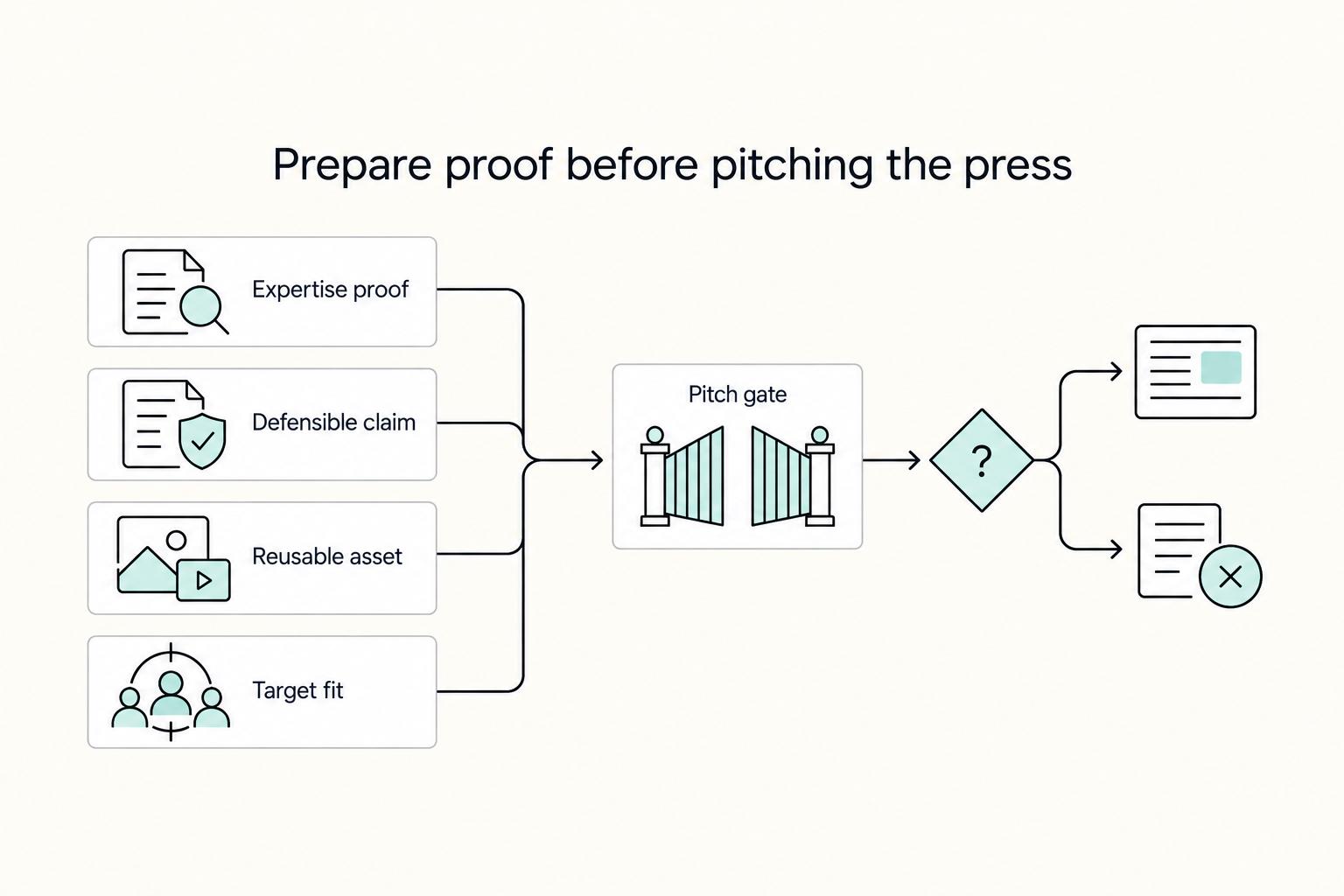
How to Get Featured in the Press as a Freelance Expert
Treat press outreach as a repeatable earned media channel, not a lottery ticket. The goal is to be quoted, mentioned, or featured because your expertise fits a real story, not to expect instant placement in outlets like Forbes or TechCrunch.

The Freelance Payment Penalty: A Modeled Audit of Platform Fees, FX Spreads, and Payout Delays
The money rarely disappears through a single, easy-to-spot fee. The real loss is stacked. A marketplace takes its commission, a processor adds a charge for international cards, a bank or payment company converts the currency at a spread, a platform holds the funds before release, and a wire sheds a little to intermediaries on the way in. Each layer looks defensible on its own, but the worker feels the combined result as a smaller deposit and a later payday.