

Quick Answer
Freelancers should consider E&O coverage when clients rely on their advice, reports, designs, code, or deliverables and a dispute could allege financial loss. Decide by matching your actual services and contract requirements to the policy wording, not the product label or certificate. Buy now when a contract, procurement request, or proof request makes coverage a start-work condition.
Start Here Before You Buy Any Policy#
Set explicit checkpoints in your risk worksheet: day 30 intake review, day 60 contract review, day 90 claim-readiness review, and a 12-month renewal review.
Use price placeholders in your annual coverage worksheet so decisions stay comparable (for example, $1,000, $2,500, and $5,000 premium scenarios plus deductible options).
Before finalizing execution decisions, validate current wording against the Insurance Information Institute overview, the Travelers professional liability explainer, and the Insureon E&O FAQ for small businesses.
Treat this as a risk-transfer decision, not a quote hunt. Before you ask for prices, decide what you actually deliver, how clients use it, and what financial dispute could follow if the work is challenged.
Use a grounding check first. The evidence available for this section is a Q3 2024 Global InsurTech report by Gallagher Re, Gallagher, and CB Insights. It covers investment activity, not freelancer policy fit. Even a concrete market signal in that report, like 77 deals in Q3'24, does not tell you whether a specific policy matches your work.
So start with wording, not labels. If you see terms like E&O, professional liability, professional services, or general liability, ask where each term appears in the policy wording or quote documents and review that text directly.
| Decision point | Write this down now | Verify this in quote/policy docs |
|---|---|---|
| Service scope | The exact services and deliverables you sell | Whether the wording aligns with that scope |
| Client reliance | How clients act on your work product | Whether coverage language tracks that reliance |
| Financial-harm scenario | One realistic money-loss dispute scenario | Whether definitions, conditions, or exclusions conflict with it |
Do not infer a universal "buy now vs delay" rule from this guidance. Timing is case-specific; validate against actual policy wording before making a decision.
Build a small decision pack before comparing options, focused on the facts and questions specific to your work. Treat this as your working checklist, then match policies to wording instead of buying by label.
Define E&O Early So the Rest of the Decisions Make Sense#
Define the claim type first, then read policy wording for that claim type before you compare premiums. For an E&O quote review, focus on allegations tied to your services, advice, analysis, or deliverables and possible client financial harm, then verify that scope in the actual documents.
Do not treat the quote label as proof of fit. Use the policy wording, not branding terms alone, to decide whether the coverage matches your work.
Use this working filter:
- If the dispute is about your advice, report, or deliverable causing financial loss, keep it in your E&O-focused review.
- If the dispute involves physical injury, property damage, or a data incident, treat it as a separate review point and verify the relevant wording directly.
- If equipment failure leads to a failed project and client dissatisfaction, treat that as a risk signal, then confirm which policy wording actually applies.
| Your scenario | Likely allegation direction | What to verify in policy wording |
|---|---|---|
| You provide work in creative, IT, or consulting services | Your work or judgment caused financial loss | How your professional services or advice are described |
| You deliver reports, code, designs, or similar work product | Client alleges damages from errors or deficiencies | Whether your real deliverables fit the defined scope |
| A client contract includes insurance clauses | Coverage must align with contract expectations | Which contract-linked insurance requirements you must satisfy |
| Equipment failure contributes to a failed project | Client alleges project harm tied to delivery failure | Whether this failure mode is addressed in the wording |
Read every quote in the same order#
Keep the sequence fixed so price does not distract you too early:
- Insuring agreement: What is the insurer actually promising to cover?
- Definitions: How are your services, claim, or loss defined?
- Exclusions: Which dispute types are carved out?
- Conditions: What must you do if a problem appears?
If you cannot answer those four questions from the quote or form, pause and get clarification before comparing premiums.
Use a go/no-go screen before premium comparison#
Before you compare price, screen terms that can materially change whether a policy is usable for your work. Treat unclear wording as a no-go until it is resolved.
- Claims-made wording: Is there clear language on when a claim must be made or reported?
- Retroactive date: Is a date shown, and is it clear what earlier work may fall outside it?
- Defense-cost treatment: Does the wording explain how defense costs interact with limits?
- Consent to settle: Does the wording explain how settlement consent works?
- Key exclusions: Can you identify exclusions most relevant to your services?
Keep a one-page comparison note for each option. Minimum fields: insurer and product name, insured legal business name, your stated service description, quote date, insuring agreement summary, definitions checked, exclusions flagged, claims-made wording location, retroactive-date field, defense-cost note, consent-to-settle note, client contract insurance clauses to satisfy, open broker questions, and any jurisdiction-specific requirements that still need verification. Insurance requirements are not universal, so confirm local rules rather than assuming one standard applies everywhere.
Decide Whether You Need Coverage Now or Can Delay Briefly#
Make the timing call early, but treat this as an internal triage workflow, not a legal or regulatory rule. Leave any insurance-specific trigger unresolved until the source, jurisdiction, role, and verification date are recorded.
Review these documents together before deciding:
- Draft contract or SOW
- Any client insurance or procurement request
- Current quote or policy summary
Run a fast buy-now screen#
Use this screen as a provisional decision aid. If any row is a clear "yes," you can treat the timing as buy now internally, pending verified compliance review.
| Trigger to check | What to verify in your file | Provisional timing call |
|---|---|---|
| Contract references insurance | Contract, SOW, or vendor packet asks for professional liability, E&O, or proof before work starts | consider buy now |
| Client asks for proof | Client requests a certificate, insurance summary, or policy details during procurement or redlines | consider buy now |
| Client reliance appears high | Your advice, report, design, analysis, or recommendations are part of client decision-making | consider buy now |
| Financial-harm exposure appears plausible | A dispute could be framed around loss tied to your work quality, timing, or completeness | consider buy now |
| No clear trigger is present | No contract language, no proof request, limited reliance pattern in scope | short delay with checkpoint |
Record compliance checks as unresolved until verified#
Keep compliance verification separate from commentary. In your file, leave the jurisdiction and role requirement unresolved until you have checked the relevant regulator or licensing board, saved the source URL, recorded the date, and logged the result.
Treat commentary as background only. Record the regulator, licensing board, source page, and verification date only after confirmation; until then, keep the requirement marked as pending rather than treating commentary as compliance guidance.
Classify the engagement, then assign action#
Use these classes as internal planning labels only; they do not establish jurisdiction, role, or insurance requirements.
| Engagement class | Scope and reliance pattern | Action state (internal) |
|---|---|---|
| Narrow execution task | Limited output with low ongoing judgment reliance | short delay with checkpoint |
| Advice-linked project | Recommendations, analysis, review, or approvals the client relies on | buy now |
| Ongoing retainer | Repeated advisory work and recurring decision support | buy now |
| Mixed or unclear scope | Written scope and actual expectations do not match | escalate for review |
If you delay, make it bounded and owned#
If you delay, keep it short and assign clear ownership.
- Owner: who re-checks timing and requests binding
- Checkpoint event: next proposal, redlined contract return, procurement request, or kickoff scheduling
- Required documents: latest SOW, contract draft, client request, quote summary, open broker questions
- Bind authority: who can approve and submit the bind request
Do not treat COI-only assumptions as policy-term rules. Keep requested terms marked as unverified until you confirm them directly in the policy documents.
For a step-by-step walkthrough, see E&O Insurance for Management Consultants Who Need Contract-Ready Coverage.
Know What E&O Usually Responds To and Where It Stops#
At this point, the practical question is what this policy type is built to handle and where the wording can stop it. Do not treat the policy label as the coverage decision. For an E&O policy, treat the policy wording as the decision point and verify what it says about allegations, payments, and limits.
At a baseline, E&O, or professional liability, is designed for client allegations tied to negligence, errors, omissions, or inadequate work. It is commonly structured to address defense costs, settlements, and judgments up to policy limits. That still does not mean every client demand, allegation, or payment request fits automatically.
Read the policy in claim order#
Read the policy the same way a claim would unfold.
Start with the core coverage wording: what kind of client allegation the policy may respond to.
Then check how the policy describes the work and loss types it may respond to. If your real work and the policy wording do not match cleanly, treat that as a live coverage question.
Next review other limiting terms in the policy text. Flag uncertain wording as an open issue instead of assuming yes or no.
Finish with any policy instructions for handling a claim. Even when you believe your work met professional standards, legal defense can still be expensive, so early, documented notice discipline matters.
Triage matrix: allegation, risk, and wording to verify#
| Allegation you received | Likely coverage lane | Common review risk | Exact policy text to verify |
|---|---|---|---|
| "Your advice or work was negligent and caused financial loss." | Core E&O allegation lane | Assuming the policy label alone decides response | Coverage wording for negligence allegations; policy limits wording |
| "Your deliverable had errors, omissions, or was inadequate." | Common E&O allegation lane | Assuming every requested payment is covered automatically | Coverage wording for errors, omissions, or inadequate work; policy limits wording |
| "We spent money fixing this and want reimbursement." | Possible E&O review issue; fact-sensitive | Requested payment may not match what the policy says it pays | Payment-response wording; policy limits wording |
| "You met the standard, but we are still making a claim." | Still a live allegation and notice situation | Delaying action because you believe you are not at fault | Wording on allegation response, defense costs, and policy limits |
If the allegation is tied to your professional work and claimed financial harm, treat it as a live coverage question early.
Timing and notice workflow#
Handle timing and notice as an operating task, not a memory task.
- Pull the full policy set
Save the full policy documents and updates together. Record the policy period and any notice instructions stated in the policy.
- Map allegation to policy wording
Copy exact language from the complaint or demand and compare it to the policy wording that describes covered allegations.
- Follow notice instructions exactly
Capture required recipient, method, and required contents from the policy text. Save submission and delivery proof.
- Build an evidence-first file
Save complaint or demand, contract, SOWs, deliverables, revision history, timeline, invoices, and relevant communications. Use dates and documents, not assumptions.
One-page coverage note template (for live disputes)#
Create this same-day operating note:
- Policy period
- Allegation summary: one neutral sentence
- Wording check: exact policy wording that may support or weaken response
- Policy limits note: whether wording states defense, settlements, and judgments are paid up to limits
- Open wording questions: items to verify, not conclusions
- Notice path: recipient, method, date sent, proof saved
- Open items: follow-ups that still need verification
The practical standard is simple: identify the exact wording that supports or weakens response, and preserve notice and evidence immediately.
Set Policy Limits and Deductible Logic From Real Contract Risk#
Once you know the policy lane, set coverage decisions from the deal in front of you, not from habit. When a client asks for proof of insurance, treat it as a real go/no-go checkpoint. They are confirming risk transfer and looking for a financial firewall if work goes wrong.
Use this operating rule: if you cannot clearly explain how your current coverage addresses this deal, pause kickoff until you can.
Verify the terms that actually change your decision#
Do not rely on a summary. Pull the key policy and contract documents and capture the exact wording for these points:
| Point to verify | What to record | Why this changes your decision |
|---|---|---|
| Proof-of-insurance request | What evidence the client asked for and when they need it | It is a concrete pre-work checkpoint |
| Risk-transfer intent | Contract language showing the client is shifting financial exposure | It clarifies why insurance is contract-critical |
| Downside if assurance is missing | Where liability could land if coverage cannot be shown | Without that assurance, liability can fall back on the client |
Keep this as a one-page note pulled from actual documents, not from a quote sheet.
Compare the contract to the policy you actually have#
A proof-of-insurance request confirms contract pressure, but it does not confirm fit by itself.
| Contract requirement | Modeled downside | Assurance status | Resulting action |
|---|---|---|---|
| Proof request is clear and your coverage evidence is ready | Lower uncertainty about who carries financial fallout | Verified | Accept after final verification |
| Proof request is clear but your evidence or terms are still unclear | Unresolved exposure concern for the client | Unclear | Renegotiate or clarify before kickoff |
| Proof request is active and you cannot provide credible assurance | Liability concern can shift back to the client, and trust drops | Unverified | Decline scope unless contract or coverage is fixed |
Use explicit if/then triggers, not gut feel#
Make the decision with explicit triggers, not intuition.
| If | Then |
|---|---|
| The client requests proof of insurance before work starts | Treat it as a contractability gate and reconcile contract and proof in one file |
| You cannot provide clear proof for the scoped work | Pause kickoff until the gap is resolved |
| Contract language increases risk transfer to you | Re-check whether your current coverage still fits before kickoff |
| Scope changes after the initial proof request | Re-validate fit before accepting the updated scope |
| The risk-transfer concern remains unresolved | Renegotiate terms or walk away |
Keep a one-page risk memo before kickoff#
Before kickoff, keep a short memo that shows the deal, the policy, and the proof all line up.
- Client proof-of-insurance request and deadline
- Exact legal entity names for both parties, matched across contract and insurance documents
- Contract language that signals risk transfer
- Current proof of insurance/COI you can provide before work starts
- Final pre-kickoff check that contract details and proof details are consistent
- Clear go/no-go decision owner and date
If these items do not line up, you have not fully addressed the client's risk-transfer concern, and trust can break before the work even begins.
Related reading: A Cybersecurity Consultant's Guide to Professional Indemnity Insurance.
Separate E&O From General Liability and Cyber So You Do Not Buy Blind#
Before you send proof or assume a policy will respond, sort the harm correctly. Classify the harm first, then choose the first policy to review. If the complaint is that your paid advice, expertise, or services caused financial loss, start with professional liability (often called E&O). If the event is bodily injury or physical property damage, start with general liability. If data or system access may be involved, treat routing as policy-specific and confirm written terms before you assume coverage.
This matters because these policies are built for different harm types. Professional liability is tied to intangible professional-services risk, while general liability is tied to tangible physical-risk events.
| Event type | First policy to review | Common misread | Exact policy wording to confirm |
|---|---|---|---|
| Client says your advice, design, code, recommendation, or deliverable caused financial loss | Professional liability / E&O | "Any lawsuit tied to my work should fall under general liability" | Definition of professional services and whether your paid services fit that wording |
| Someone is injured, or client property is physically damaged | General liability | "My E&O should respond because my work was involved" | Whether the claim is framed as bodily injury or property damage in the general liability policy |
| Data, systems, credentials, or client information may be compromised | Policy-specific review (cyber routing is not established in this source) | "My other policies automatically cover this" | The exact cyber/data wording in the policy documents you carry |
Read the policy wording that decides the lane#
Do not rely on a certificate or summary alone. Pull the full policy and compare its professional-services wording to your actual contract or SOW scope. If your client documents describe broader services than the policy definition, fix that mismatch before kickoff.
For cyber, a single routing rule is not defined here. Keep the decision grounded in written policy terms.
Use a practical mixed-incident triage rule#
Mixed incidents need extra care. A universal single-lane versus multi-lane rule across professional liability, general liability, and cyber is not established.
Your handoff logic should stay factual, not legal: record the harm types described in the notice or intake notes, then escalate policy interpretation using the written policy terms.
Keep your intake note factual, not argumentative#
Capture:
- What happened, in plain facts
- What appears harmed: financial outcome, bodily safety, physical property, data, or system access
- Which service, deliverable, platform, or client environment was involved
- Which initial coverage lane you opened first
Avoid early legal conclusions like "we were negligent" or "this is definitely covered." Claims can be filed even when you believe you did everything right, and defense costs can still be significant.
If coverage is bundled, confirm boundaries in writing before kickoff#
If your policy language appears bundled, confirm boundaries in writing before work starts. Then reconcile those terms with COI language and your client-facing insurance statements so expectations match actual coverage.
Build a Client-Ready Insurance Evidence Pack Before Kickoff#
Once your E&O policy is in place, make the proof package easy to review. Use one versioned packet before kickoff, and run a final check so what you send matches your current certificate details.
Your core proof is the E&O certificate of insurance. It verifies you have coverage, and clients or new business partners may ask for a copy. Keep its limit in mind: it is a one-page summary, not a legal document.
Build the packet around certificate proof#
Start with the certificate and keep the key proof points easy to find.
- current E&O certificate of insurance
- insured business identification and insurer identification
- policy number
- policy limits and deductible
- coverage effective date and expiration date
If any of these details are missing or inconsistent, pause and resolve that before sending.
Run a final check before sending#
Check the certificate fields first: insured business name, insurer identification, policy number, limits, deductible, and effective and expiration dates. Then confirm the copy you send reflects the current policy period.
| COI checkpoint | Verification action | Pause before sending if... |
|---|---|---|
| Insured business identification | Confirm the insured business matches your business details | The insured business is incorrect or unclear |
| Insurer identification | Confirm the insurer is clearly listed | Insurer details are missing |
| Policy number | Confirm the policy number is present and readable | Policy number is missing or inconsistent |
| Limits and deductible | Confirm limits and deductible are listed | Limits or deductible are missing |
| Effective and expiration dates | Confirm the coverage period dates are present and current | The certificate is expired or date fields are missing |
Keep version control visible#
A COI is useful proof, but it is still a summary rather than the full legal policy. Keep one folder, one naming pattern, and a visible revision log with version and date so stakeholders can tell which certificate is current. When certificate details change, resend the updated packet.
Put a one-page cover note first with: included documents, certificate version/date, and your update-request path so everyone works from the same insurance record.
Related: A Guide to Obtaining a Foreign Tax Identification Number (FTIN).
Tighten Contract Language to Reduce Negligence Disputes#
Insurance helps once a dispute starts, but pre-signature contract review still matters. Use your redline to make sure the duties you accept and the way disputes are handled stay aligned with your E&O policy terms.
Separate quality, acceptance, and outcome#
Keep a clear line between the services you provide and any business outcome the client wants. If terms blur that line, check whether the added duty still fits your policy's definition of professional services.
When language expands duties, treat that as an insurance checkpoint before signature.
Split responsibility where projects blur#
Where responsibilities are shared, clarify who does what and when insurer notice is required if a dispute starts. The goal is to avoid ad hoc client communications that can conflict with policy conditions.
If tension appears, prioritize insurer notice and follow communication controls instead of trying to resolve the issue directly first. Early insurer involvement can allow counsel appointment and managed communications.
Redline by engagement model#
Use the engagement model to decide which policy conditions to verify first.
| Engagement model | Priority policy checkpoint | What to confirm before signature | Dispute pathway it is meant to reduce |
|---|---|---|---|
| Fixed-scope project | Definition of professional services | The contracted services still fit the policy definition | Coverage friction over whether the disputed work is covered |
| Advisory retainer | Consent and non-admission clauses | How client communications and settlement steps must be handled | Coverage issues caused by admissions or informal concessions |
| Hybrid delivery with client dependencies | Notice timing and defense-cost treatment | When to notify and how defense costs are handled once triggered | Delayed notice or confusion about insurer-led defense response |
Make the insurance check a pre-signature gate#
Treat insurance alignment as mandatory before signature whenever duties expand.
Before accepting revised terms, re-check:
- the policy definition of professional services
- notice and reporting obligations
- defense-cost treatment
- consent requirements for settlement or key communications, including non-admission expectations
Do not rely only on policy limits. Procedural terms can determine whether coverage is usable in practice.
If a draft broadens your duties, pause and verify fit with your policy. Early notification and communication control matter when tension appears, so do not try to fix a dispute directly with the client before handling insurer notice requirements.
Before you finalize new client terms, run your scope and responsibility language through this freelance contract generator to help reduce ambiguity.
Handle a Claim in the First 72 Hours Without Making It Worse#
When a complaint arrives, the first job is control, not argument. Treat the first 72 hours as an internal containment window, not a legal deadline and not an admission that a valid claim exists. Your policy controls notice duties, and on claims-made-and-reported forms, timing can affect whether coverage is available.
Use this window to secure records, keep communications factual, and confirm the exact notice path. Business-claim guidance expects prompt notice, but the recipient, method, and timing are policy-specific. Some forms require written notice "immediately" and set an outside limit, for example sixty (60) calendar days after expiration, while some others may allow a short post-expiration reporting window, for example 30 to 60 days.
| Step | Exact action | Artifact to create | Red flag |
|---|---|---|---|
| Open intake | Save the complaint or demand exactly as received; log date, time, sender, and what was requested | Intake record with original complaint attached | Paraphrasing or rewriting the complaint before preserving the original |
| Preserve evidence | Preserve project files, emails, messages, drafts, approvals, and client data snapshots already in your possession | Evidence preservation log | Editing, deleting, or "cleaning up" records once a dispute is foreseeable |
| Control outbound communication | Coordinate external replies through one response owner and one draft holding response where appropriate | Coordinated holding-response draft | Multiple inconsistent replies or language that implies fault |
| Check notice path | Verify policy and broker reporting instructions before substantive response | Documented notice-path check, including contact, method, and timestamp | Assuming a certificate or renewal email is sufficient claim-reporting guidance |
Keep all communications facts-only. Filter every statement into what is confirmed in file, what is pending verification, and what should be removed because it is an unsupported conclusion. Before any admission, settlement discussion, or claim-related expense, check policy consent conditions.
Build your chronology from the contract and delivery record: engagement letter, SOW, approvals, review comments, and unresolved dependencies. If your timeline does not match scope, acceptance, and change history, you create a second dispute.
After notice is sent, run a short post-incident checklist: identify missing records, intake gaps, undocumented approvals, and contract language to tighten. This closes the loop and can reduce repeat disputes instead of only reacting to this one.
Review Coverage Annually and After Every Major Business Change#
A good initial decision will still drift out of date if your work changes. Do not renew on autopilot. Run a two-trigger review every time: a scheduled review at renewal, and a change-driven review whenever your services, contracts, or delivery model shift in a way that could change coverage fit.
This matters because most professional liability, or E&O, policies are claims-made, so timing and continuity matter when your work changes. Start with the policy wording, not the COI. A Certificate of Insurance is proof only, and coverage changes require a policy endorsement, rider, or amendment.
| Trigger | Policy wording fit check | Contract promise fit check | Stop/go action |
|---|---|---|---|
| New service delivery model (for example subcontractors, onsite work, implementation support) | Confirm professional services definition, exclusions, and reporting conditions still match the work | Confirm new duties, insurance requirements, and requests to add parties to coverage | If they conflict, treat it as a gap: a COI alone does not fix it, so align policy terms or contract terms before relying on coverage |
| New risk exposure type (for example advice tied to financial loss or handling client property/data) | Confirm limits, deductible, exclusions, and insured-activity fit | Confirm liability cap, indemnity, acceptance criteria, and insurance minimums | If the contract promise is broader than coverage, narrow the promise or update coverage |
| New public statements or legal-research-dependent content | Confirm wording still fits your public representations | Confirm marketing claims, warranties, and client-reliance language | If legal text is involved, verify against an official edition and record that verification step in the review file |
Use "major business change" as your internal label, not a legal one. Reopen review when you change how you deliver work, the type of loss a client could allege, what you publicly promise, or what outside sources, tools, or vendors your work depends on.
Close each review with a dated decision log that records what changed, what you verified in policy and contract, current gap status, open or resolved, and one named owner for follow-through. Then update your evidence pack, contract templates, and claim-intake workflow. If legal-research-dependent content was used, record the official-version check and date. FederalRegister.gov is not an official legal edition, and e-CFR timing notes belong in documentation, not memory.
If you're deciding when to put coverage in place, see Do Freelancers Need Business Insurance Before Client Onboarding?.
Make a Defensible Insurance Decision and Keep It Current#
The point of all this is not to buy a policy that looks right. It is to make a decision you can defend later with current documents, clear reasoning, and a dated verification check, not memory.
Use a three-way decision rule#
After you collect client requirements and policy documents, place the decision in one bucket.
Proceed now when signed client requirements align with your actual policy wording, your covered professional services match your work, exclusions do not remove your core exposure, and claims-made timing/reporting terms still fit your engagements. If a signed contract requires proof at a specific milestone, treat that as a trigger to act.
Pause for clarification when you are missing the full policy form, declarations or schedule, endorsements, or the exact signed insurance clause. Do not decide from summaries, prior-year assumptions, or a certificate alone. A Certificate of Insurance does not change coverage, and contract references on a certificate do not create coverage. Endorsements control policy changes.
Escalate to broker or insurance professional review when contract terms and policy terms conflict, or exclusions and reporting terms are unclear in your risk area. Escalate here too if retroactive date or Extended Reporting Period details are unclear. With claims-made coverage, timing matters for both when work occurred and when a claim is reported, so compare terms carefully before proceeding.
Keep only the records that prove the decision#
Keep the file lean, but keep the records that prove what you decided and why.
| Record | Why it belongs | What to verify |
|---|---|---|
| Signed client insurance requirements and clauses | Confirms what you were actually required to carry | Effective dates, requested coverage type, limits, and any additional rights requested |
| Policy form, declarations/schedule, and endorsements | Confirms what coverage actually says | Scope of covered services, exclusions, deductible, limits, reporting conditions, retroactive date |
| Broker or carrier written confirmations | Preserves clarification on unclear wording | Exact question, exact answer, date, and whether endorsement action is still required |
| Dated decision note | Preserves your rationale at the time of action | What you chose, why, open assumptions, and next recheck trigger |
The key check is still line by line: compare the signed client clause to the policy form and endorsements, not a summary. Also confirm how defense costs interact with limits, because some forms state the duty to defend ends when limits are exhausted.
Write a one-paragraph decision memo#
Use a short decision note in your file: state whether you chose to buy now, defer briefly, replace the policy, or increase the limit; name the services involved; cite any signed client requirement and date; note whether the current policy form and endorsements match the risk as written; and list any unresolved reporting, exclusion, endorsement, limits, deductible, retroactive-date, contract-wording, or policy-term questions to recheck before the next engagement.
Review this file at renewal and whenever services, client mix, contract terms, or required limits change.
Use this closeout check before signing:
- Does the contract require rights the policy or endorsement does not grant? Next step: revise terms.
- Does current policy wording clearly fit your services and reporting setup? Next step: proceed if yes, or re-verify before signing if unclear.
- Could one claim exhaust limits, including defense-cost impact? Next step: recheck limits with your broker before signing.
- Are you relying on a COI, summary, or verbal assurance instead of current policy wording? Next step: re-verify before signing.
Once your coverage decision is documented, use Gruv for freelancers to keep invoices, payouts, and records in one operational trail you can reference at renewal.
Frequently Asked Questions
Is E&O the same as professional liability?
Yes for label purposes, but you still need to verify the policy wording. Check the insuring agreement, the definition of professional services, exclusions, and conditions against your actual services and deliverables. If client financial-loss allegations are plausible, treat coverage as a live review before the next contract.
Does it usually cover defense costs?
It can, but it depends on the form and conditions. Check how the policy handles defense, whether it is claims-made or claims-made-and-reported, the reporting trigger and window, and whether the retroactive date fits your work history. If you are changing or stopping coverage, review any ERP or tail terms before the next contract.
Do strong contracts, general liability, or cyber make this unnecessary?
No. Strong contracts help, but they do not replace professional-liability coverage for professional-service allegations. General liability is for bodily injury, property damage, and similar claims, while cyber needs policy-specific review, so do not assume either one covers advice or work-product errors.
How should you think about limits and client proof requests?
Treat proof requests as a contract checkpoint, not just paperwork. Confirm the contract's insurance requirements and any requests for additional insured status or cancellation notice rights in the actual policy or endorsement before sending a certificate. A Certificate of Insurance is informational only and does not change coverage.
How do you verify legal or regulatory requirements without guessing?
Start with the actual regulator, licensing board, and client jurisdiction because requirements vary by state and profession. Save the page you relied on and the verification date in your evidence pack. If you work across jurisdictions or handle regulated customer financial data, verify whether 16 CFR Part 314 applies before the next contract.
Researched and edited by the Gruv editorial team. Gruv builds cross-border billing, payouts, and finance-operations software for global businesses.
Sources
Includes 3 external sources outside the trusted-domain allowlist.
- ftc.gov/system/files/ftc_gov/pdf/compendium-ftc-poli...trusted
- irs.gov/pub/irs-access/p2104_accessible.pdftrusted
- nycourts.gov/reporter/files/bv/49AD3d.pdftrusted
- sec.gov/Archives/edgar/data/1755281/0001193125190914...trusted
- uscode.house.gov/view.xhtml;jsessionid=42D1C86E94263217E398AE...trusted
- iii.org/article/professional-liability-insuranceexternal
- insureon.com/small-business-insurance/errors-omissions/faqexternal
- travelers.com/business-insurance/professional-liability-in...external
Educational content only. Not legal, tax, or financial advice.
Related Posts
Canada Digital Nomad Visa Planning for Visitor Status and Work Permits
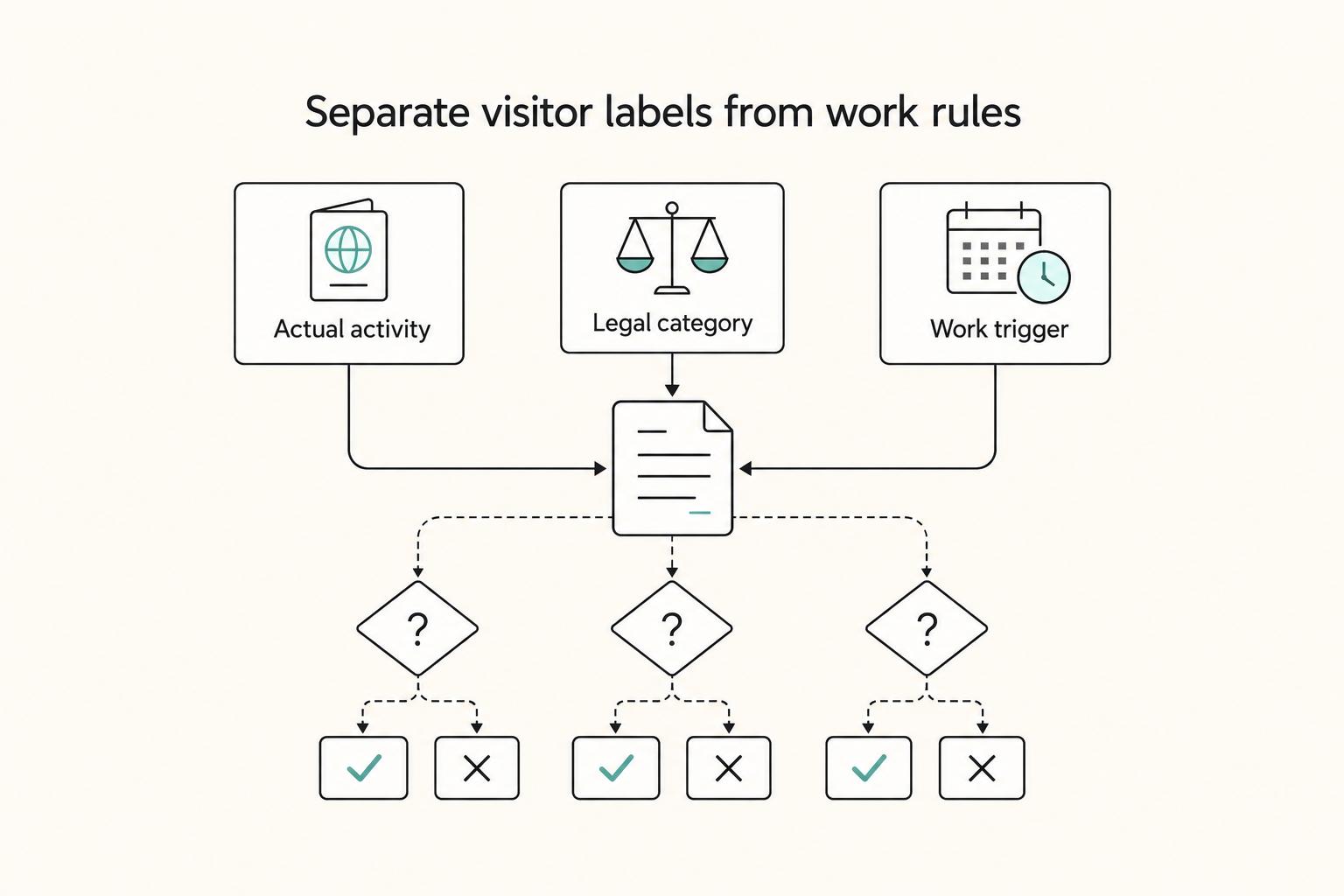
The phrase `canada digital nomad visa` is useful for search, but misleading if you treat it like a legal category. It is shorthand for existing Canadian status options, mainly visitor status and work permit rules, not a standalone visa stream with its own fixed process. That difference is not just technical. It changes how you should plan the trip, describe your purpose at entry, and organize your records before you leave.
How to Get a Foreign TIN Without W-8BEN Filing Mistakes
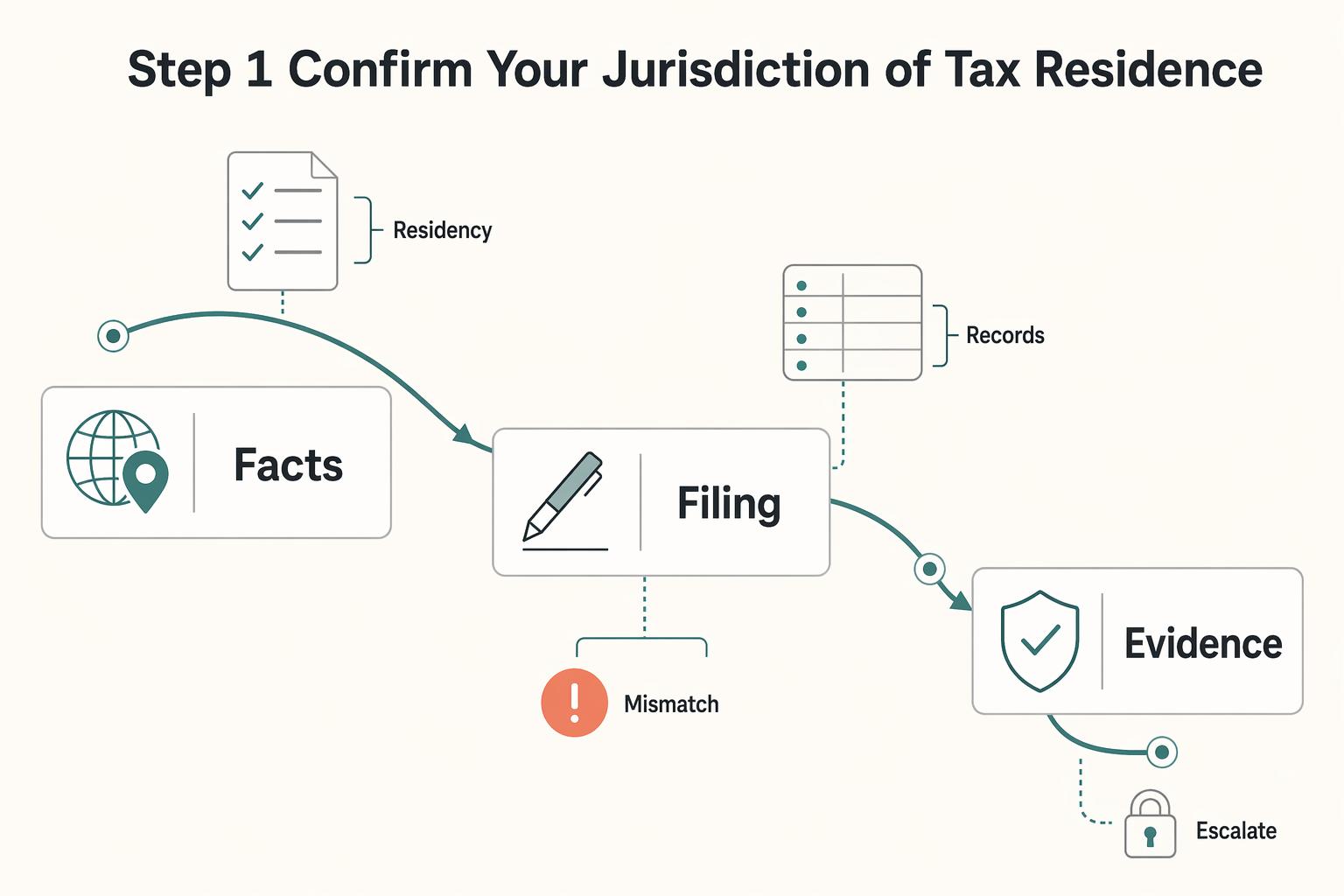
Start by identifying the exact number the form asks for, then match that request to the right ID type. A common avoidable mistake is treating different tax IDs as interchangeable. If a field label conflicts with what you expected, follow the label first and resolve the mismatch before you submit anything.

The Freelance Payment Penalty: A Modeled Audit of Platform Fees, FX Spreads, and Payout Delays
The money rarely disappears through a single, easy-to-spot fee. The real loss is stacked. A marketplace takes its commission, a processor adds a charge for international cards, a bank or payment company converts the currency at a spread, a platform holds the funds before release, and a wire sheds a little to intermediaries on the way in. Each layer looks defensible on its own, but the worker feels the combined result as a smaller deposit and a later payday.