
Quick Answer
Yes. Under the convenience of the employer rule, New York can treat telecommuting wages as NY-sourced even with zero in-state workdays, so check IT-203 status before filing. Reconcile your state-day log with current pay statements and treat active NY withholding as a same-quarter issue, not a cleanup task. If your file cannot show necessity-versus-convenience with dated records, default to a conservative position and escalate early.
Start Here if You Work Remotely for an Out-of-State Client#
Take cross-state tax exposure seriously, even if your work is fully remote. This is not about finding a loophole. It is about tightening your records before filing pressure starts.
Cross-state rules are not uniform. Withholding may follow physical work location, residence, or reciprocity agreements that limit withholding to one state. Reciprocity is narrow, and temporary-presence rules vary, including day-count triggers such as 14 or 30 days and combined triggers such as 12 days and $3,000.
Use this pre-check before you make any filing call:
- Build a state-day log now, not in March. Track workdays and travel days by state.
- Add a threshold line for each state you touch, including day and earnings triggers where they apply.
- Pull each payroll statement and mark where withholding has already started.
- Flag any mismatch between your log and payroll setup for same-week follow-up.
Use that list as a live control, not a one-time setup. A simple weekly pass keeps the file clean: update travel days, mark any payroll change, and note what you still need to verify. Waiting until quarter-end creates memory gaps, and those gaps get expensive when you are trying to explain a sourcing position under deadline pressure.
If you spot withholding outside your resident state, do not wait for year-end cleanup. Start estimates and documentation now, then align your filing steps to what payroll already reflects. In many states, nonresident wage exposure can start on the first in-state business-travel day, so even a short trip can change timing.
A common failure mode is treating payroll setup as legal truth. If withholding was required and missed, states may pursue the employer, which creates rework and deadline stress. When payroll records conflict with your sourcing position, assume your filing position is fragile until you reconcile it.
By the end of this guide, you should have three outputs: a filing decision sequence, a document checklist, and clear escalation triggers for mixed facts. If a position cannot be explained with dates, locations, and records, it is not ready to file.
Define COE and the Wage Sourcing Rule Before You Decide Anything#
Start with the baseline: wage income is generally sourced to where work is physically performed. In states that apply a Convenience of the Employer (COE) rule, an exception can re-source wages to the employer state when remote work is for personal convenience rather than employer necessity.
This is not just a year-end return issue. Your sourcing position can change nonresident state income tax exposure and withholding during the year. Your resident state may still tax worldwide income, while nonresident states generally tax income sourced to that state.
Keep the sequence strict so your records stay coherent: sourcing position -> withholding setup -> filing outputs. If those three do not match, corrections and multi-state return work get harder and more time-sensitive.
Use this checkpoint before you lock a position:
- State your sourcing view for each payer in one sentence: where work was physically done, and whether a COE-style exception applies.
- Check current withholding records and confirm they match that sourcing view.
- Treat any mismatch as an active issue now, not a year-end cleanup task.
- If a payer state withholds and your resident state also taxes the same income, flag possible double taxation immediately.
- Keep dated notes on what changed and when.
Before each quarter closes, ask yourself one plain-language question: can you explain each payer position out loud in under a minute, without notes? If not, the position is not ready yet. Tighten the logic first, then update payroll and filing assumptions so the same story shows up everywhere it matters.
One practical reminder: the COE discussion here is framed around employee wages. If you are filing freelancer or consultant income, use this as a risk screen and confirm treatment by income type before you file.
Related: our 2026 laptop guide for digital nomads.
Know the Sticky States and Why New York Is the First Risk Check#
Start with New York if a payer is based there and NY withholding appears. A remote arrangement alone does not settle sourcing in your favor, and a bad assumption can carry from payroll into your return set.
You will see sticky-state maps and summaries online. The underlying state-by-state list is not verified here, so treat those maps as watchlists rather than filing authority, and confirm current state instructions for your tax year before you finalize a position.
NY is the first practical check because payroll gives you an early signal. If state tax is already withheld, the payer may be treating wages as NY-sourced. Filing a NY nonresident return may be required to reconcile that treatment, but filing does not guarantee a refund.
Two common scenarios show why this matters. In the first, withholding is active and your records are thin, so a conservative position can spare you a last-minute rewrite. In the second, withholding is not active but your facts are mixed, so you still document your assumptions early instead of treating no withholding as proof that no exposure exists.
State-by-state convenience labels are unverified here#
Which states use full, modified, or reciprocal convenience approaches varies; do not assume two states apply the same logic because they appear on one chart. Verify each state on its own terms before you rely on a summary.
Decision rule when a payer is in New York#
If your payer is in NY, treat the case as high risk until your sourcing position is clearly documented. If support is mixed, use a conservative filing posture and escalate early.
Use this checkpoint before moving on:
- Review your two most recent pay statements and confirm whether NY withholding is active.
- If withholding is active, reconcile your sourcing narrative with payroll treatment now, not at year-end.
- Prepare for the downside where a refund request is denied or an additional balance is assessed.
- Keep a dated note of each sourcing assumption used this quarter.
Those dated notes matter when deadlines tighten. Clear notes plus consistent payroll facts are easier to defend than reconstructed explanations.
If you want a deeper dive, read Moving From Hourly to Project-Based Rates.
Separate Employer Necessity From Personal Convenience With Evidence#
Employer necessity is a documentation question, not a label you add later. Confirm the legal test for employer necessity versus personal convenience in official legal text.
Use a source hierarchy before you rely on any interpretation:
- Separate official legal text from summaries and convenience copies.
- Verify FederalRegister.gov material against the official Federal Register edition on govinfo before relying on legal text.
- Treat agency guidance as explanatory context, not binding law.
- Keep a dated note of what each source supports and what remains uncertain.
| Source type | How to use it | Risk if used alone |
|---|---|---|
| Official Federal Register edition on govinfo | Primary legal text check | Lower risk of notice or status confusion |
| FederalRegister.gov prototype or XML | Working copy only, then verify | Does not provide legal notice to the public or judicial notice to the courts on its own |
| Agency guidance pages | Clarify expectations and interpretation | Does not have force and effect of law |
A practical way to avoid confusion is to save a short source note every time you rely on a document: what issue you checked, which text you used, and whether the point is confirmed or still open. That keeps your reasoning traceable when questions come up months later and avoids a late scramble to reconstruct why you made a call.
If your position depends on non-official text or guidance-only interpretation, narrow the claim and escalate early. For a broader filing map, see A Guide to Filing Taxes in Multiple States as a Remote Worker.
Use a Filing Decision Tree for Withholding and Returns#
Run the filing decision tree now, not in March. Map exposure, verify withholding, and plan return outputs up front so your position stays consistent across the year.
| Step | Action | Detail |
|---|---|---|
| Identify states | Identify your resident state and every payer state tied to possible filing exposure | Track by payer and quarter so one setup change does not create a surprise filing duty. |
| Confirm withholding | Confirm current withholding treatment in each payer setup | Use pay statements and payroll records to see where withholding is active, then compare that to your sourcing position. |
| Plan returns | Plan filing outputs up front | Draft the return set in advance: resident return plus any potential multi-state returns indicated by your map and records. |
| Act on active withholding | If withholding is already active in a flagged state, act now | Adjust estimates and documentation this quarter so payroll inertia does not drive your final position. |
Work through those steps in order, then rerun them at quarter close. Match your state-day log, your latest pay statements, and your draft return map. If one source says you were in scope and another says you were not, resolve the mismatch before month-end while records are still easy to pull.
Use payroll artifacts as anchors in your file, including W-2 and 941 reporting records, plus W-3 transmission records when available. Confirm you are using current-year withholding materials such as Pub. 15 and Pub. 15-T (for example, the 2026 edition where applicable). Keep one caution in view: IRS publication text is general guidance and may require additional research in specific cases, so unresolved conflicts should be escalated early.
Before you finalize your filing map, log each resident-state and payer-state change in the Tax Residency Tracker.
Handle New Jersey and Connecticut Without Guessing#
Check New Jersey and Connecticut each year rather than assuming mirrored rules. Set your nonresident state income tax position only after you confirm current instructions in each state.
NJ is explicit about the tension. It says it does not have its own standalone convenience rule, and it also says it will apply another state's rule to certain nonresidents working for an NJ employer who live in states with a similar test. The FAQ cites P.L.2023, c.125, enacted July 21, 2023, for tax years beginning on and after January 1, 2023.
| Scenario | What the NJ FAQ supports | Filing posture |
|---|---|---|
| Connecticut resident working from home in CT for an NJ employer | NJ says this pattern is not subject to New Jersey's convenience rule in that FAQ context | Keep documentation of residency, work location, and payroll treatment, then confirm Connecticut-side instructions before final returns |
| NJ resident working for a Connecticut employer | The provided NJ excerpt does not establish the reverse result | Do not assume symmetry. Verify current Connecticut guidance before finalizing returns |
Before filing, run a short checkpoint: pull current-year NJ convenience guidance and the Connecticut material it references, compare active withholding to your sourcing position, and keep a dated note of the rule text you relied on. NJ states that affected-state coverage can change as other states change their laws.
A useful habit here is to separate what is confirmed in one jurisdiction from what is still open in the other. That keeps you from carrying one state conclusion across the border by accident. It also makes it easier to brief a reviewer quickly if you need help close to a deadline.
Keep two guardrails in view: NJ flags a Pennsylvania carveout tied to a reciprocal agreement, and this guidance is written around employees. If uncertainty remains near deadlines, use a conservative position, document your reasoning, and get professional review before locking returns.
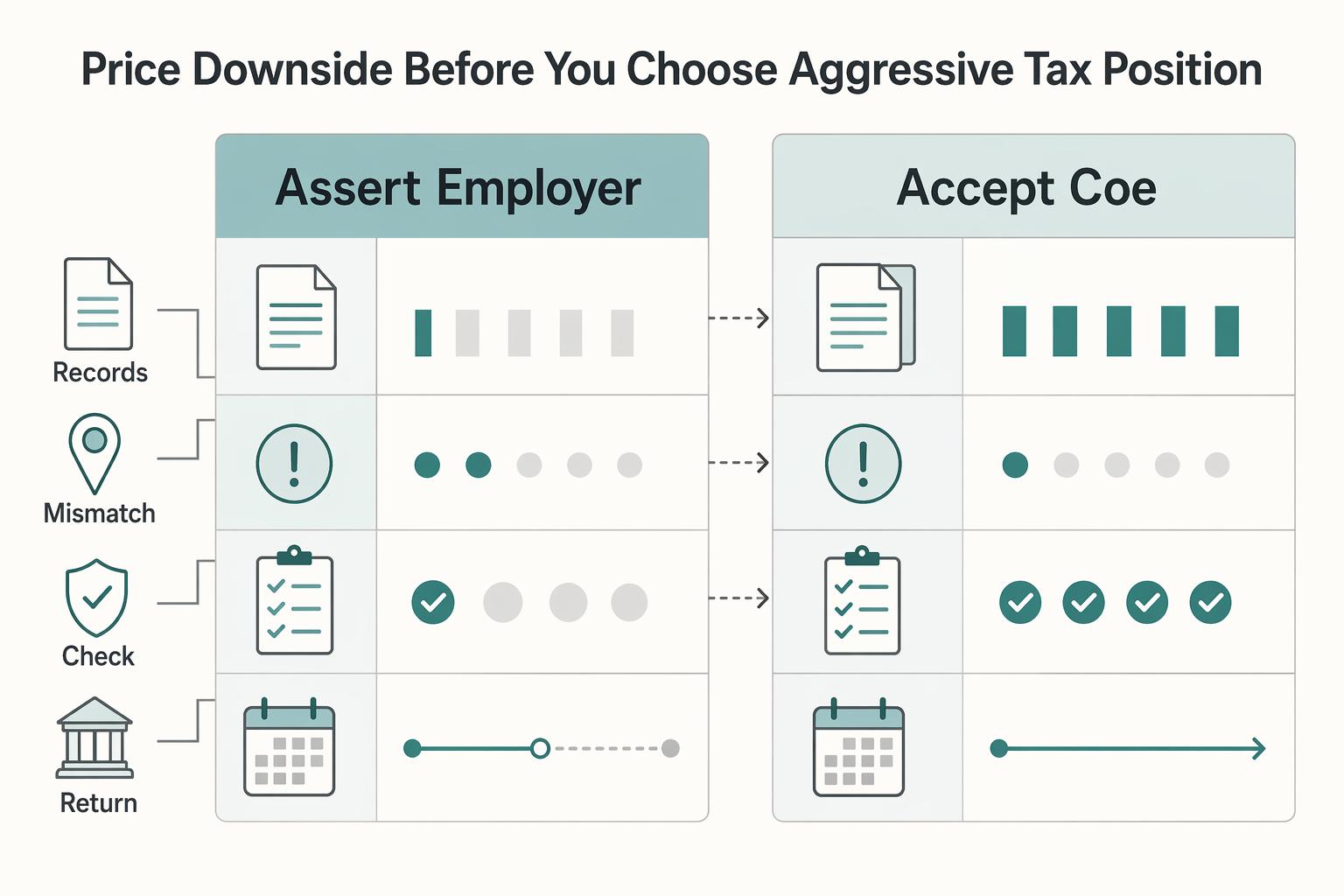
Price the Downside Before You Choose an Aggressive Tax Position#
If your filing position depends on a narrow reading, treat it as paid risk, not free upside. When your documentation is thin and the dollar impact is material, the lower-risk path is usually better.
Frame it as two paths:
| Path | Potential upside | Main downside | Practical fit |
|---|---|---|---|
| Assert employer necessity | Potentially lower source-state exposure if accepted | Higher challenge risk if records are thin, inconsistent, or interpretation-heavy | Use only when facts are well documented and payroll treatment is aligned |
| Accept COE-style sourcing for planning | May reduce filing surprises and late-cycle rework | Possible short-term overpayment and cash-flow pressure | Use when facts are disputed, timing is tight, or exposure is already active |
Cash flow is where this gets real. Competing state withholding can create temporary overpayment pressure before returns are reconciled, and that timing mismatch can still hurt.
Use this downside screen before you lock your position:
- Compare both paths over the same income period and withholding records.
- Flag each point that depends on interpretation instead of hard documentation.
- If one broken assumption collapses the position, treat it as fragile and choose the more defensible option.
Add one final check to that screen: write down what would have to be true for your preferred position to hold. If you cannot tie each condition to a document already in your file, the position is likely too aggressive for the current evidence.
Keep uncertainty in view. There is no single nationwide teleworker tax rule, and interstate disputes have reached the U.S. Supreme Court without producing one uniform standard. In practice, lower-stress compliance usually beats a brittle position that works only if every fact stays perfect.
Build a Documents Packet That Can Defend Your Position#
Your position is easiest to defend when you organize files by tax year and payer, and when each file clearly shows why that sourcing choice was made. If you are asserting employer necessity, make sure your records support business need rather than personal preference.
| Record | What it should show |
|---|---|
| Engagement terms | Duties, location expectations, and decision control over work location. |
| Written work-location requirements | Directives, access limits, or facility-dependent tasks. |
| Project communications | Why location mattered when decisions were made. |
| Support for each sourcing position | Facts used to separate convenience from necessity. |
That four-item set is a solid minimum packet. Keep it organized so each document ties back to the sourcing position on the return.
For NJ-sensitive facts, keep a short dated memo in the same folder:
- Scope is described as nonresident employees working for an NJ employer.
- NJ describes applying another state test to nonresidents, not a standalone mirror rule.
- Reciprocity carveouts are described, including Pennsylvania, plus a Connecticut scenario that is not subject in that FAQ context.
- NJ says the affected-state list may change, so date the memo.
Keep a one-screen state log beside the packet:
- Payer state and resident state for each income stream.
- Sourcing rationale used for that stream, including where convenience was evaluated.
- Whether nonresident state income tax was filed, with status and submission date.
- State withholding status and adjustments.
A practical file structure helps when time is tight: one folder per tax year, then one subfolder per payer, with the state log and dated memo at the top level. That way, if you get a notice or need a review call, you can share only the relevant payer folder instead of sorting through mixed files.
Add tax records that map directly to each multi-state return draft and final filing: withholding statements, payment confirmations, estimated payment records, and notes on withholding changes. Keep finalized filing documents in the packet and use finalized IRS forms and instructions rather than draft versions.
Avoid the Five Mistakes That Create Expensive Rework#
Expensive rework usually starts when assumptions are treated as settled rules. Use this as a control point: separate confirmed facts from open questions before you file.
| Mistake | Risk |
|---|---|
| Assuming remote location automatically settles wage sourcing | Remote location alone may not close the analysis; if state authority is not confirmed for your facts and tax year, treat sourcing conclusions as open and verify before filing. |
| Ignoring payer-state withholding until filing season | Waiting creates deadline-driven cleanup across months of payroll records. |
| Treating states as interchangeable | State logic is not portable by default; keep separate state memos by jurisdiction and tax year. |
| Claiming an exception without contemporaneous evidence | A year-end reconstruction may be harder to defend than a dated record created when location decisions were made. |
| Filing without a defendable narrative and filing controls | Gaps in filing controls create avoidable notices. |
The fifth mistake is often the most expensive because filing controls have deadlines of their own. In the cited Pub. 1187 excerpt (Tax Year 2012 and prior), key controls include submitting Form 4419 no later than forty-five days before the due date of information returns, obtaining a TCC, and using that TCC on files and correspondence. Required e-filers may face penalties if instructions are not followed. Test files are optional but encouraged for new electronic filers.
One final red flag is source quality. Federal Register web display pages are not the official legal edition, and workers compensation text is not authority for state income-tax sourcing.
Before you submit, run a short mistake sweep: check that each return position has a matching source note, each withholding decision has a dated record, and each open issue is either resolved or clearly escalated. This quick pass can catch avoidable errors before they turn into rework.
Know Exactly When to Bring In a Tax Professional#
Bring in a tax professional when your position turns on judgment, not just data entry. In practice, that can mean deciding necessity versus convenience, confirming reciprocity treatment, and aligning withholding with your sourcing position.
NJ states it does not have its own standalone convenience rule. Its law applies to nonresident employees of NJ employers who live in states with similar tests, including examples such as Delaware, Nebraska, and NY, and it also says that list may change as other states change their laws.
Consider escalating early if either condition is true:
- Your treatment turns on employer necessity versus personal convenience, and facts are not clearly one-sided.
- You rely on reciprocity treatment, including the Pennsylvania carveout or Connecticut reciprocal treatment, and have not confirmed current guidance for your facts.
NJ's materials also make the timing risk clear. P.L.2023, c.125 was enacted July 21, 2023, applies for tax years beginning on and after January 1, 2023, and affected taxpayers were required to have proper 2023 tax paid by April 15, 2024. NJ also told affected taxpayers to begin withholding or estimated payments as soon as possible to avoid underpayment. If withholding setup and sourcing do not line up, get help before filing season pressure hits.
When you engage a professional, ask for practical outputs:
- A sourcing summary that separates confirmed facts from judgment calls.
- A state-by-state filing plan tied to your residency and work pattern.
- A withholding and estimated-payment adjustment plan.
- A documentation approach for any employer-necessity position.
To make that review more efficient, send a focused package in advance: your latest state log, recent pay statements, your current sourcing notes, and a list of unresolved questions ranked by deadline risk. A clear intake packet can reduce back-and-forth and make it easier to get decisions while there is still time to act.
Keep Your Tax Ops Clean When You Move Mid-Year#
If you move mid-year, reconcile three streams together each quarter: nexus exposure, payroll withholding, and individual filing obligations.
Use a practical sequence: update your address and tax profile, verify withholding, then reconcile quarter by quarter. This sequence is not a legal requirement, but it can keep records consistent before deadlines tighten.
Track nexus explicitly. Nexus is the connection that creates taxable presence, and remote employees in jurisdictions where an employer had no prior connection may create it. A small employee footprint can still trigger business tax nexus in about 75% of states, so risk can move faster than payroll settings.
Pressure-test withholding against your sourcing logic instead of trusting setup screens. Under the NY convenience treatment, days worked outside the state may still be taxed by NY when treated as convenience-based rather than necessity-based. If pay records and sourcing treatment diverge for a quarter, resolve that gap early.
Keep a compact move log:
- Move date and effective work-location date if different.
- Resident state and payer state by quarter.
- State withholding start and stop dates by jurisdiction.
- Nonresident filing implications marked confirmed, pending, or disputed based on current state instructions.
- Brief notes on why each treatment was used at that time.
The first month after a move can create mismatches. Payroll may update one field but miss another, and you may have mixed-state workdays in the same pay period. A short mid-month review can catch those mismatches before they roll into a full quarter of incorrect assumptions.
Before filing, run one pre-submit checkpoint: match withholding records and payments to your sourcing logic and planned multi-state return set. If any quarter cannot be explained plainly, pause and fix it before filing.
A monthly review during move years can help keep records current while changes are still manageable. That discipline matters because many pandemic-era temporary exclusions have largely expired, and legislative and judicial developments have continued since December 2020.
Conclusion#
The goal is not clever interpretation. It is a sourcing position you can defend with clear, dated records.
New York taxes nonresident income from New York sources, and when services are performed in and out of the state, sourcing can depend on a working-days apportionment ratio. For nonresident employees, remote days are not automatically excluded. The core test is still necessity versus convenience.
If your position relies on treating home-office days as out-of-state, your file needs facts that support bona fide employer-office treatment. New York uses a primary-factor path or a numeric path requiring at least four secondary factors plus three other factors, and this standard is described as difficult to satisfy.
Use this closeout sequence now:
- Run your payer-state and resident-state decision path quarter by quarter, and label each conclusion clear or disputed.
- Build one evidence packet per payer with engagement terms, work-location requirements, workday counts used for apportionment, and records tied to employer necessity.
- Escalate early when facts are mixed, especially when your position depends on home-office treatment.
Final checkpoint: can someone else follow your filing position from your documents alone? If not, tighten the file before you file. With active challenges to current application, a conservative position remains the safer choice. Use COE as a risk filter, not a puzzle to outsmart.
A strong finish is practical, not dramatic. Confirm your quarter-level notes match your records, confirm your filing map matches those notes, and escalate unresolved judgment calls before deadlines stack up. That sequence helps keep your position consistent from first draft to final return.
If your facts are mixed across states and you want a conservative execution plan, request a focused review via Contact.
Frequently Asked Questions
What is the convenience of the employer rule in plain English?
It is a sourcing rule that can treat remote pay as taxable in the employer state when remote work is for your convenience rather than employer necessity. The core test is necessity versus convenience. That split can affect withholding and nonresident filing posture.
Can **New York** tax me if I never physically worked there?
Do not assume zero physical days automatically resolves the issue. New York nonresident guidance explicitly addresses people whose primary office is in the state but who telecommute from outside it. Use IT-203 instructions as a filing checkpoint for nonresident or part-year resident status.
What actually counts for the **employer-necessity exception**?
The key standard is remote work required by employer necessity, not personal convenience. If facts are mixed, treat the position as uncertain and document reasoning as you go.
Does COE always mean **double taxation**, or can credits offset it?
The supported operational risk is timing: if withholding and estimated payments are not adjusted promptly, you can end up underpaid. Align withholding and payment decisions early instead of waiting for filing season.
Which states currently apply COE or a **reciprocal convenience rule**?
Recheck state treatment regularly instead of relying on static lists. New Jersey says it does not have its own standalone COE rule, but it can apply another state rule to certain nonresidents, and it warns that relevant-state coverage can change. New Jersey also states that Pennsylvania residents working there are excluded due to reciprocity and gives a Connecticut-home, New Jersey-employer example that is not subject in that FAQ context. For its 2023 change, New Jersey says the law was retroactive to January 1, 2023, and affected taxpayers were directed to begin withholding or estimated payments promptly for proper payment by April 15, 2024.
How is COE different from the normal **wage sourcing rule**?
COE is a specific sourcing approach based on whether remote work is for employer necessity or employee convenience. It can change the sourcing result compared with non-COE treatment. Wage sourcing rules vary by state, so confirm the applicable rule with each relevant state authority.
When should a freelancer stop DIY filing and hire a state tax professional?
A practical trigger is when you cannot clearly explain your sourcing and filing logic quarter by quarter. If withholding setup and return planning do not match cleanly, get help before filing.
Try a related tool
Researched and edited by the Gruv editorial team. Gruv builds cross-border billing, payouts, and finance-operations software for global businesses.
Sources
Includes 3 external sources outside the trusted-domain allowlist.
- irs.gov/pub/irs-tege/public_employers_outreach_guide...trusted
- nj.gov/treasury/taxation/conveniencerulefaq.shtmltrusted
- shaycpa.com/understanding-new-yorks-convenience-of-the-e...external
- tax.thomsonreuters.com/news/the-pandemic-lockdown-tests-new-yorks-a...external
- usemultiplier.com/global-expansion/guide-to-convenience-of-the...external
Educational content only. Not legal, tax, or financial advice.
Related Posts
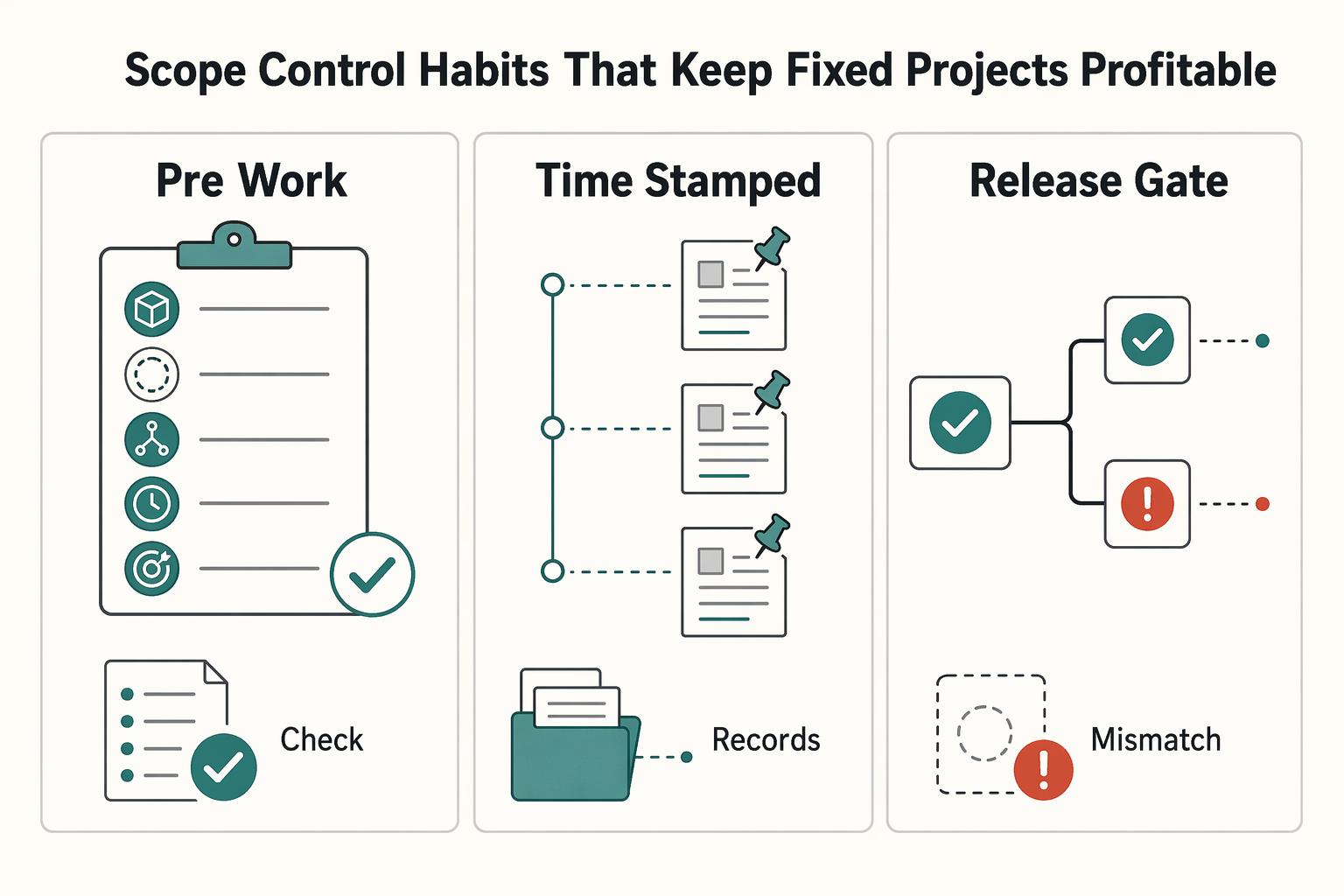
Moving From Hourly to Project Rates Without Hurting Cashflow
The right pricing model matches uncertainty and cashflow risk. It should fit how clearly the work can be defined, approved, and defended, not just what you are used to selling. Hourly billing gives you room to work while requirements are still moving. Fixed project pricing gives the client stronger budget clarity once deliverables are stable enough to pin down.
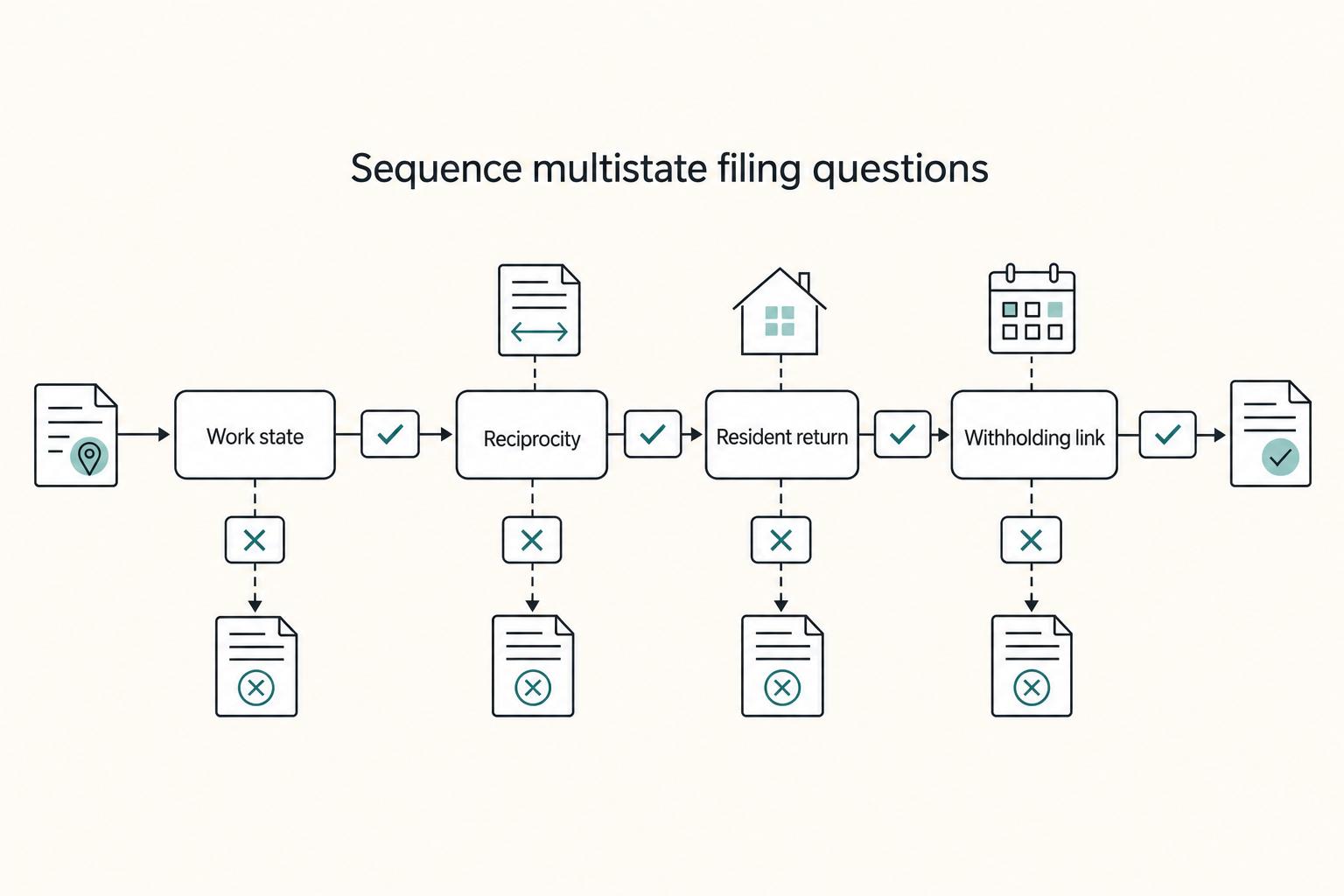
Filing Taxes in Multiple States as a Remote Worker Without Guesswork
If you worked from more than one state during the year, the safest path is a documented, state-by-state process, not a shortcut.
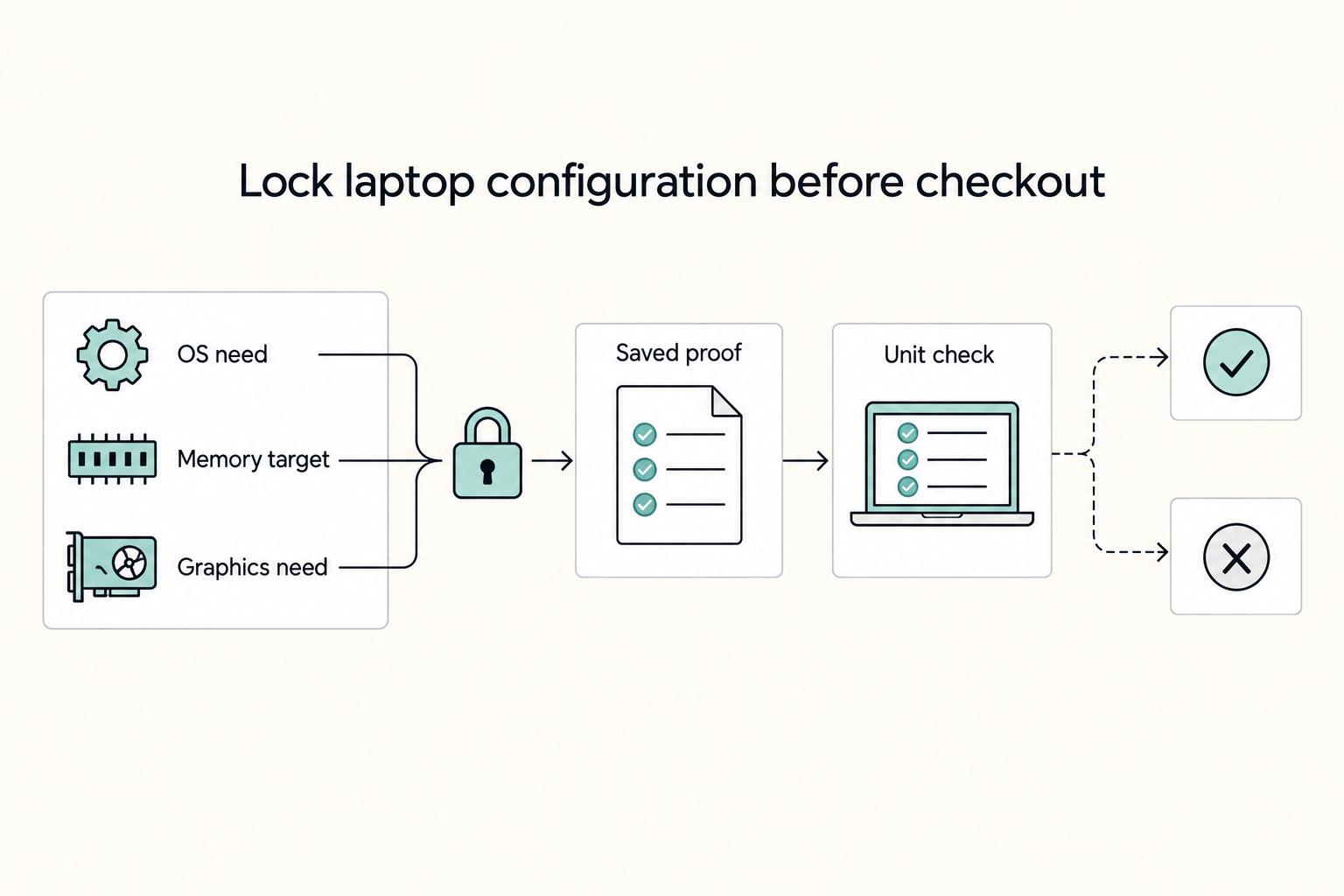
The Best Laptops for Digital Nomads in 2026
If you want smoother travel days and fewer support headaches, start with proven laptop families instead of whatever is newest. For most people working remotely, the right machine is a light, dependable one that handles documents, calls, research, and browser-heavy work without fuss. Move up only when your week regularly includes sustained CPU or GPU load such as long exports or local builds.