
Quick Answer
Yes. An LLC can pay a member’s premium, but llc pay for health insurance treatment depends on tax classification and monthly eligibility, not only who made the payment. In the self-employed path, use Form 7206 to compute the amount and report it on Schedule 1 (Form 1040), line 17. If the LLC is taxed as a partnership or S corporation, reporting can flow through Schedule K-1 or Form W-2 instead. Keep owner and employee totals separate so filing records reconcile cleanly.
Start Here What This Decision Actually Controls#
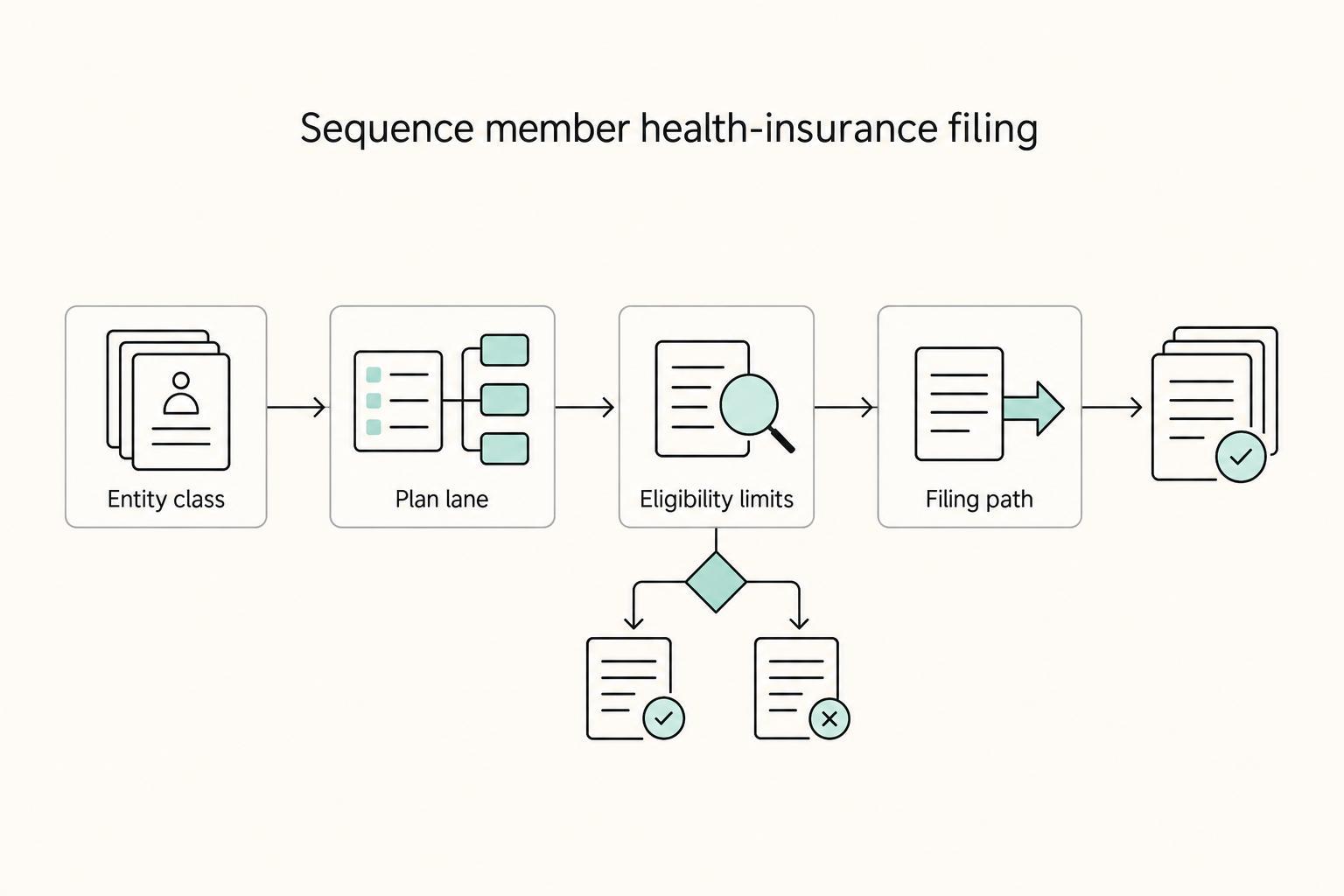
This decision controls tax routing and execution, not just who pays the premium. If your LLC will pay for health insurance, work in this order. Confirm which coverage lane you can use. Confirm how the IRS classifies your LLC for federal tax purposes. Then route any deduction to the right form.
You want the payment method, policy documents, and tax reporting to line up from the start. That sequence matters because an LLC is created under state law, but federal tax treatment can differ based on member count and elections.
Start with a U.S. federal baseline. The IRS controls federal tax treatment, so IRS classification and form instructions decide where amounts go. Coverage operations can still vary by state, including whether you apply through HealthCare.gov or a state Marketplace. If you are evaluating SHOP, eligibility is generally 1 to 50 full-time equivalent employees in most states, and up to 100 in some states. Do not assume owner-only eligibility without checking current program rules.
Keep payment source and deduction treatment separate. A business-paid premium does not automatically mean the deduction lands where you expect. In the self-employed lane, Form 7206 is used to determine the deduction amount. That amount is then reported on Schedule 1 (Form 1040), line 17.
Start with coverage eligibility before tax optimization. For Individual Marketplace plans, Open Enrollment timing matters. HealthCare.gov's federal schedule lists January 15 as the end date, and state Marketplace timelines can differ. Outside Open Enrollment, plan changes generally require Special Enrollment eligibility. Marketplace plans must cover treatment for pre-existing conditions, while plan administration and availability still depend on state implementation.
Before the first premium posts, run a short execution check:
- Confirm the LLC's current federal tax classification.
- Confirm whether you are entering the Individual Marketplace or SHOP.
- Save the documents you will need to reconcile later, including invoices, payment proof, Marketplace notices if applicable, and the tax-form trail.
If you are also comparing location and coverage logistics, see Canada's Digital Nomad Stream: How to Live and Work in Canada.
The Core Rule Most Owners Miss#
An LLC can pay the premium, but tax treatment is tied to your IRS tax classification, not just who writes the check.
An LLC is a legal structure, but its federal tax lane can differ. A single-member LLC is typically taxed as a sole proprietorship, a multi-member LLC is usually taxed as a partnership, and an LLC can elect S corporation treatment. Because of that, the same premium payment can be reported differently depending on the lane.
Before the first premium is booked, confirm the classification you actually have on file and align your accounting and payroll treatment to that classification. In an S corp, this matters because the Internal Revenue Service (IRS) requires reasonable compensation before non-wage distributions. Form 1120-S instructions also treat certain officer payments as wages when they are compensation for services.
If owner medical costs are handled as draws or other non-wage payments in an S corp, the IRS can reclassify those shareholder payments. That can change reporting and require cleanup.
Use this decision rule: choose the tax lane first, then the coverage lane. If your LLC is in a single-member or partnership tax lane, evaluate that route on its own terms. If it is taxed as an S corporation, verify that lane separately before deciding how the business will handle premiums.
If you want a deeper dive, read Sole Proprietorship vs. LLC: The Definitive Guide for Global Freelancers.
Eligibility Gate for Coverage Type#
If your LLC has no non-owner, non-spouse employees, start with the Individual Marketplace rather than assuming you can use a group plan. For owner-only businesses, and businesses with only owners or spouses, that is generally the first lane to check.
| Your business situation | Coverage lane to check first | Why this lane comes first | Key checkpoint |
|---|---|---|---|
| Only you, no employees | Individual Marketplace | Self-employed businesses with no employees generally do not qualify for group coverage | Confirm you have no employees beyond the owner |
| You plus your spouse only | Individual Marketplace | Businesses with no employees other than owners or spouses are not eligible for SHOP plans | Confirm there is still no non-owner, non-spouse employee |
| 1 to 50 employees, with at least one employee other than an owner or spouse | SHOP may be available | SHOP eligibility generally requires 1 to 50 employees and at least one non-owner, non-spouse employee | Verify employee status before shopping |
Anchor this step to your current roster. If you do not currently have at least one non-owner, non-spouse employee, start by evaluating Marketplace coverage.
Enrollment timing is part of eligibility#
For Individual Marketplace coverage, the Open Enrollment Period is November 1 to January 15. Outside that window, you can generally enroll or change plans only if you qualify for a Special Enrollment Period tied to a qualifying life event.
A qualifying life event can include changes like marriage, a birth, or loss of coverage. When that applies, you usually have 60 days before or 60 days after the event to enroll.
What ACA continuity means in practice#
Marketplace coverage gives you continuity, but not identical plan design. Marketplace plans must cover pre-existing conditions, and once you are enrolled, the plan cannot deny coverage or raise rates based only on health status. In the individual and small-group markets, non-grandfathered coverage must also include essential health benefits, and Marketplace plans cover 10 essential health benefit categories.
Still, do not assume every plan covers every service the same way. Specific services within those categories can vary by state, so review plan details before you decide.
Entity Type Routing for Deduction Location#
Use federal tax classification, not just the LLC label, to decide where health insurance amounts are reported. The federal return tells you where the amount actually lands.
| Entity tax treatment | Who reports it first | Where it shows up for the owner or employee | Document trail to expect |
|---|---|---|---|
| Single-member LLC (disregarded entity, unless corporate election) | Owner | Owner-level federal return reporting, because the LLC is generally disregarded for federal income tax | Owner return support; generally no Schedule K-1, and Form W-2 applies only if corporate treatment was elected |
| Multi-member LLC (taxed as partnership, unless corporate election) | Partnership files Form 1065 | Pass-through items on Schedule K-1; if partner premiums are paid or reimbursed by the partnership, they are reported on Schedule K-1 as guaranteed payments included in gross income | Form 1065 and Schedule K-1 |
| LLC taxed as S corporation | S corporation | For a shareholder-employee owning more than 2%, premiums paid or reimbursed by the S corporation are shown as wages on Form W-2 | Payroll records and Form W-2 |
| LLC taxed as C corporation | C corporation | Corporate deduction lane, not pass-through owner reporting | Form 1120, including the employee benefit programs deduction line (for example, insurance or health and welfare programs) |
The practical routing rule#
Confirm which federal return your business is actually filing right now, then confirm the year-end artifact matches it. If you expect partnership treatment, you should see Form 1065 and Schedule K-1. If you expect the S-corp more-than-2% shareholder-employee lane, you should see W-2 wage treatment. If you expect C-corp treatment, you should see the deduction on Form 1120. If you are a disregarded single-member LLC, the trail starts on the owner return unless you elected into corporate treatment.
If the expected and actual artifacts do not match, stop and fix the routing before filing. For the full breakdown, read Digital Nomad Health Insurance Comparison for Long-Stay Moves.
Forms and Filing Touchpoints Without Guesswork#
The filing process is straightforward if you route amounts to the right forms and keep owner premiums separate from employee benefit costs.
Follow the filing sequence in order#
| Step | What to confirm | Key form |
|---|---|---|
| Classify the entity | Federal tax treatment and how premiums are reported | Schedule K-1 guaranteed payments or Form W-2 wages, depending on the lane |
| Confirm the plan lane | Whether Marketplace coverage and advance premium tax credits are involved | Form 1095-A and Form 8962 |
| Confirm eligibility limits | Months when you were eligible for an employer-subsidized plan, including a spouse's employer plan | Exclude those months from Form 7206 line 1 |
| File in the correct place | Compute the self-employed deduction before reporting it | Form 7206, then Schedule 1 (Form 1040), line 17 |
- Classify the entity
Start with federal tax treatment and how premiums are reported. In partnership lanes, partner premiums can flow through Schedule K-1 guaranteed payments. In the more-than-2% S-corp shareholder lane, qualifying premiums are reflected as wages on Form W-2.
- Confirm the plan lane
Keep Marketplace coverage separate from other coverage paths. If advance premium tax credits were paid through the Marketplace, use Form 1095-A to complete Form 8962 for reconciliation.
- Confirm eligibility limits
In the self-employed deduction path, exclude months when you were eligible for an employer-subsidized plan, including a spouse's employer plan, from Form 7206 line 1 amounts.
- File in the correct place
In the self-employed lane, use Form 7206 to compute the deduction amount, then report it on Schedule 1 (Form 1040), line 17. Attach Form 7206 to Form 1040, 1040-SR, or 1040-NR.
Where Form 7206 and Schedule SE actually matter#
Form 7206 is the calculation step for the self-employed health insurance deduction before the amount moves to Schedule 1. It is not a general employee health benefit form.
Use a separate Form 7206 for each trade or business under which an insurance plan is established. If you used an optional method for net earnings from self-employment, Form 7206 uses the attributable amount from Schedule SE (Form 1040), Part I, line 4b.
Entity routing still controls the inputs. Partner premiums paid by a partnership can be reported on Schedule K-1 as guaranteed payments. For a more-than-2% S-corp shareholder, premiums paid or reimbursed by the S corporation are shown as wages on Form W-2.
The failure mode that creates year-end cleanup#
One preventable breakdown is mixing owner premiums and employee premiums into one health insurance bucket. That collapses different reporting paths into one total and makes year-end reporting harder than it needs to be.
If you have both, keep separate totals from the first premium payment so each amount ties cleanly to payroll records and the correct owner-facing tax form.
Your pre-filing reconciliation check#
Before you file, make sure each premium total ties to the tax record for its reporting lane, such as Schedule K-1, Form W-2, or owner-level return records. If you had Marketplace coverage, wait for Form 1095-A with its target mailing by January 31 after the coverage year. Use it for Form 8962 reconciliation when advance premium tax credits were paid.
If you receive a corrected Form 1095-A, compare it with the original before filing or amending, because that can change your Form 8962 reconciliation.
For a step-by-step walkthrough, see How to Create an Accountable Plan for a Single-Member LLC.
When the Deduction Is Blocked#
The deduction is blocked for any month you or your spouse were eligible for an employer-subsidized health plan, even if you did not enroll. For those months, premiums do not go into the self-employed health insurance deduction on Form 7206.
This is a month-by-month rule. If eligibility existed for only part of a month, that entire month is excluded from the deduction calculation. So if access started midmonth, that month is still blocked.
For LLC owners, business-paid premiums are not automatically deductible for the full year. Payment records help support the file, but eligibility determines whether each month qualifies.
What to do if a month is blocked#
Keep all premium records, but split them by month and separate blocked months from deductible months. Build a simple 12-month grid before you file:
- premium paid by month
- employer-plan eligibility by month, for you or your spouse
- include or exclude for Form 7206
If eligibility starts midmonth, mark that full month excluded.
Do this next#
- Confirm exact eligibility dates. Use employer or spouse-employer benefit records to identify the first month of eligibility.
- Split annual premiums into monthly amounts. Do not default to the full-year total when any month is blocked.
- Calculate Form 7206 using only eligible months. Keep blocked-month totals in your files, not in the deduction amount.
- If already filed incorrectly, review Form 1040-X. Deduction changes are amended on Form 1040-X with supporting documents and any new or changed forms or schedules.
- If you itemize, check Schedule A separately. Premiums already used for the self-employed deduction reduce what can be used there, and Schedule A medical expenses only count above 7.5% of AGI.
The tradeoff is compliance risk now vs cleanup risk later#
Taking the deduction aggressively in mixed-eligibility years can create underpayment exposure if you claimed amounts you did not qualify for. If tax is later due, interest runs from the original due date, and accuracy-related penalty exposure can apply, including 20% in applicable cases.
The cleaner approach is to exclude blocked months upfront, keep clear records, and amend only when your documentation supports a correction. You might also find this useful: Can You Deduct Health Insurance Premiums as a Freelancer?.
Set Up the Paper Trail Before the First Premium#
Set the reporting lane before the first premium is paid, then keep owner and employee records separate all year. If those amounts get mixed, year-end forms can stop matching the intended reporting treatment.
Separate owner and employee records from day one#
IRS guidance here does not require one specific bookkeeping format, but it does support separate reporting treatment. In practice, keep separate expense tracks and documentation for owner premiums versus employee premiums, even if payments come from one business account.
| Record | Detail |
|---|---|
| Insurer invoice or statement | Owner premiums each month |
| Proof of payment | Owner premiums each month |
| Payment method | Whether the business paid the carrier or reimbursed the owner |
| Covered months | Covered month or months |
| Expected reporting lane | Schedule K-1 or Form W-2 |
Use the same core record set each month so the file stays consistent.
Make the records match the form output#
Your documentation should reconcile to the form treatment you expect to issue.
- LLC taxed as partnership: reconcile books, insurer totals, and K-1 support to Schedule K-1 (Form 1065) guaranteed payments, per Form 7206 instructions.
- S corporation owner with greater-than-2% shareholder-employee treatment: reconcile reimbursements and payroll entries so Form W-2 treatment matches payment reality; the amount is included in Box 1, not Boxes 3 or 5.
If plans are established under more than one trade or business, use a separate Form 7206 for each trade or business and label records that way while the year is still open.
Do not default owner premiums into Section 125 treatment#
Do not assume owner premiums belong in a Section 125 Premium Only Plan by default. A cafeteria plan is an employee-participant plan, and IRS training material states sole proprietors, partners, and 2% or greater S-corp shareholders are ineligible to participate.
Owner health insurance is a common confusion point, especially around W-2 handling. The practical control is simple: pick the reporting lane first, keep owner and employee files separate, and reconcile totals before forms are finalized.
We covered this in detail in How to Set Up a Health Reimbursement Arrangement (HRA) for an S-Corp.
Monthly Checklist That Prevents Year End Surprises#
A short monthly review helps keep year-end reporting clean. The goal is to catch changes while the timeline is still fresh, not rebuild it at filing time.
| Checkpoint | What to keep | Why it matters |
|---|---|---|
| Coverage or household changes | Notice, effective date, and affected months | Tracks events that can change what you include on Form 7206 |
| Payment tie-out | Insurer statement and proof of payment | Helps compare expected Form 7206 inputs with the amount planned for Schedule 1 (Form 1040), line 17 |
| Covered months and category | Covered months and the coverage category you expect to use on Form 7206 | Catches cases where annual totals look right but covered months do not |
| Quarter-close note | What changed, when it changed, what document supports it, and which months were affected | Can make filing prep easier |
Start with the events that can change what you include on Form 7206: coverage changes, household changes, and other plan-access changes. Save the notice, effective date, and affected months so you are not recreating the timeline later.
Then do a quick tie-out against your expected Form 7206 inputs and the amount you plan to report on Schedule 1 (Form 1040), line 17:
- insurer statement and proof of payment
- covered months and coverage category you expect to use on Form 7206
This catches the common mismatch where annual totals look right but covered months do not. It is especially useful when premiums span medical, dental, vision, or qualified long-term care insurance. It also helps when coverage includes a spouse, dependents, or a child under age 27 at the end of 2025.
At quarter close, consider a one-page note with what changed, when it changed, what document supports it, and which months were affected. That can make filing prep easier when bookkeeping and return prep happen at different times.
Before each quarter close, review your tax residency tracker with the rest of your tax records.
Owner and Employee Expense Separation Rules#
Separate owner premiums from employee health-benefit expense from day one, or year-end reporting can break down. It is much easier to post to distinct lanes now than to reclassify mixed entries later.
Split the chart of accounts before the first bill#
Use one account for owner premiums and a separate account for employee health benefits. Do not post both to a generic insurance line. Owner amounts may run through the self-employed deduction lane on Form 7206, while employee premiums are handled in the employer benefit lane.
A practical setup is:
- one ledger for owner-paid or owner-reimbursed premiums
- one ledger for employee premiums paid by the business
- one clearing account for unresolved items before posting
Each month, confirm every owner amount ties to the insurer statement, proof of payment, and the correct reporting lane. If you are an S corporation with a more-than-2% shareholder, confirm those premiums are reflected in wages on Form W-2 for income tax withholding purposes.
SHOP plans are an employee lane, not an owner-only shortcut#
SHOP plans are for small employers offering health or dental coverage to employees. If you are self-employed with no employees, you are not treated as an employer for SHOP, and businesses with only owners or spouses are not SHOP-eligible. In that setup, coverage decisions generally start in the Individual Marketplace, not a group-plan lane.
This separation also matters for tax treatment. Owner amounts are not counted the same way as employee amounts for small-business credit mechanics, and employee premiums can involve business deduction and potential credit treatment through Form 8941. That is different from an owner using the self-employed deduction lane, which is blocked for months with employer-subsidized plan eligibility.
The first non-owner employee can change the whole setup#
Hiring your first non-owner employee can change both coverage options and deduction mechanics. An owner-only setup may track premiums in the owner deduction lane, but adding one eligible non-owner employee may open a SHOP path if other requirements are met.
That shift does not guarantee enrollment approval or credit eligibility. It does mean you should reassess plan design, payroll reporting, and account mapping so owner premiums stay separate while employee premiums move to the employer benefit lane. If the business is credit-eligible, document that it pays at least 50 percent of employee-only coverage cost and remember the credit is limited to two consecutive taxable years.
Red flags worth treating as filing problems now#
- Backdated allocations: Reclassifying mixed charges at year-end signals the books were not separated correctly.
- Missing payroll reflection: If a more-than-2% S-corp owner premium is not reflected in Form W-2 wages, that is a filing problem.
- Undocumented reimbursements: If reimbursed premiums cannot be matched to insurer bills, payment proof, and covered months, the position is weak.
Fix these before return prep, while records are still easy to verify.
Cross Border Reality Check for US Owners Abroad#
Treat this as two separate compliance lanes: your health-insurance deduction lane and your foreign-account or foreign-asset reporting lane. They do not replace each other.
| Compliance item | What it does | Where it goes | What to verify |
|---|---|---|---|
| Form 7206 | Computes any self-employed health insurance deduction | Used to compute the deduction amount reported on Schedule 1 of your federal income tax return | Your Form 7206 inputs and the Schedule 1 entry |
| Form 8938 | Reports certain specified foreign financial assets under FATCA | Attached to your annual tax return | Whether assets exceed the applicable threshold for your filing profile; the general baseline is $50,000, but thresholds vary and can be higher for taxpayers abroad |
| FBAR (FinCEN Form 114) | Reports certain foreign financial accounts | Filed with FinCEN, not with the IRS return | Whether aggregate foreign account value exceeded $10,000 at any time during the calendar year |
Keep the categories clean. Filing Form 8938 does not satisfy FBAR, and FBAR is not filed with your tax return. Likewise, computing a deduction on Form 7206 does not satisfy FATCA, Form 8938, or FBAR requirements.
Living abroad also does not remove core U.S. filing duties. U.S. citizens and resident aliens abroad are generally taxable on worldwide income, and eligible taxpayers abroad usually get an automatic return filing extension to June 15. FBAR is generally due April 15 with an automatic extension to October 15.
Before year-end close, confirm your U.S. tax-residency status and filing profile with your preparer in writing. Then verify all three tracks together: premium deduction treatment, FBAR trigger status, and whether Form 8938 applies.
Related reading: Digital Nomad Health Insurance Comparison for Visa-Ready Moves.
The Practical Next Step for This Year#
Use a consistent order every month: confirm coverage eligibility, choose the right entity routing, place the deduction in the correct filing location, and keep documentation aligned. That sequence helps cash flow, bookkeeping, and IRS reporting stay in sync at year-end.
Work the decision in the same order every time#
Start with coverage, because deduction mechanics do not fix a bad enrollment path. If you are owner-only, start with Individual Marketplace options and verify whether any SHOP option applies before acting. SHOP is generally for employers with 1 to 50 employees. Outside Open Enrollment, Marketplace changes depend on a qualifying life event and a Special Enrollment Period, usually 60 days before or after the event.
Update Marketplace information as soon as income or household facts change. Premiums may stay the same while eligibility or savings assumptions change midyear.
Then route premiums through the right tax lane. For a more-than-2% S corporation shareholder, premiums paid or reimbursed by the S corporation are shown as wages on Form W-2. For the self-employed health insurance deduction, use Form 7206 to calculate the amount and report it on Schedule 1 (Form 1040), line 17. Your records should support that flow.
Use a monthly checklist, not a year-end scramble#
Do not leave this to year-end if the facts can change midyear. Run a short month-end or quarter-close check:
- Confirm whether coverage eligibility changed, including household changes, employment changes, or a qualifying life event that could open a 60-day SEP window.
- Reconcile each premium to insurer statements, proof of payment, and bookkeeping entries. If your business paid it, confirm it is recorded in the intended premium-reporting lane.
- Check whether you or your spouse became eligible for an employer-subsidized plan in any month, since that can block the deduction for those months.
- Confirm expected year-end reporting still matches your setup, especially when an S-corp W-2 is involved.
Keep a short quarter-close memo stating what changed, when it changed, which reporting lane it affects, and what evidence supports the decision.
Escalate early when the facts are mixed#
Escalate early to a qualified tax professional when your facts are mixed across the year, especially with midyear coverage changes, spouse-plan eligibility, S-corp wage treatment, or cross-border complexity.
Keep cross-border reporting separate from health deduction analysis. Form 8938 does not replace FBAR, and FBAR is not filed with the IRS.
Even if you use a preparer, you remain responsible for the return. Maintain a complete evidence pack: enrollment confirmations, insurer statements, proof of payment, Marketplace change notices, employer-plan eligibility notices, and workpapers showing how Form 7206 flowed to Schedule 1 (Form 1040), line 17.
This pairs well with our guide on The Best Health Insurance for Digital Nomad Families.
If you want cleaner execution from invoice through disbursement while keeping an auditable trail, review Gruv Payouts.
Frequently Asked Questions
Can an LLC with no employees use group coverage instead of the Individual Marketplace?
Owner-only group coverage isn't a universal option you can assume, so confirm any group eligibility in writing before enrolling.
Can my LLC pay my premium if I am the only member?
In many setups, yes. The business can pay the premium, but payment and deduction treatment are separate steps. Keep owner premiums on a separate accounting line from employee premiums, and retain insurer statements plus proof of payment so year-end reporting stays clean.
Do I deduct LLC-paid health insurance on the business return or my personal return?
That depends on the tax lane. In the self-employed deduction path, start with Form 7206 to calculate the amount, then report it on Schedule 1 (Form 1040), line 17. If the business paid the premiums, reconcile that payment with the year-end reporting you actually have, including any Schedule K-1 treatment.
When does an employer-subsidized health plan make the deduction unavailable?
There's no simple statement of the detailed eligibility or timing rules for this disallowance. If employer-subsidized-plan eligibility may apply, verify the current IRS instructions before claiming the deduction.
Does an owner-only business qualify for SHOP plans?
SHOP eligibility for owner-only businesses isn't definitively settled. Verify current SHOP rules before acting.
What changes first when I hire my first non-owner employee?
Coverage options may change, and your accounting should change with them. Keep owner premiums and employee premiums in separate categories, then re-check plan eligibility and year-end reporting before year-end.
Which form should I check first if I think my deduction was handled wrong?
Check Form 7206 first. Then confirm the amount flowed to Schedule 1 (Form 1040), line 17 and reconcile it against insurer statements, proof of payment, and any Schedule K-1 entries.
Try a related tool
Researched and edited by the Gruv editorial team. Gruv builds cross-border billing, payouts, and finance-operations software for global businesses.
Sources
Educational content only. Not legal, tax, or financial advice.
Related Posts

Sole Proprietorship vs LLC for Global Freelancers in 2026
For most freelancers in 2026, the practical default is still simple: use the simplest structure you can run cleanly, then formalize when risk actually rises. If your work is still in validation mode and the downside is contained, a sole proprietorship is often the practical starting point. When contract exposure, delivery stakes, or dispute risk starts climbing, forming an LLC deserves earlier attention.
Canada Digital Nomad Visa Planning for Visitor Status and Work Permits
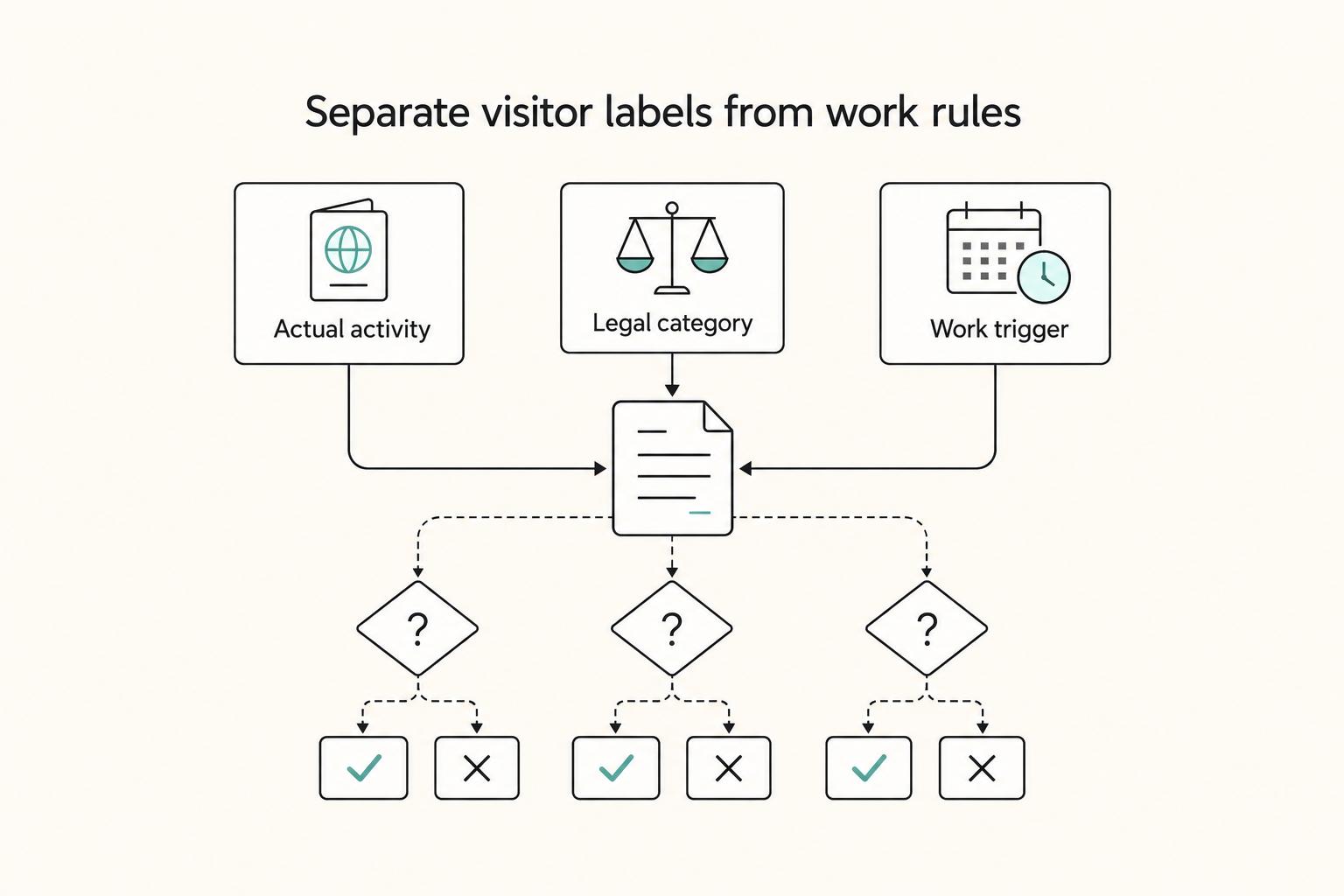
The phrase `canada digital nomad visa` is useful for search, but misleading if you treat it like a legal category. It is shorthand for existing Canadian status options, mainly visitor status and work permit rules, not a standalone visa stream with its own fixed process. That difference is not just technical. It changes how you should plan the trip, describe your purpose at entry, and organize your records before you leave.
Can You Deduct Health Insurance Premiums as a Freelancer?
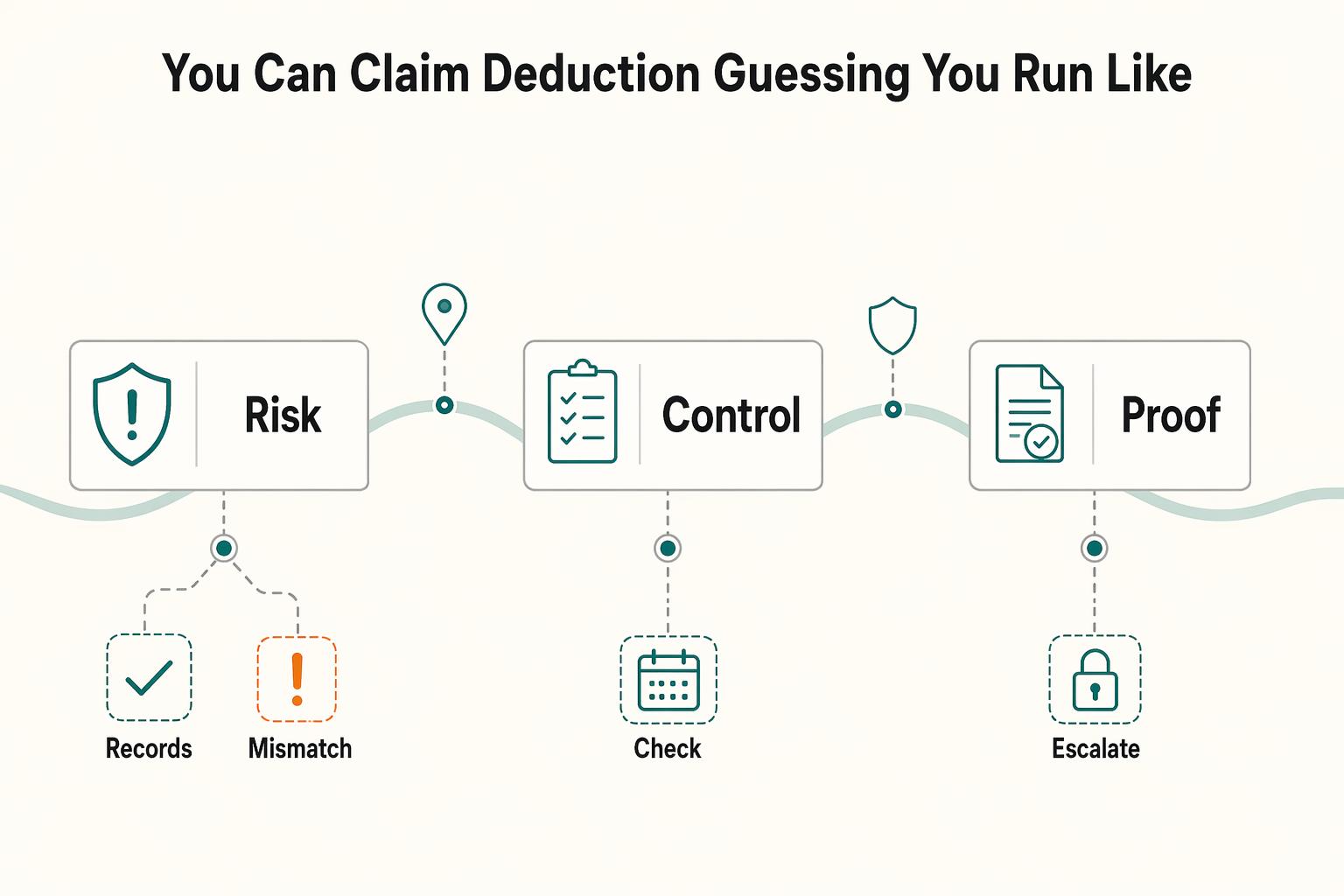
Most guides on how to deduct health insurance premiums as a freelancer fixate on headline savings and skip the real risk controls. That creates filing mistakes, not because freelancers ignore the rules, but because they never run a clear yes or no gate before claiming the deduction.