

Quick Answer
Run a five-day pilot with one live client project in each shortlisted tool, then choose the platform that keeps intake, revisions, and closeout records complete under normal delivery pressure. Score time tracking, approval trail, and CRM fit as 0 (missing), 1 (manual workaround), or 2 (clear in-product support). On day five, test one random task and confirm you can retrieve the latest brief, current file version, last approver, and logged time in under three minutes.
Project management for designers is a business decision, not just a tool choice#
Start with operating rules, then pick the interface. If scope, ownership, approval rights, and timeline checkpoints are vague, even a clean board becomes a status mirror instead of a delivery engine.
Most delays start before production. They begin at kickoff, when briefs stay fuzzy, approval authority is implied instead of named, or the team assumes priorities are shared. Make that first step specific: define what will be delivered, who can approve changes, who owns each stage, and what marks a handoff complete.
Set two definitions before the first task starts: ready for review and ready for delivery. Those phrases sound obvious until workload spikes. If they stay loose, review rounds expand, chat threads replace records, and delivery turns into negotiation instead of confirmation. Clear definitions keep the team aligned when priorities move.
You do not need a heavy process document to do this. A short operating note at kickoff can be enough if it answers the same questions every time: what is in scope, who can request changes, who can approve final output, and what evidence must exist before closeout. When those answers stay stable, the team can move quickly without guessing.
Once those rules exist, keep active work in one shared visual space. Boards and timelines matter because they show slippage early and cut the steady stream of status pings when people can see current state, next owner, and blockers without digging through old messages.
Asana and Trello can both support this. The platform matters less than the operating discipline behind it. Teams that rely on memory, inbox search, or side-channel approvals usually feel project drag long before anything looks broken. Tasks still move, but updates arrive late, revisions stretch, and closeout gets harder every week.
In real delivery work, four elements need to stay visible across every client:
- Scope and schedule are confirmed at initiation, not halfway through production.
- Governance is documented, including who gives final approval.
- Priorities, status, and dependencies live in one shared workspace.
- Everyone follows the same operating rules, so autonomy rises without losing control.
Keep those four elements steady and most avoidable friction disappears before it becomes a missed date or disputed closeout. That is the real reason to choose a tool: you need repeatable execution under normal pressure, not a board that only looks organized on Monday.
Use a quick litmus test. If a teammate can open one project and answer four questions in under a minute, your operating model is doing its job: what is due next, who owns it, what decision is blocking progress, and what counts as done for this stage. If they cannot answer those four quickly, fix the process definitions before you spend time comparing features.
That operating baseline also makes software evaluation more honest. Start with one live project, then Browse Gruv tools only after intake and closeout rules are written.
Who this list is for and how to choose without guesswork#
This shortlist is for freelance designers and small design teams that need reliable delivery, not just prettier task views. If your work includes recurring deliverables, revision rounds, and overlapping deadlines, the right platform is the one that keeps decisions and records easy to find during busy weeks.
| Criterion | What to verify |
|---|---|
| Client collaboration | Comments, files, and decisions stay tied to tasks instead of scattered across chat and email |
| Revision control | Revision rounds and approvals are traceable in one place |
| Time tracking | Effort is logged where work happens so schedule risk appears earlier |
| Resource management | Capacity is visible enough to catch overload before deadlines break |
| Template reuse | Recurring project structures launch fast with less setup drag |
| Shared workspace fit | Briefs, files, updates, and dependencies stay connected |
| Reporting clarity | Aging tasks, blockers, and due work are easy to scan |
This is less useful for one-off jobs with little review structure, where a lightweight tracker can be enough. This guide is for environments where missed approvals, unclear ownership, and handoff delays create business risk, not just irritation.
Start by naming the failure mode you already feel. Selection gets easier once you identify the bottleneck instead of looking for a universal winner.
- If revision history is messy, prioritize approval traceability.
- If deadlines slip because priorities keep changing, prioritize ownership clarity and template speed.
- If capacity is hard to read, prioritize reporting and resource visibility before deep customization.
- If governance requirements are strict, define controls first and reject any option that cannot support them cleanly.
Run your scorecard on one real project, not a hypothetical sample. Mock projects hide the small breakdowns that cause real delays.
Use the same seven criteria from the table above when you score each finalist:
- Client collaboration: comments, files, and decisions stay tied to tasks instead of scattered across chat and email.
- Revision control: revision rounds and approvals are traceable in one place.
- Time tracking: effort is logged where work happens so schedule risk appears earlier.
- Resource management: capacity is visible enough to catch overload before deadlines break.
- Template reuse: recurring project structures launch fast with less setup drag.
- Shared workspace fit: briefs, files, updates, and dependencies stay connected.
- Reporting clarity: aging tasks, blockers, and due work are easy to scan.
Then pressure-test each finalist with the same sample brief, revision requests, and closeout checklist. Consistency is the point. If one platform only looks good because you simplified the test, skipped a messy review round, or ignored closeout evidence, it is not the stronger fit.
During testing, require evidence, not impressions. Ask reviewers to capture one screenshot or note for each score they assign, especially when they score high on approval history or closeout clarity. That small discipline keeps the conversation grounded in real work instead of interface taste.
Have testers score independently before group discussion. Independent scoring exposes expectation gaps between leadership and day-to-day operators. Those gaps are useful. They often show that operating rules are still unclear before you even make the purchase decision.
Two decision rules keep this practical:
- When scope creep is the main pain, prioritize change handling and approval history over visual flexibility.
- When context switching is the larger cost, prioritize template speed and lower admin overhead over feature depth.
If your team is split between options, a third rule matters: weight the score from the person who updates records every day, not the person who only reviews dashboards. A platform that reads well in a demo but collapses under daily admin pressure will not survive a crowded week.
You are not choosing a global winner. You are choosing what your team can run consistently when workload rises and attention fragments. In client delivery, consistency beats feature breadth.
Once that lens is clear, set your non-negotiables first and judge every platform against them.
Non-negotiables before you pick any software#
Define controls before you evaluate tools. Then choose software that makes those controls visible and hard to bypass.
| Control | Purpose |
|---|---|
| Project request template with standardized intake fields | Every project starts from the same brief structure so scope, goals, and ownership are clear before design work starts |
| Change request log tied to milestones and sign-off points | Revisions and scope shifts are recorded in a consistent location with visible decision status |
| Closeout evidence tied to acceptance | Final deliverables, approval record, financial reconciliation status, and archive notes stay with the project record |
| Operational basics in one view | Owner, due date, and tracked time are visible together so risk is easier to spot |
| Template-first execution | Delivery does not depend on memory or searching old threads |
The most common mistake is a board-first setup. Teams build columns, labels, and automations, but leave intake fields optional, approval authority ambiguous, and closeout evidence inconsistent. It looks organized at first. The weakness appears later, usually at final delivery, when no one can prove what was approved, when it changed, or why timing moved.
Treat closeout as a formal checkpoint. A project is complete when work is accepted, records are stored, and approval evidence supports billing and archive review. Marking a task done is not the same thing. If final files, acceptance, and invoice status live in different places, the project is not closed.
Naming discipline matters too. If version labels, milestone names, and file links are inconsistent, review history becomes hard to trust even when tasks appear complete. Consistent naming reduces revision confusion now and archive retrieval time later.
Lock these five essentials before final selection:
- Project request template with standardized intake fields: every project starts from the same brief structure so scope, goals, and ownership are clear before design work starts.
- Change request log tied to milestones and sign-off points: revisions and scope shifts are recorded in a consistent location with visible decision status.
- Closeout evidence tied to acceptance: final deliverables, approval record, financial reconciliation status, and archive notes stay with the project record.
- Operational basics in one view: owner, due date, and tracked time are visible together so risk is easier to spot.
- Template-first execution: delivery does not depend on memory or searching old threads.
Before launch, decide which fields must be complete before work can move forward. If owner, due date, or approval state can stay blank indefinitely, the tool will slowly normalize incomplete records. Required fields are not bureaucracy here. They are guardrails that preserve decision quality when workload spikes.
After setup, run a failure scan for every candidate. Ask three direct questions: where can approval happen outside the record, where can acceptance evidence disappear, and where can ownership stay blank without blocking progress? Any silent gap here will surface during a busy week, not in a calm demo.
Run the same check during a mock closeout, not just mid-production. Many teams discover weaknesses only when they have to reconcile approvals, deliverables, and billing evidence at the end. A mock closeout exposes those gaps while fixes are still cheap and habits are still flexible.
Treat this mock closeout as a real rehearsal. Ask someone who was not involved in daily execution to retrieve the final brief, latest approved file, revision history, and invoice state from the record alone. If they cannot do it quickly, your process still depends too much on personal memory.
Hold intake and closeout to the same standard. A common pattern is disciplined kickoff followed by a loose handoff. That creates avoidable cleanup and turns simple questions into message hunts. The closeout checklist should be as strict as kickoff because disputes, delays, and archive confusion usually show up at the end.
Do this work up front and software becomes an amplifier of a clear process instead of a container for ambiguity. Once the non-negotiables are set, comparison gets much simpler.
Quick comparison table for freelance designers#
Use this table to rule out weak fits quickly, then run a five-day pilot in your top two options. Shortlists differ across 2026 roundups, so process fit is more reliable than popularity.
This comparison is intentionally conservative. If a tool-specific advantage is not confirmed, validate it in your pilot instead of assuming it will work out later.
| Tool | Best for | What stands out | Main watchout | Built-in time tracking | Approval trail strength | CRM fit | First template to build |
|---|---|---|---|---|---|---|---|
| Asana | Structured client delivery with clear ownership | Dependencies, milestones, and timelines make blockers easier to spot | Can feel heavy on very small jobs; invoicing stays an external closeout step | Validate in pilot (0-2) | Validate in pilot (0-2) | Validate in pilot (0-2) | Project request form plus five-stage delivery board |
| Trello | Lightweight Kanban execution | Fast setup and clear board visibility | Card hygiene breaks down as revision volume rises | Validate in pilot (0-2) | Validate in pilot (0-2) | Validate in pilot (0-2) | Intake card plus revision lane plus closeout list |
| Milanote | Concept-heavy and visual-first collaboration | Keeps moodboards, references, and early sketches together in discovery | Best used for discovery, then handoff to a delivery tool for execution and closeout | Validate in pilot (0-2) | Validate in pilot (0-2) | Validate in pilot (0-2) | Concept board plus handoff checklist |
| ProofHub | Client approvals and cleaner revision boundaries | Explicit review states, version control, and audit trail support cleaner decisions | Extra overhead if approvals are not your main bottleneck | Validate in pilot (0-2) | Validate in pilot (0-2) | Validate in pilot (0-2) | Review queue plus sign-off checklist |
| monday.com | Visual operations and growth from solo to small team | Consolidated visibility across clients, owners, and timelines | Setup sprawl can create false confidence if automations outrun process | Validate in pilot (0-2) | Validate in pilot (0-2) | Validate in pilot (0-2) | Client pipeline plus milestone review board |
| ClickUp | Customization when your service mix is broad | Flexible structure helps you compare unlike projects under one system | Over-customization weakens consistency and reporting | Validate in pilot (0-2) | Validate in pilot (0-2) | Validate in pilot (0-2) | Service template pack plus weekly review dashboard |
| Notion | Validate best-fit use case in your pilot | Included in one 2026 design-focused roundup | Tool-specific operating fit is not established in this material | Validate in pilot (0-2) | Validate in pilot (0-2) | Validate in pilot (0-2) | Brief database plus task tracker plus approval log |
| Basecamp | Validate best-fit use case in your pilot | Included in one 2026 design-focused roundup | Tool-specific operating fit is not established in this material | Validate in pilot (0-2) | Validate in pilot (0-2) | Validate in pilot (0-2) | Message board plus to-do set plus closeout checklist |
Use one scoring rule across the three verification columns: 0 = missing, 1 = possible with manual work, 2 = clear in-product path. By day five, pick one random task and confirm you can find the intake brief, latest file, last approver, and logged time in under three minutes.
If you want a tighter pilot, use a simple day-by-day sequence: setup on day one, normal execution on day two, revision pressure test on day three, mock closeout on day four, and retrieval speed check on day five. Start from a consistent kickoff template like Freelance Client Onboarding Checklist so each tool is tested under the same intake conditions instead of unrelated moments.
Keep pilots fair. Run the same sample project in every platform, including the same revision requests and closeout artifacts. If one option only works when you make exceptions, treat that as a failure signal, not an invitation to customize around it.
After scoring, compare notes from the people who run delivery every day. If leadership likes one tool but the operator cannot keep records clean without extra admin effort, that choice will fail under pressure. Prioritize reliable execution over broad feature catalogs.
When pilot scores are close, look at variance, not just the average score. A tool with stable scores across testers is usually easier to operationalize than one with high highs and low lows. Consistency in day-to-day use beats occasional moments of exceptional fit.
If two tools still finish close, break the tie with one question: which option keeps closeout records cleanest with the least manual cleanup? That rule should push you toward traceability over interface preference. For a separate pricing lens after selection, read Value-Based Pricing: A Freelancer's Guide.
With that filter in place, the tool sections below are easier to read for what they really are: operating fits, not brand rankings.
Asana for structured client delivery with clear ownership#
Choose Asana when deadline reliability and ownership clarity matter more than minimal setup. It works best when each task has one owner, one due date, and a visible path from draft to handoff.
Its structure supports dependencies, milestones, and timeline views. That makes blockers easier to spot before they become delivery misses, especially when several client projects run in parallel with similar stages. The value is not a tidier board. It is seeing the next decision, next owner, and next risk early enough to act.
The day-to-day upside is repeatability. You can launch from a stable template, then handle exceptions without rebuilding structure every week. During heavy periods, that consistency protects planning quality and reduces avoidable gaps between review, revision, and delivery.
A strong starting setup looks like this:
- Build one reusable delivery template with kickoff, concept rounds, client feedback, final sign-off, and invoice trigger.
- Require one owner and one due date on every active task.
- Link handoff tasks to downstream production tasks so blocked work is visible early.
- Run a short weekly planning and risk review.
- Keep one reference project that surfaces key projects and active client work.
Before you open new tasks each week, run a quick verification pass. Check every active item for owner, due date, and current status. If any field is blank, fix it before adding work. That habit keeps the board trustworthy as volume climbs.
Be careful with dependency sprawl. If every task is linked to everything else, signal quality drops and real blockers become hard to spot. Use dependency links for true sequencing risks, then rely on status updates for routine context.
The tradeoff shows up on very small jobs. If the team applies structure inconsistently, clarity drops as projects scale and the board starts carrying half-decisions. Asana also does not manage billing or budgeting directly, so keep invoicing as an external closeout step linked to the final milestone record.
Choose Asana if your main pain is ownership ambiguity and deadline drift. If most of your work is short, low-revision, and easy to hold in a simple board, a lighter option may be faster with less overhead. Related: The Best CRMs with Sales Pipeline Features for Freelancers.
Trello for lightweight Kanban execution#
Choose Trello when speed, low setup effort, and instant readability matter more than deep structure. It works best for straightforward repeat work where stages are stable and the team needs clear Kanban flow more than layered controls.
Boards, lists, and cards keep status visible. Cards can hold checklists, labels, due dates, attachments, and optional Power-Ups for calendars, automations, and integrations. That simplicity is the advantage, but it only stays an advantage if card hygiene stays strict as revision volume rises.
This is where teams usually drift. Cards turn into temporary notes instead of decision records, the board still looks clean, and critical context moves into chat, file comments, and memory. The tool is not failing at that point. Standards are. The fix is tighter card rules, not more lists.
For a monthly social design retainer, run one board per client with a fixed five-list flow:
Backlog: new requests, one card per asset or variant.In Progress: active work only, with owner and due date set.Client Review: waiting for approval, with the latest file attached.Approved: sign-off recorded on the card.Delivered: handoff complete, with billing follow-up marked.
Use one checklist on every active card: current file link, decision owner, next due date, and latest client response. If any field is missing, pause list movement until it is complete. That small rule prevents false progress and keeps the board honest.
Add one lightweight WIP rule per board. If too many cards sit in In Progress, prioritize finish over start and move blocked items back with a clear reason. This keeps throughput visible and reduces the common pattern of many active cards with no clear next decision.
Trello starts to strain when operational complexity rises. The board can display status clearly, but status alone will not protect schedules when dependencies, approval loops, and exceptions compound. If weekly review time shifts from solving work to cleaning boards, that is the moment to move to a more structured platform.
Milanote for concept-heavy and visual-first collaboration#
Milanote earns its place in discovery, not in final delivery control. It is strongest when concept alignment is the core task and visual context drives decisions.
For a website redesign, keep moodboards, references, early sketches, page goals, and concept notes in one discovery board. That preserves the rationale while direction is still open and helps clients react to a coherent concept instead of isolated pieces.
A common failure mode is moving into production before concept decisions are captured clearly. Teams then reopen earlier options mid-build, which creates handoff friction and avoidable rework. A tighter decision gate before handoff lowers that risk by separating exploration from execution.
Another risk is mixing exploratory feedback with production directives in the same active queue. When those streams blend, teams can treat open-ended comments as approved changes. The result is usually scope creep or revision drift, even though the root problem is simple: the feedback channels were never separated.
Use a short pre-handoff gate:
- Confirm one approved direction and archive rejected concepts.
- Add scope notes for approved pages or assets, including what is out of scope.
- Record the client sign-off note on the approved direction.
- Prepare a handoff brief with open questions, dependencies, and required files for the execution platform.
At handoff, include only what execution needs immediately: approved references, scope notes, unresolved questions, and required files. Keep exploratory branches archived so they cannot blur delivery decisions later.
Before handoff, translate board comments into explicit action notes. Visual comments are useful in discovery, but production teams need concise directives tied to owners and timing. That translation step preserves concept quality while reducing ambiguity in execution.
Use Milanote for early concept work, then move approved scope into your delivery tool when milestones, ownership, and closeout controls need tighter tracking. It works best as the front end of delivery, not the final control center.
ProofHub for client approvals and cleaner revision boundaries#
ProofHub is worth considering when the main drag is messy review decisions and revision sprawl. If the creative quality is strong but approvals drift, tightening review structure usually creates the fastest improvement.
The value is straightforward: tighter approval control.
- Design version control keeps each iteration traceable.
- Explicit approval states replace ambiguous feedback with clear outcomes.
- Audit trail keeps decisions tied to delivery and billing records.
In day-to-day use, the benefit is decision clarity more than raw speed. Teams with explicit review states spend less time debating whether feedback was exploratory or final. Closeout also gets cleaner because the record is already attached to the work.
For a packaging design project, set fixed review gates:
- Round 1 concept review: comments on one review version only.
- Round 2 refinement: edits limited to logged, agreed updates.
- Round 3 prepress check: explicit
ApprovedorNeeds changesrequired. - Export gate: no production file release until approval and review record are captured.
Before final export, verify four fields: current version label, latest approval state, next owner, and delivery or billing record tied to the revision round. If one field is missing, send the task back to review before release. That check turns approval control into a real delivery safeguard instead of a feature list.
It also helps to separate comment types during review. Mark whether each note is exploratory, required, or resolved before moving to the next round. This keeps debate focused and prevents old comments from reappearing as surprise blockers later.
One habit prevents slow drift: name the review owner at the start of each round. When ownership is vague, comments accumulate without a final decision and timelines slip because no one is accountable for closing the loop.
The tradeoff is overhead. If approval control is not your main bottleneck, another platform may give you better overall speed. ProofHub is most useful when cleaner approvals are the central requirement and the team is willing to enforce review gates.
monday.com for visual operations and growth from solo to small team#
monday.com is a practical step up when scheduling collisions across clients, owners, and timelines are your main risk. It suits teams moving from solo delivery into small-studio operations where cross-workstream visibility matters every week.
For a multi-client quarter, keep one operations board where each deliverable includes owner, dependencies, campaign assets, and approval timing. A naming pattern like Client - Campaign - Asset - Q# keeps filtering and reporting readable as workload grows and projects start to look similar.
Its core advantage is consolidated visibility. Overlapping deadlines, delayed approvals, and crowded weeks are easier to detect when active work follows one board structure. That helps you decide what needs escalation now versus what can wait for the next review cycle.
Set the foundation before adding heavy automation:
- Core fields: brief complete, owner, dependency, planned review date, client approval date, final handoff date.
- First rule: do not automate handoffs until naming and templates are stable.
- Capacity rule: if a designer is fully committed, queue new requests instead of stacking parallel starts.
- Weekly checkpoint: every at-risk item needs a named decision-maker and recovery date.
After launch, review exceptions first. Focus on items without owners, items stuck in review, and items with moved dates but no reason logged. Clearing exceptions early keeps reports useful and limits dashboard noise.
Add a date-integrity check to the weekly review. If review dates move, require one short reason and a new owner commitment. This creates accountability without heavy reporting and keeps timeline signals credible as the board scales.
The risk is setup sprawl. If automations push tasks forward before intake and review rules are stable, bottlenecks return at approval time and the board creates false confidence. Choose monday.com when control across multiple lanes matters more than lightweight setup, then keep the structure simple until the core habits hold.
ClickUp for customization when your service mix is broad#
ClickUp makes the most sense when you run multiple service lines and still need one coherent language for review and closeout. The value is not feature volume by itself. It is being able to compare unlike projects without losing decision clarity.
That matters when one team handles very different types of client work under shared oversight. Without a common structure, status updates become hard to compare and weekly planning turns into manual translation. The more varied the services, the more important it is that in review, blocked, and ready for handoff mean the same thing everywhere.
Customization helps only when every project type still follows the same lifecycle from planning to closeout. If each service line invents its own status logic, reporting quality drops and weekly review becomes interpretation work. In practice, that is the common failure mode: too much freedom, not too little.
A practical starting point is one workspace as the source of truth, separate Spaces for major work areas, and shared templates across those Spaces. That gives service-specific flexibility while preserving a consistent record.
Keep configuration disciplined:
- Start with one shared template that includes objective, owner, due date, and service line.
- Add Custom Fields only when they improve filtering, sorting, reporting, or a specific review decision.
- Keep status language consistent across Spaces.
- Use filtered views by client or owner so active work stays visible.
- If reviews feel heavy, simplify statuses first, then remove low-value fields.
Before expanding, run a consistency check across Spaces. Confirm that a delayed item means the same thing in each service line and that closeout criteria are documented in comparable terms. If those two checks are hard to compare, configuration is already drifting.
Maintain a simple change log for setup decisions. When statuses or fields change, record what changed and why. That note keeps teams from relearning old problems and keeps customization tied to delivery outcomes instead of preference.
The risk is over-customization. When each area diverges too far, consistency disappears and reporting loses decision value. ClickUp works when flexibility is bounded by shared standards, not treated as a reason to build separate logic for every team.
Set up your system in one week and keep it compliant as you grow#
Do not aim for perfect architecture in week one. Aim for a controlled first pass you can trust. Build a simple structure, run one real client project through it, and tighten only what breaks. That sequence produces cleaner handoffs and records you can retrieve quickly without months of setup drift.
Schedule slips usually come from planning gaps, not effort gaps. Build each project on a visible timeline with tasks, milestones, dependencies, and clear start and end dates. Then tie those elements to real review and approval points, not just task completion. A board that shows movement is only useful if it also shows whether the right decisions were made.
Use this one-week implementation sequence:
- Step 1: Define services and deliverables. Create a short catalog of what you deliver, what each output includes, and who owns each stage.
- Step 2: Build the project request template. Require core intake details before work starts so scoping questions are resolved early.
- Step 3: Create the milestone sequence. Map kickoff through handoff with explicit dependency and approval checkpoints.
- Step 4: Add a change request lane. Track scope changes as separate items with owner, decision status, and timing impact.
- Step 5: Test one live client project. Run intake through closeout and record every stall, missing field, or handoff delay.
During the live test, track every moment someone leaves the platform to find context. Those exits usually expose one of three issues: missing fields, weak status definitions, or unclear ownership. Fix those first before adding projects. If you need a mapping approach for those handoff breaks, use How to Create a Freelance Customer Journey Map as a practical workflow check.
As workload grows, records scattered across inboxes, spreadsheets, and shared folders create avoidable delay. Keep one evidence pack per project so closeout questions are answerable without reconstruction:
- Signed scope
- Revision log
- Approval trail
- Final deliverables
- Invoice state
- CRM archive link
Treat that pack as part of delivery, not end-of-month cleanup. If the pack is incomplete, the project is still open. That rule sounds strict, but it reduces reconciliation work and protects your team when clients revisit old decisions later.
That pack matters because growth stress appears at the edges first. One extra client, one delayed review, or one missing version label can turn simple closeout into a long cleanup session. When records are already bundled, billing, archive review, and handoff become predictable.
Keep a consistent weekly cadence. Review upcoming work, clear client-review items, and close stalled approvals before adding new intake. If an active project is missing owner, next date, or approval status, fix that gap first. Teams often try to outrun process issues with more motion. It works briefly, then admin debt catches up.
Use three numeric guardrails to keep that cadence measurable: at least 90% of active tasks should have owner and due date populated, revision acknowledgements should be logged within 24 hours, and closeout packs should be finalized within 2 business days after sign-off. However, if one metric drops for two consecutive weeks, pause expansion and fix the weakest step first.
Keep concept exploration separate from deadline-critical execution. Use Milanote or Miro for ideation, then execute approved scope in Asana, Trello, ProofHub, monday.com, or ClickUp. That separation keeps exploratory discussion from crowding production tracking and preserves a cleaner decision record. For teams that pair delivery with pipeline management, The Best CRMs with Sales Pipeline Features for Freelancers is a useful companion reference.
Where your stack supports it, connect milestone states to invoicing and payout tracking so payment visibility reflects delivery status. For a broader relationship-management lens, see The Best CRMs for Freelancers to Manage Client Relationships.
After the first full cycle, run a short retrospective with the people who update tasks every day. Keep fields that improved clarity, remove fields no one used, and tighten stages where approvals still drift. Small refinements here beat broad redesigns because they are anchored in real delivery friction, not preference.
As you scale, protect one principle above all others: every important decision should be easy to verify without asking the original owner to explain it again. That is what keeps delivery calm when team capacity is tight and client timelines overlap.
Pick one tool, standardize your process, and scale with fewer surprises#
Pick one primary platform and run every active client project through the same pattern for one full cycle before you expand. Predictability comes from consistent operating habits, not from switching tools whenever friction appears.
When approvals, files, and revision decisions are split across apps, delays multiply and closeout gets expensive in time. One home base reduces that drag and speeds weekly decisions because the current record is easier to trust.
Keep the core discipline simple:
- Primary tool: choose one platform from your comparison table as the source of truth for active status.
- Intake standard: use the same request fields every time, including deliverable, owner, due date, revision expectations, and approval contact.
- Approval pattern: log each revision decision against a milestone and store sign-off with the work record.
- Closeout checklist: attach final files, keep iteration history, and link post-project notes to the same project.
After one completed cycle, review outcomes before scaling. Confirm intake consistency, approval records, and closeout artifacts across finished projects. If gaps persist, tighten templates and status definitions before adding more automation. Extra features rarely fix a weak record.
To keep improvements practical, change one thing at a time between cycles and measure whether retrieval, review speed, or closeout clarity actually improved. That prevents redesigns that feel productive but make records harder to compare over time.
If you need one practical next move this week, pick one template from the comparison table and launch it on a live project. Keep the process stable through closeout, then adjust based on what the review shows. If you want to talk through the setup, Talk to Gruv.
Frequently Asked Questions
What is project management for designers in practical terms?
It means turning ideas into prioritized tasks with deadlines and clear client communication, then executing against defined objectives. In daily work, that is project organization, timeline control, and follow-through. When those basics are weak, projects are more likely to drift. In practice, a simple rule of thumb is to keep each active task clear on responsibility, due date, and next decision. If one of those is missing, progress can slow and feedback can get noisy.
What is the best project management tool for freelance designers?
There is no universal best option documented here. Start with the tool that closes your biggest execution gap, then reassess after real client work. The right choice is the one that helps you plan, track, and communicate consistently. If briefs, current files, and approval decisions are hard to find during a live project, keep evaluating your setup.
How do freelance designers manage revisions without scope creep?
Define scope in writing, then treat each revision request as a decision against that scope. Keep approvals tied to the related task or milestone so changes stay visible and traceable. Convert informal requests into explicit decisions before work continues. It also helps to separate comments from decisions. Feedback can stay conversational, but the final call should be logged in one place with owner and date.
Which features matter most in design project management software?
Start with planning basics: clear objectives, practical tasks, deadlines, ownership, and client communication. Those fundamentals remain useful as projects become more complex. Add extra features only when they improve follow-through. Treat advanced automation as a later step. First make sure your core intake, revision, and closeout workflow is consistent under normal delivery pressure.
Should I choose Asana, Trello, Milanote, or ProofHub?
Choose based on where your process breaks first, not on the longest feature list. Run one full client cycle and evaluate missed handoffs, review clarity, and timeline control. Keep the setup that improves execution reliability. Use practical fit and consistency as your decision rule.
How do I move from a lightweight setup to a more structured one without losing data?
A no-loss migration method is not documented here, so plan the move as a risk-managed transition. Start with one active project, verify key records, and confirm tasks, dates, approvals, and files before wider rollout. Keep the previous workspace available during overlap in case gaps appear. Do not migrate everything at once. A phased move exposes gaps earlier and gives you a safer fallback while templates and status rules settle.
Try a related tool
Researched and edited by the Gruv editorial team. Gruv builds cross-border billing, payouts, and finance-operations software for global businesses.
Sources
Includes 3 external sources outside the trusted-domain allowlist.
- academia.edu/39780817/Designing_a_Project_Management_Fram...trusted
- mass.gov/info-details/designer-procedures-and-guidelinestrusted
- asyncagile.org/blog/project-management-not-just-for-project...external
- proofhub.com/articles/top-project-management-tools-listexternal
- toggl.com/blog/project-management-software-for-designersexternal
Educational content only. Not legal, tax, or financial advice.
Related Posts
Value-Based Pricing for Freelancers Under Real Payment Risk
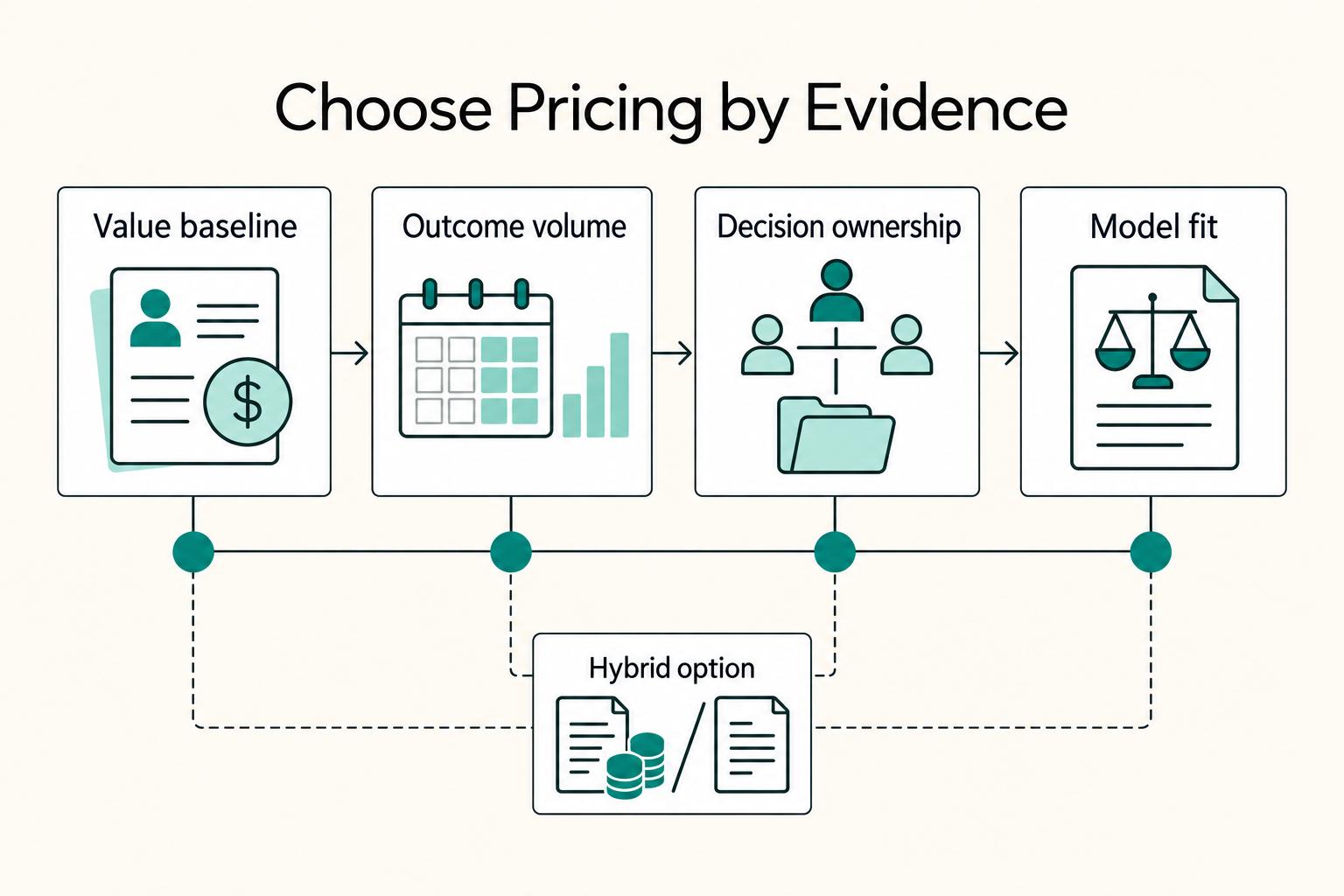
Value-based pricing works when you and the client can name the business result before kickoff and agree on how progress will be judged. If that link is weak, use a tighter model first. This is not about defending one pricing philosophy over another. It is about avoiding surprises by keeping pricing, scope, delivery, and payment aligned from day one.

Best CRM for Freelancers Who Need Reliable Client Follow-Up
If your client work is solid but your admin lives across email, notes, calendar alerts, and a spreadsheet, your CRM choice will succeed or fail on operations, not features. That is why so much advice on the **best crm for freelancers** misses the real issue. The main risk is not choosing a tool with too few buttons. It is choosing one that looks polished in a demo but still lets follow-ups slip when work gets busy.

The Best CRMs with Sales Pipeline Features for Freelancers
If your follow-up lives across email, a notes app, calendar reminders, and memory, the issue is not effort. It is control. You do not need the **best crm with sales pipeline** on paper. You need a tool you will update in the moment and review regularly, because that is what keeps deals moving.