

Quick Answer
Choose the complete setup that can reproduce capacity, billable time, approval evidence and project-budget forecasts with clear owners. Compare the required paid tiers and guest permissions using the same controlled scenario, then pilot one selected setup. An integrated suite or a tested split stack can work; measure cost, reconciliation effort and migration readiness.
How Small Agencies Should Choose a Project Management Tool#
For a small agency, project management software passes or fails on one test: can the setup protect profit while delivery keeps moving. A clean board helps, but it does not tell you who is over capacity next week, what share of this week's time is billable, or which active project is drifting from target margin. Those are the answers that drive weekly decisions.
Most teams see the real gap after the demo. Agency delivery is billable project work, so task completion alone does not run the business. You need connected execution, time capture, hour-based planning, and budget visibility in one operating loop. When those pieces stay split across tools and spreadsheets, people fill the gap with side sheets, manual exports, and status meetings that happen after the outcome is already set.
These are operating questions, not vanity reporting checks. If leaders can answer them only at month end, the team is managing risk too late. The right setup shortens the gap between signal and action so staffing, approvals, and scope calls happen before margin damage compounds.
Use this pass or fail scorecard before any trial starts:
- Project execution depth: Can one project move from intake through delivery, review, and approval without side spreadsheets?
- Resource management and Capacity Planning: Can you plan by real available hours per person instead of task counts?
- Client collaboration quality: Can clients review, comment, and approve in one place without status-thread churn?
- Financial visibility: Can tracked time and project progress show budget or margin pressure before month end?
Treat these as requirements for the overall setup. One product may cover them, or a documented integration may supply time, capacity or finance. Decide which handoffs are acceptable and measure their cost. A spreadsheet with a named owner can be a deliberate control; an unexplained shadow tracker is a different risk.
Use the same controlled project scenario in each finalist first. Once permissions and data handling are checked, pilot a selected setup on one active client account. Keep one authoritative live record so clients do not receive conflicting messages from several trials.
- Who is at capacity next week?
- What time is billable versus internal this week?
- Which project is drifting from target margin?
Judge whether the answers are timely, reproducible and agreed by the relevant owners. Multiple tools can work if their IDs, source records and correction process are explicit. Track the time spent reconciling them, not merely whether an export exists.
A two-week pilot can reveal basic fit, though it may not cover a full billing cycle or complex migration. Use this illustrative sequence and extend it when critical cases remain untested:
- Days 1 to 3: Set required fields, naming rules, and stage gates before importing live work.
- Days 4 to 7: Configure time categories and hour-based capacity views for weekly planning.
- Days 8 to 11: Migrate one live account end to end and log handoff failures.
- Days 12 to 14: Review utilization, missed approvals, and budget drift, then lock standards.
Use equivalent project data, owner roles and reporting points for each finalist. Test sample or appropriately protected records before live migration; do not maintain several active client-facing copies of the same account.
Keep a short decision log during rollout. Record what changed, who approved it, and which metric should improve. That log becomes useful fast. When delivery pressure rises, leaders disagree, or new teammates question why choices were made, you can trace decisions back to a real operating problem instead of restarting old arguments from memory.
Name one pilot owner to capture exceptions as they happen instead of at week end. Note the exact step that broke, who was waiting, and what information was missing so fixes target root causes instead of adding another status ritual.
If pricing is still loose, tighten it during the pilot so the reporting you test reflects reality rather than assumptions. For deeper context, read Value-Based Pricing: A Freelancer's Guide and A Freelancer's Guide to Sales Qualifying.
Who this list is for and how to choose without guesswork#
This guide is for small client-service agencies where task tracking is only part of the job. It is built for teams that need clean handoffs, realistic capacity planning, and financial visibility while projects are still in motion.
If your first requirement is enterprise governance or heavy compliance controls, use a different evaluation path. This list is for agency delivery teams that need execution, staffing, and budget signals to line up without a lot of administrative drag.
Use vendor documentation to establish plan availability and your own trial to establish fit. Feature names such as “workload” or “profitability” can mean different views and calculations. Check the actual required tier, permissions and data inputs rather than borrowing a ranking from a roundup.
Before any trial starts, write a one-page brief for the test account. Make it specific enough that two team leads would set up the work in almost the same way:
- Service type and scope boundary
- Owner roles for each handoff
- Approval path and due-date rules
- Time-entry categories for billable and internal work
Without that brief, teams compare demos rather than outcomes. They overvalue what feels fast in week one and miss what stays dependable in week six, when revisions, resourcing conflicts, and finance questions land at the same time.
Use the same four requirements in every trial: execution continuity, realistic capacity, client collaboration and useful financial evidence. Score the whole proposed setup, including documented integrations, and record any manual handoff and its owner.
Then apply one clear decision rule while scoring. If missed deadlines and rework are mostly driven by staffing and utilization problems, prioritize resourcing depth over a prettier task interface. If the main issue is slow client approvals, prioritize clear review states and response ownership before you add another layer of custom fields.
If two options still look tied, use one tie-breaker. Pick the platform that requires fewer manual handoffs between the account lead, delivery lead, and finance owner to produce the same weekly update. Less reconciliation usually means better adoption, cleaner reporting, and fewer debates about whose numbers are right.
Include realistic revisions and resourcing conflicts in the test scenario. Protect client data and keep active collaboration in one authoritative system during the pilot. Equivalent scenarios across finalists provide a more useful comparison than moving the same live client through multiple workspaces.
Close each trial with evidence notes, not just impressions. Capture where ownership failed, where time categories drifted, and where approval history broke. Those notes make final selection easier and keep the team from reopening the same argument two months later.
Include the commercial terms in the decision: required paid seats, client/guest charges, minimum purchase, feature tier, billing cadence, add-ons, training and migration effort. A cheaper task plan can cost more once capacity, approvals and finance reporting are added.
Quick comparison table for small agency decisions#
Use this table as a first filter before trial week. The goal is not to crown a winner on paper. It is to eliminate weak fits early, then spend pilot time where decision quality can actually improve.
| Tool | Best for | Main limit to watch | Setup difficulty |
|---|---|---|---|
| ClickUp | Teams that want one configurable operating hub for delivery and internal coordination | Over-customization can fragment reporting and approvals if standards are loose | Moderate, guardrails first |
| Monday.com | Teams that need visual pipeline clarity quickly across active work | Clean boards can hide unclear ownership if stage gates are vague | Moderate, stage design matters |
| Teamwork.com | Client-heavy delivery that depends on transparent approvals and shared status | Validate advanced resourcing and finance depth against your process | Moderate, test with a real account |
| Asana | Agencies that need simple execution with low setup friction | Higher-tier resource/time features and paid budget add-ons can address some needs; validate plan, calculation and integration fit | Low to moderate |
| Trello | Very small teams with straightforward work types and light dependencies | Board sprawl and fragmented history appear as complexity rises | Low at start |
| Float and Toggl Track | Teams keeping PM in one tool but strengthening capacity and time discipline | Data drift across tools if naming and ownership are inconsistent | Moderate, needs weekly reconciliation |
| Wrike, Scoro, Productive, Kantata | Agencies outgrowing generic PM and needing tighter delivery-finance alignment | Implementation load rises when handoffs and reporting requirements are undefined | Moderate to high |
Table fit is only a starting signal. Real fit shows up when owners use the tool under delivery pressure, deal with revisions, and still produce an accurate weekly update without extra reconciliation. With that screen in place, verify the same core capabilities in every trial.
| Capability | What to verify in trial week | Practical red flag | Compare first |
|---|---|---|---|
| Capacity planning and time tracking | Available hours, planned effort, actual billable/internal split and documented joins across the proposed setup | No accountable process can produce next-week capacity and explain conflicts | All shortlisted tools with identical sample data |
| Client-facing collaboration | Shared approvals, deadlines, and decision history in the project record | Approval status lives in chat or email threads | Equivalent protected project scenario across finalists, then one selected live pilot |
| Financial visibility signals | Budget drift and profitability pressure visible while work is active | Margin issues appear only after month close | All shortlisted tools with the same reporting cadence |
Classify each requirement as supported, supported through a tested integration, or unresolved. Reject an unresolved critical gap; accept a deliberate workaround only when its owner, cost and failure path are documented. Requiring every answer inside one product would rule out the split-stack option described below.
Close each trial week with a short evidence pack: screenshots, owner notes, unresolved gaps, and the three operating answers. That gives the final decision something firmer than whoever remembers the demo most vividly.
Check plan limits and the cost of the complete setup#
At the 5 October 2026 check, ClickUp’s Workload documentation limits uses on Free and Unlimited, allows unlimited uses on Business, and reserves custom daily-capacity features for specified higher/legacy plans; guests cannot access Workload. monday.com’s Workload widget uses configured effort and work schedules, so a task count is not automatically hour-based capacity. Teamwork’s pricing separates basic time capture, capacity/billing and profitability tiers. Verify your actual current offer, not a trial or legacy plan name.
Asana’s paid resource/time and budget options, Trello’s Standard/Premium distinctions and specialist-tool add-ons can change the comparison. Request the required tier and seat/guest rules for the complete workflow. Price the expected annual commitment, onboarding, integrations and ongoing reconciliation; a quoted per-user monthly equivalent can still require annual payment.
Use the same capacity and margin example in every trial#
For one person, assume a 40-hour week, 8 hours of leave and 6 hours of internal work. Working availability is 32 hours, with 26 hours left for client work. Scheduling 30 client hours creates a 4-hour overload. If actual billable time is 20 hours, billable utilization against the 32 working hours is 62.5%; document this denominator rather than comparing it with a report that uses scheduled client hours.
For an illustrative fixed-fee project worth $10,000, a 30% delivery-margin target allows $7,000 delivery cost. At an assumed $50 per delivery hour, that is 140 hours. If 90 hours are logged and 60 remain, forecast cost is 150 × $50 = $7,500 and delivery margin is 25%. The ten-hour overrun costs $500. Use a real revised estimate and agreed scope change where needed; do not mark hours billable or cut owed work just to restore the target.
This example excludes wider overhead and taxes, so it is not full agency net profit. It also does not prove cash availability or invoice readiness: a contract can require an advance, calendar retainer, approved milestone or time-based bill. Test the relevant trigger, authorized approver and document version, plus client access that hides internal rates and other clients’ records.
ClickUp for agencies that need one configurable operating hub#
ClickUp is strongest when you want one configurable operating hub and are willing to enforce standards early. It can hold planning, execution, review, and internal coordination in one place, which cuts context switching for account and delivery leads.
Its flexibility is both the advantage and the risk. You can tailor views and fields by client while keeping a shared delivery baseline. If governance is loose, that same flexibility can fragment reporting, weaken approval history, and pull leadership discussion toward tool design instead of delivery outcomes.
In practice, teams that do well with ClickUp limit choice up front. Before broad rollout, define required fields for all client work, lock naming rules for projects, stages, and services, keep one communication location tied to parent tasks, and tune notifications so critical changes are visible without flooding channels.
Add one governance habit, and keep it simple. Review template change requests each week, approve only changes tied to a measured problem, and reject style-only requests that create variance with no operating gain. That habit often matters more than feature settings because it determines whether cross-account data stays usable.
Before you expand beyond the pilot account, run a quick verification checkpoint. Ask an account lead to find, in under a minute, the approval status, budget risk, and current owner for one active deliverable. If that takes digging through custom views or separate notes, tighten the structure before you scale.
A second checkpoint keeps flexibility under control. Review recent customizations and remove anything that does not change a weekly decision. Teams often keep fields and views long after they stop being useful. Cleaning those up protects adoption and keeps navigation simpler for new hires.
A common failure mode is treating flexibility as a substitute for discipline. It is not. Standardized templates with limited client-level variation usually outperform open-ended setups because they protect reporting quality. When margin pressure rises, keep delivery status, capacity view, and financial signals in the same review so decisions happen from one place instead of parallel notes.
Monday.com for teams that need visual pipeline clarity fast#
Monday.com is a strong fit when visibility is the immediate bottleneck and the team needs pipeline-state clarity quickly. For agencies running multiple concurrent projects, that visibility can cut status churn quickly.
The value shows up when intake, production, review, and launch are visible in one shared flow that everyone can read without a long explanation. The risk is false confidence from clean boards. If stage definitions are vague, work moves forward while ownership stays unclear, approvals slip, and tasks loop backward without being marked blocked.
That is why stage design matters more than board aesthetics. Set strict gates from day one: one owner per item, one due date per handoff, and explicit exit criteria before stage changes. For campaign work, a simple sequence usually works well: intake, scope approved, in production, internal review, client review, ready to launch. Pair that with a weekly capacity check before assigning new work so commitments reflect real bandwidth rather than optimism.
Keep templates lean at the start. Teams often hurt adoption by launching with too many optional fields, edge-case paths, and nice-to-have automations. Start with the fields leads use every week, then add only what survives two review cycles and clearly improves decisions.
One recurring cleanup check protects the board better than a more elaborate setup. Close stale items, resolve unowned tasks, and confirm upcoming handoffs. Add a second check for blocked work that has sat past one reporting cycle. That keeps review bottlenecks visible before deadlines slip and before the board starts telling a cleaner story than the work itself.
If the board looks healthy but client review keeps slipping, inspect stage exit rules first. Teams often need tighter definitions, not more automations. Better gate design usually improves reliability faster than another dashboard.
Teamwork.com for client collaboration and delivery transparency#
Teamwork.com is usually the better choice when client communication and approval transparency are non-negotiable. If your team is losing time in status threads, scattered feedback, or unclear review ownership, it can centralize more of that activity in the project record.
Teamwork.com offers project execution, time capture, capacity and financial features across plans. Its current pricing page, checked on 5 October 2026, advertises a 14-day trial, with no credit card required. Check which plan and trial features your account receives; the trial does not establish that every feature remains in the subscription you buy.
Time entries, billable and cost rates and budgets can support invoice preparation. Teamwork’s profitability calculation uses logged time and configured cost rates, so missing time or outdated rates change the result. Check permissions before sharing a project: clients may need delivery and approval information without access to your internal costs, margins or other clients’ work.
Validate resourcing, budget and permission depth against the selected plan. Forecasts, including AI-generated suggestions where available, depend on configured inputs and are not guaranteed profit or payment. Test a fixed-fee and a time-and-materials case because their billing and revenue assumptions differ.
Use a realistic pilot. Pick one account with active revisions, pending approvals, and near-term billing. Then ask the account lead and finance owner to read the same project record and agree on three points: delivery status, budget position, and invoice readiness. If they cannot align from that shared record, the setup is not ready yet.
A useful extension of that pilot is to track one disputed item from comment to final decision. If the ownership chain stays clear and deadlines hold, the collaboration design is probably working. If the item stalls between inboxes, tighten assignment rules before full rollout.
Review overdue approvals, missing time and budget burn that has no clear contractual billing action. A deposit, calendar retainer or advance may be due before milestone delivery, so “invoice-ready” is not always “work approved.” Use the agreed trigger and authorized change process; avoid stopping owed delivery merely because a dashboard looks risky. Give each milestone a decision owner. For client handoffs, see The Best CRMs for Freelancers.
Asana for simple execution with low setup friction#
Asana is often the right starting point when a team needs structure quickly without heavy setup overhead. Adoption tends to be straightforward, and the core planning views are strong enough for day-to-day delivery without a large admin burden.
For smaller agencies, that simplicity is a real advantage. You can standardize intake, production, and review with minimal training, then spend energy on execution discipline instead of tool maintenance. That is especially useful when the bigger risk is inconsistency, not missing advanced features.
Asana’s current Advanced plan includes portfolio resource management, approvals/proofing and native time tracking; its pricing also lists a Timesheets & Budgets add-on. These capabilities make “Asana has no capacity or finance features” an unsafe assumption. Verify tier, add-on cost, permissions and calculation fit rather than comparing a basic Asana setup with a fully configured agency suite.
To get good early results, keep the operating model explicit. Create one template per service line, keep naming conventions consistent across projects, make handoff ownership explicit at task level, and document billing handoffs so finance receives usable inputs.
If weekly updates require growing manual coordination, compare the cost of repairing the current configuration or adding a supported integration against migration. Wrike or an agency suite may fit, but higher price or feature count alone does not settle the choice. Move after establishing data and ownership standards, with export and rollback planning.
A setup still fits when owners can reproduce the weekly answers from defined source records and correct errors quickly. A controlled finance export is acceptable; unexplained parallel records that disagree are a reason to investigate.
Trello for very small teams with straightforward work types#
Trello works best when the team is very small, work types are straightforward, and speed of launch matters most. Its visual model is easy to adopt, which lowers the barrier to getting everyone into a shared process.
Trello’s plans differ: Custom Fields are included from Standard, while Premium adds Calendar, Timeline, Table, Dashboard and Map views. Built-in automation is available across plans with different allowances, and third-party Power-Ups can cost extra. Check the actual paid tier and guest policy before assuming a free board supplies every capability in a demo.
The ceiling appears when dependencies, approvals, and cross-team planning become routine rather than occasional. At that point, teams often add parallel trackers, split decision history, and debate which card is current. The board can still look simple while the operation underneath becomes harder to trust.
Standardize stages and card naming, and link each deliverable to its client and project IDs. Keep one authoritative record per work item; several active deliverables can legitimately belong to one client. Define who advances a card and how approval is recorded, including its exact document version.
A weekly card-hygiene sweep extends reliability more than extra board complexity. Archive stale cards, resolve duplicates, and verify that blocked cards carry a named owner and next action. Small controls like this reduce drift without heavy process overhead.
Watch two migration signals together. First, handoff errors or missed deadlines become a weekly pattern. Second, board sprawl appears and no one agrees which card is current. When those signals show up at the same time, stop patching and start evaluating a more structured platform.
Float and Toggl Track for capacity and time discipline#
A split setup is worth testing when delivery tracking already works but capacity or financial evidence needs improvement. Float can supply planning, and Toggl can supply time and profitability evidence. Float also offers time tracking, so compare a smaller configuration before automatically buying both. Extra tools need a specific benefit and a tested data handoff.
Float handles planned capacity. Use it to map true availability, including leave, public holidays, recurring internal work, and forecasted demand. This is where static spreadsheets usually break down because assumptions age quickly and ownership for updates stays unclear.
Toggl captures actual hours and supports billable-rate and profitability reporting in applicable configurations. Compare planned effort with actual time by stable project and service IDs. Keep internal work and unchargeable revisions visible: relabeling them billable cannot create a contractual right to invoice the client.
This stack works best as three connected layers:
- Execution layer: ClickUp or Monday.com for tasks, ownership, and deadlines
- Capacity layer: Float for planned load, availability, and utilization checks
- Time layer: Toggl Track for actual hours and billability evidence
The recurring risk is data drift across tools. Prevent it with one shared naming taxonomy, one owner for corrections, and one weekly checkpoint that compares planned capacity, tracked hours, and billable mix. If those three views disagree, treat it as an operating issue, not an admin annoyance.
Add a reconciliation habit that keeps the review practical. Each week, choose one account where planned and tracked hours diverged, document the cause, and decide whether scope, staffing, or estimate assumptions need correction. Common failure modes are familiar: under-scoped revisions, unplanned internal support, and time-entry rules that are too loose to report on. If billable versus internal categories remain unclear after two review cycles, fix entry rules before you add more dashboards.
Set a weekly cut-off for late entries and review exceptions on the same day every week. The rhythm matters here. Without it, time evidence shows up too late to influence current staffing decisions.
Use what you learn to adjust the next planning cycle. If the same service line keeps diverging, update estimate assumptions and capacity buffers so the miss does not repeat by default.
Wrike Scoro Productive and Kantata when you outgrow generic PM#
When delivery, resources, approvals and billing repeatedly need reconciliation, compare a professional-services or agency-management setup with improving your current integrations. The useful test is total operating effort and evidence quality, including implementation cost.
Keep the comparison disciplined. Use one scorecard and one pilot script for every option so each product is judged against the same operating need rather than a sales narrative.
- Wrike: test its actual plan’s approvals, time tracking and resource features, plus the billing handoff; a task tool may still need an accounting integration.
- Scoro: test the project and budget view, configured revenue model and profit tracker, with actual time, cost and invoice inputs.
- Productive: test budgets, resource bookings and profitability fields with the right permissions; compare fixed-fee and time-based service assumptions.
- Kantata: specify the actual offering and implementation scope, then test resource planning, project accounting and integration handoffs end to end.
Selection quality usually depends more on process clarity than brand preference. Before rollout, define required fields, ownership rules, approval steps, and role-based reports. Then choose the option that creates the least reconciliation work after two weeks of real use.
Keep the pilot script simple: one active account, one fixed reporting cadence, one shared owner group, and one evidence log. If a platform needs heavy workaround notes just to complete that script, it is a weak fit for your stage. If two options still tie, choose the one that keeps finance and delivery in the same record with fewer manual exports.
Do not skip implementation readiness checks. Even the right product will underperform if stage definitions, role ownership, and reporting cadence are unresolved at launch.
Fourteen day implementation checklist to avoid tool failure after purchase#
Use the first two weeks as an initial implementation window, with an accountable owner and a shared standards document. Larger imports, client permission reviews and full billing cycles can need longer. The sample plan below is a sequence of checks, not a promise that every agency can finish in fourteen days.
| Days | Focus | Key checks |
|---|---|---|
| Days 1 to 3 | Define delivery templates before importing live projects | Set required fields, service templates, and stage gates; confirm no handoff is ownerless |
| Days 4 to 7 | Configure capacity planning and time-tracking rules | Decide how planned capacity, actual hours, and billable versus non-billable time are logged; confirm every role uses the same categories |
| Days 8 to 11 | Migrate one active client account end to end | Run the selected account through delivery, approvals, time and reporting with documented handovers and no unexplained duplicate trackers; verify owners, dates and client/service mapping |
| Days 12 to 14 | Hold a leadership review and lock standards | Review utilization, missed handoffs, approval cycle time, and recurring exceptions; make a go or no-go expansion decision based on pilot evidence |
Implementations usually fail when teams rush the sequence, leave ownership vague, or import live work before the structure is stable. Run the first two weeks in order. Each block depends on the one before it.
Freeze non-essential template edits during these two weeks. Teams learn faster on a stable structure, and pilot evidence stays comparable from day to day.
Days 1 to 3: Define delivery templates before importing live projects#
Set required fields, service templates, and stage gates first. Write plain definitions for each field, owner role, and gate so everyone uses the same language. Push one sample task through every stage and confirm no handoff is ownerless. End day 3 with a short lead review to confirm each stage means the same thing across services. If it does not, delay live import.
Days 4 to 7: Configure capacity planning and time-tracking rules#
Decide how planned capacity, actual hours, and billable versus non-billable time are logged by role. Assign a weekly review owner to compare planned and actual load and flag drift early. Before week one closes, confirm every role can enter time using the same categories. Reject free-text labels that break reporting consistency. This step feels administrative, but it is what allows delivery, staffing, and finance to read one set of numbers later.
Days 8 to 11: Migrate one active client account end to end#
Migrate a controlled account after verifying source exports, permissions and IDs. Compare record counts, attachments, comments, approval versions and time totals; resolve any missing fields. Disable duplicate client notifications and keep the old source read-only once cutover is approved. Confirm which system owns each billing and delivery status, and retain a documented rollback or recovery path before wider rollout.
Days 12 to 14: Hold a leadership review and lock standards#
Review utilization, missed handoffs, approval cycle time, and recurring exceptions from the pilot. Finalize mandatory standards and training notes. End with a go or no-go expansion decision based on pilot evidence, not optimism. If the answer is go, publish who owns future template changes and quality audits. If not, pause and fix process gaps while scope is still small.
When the pilot closes, decide who owns change requests going forward and how exceptions are approved. Without that final ownership handoff, standards drift quickly even after a strong launch.
If rollout starts to feel rushed, treat that as a warning. Pausing expansion to close process gaps is cheaper than teaching the team to distrust the new platform in its first month.
Common mistakes that make agency PM rollouts collapse#
Most agency PM rollouts fail in execution, not product selection. The same breakdowns show up again and again: unclear ownership, split records, weak time-data discipline, and no recurring quality checks. The tool gets blamed, but the root problem is usually that operating rules were never locked.
Treating PM tools as set and forget#
A platform does not stay healthy on autopilot. When role ownership, naming standards, or approval rules are vague, teams create duplicates, skip fields, and miss risks that should be obvious. Assign explicit owners for taxonomy, approvals, and reporting, then review those standards on a fixed cadence. A small amount of routine governance prevents a lot of late confusion.
Buying an all-in-one platform before defining handoffs and reporting outputs#
An all-in-one platform still requires defined handoffs, reports and update owners. Ask who approves scope, who verifies time, which event makes an invoice due and which system owns the accounting entry. Evaluate the actual product and plan against those requirements.
Skipping time-tracking hygiene because delivery boards look healthy#
Tasks can move while financial visibility quietly degrades. In many generic PM setups, the weak link sits between completed work and bottom-line impact. Keep a recurring review for missing entries, billable versus non-billable mix, and category accuracy so margin risk appears early enough to act. If the team does not trust the time data, budget conversations become slower and more political than they should be.
Ignoring migration risk and keeping multiple active records#
When old and new tools both stay active, teams and clients get conflicting updates. That split amplifies miscommunication and slows decisions because nobody is sure which record is authoritative. Set one collaboration platform as the active record, switch legacy records to read-only at cutover, and document how status updates are published. A clean handoff matters more than perfect historical cleanup.
Letting ownership drift after launch#
Hidden ownership drift is common. Teams start with clear roles, then shared responsibility slowly becomes no responsibility. Prevent this by naming backup owners for approvals and reporting reviews before the first month ends. If the primary owner is out, the process should keep moving without invented exceptions.
Run one single-record check each cycle. Pick a random project and verify that status, owner, due date, and billable classification match across views. If they do not, fix the mismatch before the next planning meeting. That small audit catches the kind of quiet data decay that eventually makes teams abandon a workable tool.
One extra pattern is worth watching. Teams often treat adoption problems as training problems when the root cause is inconsistent setup. If stage labels mean different things across services, no amount of training solves confusion. Standardize definitions first, then retrain against that baseline.
If the same mismatch appears for two cycles, treat it as a design flaw, not a user mistake. Correct the setup at the template level so the fix scales across accounts.
Make the Decision From the Pilot Evidence#
Choose the setup that protects delivery quality and profitability together. The longest feature list does not matter if your team still cannot see hour-based capacity, billable versus internal time, and budget health in one weekly review.
There is no universal winner. The right stack is the one that matches how you sell, deliver, staff, and report. If the decision does not improve time discipline, budget control, and utilization visibility, you are optimizing the wrong layer.
An integrated platform can reduce handoffs, while a split stack can preserve a delivery process that already works. Both need defined record ownership and reconciliation. Compare whether they produce the weekly answers reliably and how much effort and cost each requires.
Use this sequence to close the loop:
- Define required capabilities, plan availability, permissions and total cost.
- Compare equivalent controlled project scenarios, then pilot a chosen setup on one approved live account.
- Verify migration evidence, lock record ownership and keep a recovery path before expansion.
Document the decision and the first month of outcomes so future changes are judged against evidence instead of preference. If the choice is close, prioritize stronger capacity and billability control when margin visibility is weak, then commit to one operating standard your team can follow every week.
After go-live, keep one recurring health check. Review missing owners, stalled approvals, and uncategorized time entries in the same meeting. If those signals rise for two weeks, tighten standards before adding more fields or automations.
Keep that review short and decision-focused: one root cause, one owner, and one correction deadline per cycle.
Save the final configuration, required plan and first-month results with the decision log. Review later changes against the same capacity, billing and permission checks so each new feature solves a defined problem.
Frequently Asked Questions
What is the best project management software for a small agency with mixed services?
There is no single winner for mixed-service agencies. Test whether the proposed setup links scope, capacity, approval versions and time evidence through defined records. Compare next-week capacity, billable mix and forecast project margin using equivalent inputs. A tested integration or controlled export can be acceptable if its owner and operating cost are clear.
A useful tie-breaker is decision speed under pressure. If one option consistently gives clear answers before planning meetings, that option will usually deliver better operating discipline over time.
Are general tools like ClickUp, Monday.com, and Asana enough, or should I choose an Agency Management System?
General tools can support an agency when the selected tier and integrations cover its process. Asana, ClickUp and monday.com have different resource, time and approval features and limits. Consider an agency-management system when improving that setup costs more than a tested alternative, or critical billing, budget or permission requirements remain unmet. Do not use “general tool” as shorthand for missing every finance feature.
The transition point usually becomes obvious in weekly reviews. If leaders spend more time reconciling records than deciding next actions, it is time to evaluate a more integrated option.
Which features are non-negotiable for agency operations besides task tracking?
Required capabilities depend on your services, but check scope versions, accountable handoffs, hour-based capacity, approval evidence and useful budget calculations. Define billable utilization and project-margin formulas, including whether costs cover delivery labor only or wider overhead. A task marked approved does not alone establish a legal signature or make every charge invoiceable; apply the actual contract’s approval and billing method.
Treat these as gate checks, not feature wishes. If one is weak, delays and rework usually rise even when the board looks organized.
How do I choose between ClickUp, Monday.com, and Teamwork.com for client-heavy work?
Compare equivalent client-service scenarios and the plans you would actually buy. ClickUp is a candidate for configurable delivery; monday.com for visual workflows; Teamwork.com for linked time, capacity and client-work financial records. Those are selection hypotheses, not independently tested rankings. Check guest permissions, actual approval evidence, capacity limits and how invoice-ready amounts reach finance. Pilot one chosen setup on a live account after permissions and data handling are verified.
Do not skip owner interviews after the pilot week. The cleanest screenshot means very little if account leads and finance owners still disagree on status from the same project record.
Should I start with tasks, Capacity Planning, or Time Tracking first?
Start with scope and task ownership. If those are unclear, capacity plans and time logs turn into noise. Add Capacity Planning next so commitments match real availability before promises are made. Introduce Time Tracking once that baseline is stable, with strict categories and a named review owner. This sequence prevents a common failure mode where teams log hours but still cannot explain deadline slips or margin pressure. Stabilize each layer before you add another reporting view.
The goal is not to launch every feature quickly. The goal is to make each layer trustworthy before the next layer depends on it.
When should I move from Trello or Asana to Wrike, Scoro, Productive, or Kantata?
Consider migration when recurring allocation disputes, manual reconciliation or missing billing evidence cannot be resolved economically in the current configuration. Trello and Asana have different paid features, so test the relevant upgrade or integration before assuming both have the same ceiling. Evaluate Wrike, Scoro, Productive or Kantata with equivalent inputs, permissions and operating-cost criteria.
Make the move before reporting trust collapses. Recovery is easier when standards are still intact and teams are not yet dependent on parallel trackers.
What are the most common setup mistakes that make agencies abandon new PM tools?
The common mistakes are predictable: unclear ownership, inconsistent naming, weak approval rules, poor time-entry hygiene, and multiple active sources of truth after launch. Teams also underestimate implementation effort, rush migration, and skip weekly quality checks. Adoption drops because people stop trusting the data. Prevent this by locking required fields early, assigning owners for taxonomy and reporting, and running a fixed single-record audit on live projects. Consistency in month one matters more than extra features in month six.
If trust drops, pause expansion and repair data quality first. Rolling out to more accounts while confidence is low usually multiplies rework and resistance.
Try a related tool
Researched and edited by the Gruv editorial team. Gruv builds cross-border billing, payouts, and finance-operations software for global businesses.
Sources
Includes 8 external sources outside the trusted-domain allowlist.
- asana.com/pricingexternal
- docs.toggl.com/billable-rates-in-toggl-2-0external
- docs.toggl.com/profitability-reportsexternal
- float.com/product/capacity-planningexternal
- help.asana.com/s/article/approvalsexternal
- help.clickup.com/hc/en-us/articles/30657456679703-Workload-vi...external
- help.productive.io/en/articles/11930194-the-services-tab-in-bud...external
- help.wrike.com/hc/en-us/articles/360023006313-Approvals-in-...external
Educational content only. Not legal, tax, or financial advice.
Related Posts
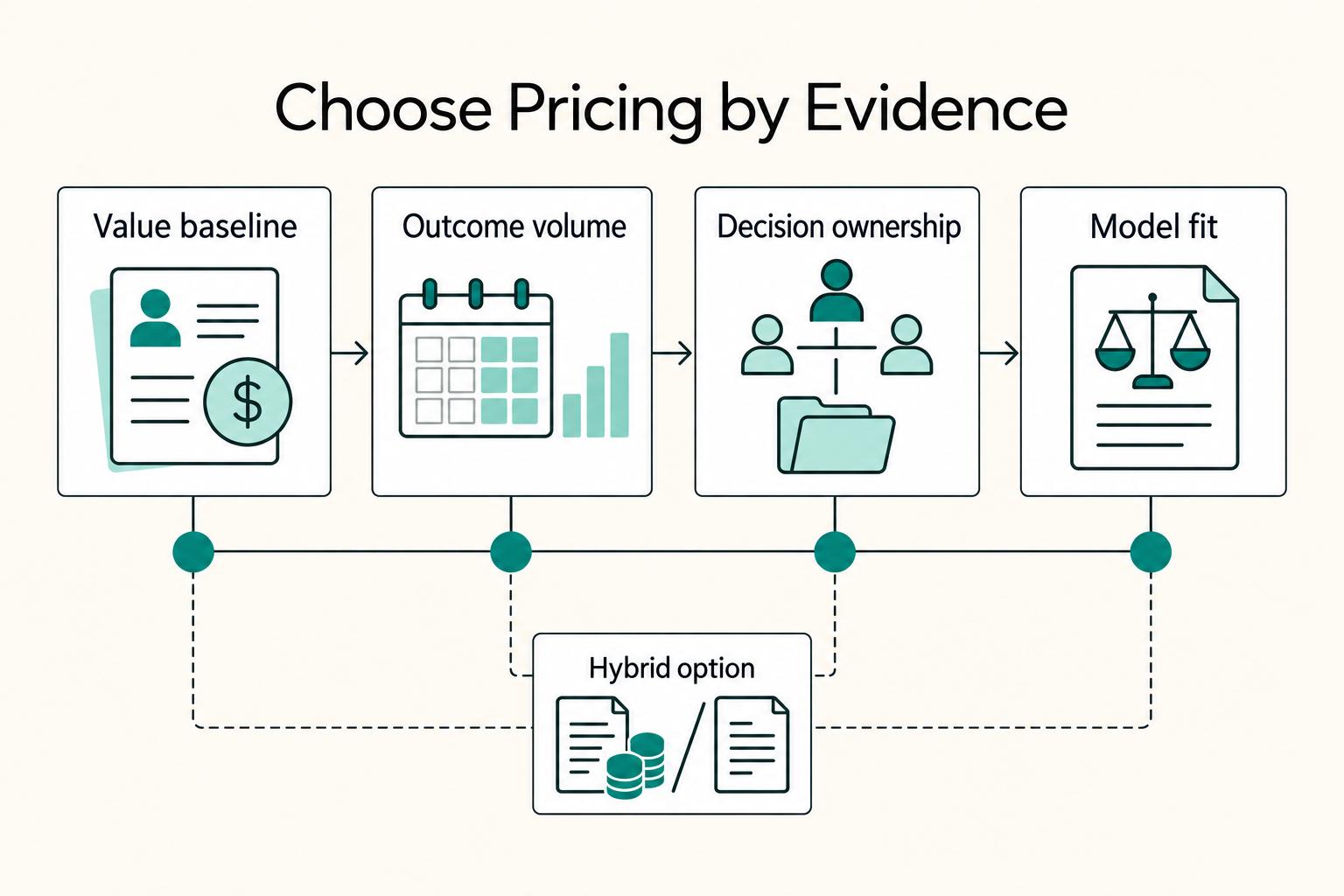
Value-Based Pricing for Freelancers Under Real Payment Risk
Value-based pricing starts with the client’s expected benefit and willingness to pay. It still needs a deliverable, scope and payment agreement you can perform. Use a discovery phase when the benefit or effort is too uncertain to support a defensible quote.

Best CRM for Freelancers Who Need Reliable Client Follow-Up
If your client work is solid but your admin lives across email, notes, calendar alerts, and a spreadsheet, your CRM choice will succeed or fail on operations, not features. That is why so much advice on the **best crm for freelancers** misses the real issue. The main risk is not choosing a tool with too few buttons. It is choosing one that looks polished in a demo but still lets follow-ups slip when work gets busy.

Freelance Sales Qualifying That Protects Your Time and Pipeline
You do not need to become more persuasive to stop bad-fit projects from taking over your week. You need a repeatable way to decide who gets your time, who gets a proposal, and who gets a polite no. That's what freelance sales qualifying is for. It protects your calendar and pipeline value by stopping low-fit leads earlier.