
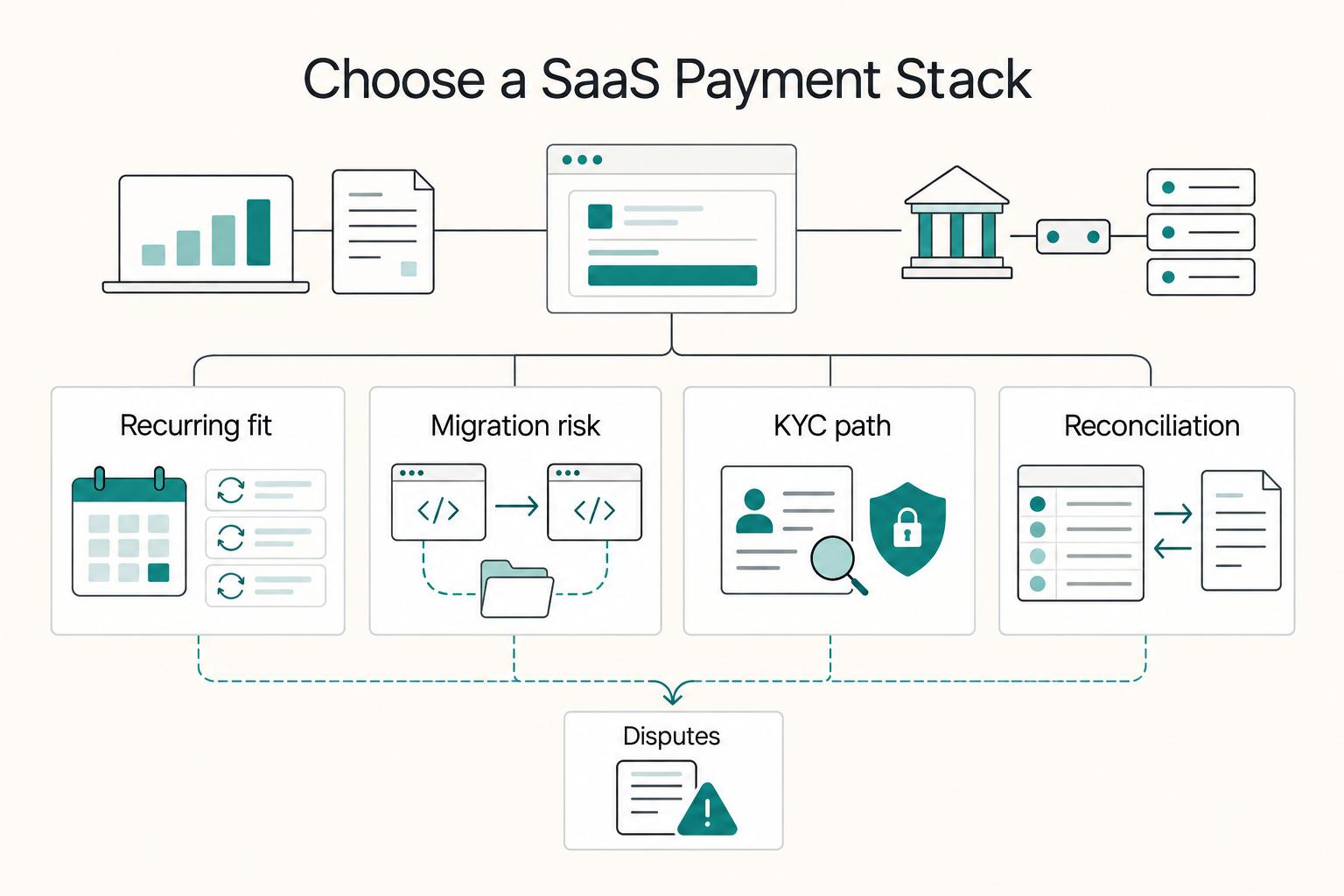
Quick Answer
Start with your pricing and seller model. Stripe Billing offers subscription lifecycle tools; Adyen provides recurring payment tokenization; Paddle combines SaaS billing with MoR responsibilities; PayPal Subscriptions supports several plan models with product-specific change behaviour.
The first checkout is only one payment in a SaaS relationship. Your provider must also support the next renewal, a seat change, a failed collection and a cancellation that stops future billing. Evaluate those cases before choosing a checkout logo.
Separate payment, billing and seller roles#
| Role | What it does | Your decision |
|---|---|---|
| Payment processing | Collects through supported cards, wallets or bank methods. | Which methods and merchant countries are required? |
| Subscription billing | Calculates invoices, renewals, changes and recovery. | Do you build those rules or buy a billing system? |
| Merchant of record | Acts as the transaction seller under its supported model. | Do you retain that role or use a qualified MoR service? |
| Product entitlements | Determines what the customer can use. | Which verified billing and payment facts grant or remove access? |
Scope the exact product. Stripe Billing with ordinary Payments keeps your business as merchant of record. Stripe’s separate Managed Payments offers a MoR model for eligible digital sales, with different supported integration and product requirements. Adding billing alone does not change the legal seller.
Four products with different strengths and boundaries#
This comparison uses official product documentation checked on October 3, 2026. It describes documented capabilities and selection questions, not measured performance or universal merchant eligibility.
| Product | Documented SaaS capability | Boundary to test |
|---|---|---|
| Stripe Billing | Subscription lifecycles, pricing models, invoices, customer portal and configured recovery. | Your collection mode, payment methods, tax setup and access policy. |
| Adyen online payments | Tokenization for subscriptions and unscheduled card-on-file payments. | Who owns scheduling, usage calculation, invoices and subscription state in your architecture? |
| Paddle Billing | SaaS MoR model with subscriptions, plan changes, proration and customer self-service. | Approved software activity, reseller terms and exact billing-change behaviour. |
| PayPal Subscriptions | Fixed, quantity, volume and tiered plans, trials and subscription changes. | Supported product in your merchant country, customer re-consent and proration limits. |
With Adyen, shopper consent and a stored token enable later recurring payment requests. Current documentation distinguishes creating a token through Sessions from making subsequent off-session payments through the appropriate payments flow. Qualify your integration rather than treating the token vault as an invoice scheduler.
Paddle’s accepted-use guidance targets software businesses; a primary consulting or physical-goods business needs a different assessment. A SaaS label does not automatically approve a marketplace, financial product or restricted activity.
Describe your pricing before the demonstration#
- Billing period and whether payment is collected automatically or by invoice.
- Flat subscription, seats, usage or a combination.
- Trials, discounts, tax-inclusive or tax-exclusive prices and settlement currency.
- Upgrade, downgrade and cancellation effective dates.
- Who can authorise changes for a business customer.
- Grace periods, recovery communications and access after nonpayment.
Usage billing needs a reliable meter, a closing time and a correction policy. Demonstrate late usage, duplicate usage records and a credit after invoice finalisation. A provider supporting a usage-price model does not make your source usage data accurate.
Test a mid-cycle upgrade#
Illustration: a customer moves from USD 100 to USD 200 per billing period exactly halfway through it. Under an immediate difference-based proration policy, the extra charge is (USD 200 − USD 100) × 0.5 = USD 50 before tax. Your actual policy may instead apply at renewal or choose another treatment.
Paddle documents explicit proration modes, including billing now, billing next period or not billing, and offers update previews. Compare the preview to the intended customer promise. Its update API also distinguishes whether a failed collection prevents or allows the plan change.
PayPal’s quantity-change documentation says changes take effect at the next billing cycle and proration is not automatic. For subscriptions using PayPal, a quantity revision requires customer re-consent; direct-card subscriptions have different behaviour. Do not promise the same instant seat-upgrade flow across both paths.
Link invoices to access deliberately#
Keep the customer, subscription, invoice and payment references. An active subscription is not universal evidence that every invoice was paid. Stripe documents different behaviours for invoice collection and delayed-confirmation methods; your access policy must account for those cases.
| Situation | Payment question | Product policy to decide |
|---|---|---|
| Free trial | Is a payment actually due yet? | Allow trial access until the agreed expiry. |
| Authentication required | Has the existing payment completed? | Ask the customer to authenticate rather than creating another charge. |
| Delayed-confirmation method | Is collection pending or confirmed? | Use an explicit provisional-access policy and handle later failure. |
| Renewal failed | What recovery state and next action apply? | Apply the agreed grace period and notify the customer. |
| Cancellation scheduled | When does access and future billing end? | Keep the paid period and cancellation effective date consistent. |
Use authoritative provider records and verified subscription events to update your application. A successful browser redirect is useful for customer navigation, but should not be the sole basis for durable paid access.
Recover collections without duplicate charges#
- Let one system own each invoice’s retry schedule.
- Keep the original payment reference when the customer returns to authenticate or update a method.
- After a timeout, retrieve the remote result before making a new financial attempt.
- Verify events, persist them durably before acknowledgement, and commit local effects with their processing marker atomically.
- Use a business-level unique obligation as well as event deduplication; two events can describe the same payment.
That local transaction does not include an external API create. Preserve the remote correlation and reconcile a crash between remote success and local recording. Resolve whether an original charge can still complete before a cross-provider replacement.
Compare the monthly cost and settlement#
Illustration: ten customers each pay USD 100, producing ten transactions and USD 1,000 collected, excluding tax, FX, refunds and disputes. Paddle’s published checkout rate of 5% plus USD 0.50 gives USD 50 + USD 5 = USD 55 on these inputs. Verify the actual fee basis and commercial terms before budgeting.
For a processor-plus-billing stack, include processing, recurring-billing fees, tax services, payment recovery, disputes, FX and payout costs. Compare the scope you would otherwise operate yourself. A headline processing rate is not the full monthly bill.
Reconcile collections to net settlement through refunds, taxes, fees and reserves. Cash arriving at the bank is not necessarily the same as recognised subscription revenue; annual prepayments and deferred service periods need an accounting policy.
Run a lifecycle pilot and migration plan#
- First purchase and authentication, including delayed confirmation where relevant.
- Trial conversion, ordinary renewal and failed renewal recovery.
- Seat increase, downgrade, usage correction and cancellation.
- Refund, dispute and settlement reconciliation.
- Customer portal and export of invoices and subscription history.
- Approved migration of credentials or mandates, with renewed consent where required.
In cutover, assign each next renewal to one system and preserve the last paid period. Keep ownership of old disputes and refunds after moving checkout. Select the provider that matches your seller model and passes the cases your subscribers will actually encounter.
Frequently Asked Questions
Is a gateway enough for a SaaS subscription?
It can collect payments, but you also need rules for recurring obligations, invoices, changes, recovery and access. A tokenization service does not automatically provide all of those billing functions.
Does PayPal automatically prorate a seat change?
Its cited quantity-change documentation says the new price applies at the next billing cycle and proration is not automatic. PayPal-funded changes also require customer re-consent; qualify the exact payment path.
Can subscription status alone prove a customer has paid?
No. Collection modes and delayed methods can produce active subscriptions before confirmed payment or with outstanding invoices. Use invoice and payment evidence with your explicit access policy.
Should the application retry every failed renewal itself?
Assign one retry owner and follow the documented recovery flow. Resolve unknown remote outcomes and existing customer-action requirements before a new charge, and apply local processing effects atomically.
Try a related tool
Researched and edited by the Gruv editorial team. Gruv builds cross-border billing, payouts, and finance-operations software for global businesses.
Sources
Includes 4 external sources outside the trusted-domain allowlist.
- developer.paypal.com/subscriptions/customizetrusted
- developer.paypal.com/platforms/subscriptions/customize/change-qua...trusted
- docs.stripe.com/billingtrusted
- docs.stripe.com/billing/subscriptions/overviewtrusted
- developer.paddle.com/get-started/how-paddle-works/saasexternal
- developer.paddle.com/concepts/subscriptions/prorationexternal
- docs.adyen.com/online-payments/tokenizationexternal
- docs.adyen.com/online-payments/tokenization/create-tokensexternal
Educational content only. Not legal, tax, or financial advice.
Related Posts

The Freelance Payment Penalty: A Modeled Audit of Platform Fees, FX Spreads, and Payout Delays
The money rarely disappears through a single, easy-to-spot fee. The real loss is stacked. A marketplace takes its commission, a processor adds a charge for international cards, a bank or payment company converts the currency at a spread, a platform holds the funds before release, and a wire sheds a little to intermediaries on the way in. Each layer looks defensible on its own, but the worker feels the combined result as a smaller deposit and a later payday.
How to Respond to a Subpoena for Business Records
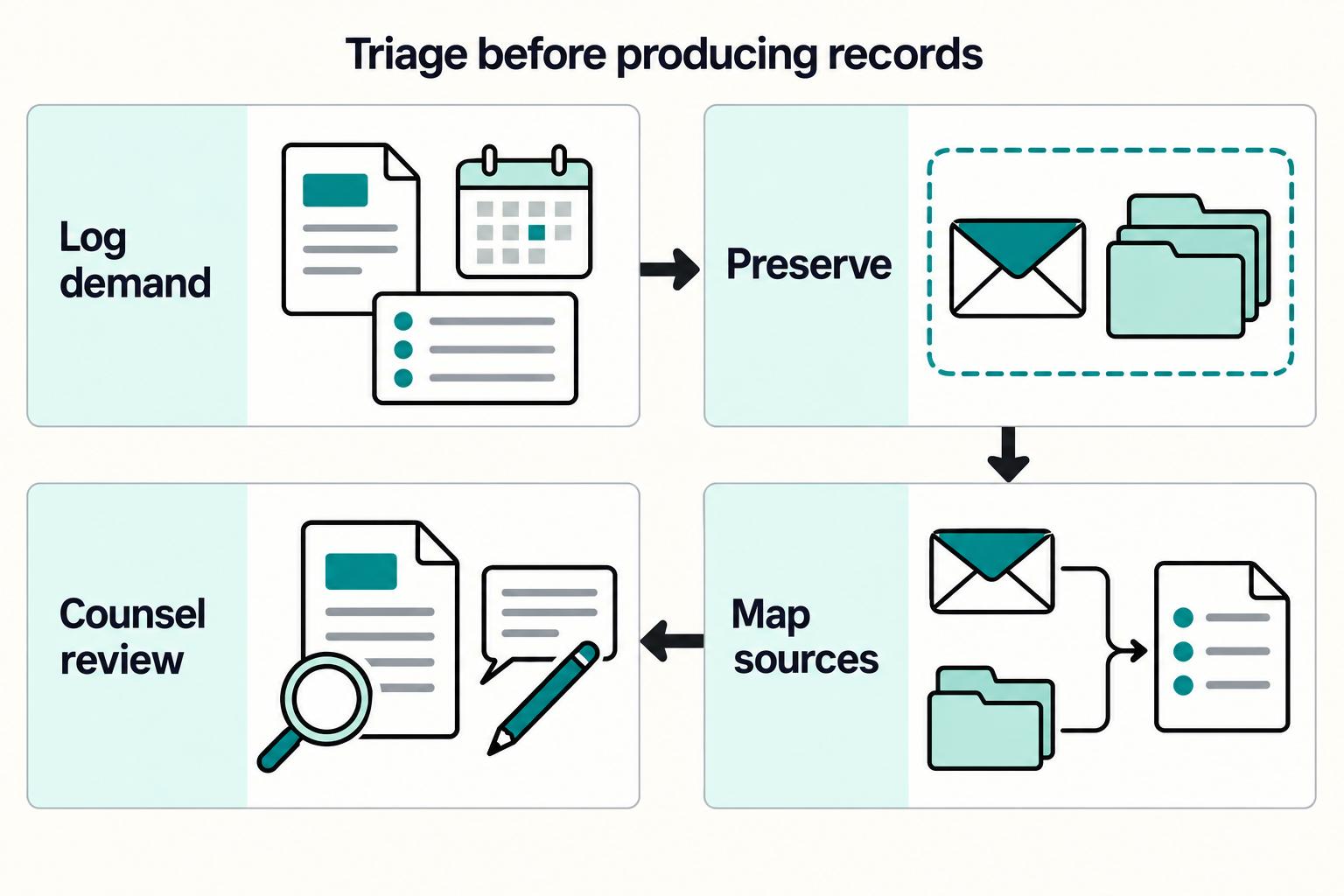
Move fast, but do not produce records on instinct. If you need to **respond to a subpoena for business records**, your immediate job is to control deadlines, preserve records, and make any later production defensible.
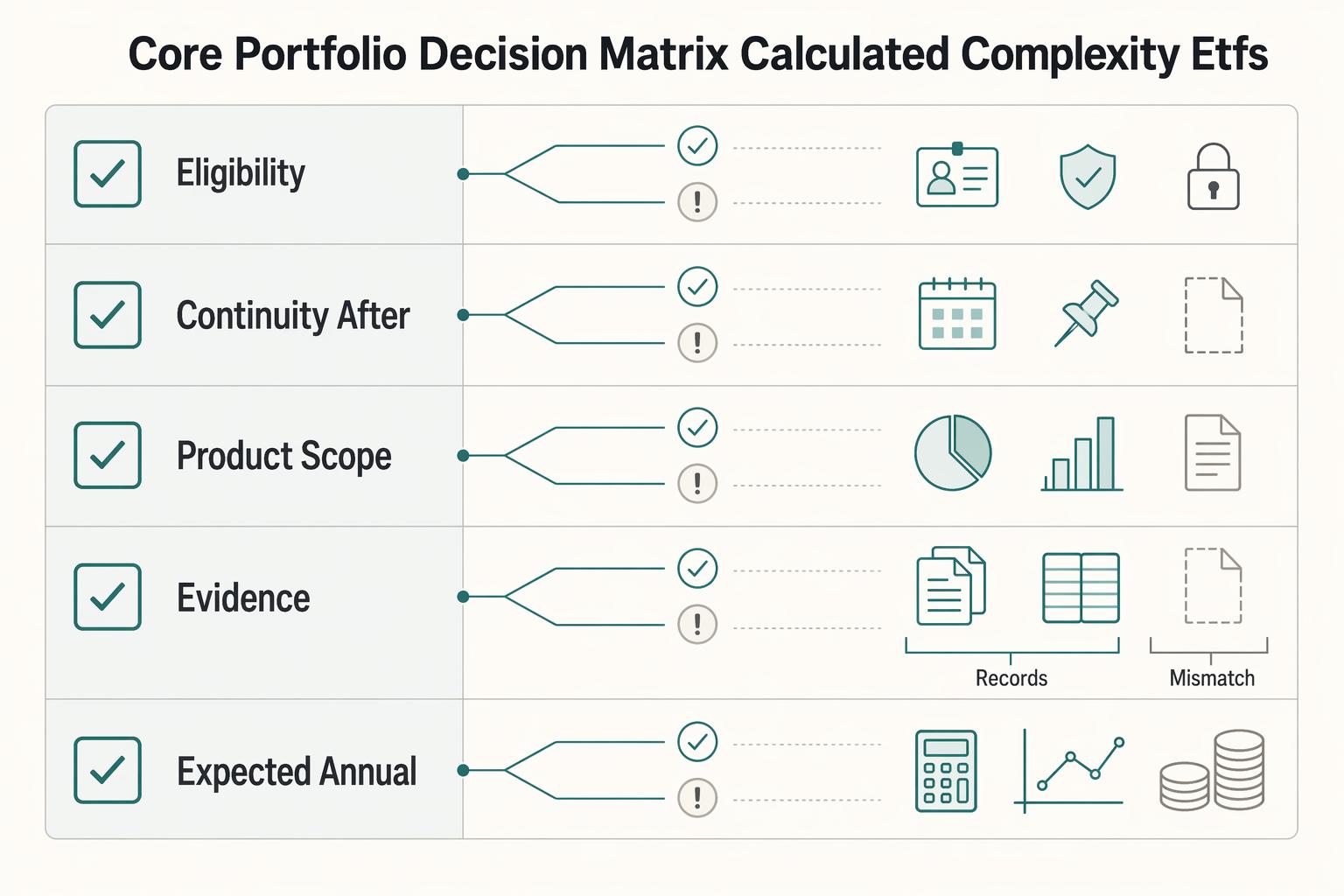
A US Expat's Guide to Investing in UCITS ETFs to Avoid PFIC Issues
The real problem is a two-system conflict. U.S. tax treatment can punish the wrong fund choice, while local product-access constraints can block the funds you want to buy in the first place. For **us expat ucits etfs**, the practical question is not "Which product is best?" It is "What can I access, report, and keep doing every year without guessing?" Use this four-part filter before any trade: