
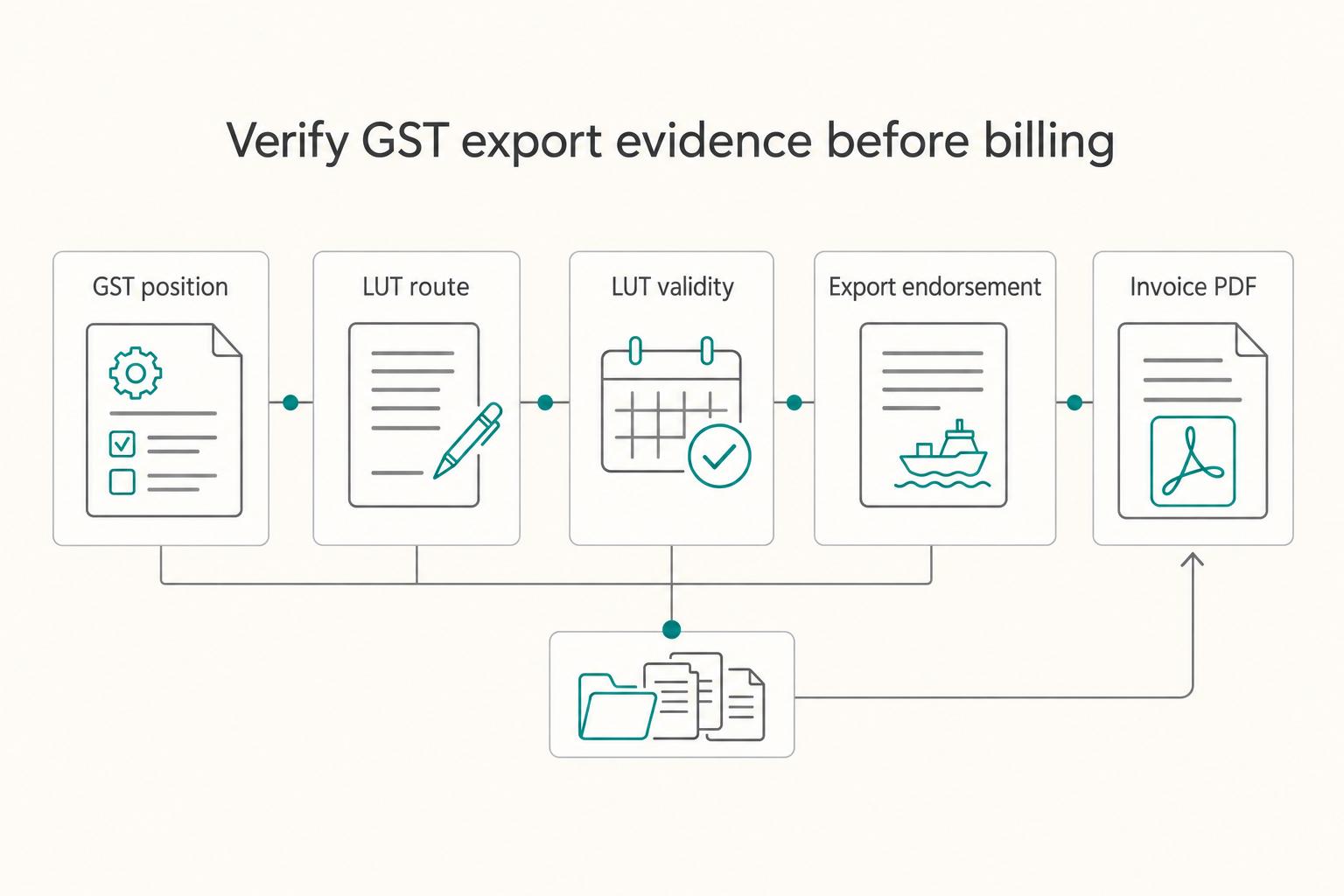
Quick Answer
To invoice international clients from India cleanly, set your GST position first, verify your LUT route and export endorsement, and use one repeatable export invoice with a complete remittance evidence pack. Then choose a payment rail based on follow-up burden, especially settlement-path clarity, remittance proof, reminders, and how easily you can archive the invoice, approval trail, payment advice, and bank records together.
Lock your LUT status, export invoice template, and evidence trail before billing#
If you invoice international clients from India, get three controls right before the first invoice goes out: your LUT status, your export invoice template, and your remittance evidence trail. If any one is weak, the cleanup and compliance risk usually show up later.
The usual mistake is not that people forget invoicing altogether. It is that they start with formatting, rush the PDF out, and only then discover that the tax position, export wording, or payment-proof trail is not ready. That creates a messy sequence. You issue first, explain later, revise later, and archive later. A cleaner process is to decide the tax route first, lock the invoice structure second, and only then choose the payment rail that gives you a usable document trail.
Treat this as one system rather than three separate tasks. Your client sees one invoice. Your bank or payment route sees one incoming remittance. Your records need to connect those two points without guesswork. If the invoice wording is right but the remittance trail is weak, the file is incomplete. If the remittance proof is available but the invoice was issued from a stale template, you still have a preventable problem. The goal is not just to get paid. It is to get paid through a process you can repeat calmly every month or every project cycle.
1. Lock your tax position before issuing the invoice#
Your tax treatment is the first decision, not something to fix after the invoice is sent. Set the GST position first, then draft the invoice. CBIC circular text reproduces that exports are within zero-rated supply under IGST Section 16. It also reproduces the Section 2(6) export-of-services conditions used in practice, including foreign-exchange receipt and the distinct-person test.
| Step | Check | Article detail |
|---|---|---|
| 1 | Confirm GST position | Set the GST position first, then draft the invoice. |
| 2 | Confirm whether the LUT route is the one you are using | If you are exporting without payment of IGST, furnish bond/LUT before export through FORM GST RFD-11. |
| 3 | Verify current LUT details | LUT validity is for the whole financial year in which it is tendered. |
| 4 | Verify the export endorsement in the invoice | Verify that the export endorsement included in the invoice matches that route before issue. |
| 5 | Generate the invoice PDF | Only then generate the invoice PDF. |
That sequence matters because the invoice is where your tax position becomes visible. Once a document goes to the client, it tends to get copied into AP systems, internal approvals, and payment files. If the tax route was not settled first, you can end up correcting the document after the client has already logged it. That creates delays, extra email traffic, and unnecessary explanations. For repeat clients, that confusion can carry into later invoices too, because their team often works from the first version they received.
If you are exporting without payment of IGST, furnish bond/LUT before export through FORM GST RFD-11. LUT validity is for the whole financial year in which it is tendered. Treat this as a recurring control. Check once at the start of the FY, and again before the first foreign invoice goes out.
That check should be operational, not just mental. The easiest way to avoid drift is to make LUT review part of your first-invoice workflow for the year and part of your template review before you bill any new foreign client. If you invoice only occasionally, this matters even more because infrequent billing makes stale templates more likely. If you invoice regularly, the risk is different. You assume last month's process is still fine and stop checking.
Do not rely on a stale template. Keep an internal prompt inside your invoice template: "Verify current LUT details and export endorsement before issue". If your GST registration position is still unresolved, settle that first with A Guide to GST Registration for Indian Freelancers.
That prompt is useful because it forces a pause at the exact point where errors usually slip through. You are not asking the client to review your tax setup. You are reminding yourself to verify that the document you are about to send reflects the position you already decided. A good template should not just save time. It should stop avoidable mistakes.
A practical way to run this part of the process is:
- confirm your GST position;
- confirm whether the LUT route is the one you are using;
- verify your current LUT details;
- verify that the export endorsement included in the invoice matches that route;
- only then generate the invoice PDF.
That order sounds basic, but it prevents the most common cleanup pattern: invoice first, revise second, defend third.
It also helps to separate two problems that people often mix together. One is a tax-position problem. You have not settled how the invoice should be treated. The other is a document problem. You know the treatment, but the template in use does not reflect it correctly. The fix is different in each case. A tax-position problem needs to be resolved before billing. A document problem needs template control, version control, and a final review step before issue. Once that is fixed, standardize the invoice and the records you keep behind it.
2. Use one reusable export invoice plus one evidence pack#
A reusable export invoice is only useful if it also makes the payment trail easy to prove. The goal is one repeatable template that works for both the client's AP review and your own audit trail.
| Part | What to include | Article note |
|---|---|---|
| Core fields to standardize | legal name; registered address; unique invoice number; invoice date; client legal name; full foreign address; service description; currency; invoice value; payment instructions; GSTIN if GST-registered | Use one repeatable invoice template. |
| Export fields to verify | applicable export endorsement; if using the LUT route, SUPPLY MEANT FOR EXPORT UNDER BOND OR LETTER OF UNDERTAKING WITHOUT PAYMENT OF IGST; for interstate invoices, place of supply with state name | Verify before issue. |
| Client-clarity fields | project name; billing period; PO/contract reference if used; due date such as Net 15 or Net 30; line items that match the SOW | Helps the client's AP review. |
| Evidence pack | final invoice PDF; contract/SOW; work-approval email; payment advice; bank remittance document trail | Archive together as one defensible record. |
The strongest export invoice is usually not the prettiest one. It is the one that reduces back-and-forth. Your client's AP team should be able to identify who billed them, for what work, for what period, and how to pay. You should be able to take that same invoice months later, open the related folder, and see the contract, approval trail, payment advice, and remittance records without reconstructing the story from memory.
- Core fields to standardize: legal name, registered address, unique invoice number, invoice date, client legal name, full foreign address, service description, currency, invoice value, and payment instructions; if you are GST-registered, include your GSTIN.
- Export fields to verify: the applicable export endorsement. If you are using the LUT route, use "SUPPLY MEANT FOR EXPORT UNDER BOND OR LETTER OF UNDERTAKING WITHOUT PAYMENT OF IGST". For interstate invoices, include place of supply with state name in line with Rule 46(n) language cited by CBIC.
- Client-clarity fields: project name, billing period, PO/contract reference (if used), due date (for example Net 15/Net 30), line items that match the SOW.
- Evidence pack: final invoice PDF, contract/SOW, work-approval email, payment advice, and bank remittance document trail.
Those fields are not split between compliance and business needs. They do both jobs at once. Your legal name, invoice number, invoice date, and, where applicable, GSTIN anchor the document. The client legal name and full foreign address help avoid AP mismatch. The service description, project name, billing period, and line items that match the SOW reduce approval friction. The invoice reads like a continuation of the commercial agreement rather than a fresh puzzle for the client's team.
The export fields are where many otherwise clean invoices fail. If you are using the LUT route, the exact endorsement needs to be in place before issue, and your current LUT details should be verified before you send the invoice. If you are raising interstate invoices, place of supply with state name should be handled consistently. The idea is simple. If a required export element is important enough to check, it is important enough to build into the template rather than depend on memory.
A reusable template should also reduce human variation. If every invoice is built from scratch, small inconsistencies creep in. You might shorten the client name on one invoice, change the service description on another, use a billing period that does not match the contract language, or write line items that the client's AP team cannot reconcile to the SOW. None of those problems is dramatic on its own, but together they create follow-up burden and weaken the file.
A better approach is to keep one master template and treat each new invoice as a controlled copy. Before issue, read it once from the client's perspective and once from your own records perspective:
- From the client's perspective: does the invoice tell AP exactly what they need to process it without asking basic questions?
- From your records perspective: if payment lands later and someone asks you to connect it back to the invoice, is every anchor already present?
That second question is what turns an invoice into an evidence-ready document.
The evidence pack is the other half of the system. The invoice alone is rarely the full story. The contract or SOW shows what was agreed. The work-approval email shows that the deliverable or billing period was accepted. The payment advice shows the payment event as communicated. The bank remittance trail shows the money movement. If those items live in scattered inboxes and downloads folders, month-end becomes an archaeology exercise. If they live together, verification is fast.
For that reason, it helps to archive each invoice with its own supporting file set as soon as the payment cycle closes, not at year-end and not only when a problem appears. The habit matters more than the folder name: keep the invoice PDF, contract/SOW, work-approval email, payment advice, and bank remittance trail together as one defensible record.
You can also use the invoice itself to reduce future evidence work. If the project name, billing period, and PO or contract reference appear clearly, your payment proof is easier to match later. If the line items match the SOW, your approval trail is easier to connect. If the service description is vague, you may still get paid, but retrieval later becomes slower because you have to interpret what the invoice meant rather than simply read it.
Use one practical checkpoint before month-end: can you match the payment back to the invoice quickly and defensibly? If not, close that gap while the details are still easy to find. The gap usually sits in one of a few places:
- the invoice does not clearly tie to the contract or SOW;
- the billing period is unclear;
- the client name or project reference is inconsistent across documents;
- the payment advice is saved, but not with the invoice;
- the bank remittance trail exists, but you do not know which document in the chain is the one you will rely on later.
You do not need a complicated process to fix that. You need a repeatable one. A simple rule works well: before month-end, open the invoice file and verify that a third party could follow the chain from invoice to agreement to approval to payment without asking you for context. If not, clean it up while the details are still easy to find.
3. Choose tools and payment rails by follow-up burden#
Once the invoice format is stable, the next decision is how you collect and document payment. Pick tools based on what they reduce for you: compliance setup mistakes, collection friction, and manual evidence chasing.
A lot of invoicing decisions get made on surface convenience. People choose what looks modern, what the client already recognizes, or what seems easiest to send. Those things matter, but they are not enough. The better question is what happens after the invoice is sent. Does the tool make reminders easier? Does the payment route create a clear remittance trail? Does it reduce or increase manual chasing when you need proof later? Does it give you confidence about settlement and documentation, or leave you verifying everything by hand?
| Option | Export compliance readiness | Foreign-currency collection | Document automation | Fee transparency and payout predictability | Manual follow-up burden |
|---|---|---|---|---|---|
| Zoho Invoice | GST-compliant invoicing support is claimed; verify export wording and LUT handling separately | Not established as the collection rail; verify separately | Strong for invoicing and automated reminders; no supported claim here for LUT filing or FIRC generation | Clear India pricing claim (free for Indian businesses); FX/payout depends on connected payment route | Medium |
| Razorpay | Better treated as a collection rail than a complete export-compliance layer | Claims include 180+ countries and 135 currencies on one page; another page says nearly 100 major currencies, so verify by route | Strong collection capability; do not assume full export-document coverage | International card page advertises 3%* headline pricing; validate final economics and settlement path | Medium to high |
| Direct bank/wire | Compliance depends on your template and recordkeeping discipline | Bank-based route | Low automation | Fees, FX spread, and timing vary by bank and route | High |
Use the table as a decision aid, not as a shortcut around verification. Each option solves a different part of the workflow.
With Zoho Invoice, the value is strongest on the invoicing side. If your current pain is building compliant invoices, sending them on time, and running reminders without manual follow-up every cycle, that can reduce friction. The key limit is still the same. You still need to verify export wording and LUT handling separately, and collection or remittance proof depends on the connected payment route. Invoicing automation is not the same as end-to-end export compliance.
With Razorpay, the main draw is collection reach and payment convenience. That can help when the main problem is getting clients to pay through a route they are comfortable using. The caution points matter. Verify the route-specific currency support. Do not assume full export-document coverage. Validate the settlement path and final economics rather than stopping at the headline pricing. This is where people often confuse collection ease with documentation completeness.
With direct bank/wire, the route can be straightforward, but the burden shifts to you. The template must be right, the payment instructions must be clear, and your recordkeeping discipline must be strong because automation is low. If you are comfortable running a manual process and your invoice volume is limited, that may still be workable. But if reminders, archiving, and document retrieval already tend to slip, this route increases the risk of follow-up burden later.
One control matters whichever rail you pick. RBI clarifies that the bank that converts foreign currency into INR issues the FIRC. Confirm your settlement path early so you know which institution provides the remittance proof. Also treat RBI Master Direction updates, shown updated through January 12, 2026, as a reason to re-check your process, not just your software settings.
This point affects your document trail more than your invoice layout does. Before you go live with a payment route, understand the money path in plain language. Which institution receives the foreign payment? Which institution converts it into INR? Which institution gives you the remittance proof you will retain? If the answer is not obvious at setup, it will be much harder to untangle after a payment lands.
That is why "verify separately" appears so often here. It does not mean endless research. It means asking the exact questions that determine whether you can build a clean archive later. If you know in advance which institution issues the remittance proof, you can save the right document the first time. If you do not, you may end up downloading the wrong confirmations, searching old emails, or trying to reconstruct the settlement path long after the fact.
A good selection process is to compare the options against your actual bottleneck:
- If your main problem is invoice creation and reminder discipline, stronger invoicing automation may matter most.
- If your main problem is client payment convenience, collection capability may matter more.
- If your main problem is evidence retrieval and remittance proof, settlement-path clarity should rank first.
- If your main problem is all of the above, do not let one polished feature hide a weak documentation trail.
In practice, the wrong choice often shows up as extra follow-up work. You send the invoice easily, but later discover that the proof chain is messy. Or you receive the money, but cannot quickly identify which institution's record you should archive. Or the invoice looks fine, but the collection rail does not reduce enough manual chasing to justify the setup. That is why follow-up burden is a better selection lens than marketing labels.
How to send, remind, confirm, and archive#
After setup, most delay comes from communication drift, not invoice drafting. Keep the follow-up pattern short, consistent, and easy to archive.
A simple communication workflow does two jobs at once. It helps you get paid on time, and it creates a usable written trail without extra effort. Long explanatory emails usually do not improve payment speed. Clear, repeatable messages do.
- Send: "Attached is Invoice 024 for the March retainer. Due date is 15 April. Let me know if your AP team needs any vendor details."
- Remind (3 business days before due date): "Friendly reminder: Invoice 024 is due on 15 April. Reattaching for convenience."
- Confirm (on payment day): "Payment received for Invoice 024. Thank you."
- Archive: save invoice, payment proof, and message trail in one folder.
The discipline here is not just sending reminders. It is keeping the thread clean. If the client's AP team asks for vendor details, reply on the same trail so the payment conversation stays connected to the invoice. If they ask a question about the billing period or line items, answer directly and keep the wording consistent with the invoice and SOW. That way the email thread becomes part of the evidence pack rather than a separate source of conflicting descriptions.
The reminder works because it is factual and low-friction. It does not escalate too early. It restates the invoice number and due date, and it reattaches the document. That keeps the burden low on the client side and avoids a second round of "please resend." The confirmation matters too because it closes the loop. Once payment is received, the record is complete only when the invoice, payment proof, and message trail are archived together.
Archiving is where many otherwise organized workflows break. People send and remind on time, then postpone filing because the payment has already arrived. Later, they remember the invoice but not the final proof set. The fix is to treat archive as the last step of invoicing, not optional admin. If the invoice, payment proof, and messages are saved together immediately, retrieval later is routine.
Frequently Asked Questions
Do you always need an FIRC?
Not in a one-size-fits-all way. Treat bank-issued foreign remittance proof as an important record, but the exact document type can vary by payment flow and institution. Confirm the settlement path early and keep that proof with the invoice, contract or SOW, work-approval email, and payment advice.
Can software alone handle export compliance?
No. Software can help with drafting, reminders, collection, and standardizing fields, but it does not decide your tax position, fix stale LUT details, or replace settlement-path and remittance-proof checks. Choose tools to reduce compliance failure risk first, collection uncertainty second, and formatting convenience third.
Try a related tool
Researched and edited by the Gruv editorial team. Gruv builds cross-border billing, payouts, and finance-operations software for global businesses.
Sources
Includes 5 external sources outside the trusted-domain allowlist.
- cbic-gst.gov.in/pdf/Final_Master_circular_LUT_Bond_04102017.pdftrusted
- cbic-gst.gov.in/gst-invoice-rules.htmltrusted
- razorpay.com/accept-international-paymentsexternal
- razorpay.com/accept-international-payments/international-...external
- rbi.org.in/scripts/BS_ViewMasDirections.aspxexternal
- zoho.com/in/invoice/pricingexternal
- zoho.com/in/invoice/gst-compliantexternal
Educational content only. Not legal, tax, or financial advice.
Related Posts
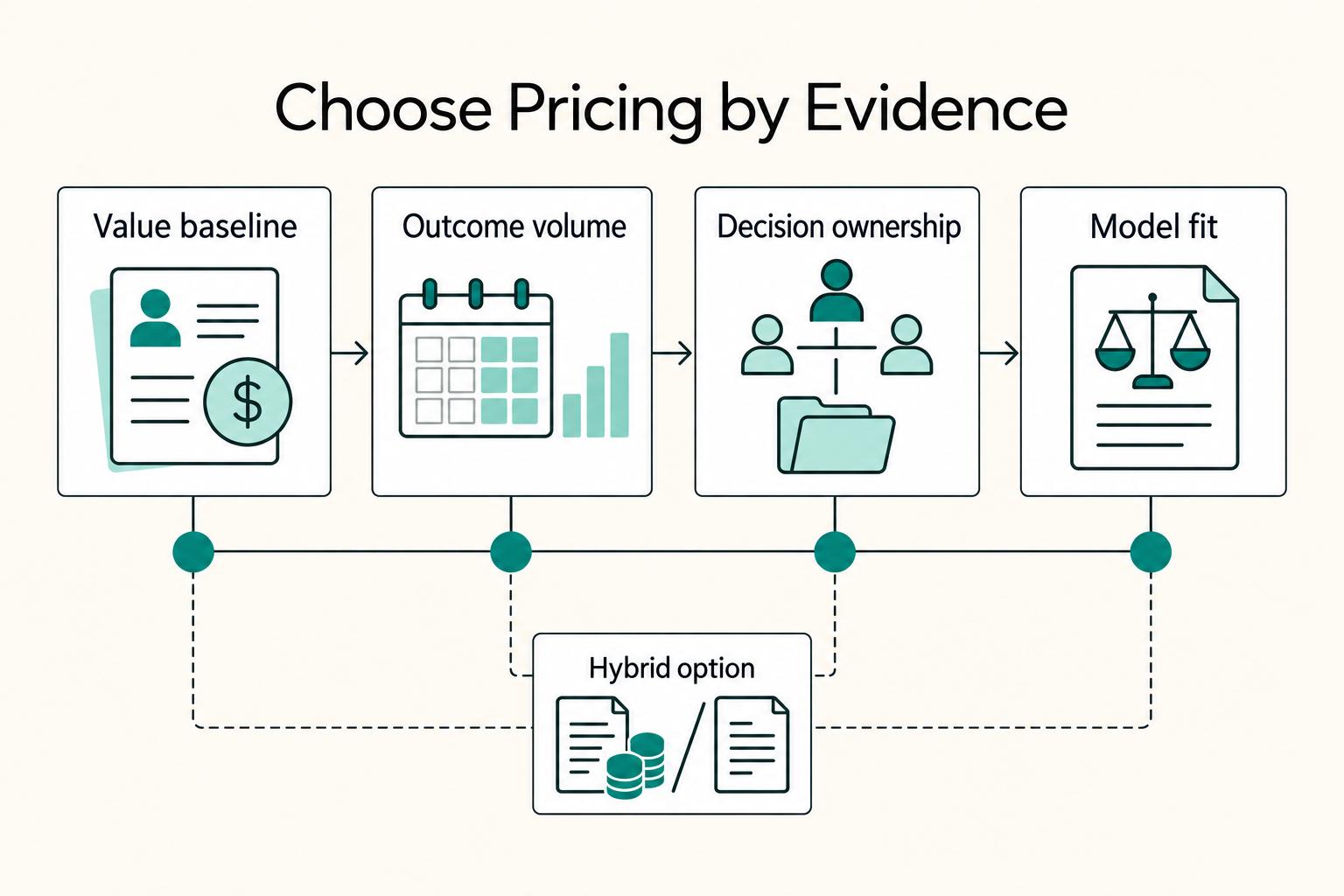
Value-Based Pricing for Freelancers Under Real Payment Risk
Value-based pricing works when you and the client can name the business result before kickoff and agree on how progress will be judged. If that link is weak, use a tighter model first. This is not about defending one pricing philosophy over another. It is about avoiding surprises by keeping pricing, scope, delivery, and payment aligned from day one.
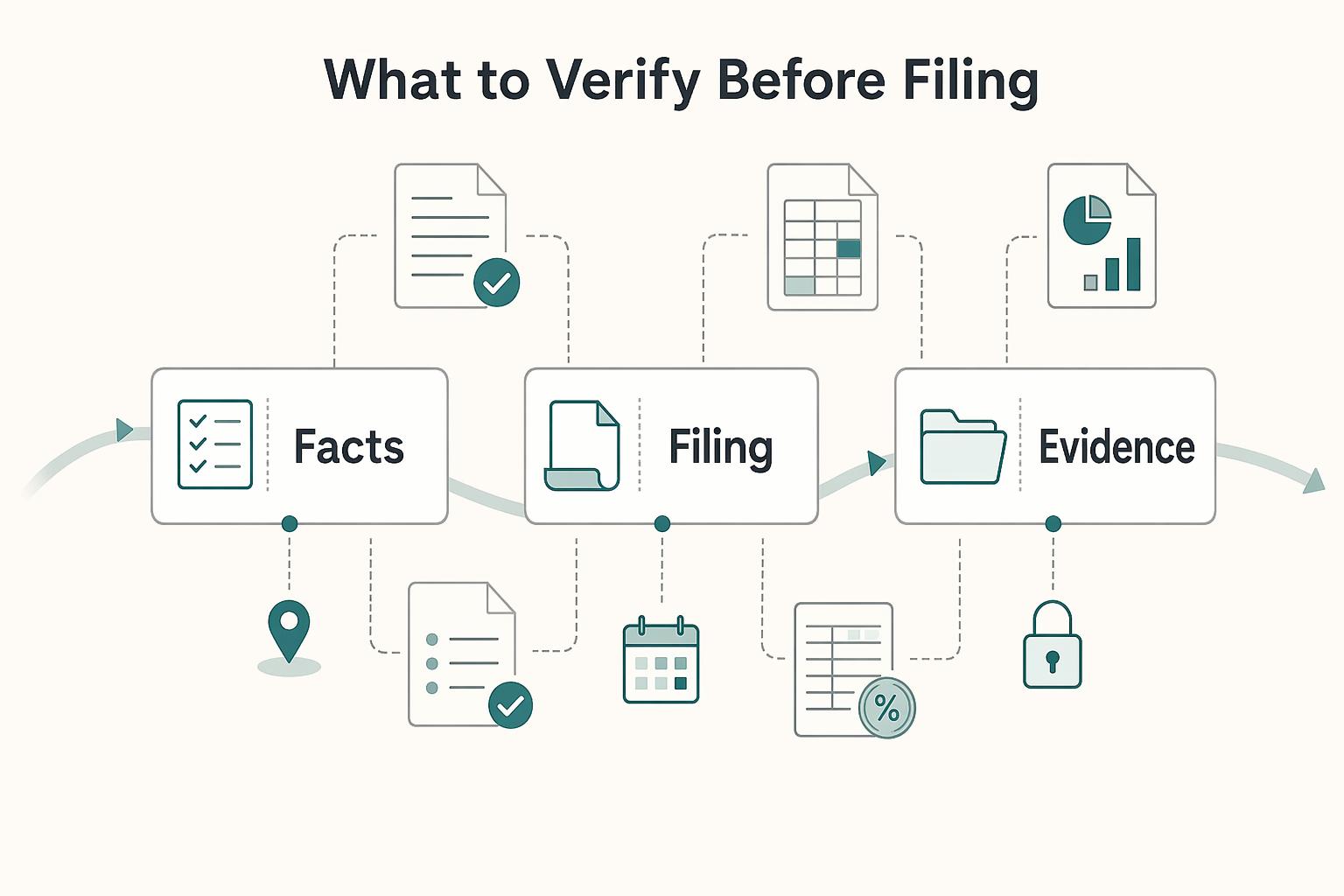
GST Registration Decisions for Indian Freelancers
This guide is for solo freelancers and independent consultants working from India, whether you bill Indian clients, foreign clients, or both. It focuses on practical GST registration decisions, not large-company structures, multi-entity planning, or product-heavy GST setups.

The Freelance Payment Penalty: A Modeled Audit of Platform Fees, FX Spreads, and Payout Delays
The money rarely disappears through a single, easy-to-spot fee. The real loss is stacked. A marketplace takes its commission, a processor adds a charge for international cards, a bank or payment company converts the currency at a spread, a platform holds the funds before release, and a wire sheds a little to intermediaries on the way in. Each layer looks defensible on its own, but the worker feels the combined result as a smaller deposit and a later payday.