
Quick Answer
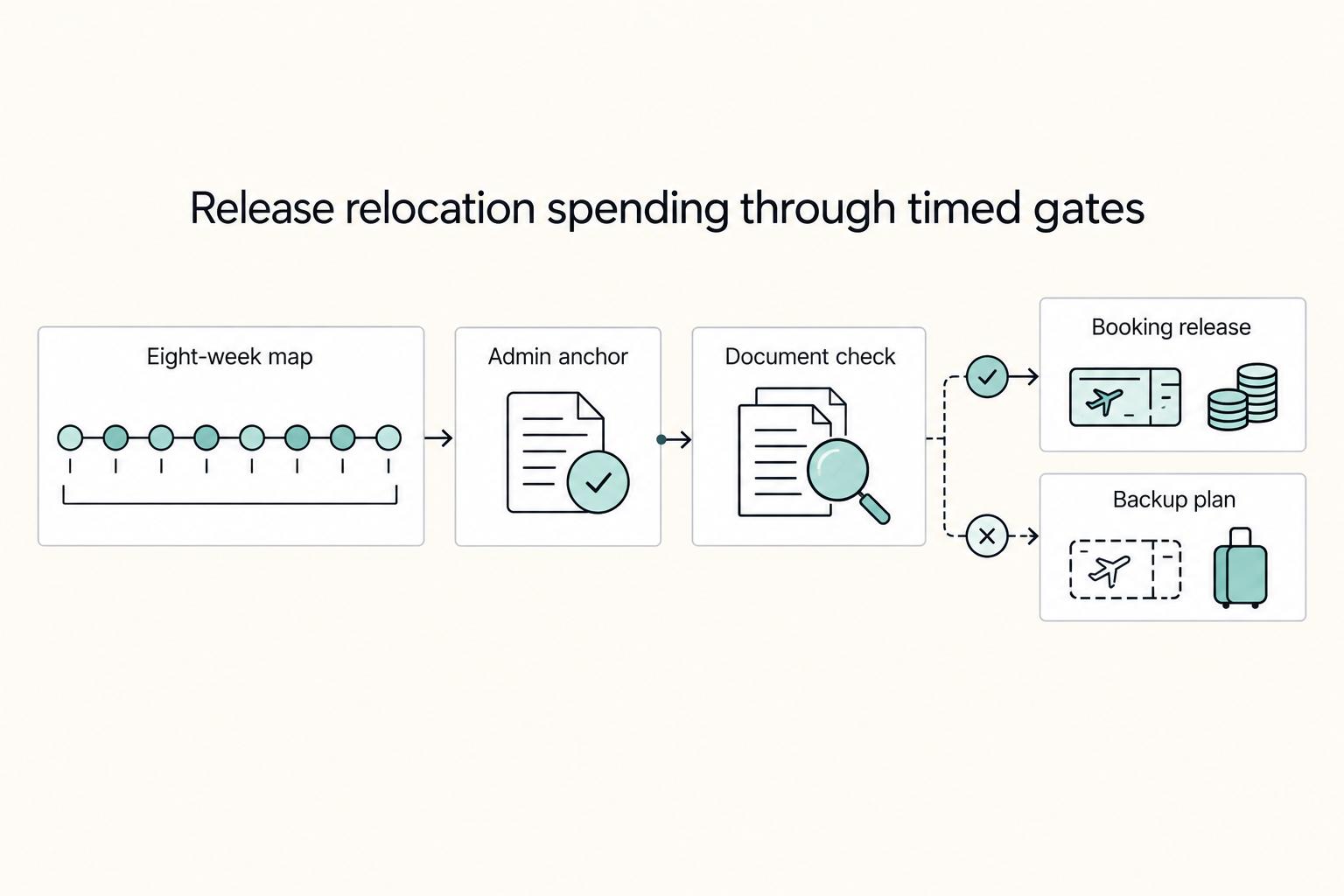
Pick two candidate cities, then commit to the one with complete proof first. For nomad cities winter sun planning, the article’s direct order is legal stay, internet reliability, cost ranges, and evidence quality before any non-refundable payment. It also uses a midpoint checkpoint and a Week-4 document gate so unresolved items trigger a switch to a lower-friction backup. If Thailand is in scope, Destination Thailand Visa is presented as one concrete legal-stay example to validate early.
The Best Digital Nomad Cities for Winter Sun in 2026#
Treat your 2026 winter base as a risk decision first and a lifestyle decision second. That framing is what saves you from expensive rework. Start with legal stay, work continuity, cost realism, and evidence quality before you pay anything non-refundable.
Conflicting rankings are normal, not a reason to stop. One current list leans heavily toward US cities, another highlights Lisbon, Bali, Bangkok, Istanbul, and Dubai, and another uses a different nine-city mix. That spread does not make the research useless. It tells you those lists are optimizing for different readers, and that you need a filter that stays consistent when listicles disagree.
Use these four filters, in order.
- Visa fit first: start with legal stay terms, not city appeal. One concrete example is Thailand's Destination Thailand Visa, described as a five-year multiple-entry route with 180 days per entry and a possible additional 180-day extension.
- Work continuity second: treat internet reliability as a hard gate. A weak setup during a client-heavy week can erase any weather or cost upside.
- Cost realism third: Numbeo-style snapshots are directional, not final. Work with ranges, then verify current local pricing before you lock housing.
- Evidence quality fourth: prioritize recent, dated material. Missing data on safety, costs, or infrastructure is a real input, not something to gloss over.
Those filters should produce four outputs: a short city list, a fast comparison table, a pre-flight timeline, and a proof pack. If a critical item is still unverified at your midpoint checkpoint, pause payment and switch to the lower-friction option.
To keep momentum, set one checkpoint date before booking day. On that date, either your primary city clears all gates or your backup becomes the active plan. That rule is simple, but in practice it prevents last-minute scramble choices that feel exciting and then fail on paperwork or day-to-day work reliability.
How to Choose the Right Winter Sun City for Your Situation#
Start by separating admin evidence from destination evidence. This material can support EU VAT administration decisions, but it does not support city-level relocation calls on its own, so use it for compliance checks and validate location claims separately.
That distinction matters more than it seems. When people mix the two, they usually over-trust a polished city recommendation and under-check the admin path that can block the move. Your shortlist gets better when you are clear on what is proven, what is inferred, and what is still open.
Use this sequence.
- Scope check: use this material for EU VAT mechanics, including VAT Cross-border Rulings and One Stop Shop registration in one Member State for covered VAT obligations. It does not provide decision-ready support for choosing among Canary Islands, Madeira, Algarve, Bali, Chiang Mai, Kuala Lumpur, Lisbon, or Dubai.
- Threshold check: if your plan includes EU cross-border SME rules, test eligibility against EUR 100,000 Union turnover and the separate EUR 10,000 VAT e-commerce threshold. These are tax thresholds, not relocation thresholds.
- Timing check: build administrative lead time into your move plan. Cross-border SME registration is expected within 35 working days, which can affect your booking window.
- Decision gate: commit only after you verify city-choice assumptions with non-VAT evidence.
A common mistake is blending tax administration language into destination ranking. VAT registration in one Member State does not answer where you can legally live or practically work, and it should never be used as a shortcut for relocation readiness.
Keep a short decision log while you evaluate options. For each city, mark whether each key claim is verified, grounded elsewhere, or still unverified. That small habit keeps your shortlist honest and makes it obvious where to spend verification time this week.
If you want to tighten the contractor side before booking, read Are You an Employee or a Contractor? A Self-Assessment Checklist, then Browse Gruv tools for your next step.
Winter Sun City Comparison Table You Can Decide From in 10 Minutes#
Once you separate compliance evidence from city claims, a quick table helps again. Use it to cut a long list, not to make a final call. VAT policy is more established than city-level relocation comparisons, so treat every row as triage input.
| City | Best for | Expected tradeoff | Schengen Shuffle relevance | Operational friction level |
|---|---|---|---|---|
| Canary Islands | Candidate for Europe-based shortlist | Cost, safety, and internet comparisons are unverified here | Unknown from current evidence | Unknown |
| Madeira | Candidate for Europe-based shortlist | Side-by-side island comparisons are unverified here | Unknown from current evidence | Unknown |
| Cyprus | Candidate for near-Europe shortlist | Visa and connectivity comparisons are unverified here | Unknown from current evidence | Unknown |
| Bali | Candidate for long-haul shortlist | Flight-fatigue and reliability comparisons are unverified here | Confirm with the relevant authority | Unknown |
| Chiang Mai | Candidate for cost-first shortlist | Cost and call-window comparisons are unverified here | Confirm with the relevant authority | Unknown |
| Kuala Lumpur | Candidate for city-convenience shortlist | Side-by-side comparisons with Chiang Mai are unverified here | Confirm with the relevant authority | Unknown |
| Tulum | Candidate for Americas shortlist | Safety, cost, and infrastructure comparisons are unverified here | Confirm with the relevant authority | Unknown |
| Cape Town | Candidate for network-oriented shortlist | Reliability and seasonal comparisons are unverified here | Confirm with the relevant authority | Unknown |
| Choose now if... | Southern Spain vs Portugal vs Turkey: choose the option with complete, decision-ready evidence first | If options are tied, delay commitment and close evidence gaps | Do not decide this from VAT pages | Assign low/medium/high only after verification |
The main failure mode here is treating VAT administration as relocation guidance. CBR, OSS, the EUR 100,000 SME cap, the EUR 10,000 e-commerce threshold, and the 35 working day process window affect compliance planning, but they do not rank winter-sun cities. Treat unknowns as especially high for Belize and Cape Verde, so keep both flagged until directly validated.
If multiple cities stay in the unknown column, do not force a false tie-breaker. Choose the city where you can close unknowns fastest with direct verification, then keep one backup active until your core checkpoints are complete.
Best Europe and Near-Europe Winter Sun Cities#
For Europe and near-Europe, treat these as verification priorities, not booking recommendations. The available guidance helps with admin sequencing, but it does not give you enough supported city-level detail to call a winner yet.
- Canary Islands and Madeira
Keep these as placeholders if you want Europe in play while you close filing basics. The main anchor here is process discipline, including checking whether sole-trader registration applies once income is over £1,000 in a tax year. What you do not get here is supported city-level evidence on reliability, costs, safety, or housing pressure. If your paperwork is still open, pause commitments and finish UK filing setup first.
- Southern Spain, including Malaga, and Algarve
This cluster matters more when your move timing has to fit around admin deadlines. One concrete anchor in the current material is HMRC notification by 5 October 2025 in the stated first-time or reactivation cases. Use the official Self Assessment registration guidance as your timing baseline. What is still missing is a supported city-by-city comparison for lifestyle or work routine. If you are close to the October notification point, complete compliance tasks before any non-refundable spend.
- Cyprus and Turkey
Keep these on a near-Europe shortlist when filing obligations are active and timing is tight. One concrete planning anchor is that online Self Assessment filing can be done on or after 6 April after tax-year end. The official HMRC filing service page is the right checkpoint before you lock dates. That still does not settle Schengen strategy, legal-stay planning, or route-level travel claims. If travel overlaps filing season, choose the option that keeps filing and follow-up manageable.
- Cape Verde
Treat this as a secondary candidate while you verify the basics. The practical value here is readiness discipline, including having your National Insurance number ready for registration. The gap is the same one that matters elsewhere: there is no supported city-level operating detail available yet. If your Self Assessment payment plan is not settled for 31 January, keep this as backup, not primary.
Do not lock any destination based on tax and business-setup sources alone. These sources support tax and business-setup decisions, not destination ranking. If Europe still looks attractive after that check, great. If not, apply the same discipline to long-haul options rather than lowering your standard.
Best Long-Haul Winter Sun Cities for Remote Work#
Long-haul choices make bad assumptions more expensive, so keep them in the final round only if you can prove the basics early. City ranking is not supportable from available compliance sources alone, so each destination stays in candidate status until it clears your verification gates.
- Bali (Canggu, Ubud)
Keep Bali in play only after your core proof pack is complete. That forces legal stay, housing terms, and work-setup checks before payment. What remains unproven here is coworking density, internet reliability, and cost. If EU-facing activity may fall under VAT e-commerce rules, review the EUR 10,000 threshold early so you do not discover tax friction late.
- Chiang Mai and Bangkok
Use this pair for a strict side-by-side test, not a quick preference pick. That comparison will expose missing visa and scheduling assumptions quickly. Timezone and client-overlap comparisons still need direct checks. A practical planning anchor is the 35 working days benchmark from cross-border SME processing when admin work and travel dates are close together.
- Kuala Lumpur
Use Kuala Lumpur as a practical fallback while you close unresolved items. That keeps execution decisions separate from unsupported lifestyle assumptions. There is no grounded basis here for urban-convenience or transport claims. If you rely on EU SME VAT relief, verify the EUR 100,000 Union turnover cap before you confirm a long-stay plan.
- Tulum and Costa Rica (Tamarindo, Manuel Antonio)
Treat these as secondary options until verification is complete. They are most useful as practical backups when primary candidates still carry open risk. Safety, seasonal cost, and reliability comparisons for either location still require direct checks. VAT context can still matter in your planning sequence: OSS rules expanded from 1 July 2021, which can centralize eligible cross-border VAT handling in one Member State, but that is compliance context, not relocation proof.
- Cape Town and Dubai
Keep both in late-stage consideration only after the same due-diligence checks are done. The benefit is consistency across your shortlist instead of headline-driven switching. The limitation is straightforward: there is no supported city-level claim here on infrastructure quality or pace. CBR and OSS can reduce VAT uncertainty for some cross-border setups, but neither mechanism tells you which city is better for your day-to-day work.
Use one simple go or no-go rule: proceed only when each finalist has a dated visa summary, first-month housing terms, and a meeting-week schedule test. Do not use EU VAT mechanisms as a proxy for destination quality.
Related: London, UK: A Guide for Expats and Remote Workers.
Your 8-Week Move Timeline Before You Fly#
Eight weeks is enough if each checkpoint controls spending. The key is to work backward from the admin tasks that can delay or block the move, then release money in stages instead of all at once.
- Week 8-6: decide whether EU cross-border VAT routes are relevant to your setup. If you plan to use the cross-border SME scheme, file prior notification in your Member State of establishment early, since the registration process should not take longer than 35 working days.
- Week 6-4: verify eligibility before locking plans. For the SME route, confirm Union turnover does not exceed EUR 100,000.
- Week 4-2: track status and paperwork. Where relevant, check whether your EX number has been granted for the Member State or states selected, and remember CBR requests must follow national VAT ruling conditions in the country where filed.
- Week 2-0: confirm your VAT handling path for cross-border B2C activity. VAT rules changed on 1 July 2021, and OSS allows registration in one Member State of identification.
| Week | Go/No-Go Checkpoint |
|---|---|
| 8 | If SME scheme is relevant and prior notification is not filed, pause paid commitments. |
| 6 | If SME eligibility is required and turnover is not confirmed against EUR 100,000, pause. |
| 4 | If EX number status is required and still unclear, avoid final commitments tied to that route. |
| 2 | If your B2C VAT path is still undecided, do not lock final non-refundable bookings. |
Think of that table as a spending ladder. Passing Week 8 can justify refundable holds. Passing Week 6 can justify deeper route and housing research. Passing Week 4 can justify practical booking prep. Final non-refundable commitments belong at Week 2 only when the VAT path and document status are both clear.
That sequencing also makes backup planning easier. If your primary city still carries unresolved admin risk at Week 4, you already know enough to shift attention before the expensive part of the move starts.
Document Checklist and Proof Pack Most Guides Skip#
The proof pack is what separates a clean move from an expensive replan. Most costly replans start with scattered paperwork, not a bad city choice. Build one complete pack by Week 4 so you can decide whether to continue with your primary plan or switch to a lower-friction backup.
| File | Include | Key check |
|---|---|---|
| Core identity, travel, and stay file | Passport copy, onward-travel evidence, accommodation confirmations, relevant work-related proof | If this file is still incomplete by Week 4, pause and switch to your simpler fallback |
| EU SME eligibility file | Prior-notification receipt, Member State correspondence, turnover snapshot against the EUR 100,000 cap | Track submission date and response window; the registration process should not exceed 35 working days after receipt |
| Cross-border VAT method file | Whether you will use OSS, where you are registered, which transactions are in scope | OSS registration is handled in one Member State of identification; this framework expansion applied from 1 July 2021 |
| Final verification file | Verify each requirement against official pages and log a dated check | For EU VAT materials, confirm the page is on the europa.eu domain |
Use one operating rule from start to finish: keep destination-specific, dated versions of each document set so every booking can be matched and verified before payment. When that record exists, decisions move faster because you are not reconstructing evidence from old tabs and emails.
- Core identity, travel, and stay file
Keep passport copy, onward-travel evidence, accommodation confirmations, and relevant work-related proof in one folder with dated filenames. That sounds basic, but it is usually the first place where a rushed plan breaks. If this file is still incomplete by Week 4, pause and switch to your simpler fallback.
- EU SME eligibility file (if relevant)
Store your prior-notification receipt, Member State correspondence, and a turnover snapshot against the EUR 100,000 cap. Track the submission date and response window, since the registration process should not exceed 35 working days after receipt.
- Cross-border VAT method file (if relevant)
Document whether you will use OSS, where you are registered, and which transactions are in scope. Keep a short note that OSS registration is handled in one Member State of identification, and that this framework expansion applied from 1 July 2021.
- Final verification file
Before payment, verify each requirement against official pages and log a dated check. For EU VAT materials, confirm the page is on the europa.eu domain, for example the European Commission OSS guides, as a basic trust check. For UK filing dates, cross-check the HMRC deadlines page before you commit to travel dates.
Most avoidable mistakes happen when housing is paid before paperwork is aligned. Keep one final gate: no payment until each planned booking has a matching, verified document set.
Red Flags That Cause Delays and Expensive Replans#
Most delays are self-inflicted, and they usually start the same way: spend first, map the tax path later. Once that sequence flips, small unknowns become expensive problems.
- Booking first, then validating the legal path
If your setup may use the cross-border SME route, timing is a gate, not a suggestion. The registration process should not exceed 35 working days after prior notification is received. If you book ahead of that timing, you are betting against your own paperwork.
- Assuming filing rules transfer across destinations
Do not assume one filing approach works everywhere. CBR requests must follow the national VAT-ruling conditions of the country where you file, and when multiple companies are involved, one company should submit on behalf of the others. The practical lesson is simple: filing ownership and filing location need to be clear before travel is locked.
- Combining SME and OSS rules in one decision
Keep these tracks separate. The cross-border SME route uses a EUR 100,000 Union turnover cap, while OSS context includes the EUR 10,000 EU-wide threshold described for distance sales. Mixing them creates false confidence and bad timing.
- Using outdated VAT assumptions or unclear filing ownership
From 1 July 2021, cross-border B2C VAT rules changed. Under OSS, you register in one Member State of identification, and guidance describes red-tape reduction of up to 95%. That may simplify compliance, but only if you know who is filing, where, and under which path.
Hard stop: no non-refundable booking until each option has a matched tax path, a named submission owner, and dated pending approvals.
You might also find this useful: How to Write a Cold Email That Actually Gets Clients.
Pick One City and Set Your Move Date#
At this point, speed comes from narrowing commitment, not from reading one more ranking. Pick one primary city and one backup now, then run the same checklist on both before any non-refundable payment. That keeps momentum without forcing a weak commitment.
- Use one decision sheet for both options: track legal fit, housing, work setup, and unresolved risks only. Add a short note for each field showing what you verified directly versus what was only reported.
- Weight source quality before city appeal: one guide dated March 7, 2026 is framed as a Top 10 list, another narrows to a Top 5, and at least one page discloses affiliate links. Treat these as evidence-quality signals, not final truth.
- Set your move date with one hard gate: lock dates only when both cities have complete checklists on the same day. If the primary still has a critical gap by your booking deadline, switch to the backup.
Your best option is the one you can execute with the fewest unknowns this week. Once both candidates pass the same gates, book the primary, keep the backup active until arrival is stable, and avoid late replans caused by incomplete verification.
Frequently Asked Questions
What are the best winter sun nomad cities in or near Europe right now?
Available compliance guidance covers EU VAT administration, not city-level relocation evidence, so no definitive city ranking is available from that source alone. Use a shortlist first, then validate legal and admin fit before payment.
How do I choose between Europe and Asia for a two-month winter stay?
Choose by execution risk, not weather photos. If EU cross-border VAT treatment may apply, start SME prior notification early and plan around the 35 working days registration timeline.
What matters more for a winter relocation: visa fit, cost, or internet reliability?
Visa fit comes first because it decides whether the move can happen at all. Cost and internet quality still matter, but supported city-level comparisons for either are not available from compliance sources alone.
Which cities are most useful for a Schengen Shuffle strategy?
Do not assume a single city-by-city Schengen strategy applies. As a practical workflow, separate EU and non-EU options in your proof folder, and verify each requirement against official rules before payment.
What is the fastest way to narrow a long list to one city this week?
Run two cuts. First remove options without legal-entry clarity. Then remove options with unresolved filing ownership or timeline. If the SME route may apply, confirm whether the EUR 100,000 turnover cap is relevant before final selection.
How much planning lead time should I assume before flying?
Planning lead time depends on your case. The concrete admin anchor here is the SME registration target of up to 35 working days after prior notification receipt.
What details are still uncertain in current city rankings and need direct verification?
City-level claims on visas, safety, internet reliability, and cost still need direct checks. The well-documented facts are VAT-admin items such as OSS expansion from 1 July 2021, the EUR 10,000 threshold context, and where CBR requests are filed.
Try a related tool
Researched and edited by the Gruv editorial team. Gruv builds cross-border billing, payouts, and finance-operations software for global businesses.
Sources
Includes 2 external sources outside the trusted-domain allowlist.
Educational content only. Not legal, tax, or financial advice.
Related Posts
Are You an Employee or a Contractor? A Self-Assessment Checklist
Forget the label. Classification turns on the relationship you actually run, not the title you typed into the contract. It is also much easier to fix before you sign.

London, UK: A Guide for Expats and Remote Workers
Get two calls right early and the rest of the move gets easier: how you'll be in the UK, and where you'll work when conditions are less than ideal. Make those decisions before you lock dates or prepay a long stay. If you book first and sort the basics later, admin and work reliability usually collide in your first week.
How to Write a Cold Email That Actually Gets Clients
If you want this channel to produce clients, track movement through your pipeline, not noise in your inbox. The goal is simple: move the right prospects from researched to contacted to qualified reply to booked call to signed project.