
Quick Answer
Shortlist Athens, Istanbul, Prague, and Plovdiv, then decide with evidence instead of list rankings. The article’s core recommendation is to score each city on the same filters, keep unresolved legal steps in an Unknown column, and select one backup city before committing money. It also stresses a timed relocation sequence and a hard no-go rule: delay departure if required documents or registrations are still unresolved in the final week.
Start Here if You Want History Without Relocation Chaos#
Treat this as a base-selection decision, not a travel mood board. Pick one city you can actually move to and work from, then keep a backup ready if your first choice stalls. That is how you avoid losing weeks to inspiring but unusable shortlists.
You do not need more city inspiration. You need a sequence that turns research into a move you can execute soon.
- Shortlist: Start with 4 cities and define in one line why each made the cut. Key differentiator: long stays change what matters.
- Compare: Score each city on the same criteria, with
Visas & Legalitiesas a separate line item. Key differentiator: equal criteria prevent favorite-city bias. - Pick: Choose 1 primary city and 1 fallback based on uncertainty, not excitement. Key differentiator: if history value is tied, lower legal ambiguity wins.
- Execute: Run a timed move plan and keep paperwork proof from day one. Key differentiator: timeline pressure exposes weak assumptions early.
Use one hard gate before you commit money. If entry rules or remote-work legality are still unclear after your first research pass, pause that city and move it to verify first. This is a common failure point. A place can look perfect on paper, then lose value fast when timing and documentation expectations stay fuzzy.
Use a move sheet, not a vibe#
When you compare history-first cities, use one compact move sheet instead of changing criteria city by city. Move a city to backup status when your admin buffer falls below 10%, when housing jumps 15% over plan, when your first-week work block loses 20% to setup tasks, or when a 2025 or 2026 departure check still shows unresolved entry steps. Data from your own trial week matters more than any ranking survey or glossy report because it shows whether you can actually work there. Think of it as analysis by your own calendar, not wishful browsing.
Use the same document trail for every option: keep long-stay rules in the digital nomad visa cheatsheet, model your route in the visa planner, and store any tax-supporting receipts alongside Can Digital Nomads Claim the Home Office Deduction?.
That gives you one repeatable system.
Popularity is the second blind spot. Hotspots can bring rising rent and crowded workspaces, which can erase the upside you expected. Build that tradeoff into your first comparison, then verify city specifics before deposits or non-refundable bookings.
From here, keep the scope narrow: compare fewer cities, document unknowns, and decide with evidence you can use now. Before you judge the week-three history payoff, skim the UNESCO World Heritage Centre, the Acropolis Museum, and Istanbul Modern, then ask whether those options still fit your actual work rhythm.
Pick Cities Using Clear Filters Before You Fall in Love With One#
Choose with evidence, not momentum. Apply the same five filters to every city, then cut any option with unresolved admin unknowns.
This works best if you are planning a real long stay, not a sightseeing-first trip built around landmark checklists. Start by applying these filters to Athens and Prague using the same standard.
- History depth: Keep cities where the history will hold your interest beyond first impressions.
- Day-to-day workability: Keep cities where your normal workweek is realistic and sustainable.
- Admin friction: Prioritize cities where entry and registration requirements are clear enough to act on.
- Budget resilience: Favor cities that still work if costs shift during your stay.
- Fallback options: Pair each top choice with a practical backup before you commit.
Use one hard tie-breaker: if two cities are equal on history value, choose the one with lower paperwork uncertainty. That prevents late pivots in close calls, including Istanbul versus Plovdiv.
Run a disqualifier check after your first research pass. If visa or registration steps are still unclear, remove that city from the active list, even if Zaragoza or Wroclaw looks culturally strong. Also ignore noisy inputs that do not answer relocation questions.
For a separate example of how to evaluate a long-stay pathway, read The Taiwan Gold Card: A Visa for High-Skilled Professionals.
Compare the Shortlist in One Table Before You Decide#
Use one table to make the decision, and treat anything unverified as Unknown until you can confirm it. Fill the table first, then choose.
| City | Best for | Key pros | Key cons | Likely friction points | Unknowns | Confidence level | Go now / verify first |
|---|---|---|---|---|---|---|---|
| Athens | Fill after scoring | Fill after scoring | Fill after scoring | Fill after scoring | Fill after scoring | Low / Medium / High | Verify first |
| Istanbul | Fill after scoring | Fill after scoring | Fill after scoring | Fill after scoring | Fill after scoring | Low / Medium / High | Verify first |
| Prague | Fill after scoring | Fill after scoring | Fill after scoring | Fill after scoring | Fill after scoring | Low / Medium / High | Verify first |
| Plovdiv | Fill after scoring | Fill after scoring | Fill after scoring | Fill after scoring | Fill after scoring | Low / Medium / High | Verify first |
| Buenos Aires | Fill after scoring | Fill after scoring | Fill after scoring | Fill after scoring | Fill after scoring | Low / Medium / High | Verify first |
| Edinburgh | Fill after scoring | Fill after scoring | Fill after scoring | Fill after scoring | Fill after scoring | Low / Medium / High | Verify first |
Use one hard checkpoint as you fill it: if a claim is not clearly supported by your relocation research, put it in Unknowns instead of assuming.
Keep a separate unknowns tracker for Alexandria, Varanasi, and Beijing, and list the exact missing proof needed before moving any of them into the main table. Do the same for Warsaw, Granada, and Vienna, with status kept at Verify first until required details are confirmed.
- Name one missing document, rule, or requirement per city before raising confidence.
- Keep confidence at
Lowuntil your checks are consistent and relevant. - Change
Verify firstonly when remaining unknowns are acceptable for your move plan.
The Best Nomad Cities for History Buffs With Real Use Cases#
Keep Athens, Istanbul, Prague, and Plovdiv as a provisional core set only. None of the four can move beyond verify first yet.
| City | Current placement | Why it stays there |
|---|---|---|
| Athens | Provisional core set; verify first | Use-case fit is unverified until legal and admin requirements are confirmed |
| Istanbul | Provisional core set; verify first | Use-case fit is unverified until legal and admin requirements are confirmed |
| Prague | Provisional core set; verify first | Use-case fit is unverified until legal and admin requirements are confirmed |
| Plovdiv | Provisional core set; verify first | Use-case fit is unverified until legal and admin requirements are confirmed |
| Vienna | Not selected as a core city yet | No validated city-level nomad-operational detail here to support a confident call |
| Zaragoza | Not selected as a core city yet | No validated city-level nomad-operational detail here to support a confident call |
| Wroclaw | Not selected as a core city yet | No validated city-level nomad-operational detail here to support a confident call |
For now, treat all four the same way:
- Athens, Istanbul, Prague, and Plovdiv stay on the shortlist, but fit remains unverified until legal and admin requirements are confirmed.
Shared rule: if a required legal or registration detail is still unclear after your first pass, pause and move to backup planning before making commitments.
Vienna, Zaragoza, and Wroclaw are not ruled out; they are simply not selected as core cities yet because validated city-level nomad-operational detail to support a confident call is not established.
Strong Alternatives if the Core Four Do Not Fit Your Constraints#
Use backups only when the paperwork path is clear enough to verify before you commit money.
| Group | Cities | How to handle them |
|---|---|---|
| Culture-forward | Buenos Aires; Edinburgh | Keep as provisional options; proceed only when setup obligations are documented before non-refundable spend |
| Deep-history picks | Alexandria; Varanasi; Beijing | Keep in verify-first status until compliance steps are clear; trigger a short test stay before a full move when registration or tax handling is still unresolved |
| Europe complexity picks | Warsaw; Granada; Zaragoza; Wroclaw | Treat as viable alternatives, but apply the same admin evidence standard as the core four |
If your top priority is predictable setup, choose the city where you can map the full paperwork sequence now. If you cannot, keep it on hold.
Use the same rule for famous versus under-the-radar options. If Vienna looks safer and Plovdiv looks less certain, run the same evidence test on both and do not let popularity make the decision for you.
What to Do 90 to 60 Days Before You Move#
Use this window to make your move plan executable: decide between two cities, organize documents, and define a backup trigger before any non-refundable spend.
- Lock your top two cities. Keep a primary and a backup (for example, Athens and Prague), and score both on the same criteria: admin friction and lifestyle fit. Write one short reason each city is a fit and one short reason it could fail, then set a decision date inside this window.
- Build your document pack early. Gather your passport materials, proof-of-income documents, accommodation evidence, insurance records, and a list of city-specific items still marked unknown. Keep everything in one place so gaps are easy to spot.
- Set a risk split plan. Define the exact condition that moves you from your primary city to your backup (for example, Istanbul to Plovdiv). If key entry or setup details stay unclear after your checks, switch to the backup instead of extending uncertainty.
- Add one tax-awareness checkpoint. If you may later review Home Office Deduction eligibility, preserve clean, dated records from day one so you are not reconstructing details later.
Treat broad "nomad-friendly" claims as a starting point, not proof. Before this window ends, you should have three outputs: a top-two decision sheet, a document pack with unknowns clearly labeled, and a written backup trigger.
What to Do 60 Days to Arrival Day#
From day 60 to arrival, treat this as a verification window: keep flexibility, confirm requirements, and avoid irreversible costs until key checks are complete.
| Step | What to do | Key rule or example |
|---|---|---|
| Sequence housing around verification | Book a temporary base first, then decide on a longer stay after local checks | For Athens and Istanbul, keep early lodging cancellable and avoid non-refundable long-stay payments until your work setup is confirmed in person |
| Run a two-pass suitability checklist | Validate connectivity, coworking access, and neighborhood fit, then re-check before final payment | For places like Prague or Vienna, use tourism-focused guides for ideas, not final decisions |
| Lock arrival-week admin before departure | Build a day 1 to day 7 admin plan with appointments, required documents, and fallback dates | If any required step is still unclear for Plovdiv or Granada after a second check, switch to backup-city mode |
| Prepare money movement with backups | Set one primary card, one backup payment method, and one tested transfer path before departure | Assume your preferred method may fail on day one |
| Use a no-go rule in departure week | If core documents or required registrations are still unresolved by T-7, delay the move | A short delay is usually lower risk than arriving with unresolved admin basics |
In practice, work the table in that order:
- keep early housing cancellable,
- run the suitability check twice,
- leave with a day 1 to day 7 admin plan,
- test your payment backups before departure,
- and use the T-7 no-go rule if core documents or registrations are still unresolved.
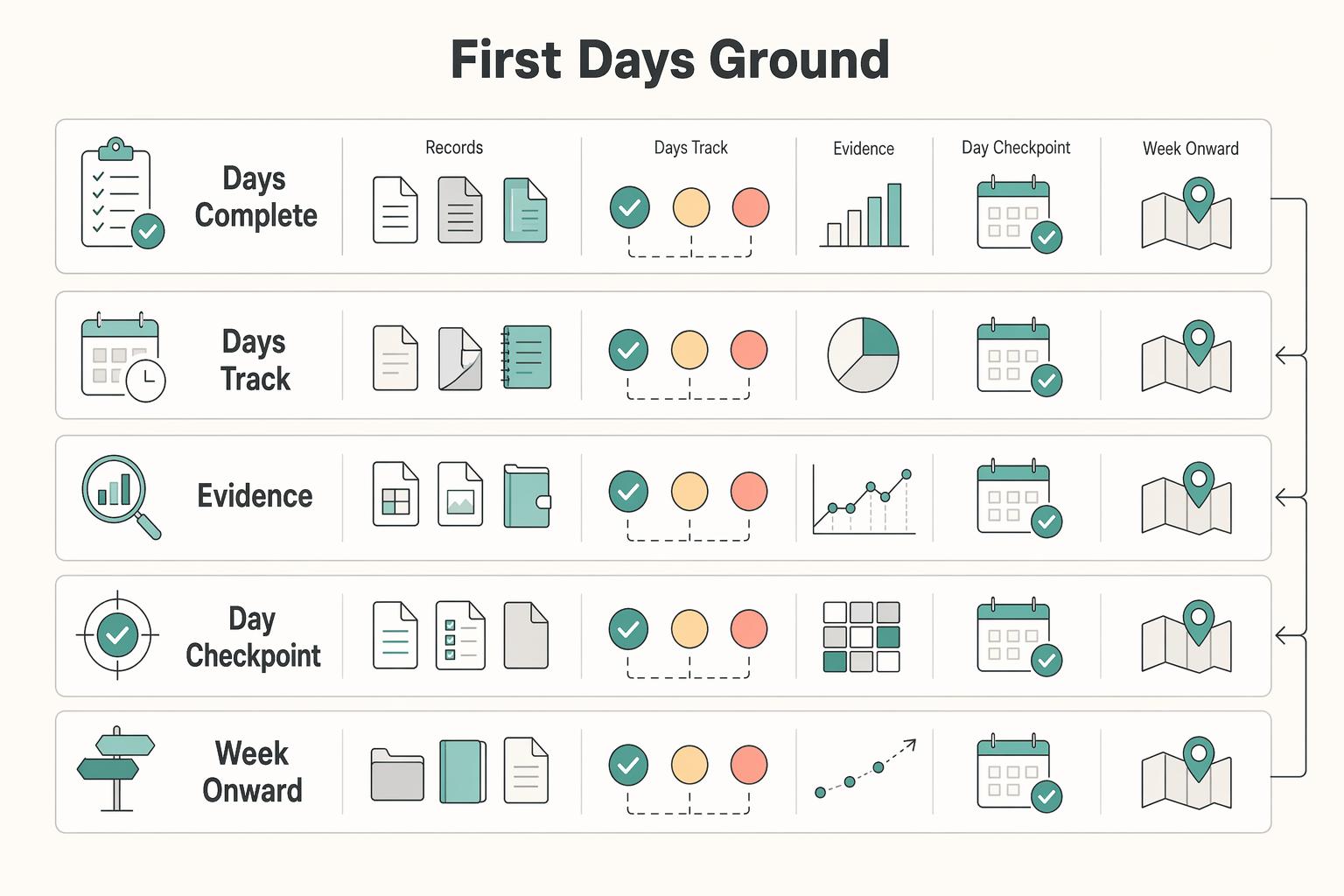
What to Do in the First 30 Days on the Ground#
The first month should prioritize compliance and real-world fit checks, not lifestyle optimization. Handle required admin first, then use your own week-by-week evidence to decide whether this city is truly working for you.
- Days 1 to 7: complete required admin steps first
Start with registrations, appointment confirmations, and document handoffs before refining routines. Track each required step as done, pending with date, or blocked with reason.
- Days 7 to 21: track costs and setup friction against your plan
Keep one simple log for rent, workspace, transport, and connectivity costs, plus a short daily note on setup friction. Your own data should drive the decision.
- From day 1: keep an evidence log for work and tax records
Save dated receipts, invoices, and payment confirmations in one folder, with brief notes on work use where relevant. This does not determine eligibility, but it gives you cleaner records if you later review topics like Can Digital Nomads Claim the Home Office Deduction?.
- Day 30 checkpoint: make a stay, switch, or shorten decision
Run a structured review using three criteria: history satisfaction, workability, and admin burden. If a core criterion keeps failing in your weekly notes, move to your backup option instead of extending by default.
- Week 1 onward: run a basic privacy check on your workflow
Limit document sharing, avoid storing unnecessary personal data in notes or chat threads, and separate client files from personal travel documents. Where GDPR may apply, use GDPR-aware handling habits from the start.
Make One Confident Choice and Execute It#
Pick one primary city and one backup today, then execute your timeline checkpoints without skipping verification. The right final choice is not the one with the most hype, but the one you can handle legally and operationally with fewer unknowns.
- Write your two-city decision now
Record your primary city, backup city, and a clear switch trigger tied to your final checkpoint.
- Use one fixed criteria set for both cities
Compare each option using the same factors: visa accessibility, quality of life, cost of living, infrastructure, and overall fit.
- Treat rankings as inputs, not proof
Too many lists create noise, so prioritize practical details and lived remote-work signals you can verify against your first-month plan.
- Keep records traceable from day one
Maintain clear document and status tracking so you can show what was submitted and when if plans shift.
Your outcome is concrete: one committed city choice, one backup path, and fewer avoidable delays. Use tools and providers that offer traceable records and clear status visibility, and if your trigger is met, switch fast and keep momentum.
Frequently Asked Questions
What are the best digital nomad cities for history buffs right now?
There is no universal winner. If your current shortlist is Athens, Istanbul, Prague, and Plovdiv, choose based on your constraints, not list rank. City choice affects daily work, costs, and legal admin, so best should mean best fit for your month-to-month reality.
How should I choose between Athens, Istanbul, Prague, and Plovdiv?
Use the same four filters for all four: visa and legal clarity, internet reliability, budget tolerance, and day-to-day livability. If two cities tie on history value, pick the one with fewer unknowns on entry rules and remote-work policy details. If key legal steps are still unclear near departure, move to your backup city.
Which under-the-radar city is most promising for history and affordability?
No single under-the-radar city stands out as the most promising for both history and affordability. Treat affordability and fit as a testable hypothesis for whichever city you are considering. Run a one-month trial and track your real spending and work friction before committing longer.
How reliable are top historical cities rankings for long-term nomad planning?
Treat rankings as starting points, not decision proof. One guide may list 9 places while another covers 10, which shows different methods and priorities. What matters is whether a ranking includes operational categories like budgets, infrastructure, legalities, and safety or community.
What should I prepare before relocating to a history-rich city?
Prepare a compact decision pack with documents, a first-month housing plan, and a verification checklist for internet and legal steps. Keep checks practical: can you work reliably, complete required admin, and absorb budget surprises. If tax records matter to you, start storing dated receipts and work-use notes from day one.
What is the minimum checklist to avoid move delays in the final month?
At minimum, include valid travel documents, visa and entry requirement status, temporary accommodation, connectivity verification, a payment backup, and a written backup-city trigger. Add one hard rule: do not lock non-refundable costs while legal or registration steps remain unclear. That rule can reduce last-minute failures.
Try a related tool
Researched and edited by the Gruv editorial team. Gruv builds cross-border billing, payouts, and finance-operations software for global businesses.
Sources
Includes 3 external sources outside the trusted-domain allowlist.
- irs.gov/publications/p587trusted
- sme-vat-rules.ec.europa.eu/sme-scheme/cross-border-sme-scheme_entrusted
- taxation-customs.ec.europa.eu/archives/taxable-persons/vat-cross-border-ru...trusted
- vat-one-stop-shop.ec.europa.eu/guides_entrusted
- vat-one-stop-shop.ec.europa.eu/one-stop-shop_entrusted
- istanbulmodern.org/enexternal
- theacropolismuseum.gr/enexternal
- whc.unesco.orgexternal
Educational content only. Not legal, tax, or financial advice.
Related Posts
Taiwan Gold Card Application Strategy for Remote Professionals
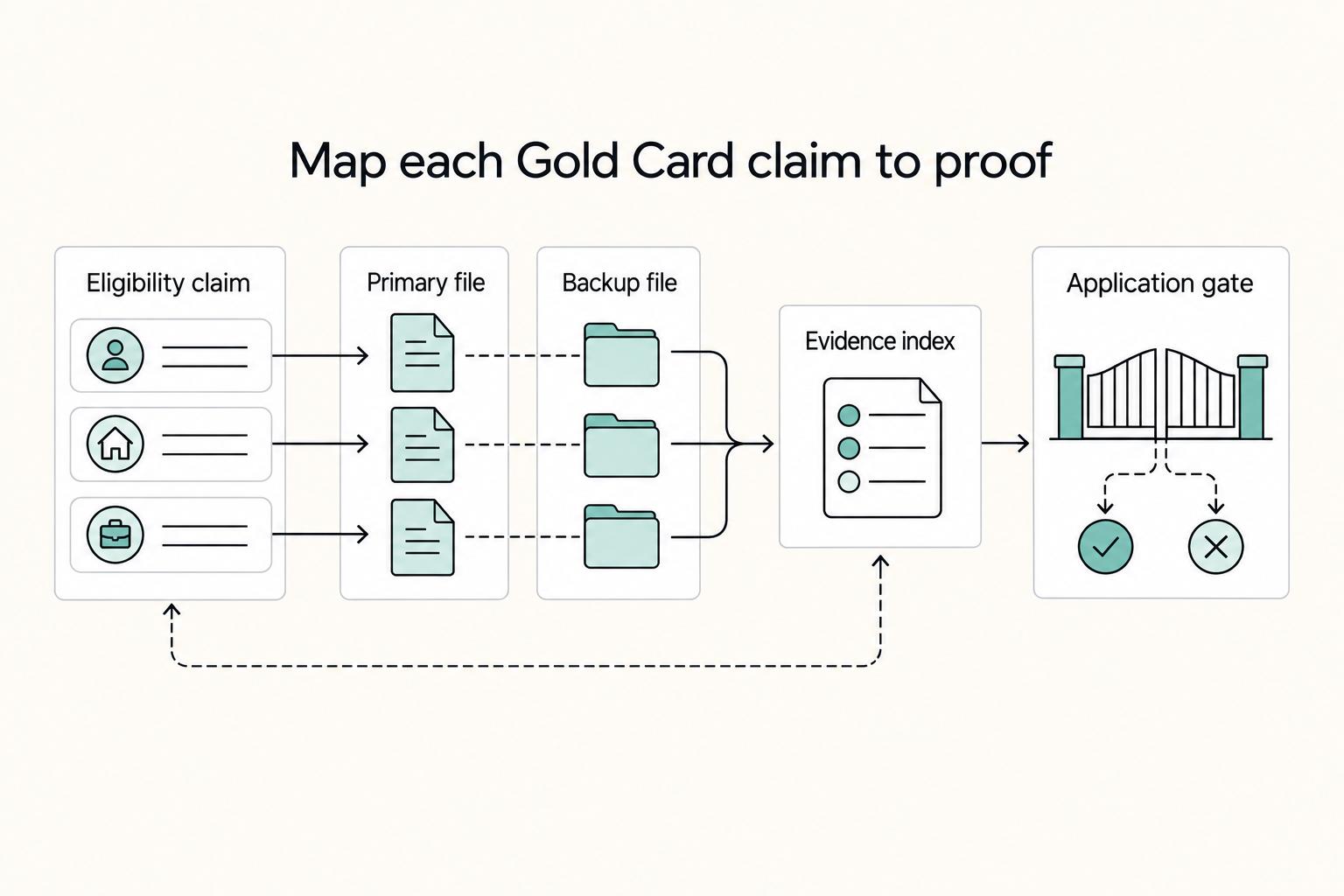
Treat this process as a chain of linked decisions, not a race to submit. If you are planning a serious move or a long stay in Taiwan, the safer outcome usually comes from choosing the right route first and proving each core claim before you pay or file. The Taiwan Employment Gold Card rewards that discipline because it combines four functions in one status: a work permit, resident visa, Alien Resident Certificate (ARC), and re-entry permit.

The Best Cookie Consent Tools for GDPR Compliance
Choosing among cookie consent tools is a compliance control decision, not just a design choice. You are deciding how consent is collected, managed, and documented while client work keeps moving.

Can Digital Nomads Claim the Home Office Deduction?
Claim the deduction only when your facts and records can carry it. With the home office deduction for digital nomads, the real decision is usually a three-way call: claim it, do not claim it, or pause and get help because your file is not ready.