
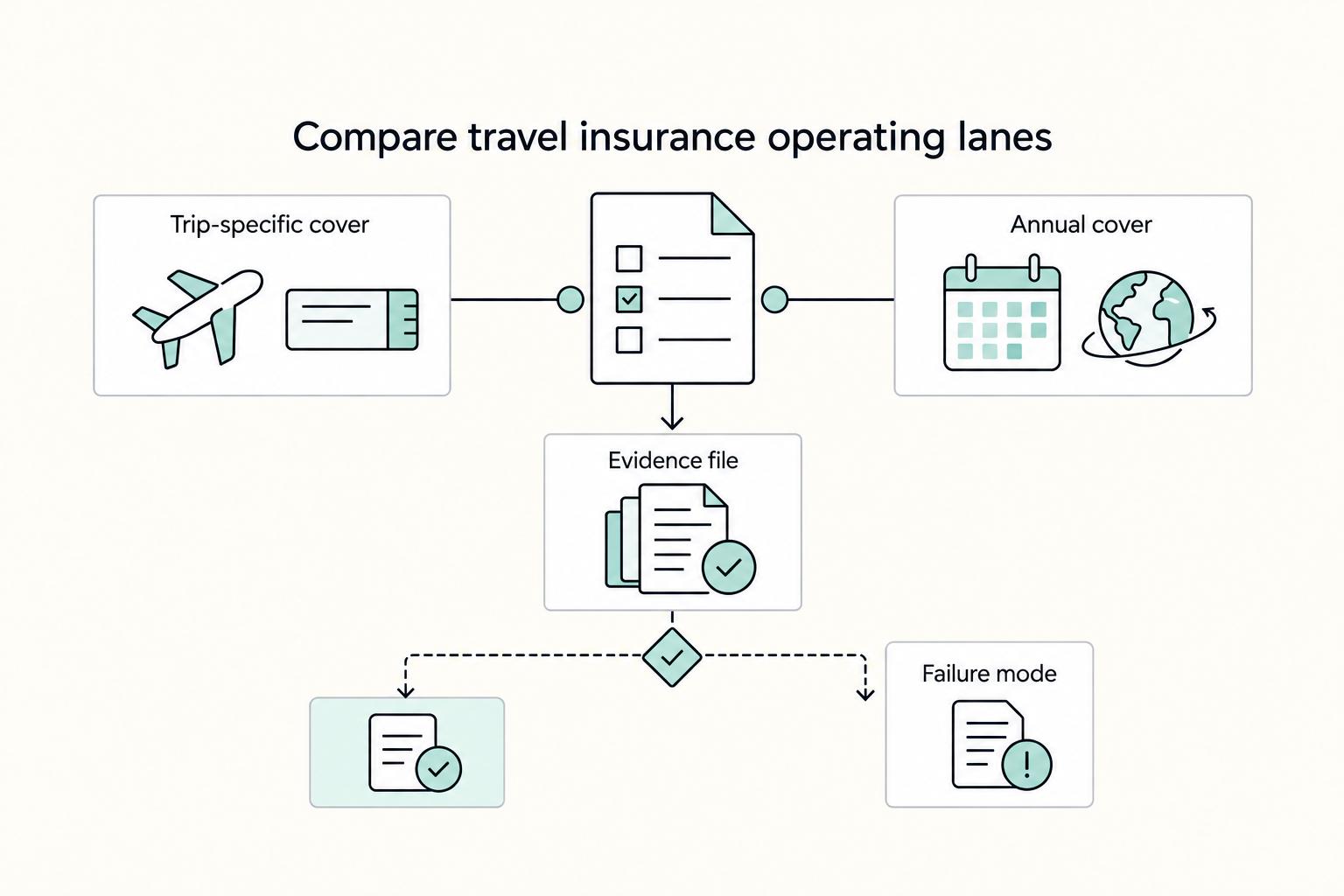
Quick Answer
The best business travel insurance for digital nomads and executives is the plan that matches your travel pattern ("lane") and whose policy PDF clearly covers your biggest failure modes-trip interruption/missed connections for tight schedules, trip-length rules for 90+ day stays, and device limits for gear-heavy travel. Buy early enough to meet eligibility and CFAR windows, and build a claims-ready documentation pack (policy, itinerary, payments, receipts, carrier/medical notes) before you travel.
You're not shopping "the best company"-you're building a business-travel insurance system you can reuse#
Build a repeatable business travel insurance workflow that maps your real exposures to coverage and captures the paperwork you need to submit a claim. Business travel isn't leisure travel with a different label. You have schedule pressure and disruption risk. The goal isn't a one-off hunt for the "best business travel insurance" headline. It's a system you can run on every trip, predictably.
Who this guide fits, and who should skip it#
Business travel insurance helps cover gaps and ease some of the stress that comes with work trips. In practice, those gaps look different from leisure travel because you need to keep your schedule on track and avoid disruptions that can affect meetings, events, or deadlines. That is what drives this guide.
This guide fits you if you:
- Travel for work (client meetings, conferences, site visits).
- Need a repeatable decision framework you can run before every trip.
- Want documentation that fits reimbursement workflows and claims packets (receipts, medical notes, airline notices, proof of original bookings).
This guide is not for you if you:
- Only want the cheapest plan and refuse to compare what's covered vs. what's not (the only reliable comparison method).
- Expect travel insurance to cover every kind of business risk, even when it isn't tied to the trip itself.
Your reusable insurance ops stack (lane + plan type + documentation)#
Most plans operate as reimbursement insurance, so treat documentation as part of the product, not admin overhead. Start by choosing a plan structure: per-trip coverage insures one trip for one traveler or a group; annual multi-trip coverage covers multiple trips over a year. Then compare plans based on what's covered, what's excluded, and what documentation you'll need if something goes sideways.
| Decision | Per-trip coverage | Annual multi-trip coverage |
|---|---|---|
| Best for | One high-stakes itinerary | Repeated work travel all year |
| Operational upside | Match coverage to a specific trip | Fewer purchases, consistent setup |
| Documentation you must store | Itinerary, proof of payment, receipts, airline notices | Same set, plus a per-trip log tied to the annual plan |
| Common failure mode | Buying without checking what's covered and excluded | Assuming the benefits, limits, and exclusions fit your actual risk |
Hypothetical scenario: a carrier delay forces you to buy essentials out of pocket. If you can't produce itemized receipts plus the carrier notice, you make the claim harder than it needs to be. Build the folder before you board.
Operational tip: store your plan details and receipts securely. If you need a clean default, use a dedicated vault and consider encrypted email workflows like the ones in The Best Email Encryption Tools for Freelancers.
The 10-minute "choose your lane" framework (selection criteria + who each lane is for)#
Pick the lane that matches your travel pattern first, then compare policies inside that lane using the same benefit blocks every time. This keeps you out of marketing loops and in the contract language that determines claim outcomes.
Your five lanes (use this as your selection checklist)#
| Lane | Who it's for | Coverage blocks to prioritize | The "gotcha" you must sanity-check |
|---|---|---|---|
| A. Tight-schedule executive (single-trip) | One high-stakes itinerary where disruption costs more than the premium | Trip interruption, missed connection, trip cancellation, "all-in-one" plans bundling delay/baggage/assistance | Work-driven changes may require a specific upgrade or may not be covered. Missed connection triggers vary by plan. |
| B. Frequent traveler (annual) | You travel often and want fewer purchases and less ops overhead | Annual structure (typically 12 months), emergency medical evacuation, trip-length limits | Many annual plans cap each trip (commonly 30 to 45 days). |
| C. Long-stay nomad (extended trips) | Extended stays and multi-country routing | Emergency medical evacuation, trip-length eligibility, how the plan defines a "trip" | A "single-trip" plan typically runs from leaving home until you return (even across multiple countries). That may not match open-ended stays. |
| D. Gear-heavy operator | Your laptop and phone keep the business alive | Baggage delay essentials, baggage loss/theft limits, exclusions around electronics | Electronics often hit per-item limits. Some policies exclude valuables if checked. |
| E. Work-volatility | Clients reschedule, leadership recalls you, calendars shift | Clear trip cancellation and trip interruption language. Consider CFAR or "Cancel for Work Reasons" add-ons | CFAR often reimburses only 50% to 75% and may require purchase within 10 to 21 days of the first trip payment. Some plans also require canceling at least 48 hours before departure. |
How to decide in under 10 minutes (operator mode)#
- Step 1: Identify your failure mode. If a missed connection would force you to rebook and lose the meeting, Lane A. If you travel monthly, Lane B. If you won't "return home" for a while, Lane C.
- Step 2: Match the right definitions. Trip Cancellation reimburses prepaid, non-refundable payments you made before departure. Trip Interruption can cover non-refundable expenses when the trip gets cut short. These definitions drive what you can claim, not the brand name.
- Step 3: Run one red-flag scan. Search the policy for "trip length," "unattended," "electronics," and "missed connection." For baggage delay, watch for thresholds like 12 hours or more before benefits start (policy-specific).
Hypothetical: your connection collapses on the way to a board meeting. You do not need an abstract "best" plan. You need Lane A coverage that treats missed connections and interruption as first-class problems, plus the documentation ready to submit.
Do you actually need business travel insurance-or is your credit card enough?#
Your credit card benefits can help, but business travel insurance can fill gaps your trip can't afford. The question isn't whether your card has travel insurance. It's whether it can handle the risks your lane creates on the trip you're actually taking.
1) Start with a benefits inventory (no guessing, no vibes)#
Pull your card's benefits guide, then compare it line by line to your trip's exposures. The Points Guy puts it plainly: "Trip cancellation and interruption insurance may reimburse nonrefundable, prepaid trip expenses when you cancel or alter your trip due to a covered situation." Also, "maximum coverage amounts, the types of covered situations and eligible expenses vary from card to card." Translation: you can't generalize. You have to read your guide.
Use this fast operator table, and use it the same way every trip:
| Risk block | Credit card benefits guide (what to verify) | Travel insurance policy (what to verify) |
|---|---|---|
| Trip cancellation / trip interruption | Covered situations, max payout, what counts as "prepaid, nonrefundable" | Definitions, exclusions, documentation required |
| Trip delay / missed connection (when offered) | Trigger threshold (example: 12 hours) and cap (example: $300 per ticket) | Trigger, per-person caps, eligible expenses (hotel, meals, rebooking) |
| Travel medical / emergency medical evacuation | Whether offered at all (not all cards include evacuation) | Medical limits, evacuation definition, assistance process |
"Coverage" only matters if the guide treats the event as covered and reimburses expenses you'll actually incur.
2) Two common gaps: rental cars and medical, plus the paperwork test#
Treat rental-car and medical as separate decisions, because card benefits may cover only a narrow slice of each. Many cards frame rental coverage as a waiver for the car itself, not a full auto policy. US News defines a CDW clearly: "A collision damage waiver, known as a CDW, is an optional product offered by rental car companies," and "It only protects you from paying for physical damage to your rental car." The Points Guy also warns your card may cover damage to your rental car, but "they won't cover damage you cause to other vehicles."
| Check | What to verify | Grounded example |
|---|---|---|
| Rental car damage | Whether the benefit is only for physical damage to the rental car | A CDW only protects you from paying for physical damage to your rental car |
| Liability to other vehicles | Whether damage you cause to other vehicles is covered | The card may cover damage to your rental car, but not damage you cause to other vehicles |
| Covered rental period | Maximum consecutive rental days allowed | One guide example limits coverage to 15 consecutive days in your country of residence and 31 consecutive days outside it |
| Claim paperwork timing | Whether you can meet notice and submission deadlines | Example language: call within 30 days and submit within 90 days |
That liability question sits outside the "CDW" conversation, so confirm what applies where you drive. Also check operational constraints. One benefits guide example limits covered rental periods to 15 consecutive days in your country of residence and 31 consecutive days outside it. That matters for long-stay planning.
Finally, run the paperwork test. Visa's trip delay instructions explicitly require you to "return your completed and signed claim form and the requested documentation," with timing like calling within 30 days and submitting within 90 days (example language). If you might file a claim, confirm you can gather what the guide asks for and send it on time.
Does business travel insurance cover cancellation due to work? (Only if you can prove it)#
Sometimes, but only when your policy treats the work change as a covered reason. This is where business trips often go sideways. "Work happened" feels valid, but claims are decided by trip cancellation and trip interruption language.
1) Read the definition, not the marketing (this is where claims win or die)#
A sales page can promise "business-friendly" coverage. Your policy PDF decides reality. Squaremouth describes "Cancel for Work Reasons" as a benefit that "covers your travel expenses if you need to cancel or interrupt a covered trip due to unforeseen work requirements," and they also warn: "Not all travel insurance plans include this coverage." So confirm two things in writing:
- The plan includes a work-related trigger under trip cancellation and/or trip interruption (not just "travel medical").
- The trigger matches your real-life scenario (unforeseen requirement vs routine change).
Hypothetical: a client shifts a deliverable earlier and asks you to fly back. One plan might treat that as a covered "unforeseen work requirement." Another might not. Same disruption, different claim outcome.
Operator checklist (5 minutes):
- Screenshot the exact policy paragraph you plan to rely on.
- Save your booking timeline (when you paid vs when the work change happened).
- Keep your non-refundable receipts organized (air, hotel, conference fees, any gear insurance add-ons you bought separately).
If you want a compliance mindset for building "audit files" that survive scrutiny, borrow the discipline from A Deep Dive into FinCEN's Beneficial Ownership Information (BOI) Reporting: timestamped, traceable, and consistent.
2) Pre-build your support packet, then use CFAR deliberately#
You can't improvise organization under stress. Build a "work change packet" you can send as one bundle: itinerary, proof of payment, the written change request (email or ticket), and a short note tying the change to the trip dates and costs.
When policy language feels narrow, consider Cancel For Any Reason (CFAR) as a clarity tool. InsureMyTrip notes CFAR may need to be purchased within 10 to 21 days after your initial trip payment/deposit, and some CFAR descriptions specify canceling at least 48 hours before departure. AXA also describes CFAR add-on timing as "typically within 14 to 21 days," and frames reimbursement as a partial refund, "typically 50%-75% of your non-refundable costs."
| Option | What it can do | What you must verify |
|---|---|---|
| Work-reason benefit | Can reimburse up to 100% of prepaid, non-refundable costs (plan-specific) | Exact definition of "unforeseen work requirements" and eligible expenses |
| CFAR | Lets you cancel for reasons not covered by standard triggers | Purchase window (10-21 or 14-21 days, plan-dependent), 48-hour timing requirement (when applicable), reimbursement percentage |
Can digital nomads get business travel insurance for 90+ days and multiple countries?#
Yes, but you must treat trip length and "what counts as a trip" as gating requirements, not nice-to-haves. Long-stay and multi-country travel can fail when your itinerary drifts outside the policy's definition of a covered "trip."
The 5 checks that keep you insured past day 90#
-
Maximum trip length (this is the gate). Some plans simply won't cover extra-long trips, and examples exist where plans cap at 45 days or 90 days. Even annual policies come with a per-trip ceiling, and most annual maximum trip lengths fall in a 30 to 180 days range. If your stay runs 90+ days, confirm the maximum trip length in the policy documents before you pay.
-
Multi-country "one trip" rules. Some policies define a trip with "defined Departure and Return Dates" specified when the insured applies. That definition can drive whether mid-itinerary country hops create coverage gaps. If you plan to change countries often, don't assume the plan treats it as one continuous trip.
-
One-way and open-jaw itineraries. Some insurance structures accept one-way travel (one-way plans may not require a confirmed return ticket), but other policies rely on a return date to define the trip. If you can't show a return date, you may need a plan designed for one-way structures, or an annual plan you qualify for, and you still must keep each trip within the maximum duration.
-
Medical network and payment model. Direct billing (also called direct pay or cashless) means the provider bills the insurer directly, but not every facility offers it. If a clinic refuses direct billing, you may need to pay upfront and seek reimbursement. In practice, that risk often matters more than small price differences in travel medical.
-
Geographic scope and availability. Coverage can vary by region (worldwide versus regional), and availability and terms can vary by residency and even by U.S. state. State laws can change policy terms, and your primary residence can affect whether coverage is available across states and countries.
| What you're doing | Plan structure that often fits | The hard verification question |
|---|---|---|
| 90 to 180 day stay | Long-stay capable single-trip or eligible annual | "What is the maximum trip length, in days?" |
| Multiple countries | Any plan that clearly defines trip boundaries | "Does moving countries change my trip dates or eligibility?" |
| One-way flight | One-way friendly structure | "Do you require a return date or return ticket?" |
| Medical-first risk | Medical-forward coverage | "Do you offer direct pay, and what happens if the hospital will not?" |
Hypothetical: you fly one-way, move through several countries, and decide to extend your stay. Your safest move is not to hope the plan flexes. Re-check the maximum trip length and the trip definition, then adjust coverage before you cross the limit.
Nomad-proof documentation: write down your cross-border assumptions#
In your travel file, add a simple "coverage assumptions" note you can reuse later if a dispute comes up:
| Assumption | What to note | Why it matters |
|---|---|---|
| Residency | Your primary residence | It can affect availability |
| Trip definition | The exact departure and return dates you declared, or the one-way structure you used | Some policies rely on defined Departure and Return Dates |
| Geography | Where the plan covers: worldwide or regional | Coverage can vary by region |
| Provider/payment | Whether you expect reimbursement or direct pay, and what you will do if a facility demands upfront payment | A facility may refuse direct billing, so you may need to pay upfront and seek reimbursement |
Those are worth writing down explicitly. When you shop, use a comparison site to filter fast, but keep your operator discipline. Download the policy documents and verify the trip-length and trip-definition rules even when you recognize the brand.
The buy-by timeline that prevents 80% of "we bought too late" mistakes#
Buy and document your policy early enough to meet eligibility, CFAR, and visa-proof timing. The "too late" problem usually shows up when insurance gets treated like a last-minute checkbox instead of a system.
| Time block | Primary risk | Your non-negotiable output |
|---|---|---|
| Soon after your initial trip payment/deposit | Missing eligibility or add-on windows | A purchase decision and any CFAR deadline noted |
| After purchase, before departure | Not knowing what you actually bought | Marked-up policy PDF + offline contact paths |
| A couple days before departure | Coverage date mismatches and rental confusion | Confirmed dates, travelers, and rental stance |
| During travel | Losing the narrative | Incident note + receipts tied to the event |
| After an incident | Missing the filing limit | One clean claim packet submitted fast |
- Soon after your first trip payment (decision window). If you're applying for a Schengen short-stay visa, the EU Visa Code sets a minimum medical coverage of EUR 30 000, and the insurance must be valid throughout Member State territory and cover the entire intended stay/transit.
Decide on Cancel For Any Reason (CFAR) early. Squaremouth describes CFAR plainly: "CFAR is an optional add-on that offers partial reimbursement if you cancel for any reason not covered under Trip Cancellation." Some CFAR offers require purchase within 20 days of your initial trip deposit and may cap refunds up to 80%, so track the deadline from your first payment. Some options also require canceling before departure (for example, at least 48 hours before departure), depending on the plan.
-
Before departure (documentation build). Download the policy PDF and highlight three blocks: trip cancellation, trip interruption, and emergency medical evacuation. Save the insurer's assistance numbers and the claim filing URL offline (notes app, password manager, printed card in your passport sleeve).
-
A couple days before departure (operational hardening). Screenshot your itinerary, booking confirmations, and the receipts that prove you paid. Confirm coverage dates and beneficiaries match reality. Make a deliberate car rental coverage choice: decide whether you rely on your credit card benefit or buy the insurer add-on, then document the choice so you don't improvise at the counter.
-
During travel (incident-ready mode). Start an incident note immediately (date, time, location, who you spoke to, what they told you). Keep receipts tied to the incident, especially for baggage delay essentials and rebooking costs. Many baggage delay checklists ask for a carrier statement confirming the delay and its length, so request it while you're still at the desk.
-
After the incident (claims clock). Submit fast with a single organized packet. Some guidance cites a 90 days "timely filing limit," and plans can deny claims you file after the stated deadline (deadlines vary by plan). Capture the airline's delay statement and file promptly so your claim doesn't turn into a documentation scavenger hunt.
The audit-ready documentation kit (visa files, employer reimbursement, and claims-without chaos)#
Build one "Reconciliation Pack" per trip so you can prove coverage, costs, and what happened. This system works for three audiences: visa officials, employer Finance/AP, and an insurer's claims team. Most business travel insurance works as reimbursement insurance, which means your documentation, not your intent, does the heavy lifting.
1) The "Reconciliation Pack" folder (one folder, one truth)#
Create a single folder per trip, named consistently (example: 2026-Client-Trip-City). Inside, keep these subfolders in the same order every time:
| Subfolder | What goes in it | Why it matters |
|---|---|---|
00-Policy | Policy PDF (including key pages), assistance contacts | Helps show what's covered and how to get help if questions come up |
01-Itinerary | Booking confirmations, trip itinerary | Verifies original travel arrangements (commonly requested in claims checklists) |
02-Payments | Proof of payment (card receipt, invoice marked paid) | Links expenses to you and to this trip |
03-Receipts | Itemized invoices (hotel folios, rebooking receipts) | Supports reimbursement substantiation; hotel itemized lodging receipts often need room rate and tax |
04-Incident-Evidence | Airline notices, baggage reports, photos, emails | Supports what happened for baggage or disruption-related claims |
05-Work-Change | Employer or client letters, project timeline notes | Supports why plans changed for employer reimbursement, and for claims when relevant |
Operator default: store PDFs plus a "flat pack" export (one merged PDF) so you can upload once and stop the email ping-pong.
2) Claims-ready proof checklist (what claims checklists commonly ask for)#
When you file, insurers commonly request receipts, airline notices, medical notes (when relevant), and proof of original bookings. For baggage issues, some checklists ask for an airline-issued Property Irregularity Report (PIR), and some insurers list an accident, incident, police, or irregularity report as required documentation for baggage loss or damage. Don't assume one document covers every plan, but do assume missing receipts can block reimbursement.
| Situation | Documents mentioned | Note |
|---|---|---|
| Trip disruption | Receipts; airline notices; proof of original bookings | Insurers commonly request these when you file |
| Medical event | Medical notes; receipts | Medical notes are requested when relevant |
| Baggage loss or damage | Property Irregularity Report (PIR); accident, incident, police, or irregularity report; receipts for claimed items | Some checklists and insurers ask for these |
| Checked bag delayed | Itemized receipts; airline written delay confirmation or PIR | Use these together to avoid the prove-it loop |
Practical example (hypothetical): your checked bag shows up late, you buy essentials, and you later pursue a baggage-related claim. If you keep itemized receipts plus the airline's written delay confirmation (or PIR), you avoid the "prove it" loop.
3) Work-change proof template + the 10-minute policy red-flag scan. For trip changes you need to justify to employer Finance/AP, and sometimes to an insurer, keep a simple letter template and reuse it:
- Business reason for change (one sentence, specific).
- Timestamp (when the change became known).
- Impacted travel dates and traveler name.
Then run a fast scan inside the policy PDF for exclusions and conditions language, especially terms like "unattended luggage." Wording varies by plan, and exclusions and conditions can sit in different sections. Screenshot the exact paragraphs you rely on, label them, and drop them into 00-Policy so you can reference them under pressure.
If you want the broader "audit-ready ops" mindset across your whole solo business, read A Deep Dive into FinCEN's Beneficial Ownership Information (BOI) Reporting.
Best business travel insurance (by scenario): the shortlist + a comparison table you can actually use#
Shortlist by lane, then verify the policy PDF wording before you buy. By this point you have the workflow, the buy-by timing, and the Reconciliation Pack. That lets you shop based on claim mechanics, not brand comfort.
How this shortlist gets built (so you can trust the process)#
This shortlist uses three things that actually affect claim outcomes:
- Trip cancellation and trip interruption wording: marketing says "work-related." The PDF defines what counts, and what proof you must submit.
- Travel medical plus emergency medical evacuation: if you travel internationally, treat evacuation as a must-not-fail block, not an afterthought.
- Documentation friction: some plans require very specific documents (airline statements, employer letters, police reports). Your Reconciliation Pack reduces this pain, but it can't create a missing covered reason.
Use this table to shortlist in 2 minutes (then confirm in the policy PDF)#
| Scenario (Lane) | Policy type to consider | Non-negotiable coverage blocks | Common gotchas to watch | Good places to start |
|---|---|---|---|---|
| Executive, tight schedule | Single trip | Trip interruption, missed connection, fast assistance | Work-change proof burden; narrow triggers | Travel Guard, Berkshire Hathaway Travel Protection, AXA Assistance USA |
| Frequent traveler | Annual (where available) | High annual medical + emergency medical evacuation; per-trip caps | Annual caps can be lower than you assume; availability varies | AXA Assistance USA, shop via InsureMyTrip |
| Long-stay / nomad (extended trips) | Long-stay plan (or other eligible coverage) | Medical, evacuation, trip eligibility | Trip length limits; one-way itineraries; trip definitions | Seven Corners, Trawick International, (sometimes) World Nomads |
| Checked baggage delays (essentials while you wait) | Single trip | Baggage delay benefit language you can actually meet | "Unattended" exclusions; receipts and timing requirements | Tin Leg |
| Work-volatility | Single trip + consider CFAR (when offered) | Defined work reasons; fast assistance | CFAR buy-by windows; partial payout | Travel Guard, shop via InsureMyTrip |
Provider notes (quick hits you can operationalize):
- Travel Guard: Travel Guard explicitly says trip cancellation can include "certain work reasons" (plan details control). US News also describes its plans as offering standard coverages like trip cancellation, trip interruption, and emergency medical costs.
- Berkshire Hathaway Travel Protection: A specific product page says ExactCare Extra includes a fixed benefit for a missed connection. It references a flight departure delay threshold of more than two hours for a benefit.
- Travelex Insurance Services: Travelex markets a "Cancel for any reason upgrade." Squaremouth also states Travelex currently does not sell annual travel insurance plans in the U.S., so treat it as a single-trip contender unless you confirm otherwise for your residency.
- Seven Corners: Its travel medical insurance page lists medical evacuation and repatriation (and mentions COVID coverage included) as part of the package.
- Trawick International: Trawick markets plans that can cover trip cancellation and travel health insurance, which fits long-stay operators who prioritize travel medical first.
- AXA Assistance USA: An InsureMyTrip provider profile highlights a 24-hour hotline, which matters when you need coordination, not just reimbursement.
- Tin Leg: Its baggage delay benefit language triggers when your checked baggage is delayed or misdirected by a common carrier, which pairs well with disciplined receipts.
- World Nomads: The U.S. site states coverage for trips up to 180 days per trip, a useful flag for long-stay planning (still confirm eligibility and trip definition).
- InsureMyTrip (marketplace): It lets you compare plans side-by-side, and its business travel insurance page lists a Last Updated February 18, 2026 date. Use it to filter fast, then run your own red-flag scan for CFAR wording, electronics exclusions, and trip-length rules.
The safe default: pick your lane, buy on time, and build a claim file before you need it#
Follow a five-step order of operations so you can pick a plan for your lane and stay on top of the paperwork if something goes sideways. This is a repeatable workflow that helps keep your receipts usable and your claims and reimbursements from turning into chaos.
The 5-step safe default workflow (run it in this exact order)#
-
Choose your lane. Decide which failure mode matters most (schedule volatility, long-stay medical risk, or gear exposure). Then shop plans that match that lane instead of chasing a brand name.
-
Confirm eligibility rules. Some plans have eligibility constraints, like trip length rules. If your trip runs long, you can fall outside coverage. Verify eligibility before you pay.
-
Verify work-trigger language in the policy PDF. Treat the policy PDF like a contract, because it is. Travelance puts it plainly: "the Confirmation of Coverage and policy wording form the contract." Search the PDF for definitions inside trip cancellation and trip interruption, then screenshot the exact paragraphs you rely on.
-
Lock your buy-by deadlines (especially CFAR). If you want Cancel For Any Reason, many plans require purchase within a tight window after your initial trip payment (commonly 10-21 days, varies by plan). Many also require you to cancel 48-72 hours before departure (varies by plan). Put those two dates on your calendar immediately.
-
Build your documentation pack on day one. Many plans function as reimbursement insurance, meaning you pay first and then submit a claim. Allianz's claims guidance makes the standard explicit: "We cannot review a claim without documentation."
| Step | Decision you're making | What you must save (minimum) |
|---|---|---|
| Lane + eligibility | "Does this plan fit this trip structure?" | Confirmation of Coverage, policy wording, eligibility rules screenshot |
| Cancellation/interruptions | "What counts as covered?" | Policy definition screenshots, itinerary, proof of deposits |
| Medical and evacuation | "What do they define, and who do you call?" | Assistance numbers, policy pages for medical and evacuation |
| CFAR (if used) | "Do I qualify and by when?" | Proof of purchase date, CFAR terms screenshot |
| Claims readiness | "Can I prove it fast?" | Receipts, airline notices, medical notes, incident report if needed |
Your "audit-ready" travel file (the operator version)#
Set up one folder per trip and keep it finance-friendly: Policy PDF + confirmation of coverage, itinerary, proof of payment, itemized receipts, and an incident notes doc (date, time, who you spoke to, what they told you).
Hypothetical scenario: your client pulls a meeting forward, you rebook, and you later file under trip interruption. If you already saved the calendar change email, the new itinerary, and the rebooking receipt, you turn a stressful week into a clean claim packet.
If your broader goal involves cross-border work with clean records (invoices, payouts, reconciliation), explore Gruv's approach to traceable, audit-ready operations. A good starting point for the mindset: A Deep Dive into FinCEN's Beneficial Ownership Information (BOI) Reporting.
Frequently Asked Questions
What is business travel insurance, and how is it different from regular travel insurance?
Business travel insurance is a policy that helps cover unexpected costs associated with work trips. In practice, it often overlaps with "regular" travel insurance because most plans still revolve around the same core benefits: trip cancellation and interruption, emergency medical care, medical evacuation, baggage protection, and travel delays. The difference is how you shop and operate it: you prioritize schedule disruption, work-trigger language, reimbursement paperwork, and gear exposure. Treat "business travel insurance" as a shopping lens, not a guarantee.
Does business travel insurance cover cancellation due to work?
Sometimes, but only when the policy definition includes your work scenario and you can prove it. Policy wording controls what counts under trip cancellation or trip interruption. If your calendar changes, capture proof immediately (email from client, revised agenda, timestamped message) so you can tie the reason to the covered trigger. If you want less ambiguity, some comprehensive plans offer Cancel For Any Reason (CFAR) as an optional, time-sensitive add-on.
Does business travel insurance cover a laptop or phone?
Some policies let you add coverage for work equipment, like laptops, but you can't assume gear insurance comes standard. InsureMyTrip's business travel guidance explicitly recommends looking for higher limits or specialized benefits for business devices like laptops and tablets. The clean operator move is to treat devices as a separate risk and read the baggage section line by line before you rely on it.
Is annual travel insurance better for frequent business travelers?
If you travel often, annual multi-trip coverage can win on simplicity because one policy can cover unlimited trips during a 12-month period (rules apply). The operational catch is trip duration. Many annual plans limit each trip's maximum duration, commonly 30 to 45 days. So annual plans often fit frequent flyers, but not long-stay digital nomad insurance patterns unless the trip-length rule matches your reality. Compare per-trip caps and trip-length rules before you commit.
What coverage limits do I need for international business travel (medical and emergency evacuation)?
Prioritize travel medical and medical evacuation insurance, especially if your employer health plan has gaps overseas. InsureMyTrip explicitly calls out evacuation coverage as protection for "transport to appropriate facilities." Don't treat credit card perks as a substitute for medical or evacuation coverage. Choose limits based on your destination, activities, and risk tolerance, then verify the exact wording in the policy.
Do I need travel insurance if my credit card includes it?
Often, yes, because credit card protections can function as secondary coverage, meaning they apply after other insurance. The CDC also warns travelers not to consider credit card benefits a substitute for travel disruption insurance, travel health insurance, or medical evacuation insurance. Use your card benefits as a baseline, then buy a policy to fill gaps in trip cancellation, medical, evacuation, and documentation requirements.
What documents do I need to file a travel insurance claim, and how long do claims take to pay out?
A travel insurance claim is simply a request for reimbursement through your provider, and processing time varies by company and claim type. Documentation varies, but baggage-related claims can include an incident report (police or irregularity report) and receipts for claimed items, as Travel Guard's claims checklist illustrates. Build one clean packet with the documents your insurer requests, and document the day it happens while the evidence is easy to get.
Try a related tool
Researched and edited by the Gruv editorial team. Gruv builds cross-border billing, payouts, and finance-operations software for global businesses.
Sources
Includes 2 external sources outside the trusted-domain allowlist.
- cdc.gov/yellow-book/hcp/health-care-abroad/travel-in...trusted
- purdue.edu/procurement/travel/regulations/documentation...trusted
- web.uri.edu/strategic-procurement/travel/documentationtrusted
- nerdwallet.com/travel/learn/best-travel-insuranceexternal
- usnews.com/insurance/travel/best-travel-insuranceexternal
Educational content only. Not legal, tax, or financial advice.
Related Posts
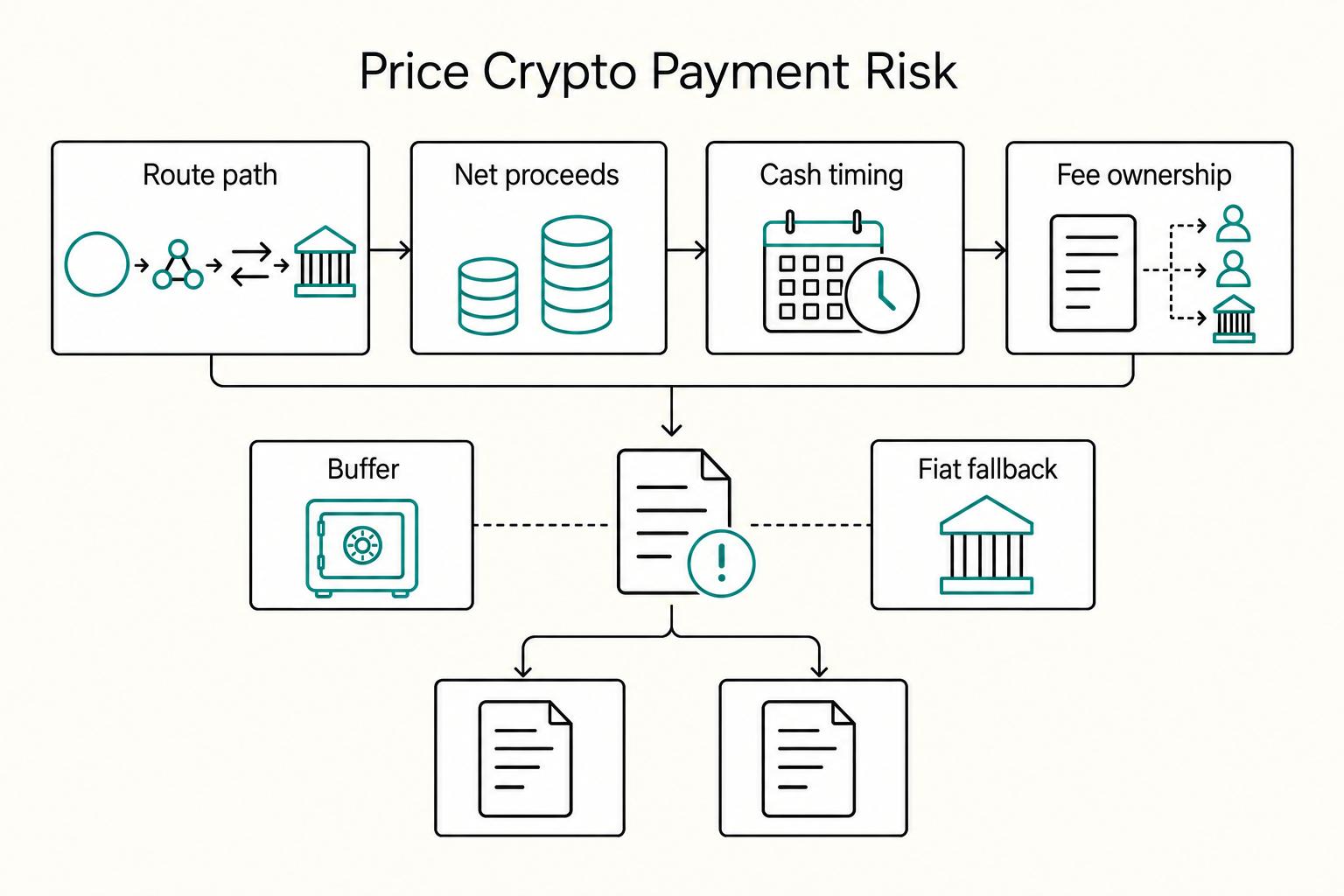
Freelance Crypto Payments That Protect Cashflow and Reduce Disputes
Crypto payments make sense only when they improve how reliably you get paid after you plan conversion, compliance, and recordkeeping up front. They can reduce friction in some international setups where traditional platforms add fees, restrictions, or extra steps. They also move risk onto conversion timing, exchange-fee exposure, and documentation quality, so use a simple acceptance test before you agree:

Beneficial Ownership Reporting in 2026 for FinCEN BOI Decisions
Use this as an execution guide, not a legal memo. Your job is to make a current BOI decision, document why you made it, and avoid cleanup later. The outcome is straightforward: confirm whether your entity is in scope, prepare what you need if it is, and keep dated proof of the basis you used.
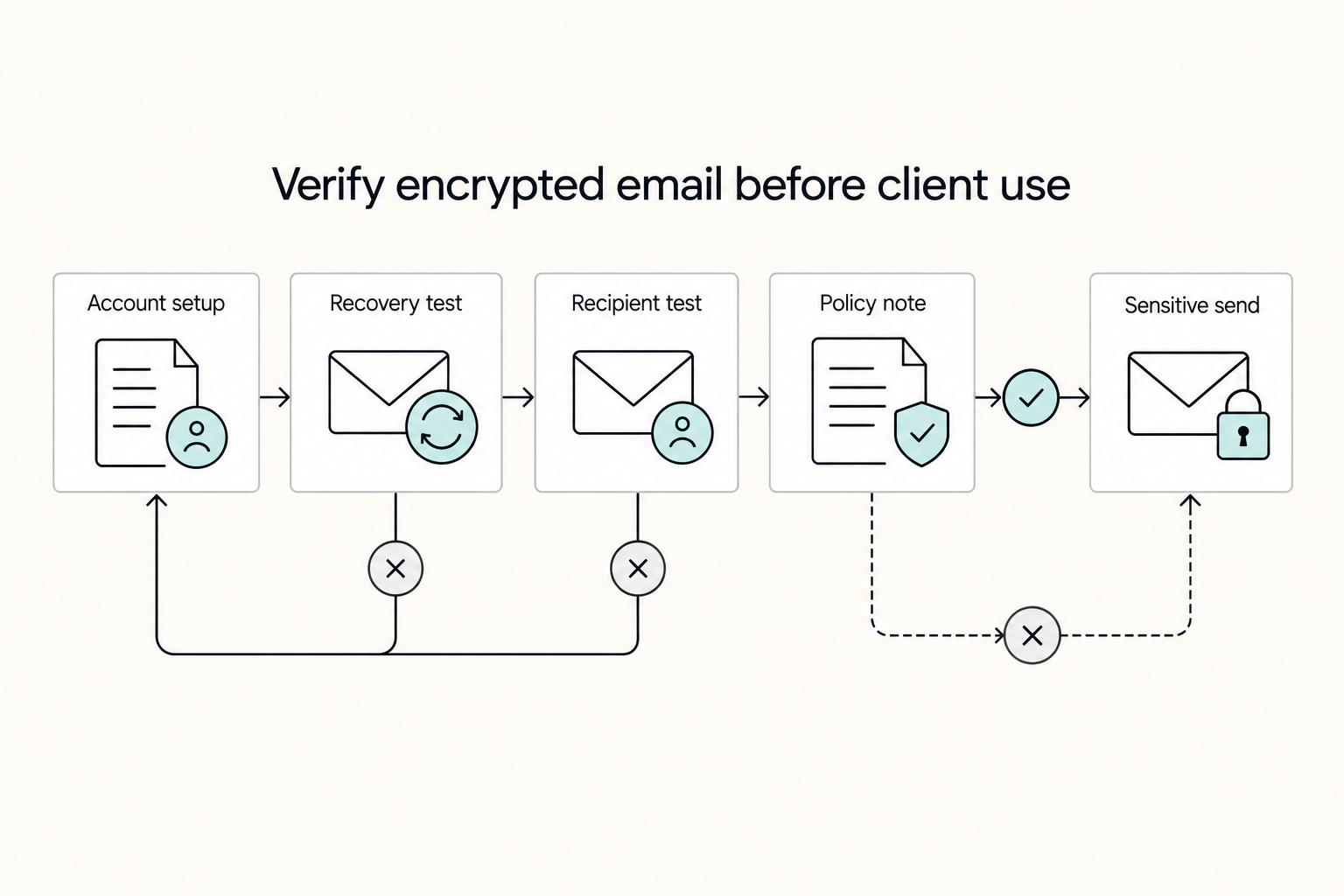
The Best Email Encryption Tools for Freelancers
You can choose an email encryption route, test it in a real exchange, and keep contract and invoice threads moving.