

Quick Answer
Choose on legal and tax fit, manageable recurring duties and a feasible account route. Anguilla uses a business-company framework replacing its former IBC law; Seychelles retains its amended IBC framework. Neither incorporation certificate guarantees tax exemption or account approval. Compare total service costs and confirm the selected agent’s current obligations calendar before paying.
How Anguilla and Seychelles Compare for Independent Professionals#
Anguilla and Seychelles offer different company frameworks, but an incorporation certificate does not settle your personal tax position or make an account provider accept the company. For an independent professional, the useful comparison is the legal form, recurring work, total cost and ability to collect actual client payments. Start with where you live, manage the business and perform the services.
Anguilla replaced its former International Business Companies framework with the Business Companies Act in 2022. Seychelles continues to use the International Business Companies Act, 2016, as amended. The Anguilla FSC legislation index lists later amendments; the Seychelles FSA index lists a consolidation through 24 August 2026. An old package labelled “Anguilla IBC” needs its current legal basis explained before you buy it.
| Decision lens | Anguilla | Seychelles | What this means for you |
|---|---|---|---|
| Legal framework | Business Companies Act, 2022, as amended | International Business Companies Act, 2016, as amended | Confirm the current statute and exact form |
| Alternative form | LLC requires separate analysis | This comparison covers the IBC | Do not transfer company rules to another form |
| Records administration | Section 88 duties and agent handoffs | Record lodging and summary applicability need a current calendar | Budget for recurring work, not formation alone |
| Account setup | Provider-specific assessment | Provider assessment plus current SRC document policy | Check the actual account route before paying |
Before paying, have an adviser assess the proposed form against your residence, management location and business activity. Then obtain a dated obligations calendar and written scope for the selected route. You can compare answers from separate agents; one provider does not have to sell both jurisdictions, and you do not need to purchase two formations to make the comparison.
Anguilla and Seychelles at a glance#
The table separates established framework differences from terms that depend on your agent and account provider. A low formation price is useful only after the proposed company fits your business and you can meet its ongoing duties.
| Criterion | Anguilla business company | Seychelles IBC | Decision check |
|---|---|---|---|
| Legal form | Current business-company framework replaces former IBC terminology | IBC framework continues with amendments | Use the proposed constitutional documents and statute |
| Setup speed | Obtain a dated registry/document milestone plan | Obtain a dated registry/document milestone plan | Keep account approval separate |
| Setup cost | Agent-specific scope and fees | Agent-specific scope and fees | Normalize inclusions and first-year services |
| Annual upkeep | Agent, records and applicable filing tasks | Agent, records and applicable filing tasks | Name owners and quote recurring charges |
| Reporting burden | Form and activity determine applicable duties | Records duties remain even where a summary exception applies | Confirm tax and substance applicability separately |
| Privacy | Beneficial-ownership framework applies | Beneficial-ownership framework applies | Ask about disclosure, updates and access |
| Banking practicality | Actual provider must accept the proposed profile | Check actual provider requirements against SRC policy | An agent introduction is not approval |
| Tax position | Assess source, management and owner-country rules | SRC guidance includes changes for covered companies with foreign passive income | Do not assume all foreign income or owners are tax-exempt |
| Proceed or pause | Fit, clear obligations and a feasible payment route | Fit, clear obligations and a feasible payment route | Resolve essential uncertainty before payment |
Use formation marketing to identify candidates, then check the named statute, licensed agent and actual account-provider requirements. A claim of “no accounting” needs particular scrutiny: exemptions from a specific filing or financial summary do not remove the duty to keep underlying records. SRC tax-system guidance describes changes effective in September 2021 for covered companies receiving foreign passive income, including substance considerations. Obtain a case-specific assessment instead of treating “0% foreign income” as a blanket rule.
Move an option forward only when its tax treatment, recurring duties and payment route fit your circumstances. Clear paperwork helps you assess that fit; it cannot cure an unsuitable structure.
Which sources settle which questions#
Legislation establishes duties; regulator guidance helps implement them; a signed engagement establishes what your agent will do. A bank or payment institution makes its own account decision. Keep these sources separate when a formation package combines registration and “banking support”.
| Evidence bucket | What it contributes now | What it cannot settle yet |
|---|---|---|
| Current legislation and regulator guidance | Establish legal forms and statutory duties | Do not set agent prices or guarantee account approval |
| OECD transparency review | Documents the reviewed information-exchange framework and implementation | Does not rank formation speed or establish all later amendments |
| Agent proposal and account-provider response | Specify contracted services, exclusions and application requirements | Do not replace legal or owner-country tax analysis |
The Seychelles Global Forum report reviews exchange of information on request. Its approval in December 2025 and adoption in January 2026 establish its review timeline, not a bank approval rate or incorporation service benchmark. Later amendments still need checking against the current regulator index.
Use this known-versus-unknown check before you pay for incorporation:
- Known: the two jurisdictions use different current company frameworks; an Anguilla LLC is another form.
- Known: incorporation and account approval are separate decisions.
- Known: recordkeeping remains necessary even when a particular financial summary is exempt.
- Confirm for your case: owner tax residence, management location and income-source treatment.
- Confirm with the agent: current duties, filing cadence and responsibilities after amendments.
- Confirm with the account provider: jurisdiction, activity, owner profile and required documentation.
Require the selected agent to explain the legal basis, deadline and responsible person for each recurring duty. Tax or privacy claims do not replace that calendar. For the separate US reporting context, see What is FinCEN? A Guide for Freelancers and FinTech Users.
Picking the right legal form before picking the jurisdiction#
Compare an Anguilla business company with a Seychelles IBC for the same intended business activity. An Anguilla LLC is a separate legal-form choice: do not apply the business-company record rules or assume the same home-country tax classification without checking its own legislation and your adviser’s analysis.
| Request area | What to ask for |
|---|---|
| Annual obligations by form | Timing and filing responsibility |
| Record-keeping duties | Where records must be maintained |
| Compliance declarations or registers | What is required to remain in good standing |
| Account opening and ongoing reviews | Documents expected |
| Missed filing handling | What happens if a filing is missed, and how remediation works |
For an existing Anguilla company, ask the agent for its current registry status and the effect of the transition from the former IBC framework. For a new company, the engagement and draft constitutional documents should identify the current statute and form. A familiar legacy label in an advertisement is insufficient.
For a solo service business, compare ownership, management, permitted activity and tax classification first. Then price the administration each form actually requires. Different statutory names can serve a comparable business model without having identical legal treatment.
Use the same request set for each option before paying. Ask for:
- Annual obligations by form, including timing and filing responsibility.
- Record-keeping duties and where records must be maintained.
- Required compliance declarations or registers to remain in good standing.
- Documents expected for account opening and ongoing reviews.
- What happens if a filing is missed, and how remediation works.
Avoid choosing jurisdiction branding first and forcing entity structure later. If your priority is simple one-owner operations, lock the form shortlist first, then compare Anguilla and Seychelles using the same written questions. If the answers stay high-level or promotional, pause.
Compliance and reporting obligations you cannot ignore#
Compliance detail is the real go or no-go test. Before you choose between an Anguilla company and a Seychelles company, get written clarity on who files what, when, and with which records.
| Checklist item | Confirm in writing |
|---|---|
| Corporate records | Required registers, resolution or meeting records, retention period, and where records must be kept |
| Beneficial ownership handling | What data must be collected, who maintains it, how updates are submitted, and update deadlines |
| Tax-document readiness | Year-end documents your accountant needs, who prepares them, and when they are available |
| Filing calendar | Each recurring filing, exact due date, and whether the registered agent or you submits it |
| Responsibility split | Provider tasks vs founder tasks, with named handoff points |
| Penalties and recovery | What happens if a deadline is missed, including reinstatement steps and expected timing |
| Evidence quality | Sample completed forms or templates, not just a marketing summary |
Use the same checklist headings across both jurisdictions, while allowing the answers to differ. Anguilla business-company duties and Seychelles IBC duties are not interchangeable. Your agent should distinguish mandatory records, filings, annual fees and services included in the engagement.
- Corporate records: required registers, resolution or meeting records, retention period, and where records must be kept.
- Beneficial ownership handling: what data must be collected, who maintains it, how updates are submitted, and update deadlines.
- Tax-document readiness: year-end documents your accountant needs, who prepares them, and when they are available.
- Filing calendar: each recurring filing, exact due date, and whether the registered agent or you submits it.
- Responsibility split: provider tasks vs founder tasks, with named handoff points.
- Penalties and recovery: what happens if a deadline is missed, including reinstatement steps and expected timing.
- Evidence quality: sample completed forms or templates, not just a marketing summary.
US reporting is a separate checkpoint. FinCEN’s FBAR guidance applies to a US person with a financial interest in, or signature authority over, foreign financial accounts whose aggregate value exceeds $10,000 at any time in the calendar year. Incorporating offshore alone does not establish that obligation. For the 2025 reporting year, the ordinary deadline is April 15, 2026, with an automatic extension to October 15, 2026. The special April 15, 2027 extension covers only the defined financial-professional groups with signature authority and no financial interest; it is not available to every company owner or signatory. Under FinCEN’s maximum-value instructions, calculate each account’s annual maximum separately, convert using the Treasury rate for the last day of that year, and round up to whole US dollars: $15,265.25 becomes $15,266. If that currency has no Treasury rate, use another verifiable rate and identify its source.
Build a filing and record calendar before formation. Attach the written responsibilities to the engagement so renewal work does not depend on remembering what a salesperson said:
- A comparable obligations matrix for the Anguilla business-company and Seychelles IBC options, or a separate analysis if an LLC is proposed.
- The named legal form in each quote, with exclusions in plain language.
- A dated filing calendar and document checklist attached to the engagement.
- A signed statement assigning responsibility for each recurring task.
If a provider will not put this in writing, treat that as a stop signal.
Banking and payment operations after incorporation#
Check account-provider eligibility before paying for incorporation, then complete the actual application after the company exists. Give the provider the proposed jurisdiction, form, owner residence, activity, client locations, currencies and expected transfers. Preliminary eligibility guidance is useful, but it is not final account approval.
| Operational area | Anguilla entity path | Seychelles IBC path | Decision use right now |
|---|---|---|---|
| Account opening | Submit the precise form, owner profile and activity to the intended provider | Submit the same business profile and confirm required tax documents | Obtain eligibility guidance before formation; approval follows full review |
| Payout rails | Check receiving and outgoing currencies, destinations and fees | Check receiving and outgoing currencies, destinations and fees | Test approved accounts before relying on them for client payments |
| Invoice collection | Match contracting entity, invoice name and account beneficiary | Match contracting entity, invoice name and account beneficiary | Retain transfer references, fee deductions and return evidence |
| Ongoing review | Assign document refresh and provider-request handling | Assign document refresh and provider-request handling | Keep ownership and activity changes consistent across records |
A concrete Seychelles banking dependency changed in 2026. In its 21 August notice, the Seychelles Revenue Commission suspended TIN issuance for IBCs not operating in Seychelles that apply solely for bank purposes. It says TINs are issued to IBCs deriving Seychelles-source income or belonging to an MNE group, while Tax Residency Certificates continue to be issued for bank purposes in the interim. Ask the actual account provider whether its application can use that documentation. The notice does not guarantee certificate eligibility or bank acceptance, and a certificate does not by itself settle your home-country tax position.
Use this sequence so you do not finish incorporation and then fail at payments:
- Pre-formation review: confirm legal and tax fit, then ask the intended account provider about the proposed jurisdiction, form, activity, owner profile and payment flows.
- Entity setup: complete formation and verify current registry documents and the named legal form.
- Compliance and application files: complete ownership records and assign recurring duties; submit consistent activity, residence, source-of-funds and business evidence required by the account provider.
- Approved-account testing: only after approval, test small inbound and outbound transactions in the expected currencies. Reconcile sent amount, fees, FX, received amount and transfer reference; investigate a pending or unknown transfer before attempting a replacement.
- Steady-state controls: calendar renewals, records handoffs, periodic reviews and refresh triggers; retain filings, confirmations and exception history.
A common failure mode is simple: you form a Seychelles IBC or Anguilla company, then submit a weak or inconsistent application pack. Incorporation is complete, but payout activation stalls, invoices slip, and trust erodes while documents are rebuilt.
Choose a route with an acceptable account-provider policy and specific document support in writing. If the agent offers only an introduction, price it as an introduction. Clarify what happens to the formation fee and banking-support fee if the application is rejected.
Cost and timeline planning when data is incomplete#
Compare like services for the same business, rather than demanding identical statutory names. Separate first-year formation from recurring agent fees, records work, document certification and exceptional changes. Record what happens if incorporation succeeds but account opening fails.
| Quote field | How to structure it |
|---|---|
| Legal form | Compare proposed forms for the same activity; identify each statute and tax classification |
| Charges | Split each row into included, excluded, and conditional charges |
| Deadlines | Record each deadline as a date field, not labels like fast or standard |
| Document updates | Add a trigger column for document updates |
| Exception scenarios | Add at least two exception scenarios and require priced handling for each |
| Quote control | Require a version number, issue date, and named signatory on both quotes |
For recurring duties, use the current Anguilla regulator index and Seychelles regulator index, alongside the agent’s written calendar. The Seychelles index shows a consolidation through August 2026; the January OECD report predates later amendments. Require the agent to identify the current provisions and any changes affecting your engagement.
| Cost or timeline bucket | Anguilla | Seychelles | What must be written in each proposal |
|---|---|---|---|
| Setup | Treat as unconfirmed until quoted in writing | Treat as unconfirmed until quoted in writing | Fixed fee, pass-through disbursements, currency, taxes, refund rule |
| Annual maintenance | Treat as unconfirmed until quoted in writing | Treat as unconfirmed until quoted in writing | Renewal items, due month, late-fee basis, who files what |
| Agent fees | Treat as unconfirmed until quoted in writing | Treat as unconfirmed until quoted in writing | Registered agent scope, response SLA, out-of-scope hourly rates |
| Document updates | Treat as unconfirmed until quoted in writing | Treat as unconfirmed until quoted in writing | Included updates per year, trigger events, per-update pricing |
| Exception handling | Treat as unconfirmed until quoted in writing | Treat as unconfirmed until quoted in writing | Re-submission fees, amendment fees, escalation contact, timeline impact |
| Timeline assumptions | Treat as unconfirmed until quoted in writing | Treat as unconfirmed until quoted in writing | Start date, dependencies, client-delivery dates, quote validity window |
A signed quote can establish your contracted price, but one provider’s fee is not a jurisdiction-wide average. Registry processing, document preparation and account approval are separate milestones; a formation turnaround does not establish when you can collect a client invoice.
Use a line-by-line comparison sheet so hidden charges surface early:
- Compare forms for the same activity; record legal and tax differences before comparing service costs.
- Split each row into included, excluded, and conditional charges.
- Record each deadline as a date field, not labels like fast or standard.
- Add a trigger column for document updates.
- Add at least two exception scenarios and require priced handling for each.
- Require a version number, issue date, and named signatory on both quotes.
If quote scope differs, request a clarification or price adjustment for the missing work. You can proceed with a suitable, fully specified route even if the competing agent remains vague; there is no requirement to obtain one identical pack from a provider selling both jurisdictions.
Hidden failure modes that hurt independent professionals#
A common mistake is paying for a secrecy or privacy story before you have a clear written obligation map for the entity you are actually buying.
Privacy does not mean beneficial ownership is unrecorded or unavailable to competent authorities. Both regulator frameworks include beneficial-ownership rules. Ask who maintains the register, how changes reach the agent and what information an account provider requires. Separately assess any asset-protection claim against the form, applicable law and your actual conduct; formation alone is no guarantee.
| Decision behavior | What it looks like in sales calls | What durable behavior looks like before payment |
|---|---|---|
| Jurisdiction shopping | Picks the place with the strongest secrecy pitch | Compares Anguilla and Seychelles only after written obligations are mapped |
| Package evaluation | Focuses on formation speed and headline fee | Requires annual tasks, document-refresh triggers, and exception handling in writing |
| Risk assumptions | Treats protection claims as automatic once formed | Treats protection as conditional on legal form, record quality, and ongoing compliance |
| Evidence standard | Accepts broad market claims from mixed jurisdictions | Rejects unmatched claims unless they match the exact entity and use case |
Use this red-flag checklist for a Seychelles IBC or Anguilla business-company package. If the offer is an Anguilla LLC, require an LLC-specific explanation:
- The proposal promises confidentiality but does not explain beneficial ownership record handling for your case.
- Annual obligations are described as minimal, but no dated filing calendar is provided.
- Exception events are unpriced, including ownership changes, amendments, or re-submissions.
- The provider cannot separate included, excluded, and conditional work.
- Marketing relies on cross-jurisdiction examples instead of the exact entity form being sold.
- Responsibility for missed or delayed filings is not clearly assigned.
Also assess obligations where you live and operate. Personal tax residence, the location of effective management, local business registration and controlled-foreign-company rules may matter even when incorporation occurs abroad. Have the adviser document which rules apply to your actual owners and activity; a foreign account or address does not answer those questions.
Pause payment when the proposed route is unsuitable or essential facts remain unresolved. Proceed when the legal, tax and operational requirements fit your business and named people can perform the recurring work.
Scenario-based recommendations you can act on today#
Use the scenarios below after the residence, activity and form review. Each recommendation is conditional on an acceptable payment route and a budget that includes recurring administration.
| Your scenario | Primary decision lens | Proceed only if | Pause if |
|---|---|---|---|
| Solo service provider | Proportionate administration | Legal and tax fit is established, duties have owners and total upkeep is affordable | The proposed structure adds cost without a documented benefit |
| Multi-client cross-border collections | Account and payment fit | The actual provider accepts the profile and approved-account tests reconcile | The package promises approval without the provider’s assessment |
| Vague agent responses | Material uncertainty | The selected route has written answers on form, duties, fees and documents | Essential duties remain verbal after follow-up |
| Low risk tolerance | Recurring obligations and exit route | You can maintain the records and know change, closure and agent-transfer procedures | You are relying on secrecy or automatic protection claims |
The 2026 Seychelles Global Forum report describes accounting-record retention for at least seven years from completion of the related transaction or operation, with overseas records lodged at the registered office at least twice yearly. It also describes an annual financial summary within six months of year-end, with exceptions for holding IBCs and those below the large-company turnover threshold. Those exceptions concern the summary, not keeping records. Confirm the current rules and calendar after the later 2026 amendments.
For Anguilla business companies, section 88 of the Business Companies Act requires transaction and financial-position records, including underlying documentation, retained for six years from the specified transaction, relationship-ending or dissolution/striking-off events. Overseas recordkeeping requires written location details and adequate biannual accounts and returns at the registered office. Ask the agent to specify the applicable retention start event and delivery dates; do not substitute a universal seven-year rule or apply this provision to an LLC.
If an offshore structure adds cost without a documented business benefit, compare keeping your existing lawful business and approved account, or forming where you actually operate. A virtual-company service is another model to assess, subject to its eligibility, contracting arrangements and your own tax duties; it is not an automatic substitute for a company.
Before payment, require one short evidence pack:
- A comparison of material obligations and costs for shortlisted routes, with differences explained.
- Exact entity structure, plus exclusions and conditional charges.
- Annual obligations calendar with named accountability.
- Banking and payment document checklist with refresh triggers.
Proceed when the selected route fits the scenario and every material dependency has an owner. Wait if tax classification, recurring duties or account eligibility remains unresolved.
The verification checklist to complete before you pay#
Before payment, complete the written checks for the route you intend to buy. Use comparable questions for alternatives, but do not require another provider’s cooperation before a suitable selected route can proceed.
For each proposed form, request incorporation scope, recurring duties, a filing calendar and missed-deadline consequences. Each task should have an owner, a due date or event-based trigger, a legal basis and explicit service exclusions. Record any unresolved issue and who will answer it.
| Verification item | What to request for Anguilla and Seychelles | Proceed only if | Pause if |
|---|---|---|---|
| Incorporation scope | Entity form, included filings, excluded filings | The chosen form and scope are clear; differences in competing quotes are explained | A material deliverable or legal basis remains undefined |
| Annual obligations | Renewal tasks, recurring declarations, responsible party | Each task has assigned ownership and timing | Obligations are described without ownership or timing |
| Filing calendar and consequences | Dates for renewals, beneficial ownership updates, and substance-related reporting, plus consequence triggers | Dates are written and tied to the quoted scope | Dates are verbal or marked to be confirmed |
| Operating readiness documents | Beneficial owner records and compliance paperwork | Checklist is complete before you rely on the entity operationally | Core post-incorporation documents are still undefined |
| Pricing validity and exceptions | Base fee, renewal fee, exceptions, re-submission handling | Quote is versioned, dated, and signed | Deposit is requested on an unversioned quote |
Worked cost example, using hypothetical quotes rather than market prices: A charges $1,200 for formation including its first-year agent fee, plus $300 a year for records support. Its agent renewal is $900 in years two and three: three-year cost is $1,200 + (3 × $300) + (2 × $900) = $3,900. B charges $900 including its first-year agent fee, $500 a year for records support and $800 for each later agent renewal: $900 + (3 × $500) + (2 × $800) = $4,000. B looks $300 cheaper at formation but costs $100 more over three years. Neither total includes taxes, bank charges, translations or exceptional changes; add actual quoted amounts for those items before deciding.
Before transfer, create a written go or no-go record:
- Confirm the chosen form, jurisdiction and documented tax assessment.
- Confirm exclusions, conditional fees and the response to account rejection.
- Confirm deadlines, records location, retention start events and agent handoffs under the applicable form’s rules.
- Confirm statutory consequences and priced remediation; distinguish legal penalties from an account provider’s own restrictions.
- Capture the accepted engagement, named responsibilities and approval record before payment.
Pause payment if a selected agent leaves essential scope, deadlines or accountability unresolved. A competing quote with incomplete answers can be removed from the shortlist rather than holding up a suitable, verified route.
Conclusion#
Choose a structure that fits how and where your business operates, with an account route that can support real client payments and recurring duties you can maintain.
Use the comparison table to identify form differences, the scenarios to test suitability and the pre-payment checklist to assign responsibilities. Record why the chosen route fits and what would trigger a review: moving residence, changing management location, adding owners, changing activity or losing account support.
After formation, keep dated copies of the engagement, current registry documents, ownership updates, filings, receipts and account-provider correspondence. Recheck legal changes through the regulator indices and account terms through the provider before an important operational change.
Before you commit, run one final go or no-go check:
- Confirm the chosen form, scope, exclusions and applicable tax assessment.
- Confirm recurring duties, filing dates and records responsibilities are assigned to named parties.
- Confirm the account-provider prerequisites and document pack; obtain approval and reconcile test transfers before treating the route as operational.
If essential facts remain unknown, delay payment and resolve them. Once the selected route is suitable and its responsibilities are clear, follow the calendar and retain evidence of completed work.
Frequently Asked Questions
Is Anguilla cheaper or faster than Seychelles for offshore incorporation?
Neither jurisdiction has a universal cost or speed advantage established here. Compare dated quotes with the same service categories and separate formation, document delivery and account approval. In the hypothetical three-year example, the cheaper formation fee produces the higher total after records and renewal work.
Which is better for a solo professional who wants low-friction operations?
Choose the route that fits your residence, activity and tax classification, has manageable recurring duties and can qualify for your intended account provider. Clear written responsibilities help run it, but documentation quality alone does not make a company suitable. If a local or existing structure meets the business need with less administration, include it in the comparison.
Can I rely on forum comments to choose between an Anguilla company and a Seychelles IBC?
Use forum comments to generate questions about a specific agent or account application. Decide statutory duties from current primary sources and contracted services from written scope. Another owner’s successful account application does not establish your eligibility.
What should be in writing before I pay an incorporation provider?
Obtain the exact legal form and statute, incorporation deliverables, annual duties, deadline and record calendar, named responsibility split, fees and exclusions. Separately confirm account-provider eligibility and required documents. For a Seychelles bank-purpose-only TIN proposal, require an explanation of the August 2026 SRC notice before relying on that deliverable.
How do I compare provider quotes when scope and assumptions differ?
Use the same service categories for the same intended business activity, even where legal-form names differ. Separate formation, first-year agent services, later renewals, records support, certification and exceptional work. Require a dated, versioned proposal and clarify any missing item rather than assuming it is included.
When should I pause the offshore setup and choose a simpler interim option?
Pause when the form or tax treatment is unsuitable, the account route cannot meet your needs, or essential duties remain unresolved after follow-up. Compare a lawful existing business or local structure before buying offshore formation. A virtual-company service needs its own eligibility and tax assessment; it does not automatically resolve these issues.
Try a related tool
Researched and edited by the Gruv editorial team. Gruv builds cross-border billing, payouts, and finance-operations software for global businesses.
Sources
Includes 3 external sources outside the trusted-domain allowlist.
- fincen.gov/report-foreign-bank-and-financial-accountstrusted
- fincen.gov/news/news-releases/new-due-date-fbars-0trusted
- oecd.org/content/dam/oecd/en/publications/reports/202...trusted
- src.gov.sc/seychelles-tax-systemtrusted
- src.gov.sc/suspension-of-tin-for-ibcs-applying-for-bank...trusted
- fsaseychelles.sc/legal-framework/legislationsexternal
- fsc.org.ai/legislation.phpexternal
- fsc.org.ai/documents/Document%20Library/Legislation/Bus...external
Educational content only. Not legal, tax, or financial advice.
Related Posts
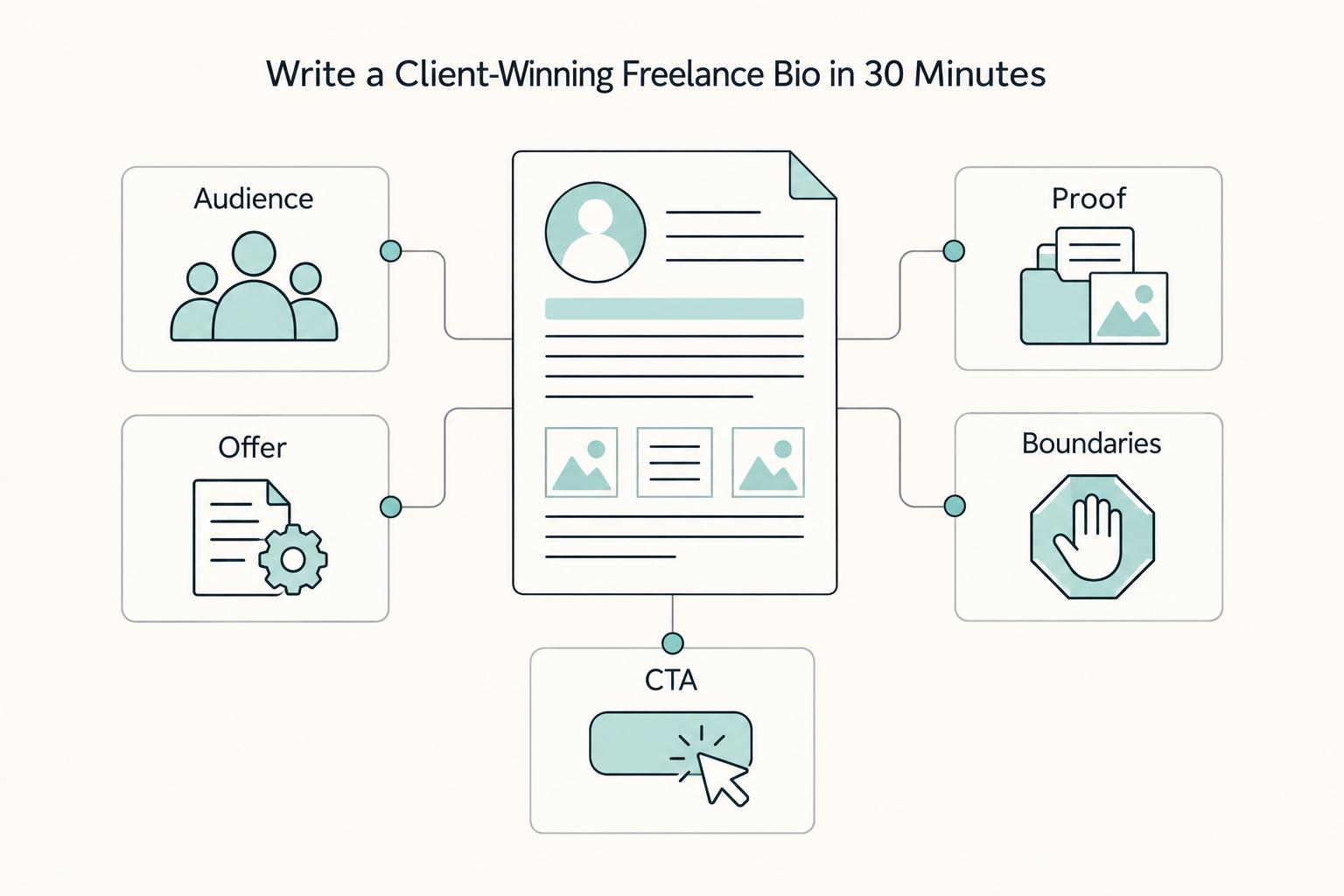
How to Write a Professional Bio That Attracts Clients
If you want to know **how to write a freelance bio** that is client-focused, write for scan speed, not autobiography. Clients often read your headline before they open your portfolio, and first impressions can form in less than seven seconds. Your opening should show fit, proof, and a clear next step fast.

What Is FinCEN for Freelancers and FinTech Users
If you are asking **what is fincen**, focus first on the decision in front of you. FinCEN, the Financial Crimes Enforcement Network, is tied to FBAR filing through FinCEN Form 114 when foreign financial accounts create reporting duties. By the end, you should know whether to act now, gather records, or escalate.
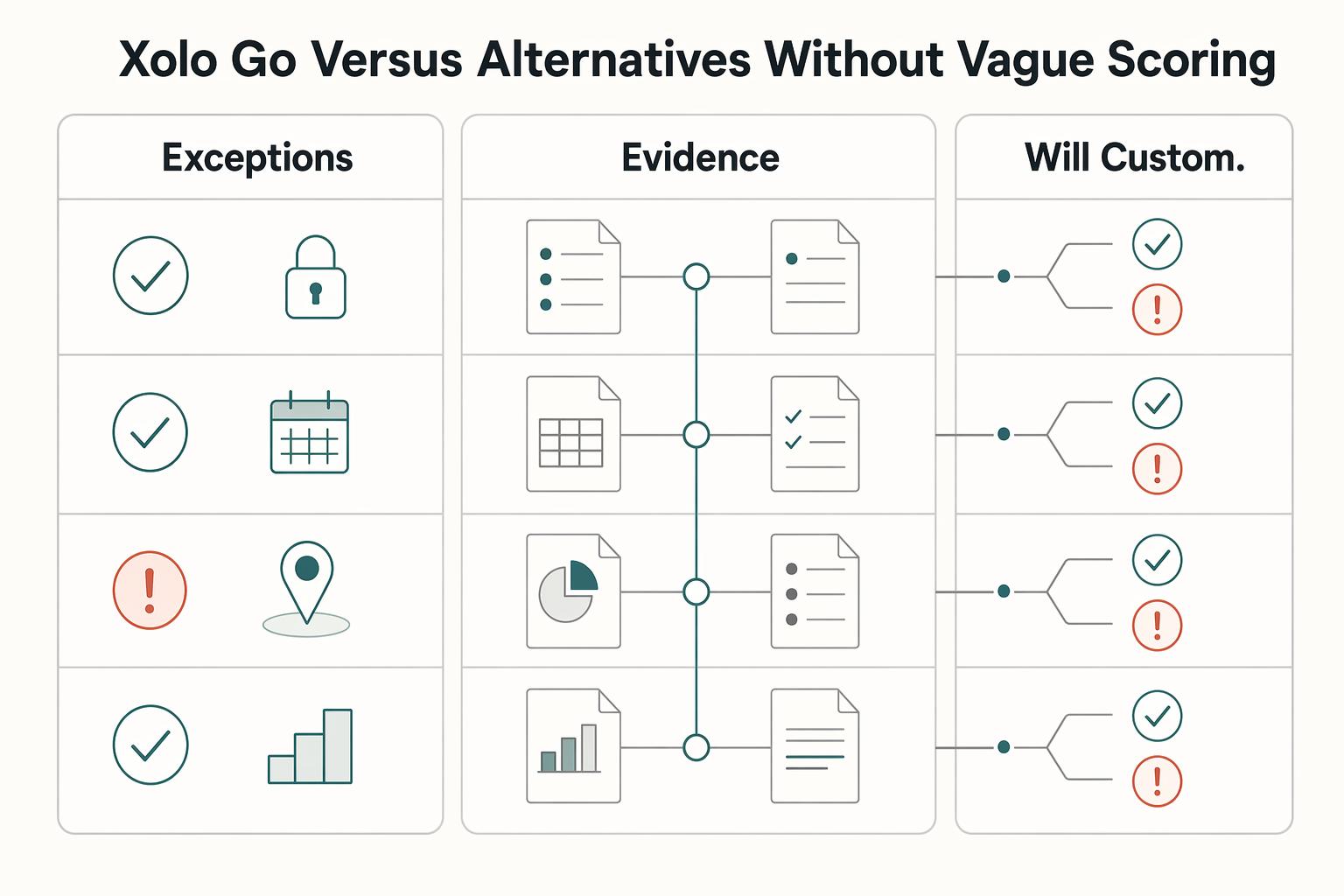
The Pros and Cons of Using a Virtual Company Service Like Xolo Go
If a provider can get you started quickly, that is useful, but it is not the decision. The real test is whether you still trust the setup when an invoice is challenged, a payout is paused, procurement asks for contract detail, or your accountant needs records you can actually export. That is where the virtual company service pros and cons become real.