

Quick Answer
Yes. For freelancers and consultants, umbrella insurance is extra personal-liability coverage that sits above auto, homeowners, or renters liability and may pay after those limits are exhausted on a covered claim. Many insurers require about $250,000 in auto liability and $300,000 in homeowners liability before issuing a personal umbrella, and limits often start around $300,000 and reach at least $1 million. It may help with defense costs under policy terms, but it does not cover your own home or car and it is not E&O for service-related claims.
The Executive Briefing on Umbrella Insurance: A Strategic Guide for Global Professionals#
If you're wondering what is umbrella insurance, the short answer is this: it is extra personal liability coverage that sits above your auto, homeowners, or renters liability limits. It can also help with defense costs after those base policies reach their limit. It does not cover damage to your own home or car, and it does not replace professional liability, or E&O.
Think about coverage in sequence, not slogans. A covered personal liability claim hits your underlying policy first, such as auto liability or homeowners or renters liability. That policy can pay up to its limit for covered judgments and related legal costs under its terms. If a covered claim goes beyond that limit, the umbrella layer may begin paying. If the claim is excluded, or costs exceed both layers, the remaining amount is still your risk.
For freelancers, the key distinction is personal risk versus client-service risk. If you host guests at your rented flat, a guest is injured, and a lawsuit follows, your renters liability would usually be the first policy in line for a covered personal claim. If the covered loss exceeds that policy's limit, the umbrella may apply above it. But if the claim is about inaccurate advice, misrepresentation, or alleged professional negligence, that is E&O territory, not personal umbrella. See A Freelancer's Guide to Professional Liability (E&O) Insurance.
Many insurers want about $250,000 in auto liability and $300,000 in homeowners liability before issuing a personal umbrella. Umbrella limits also often start around $300,000 and extend to at least $1 million. Final coverage depends on your exact policy wording, exclusions, and limits.
| Policy type | Main claim type | Who is covered | Common exclusions or limits |
|---|---|---|---|
| Umbrella insurance | Excess personal liability above home, renters, or auto; may also include claims like libel or slander | People defined as insureds in the policy | Not damage to your own home or vehicle; not a replacement for E&O; terms vary by policy |
| Home/Renters/Auto liability | Bodily injury or property damage you cause to others in personal life | You and other covered people listed or defined by the policy | Not every loss is covered; homeowners commonly excludes flood, earthquake, and wear and tear |
| Professional liability (E&O) | Service-related claims such as negligence, misrepresentation, or inaccurate advice | The professional or business named in the policy | Often excludes non-financial losses and intentional or dishonest acts |
Before you rely on coverage, check both your declarations page and the full policy wording. Verify:
- which underlying policies are required and the exact minimum limits
- who qualifies as an insured person
- whether personal injury claims, such as libel or slander, are included
- whether professional services, side business activity, or home-stored business inventory or supplies are covered, limited, or excluded
If you need a related liability primer, see A Guide to Liability Insurance ('Haftpflichtversicherung') in Germany.
Beyond Pools & Trampolines: Identifying the Real Risks for Today's Professional#
Your main risk is not forgetting umbrella coverage. It is assuming a claim will be covered without checking whether your primary liability policy responds first. Treat your policy set as trigger conditions, not a general promise of protection.
Umbrella coverage is an excess layer above underlying auto, homeowners, or boat liability. It is not standalone. If the primary policy does not respond, or required underlying limits are not in place, the umbrella may not attach.
| Scenario | Likely primary policy first | Where umbrella may apply | Common gap to verify |
|---|---|---|---|
| You post publicly and face a personal liability claim | Depends on how personal liability is defined in your policy set | Above a covered personal liability claim, if umbrella terms allow | Exact claim definitions and exclusions in the underlying policy |
| You host guests or events and someone is injured | Homeowners personal liability, if covered | Above that policy's limit for a covered personal-liability claim | Whether the incident is covered at the primary layer and what limit applies |
| You cause a severe auto accident and damages exceed your auto limit | Auto liability | Above the auto liability limit for a covered claim | The potential out-of-pocket gap above your auto limit |
| You rely on umbrella without required underlying limits in place | Underlying limits are checked before umbrella applies | Umbrella may not attach until required underlying limits are met | Whether your current auto/home liability limits meet umbrella requirements |
Public posting and frequent guest or event hosting are useful risk indicators. In both cases, the outcome usually turns on wording, not intuition. The key question is whether the claim is covered at the primary layer and whether umbrella can attach above it.
Use short scenario tests before you rely on coverage:
- If a public post triggers a liability claim, verify how that claim type is treated in your underlying policy wording.
- If a hosted event leads to an injury claim, confirm your primary personal liability policy responds and what the limit is.
- If an auto incident could exceed your auto limit, estimate the possible gap above that limit.
- Before relying on umbrella, confirm you meet required underlying auto and home liability limits.
For severe auto losses, the gap can be large. In one Travelers example, a $1,500,000 judgment against a $500,000 auto liability limit leaves a $1,000,000 shortfall without umbrella.
Quick wording check before you trust the policy#
A brochure review is not enough here. You want the exact policy language that determines whether a claim is covered at the primary layer and whether umbrella can attach above it.
- Confirm which underlying policy (auto, home, or boat) is expected to respond first for each scenario.
- Confirm your current underlying liability limits and whether they meet umbrella eligibility requirements.
- Confirm the umbrella limit range you are considering and how much excess liability it is meant to cover.
- Treat price examples as illustrative and insurer-specific, not fixed.
If you are reviewing related insurance topics, you might also find E&O coverage and A Guide to COBRA Health Insurance useful.
How to Architect Your 360° Liability Shield#
The cleanest setup is not one bigger policy. It is a three-layer core: personal base coverage, business liability coverage, and personal excess coverage, with business excess added when needed.
| Layer | Main policy | What this covers | What it does not cover | When it responds first | What to verify |
|---|---|---|---|---|---|
| Personal base | Auto plus homeowners, renters, or condo liability | Personal liability claims tied to daily life, home, and driving | Business or professional liability where excluded | First, for covered personal claims | Current underlying-policy requirements in your quote documents and policy forms |
| Business core | E&O, plus any business liability policies you already carry | Client allegations tied to inadequate work, negligent actions, or failure to provide expected service | Personal liability outside your business-policy lane | First, when the allegation arises from your services or business activity | Exact covered services, exclusions, and whether your actual work matches the application |
| Personal excess | Personal umbrella policy | Extra liability and defense-cost protection above underlying personal policies; may include added personal-injury claims such as libel or slander | Professional services, businesses, business property, and damage to your own home or vehicle | After underlying personal liability limits are reached | Required underlying limits, attachment trigger, and exclusions tied to business activity |
| Business excess, if needed | Commercial umbrella policy | Extra limits above underlying commercial liability policies | Anything outside the underlying commercial stack or outside the form wording | After underlying commercial limits are exhausted | Underlying policies required and the actual insurer form, since commercial umbrella wording is not standardized |
Keep personal and professional liability on separate tracks, then add excess above the track that actually fits the claim. Personal umbrella is an excess layer for personal liability. E&O is the policy lane for allegations about your services.
Verify the attachment point, not just the brochure#
Underlying-limit expectations are real, but they are carrier-specific and form-specific. Do not treat fixed numbers as universal rules. Use one practical rule instead: verify the current underlying-policy requirements in your quote documents and policy forms.
Before you bind, compare those documents against your real activities. Classification and exclusions decide whether a claim stays in the personal lane or moves to the business lane.
Common failure modes#
Most mistakes here are structural, not subtle. They usually come from assuming policies overlap more than they do, or from treating mixed personal and business facts as if the umbrella will sort it out later.
| Failure mode | Mistaken assumption | Article detail |
|---|---|---|
| Assuming overlap where none exists | Personal umbrella is business or professional liability coverage | Personal umbrella is not business or professional liability coverage |
| Assuming a home endorsement removes exclusions automatically | A home endorsement removes business-liability exclusions automatically | Exclusions can still control |
| Misclassifying mixed claims | Mixed personal and business facts can be sorted out later by the umbrella | Exclusions control |
| Assuming commercial umbrella forms are interchangeable | Commercial umbrella forms are interchangeable across carriers | Commercial umbrella wording is not standardized |
A short implementation sequence#
Use this in order. If you skip the mapping step, the rest of the decisions tend to get blurry.
| Step | Action | Purpose |
|---|---|---|
| 1 | Map your exposure types first | Know which lane each claim would start in |
| 2 | Confirm base personal policies | Check whether each activity is covered there |
| 3 | Align business liability coverage | Match E&O to your actual services |
| 4 | Validate umbrella triggers and exclusions | Check current quote documents and policy forms against those activities |
If you want a deeper dive, read Canada's Digital Nomad Stream: How to Live and Work in Canada. As you review your liability stack, tighten client terms at the same time with a freelance contract generator.
The "Total Exposure" Formula: Quantifying Your Coverage Needs#
Do not size your personal lane by instinct. Set a planning target, then test it against underwriting rules, primary limits, and the actual policy terms.
Gather the inputs before you calculate#
Start with an inventory, not a round number. Pull the documents for your current home and auto liability limits. List the assets and income you are trying to protect, and separate personal exposure from business exposure before you do any math. Umbrella coverage sits on top of those personal policies and responds only after primary limits are reached.
| Input category | Include | Exclude or treat separately | Why it matters |
|---|---|---|---|
| Asset and exposure inventory | The personal assets and exposure areas you need to protect | Rough guesses or stale assumptions | Regularly reviewing exposures and inventorying assets is a practical baseline for sizing coverage |
| Annual earnings | Current personal earned income you want reflected in your planning target | Amounts you cannot defend as realistic planning inputs | Income can be part of what you choose to protect in a large-claim scenario |
| Personal liability exposures | Daily-life, driving, home, and other nonbusiness risks | Professional services and business claims, which belong in a separate lane such as E&O coverage | Prevents you from inflating a personal umbrella target with risks the policy may not cover |
| Geographic scope | Places where you live, drive, host, or travel if they create personal liability exposure | Assumptions that "worldwide" always applies without checking the policy | Many policies may extend globally, but applicability still depends on the terms |
Use the formula as a target, not a promise#
The formula is a planning tool. It helps you set a target for the personal assets and income you want to protect. It also forces you to check whether your current policy stack can actually support that limit.
Step 1: inventory your assets, exposures, and current underlying home/auto liability limits. Step 2: set a provisional target for the personal assets and income you want protected. Step 3: validate that target against underwriting requirements and actual policy terms.
Planning target = personal assets and income you want to protect, validated against underlying limits and policy terms
In practice, umbrella coverage fits above your home and auto liability policies. Your target should reflect the assets and income you want to protect from a large personal claim.
Validate the target against the actual form#
Treat the result as a starting point, not a guarantee. Before you bind, confirm that your insurer will issue that limit with your current underlying policies. Then verify the attachment rules in your quote documents and policy terms.
Two common mistakes show up here. One is choosing a high umbrella limit while core home or auto liability stays underinsured. The other is mixing business or professional exposure into this calculation and assuming a personal umbrella will absorb it.
Keep affordability tied to decision quality#
Cost matters after structure. Compare the premium you are quoted to the assets and income you are protecting, not to generic market claims.
Higher protection can mean higher cost. That does not make a larger limit automatically right or wrong. If a higher limit fits your exposure and underwriting terms, it may be justified. If paying for more excess forces weaker underlying home or auto liability, fix the foundation first.
For related insurance planning, see A Guide to Long-Term Care Insurance.
What to Confirm and Keep for Your Next Review Cycle#
Peace of mind comes from a verified coverage map, not from assumptions. Personal umbrella insurance is extra liability coverage above another policy. It can apply when a covered claim exceeds the limits of an underlying policy, such as auto or homeowners. For business-related liability questions, confirm in writing how each policy handles business activity.
| Review item | What to confirm or keep | Note |
|---|---|---|
| Declarations or information pages | Limits, policy numbers, effective dates, and named insureds | These items control whether a claim can reach the umbrella layer |
| Life or exposure changes | Changes that may affect underwriting or claims handling | Update them for your next review cycle |
| Umbrella requirements and wording | Underlying-policy requirements and where the policy form addresses exclusions, territory or jurisdiction, and defense terms | Ask for written confirmation |
| Incident log template | Dates, messages, photos, receipts, and timeline notes | Capture them the same day |
That clarity makes day-to-day decisions easier. When you know which policy path you would follow before a problem happens, you are less likely to hesitate over travel-heavy work, changes in living arrangements, or whether to report a possible claim quickly.
Specific paperwork also reduces noise when something goes wrong. Verify the items that control whether a claim can reach the umbrella layer: underlying limits, named insureds, policy numbers, and effective dates. Then ask your carrier or agent to point to the current policy form or endorsement for required underlying policies and any material exclusions, territory or jurisdiction handling, and defense-cost terms.
Your workday gets easier when the next step is obvious. You can take on projects, communicate with clients faster, and document incidents early because you are not deciding from scratch under stress. If you relied on an explainer last updated in June 2024, use that as a prompt to recheck current wording for your 2026 review.
For your next review cycle, use this checklist:
- Review declarations or information pages for each underlying personal policy and confirm limits, policy numbers, effective dates, and named insureds.
- Update life or exposure changes that may affect underwriting or claims handling.
- Confirm in writing the umbrella's underlying-policy requirements and where the policy form addresses any exclusions, territory or jurisdiction, and defense terms.
- Keep a simple incident log template so you can capture dates, messages, photos, receipts, and timeline notes the same day.
We covered this in detail in What is an 'Own-Occupation' Disability Insurance Policy?.
When you want your protection plan matched by cleaner cross-border invoicing and payout operations, review Gruv for freelancers.
Frequently Asked Questions
Is umbrella insurance worth it if you freelance or consult?
It can be worth it when your personal claim risk could exceed your base liability limits. Umbrella insurance is extra personal liability coverage that starts only after the liability limits on your auto, homeowners, renters, or condo policy are used up. Before you buy, check your declarations or information page for current limits and ask your agent to confirm the required underlying policies and minimum limits in writing.
Does a personal umbrella cover professional liability or E&O claims?
Generally no. A personal umbrella is for personal liability, not professional-service mistakes. Use this rule: it covers personal liability above your base personal policies, it is not a substitute for E&O, and you buy E&O separately for professional-service risk. For the professional side, use A Freelancer's Guide to Professional Liability (E&O) Insurance, and ask your agent in writing how business activity is treated under your personal policies.
How much umbrella coverage should you buy?
Do not rely on a one-size-fits-all formula. Size coverage around what a major judgment could reach now, your assets, what future income you want to protect, and how likely severe personal claims are in your day-to-day life. Then match that target to what the insurer will issue, since available umbrella limits and eligibility can vary by state and by your underlying policies.
Can you buy an umbrella policy if you rent and do not own a home?
Often yes, if you still meet the carrier's underlying liability requirements. Many insurers want about $250,000 of auto liability and $300,000 of homeowners liability before selling an umbrella, so if you rent, ask what renters-liability or other underlying requirement applies in your state. Verify your current limit on your declarations page and get eligibility requirements in writing before you bind.
Will it cover you while traveling or living across borders?
Maybe, but you should not assume worldwide coverage or identical jurisdiction rules. Ask your carrier to point to the exact policy wording or endorsement for out-of-jurisdiction claims, including territory and jurisdiction conditions. If you get a verbal summary, ask for written confirmation because summaries are not the contract language.
What should you compare between renters liability, umbrella coverage, and E&O?
Compare each layer by trigger, exclusions, defense-cost treatment, geography and jurisdiction conditions, and who the policy is built for. This avoids a common mistake: seeing "liability" in multiple policies and assuming they respond the same way. | Decision point | Renters personal liability | Personal umbrella liability policy | Professional liability insurance (E&O) | |---|---|---|---| | What it covers | Personal liability in a renters policy; can provide legal defense and pay damages when negligence is found | Extra personal liability above underlying auto, homeowners, renters, or condo limits; may include some claims the primary policy does not | Professional-service risk (errors and omissions) | | Trigger point | Starts at the renters policy layer, subject to policy terms | Starts after underlying liability coverage is exhausted | Triggers under E&O terms, not personal-policy terms | | What it does not cover | Does not insure the building structure itself; other exclusions depend on the form | Does not pay for damage to your own home or vehicle; not a substitute for E&O | Not included in homeowners endorsements, in-home business policies, or BOPs | | Defense-cost handling | Can provide legal defense and pay damages under policy terms | Can pay liability and legal defense costs above what primary insurance pays | Confirm defense-cost terms in the E&O form; do not assume they match personal policies | | Geography and jurisdiction checks | Verify territory and jurisdiction conditions in your policy | Verify territory and jurisdiction conditions in umbrella wording | Verify where services are performed and where claims can be brought under the policy | | Who typically needs it | Renters who need base personal liability protection | People whose personal claim exposure could exceed base liability limits | People whose income depends on professional advice, deliverables, or services | | What to verify before binding | Declarations page, liability limit, effective dates, and policy details | Underlying policy requirements, exclusions, endorsements, and state-specific eligibility | Scope of services covered, exclusions, and claim-reporting requirements |
What is the single best verification step before you bind?
Start by checking the declarations or information page, then match it to the full policy form and endorsements. Confirm policy number, effective dates, liability limits, and required underlying policies. If anything material is unclear, ask for written confirmation before you pay.
Try a related tool
Researched and edited by the Gruv editorial team. Gruv builds cross-border billing, payouts, and finance-operations software for global businesses.
Sources
Includes 4 external sources outside the trusted-domain allowlist.
- aspe.hhs.gov/hhs-guidelines-ensuring-maximizing-dissemina...trusted
- ntia.gov/page/chapter-1-theory-markets-and-privacytrusted
- tdi.texas.gov/tips/umbrella-policies.htmltrusted
- allstate.com/resources/personal-umbrella-policy/what-is-u...external
- content.naic.org/article/whats-umbrella-policyexternal
- iii.org/article/professional-liability-insuranceexternal
- wealthformula.com/blog/umbrella-insurance-for-affluent-familie...external
Educational content only. Not legal, tax, or financial advice.
Related Posts
Canada Digital Nomad Visa Planning for Visitor Status and Work Permits
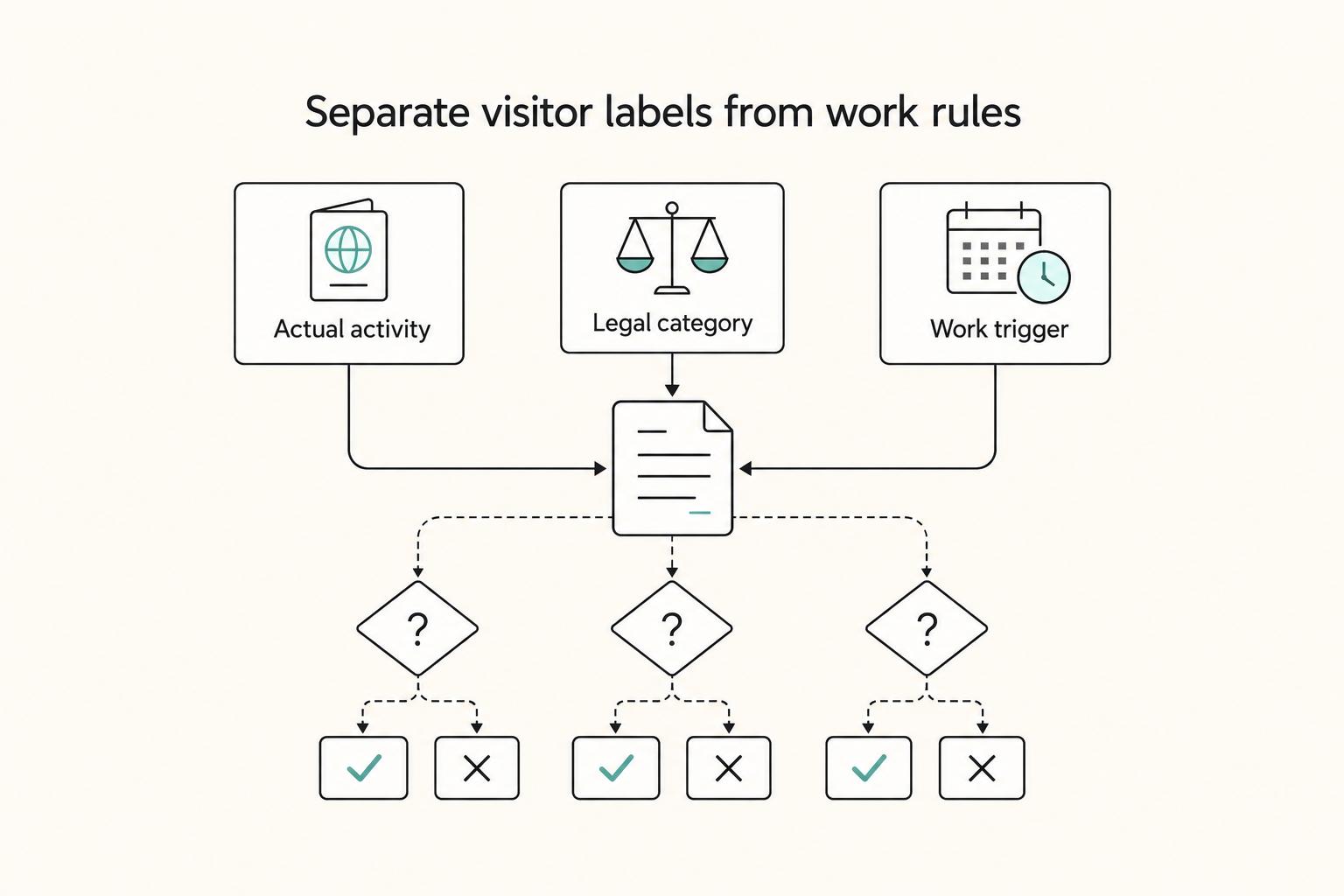
The phrase `canada digital nomad visa` is useful for search, but misleading if you treat it like a legal category. It is shorthand for existing Canadian status options, mainly visitor status and work permit rules, not a standalone visa stream with its own fixed process. That difference is not just technical. It changes how you should plan the trip, describe your purpose at entry, and organize your records before you leave.

A Freelancer's Guide to Professional Liability (E&O) Insurance
Set explicit checkpoints in your risk worksheet: day 30 intake review, day 60 contract review, day 90 claim-readiness review, and a 12-month renewal review.

The Freelance Payment Penalty: A Modeled Audit of Platform Fees, FX Spreads, and Payout Delays
The money rarely disappears through a single, easy-to-spot fee. The real loss is stacked. A marketplace takes its commission, a processor adds a charge for international cards, a bank or payment company converts the currency at a spread, a platform holds the funds before release, and a wire sheds a little to intermediaries on the way in. Each layer looks defensible on its own, but the worker feels the combined result as a smaller deposit and a later payday.