
Quick Answer
Start with a low-maintenance option and scale up only if your routine supports it. The right office plant comes down to fit: Snake Plant for the easiest baseline, then Spider Plant, Pothos, or Peace Lily when you can handle more regular checks. Use plants to support comfort and reduce visual stress, but do not rely on them as your only indoor air strategy. For persistent stuffiness, combine plant choices with ventilation or filtration.
Why Optimizing Your Air Quality is a Mission-Critical Performance Investment#
Plants can support a calmer home office, but they are not a standalone air-quality fix. When a workspace feels stale, dry, or chemically off, it can be harder to stay comfortable and focused through long work blocks.
| Filter | Focus | Practical note |
|---|---|---|
| Air quality support | Choose plants as one layer of indoor air support, not a replacement for ventilation | If the room feels stuffy every day, pair plants with better ventilation habits or an air purifier |
| Cognitive comfort | Prioritize plants that make the space feel calmer and less visually harsh | For many people, that can make sustained work feel easier, even when pollutant removal is modest |
| Maintenance fit | Match the plant to your real schedule, light, and tolerance for care | The fastest failure mode is buying for looks, then ignoring low light, dry air, or pet safety |
It helps to set expectations correctly. The late 1980s NASA research did find that indoor plants could remove measurable VOCs, but those results came from small, sealed chambers, not a normal room with doors opening, devices running, and people moving around. A 2019 review pushed that point further. Matching those chamber results in a typical space could require dozens to hundreds of plants per square foot. So if you are looking for the best office plants for air quality, the honest answer is simple: plants are a support layer, not a standalone fix.
That still makes them worth considering. In a real home office, common irritants often come from furniture, cleaning products, paints, and building materials that keep releasing volatile organic compounds. You may notice that less as a dramatic health event and more as a room that never feels fully fresh. Add dry indoor air and limited natural light, and the space can start to feel harder to work in. Use the table above as your three-part filter.
Before you choose, check four constraints: light, your watering schedule, pets, and how much floor or desk space you can actually spare. Related: The Best Ergonomic Gear for Your Remote Work Setup.
The Tiered Asset Framework: Deploying Plants Based on Your "Admin Tax" Tolerance#
Use this framework to choose a starting tier that matches your real life, not your ideal week. Before you compare specific plants, check four constraints: your care effort, how consistent your routine is, your light conditions, and how well a plant needs to tolerate missed care.
| Tier | Choose this when | Key differentiator |
|---|---|---|
| Tier 1 | Your routine is uneven, light is limited, or missed care is likely | Forgiveness and resilience |
| Tier 2 | You can manage regular checks, watering, and light upkeep without friction | More visual return if your routine is steady |
| Tier 3 | Your room conditions are reliable and you will catch stress signs early | Tighter fit, less margin for neglect |
This keeps the choice practical. Indoor plants may support how a space feels and functions, but only if the plant stays healthy in your actual setup. There is also a 2022 systematic review with meta-analyses on indoor plants and human functions in Int J Environ Res Public Health (19(12):7454; DOI 10.3390/ijerph19127454). Treat that as useful context, not a single-source verdict; NLM also notes that database inclusion is not endorsement.
In short, Tier 1 is about forgiveness, Tier 2 about steady low-admin care, and Tier 3 about a tighter fit with less room for neglect.
How to use this framework:
- Audit your room and habits honestly.
- Start one tier below your aspirational pick.
- Expand only after you can maintain that tier consistently.
Most failures come from a mismatch between plant demands and real conditions, not from effort. With that filter in place, the next sections give you practical implementation options by tier.
Tier 1: The Foundational Asset (Zero-Admin, High-Resilience)#
Start with a snake plant if you want the simplest first step. In this tier, the goal is reliability: a plant you can maintain with minimal effort while you handle core indoor air quality work through ventilation, monitoring, and other room-level controls.
Snake plant#
Use this as your Tier 1 anchor when your routine is inconsistent. Keep expectations grounded: plant support is incremental, and good indoor air quality plus thermal comfort still depend on broader conditions in the space. The main failure mode is overwatering, so verify care instructions from the seller for your exact setup, including light guidance and watering cadence.
Fit check#
Tier 1 is likely right for you now if most of this is true:
- Your schedule changes often, so plant care can slip.
- You have not fully validated your room's light conditions yet.
- You travel or spend time away from your desk for stretches.
- Pets may access the plant, and you will confirm safety before bringing it indoors.
If you are managing IAQ seriously, treat this plant as a support layer, not the main control. In a formal IAQ approach, defined ownership and continuous monitoring matter more than any single plant.
Start small and keep it visible so you notice condition changes quickly. Once this feels stable with low effort, move to Tier 2 as an optional upgrade.
Tier 2: The Active Performance Enhancers (Low-Admin, High-Impact)#
If Tier 1 is stable for you, Tier 2 is the next step: a bit more care, with more visible feedback and still manageable for a busy schedule. The forgiveness factor here is practical risk reduction, not hype. These plants can handle variable light and occasional missed checks better than fussier options, which helps when travel or workload disrupts routines.
Keep expectations grounded. VOCs can come from furniture, carpeting, and building materials, and pollutants build up fastest in unventilated spaces. Use these plants as one low-cost support layer for comfort and consistency, not as a replacement for ventilation, source control, or filtration. If stale air is the bigger issue, start there, or pair this with The Best Air Purifiers for a Home Office.
| Plant | Light flexibility | Missed-watering tolerance | Pollutant-support note | Pet-safety check | Stress-signal check | Best for |
|---|---|---|---|---|---|---|
| Spider Plant | Can handle lower-light conditions; verify current tag guidance for your space | Generally low-admin; verify the current care interval from the plant tag or seller | Listed for formaldehyde filtering support | Verify before purchase if pets can reach it | Verify current early-warning cues from the seller or care tag | Lowest-risk step up from Tier 1 |
| Pothos | Often used in varied placements; verify light guidance for your cultivar | Generally tolerant of occasional misses; verify the current care interval from the plant tag or seller | Golden pothos is listed for formaldehyde filtering support | Verify before purchase if pets can reach it | Verify current early-warning cues from the seller or care tag | Inconsistent light, shelves, and trailing placement |
| Peace Lily | Included among tropical indoor plants described as handling lower light; verify placement | Low-admin with routine checks; verify the current care interval from the plant tag or seller | Listed for formaldehyde support, plus lower benzene and reduced trichloroethylene levels | Verify before purchase if pets can reach it | Verify current early-warning cues from the seller or care tag | Broadest pollutant-support listing in this tier |
Spider Plant#
Choose spider plant if you want the safest upgrade path from Tier 1. It is listed for formaldehyde filtering support, handles lower-light indoor conditions, and usually fits a routine where care checks are sometimes missed.
Before checkout, verify the current light note and care guidance on the plant tag, then keep a photo for reference. If you are buying with air-quality support in mind, also keep scale in mind: a late-1980s NASA-context recommendation cited at least 15 plants (in spaces less than 2,000 square feet) and 6-inch containers or larger, which is a useful reminder that one small plant is support, not a full-room fix.
Pothos#
Pick pothos when placement flexibility is your main constraint. If your desk, shelf, and corners get different light, pothos is often easier to place without redesigning your room.
Golden pothos is listed for formaldehyde support, so it can fit a broader IAQ plan. The practical risk to manage is treating "low light" as "no light": if it sits in a dim corner you rarely check, growth and care consistency can both slip.
Peace Lily#
Choose peace lily when you want the most specific pollutant-support profile in Tier 2. It is listed for formaldehyde support, and also for lower benzene and reduced trichloroethylene levels.
Use it with realistic expectations. Strong short-term CO2 results in controlled studies were produced in sealed test conditions (for example, a 0.128 m³ chamber starting at 1200 ppm), not a typical office. In practice, treat peace lily as a support layer for comfort and consistency alongside ventilation and filtration.
If you need the lowest-friction Tier 2 start, pick spider plant. If your light and placement are inconsistent, pick pothos. If you want the broadest pollutant-support listing in this tier, pick peace lily. Verify pet safety and current care guidance before buying, then move to Tier 3 if you need more specialized outcomes.
Tier 3: The Specialist Assets (Moderate-Admin, Targeted Returns)#
Choose Tier 3 only when you have a specific need and a consistent care routine. These plants are targeted upgrades, not general fixes. OSHA 3430-04 (2011) treats indoor air quality as a major workplace concern, but the guidance is advisory, and plants are still a support layer, not a replacement for ventilation, filtration, or HVAC care.
| Plant | Best use case | What to verify before checkout | Ongoing tradeoff | Pet/sensitive-environment note |
|---|---|---|---|---|
| Dracaena | You are buying for a targeted pollutant concern | Exact variety name on the tag; current pollutant-support details for that variety; current care requirements from the tag or seller | Lower margin for guesswork if variety, light, or water guidance is unclear | Verify current pet-safety status before buying |
| Boston Fern | Your room is dry (especially with strong HVAC or in winter) and you want moisture support | Spot has reliable indirect light; you can keep humidity up and soil consistently moist | Higher-maintenance if your routine is inconsistent | Verify current pet-safety status before buying |
| Rubber Plant | You have medium-to-bright indirect light and want a stronger visual anchor | Light quality is stable across the week; moderate watering plan is realistic; verify current pollutant-support details for the selected plant | Performs poorly when treated like a low-light corner plant | Be cautious with pets; it can be mildly toxic |
Readiness check#
Before you move into this tier, run this quick self-check:
| Check | Use this rule |
|---|---|
| Routine consistency | Can you check leaves and soil on the same days each week? |
| Travel frequency | If you are away often without backup care, rule out Boston Fern first |
| Humidity control | Choose Boston Fern only if you can support humidity and consistently moist soil |
| Water quality | For Dracaena, verify current seller guidance and keep the care tag |
| Light reliability | For Rubber Plant, confirm medium-to-bright indirect light is dependable, not occasional |
For sensitive environments, keep your diagnosis practical: plants can support comfort, but they are not the whole IAQ response. If stale air or irritation is recurring, use OSHA Appendix B ("Steps to Improve Indoor Air Quality") as the process checkpoint, and in building settings verify the required outdoor air-ventilation rate and air-distribution design on plans (Section 160.2).
Choose Tier 3 now if your setup is stable and your need is specific (dry air, bright indirect light, or a targeted pollutant concern). Stay with Tier 2 longer if you still need more forgiveness in care and placement.
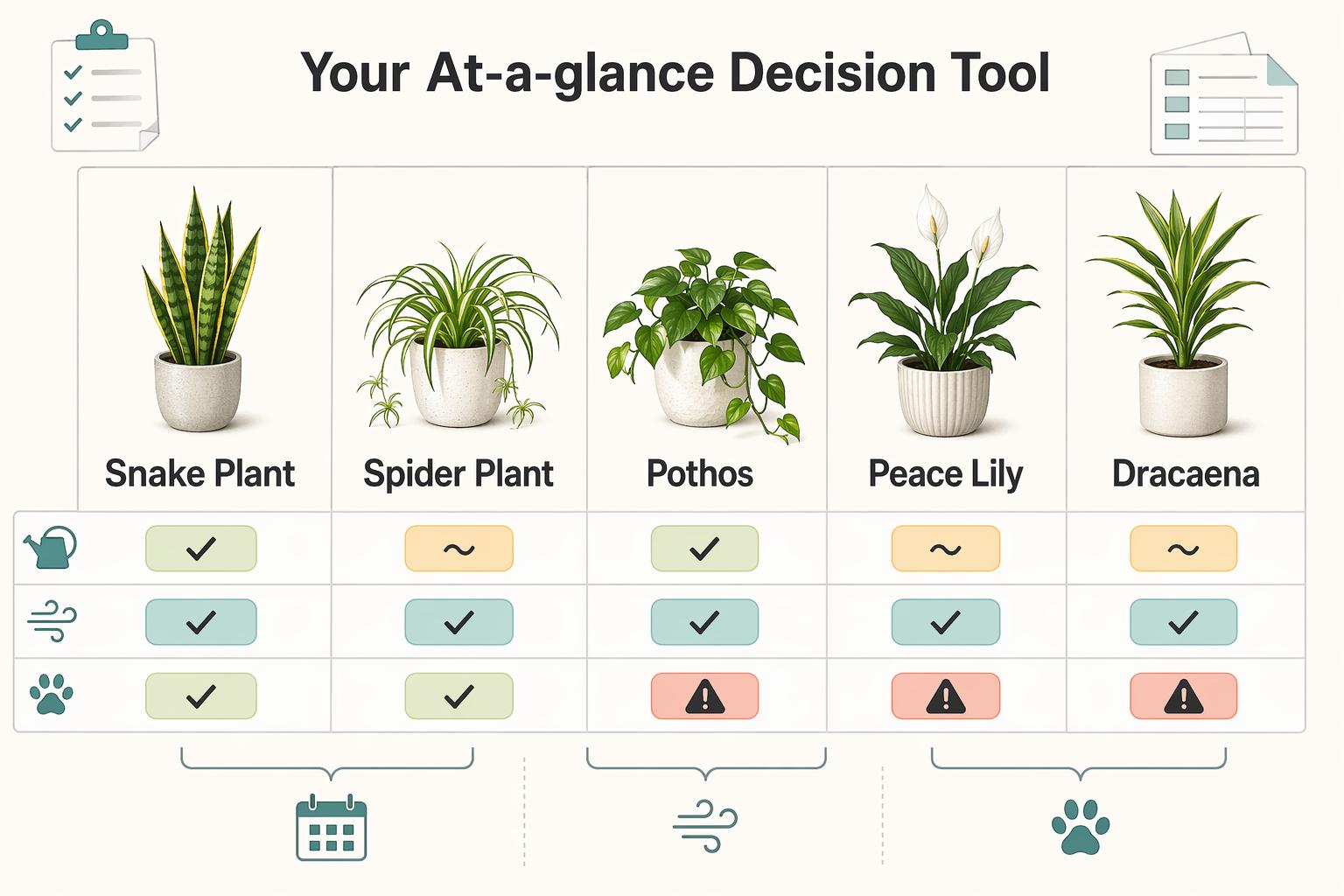
The Risk Mitigation Matrix: Your At-a-Glance Decision Tool#
Use this matrix in order: start with the care you can realistically sustain, then match your air-quality goal, then check pet exposure before you buy. Keep expectations practical: plants can be a support layer, but recurring irritation, nausea, or tiredness should be treated as an indoor air quality issue first.
The labels below are relative to the tier framework above and should be treated as decision aids, not lab-verified performance claims. Confirm species-level details, current care notes, and pet-safety status at the point of purchase.
| Plant | Best use case | Care effort | Tolerance for missed care | Pet safety | Notable cautions |
|---|---|---|---|---|---|
| Snake Plant | Tier 1 baseline option from the earlier framework | Low | Higher (relative) | Verify current status before buying | Verify the watering cadence on the current care tag before buying |
| Spider Plant | Tier 2 option when you want a forgiving growth habit | Low | Moderate to higher (relative) | Verify current status before buying | Verify the light and care details on the current tag before buying |
| Pothos | Tier 2 flexible option for common office placements | Low | Moderate to higher (relative) | Verify current status before buying | Verify placement and care notes for the selected cultivar before buying |
| Peace Lily | Tier 2 option if you can respond to care signals consistently | Low to moderate | Moderate (relative) | Verify current status before buying | Verify moisture and care guidance on the current tag before buying |
| Dracaena | Tier 3 option when you can confirm exact variety | Moderate | Moderate to lower (relative) | Verify current status before buying | Do not rely on a generic "dracaena" label |
| Boston Fern | Tier 3 option when dry-room management is your main concern | Moderate to higher | Lower (relative) | Verify current status before buying | Verify humidity and moisture requirements before buying |
| Rubber Plant | Tier 3 option when bright indirect light is reliable | Moderate | Moderate (relative) | Verify current status before buying | Verify light and watering guidance before buying |
Use this as a next-step filter: if pets are in the home, verify species and pet risk first; if you want low maintenance, stay in Tier 1 or Tier 2; if you have a targeted room concern, move to Tier 3 only when your light and routine are stable. If the bigger pattern is stale air plus recurring symptoms, pair plant decisions with a broader IAQ check, or move directly to filtration in The Best Air Purifiers for a Home Office.
Conclusion: Build a Workspace That Works for You#
If you are choosing office plants, the practical answer is simple: pick the option you will actually keep alive, in the light you actually have, with the risks you have actually checked. Plants can be a practical workspace upgrade, especially when you match care effort to your real routine.
| Plant | Best fit | Care profile | Watch-out |
|---|---|---|---|
| Snake Plant | Busy schedule, limited light, first plant | Lowest-friction Tier 1 option | Overwatering |
| Spider Plant | First upgrade from Tier 1 | Low-admin with regular checks | Verify care tag and pet safety before buying |
| Pothos | Varied placement and inconsistent light | Flexible Tier 2 option | Low light is not no light |
| Peace Lily | Broadest pollutant-support listing in Tier 2 | Low-admin with routine checks | Verify pet safety and respond to care signals consistently |
The checkpoint that matters most is not the label on the shelf. It is whether your spot has usable light. "Low light" does not mean "no light," so a windowless corner still needs consistent overhead or lamp light. The most common failure mode is still the most boring one: overwatering a tough plant because you watered on habit instead of checking the soil first.
Before you buy, use this short next-step list:
- Choose by care capacity first: Tier 1 if you want forgiveness, Tier 2 if you can handle regular checks.
- Check light honestly: low light with lamp support is still light, while no-light spots need added lighting.
- Verify species, care notes, and pet exposure before checkout.
- Start with one plant you can keep healthy, then add only when your routine supports it.
Frequently Asked Questions
Do office plants actually improve indoor air quality?
Yes, but treat them as one support layer, not the whole fix. They may help with some indoor chemicals, but this draft is clear that plants do not eradicate emissions, and many of those gases come from everyday sources like cleaning products, cooking emissions, and tobacco smoke. If your room has persistent air-quality concerns, or includes someone with respiratory or cardiovascular disease, pair plants with source control, ventilation, and filtration such as The Best Air Purifiers for a Home Office.
What is the easiest starting plant if you want low effort?
Start with a Snake Plant if your main goal is resilience. It is the lowest-friction option here, and the main failure mode is overwatering. Let the soil dry between checks, keep the tag, and place it where it gets some indirect light instead of hiding it in a dark corner.
How many plants do you actually need to notice a difference?
Do not rely on a hard square-footage rule here. Start with one or two plants that match your light and routine, then add only after they stay healthy through a full care cycle. If your goal is measurable air cleanup rather than a calmer-feeling room, choose filtration first and let plants stay secondary.
Are air-purifying plants safe if pets share the office?
Assume the answer is "not verified yet" until you confirm the exact species or variety yourself. Confirm pet-safe versus toxic status for Snake Plant, Spider Plant, Pothos, or Peace Lily with the relevant authority before checkout, and photograph the plant tag and save the seller's care note as part of that check. If the label is vague or the seller cannot identify the variety clearly, do not bring it into a pet space.
Which plants are most practical for a low-light office?
If your office gets limited natural light, Snake Plant is the clearest starting option, and Peace Lily is also described as tolerating office conditions. But "low light" still does not mean "no useful light at all." Put the plant in the brightest indirect spot you have, and if the room is truly dim most of the day, use a grow light or choose a different air-quality tool.
What pollutants are these plants usually associated with?
The category to know is Volatile Organic Compounds (VOCs), which are chemicals from common household products that can release gas into indoor air. Peace Lily is described as supporting lower benzene, formaldehyde, and trichloroethylene levels, but that is still supportive rather than complete removal. Look first at what is introducing VOCs into the room, especially cleaning products, cooking emissions, tobacco smoke, and other everyday products that can keep off-gassing after use.
How do you avoid the most common care mistakes once you buy one?
Ignore fixed watering calendars and use soil checks instead. Check light first, then soil, then watering, and keep the plant tag as part of your small evidence pack. If you know you will water by memory and never verify placement, choose a tougher plant or reduce the number you bring in.
Try a related tool
Researched and edited by the Gruv editorial team. Gruv builds cross-border billing, payouts, and finance-operations software for global businesses.
Sources
- academia.edu/92353691/Currenciestrusted
- cdc.gov/mmwr/preview/mmwrhtml/rr5210a1.htmtrusted
- epa.gov/sites/default/files/2014-08/documents/iaq.pdftrusted
- epa.gov/system/files/documents/2022-10/ACE%20FY23-26...trusted
- homegarden.cahnr.uconn.edu/factsheets/houseplants-for-healthier-indoor-airtrusted
- in.gov/health/eph/files/IAQ-in-Schools-Best-Practic...trusted
- nyc.gov/assets/omb/downloads/pdf/mm4-21.pdftrusted
- osha.gov/sites/default/files/publications/3430INDOOR-...trusted
Educational content only. Not legal, tax, or financial advice.
Related Posts

How Remote Professionals Stay Healthy During Long Stays Abroad
Use this sequence before workload, housing, and travel friction make health tasks harder to execute. If you are traveling for months, treat this as four pass-fail gates. A gate is closed only when you have a written output you can verify.
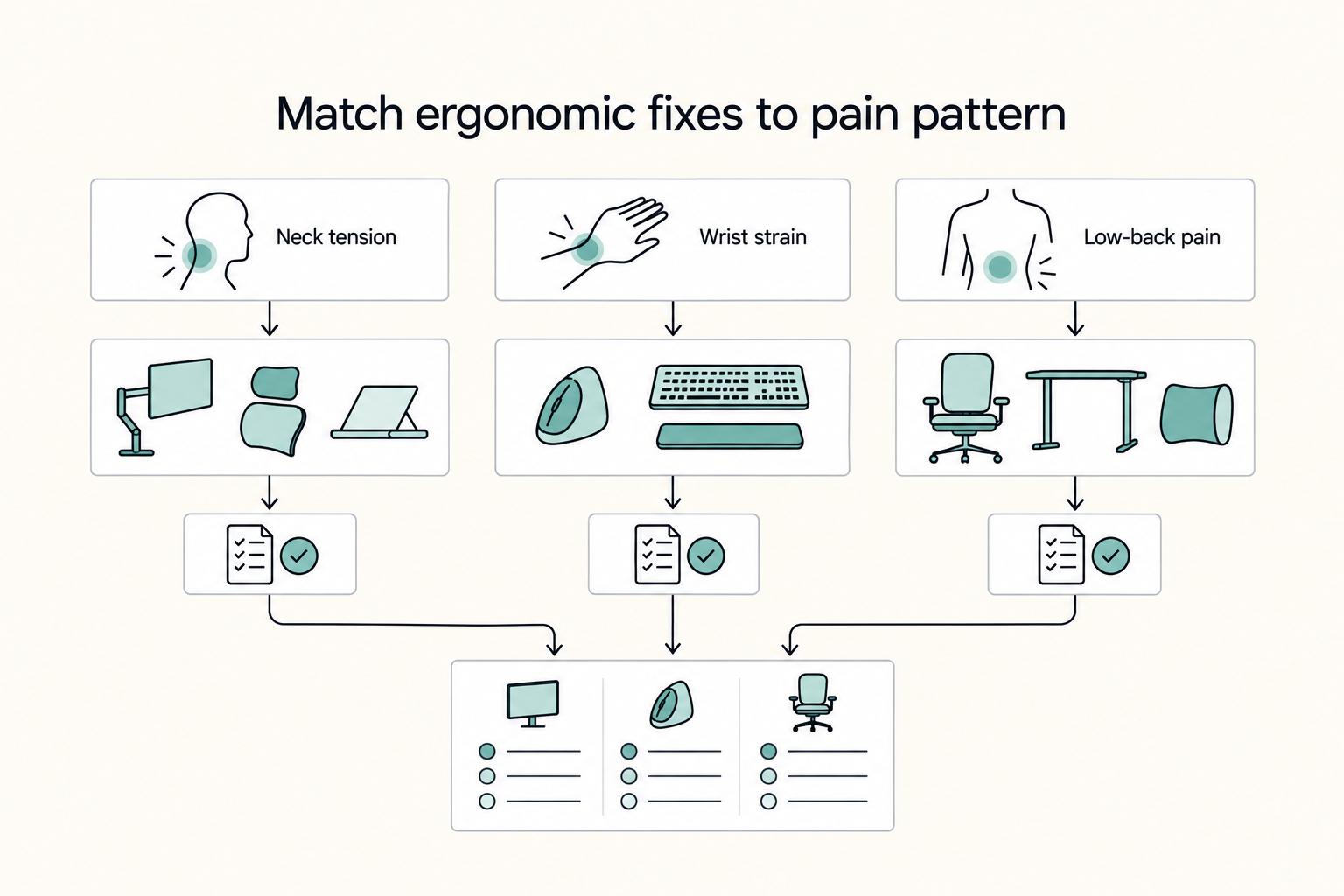
The Best Ergonomic Gear for Your Remote Work Setup
**Treat your ergonomic remote work setup as operating infrastructure, not a comfort splurge.** When posture breaks down, delivery quality and scheduling usually break down right after. Start by setting a baseline that protects your body and your business before you compare products.
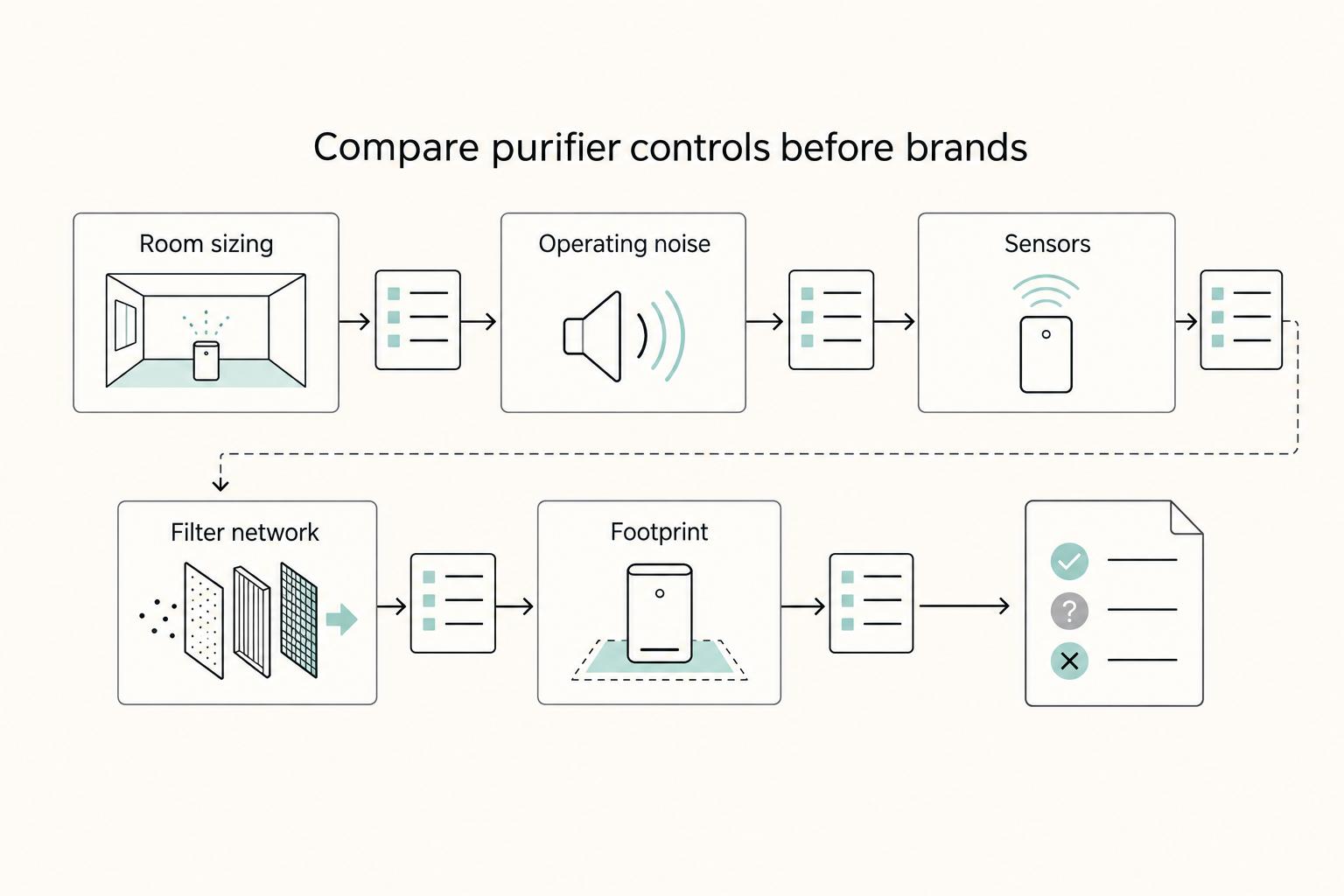
The Best Air Purifiers for a Home Office
Your home office air is an operating input, not a wellness extra. It affects how clearly you think, how steadily you work, and how reliably you deliver over a full day.