
Quick Answer
Start by treating permission marketing for freelancers as a qualification and record-keeping system: publish a single high-consideration opt-in, log source page plus consent wording, and route replies through intake, proposal, agreement, and invoice in one deal record. Use GDPR Article 7 as a practical checkpoint by confirming you can show who consented, what they saw at signup, and when that consent was captured before you scale traffic.
As a solo expert, your marketing goal is different from a typical company's. You are not trying to maximize awareness. You are building a trust system for a small number of well-matched buyers.
In practice, that means offering one specific opt-in asset, storing clear consent, and moving interested readers through a documented path to proposal and invoice.
That system is a modern, compliant version of permission marketing, a concept originally developed by Seth Godin. The idea is simple: give useful insight to people who explicitly asked for it. Instead of spending time on high-risk, low-return cold outreach, you build a steadier pipeline of strong-fit clients who arrive ready to assess your expertise.
| Vague Audience (The Common Approach) | Precision-Targeted Pipeline (The Expert's Playbook) |
|---|---|
| Goal: Get as many subscribers as possible. | Goal: Attract and qualify the right potential clients. |
| Tactic: Generic lead magnets like checklists or templates. | Tactic: A high-consideration asset that solves a real problem. |
| Technology: Any email tool will do. | Technology: A compliant CRM or ESP chosen for its data security. |
| Risk Profile: High compliance risk, low signal-to-noise ratio. | Risk Profile: Low compliance risk, high-quality, pre-vetted leads. |
Step 1: Architect Your Precision-Targeted Funnel#
Start narrow. A small list is a win if each opt-in points toward a real buying conversation, not casual interest.
| Funnel element | Generic lead capture | Precision-targeted funnel |
|---|---|---|
| Source capture | One broad signup form | Source page, specific asset, and consent wording stored per contact |
| Qualification criteria | "Subscribed" counts as success | Ideal client, need, authority/budget proxy, and timing are visible from the form or follow-up |
| Data flow | Contacts dumped into one audience | Contact record moves into defined lifecycle stages for handoff |
| Transformation logic | Little or no field cleanup | Campaign, offer, and qualification fields are standardized before reporting |
| Reporting outputs | Total subscribers | Qualified leads, stage movement, and handoff readiness |
Keep the decision sequence simple. Name one expensive problem your buyer already recognizes. Then offer one asset that helps only a serious prospect. A homepage teardown fits a conversion copywriter when the buyer is evaluating weak demo or inquiry performance. A channel-prioritization calculator fits a fractional marketer when a company has a fixed budget and needs to choose where to spend it. A short case study on signup friction fits a UX designer when the buyer is comparing specialists before a scoped project.
Before launch, pressure-test the asset with four qualification checks. Use BANT-style thinking as a screen, not as a promise that it predicts every deal. Ask whether the asset attracts your actual client type, shows urgency, reveals a budget or authority proxy, and makes the next handoff obvious. If several of those answers are weak, tighten the asset or the form before you send traffic.
Then validate the stack end to end. Submit a test lead and complete the extra confirmation step if you use double opt-in. Confirm you can trace the source, consent, timestamp, and the exact wording shown at capture. If you rely on consent, GDPR Article 7 says you must be able to demonstrate it.
Check lifecycle stage mapping closely, too. In HubSpot, automatic lifecycle updates move forward by default, so decide how you will correct stale or misrouted leads. If an integration or export fails, stop traffic until you can tell whether records are syncing, failing, or being excluded.
For a step-by-step walkthrough, see The Best Email Marketing Platforms for Freelancers.
Step 2: Transform Your Newsletter into a "Trust Asset"#
Use your newsletter to show reliable judgment over time, not to fill a calendar. Social channels can drive discovery, but for most freelancers, email is where permission, segmentation, and unsubscribe handling are easiest to document and verify.
| Channel | Use it when | Data you can retain | Compliance and auditability |
|---|---|---|---|
| Organic social | You need discovery, light interaction, or visible proof of expertise | Platform-side audience signals, your post history, and inbound messages | Weak permission record. Platform enforcement can limit visibility or access, so don't treat follows as consent for email |
| Targeted social | You need retargeting or paid reach to a defined audience | Campaign and engagement data inside the ad platform | Useful for reach, but weaker for proving newsletter consent; direct marketing rules can still apply across channels |
| Email newsletter | You need direct follow-up, replies, and segment-specific nurturing | Source, consent status, unsubscribe state, tags, lifecycle stage, send history, and suppression status in your ESP/CRM | Strongest accountability path when records show who consented, when, how, and what they were told |
Send by intent, not by calendar#
Give each email one job tied to reader intent.
| Intent stage | Message goal | Proof format | CTA type | Single next action |
|---|---|---|---|---|
| Awareness | Help the reader name the problem correctly | Strategic insight or a clear tradeoff | Read one resource or reply with their situation | Confirm problem relevance |
| Evaluation | Reduce uncertainty | Case deconstruction, teardown, before/after reasoning, or options rejected | Reply with context or click to a relevant service page | Self-qualification |
| Ready to buy | Move into a real sales handoff | Short diagnostic, decision rubric, or scope note | Book, reply, or request a review | Start one concrete handoff |
Set expectations at signup, then meet them. Keep claims inspectable: if you say something improved, show what changed; if you mention results, keep the proof specific and modest.
Tag for relevance, then run pre-send QA#
Tagging matters only if it changes what you send next. Use a practical baseline taxonomy:
| Segment | Service line | Problem type | Lifecycle status | Last meaningful interaction |
|---|---|---|---|---|
| Past client | Core service delivered | Main issue previously solved | Customer/former customer | Last project milestone or closeout |
| Warm prospect | Relevant service under consideration | Current blocker they discussed | Opportunity/proposal paused | Last substantive sales touchpoint |
Run re-engagement by segment:
- Past clients: send updates tied to the work you already delivered, then a light check-in on what changed.
- Warm prospects: send a short two-step sequence tied to the paused decision, then either return them to general updates or remove sales nudges if there is no response.
- If you market to UK individual contacts, PECR generally requires specific consent for marketing email; the limited soft opt-in applies to your own previous customers, not stalled prospects.
Before you send, run this QA checklist:
- Test one seed contact per segment and confirm the contact path is correct.
- Verify consent visibility in-record, including what the person saw at signup.
- Confirm reply routing goes to a monitored inbox.
- Test unsubscribe behavior end-to-end and confirm the address moves to suppression.
- Use the tighter operational window for processing unsubscribes (Google: 48 hours; Yahoo: 2 days) rather than relying on slower allowances.
- If key fields are blank, tags are missing, or automation fails, pause the send, fix the record or flow, and rerun QA before resuming.
If you need implementation depth before refining segments, see How to Build an Email List for Your Freelance Business.
Step 3: Convert Leads Without Compliance Nightmares#
When a lead replies, stop improvising. Run one fixed path from first reply to invoice. Decide upfront what evidence you keep at each handoff so trust, consent, and acceptance stay provable.
| Handoff area | Ad hoc handling | Standardized handling | Main risk reduced |
|---|---|---|---|
| Reply and intake | You answer from memory, ask different questions, and split details across inboxes and DMs | You send one intake confirmation, collect the same scope facts, and store them in one deal record | Client confusion and early scope drift |
| Proposal and terms | Version history, exclusions, and timing live in separate threads | Proposal, validity window, and agreement draft stay tied to one record | Evidence gaps and disputed terms |
| Acceptance | You treat "sounds good" or a call recap as enough | You define one acceptance event per project and store proof in one place | Weak contract evidence |
| Billing setup | Tax data, invoice contact, and entity details are collected after work starts | Billing and tax checks are completed before kickoff | Delayed payment and invoice rework |
Run the same path every time#
Use a repeatable sequence: intake confirmation, scope alignment, proposal, agreement, acceptance, then invoice. Each step should do one job and create one record.
| Consent detail | Timing | Record note |
|---|---|---|
| Source page or form | First reply | Keep it in the consent context |
| Consent copy or version shown | First reply | Keep it in the consent context |
| Timestamp | First reply | Keep it in the consent context |
| Consent coverage | First reply | Resource delivery, ongoing marketing, or both |
At first reply, capture consent context: source page or form, consent copy/version shown, timestamp, and whether consent covered resource delivery, ongoing marketing, or both. Keep consent language clear, separate from general terms, and specific enough to show exactly what permission covered.
Before each handoff, confirm four fields in the live record:
- Consent context
- Communication purpose
- Current preference state
- Auditable event trail
If any field is missing, fix it before moving forward.
Define the acceptance trigger before you send terms#
Do not let acceptance float. For each project, choose one binding trigger and state it in the agreement. Trigger types can include a countersignature, a tracked click to accept, or a reply email that clearly accepts the attached or linked agreement.
| Trigger | How acceptance is captured |
|---|---|
| Countersignature | Used as the one binding trigger stated in the agreement |
| Tracked click to accept | Used as the one binding trigger stated in the agreement |
| Reply email | Clearly accepts the attached or linked agreement |
U.S. law recognizes electronic contracting and signatures, and EU eIDAS says an electronic signature cannot be denied legal effect only because it is electronic. But no single acceptance method is universally sufficient in every jurisdiction.
Use one rule: one project, one trigger, one storage location for proof. Keep the final agreement version and acceptance evidence together instead of scattering them across inboxes, chat, and e-sign tools.
Verify tax, invoice, and retention before work starts#
Run a pre-work verification checkpoint that aligns proposal terms, contract language, tax treatment, and invoice data. Confirm the legal entity name, billing address, invoice contact, PO reference (if required), and tax/VAT ID (if relevant).
| Area | Reference | What the article says |
|---|---|---|
| EU B2B services | Article 44 | Place-of-taxation logic generally starts with where the customer is established |
| Reverse-charge cases | Article 196 | VAT liability shifts to the customer, and the invoice should indicate reverse charge where required |
| U.S. commercial email | CAN-SPAM | Applies in B2B, requires a valid physical postal address, and gives you 10 business days to honor opt-outs |
| Data retention | GDPR | No fixed retention period; keep a justified period based on purpose and not longer than needed |
For EU B2B services, place-of-taxation logic generally starts with where the customer is established (Article 44). In reverse-charge cases, VAT liability shifts to the customer (Article 196), and the invoice should indicate reverse charge where required.
If you send U.S. commercial email during follow-up, remember that CAN-SPAM applies in B2B, requires a valid physical postal address, and gives you 10 business days to honor opt-outs. Keep purpose labels and suppression handling clean.
Finish with a data-lifecycle note for the deal record. GDPR does not set one fixed retention period; you need a justified period based on purpose, and data should not be kept longer than needed. If EU or UK data is involved, keep jurisdiction-specific retention or local-rule requirements pending until they are verified against current official, legal, or source records before finalizing the process. For deeper guidance, see GDPR for Freelancers: A Step-by-Step Compliance Checklist for EU Clients. You might also find this useful: A Guide to Local SEO for Freelancers.
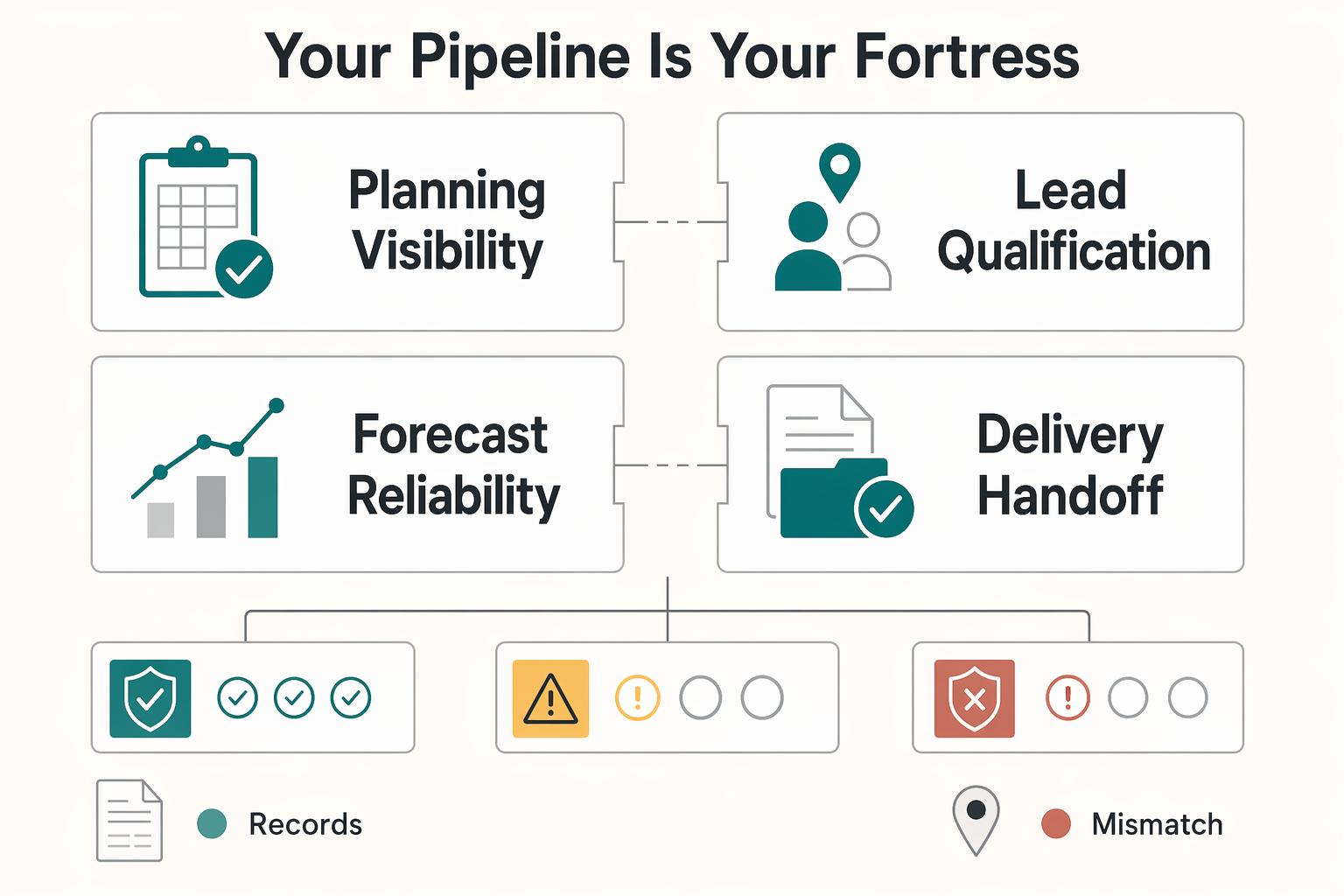
Run the pipeline as a permission system you check weekly#
Your pipeline protects your business only when you run it as a managed permission system, not just a contact list. Move a person forward only when your record shows three things: they consented to this next contact, they fit the work, and the delivery handoff is fully documented.
| Decision impact | Reactive contact chasing | Permission-based pipeline control |
|---|---|---|
| Planning visibility | You restart outreach when work drops and rely on memory. | You can see opt-in source, consent context, and the next valid follow-up step. |
| Lead qualification quality | You spend time filtering mixed-fit inquiries and unpaid back-and-forth. | Your asset + stage gates screen for fit before proposal work starts. |
| Forecast reliability | Revenue expectations come from loose notes. | Qualified-buyer flow and proposal-stage progression give earlier warning for capacity and revenue gaps. |
| Delivery handoff friction | You re-collect context after a deal is won. | Scope, decisions, and next actions carry forward in the same record. |
Run three weekly risk checks before you push volume:
- Compliance and reputation: sample five contacts and verify source page/form, consent wording shown, timestamp, preference state, and unsubscribe status. If you rely on consent, you need evidence you can retrieve; consent requests should be clear, separate, and easy to withdraw from. If you send U.S. commercial email, remember CAN-SPAM applies to B2B and requires a clear opt-out path.
- Financial stability: compare total new contacts to contacts that actually pass your qualification gate. If names are growing but qualified opportunities are not, your top-of-funnel offer is attracting interest without buying intent.
- Operational quality: review every deal marked ready for delivery and confirm proposal version, agreed scope, owner, and handoff notes are present. If a key handoff detail is inferred instead of documented, do not advance the stage.
Run this weekly operating loop:
- Attract: confirm each new opt-in used plain, separate consent language.
Validation cue: advance only when consent evidence is retrievable in the record.
- Nurture: review replies and interactions for clear problem-fit and next-step intent.
Validation cue: advance only when intent is explicit, not just passive engagement.
- Convert: review proposal-stage records for complete decision and handoff detail.
Validation cue: advance only when follow-up is transparent and avoids manipulative patterns.
Frequently Asked Questions
What consent basics matter most before you email prospects?
Treat this as an operational checklist, not universal legal advice. Keep enough context to understand why someone is hearing from you and what they asked for. If you cannot reconstruct that agreement, avoid broader follow-up until you verify their current preference.
How do you know whether your lead magnet is strong enough?
Use a simple buyer-fit check. Does it solve a real problem your client already pays to fix, does it show how you think, and does it lead naturally to a paid next step? If an asset gets praise but few useful replies, it may be too weak. Before you drive traffic, test it with a small segment and review reply quality, not just downloads.
Should you focus on email or LinkedIn and other platforms?
Use channels for different jobs instead of asking one channel to do everything. One practical framework is to get known, make connections, win engagements, and nurture relationships. Connecting with people on LinkedIn and sending LOIs can support discovery and first contact, while an opt-in email channel can support ongoing trust-building. If someone is not ready to opt in, keep the interaction on-platform. If they want continued updates, move them into an email record with a clear purpose label.
How do you use this approach for repeat business instead of only new leads?
Treat former clients as a separate audience, not leftover prospects. Segment them by service line, last meaningful interaction, and likely trigger event, then send updates tied to outcomes they already bought from you. If a past client downloaded a resource, confirm their current preference before adding them to broader nurturing sends.
What should you look for in an email tool as a solo freelancer?
Pick the simplest tool that lets you verify contact history quickly. At minimum, make sure one record shows where the contact came from and their current subscription status. If those basics are hard to find, evidence gaps build up later, similar to how incomplete marketplace profiles can block key actions.
How do you make an opt-in form less risky across jurisdictions?
Keep the form plain and specific: who is collecting the data, what the person will receive, and what happens after submission. Avoid bundling resource delivery, proposal follow-up, and ongoing marketing into one vague line. Store a screenshot or versioned copy of the live form so you can show what was presented at sign-up. If you need a jurisdiction-specific threshold or local rule, do not guess from memory; confirm the current requirement before publishing the form.
Can you rely on permission marketing for freelancers if your business is broad rather than tightly niched?
Yes, but broad positioning works best when each campaign is narrow. Keep one audience, one problem, and one next step per asset or sequence, even if your business serves several client types overall. If people reply with interest but still cannot tell what you do, tighten the campaign-level promise before scaling.
What is the easiest checkpoint to keep this process from drifting?
Before any proposal goes out, open the contact or deal record and verify clear outreach context, communication purpose, current preference, and a recent interaction trail. That quick check can catch problems early, especially when you are busy and tempted to improvise. If a key field is missing, pause and fix the record first.
Try a related tool
Researched and edited by the Gruv editorial team. Gruv builds cross-border billing, payouts, and finance-operations software for global businesses.
Sources
Educational content only. Not legal, tax, or financial advice.
Related Posts

GDPR Compliance Checklist for Freelancers Working With EU Clients
Start by separating the decisions you are actually making. For a workable **GDPR setup**, run three distinct tracks and record each one in writing before the first invoice goes out: VAT treatment, GDPR scope and role, and daily privacy operations.
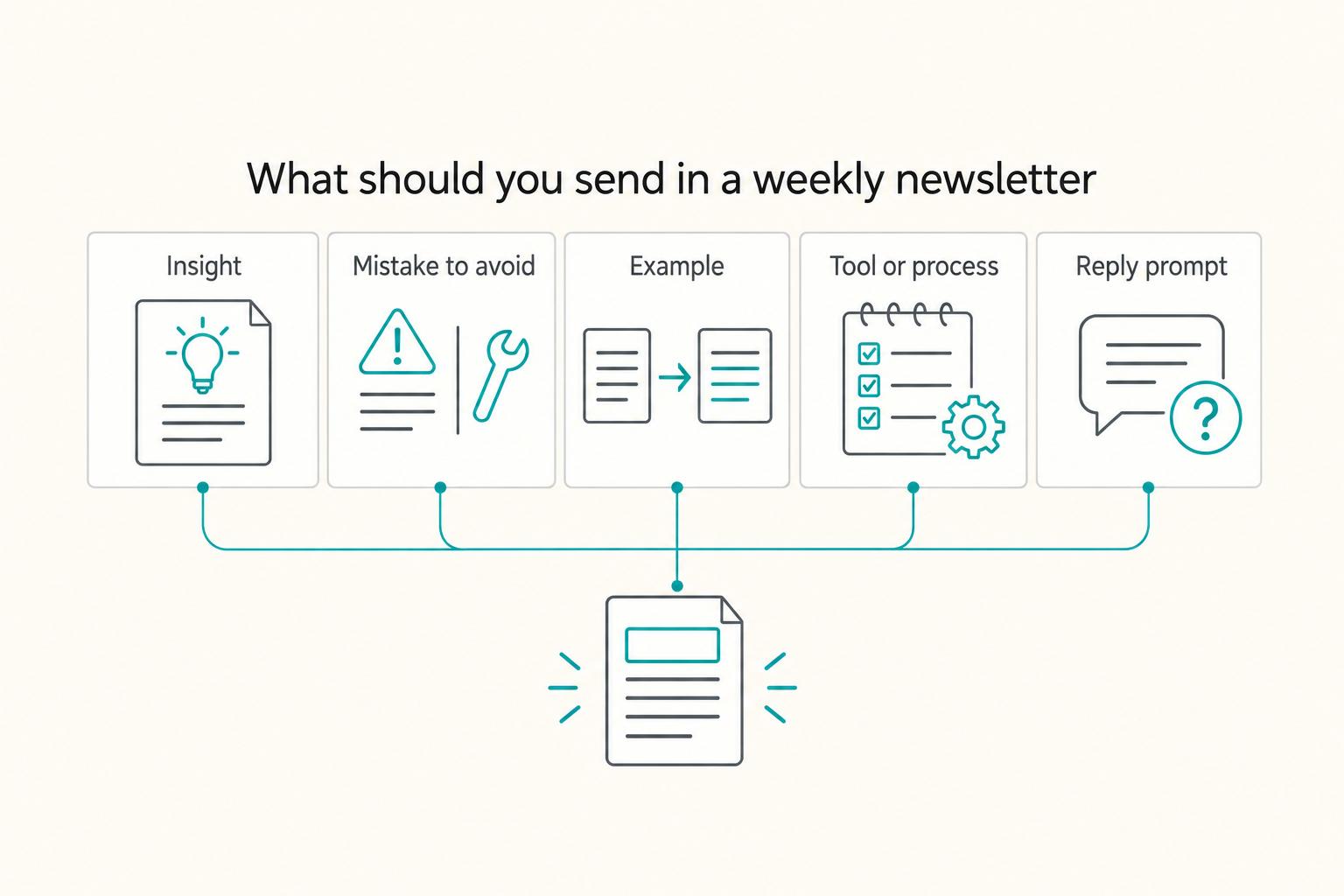
How to Build an Email List for Your Freelance Business
As the CEO of your business-of-one, you need a repeatable system you can actually run.
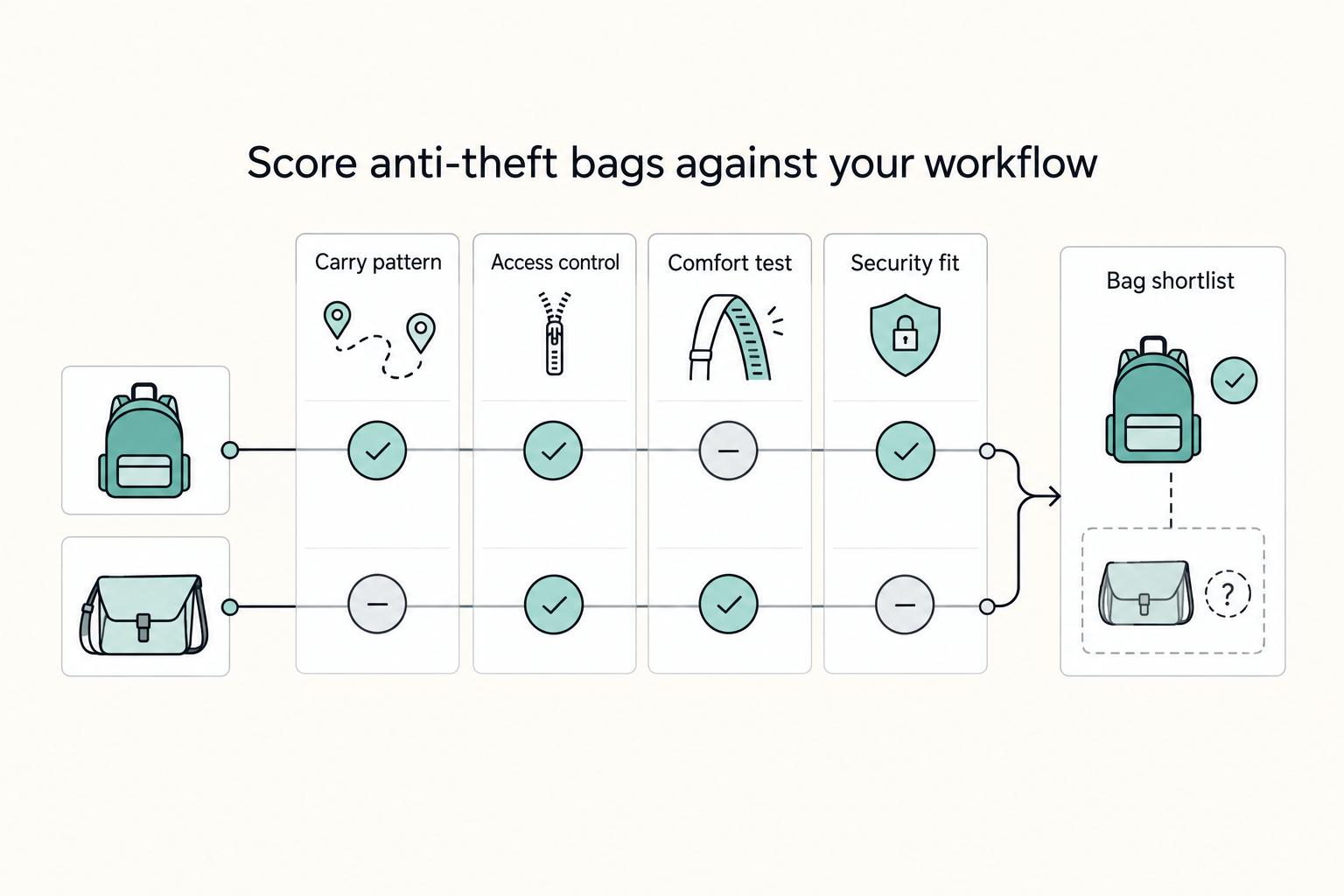
The Best Anti-Theft Backpacks for Digital Nomads
**Choose your anti-theft backpack by running a 10 minute risk-control decision, then lock in a primary pick, a backup pick, and a theft contingency routine.**