
Quick Answer
Yes, open banking explained for freelancers is a permissioned way to aggregate account data without handing over banking credentials. In EU markets, PSD2 separates account information services from payment initiation, so visibility and money movement are different approvals. Used operationally, it helps you match invoices faster, monitor cashflow with less manual stitching, and prepare clearer records for accountant or lender review while still requiring periodic consent checks and backup statement exports.
How Open Banking Access Works, and Where the Rules Differ#
Open banking gives you a controlled way to share financial data without handing over your banking login. In practice, you authorize access through API-based consent flows, and where the framework requires it, that access is explicit and revocable.
In practical terms, it comes down to three pillars:
- You direct your data.
- Access is permission-based, not credential-sharing.
- Security expectations come from market rules and bank/API consent flows.
Your data, with a job to do#
The main gain is usable visibility across the accounts you already use. If you invoice in one system, get paid into multiple accounts, and track costs elsewhere, you can authorize an app to aggregate balances and account information into one view for reconciliation. U.S. policy explainers describe the same account-aggregation pattern: you authorize a provider to show multiple account balances in one interface.
For your workflow, that can mean faster invoice matching, quicker overdue-payment checks, and fewer manual bank logins. The point is control: you decide which app can access which account data.
Access is not the same as moving money#
Data access and payment authority are separate permissions. Under PSD2, an account information service (AIS) is for consolidated account information, while a payment initiation service (PIS) is for initiating a payment order at your request.
Use that distinction when you set up tools. If you only need reconciliation and cashflow reporting, you need read access. If a tool can also initiate payments, treat that as a separate permission and review it on its own.
Use this quick check when you connect a tool:
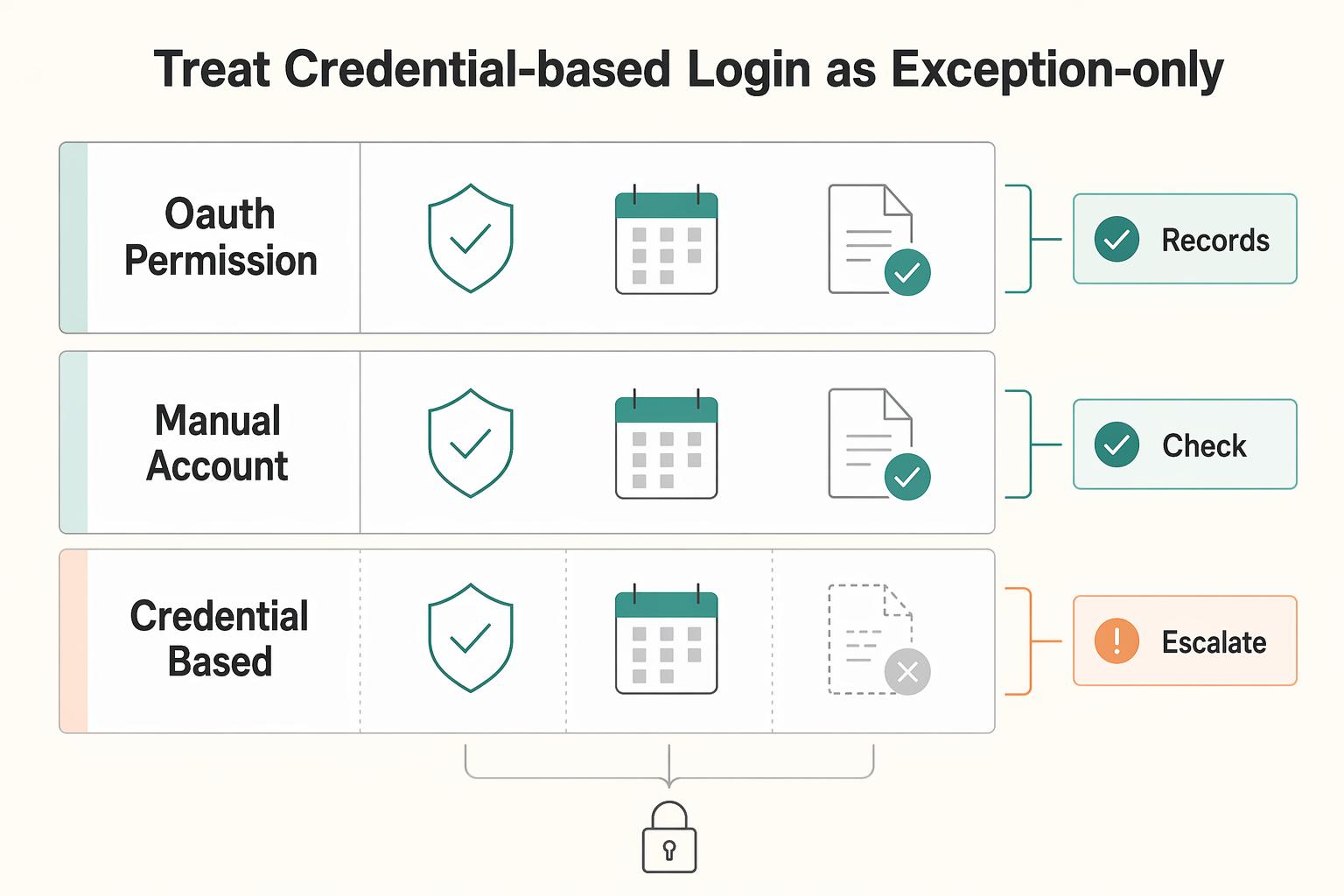
- If you are redirected to your bank to approve access, that typically aligns with an API consent flow.
- If the app asks for your bank username and password, that is credential sharing, not the API-consent pattern.
| Attribute | Screen scraping / credential sharing | Regulated API access |
|---|---|---|
| Control | You give credentials to a third party | You authorize access through bank/API consent |
| Credential exposure | Third party receives username/password | No need to share bank username/password |
| Risk handling | You can lose control of shared credentials | Rules can require express consent and revocation methods |
| Reliability basis | Data collection depends on account-interface access | In some markets, common API standards support secure sharing and sometimes payment initiation |
Security baseline and regional reality#
Rules are regional, not one global standard, so the safe habit is to check how access works in the markets you rely on. PSD2 (dated 25 November 2015; consolidated text dated 17/01/2025) defines AIS and PIS in the EU framework. In the UK, open banking was mandated for CMA9 banks with common API standards. Australia's Consumer Data Right is active for banking data sharing. Canada's federal consumer guidance says open banking is not yet available there.
| Market | Framework/status | Detail |
|---|---|---|
| EU | PSD2 defines AIS and PIS | Dated 25 November 2015; consolidated text dated 17/01/2025 |
| UK | Open banking was mandated for CMA9 banks | Common API standards |
| Australia | Consumer Data Right is active | Banking data sharing |
| Canada | Open banking is not yet available | Canada's federal consumer guidance |
| U.S. | Part 1033 requires covered data access for consumers and authorized third parties on request | Consent and revocation requirements; rollout timing remains uncertain |
In the U.S., Part 1033 requires covered data access for consumers and authorized third parties on request, with consent and revocation requirements. Rollout timing remains uncertain because the originally cited April 2026 implementation timing is under litigation and reconsideration.
For day-to-day operations, keep the standard simple. Prefer tools that use bank-hosted consent and API access. Keep a list of active app permissions, and review that access regularly. If a setup asks for raw bank credentials, treat it as a higher-risk option for invoicing, reconciliation, and account aggregation. If you want a deeper dive, read Value-Based Pricing: A Freelancer's Guide.
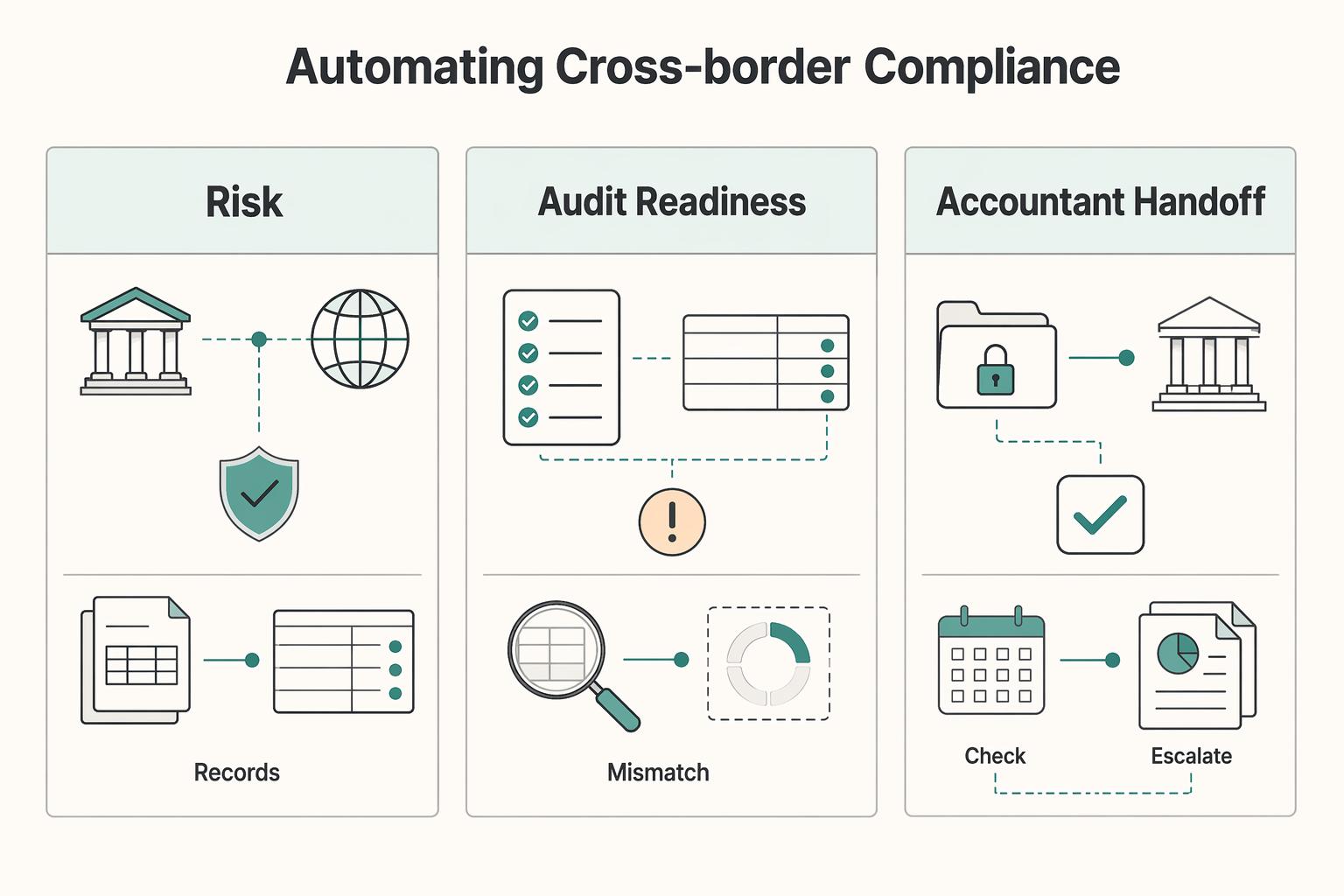
The Defensive Shield: Automating Cross-Border Compliance#
Once you have clean access in place, use it to tighten your records. Open-banking data can be a control layer for compliance, not an autopilot. The goal is a repeatable review cycle that helps you spot gaps early instead of rebuilding records at year-end.
A practical mini-workflow:
- Connect the accounts you actually use for business activity, including foreign bank accounts, multi-currency wallets, and payment accounts.
- If you use an account aggregator or bookkeeping tool, bring balances and transactions into one reporting view for review.
- Create review reminders for your own checkpoints. For FBAR monitoring, verify the current threshold from official FinCEN records before use, and keep a recurring check for foreign-presence evidence.
- Assign follow-up tasks to yourself or your accountant when you see a threshold issue, missing data, or unusual activity.
Keep one caveat in view: connected feeds do not create a finished compliance process on their own. You still need to confirm account coverage, conversion logic, and whether disconnected or stale feeds are clearly flagged.
| Checkpoint | Manual record gathering | API-fed ledger workflow |
|---|---|---|
| Error risk control | Records spread across portals and files can make omissions harder to spot | A single view can simplify review, but you still need checks for missing or duplicated data |
| Audit readiness workflow | Evidence collection may become ad hoc without a defined process | Timestamped transaction history may be easier to organize if connections remain active |
| Accountant handoff | Can involve mixed files plus explanation threads | Can use a consolidated export plus exception notes |
For FEIE, keep eligibility rules separate from supporting records. The IRS physical presence test is based on 330 full days during any period of 12 consecutive months, and a counted day is 24 consecutive hours (midnight to midnight). Qualification is based on time in foreign countries, not residence type, return intent, or stay purpose. Transaction logs can support your timeline, but they do not determine eligibility on their own. Pair them with travel records and professional tax advice.
Keep two checks on your calendar. For FEIE, use the IRS Interactive Tax Assistant to check whether foreign income may be eligible, and remember that excluded income is still reported on your U.S. return. For FBAR, review the FinCEN due-date page regularly because extension notices can be event-driven. For a step-by-step walkthrough, see Correspondent Banking Explained: Why Your International Wire is So Slow and Expensive. Before you lock your compliance workflow, use the FBAR calculator to pressure-test what you should be tracking across accounts.
The Offensive Tool: Translating Chaotic Income into Bank-Ready Reports#
A consolidated record can make financing conversations easier. Use connected account data to build a lender package before you apply. If your income is spread across platforms, currencies, and payout schedules, your job is to make it easy to verify, not to make a lender decode raw statements.
In financial reviews, fragmented or hard-to-trace records can trigger extra questions.
| Your income pattern | Potential review concern | Evidence that answers the concern |
|---|---|---|
| Income arrives from multiple platforms, clients, or accounts | Income may appear fragmented and harder to verify | Unified inflows report with consistent source labels for each platform, client, or account |
| Totals move month to month with project timing | Income may appear inconsistent | Monthly trend in one reporting currency for the lender-required period once checked against lender or source records |
| Funds move between your own accounts | Internal transfers may be mistaken for new income | Categorized summary separating external income from internal transfers, reimbursements, and similar non-income flows |
| Some income lands in foreign accounts or wallets | Activity may appear harder to trace | Supporting statements for each source account plus a source map showing origin and normalized reporting view |
Build the package before you apply#
A practical use for connected banking data is turning a valid but messy income history into a review-ready evidence pack. A repeatable "Stability Report" includes four parts:
| Part | What it covers | Check |
|---|---|---|
| Unified inflows | Pull income from the accounts and payment services you actually use into one view | Reconcile against source statements for missing periods, duplicate feeds, or stale connections |
| Normalized currency view | Use one reporting currency and one conversion approach across the full package | Preserve original source amounts in supporting records |
| Consistency trend | Use the lender-required period only after checking lender or source records | Not a hardcoded lookback window |
| Source-level traceability | Make every summary line traceable to account, period, and statement | Show dates, times, and named sources where applicable |
- Unified inflows: Pull income from the accounts and payment services you actually use into one view, then reconcile against source statements for missing periods, duplicate feeds, or stale connections.
- Normalized currency view: Use one reporting currency and one conversion approach across the full package, while preserving original source amounts in supporting records.
- Consistency trend: Use the lender-required period only after checking lender or source records, not a hardcoded lookback window.
- Source-level traceability: Make every summary line traceable to account, period, and statement. Records are easier to review when checkpoints are explicit and the package shows dates, times, and named sources where applicable.
The real failure modes#
One failure mode to check for is double-counting your own money. If funds move between your accounts, tag those movements correctly before you summarize income.
Another failure mode is incomplete coverage. List every account that receives revenue, then confirm each one appears in the export for the verified period.
A clean dashboard helps, but it is not enough for a significant financing decision by itself. Pair summary outputs with underlying statements, and for material decisions, consult appropriate professional advisers. Before you hand over the package, make sure the reviewer can trace every total back to source records:
- Report export with unified inflows and monthly totals for the lender-required period once checked against lender or source records
- Categorized income summary separating client income from internal transfers, refunds, reimbursements, and other non-income movements
- Supporting account statements for each included source account so key figures are traceable
This does not guarantee approval or better terms. It removes avoidable ambiguity by giving the lender a package that is clear, traceable, and easier to trust. We covered this in detail in Best Banking for US Startups Without Payroll Surprises.
Use Connected Data for Decisions While Transactions Are Still Fresh#
The next step is using connected data for operating decisions while transactions are still fresh. The real win is earlier action on cashflow, follow-up, and risk, not just cleaner books at the end of the month.
In day-to-day operations, the point is simple: you review bank activity in the same workflow as invoices and reconciliation. That does not replace your judgment, and it does not make every step fully automatic. It does reduce blind spots and manual backtracking.
| Finance task | Manual finance ops | Connected co-pilot |
|---|---|---|
| Speed | You wait for statements, exports, or end-of-week cleanup | Bank activity can appear sooner in the tools you use for matching and review |
| Error exposure | More copy-paste, missed transfers, and duplicate handling | Matching assist helps, with exceptions surfaced for review |
| Visibility | Cash position and P&L may be stale until reconciliation is finished | You can get a closer-to-current view after transactions are matched and categorized |
| Decision readiness | Decisions often wait for bookkeeping catch-up | You may be able to act sooner on overdue invoices, spending, and reserve pressure |
What a multi-currency sequence can look like#
For multi-currency work, use this five-step checklist as an operating guide, not as a fully automatic promise:
- Invoice is issued in your billing tool.
- Payment is received in the account that collects client funds.
- Your finance system attempts to match the bank transaction to the open invoice.
- FX treatment is applied under your accounting rules.
- Reporting updates after matched and posted entries are in place.
In Microsoft Dynamics 365 Business Central, bank account reconciliation assist (preview) includes automatic matching and suggested G/L accounts. After automatch leaves exceptions, Copilot can inspect unmatched items using dates, amounts, and descriptions to find additional matches. Keep one hard checkpoint: every posted payment should trace back to the invoice reference, the bank line, and the ledger entry. If one bank line covers multiple items, confirm the tool reconciles that split correctly.
Where the co-pilot helps, and where it still fails#
A practical value is faster exception handling. Standard automatch can still leave many transactions unmatched, so treat leftovers as a review queue, not as done.
Use a simple failure rule: if description quality is weak, dates are off, or amounts differ because of fees or conversion steps, review manually before posting. Also verify suggested G/L accounts before accepting them.
Ask for outputs you can use this week#
To make that useful this week, ask for outputs, not labels:
| Output | What it includes |
|---|---|
| 13-week cash view | Open invoices, recurring expenses, and cleared bank activity |
| Receivables watchlist | Overdue invoices and recent payment behavior |
| Reserve alert | Confirm your current reserve trigger from your own bank records |
| Bookkeeping handoff pack | Matched transactions, uncategorized items, and exception notes |
Potential payoff: faster cashflow decisions, cleaner accountant handoff, and fewer missed signals from unmatched items that still need review. One banking commentary source also notes that AI-assist value depends on real day-to-day app usage and training. It cites costs of $30 per user per month plus approximately $25 in indirect cost. Related: The Future of FinTech: Trends to Watch in 2026 and Beyond.
Conclusion: Open Banking Isn't a Feature - It's Your Foundation for Control#
Use open banking as your control layer, not as an optional app feature. When your accounts are connected through customer-permissioned API access, you can often see risk sooner, keep clearer review records, and reduce manual reconciliation work. In practice, that should look like this:
- You can catch issues earlier when balances and transactions are visible in one place.
- You keep review-ready records by pairing connected data with invoices, payment confirmations, and notes on unmatched items.
- You reduce week-to-week friction because transaction matching and categorization can be less manual.
| Area | Before connected access | After connected access |
|---|---|---|
| Visibility | Balances and transactions are spread across separate logins, exports, and screenshots | You review activity in one place and can spot gaps earlier |
| Compliance process | Checks happen late after manual exports and ad hoc review | You run regular checks from current data with a clearer trail |
| Payment decision speed | Decisions wait while you verify what cleared and what is pending | Decisions can move faster because current balances and recent activity are easier to confirm |
The regulatory direction supports this model. PSD2 established secure data sharing with authorized third parties through standardized APIs. In North America, the U.S. Section 1033 path and Canada's cited milestones point the same way, even if timelines can shift.
Security tradeoffs still exist, so keep your controls tight. Verify provider authorization where relevant, confirm exact permission scope, and use read-only access when visibility is all you need.
If you cannot quickly explain which apps can access which accounts, treat that as a fix-now issue. Start by connecting your core accounts, grant only necessary permissions, log each consent with a date, and review access, exceptions, and fallback statement exports monthly. You might also find this useful: The best alternatives to Plaid for open banking.
If you want to turn this strategy into an operational setup, see how Gruv for freelancers supports invoicing, payout flow, and audit-ready records in one place.
Frequently Asked Questions
How does this actually help you as a freelancer?
Open banking can help you see account activity in one place, so it is easier to confirm payments and track cash in and out. You connect your data through customer-permissioned access with regulated providers. That can give you a clearer cashflow view with less manual stitching of screenshots and CSVs.
What are the most useful use cases when cashflow is tight?
A practical place to start is account aggregation, so balances and transactions are easier to review in one workflow. Connected records can also support accountant or lender reviews when paired with your statements and invoices. If you monitor a compliance trigger, verify the current rule or threshold from official or source records before using it, and treat alerts as prompts to review.
Is it safe to connect your bank accounts to an app?
Safety starts with consent control: you opt in, choose what data a firm can access, and set how long access lasts. In the UK framework, providers must be authorised or registered with the FCA and comply with the Payment Services Regulations 2017. Before connecting, verify the firm on the regulated providers page and the FCA register.
Can an app move money from your account just because you connected it?
No. A regulated third-party provider cannot initiate a payment without your authorization for that payment. If you only need visibility, confirm you are granting data access for balances and transactions, not payment permissions. If payment initiation or Variable Recurring Payments appear, treat that as a separate consent decision.
What if the connection breaks right when you need to reconcile or prove payment?
Connection failures happen, and some provider flows explicitly tell you to retry later when institution connectivity fails. Mastercard Open Finance US lists error codes 101 and 102 as retry-later institution connection issues. For time-sensitive work, keep a fallback with your latest statement export, invoice reference, and payment confirmation.
How is open banking different from services like Plaid?
Open banking is the regulated framework. Services like Plaid can be implementation layers that apps use to connect accounts. | | Open banking framework | Provider / integration layer | |---|---|---| | What it is | Rules for customer-permissioned data sharing | A company/service that helps apps connect to accounts | | Who sets the rules | Regulators and legal framework in that market | The provider building the technical connection | | What is regulated | Consent, access boundaries, provider authorization requirements | The app-level implementation you use | | What it means day to day | You should get clear consent, scope, and revocation rights | You evaluate reliability and error handling | When you compare "open banking vs Plaid," you are comparing a regulated model with an implementation layer. For the provider side, see A guide to using 'Plaid' to connect bank accounts to your app.
How do you revoke access safely if you stop using an app?
You have two supported paths: withdraw consent in the app or website, or contact your bank or building society to stop that firm's access. Then confirm the app no longer refreshes balances or transactions. Keep a dated note of when you revoked access.
How should you choose an app if you juggle multiple accounts or currencies?
Choose based on your real setup: test your exact institutions and account types, including foreign-currency accounts if relevant. In consent and settings, check access scope, access duration, and how easy revocation is. If permissions are too broad or payment options are bundled when you only want visibility, move on.
Can you rely on this alone for accountant or lender reviews?
Use it as a strong input, not the whole package. Pair connected account history with invoices, payment references, and notes on unmatched or split transactions. That helps reviewers follow the record quickly and can reduce admin risk.
Try a related tool
Researched and edited by the Gruv editorial team. Gruv builds cross-border billing, payouts, and finance-operations software for global businesses.
Sources
- congress.gov/crs-product/IF13117trusted
- consumerfinance.gov/rules-policy/regulations/1033/421trusted
- consumerfinance.gov/rules-policy/regulations/1033trusted
- documents1.worldbank.org/curated/en/099345005252239519/pdf/P16477008e...trusted
- ecfr.gov/current/title-12/chapter-X/part-1033trusted
- ecfr.gov/current/title-12/chapter-X/part-1033/subpart-Dtrusted
- federalreserve.gov/monetarypolicy/files/FOMC20190918meeting.pdftrusted
- fincen.gov/report-foreign-bank-and-financial-accountstrusted
Educational content only. Not legal, tax, or financial advice.
Related Posts
Value-Based Pricing for Freelancers Under Real Payment Risk
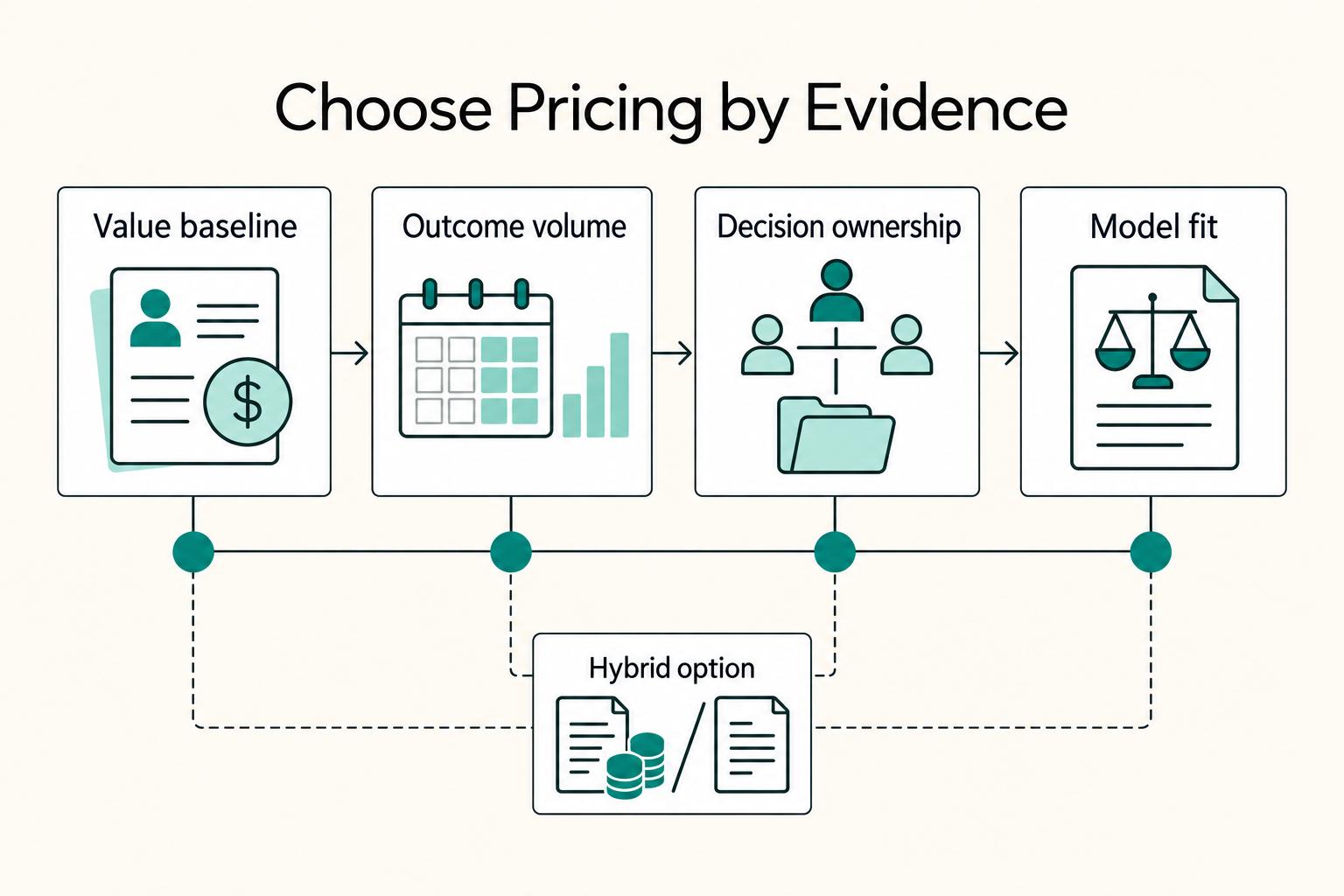
Value-based pricing works when you and the client can name the business result before kickoff and agree on how progress will be judged. If that link is weak, use a tighter model first. This is not about defending one pricing philosophy over another. It is about avoiding surprises by keeping pricing, scope, delivery, and payment aligned from day one.
Choosing a Safer Fintech Stack in 2026
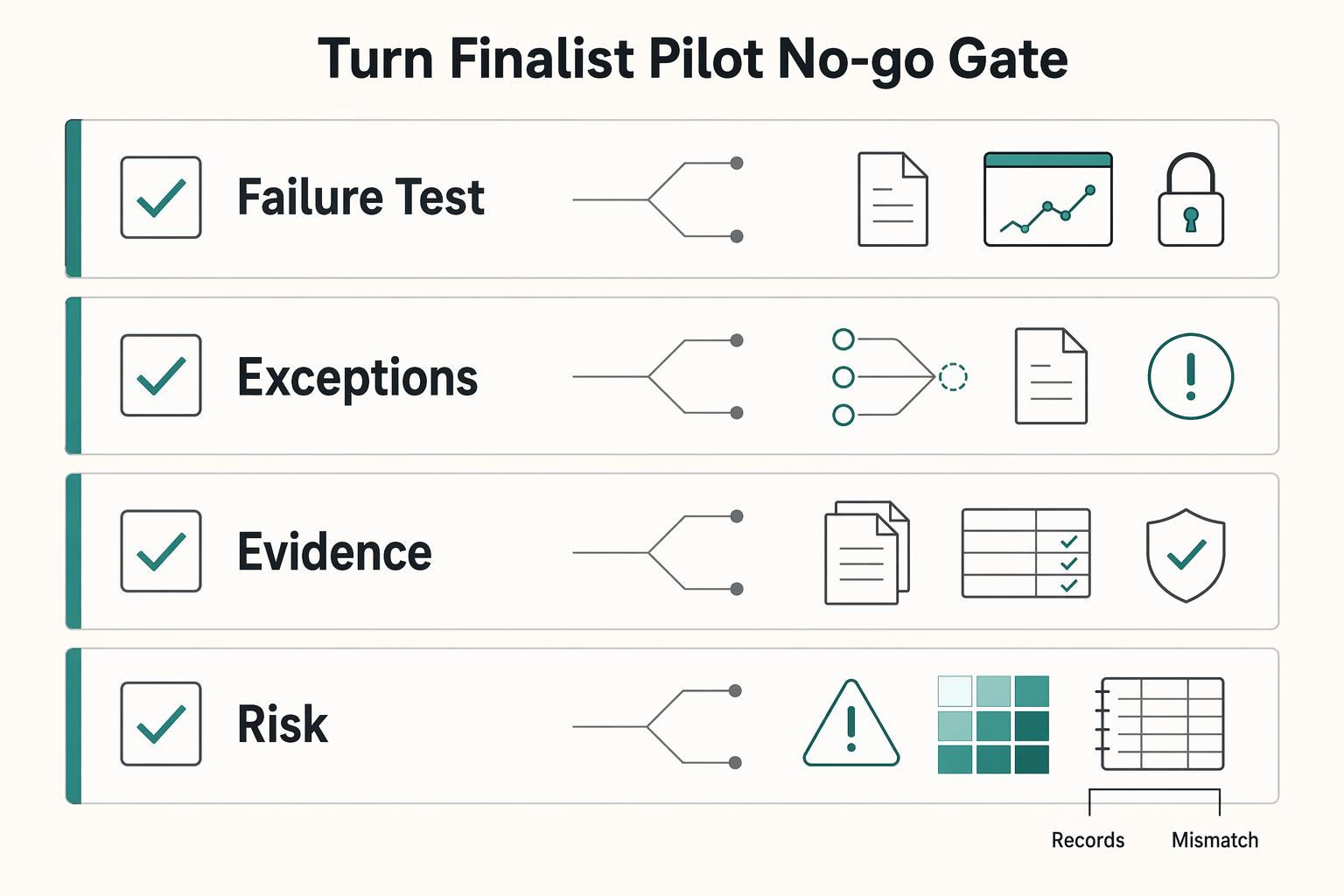
Use **fintech trends 2026** as a buying filter, not a prediction game. You are choosing the vendor that can earn trust, show clear control ownership, and keep operations stable when conditions are uncertain.
Using Plaid to Connect Bank Accounts With Better Data Control
When you use **Plaid to connect a bank account**, think of Plaid as connection infrastructure, not your bank. It moves permissioned data between your bank and an app.