

Quick Answer
Define the role, authority limits and commission terms before the rep starts. Give them a playbook built from real deals, current sales materials and an escalation contact. Use 30-60-90 reviews to increase responsibility as they demonstrate accurate messaging, useful CRM records and sound deal judgment.
Hiring your first salesperson means handing over decisions you have been making yourself: which prospects to pursue, what to promise and when a deal is ready to close. Before the rep starts, settle the role, authority and pay rules. Then give them current materials and a clear way to ask for help.
Use three phases: agree on the role and decision limits, turn founder-led selling into a usable playbook, and expand ownership through observed work. A calendar helps schedule reviews; it does not prove the rep is ready for every deal.
Phase 1: De-Risk the Foundation Before Day One#
A first sales hire can fail because the setup is loose, not because the rep is weak. Treat Day One as too late for core decisions. Before your new sales rep starts, document the key decisions and route them for legal and finance confirmation. Use this pre-start check before you confirm a start date:
- Role classification review: Treat the contract label as provisional until local legal review confirms the correct status.
- Authority limits: Decide whether the rep can prospect, negotiate within limits, or bind the company, and write that boundary down.
- Signing workflow: Set one approval path for quotes, order forms, and contracts. Make sure templates and CRM stages match it.
- Compensation trigger alignment: Define the event that earns commission, then mirror that definition in the offer, agreement, comp sheet, and finance process.
Review the role before you label it#
A contract label is not legal confirmation. This article does not provide jurisdiction-specific worker-classification tests, so use the table below as an internal scoping tool and verify local legal standards before you finalize the label.
| Review point | What your draft currently says | What is still unverified | What to document |
|---|---|---|---|
| Schedule and method | Define expected outcomes, oversight, and day-to-day working model | Local legal treatment of that working model | Job description, manager notes, expected autonomy |
| Tools and expenses | Define who provides tools and who bears operating costs | Local legal effect of those allocations | Equipment plan, expense policy, reimbursement terms |
| Relationship shape | Define term length, scope, and renewal model | Local legal impact of an open-ended vs scoped engagement | Statement of work, term, renewal terms, scope limits |
Keep a dated evidence pack. At minimum, save the approved job description, signed agreement, compensation document, authority matrix, and the version of sales templates the rep will use.
Set authority and signing rules before any outreach starts#
Vague authority creates avoidable risk. Do not assume "remote," "international," or "contractor" status resolves the issue. You still need a clear line between selling, negotiating, approving, and signing.
In practice, decide who can send pricing, who can approve discounts, who can issue final contracts, and whose signature binds the business. Then align proposal language and CRM stages to that same workflow.
Ask local counsel to confirm these jurisdiction-specific points before work begins:
- Worker-status test: Confirm the local test name and required factors with local counsel.
- Rep authority limits: Confirm solicitation, negotiation, and signing limits with local counsel.
- Agreement terms: Confirm status, confidentiality, IP, and termination terms with local counsel.
- Commission rules: Confirm local timing, deduction, and clawback rules with local counsel.
Align commission triggers with cash reality#
Define when commission is earned separately from when it is paid. Have the plan reviewed against applicable wage and commission rules before using a signature, invoice or collection event as the trigger. Cashflow preferences do not override payment obligations.
| Proposed trigger | Operational question | Review before adoption |
|---|---|---|
| Contract signed | Which signed commitments qualify, and who gets credit? | Whether this earning event and payment schedule comply with applicable rules |
| Invoice issued | How are corrected invoices, credits and partial invoicing handled? | Whether the plan can use invoicing as its earning event |
| Cash collected | How are partial receipts, refunds and delayed collections treated? | Whether collection conditions, deductions and any clawbacks are permitted |
Document the commission base, rate, earning event and payment schedule together. For an illustrative collection-based plan approved for the role, a 5% commission on a USD 10,000 eligible sale produces USD 200 when USD 4,000 is collected and USD 300 when the remaining USD 6,000 arrives. This example assumes proportional credit and no fees or adjustments; it is not a rule for when wages may be withheld. Define permitted refund treatment and dispute handling before launch.
The failure mode is misalignment: sales and finance apply different trigger definitions from month one.
Once the legal and money rules are settled, the next job is just as practical: give the rep a way to sell that does not depend on you being in every conversation.
Phase 2: Document the Sales System Before the Rep Starts#
Build a minimum viable playbook before the rep starts, not a complete sales encyclopedia. Your goal is a usable system that helps the rep target the right accounts, run solid calls, and stay inside the authority and commission boundaries you set in Phase 1.
Founder-led selling often works because it is personal and adaptive, but that also makes it hard to teach when it is undocumented. The common failure is predictable: the new hire spends early weeks building missing assets instead of selling. Hand over a clear starting system so the first month is execution, not reconstruction.
Build the minimum viable version first#
Start from real deals, including losses and stalls. Trace how prospects moved through the process and mark the decisions that helped or hurt. Use enough cases to reveal recurring patterns rather than treating one founder-led win as a script.
Complete this sequence before the start date:
- Define your ICP: Document who buys, who influences, common trigger events, and obvious non-fit signals.
- Set the value proposition by persona: Keep each version to one or two clear sentences.
- Capture core pain-point messaging: Use the problems buyers actually describe, not feature lists.
- Document objection handling: Write the recurring pushbacks and the responses that have worked in real calls.
- Set disqualification criteria: State when to stop pursuing a deal; team-approved standards stay pending until validation is complete.
| Scope area | Minimum viable now | Overbuilt too early |
|---|---|---|
| ICP and qualification | Core buyer titles, industries, trigger events, disqualification notes, and qualification standards pending validation. | Full scoring systems and rigid thresholds before rep-level data exists. |
| Messaging | Persona-based value proposition, core pain points, recurring objections, and approved responses. | Long scripts for rare edge cases. |
| Process | Clear workflow for discovery, demo, follow-up, and advance/close-out decisions. | Complex branching paths and heavy process for routine activity. |
| Metrics | Day-one measures (for example demo completion, conversion benchmarks, revenue targets) matched to the role. | Large dashboards with low operational use. |
Build deeper only after you see where deals actually stall. Minimum viable should remove ambiguity, not predict every scenario.
Turn your calls into reusable training assets#
Use calls as training material only where recording, sharing and retention are permitted under the applicable rules and your customer commitments. Otherwise work from approved notes. Annotate the material, extract the useful decisions and convert them into practice exercises.
Start with one discovery call, one demo, and one follow-up or pricing conversation. Annotate where buyers engage, object, ask for proof, or stall. Extract the talk tracks that repeatedly move deals forward, then convert them into reusable templates for discovery questions, demo transitions, and follow-up emails.
Promote patterns, not one-off wins. If language appears across successful deals, make it standard. If it worked once because of unusual founder context, keep it as an example.
Keep one source of truth and define brand decision rules#
Your playbook only works if people trust it. Keep one home for current sales materials, name one owner, and make the operating rules explicit as content grows.
Set these controls in writing:
- Owner: One accountable editor for the master playbook.
- Update cadence: A review schedule you can maintain consistently.
- Version control: Date each revision so the current version is obvious.
- Archive rules: Move retired versions out of the active path.
- Access permissions: Limit edit rights to the owner; keep view access broad for reps and stakeholders.
In that same source of truth, define non-negotiables as decision rules:
- Tone boundaries: What reps can say, what to avoid, and examples. Confirm the current policy with leadership.
- Discount approvals: When discounting is blocked, when approval is required, and who approves. Confirm the current policy with leadership.
- Escalation path: If a buyer asks for contract exceptions, custom pricing, or out-of-scope commitments, escalate before sending anything. Confirm the current owner with leadership.
Once the playbook is reliable, your rep can operate with more autonomy and less founder dependency. You might also find this useful: How to Create a Sales Playbook for Your SaaS Team.
Phase 3: The 30-60-90 Day Plan for Empowering Autonomy#
Use your 30-60-90 plan to increase autonomy in controlled steps: define what your rep can own now, what still needs review, and what evidence unlocks the next phase. Build it as a manager-owned working document with the rep's name, start date, and calendar windows.
| Phase | Focus | Manager involvement | Rep ownership | Primary success signal |
|---|---|---|---|---|
| Days 1-30 | Learn | High | Training, shadowing, practice only | Certification passed |
| Days 31-60 | Execute | Medium to high | Controlled outreach and early-stage deals | Process adherence without constant correction |
| Days 61-90 | Own | Medium | Named pipeline, forecast input, deal management | Independent pipeline control with reliable judgment |
In Days 1-30, your job is clarity, not revenue pressure. Before this phase starts, confirm access works, your source of truth is current, and approved materials are easy to find. Your rep's responsibilities are to study core materials, shadow live or recorded calls, practice CRM updates in test records, and pitch your offer back to you.
Only move forward when certification is observable:
- Product understanding: explains core use cases, known limits, and when to escalate. Confirm the pass standard with the manager.
- Messaging accuracy: states the value proposition by persona without inventing claims. Confirm the pass standard with the manager.
- CRM hygiene: records contacts, notes, next steps, and stage updates correctly. Confirm the pass standard with the manager.
- Objection handling: uses approved responses and knows when not to improvise. Confirm the pass standard with the manager.
In Days 31-60, shift to controlled execution after certification. Give your rep a bounded lead set, run a recurring deal-review cadence, and check output quality using real artifacts such as emails, call notes, and stage-change reasons. Do not advance ownership if opportunities lack clear next steps, evidence is missing in CRM, or forecast calls are not tied to deal facts.
In Days 61-90, assign ownership of a defined territory, vertical, or lead source. The rep should manage the pipeline, flag stalled deals early, and bring risk-based forecast updates. This phase tests judgment under normal operating conditions, not heroics.
Day 90 is a review point, not a universal finish line. A short sales cycle may support earlier ownership; a complex enterprise cycle may require longer observation. Judge the rep against the role’s agreed standards and the work you have actually reviewed.
Keep feedback in two separate meeting templates so expectations stay clear:
Coaching meeting template
- Agenda prompts: one call to review, one email thread to tighten, one judgment decision to unpack.
- Documentation rules: record one behavior to keep, one behavior to change, and one follow-up date in your shared onboarding log.
- KPI thresholds: Confirm the current thresholds with the manager.
Performance meeting template
- Agenda prompts: pipeline coverage, forecast quality, CRM completeness, and activity quality.
- Documentation rules: log current status vs. target for each metric, note blockers, and assign owner + due date for each corrective action.
- KPI thresholds: Confirm the current thresholds with the manager.
For a step-by-step walkthrough, see Best Sales Enablement Tools for Proposals, Payment, and Pipeline.
Hand over a sales process the rep can use#
If the questions in the last section exposed gaps, treat them as operating gaps, not hiring noise. This works when you can hand over a sales-specific plan, current materials, and clear checkpoints, not just explain things live every week.
That is the practical value of the three phases. First, put key pre-boarding materials and access steps in place before day one so the rep is not guessing and you are not scrambling. Next, document the role-specific plan in a dated format with practical examples so expectations are teachable and repeatable. Then use a structured 30 to 90 day development period, with milestones and check-ins, to decide when autonomy is earned, not assumed.
The before-and-after is simple. Before, selling depends on your memory, your availability, and your judgment call in every live deal. After, your rep can find the current material, follow the same expectations, and show progress against defined milestones and check-ins. That reduces the risk of transactional onboarding that stops at forms and orientation and misses long-term integration.
A weak handoff consumes manager time and can lose opportunities. Keep the process practical: review real work, update materials when a pattern changes and give the rep a clear escalation route. Readiness reviews should guide responsibilities and coaching; they do not determine whether earned compensation is payable.
Use these next actions:
- Confirm your pre-boarding materials and access steps are documented, stored, and easy to retrieve.
- Confirm who owns the sales-specific onboarding plan, including version date and update responsibility.
- Confirm the autonomy handoff plan, including milestones, check-ins, and what must be verified before independence.
- Schedule a recurring review checkpoint once the initial verification is complete.
Related: How to Hire Your First Salesperson.
Frequently Asked Questions
What counts as onboarding a new sales rep, not just training?
Training is only one part of it. Onboarding is the broader process of giving a rep company knowledge, tools, workflows, and clear first-quarter checkpoints. Your next move is to package those basics into one dated starter set: playbook, access checklist, and a 30-60-90 document.
Do you really need a 30-60-90 plan if you only have one rep?
A 30-60-90 plan can help even with one rep because both of you can see the next review and what it covers. Adapt the dates to your sales cycle. Expand ownership after reviewing messaging accuracy, CRM notes and deal judgment, rather than advancing automatically when a date passes.
What should you check first if ramp is slipping?
Start with missing structure before you blame effort. If the rep cannot find current materials, improvises claims, or leaves stage changes without evidence, your systematize step is incomplete. This week, audit three artifacts: the current playbook, one reviewed call or email thread, and a CRM sample showing notes, next steps, and stage-change reasons.
Which compliance questions need review before an international rep starts?
Usually you are de-risking several different issues, and you should not handle them with one vague contract. Treat these as local legal/compliance review areas, not universal rules: Misclassification: Whether local classification risk needs legal review. PE exposure: Whether sales activities need local tax review. Local onboarding duties: Whether country-specific notices, registrations, or policy acknowledgments apply. Keep an evidence pack with the signed agreement, authority limits, compensation terms, and the local checks you verified.
Try a related tool
Researched and edited by the Gruv editorial team. Gruv builds cross-border billing, payouts, and finance-operations software for global businesses.
Sources
Includes 3 external sources outside the trusted-domain allowlist.
Educational content only. Not legal, tax, or financial advice.
Related Posts

Thailand's Long-Term Resident (LTR) Visa for Professionals
For a long stay in Thailand, the biggest avoidable risk is doing the right steps in the wrong order. Pick the LTR track first, build the evidence pack that matches it second, and verify live official checkpoints right before every submission or payment. That extra day of discipline usually saves far more time than it costs.
How to Hire Your First Salesperson
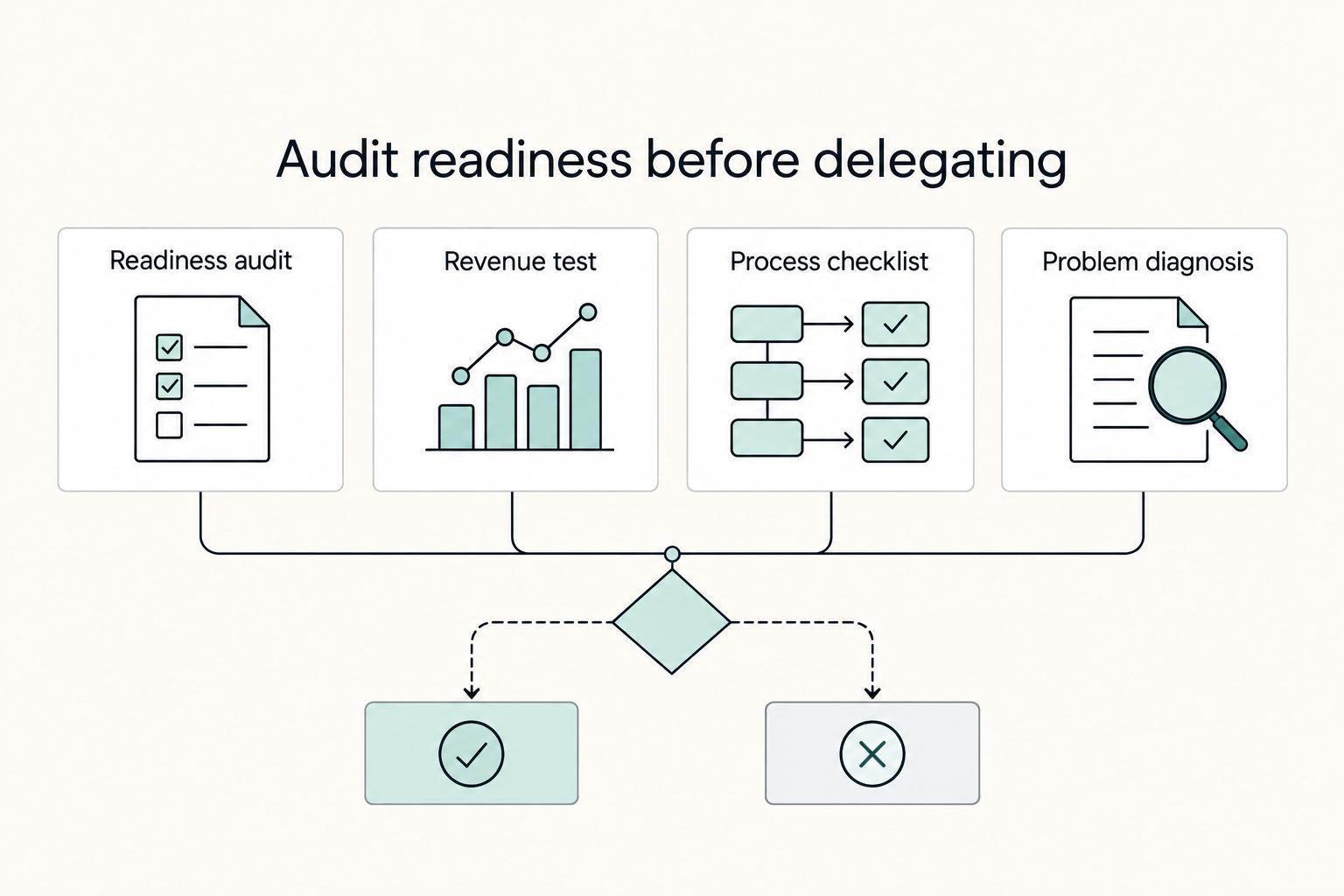
The decision to bring on your first salesperson begins not with a job description, but with a hard look in the mirror. This hire is an investment that goes far beyond salary; it's a strategic commitment of cash, time, and trust. Get this wrong, and you risk not only a significant financial loss but also damage to your brand and morale. Get it right, and you build the foundation for scalable growth.
How to Create a Sales Playbook for Your SaaS Team
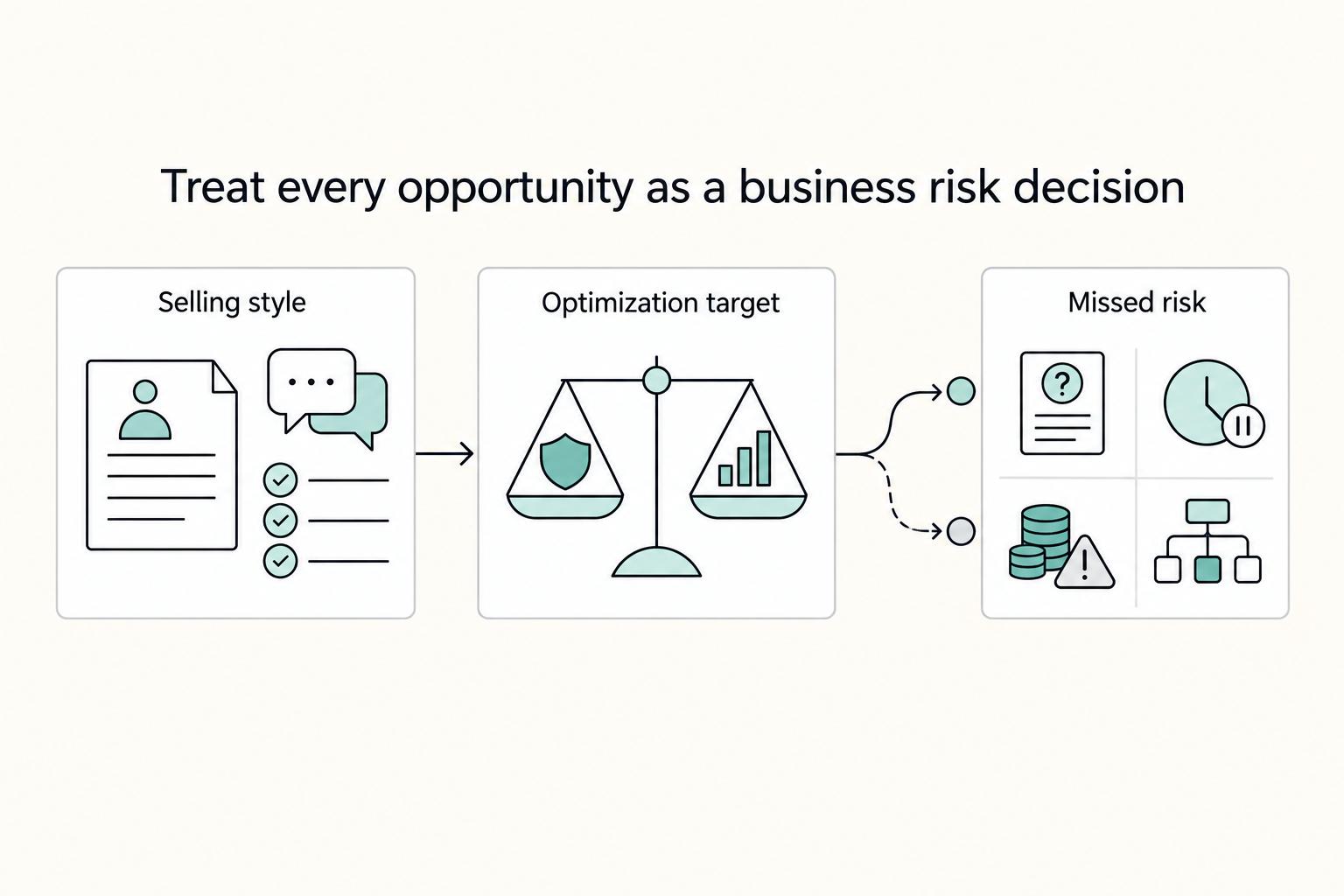
A new account executive should be able to open your sales playbook and answer three questions: who is a good fit, what evidence moves a deal forward, and what can I promise this buyer? If the document only contains a company overview and a list of product features, it leaves the hardest decisions to improvisation.