
Quick Answer
Treat health insurance portability as a jurisdiction-specific process, not an automatic transfer. HIPAA can help in U.S. group-plan contexts, but it does not by itself move benefits across borders. Before ending current coverage, confirm in writing which rule set applies, when new coverage starts, and how continuity or exclusion terms will be interpreted. If employer coverage is involved, check special-enrollment timing carefully, because some requests use 30-day or 60-day windows.
You are moving countries and need to keep health coverage without gaps#
Treat health insurance portability as a plan-specific, country-specific question, not a universal right. People use the same word for different rules, and that can lead to costly cancellation mistakes.
In U.S. discussions, HIPAA often comes up early. HIPAA, enacted in 1996, and the HIPAA Privacy Rule deal with how covered entities handle protected health information. They do not by themselves guarantee that benefits or eligibility transfer when you move abroad.
It also helps to confirm which rules apply to your current plan. Employer-sponsored group health plans can fall under HIPAA Privacy Rule standards. Not every group health plan does, including some plans with fewer than 50 participants that are administered solely by the employer.
This guide is meant to make the move practical. It gives you:
- a relocation timeline for when to ask, apply, and delay cancellation
- a document checklist to support continuity discussions with insurers
- decision checkpoints for temporary continuation, switching where allowed, or starting new international coverage
Before you cancel anything, verify terms directly with your current insurer, your prospective insurer, and the relevant regulator tied to the policy. Ask for written confirmation of start dates, end dates, and any conditions that affect eligibility. If you are sending sensitive health or policy information, use official secure websites only.
Start with one simple checkpoint: ask each party what they mean by "portability," get that answer in writing, and only then decide whether to end your current cover.
For a step-by-step walkthrough, see Digital Nomad Health Insurance Comparison for Long-Stay Moves.
Start by separating the two meanings of portability#
Treat "portability" as two different concepts, not one global rule. That distinction keeps you from mixing group-plan rights with insurer-switch rules.
| Item | Meaning | Key detail |
|---|---|---|
| Special enrollment opportunity | HIPAA group health plan portability | Many requests must be made within 30 days; certain CHIP or Medicaid events use a 60-day window |
| Nondiscrimination requirements | HIPAA group health plan portability | Prohibit health-factor-based discrimination in eligibility, benefits, or premiums |
| Switching to a different health insurance issuer | Health insurance policy portability | Consumer usage that is separate from HIPAA group-plan protections |
In the U.S., portability under the Health Insurance Portability and Accountability Act (HIPAA) is about group health plan protections. In Department of Labor guidance, that includes:
- Special enrollment opportunity after certain coverage-loss or life events, including rights that can apply even when open enrollment is closed
- Nondiscrimination requirements that prohibit health-factor-based discrimination in eligibility, benefits, or premiums
Timing matters. Many special-enrollment requests must be made within 30 days, and certain CHIP or Medicaid events use a 60-day window. Missing that deadline is a practical failure mode.
People also use health insurance policy portability to refer to switching to a different health insurance issuer. That consumer usage is separate from HIPAA group-plan protections, and non-U.S. insurer-switch rules are not established by the HIPAA guidance above.
The practical rule is straightforward: if you are moving countries, treat portability as jurisdiction-specific, not automatic. Before you end current coverage, confirm in writing whether you are dealing with a HIPAA group-plan enrollment right, a local insurer-switch rule, or neither.
What portability usually does not guarantee when you cross a border#
When you move countries, do not assume portability means your old benefits will transfer into a new foreign policy. Treat prior coverage history as context, not proof that treatment access, exclusions, or eligibility will carry over abroad.
Coverage history is not the same as benefit transfer#
A common mistake is treating continuous coverage as if it guarantees full benefit carryover. An uninterrupted coverage record can help as background, but it does not by itself mean an international health insurance or expat insurance policy will mirror your prior terms.
Pre-existing condition terms are a key point to verify. Even with continuous coverage, do not assume any exclusion timeline or prior treatment status transfers automatically. Confirm what the new policy wording recognizes and what the insurer has accepted in writing.
Group-plan protections do not automatically follow you abroad#
If your expectations come from a U.S. group health plan, read them narrowly before a cross-border move. In the materials used here, HIPAA is presented as a U.S. privacy and security framework, enacted in 1996, that applies to providers, insurers, and other organizations handling patient data, not as an international benefit-transfer rule.
After a move, protections tied to a group plan may change with employment status, residency, or insurer network. The real question is not just whether your old plan can stay active for a short period, but whether your actual care pattern after the move still fits that plan.
Verify destination eligibility before you cancel anything#
Before you end current coverage, confirm destination-country eligibility. Get these points in writing from the new insurer or the official channel:
- Whether you are eligible to enroll based on your move and status
- The effective date of new coverage
- How prior coverage history will be treated, if at all
Use official secure government pages when validating rules. If you submit treatment or claims records, treat them as protected health information and use secure channels. Keep dated copies of what you submitted so you have a clear trail if enrollment review slows down.
Related: A Deep Dive into FinCEN's Beneficial Ownership Information (BOI) Reporting.
Choose your path with one decision tree before you file anything#
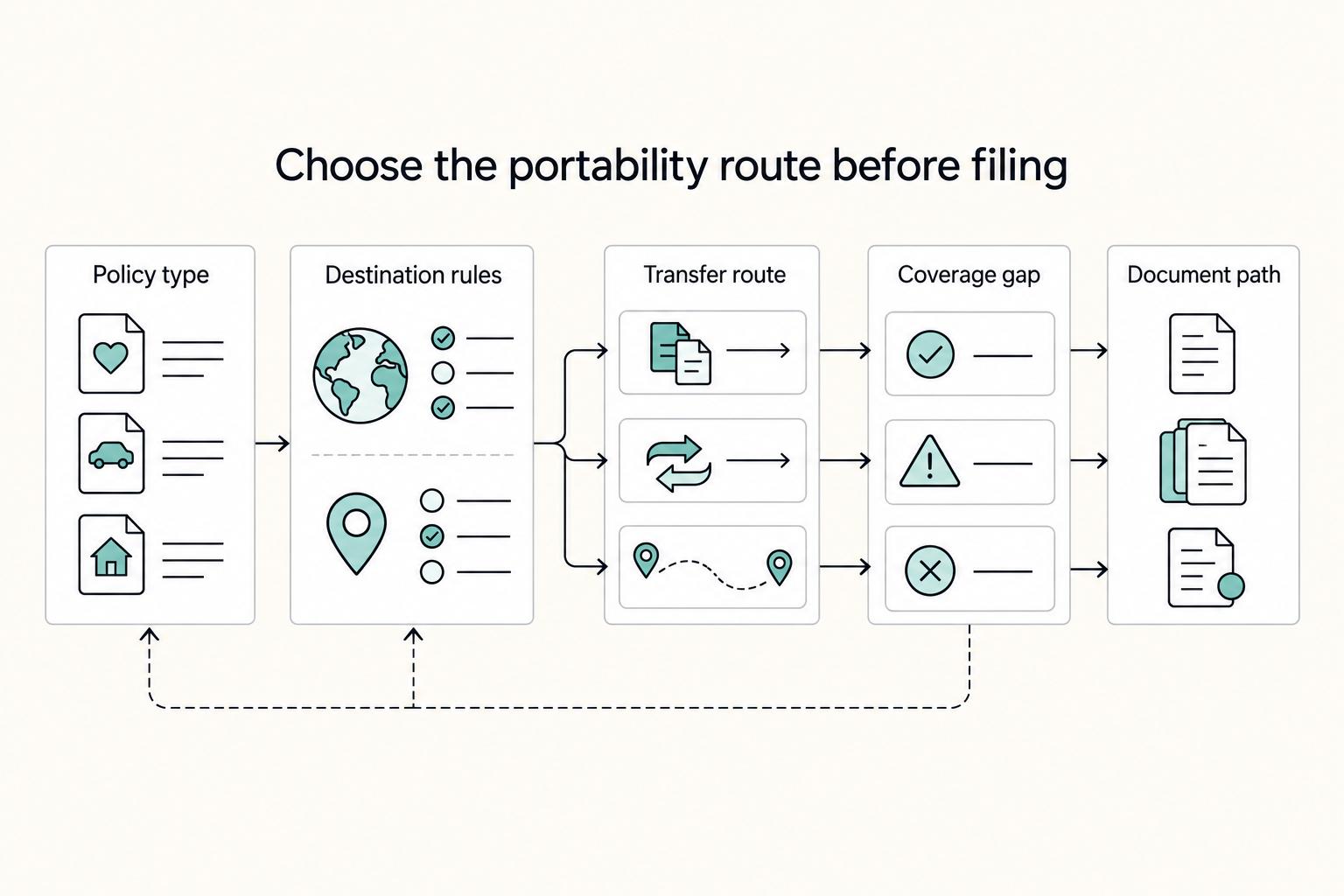
Before you file forms, decide which route you are actually using. For cross-border health insurance portability, that choice drives your timing, your paperwork, and your gap risk.
Use this order: check employer coverage first. Then check domestic switching rules if you are in a market that allows insurer changes. Treat international or expat coverage as a new purchase if you cannot get written continuity.
Start with the employer branch if you have one#
If your coverage comes through work, review that branch before you start shopping for replacements. The U.S. Department of Labor compliance guide separates HIPAA Portability Provisions, Special Enrollment, and Nondiscrimination Requirements. It says these rules generally apply to group health plans and group health insurance issuers. That is a distinct path, not a generic cross-border transfer rule.
Include COBRA in that first review. It may be part of a temporary continuation strategy, but you need the real cost and coverage details before you rely on it. A 2026 state employee benefits guide that explicitly lists "COBRA / Retiree Monthly Medical Premiums" is a useful reminder to price this step, not just confirm that it exists.
Also check scope. The DOL guide notes that Part 7 ERISA requirements do not apply to some excepted benefits, including certain dental and vision coverage. Do not assume every benefit follows the same rules as major medical.
Compare the three routes before you file#
| Route | Best fit when | What to verify first | Main tradeoff |
|---|---|---|---|
| Keep current policy temporarily | Move date is close, treatment is active, or you need a short bridge | End date, overseas claims eligibility, continuation availability, and actual premium cost | Can provide a fast bridge, but cost and foreign-care usefulness vary by plan |
| Port to a new domestic health insurance issuer | You remain in a market that supports insurer switching and timing may align with renewal | Whether switching is available, what transfers, and whether status or residency changes affect eligibility | Potential continuity, but transfer options can be limited |
| Buy new international health insurance or expat insurance | You need coverage built for residence abroad or your current plan is not usable in destination | Underwriting, effective date, destination eligibility, and written treatment of continuous coverage and pre-existing condition exclusion | Can fit relocation needs, but it is still a new policy decision |
If your move is close to renewal, ask directly whether any portability-related transfer option is limited to renewal timing and what documents trigger review.
Let treatment continuity decide ties#
If ongoing care is mission-critical, let that break the tie. Choose the route that confirms in writing how continuous coverage is treated and how any pre-existing condition exclusion is handled.
Ask for written confirmation of:
- Effective date
- Eligibility decision
- Whether prior coverage history is recognized
- Whether any waiting period or exclusion is waived, preserved, or newly applied
- What documents they require from you
Do not rely on informal summaries for legal interpretation. For U.S. rules, use official DOL and plan administrator materials, and remember FederalRegister.gov warns users to verify against an official edition of the Federal Register.
Also check notice records. The DOL guide includes Appendix B, Chart of Required Notices. That matters if timing or eligibility is later disputed.
Do this now#
- Insurer call
Ask your current insurer or plan administrator which branch applies to you: temporary continuation, domestic issuer switch, or no workable carryover. Confirm the last active date and how foreign claims are handled during transition.
- Regulator check
Validate the rule through the relevant official regulator or benefits authority, especially when portability or special enrollment is described in broad terms.
- Written evidence request
Get written confirmation from the new insurer or employer channel on effective date, eligibility, continuous coverage handling, and pre-existing condition exclusion handling before you cancel current coverage.
Use a relocation timeline so nothing expires at the wrong time#
Use one four-phase calendar and treat each phase as incomplete until you have written confirmation and active replacement status. Gaps can happen when renewal timing, visa timing, and enrollment windows do not line up, so anchor every step to a trigger you can verify. These phases are planning checkpoints, not legal deadlines.
| Phase | Triggers to watch | What you should do | Common failure mode | What "done" looks like |
|---|---|---|---|---|
| 90 to 60 days out | Policy renewal date, visa filing date, employer exit date | Confirm which path applies, request written coverage-transition terms, and collect coverage history and records | Starting late and learning review cannot proceed until specific documents are received | Written response showing path, required documents, and how effective-date review will be handled |
| 30 days out | Renewal notice, visa approval or travel booking, any enrollment window that applies to your plan | Submit application materials and confirm how prior coverage history will be reviewed | Missing records, mismatched names or dates, or insecure document sharing that delays review | Submission acknowledgment plus written confirmation of completeness, or a clear missing-items list |
| Move month | Entry date, employer coverage end date, premium due date | Reconfirm replacement start date and payment status before ending legacy cover | Canceling legacy cover before replacement is accepted and active | Written confirmation of start date and active replacement status |
| First month after arrival | Local registration steps, first claim need, member ID issuance | Verify access, member details, and keep all approval records | Assuming coverage is usable before access and eligibility checks are complete | You can access your account, confirm active status, and show written activation details |
Tie tasks to triggers, not guesses#
Your plan is stronger when each task is tied to a real event date, not an estimate. If any anchor date moves, update the insurance timeline immediately.
By 30 days out, move from call notes to submission control. If records include medical history or claims detail, treat them as protected health information (PHI) and share them only through official secure websites or secure insurer channels.
Use authority by jurisdiction, and stay within scope#
For U.S. context, keep the HIPAA scope clear. HIPAA sets federal standards to protect sensitive health information, and the Privacy Rule governs use, disclosure, and individual rights. That is not the same as an automatic cross-border portability right.
Also check plan scope early. A group health plan with fewer than 50 participants that is administered solely by the employer can fall outside HIPAA Privacy Rule coverage, so confirm who controls records and what disclosure process applies.
If your route involves another country, verify current portability requirements directly with the relevant regulator and your insurer before relying on timing assumptions.
What good execution looks like#
A reassuring call is not a milestone. A milestone is complete only when you have written status, any remaining requirements, and then active replacement status you can prove.
Use this rule throughout. Sending documents is not completion. Written insurer confirmation and active coverage are completion.
Before you lock travel dates, run your entry windows through the Visa Cheatsheet for Digital Nomads so insurance timing and move deadlines stay aligned.
Build your portability document pack before you request any transfer#
Build one clean document pack before you submit anything, and treat it as a practical submission bundle, not a universal legal checklist. The goal is to keep records consistent and verify which U.S. rules apply before you act.
Start with official notice records#
Start with records that are explicitly supported in the materials referenced here. In practice, that includes your Notice of Privacy Practices (NPP), the plan notices applicable to your coverage, and scope details that determine whether the cited federal framework applies.
| Document | Why it helps review | Verify before sending |
|---|---|---|
| Notice of Privacy Practices (NPP) | Explains individuals' rights and how personal health information is handled | You have the current notice for your plan/provider |
| HIPAA privacy notice content (for covered entities) | Covered entities must include Part 2/SUD patient-record information in privacy notices as of February 16, 2026 | Notice language is current |
| Required plan notices (DOL Appendix B reference) | DOL compliance materials include a chart of required notices | The notice set matches your plan requirements |
| Plan scope details | Federal portability/nondiscrimination guidance here generally applies to group health plans | Plan scope is confirmed, and excepted benefits are identified |
If sensitive records are requested, share only what is needed and use official secure channels.
Confirm scope before assuming portability protections apply#
If your plan is employer-based, confirm scope before bundling everything together. The federal portability and nondiscrimination framework referenced here generally applies to group health plans, typically with two or more participants who are current employees, and some excepted benefits, such as certain dental or vision coverage, may fall outside those rules.
Share PHI through secure channels and track what you send#
When records include protected health information, use official secure websites or secure insurer channels. For U.S. plans and providers, review the Notice of Privacy Practices so you know how information is handled and shared.
Keep a simple log of what you sent, to whom, when, and through which secure channel. Also rely on official legal or regulatory editions when verifying requirements, not unofficial copies.
Related reading: A Guide to Health Insurance for Freelancers in France.
Handle pre-existing conditions and waiting periods without assumptions#
Do not assume portability language removes all pre-existing-condition limits. A policy may recognize prior coverage for one purpose while still applying a pre-existing condition exclusion or different waiting-period treatment.
In the U.S. context, HIPAA ties portability language to limits on preexisting condition exclusions, including Sec. 701 / Sec. 2701 in Public Law 104-191. That makes this a core review point. It does not mean a new cross-border, local replacement, or expat policy will match your prior treatment unless the receiving insurer confirms that in writing.
Read continuity language narrowly#
When you compare replacement coverage, focus on the receiving health insurance issuer language on:
- Continuity credit: whether prior coverage is recognized, and for what specific purpose
- Exclusion carryover terms: whether exclusions are waived, reduced, continued, or reviewed case by case
- Issuer interpretation: what the policy documents or underwriting response say, not just marketing summaries
If wording is verbal or vague, treat the issue as unresolved and ask for written confirmation of how your current condition and active treatment will be handled from day one.
If care is active, prioritize continuity before headline price#
If ongoing care is active, prioritize continuity terms before premium differences when choosing expat insurance or a local replacement. A lower price may be a weak trade if active treatment, medication, or already-approved care moves into a new review path.
Use this rule: if interruption risk is high, choose the option with the clearest written treatment of prior coverage, active conditions, and start-date continuity, even if the premium is higher. If care is stable and low-cost, weigh price more heavily only after confirming exactly what is excluded.
Keep a continuity evidence pack ready#
Keep clinician summaries and prior approvals ready for any condition likely to trigger review, and send only what the insurer requests through secure channels. Make sure names, dates, and treatment status match your policy records so the continuity request is easy to validate.
These documents support review, but they do not guarantee acceptance or waiver of exclusions. If terms remain ambiguous, pause the switch and get a written determination before you cancel existing cover.
If your coverage is employer-based, verify HIPAA and COBRA paths first#
If your coverage is through a U.S. employer, confirm your HIPAA and COBRA options before you replace the plan so you do not create a preventable gap in coverage.
Start with the right HIPAA questions#
For employer coverage, HIPAA review is not just a privacy check. The U.S. Department of Labor compliance guide separates this into operational checkpoints: HIPAA Portability Provisions (page 17), Special Enrollment (page 19), and Nondiscrimination Requirements (page 23).
| Coverage context | Participant count | Key note |
|---|---|---|
| Group health plans | Two or more current-employee participants | Part 7 ERISA health coverage rules generally apply |
| Insured coverage under parallel Public Health Service Act provisions | As few as one current employee participant | Parallel Public Health Service Act provisions are described for insured coverage |
| Employer-administered plan exception | Fewer than 50 participants | CDC guidance notes an exception when the plan is administered solely by the employer that established and maintains it |
The same guide says these Part 7 ERISA health coverage rules generally apply to group health plans and group health insurance issuers. It describes general application to group health plans with two or more participants who are current employees. It also describes parallel Public Health Service Act provisions for insured coverage with as few as one employee who is a current participant. Do not assume all employer plans are treated the same way. CDC guidance notes an exception for plans with fewer than 50 participants when administered solely by the employer that established and maintains the plan.
What to ask HR or the plan administrator#
Get written answers tied to plan documents or issuer language. Confirm:
| Topic | Confirm in writing |
|---|---|
| Plan status | Whether your plan is treated as a covered group health plan for HIPAA and related employer-plan rules |
| Special enrollment | What event, if any, creates a special enrollment opportunity in your move scenario |
| Nondiscrimination | How nondiscrimination requirements apply if your employment status or eligibility changes |
| Coverage end / continuation | The exact date active employer coverage ends and what continuation option is offered after that |
If you are sent only a generic HIPAA privacy notice, treat that as potentially incomplete for enrollment and continuation decisions.
Use COBRA as a bridge, not an assumption#
If your destination coverage may not start right away, ask whether COBRA continuation is available and request written instructions before your employment status changes. Then compare any continuation timing and cost details you receive with your expected destination-policy start date.
Do not infer COBRA election deadlines, duration, or premium rules from this section. Verify continuation terms and destination activation dates in writing before you cancel existing coverage.
Verify interpretation with DOL and EBSA materials#
For current U.S. interpretation, prioritize U.S. Department of Labor and Employee Benefits Security Administration (EBSA) materials. EBSA publishes the compliance assistance guide, and the DOL administers the Part 7 ERISA health coverage laws discussed there.
Use overview pages carefully. HHS states its HIPAA Privacy Rule page is an overview and does not address every provision detail, so make final decisions from plan documents and administrator-confirmed terms, not summaries alone.
If your policy is individual or family cover, check local regulator rules line by line#
For an individual or family policy switch, treat local regulator rules and your policy documents as the source of truth. The U.S. Department of Labor materials above are framed around group health plans and group health insurance issuers, so do not assume those rules apply the same way outside that scope.
Separate individual cover from family cover before you apply#
Before you file, confirm whether your current contract is issued as individual cover or family cover. Then ask the insurer and regulator which process applies to that policy type. Get clear written guidance on the operational details for your case:
- Whether your submission must include all insured members or can be handled member by member
- Which member details must match across current and new records
- Which documents are required before the insurer can issue a decision
Get written transfer and reset terms before canceling anything#
Request written confirmation of any terms the insurer says will carry over or restart at new-policy issuance, tied to your policy schedule, renewal date, and insured-member list. If the wording is vague, ask for a clearer written response before you proceed.
Keep a clean file with your policy schedule, proof of continuous coverage, and member records exactly as shown on the current contract. If regulator or insurer language is unclear, pause the switch and get formal clarification before you cancel existing coverage.
Catch these red flags before they become coverage gaps#
The main risk is treating progress as coverage. Treat coverage as uncertain until the plan, covered members, and effective date are clearly confirmed.
- Red flag: Treating an application, quote, or verbal assurance as active coverage.
If you lose a job, verify what coverage is available now and when it starts. Department of Labor materials describe lanes such as temporary continuation in a former employer plan, special enrollment in other group coverage, Marketplace coverage, and certain governmental programs.
- Red flag: Assuming U.S. protections work the same across the U.S., India, and your destination country.
In the U.S., Department of Labor materials describe specific lanes such as HIPAA special enrollment in other group coverage, COBRA continuation for a limited time, ACA special enrollment for Marketplace coverage, and ERISA protections for private-sector plan participants. Use those as U.S.-context rules, not as a cross-border template.
- Red flag: Treating COBRA as permanent coverage.
COBRA continuation is limited time, so do not assume it will cover your full transition period.
- Red flag: Relying on legal interpretation from FederalRegister.gov without final verification.
If you use FederalRegister.gov for legal interpretation, verify against an official edition before treating the result as final.
If any term is ambiguous, request clarification and confirm your options before making final coverage decisions.
The practical takeaway before you relocate#
The key point is simple: health insurance portability is not an automatic cross-border transfer; any portability claim is program-specific and jurisdiction-specific. Treat unsupported cross-border details as unknown until the exact policy type and destination rules are confirmed in writing.
Use the terms carefully before you act. A U.S. HIPAA-related question is a different lane from changing insurers in another market or starting a new international policy after arrival.
When you review U.S. materials, check source status before you make enrollment or cancellation decisions. FederalRegister.gov says legal research should be checked against an official Federal Register edition, so use the linked printed PDF on govinfo as a checkpoint instead of relying only on web rendering. eCFR also labels its text as authoritative but unofficial, which makes it useful for reference but still a prompt to confirm official status when wording precision matters.
Also confirm that the document you are using is current. The NIST SP 800-66r2 initial public draft, original release date July 21, 2022, was withdrawn on February 14, 2024 and marked for historical purposes. Do not treat it as live guidance.
Use this minimum safe sequence:
- Define your portability type
Identify whether you are handling a HIPAA-related U.S. issue, an insurer switch, a bridge period, or a new destination policy.
- Choose one path
Commit to one route before filing so your steps stay consistent.
- Assemble documents
Keep your policy and member records complete and aligned across documents.
- Verify in writing
Ask the receiving insurer or administrator to confirm eligibility, effective date, and continuity treatment in writing.
- Confirm cancellation timing in writing
Do not rely on assumptions about when to end old coverage; follow written guidance from the relevant insurer or administrator.
If any core term is still unclear, pause until you have written confirmation. For country-level execution detail, read How to Get Health Insurance in Portugal as a Digital Nomad.
Frequently Asked Questions
What is health insurance portability when moving between countries?
For cross-border moves, portability can be plan-specific and country-specific rather than an automatic transfer. In the U.S. materials here, HIPAA portability is described in the context of group health plan coverage. Until a new insurer confirms eligibility and start date in writing, assume portability is not finalized.
Does HIPAA portability apply outside the United States?
Not as a blanket rule. The Department of Labor describes HIPAA in U.S. group-plan terms, including special enrollment and nondiscrimination requirements. HIPAA's reach abroad is not clearly defined.
Can pre-existing condition waiting periods carry over to a new international policy?
Do not assume they will carry over. In the cited U.S. group-plan context, preexisting condition exclusions are prohibited for plan years beginning on or after January 1, 2014. That does not establish how a new international policy will treat prior coverage.
When should I start portability steps before relocation?
Start as soon as your move timeline is credible. In the U.S. group-plan context, special enrollment can apply outside open enrollment, but request windows are time-limited. The cited windows are generally 30 days after loss of coverage or a qualifying life event, and 60 days for certain CHIP or Medicaid triggers.
What documents do I need to prove continuous coverage?
There is no single universal cross-border checklist, so ask the receiving insurer what evidence it accepts. Keep your records consistent and complete so dates and member details align across documents. Also note that plans are no longer required to issue certificates of creditable coverage after December 31, 2014.
Should I keep my current plan, port to another insurer, or start a new expat insurance policy?
Choose the path that gives you confirmed active coverage when you need it. If you are still in a U.S. employer-plan lane, verify any special-enrollment rights and review the written description of those rights provided when enrollment is first offered. Do not cancel existing coverage until replacement coverage is active in writing.
Try a related tool
Researched and edited by the Gruv editorial team. Gruv builds cross-border billing, payouts, and finance-operations software for global businesses.
Sources
- aspe.hhs.gov/reports/health-insurance-portability-account...trusted
- cdc.gov/phlp/php/resources/health-insurance-portabil...trusted
- dol.gov/sites/dolgov/files/EBSA/about-ebsa/our-activ...trusted
- dol.gov/sites/dolgov/files/ebsa/about-ebsa/our-activ...trusted
- federalregister.gov/documents/2016/01/06/2015-33181/health-insur...trusted
- federalregister.gov/documents/2010/06/28/2010-15278/patient-prot...trusted
- govinfo.gov/content/pkg/PLAW-104publ191/html/PLAW-104pub...trusted
Educational content only. Not legal, tax, or financial advice.
Related Posts
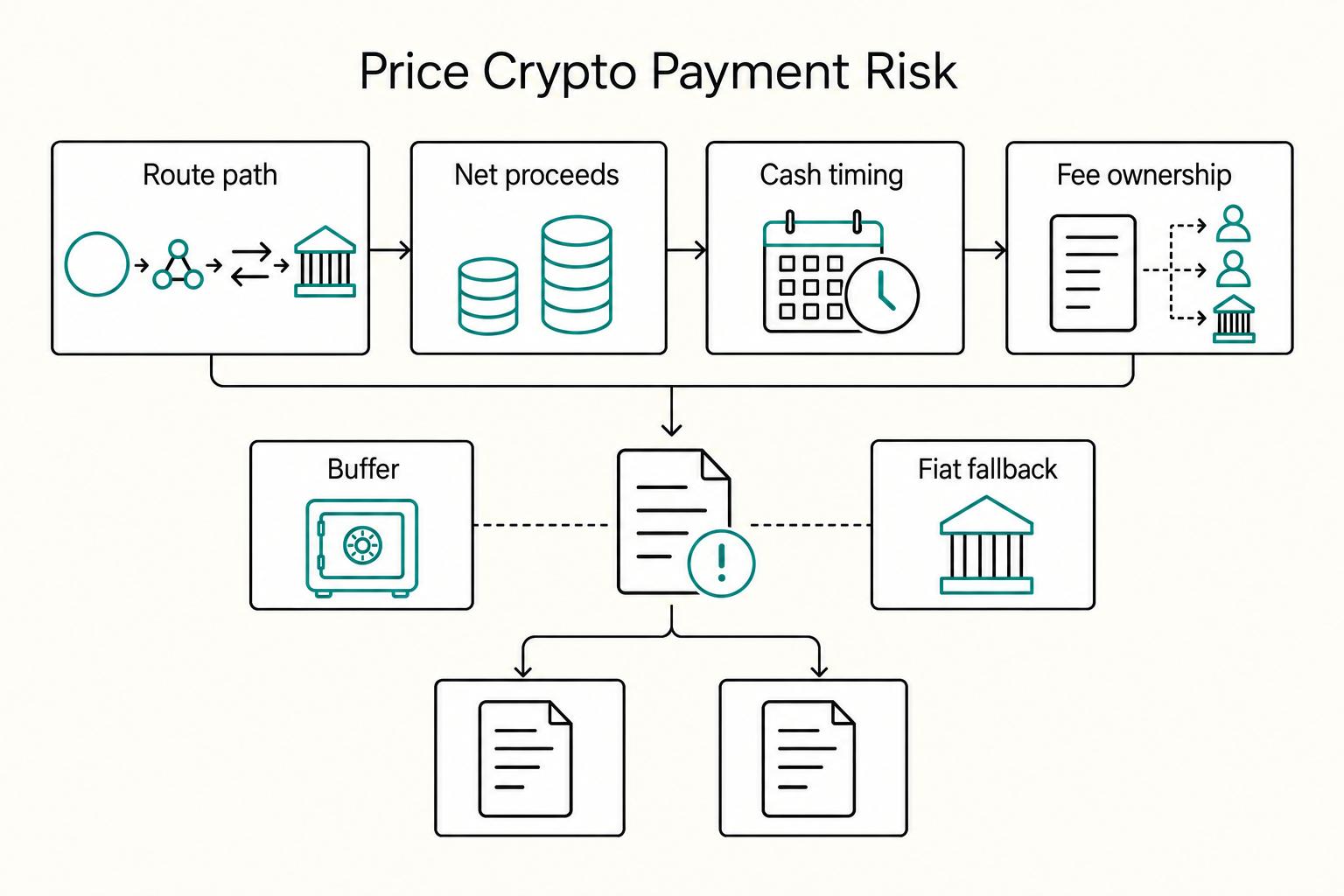
Freelance Crypto Payments That Protect Cashflow and Reduce Disputes
Crypto payments make sense only when they improve how reliably you get paid after you plan conversion, compliance, and recordkeeping up front. They can reduce friction in some international setups where traditional platforms add fees, restrictions, or extra steps. They also move risk onto conversion timing, exchange-fee exposure, and documentation quality, so use a simple acceptance test before you agree:

Beneficial Ownership Reporting in 2026 for FinCEN BOI Decisions
Use this as an execution guide, not a legal memo. Your job is to make a current BOI decision, document why you made it, and avoid cleanup later. The outcome is straightforward: confirm whether your entity is in scope, prepare what you need if it is, and keep dated proof of the basis you used.
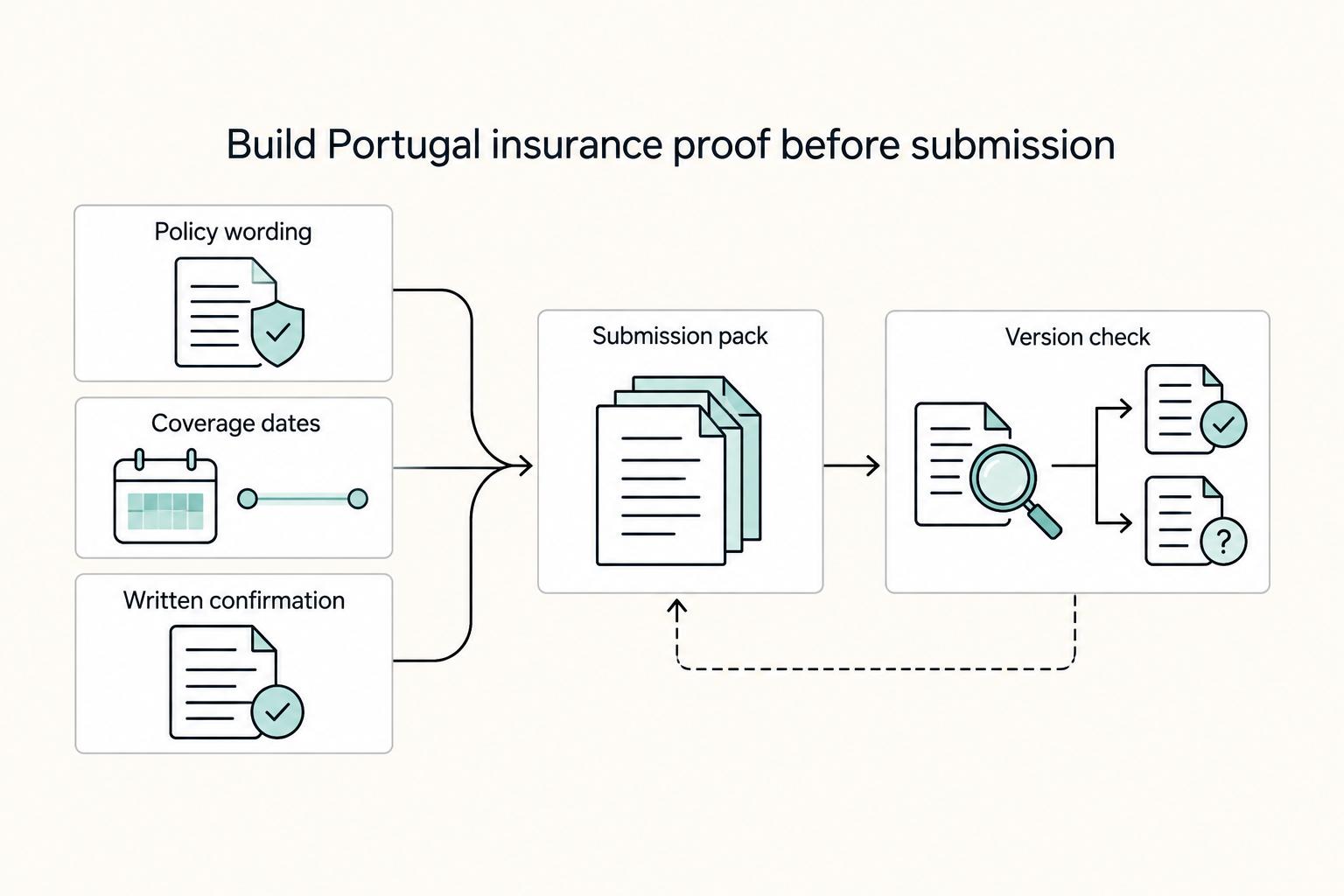
How to Get Health Insurance in Portugal as a Digital Nomad
If you are searching for health insurance portugal nomad options, treat the decision as part of your visa file before you treat it as a product search. The policy matters, but timing, wording, and document quality often determine whether your file moves cleanly or turns into a clarification request.