
Quick Answer
Run an availability heuristic risk assessment with written evidence gates, not instinct alone. Use a compact decision log for each risk, and mark score increases as provisional when recall is the only trigger. Hold a fixed monthly review, compare against prior records, and require one disconfirming check before budget changes. For cross-border exposure, keep Form 8938 and FinCEN Form 114 as standing checkpoints so infrequent filings do not disappear between cycles.
How to set risk priorities that resist what feels vivid right now#
You do not need formal psychology training to make your risk assessment less vulnerable to whatever feels most vivid right now. You need a repeatable process that checks instinct against documented evidence before you set priorities.
This is practical decision hygiene, not an academic debate. The goal is to give you a clearer way to set priorities as your workload grows.
It is worth taking seriously. A 2021 Risk Analysis paper asks, "How do People Judge Risk?" and frames the issue as whether availability may upstage affect in risk judgments. Take that as a signal to tighten your process, not as a shortcut around verification.
Other papers in this set discuss heuristic bias in health-focused contexts. That is useful background, but not an operations playbook.
Verification still matters because inclusion in PubMed Central is not the same as endorsement. If you log external evidence in your register, keep a concrete checkpoint you can revisit later, such as DOI 10.1111/risa.13729, instead of a vague note.
Plan for evidence gaps too. Some candidate sources may be inaccessible because of site protections, and inaccessible material should not outweigh records you can actually review.
By the end of this guide, you should have a monthly review sequence, a scoring method, a minimum evidence checklist, and tie-breaker rules for the moments when instinct and your records conflict. If you want a habit that holds up under stress, start here: memorable signals can inform priority, but they should not decide it on their own. Related: this guide.
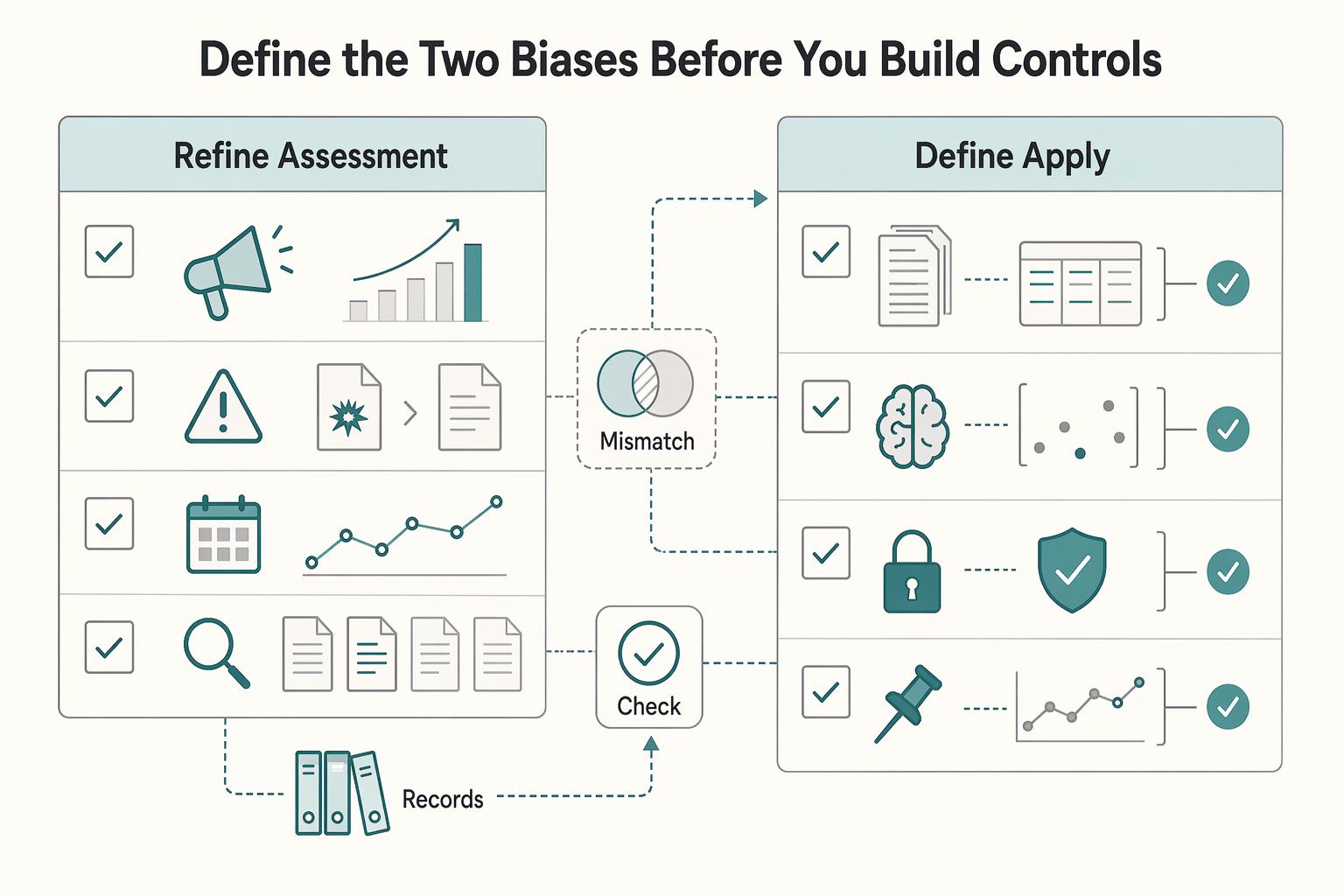
Define the two biases before you build controls#
Start with a clear definition: the Availability Heuristic is the tendency to rely on information that comes to mind quickly and easily when judging future outcomes. That can make a risk feel more likely than your records support.
That is the first distortion to control in your process. Easily recalled memories are often weak evidence for likelihood, while less memorable events can carry better evidence and still get overlooked. In day-to-day risk work, one vivid incident can pull attention away from quieter, better-documented items already on the page.
Treat strong emotion as a verification flag, not as a proven explanation on its own. Before you reprioritize any risk, run two checks:
- Refine the assessment question, key assumptions, and data iteratively.
- Define and apply criteria for data quality.
If a risk score changes because something suddenly feels vivid, log both the recall trigger and the data-quality check you used. If you cannot name both, you may be reacting to salience rather than likelihood. If you want the full breakdown, read How to Vet a New Client for Financial Stability.
Where independent professionals misprice risk in daily decisions#
A common failure point is simple: you fund the risk you can retell, while routine controls already on the register stay underfunded. If one scary client event suddenly drives spending, treat that as a verification trigger, not proof that priorities changed.
Availability bias can create this drift. Likelihood gets judged by ease of recall, current information gets overweighted, and other relevant information gets less attention. For independent professionals, that can pull budget toward vivid incidents and away from quieter, documented control gaps.
Memorable is not the same as material#
Use your risk categories, for example a Risk Breakdown Structure, not just the freshest story. Ask which category is exposed, then ask what the rest of the record shows.
| Fast-recall event | RBS category it points to | Quieter risk that may be more material |
|---|---|---|
| One late-paying client creates cash panic | Client / financial | Client concentration, weak payment terms, thin cash buffer |
| One alarming privacy request lands in your inbox | Compliance / data handling | Unfinished retention rules, unclear access permissions, missing response records |
| One project goes off track after vague feedback | Delivery / contract | Weak scope control, poor acceptance criteria, missing change documentation |
| One device scare gets your attention | Operations / continuity | Unverified backups, no recovery steps, inconsistent file ownership |
Memorable risks can be episodic. Material risks are often structural and easier to postpone because they look like routine control work.
A practical rule before you move budget#
Use this as a discipline rule, not a validated threshold: if a risk is vivid but absent from recent review cycles, flag it for verification before you move budget.
Verification should point to a dated change signal since the last review, such as an incident record, near miss, client requirement, contract change, or measurable process failure. If you cannot point to one, keep the item provisional and avoid cutting funding from existing controls yet.
A useful checkpoint is to rely on dated proxies instead of memory alone. One availability study used daily market returns as a proxy for outcome availability. For your business, use your own incident log, invoices, client tickets, and documented exceptions.
How mispricing shows up in operations#
When budget follows salience instead of evidence, routine control work can lose priority.
The risk-management literature also stresses that measurement is not effective without sound risk culture, and that governance should recognize cognitive bias. In a small business, that translates to a simple rule: before budget moves, show the risk row, the category, and the evidence that changed. For a deeper dive, read Canada's Digital Nomad Stream: How to Live and Work in Canada.
Build a one-page risk register that resists recency bias#
Use one short register with a fixed row structure. Do not finalize priority changes until that same row includes supporting evidence. This helps keep recent memory from outranking your historical data and lessons learned.
Use a fixed row structure#
A fixed set of columns is a simple way to keep decisions consistent across reviews. One practical six-column setup is:
| Register field | What to include |
|---|---|
| Risk statement | One plain sentence describing the exposure, not the anecdote |
| Trigger | The event or condition that activates concern |
| Owner | One accountable person, even if that is you |
| Evidence source | Where support lives, such as an incident log, invoice history, contract change, support tickets, or documented exception |
| Current control | What exists now |
| Next review date | When the item should be rechecked |
The anti-bias anchors are evidence source and next review date. They push you back to records instead of recall and give you a formal return point. If the evidence source is vague, keep the item provisional.
Balance the register by category#
Category balance helps stop one vivid incident from crowding out other active risks. Use stable Risk Breakdown Structure buckets and review the full page after each update.
If one category suddenly expands because a recent event is loud, pause before you reduce priority elsewhere. This also helps counter confirmation bias, where contradictory data gets ignored once a preferred story takes over.
Add a memory trap column#
Add a memory trap column to label why an item has attention right now. Use short tags like recent event, client pressure, or objective trend if they fit your process. This separates the source of attention from the strength of evidence.
It gives you a direct review question: did the evidence change, or did the story just get louder?
Keep a reference table beside the register#
A compact reference table makes reprioritization harder to do from memory alone.
| RBS category example | Typical line item | Minimum evidence before reprioritizing |
|---|---|---|
| Financial | Late payment risk or client concentration | Documented receivables change, missed payment, contract term change, or cash buffer deterioration |
| Legal/compliance | Data handling issue or recordkeeping gap | Written client requirement, policy exception, access issue, or dated compliance task miss |
| Delivery | Scope creep, acceptance dispute, missed milestone | Change request pattern, rejection record, support thread, or measurable process failure |
| Operations | Backup, device, or continuity weakness | Test failure, near miss, recovery gap, or documented exception |
Use your own records and lessons learned as the default evidence base before moving a line item up.
Make verification happen in the same row#
Use same-row evidence as a checkpoint before a priority change becomes final. Formal assessment processes can include separate documentation, interpretation, and reporting checkpoints. Your one-page version can mirror that by keeping evidence, judgment, and review date together.
A practical control is to include one evidence reference and one disconfirming check before status changes. That discipline gives you a record you can trust when recall pressure rises again. We covered this in detail in How Confirmation Bias Hurts Your Freelance Business.
Score risks with simple decision rules you can defend#
Use a repeatable scoring method with an evidence gate so a vivid story does not hijack priorities. Score each risk the same way every review, and if a score increase comes from recall alone, treat it as weakly grounded until supporting evidence is logged in the same row.
Use consistent factors, and require an evidence note#
To keep scoring consistent, ask the same set of questions each review, for example:
- How likely is it, based on what you know now?
- How large is the impact if it happens?
- How easy is it to detect before damage spreads?
- How strong are the controls already in place?
This keeps judgment visible and consistent. If a factor moves, record why with a dated fact, figure, or empirical signal. If you cannot point to that support, treat the change as weakly grounded and document the uncertainty.
Tie score bands to decisions#
A score matters only if it triggers a clear action. Define bands in advance so the next step is obvious.
| Action band | What it means in practice | Default decision | Minimum note before moving into this band |
|---|---|---|---|
| Monitor | Track it, but support is not strong enough for immediate spend or contract change | Keep under review and confirm next review date | What changed and why current controls remain adequate |
| Mitigate now | Evidence shows current exposure or control weakness needs a near-term fix | Assign and fund a control action now | Which factor worsened, what supports it, and what control will change |
| Transfer | The risk is material, but shifting part of the financial or legal burden is more practical | Review insurance terms, contract clauses, or vendor allocation | Why transfer is better than an internal fix, and what policy or contract item is in scope |
| Accept with documented rationale | The risk is real, but new action is not justified now | Record rationale, owner, and recheck date | Why acceptance is reasonable now, what would trigger reconsideration, and who owns it |
Protect budget decisions from salience#
Recent and memorable incidents can distort frequency and magnitude judgments, so loud risks can crowd out better evidence. Before you reallocate budget, check whether evidence moved or only attention did. If attention rose but indicators did not, treat the case as weakly grounded and recheck on schedule.
Add an approval checkpoint for major spend changes#
When a band change triggers meaningful spend, insurance changes, or contract changes, add a short approval note linked to that row. Capture:
| Approval note item | What to capture |
|---|---|
| Prior band and new band | Note the prior band and the new band |
| Which factor changed | Note which factor changed |
| Evidence source in the row | Point to the evidence source already logged in the row |
| One disconfirming check considered | Record one disconfirming check you considered |
| Why this action won | Note why this action won over monitor, transfer, or acceptance |
That note is what makes the method defensible later: a repeatable decision path, not a memory of a vivid moment. You might also find this useful: A guide to 'named perils' vs. 'all-risk' insurance policies.
Run a 60-minute monthly review in a fixed order#
Use a fixed review sequence so recall bias does not drive decisions. The goal is simple: judge whether risk is justified against your standards, not against the most vivid event from the week.
A 60-minute monthly cadence is workable. What matters most is that you run the same checklist each time and apply predetermined minimums or thresholds consistently.
Use the same sequence every time#
For a solo operator or small team, pick one order and keep it consistent. For example:
- Update incidents
- Refresh scores
- Rebalance categories
- Decide actions
- Assign owners
- Set deadlines
A fixed order creates a pause between a fresh incident and a budget or control decision. If a score increases but the evidence note in that same row is not updated, keep the change provisional.
Keep inputs bounded#
Bring only:
- last month's register
- current Risk Assessment scores
- unresolved action items
That boundary keeps the review comparative rather than reactive. Memorable single events can get outsized weight, so limit inputs to what supports consistent scoring.
If you want a hard internal tripwire, set it in advance as a house rule. For example, if urgent items cluster in one incident class, pause and rebalance categories before approving spend.
Close with a concise decision log#
End with a short written record of decisions so next month's review starts from evidence, not memory.
Include:
- what changed
- why it changed
- what evidence supported the change
- what stayed stable despite recent attention
- who owns the next action
- the deadline or next review date
This log is your bias check. It should show whether a decision came from changed evidence and thresholds or just changed attention. Turn this review into a repeatable routine with checklists and calculators from your tools hub.
Require an evidence pack before you spend on a control#
Approve control spend only when the case is tied to evidence, not just urgency. Before you move budget, require a short evidence pack linked to the exact row and current risk assessment score.
Set a practical minimum#
Use this as a house rule, not a universal standard. A practical pack can include one or more of the following:
- documented internal incidents
- near misses
- process failures or control breakdowns
- one external signal
- a short expected-loss narrative tied to the current score
Keep the expected-loss note plain: what could fail, what the loss path looks like, and which part of the score is changing. If you cannot state that clearly, keep the spend decision provisional.
Treat source quality explicitly#
Separate documented records from what just feels vivid right now. The availability heuristic can make familiar examples feel more likely than they are, so recent attention is a prompt to investigate, not a standalone approval case.
Use a simple rule: document what the records show and what they do not show before approval. If the strongest support is "everyone is talking about this," pause until the row has stronger evidence.
Add a disconfirming-evidence checkpoint#
Before approval, require at least one input that could weaken the case. This reduces recall-driven overreaction by forcing a comparison against alternatives.
Use two quick prompts in the same note:
- What evidence suggests this threat is not increasing?
- Which comparable risk category did not move despite recent attention?
If that comparison weakens the case, delay spend and recheck next cycle.
Keep evidence with the decision record#
For distributed teams, keep evidence references linked to the register entry so the row, score change, and support can be reviewed together. The tool matters less than consistency.
Use stable links, dates, and owner names, and avoid leaving key evidence only in chat or inbox threads. When evidence is not integrated into the decision record, mitigation decisions are harder to verify later, and future reviews drift back toward memory instead of trend evidence. Related reading: Mental Models for Freelance Strategists Who Want Lower Risk.
Red flags that your risk priorities are being hijacked#
A common pattern is that urgency rises faster than evidence review and decision structure, and you only notice the drift in hindsight. Before you change spend or priority, verify the current documented assessment and what evidence changed since the last review.
- Strong story, weak record: If someone can explain a risk in detail but cannot show the documented decision record, pause. Add supporting and disconfirming evidence before approving changes. This is often where confirmatory filtering shows up: people gather support for the current view and skip what challenges it.
- One event takes over the room: If a single recent incident dominates discussion while other high-impact risks are not reviewed, run a full category sweep before approving new mitigation. A vivid event can matter, but it should not replace comparison.
- Spend moved, assessment did not: If mitigation spend changes but the documented assessment does not, require a short written rationale in the same record. State what changed, what outcome you expect, and when you will recheck.
- Certainty without control discipline: If language shifts to "we need to act now" but there is no owner, checkpoint, or clear objective, treat that as a bias signal. Certainty and alignment can feel convincing without proving the priority is right, so add structure before committing: assign ownership, set the checkpoint, and include one disconfirming input or a quick pre-mortem.
This pairs well with our guide on How to Conduct a 'Pre-Mortem' to De-Risk a Large Freelance Project.
Use availability and affect differently in practice#
Treat recall and affect as separate signals, then verify both before you reprioritize risk. If you blend them into one reaction, you can shift budget or attention for the wrong reason.
For the Availability Heuristic, run a likelihood check first. If a risk feels urgent because it is vivid or recent, validate it against historical data, industry reports, and the matching risk-register row before you raise probability in your risk assessment. This helps prevent a common failure mode: you overestimate memorable risks, underweight less prominent ones, and misallocate resources. Use checklists and your Risk Breakdown Structure so less obvious risks still get reviewed.
For affect, use an evidence check, not a theory debate. If a concern feels emotionally charged, document the concern and supporting evidence in the same record, and keep the score provisional until that evidence is clear.
A 2012 Journal of Experimental Psychology: Applied abstract is a useful reminder to stay disciplined. It says availability and affect had not previously been systematically tested against each other, and it reports two studies using three measures of risk perception. Use that as a cue that fast judgment can feel persuasive before it is reliable, then return to your checklist.
Keep this sentence in your review template: "What evidence would prove this concern is less important than it feels?"
Handle cross-border compliance risks where memory is unreliable#
Cross-border compliance is easy to underweight until a deadline or documentation request makes it urgent. These obligations often sit on annual or profile-based triggers, so memory alone is a weak control.
The practical risk is not that you have never heard the terms. It is that FBAR, FATCA, or Form 8938 end up in scattered notes instead of dated checkpoints in your register.
Why these items get underweighted#
Infrequent obligations feel low priority when nothing recent has gone wrong. That is exactly where availability bias shows up: immediate issues get attention, while quiet cross-border duties wait until proof is required.
For independent professionals, the failure mode is usually fragmented records, not missing acronyms. If the item is not tied to an owner, trigger, and evidence trail, it is easy to miss.
Keep three named checkpoints on the register#
If you work across borders, keep these as standing review lines:
| Checkpoint | What to verify | Why it gets missed |
|---|---|---|
| Form 8938 | Whether specified foreign financial assets need to be reported on Form 8938 and attached to your annual return | People remember the acronym but forget filing mechanics and profile-based thresholds |
| FBAR via FinCEN | Whether FinCEN Form 114 applies to your foreign financial accounts this year | It is a separate filing regime, so people assume tax filing already covered it |
| FATCA context | Whether FATCA-related account reporting context changes your risk review and where you still need jurisdiction-specific confirmation | FATCA is often treated as a catch-all, so separate filing checks get skipped |
For U.S. reporting, Form 8938 is a concrete checkpoint: it is attached to your tax return and filed by that return's due date, including extensions. Keep that evidence in your annual filing trail, not in ad hoc notes. Also keep Form 8938 and FBAR separate in your process. Filing Form 8938 does not remove the FinCEN Form 114 requirement. The Form 8938 instructions also include a chart comparing Form 8938 and FBAR filing requirements.
Use profile-based verification, not assumptions#
When your residence, filing status, entity structure, or account footprint changes, recheck official guidance before you act. Requirements vary by profile, and memory is unreliable on edge cases.
For example, IRS guidance notes higher Form 8938 thresholds for joint filers or taxpayers residing abroad. It also notes that if you are not required to file an income tax return for the year, you do not file Form 8938 for that year.
Put timelines in the same place as risk decisions#
Keep compliance timelines in the same system as your register. Each row should include the obligation, jurisdiction or regime, required filing artifact or proof, next review date, and owner.
This is the control that matters. Structured tracking beats recall. For a step-by-step walkthrough, see A German Freelancer's Guide to Permanent Establishment Risk in the US.
When vivid risk and data disagree, use this tie-breaker#
When a risk feels urgent but your indicators stay flat, do not let the story move money on its own. A Frontiers in Psychology paper explicitly examines the availability heuristic as a cognitive mechanism, so treat this tie-breaker as a practical guardrail, not a proven outcome rule. Consider pausing spend changes for one review cycle while you verify evidence, unless there is an explicit legal or compliance exposure that cannot wait.
| Step | What to do | Key check |
|---|---|---|
| Freeze budget shifts for one review cycle | Keep the spend request pending in your register instead of approving it in the moment | Is the spend request tied to a dated obligation, a documented control failure, or a measurable indicator change? |
| Run a quick counterfactual against baseline evidence | Use the last review cycle as baseline and compare at least one non-salient category from your Risk Breakdown Structure | If this event had not happened this week, would I still move money here? |
| Use a stated rule before reopening the narrative | If objective indicators did not move, keep the priority stable and set a recheck date | Use incident count, control performance, missed deadlines, or repeated complaints |
| Document the decision and revisit it next month | Keep a short note with the decision | Include the vivid event, baseline used, non-salient category checked, rule applied, and next review date |
If the trigger is a real deadline or breach path, escalate. If it is a vivid scenario, headline, or one-off incident without objective movement, treat it as provisional until you test it.
Keep evidence traceable while you do this. A page with Download PDF or View on publisher site gives you a verifiable artifact, and if a source is blocked by reCAPTCHA, log it as unverified rather than decision-grade support. Also separate indexing from endorsement: inclusion in a database is not endorsement, so keep the actual artifact you reviewed.
Conclusion#
Better risk decisions come from a repeatable written process, not just sharper instincts. The availability heuristic can make whatever is most vivid feel most likely, even when quieter evidence points another way.
Keep the method simple and visible: when a risk suddenly feels obvious or urgent, treat that feeling as a prompt to verify, not as proof. Before you change priority, spend, or attention, put the evidence in writing alongside the risk in your one-page register.
If you do only three things next, do these:
- Set up the one-page register this week, with written support for each risk instead of recall alone.
- Block one review this month with a clear start and stop time so the review is time-bounded and actually happens.
- Document one tie-breaker decision where a vivid concern and available evidence do not fully agree, and record why you held, changed, or delayed priority.
This helps guard against a common failure mode: relying on personal experience or salient media examples instead of facts, figures, and empirical evidence. If support is thin, keep the decision provisional until stronger evidence appears.
Use this with humility. It may improve prioritization quality and reduce recall-driven overreaction, but it does not make you automatically compliant or always correct. When a risk touches legal, tax, regulatory, or jurisdiction-specific obligations, confirm details with official guidance or a qualified local adviser. If you want help mapping these risk controls to your real payment and payout operations, talk to Gruv.
Frequently Asked Questions
What is the availability heuristic in risk assessment, in one plain sentence?
The availability heuristic is judging risk by what comes to mind fastest instead of by the strongest evidence. In practice, vivid recall can outweigh better but less memorable information.
How does availability bias distort business risk decisions for freelancers?
It can pull your decisions toward the risk that feels most memorable, not the one best supported by evidence. That can shift attention away from less memorable signals that may be more useful for accurate risk judgment.
What is the difference between the Availability Heuristic and the Affect Heuristic?
Availability is about recall: information that is easier to remember gets more weight. Affect is discussed alongside availability in risk communication literature. A practical check is to ask whether a concern feels bigger mainly because it is easy to recall, then verify with objective evidence.
What should I do before acting on a “high-risk” concern that feels urgent?
Pause first, then gather more information before you commit. Check objective evidence, including actual statistics where available, instead of relying on memory alone. If evidence is still thin, keep gathering information before making a final call.
How can I reduce availability bias quickly if I work alone?
Use a short pause-and-check routine whenever a risk suddenly feels obvious. Write down the concern, note what made it feel urgent, and verify it against objective evidence rather than recall alone. This can help you decide quickly without relying only on vivid memory.
How often should I update a Risk Register to keep bias from creeping back in?
Use a repeatable review schedule you can maintain, and revisit sooner when meaningful new evidence appears.
Try a related tool
Researched and edited by the Gruv editorial team. Gruv builds cross-border billing, payouts, and finance-operations software for global businesses.
Sources
- dodcio.defense.gov/Portals/0/Documents/Library/AI-Cybersecurity...trusted
- faa.gov/sites/faa.gov/files/2022-06/risk_management_...trusted
- fda.gov/food/risk-and-safety-assessments-food/initia...trusted
- fema.gov/sites/default/files/2020-07/Continuity-Risk-...trusted
- financialresearch.gov/working-papers/files/OFRwp0002_FlanneryGlass...trusted
- hud.gov/sites/documents/ch05_12-13-12.pdftrusted
- irs.gov/pub/irs-soi/23rpfatcaevidenceforeignwealth.pdftrusted
- irs.gov/forms-pubs/about-form-8938trusted
Educational content only. Not legal, tax, or financial advice.
Related Posts

GDPR Compliance Checklist for Freelancers Working With EU Clients
Start by separating the decisions you are actually making. For a workable **GDPR setup**, run three distinct tracks and record each one in writing before the first invoice goes out: VAT treatment, GDPR scope and role, and daily privacy operations.
Canada Digital Nomad Visa Planning for Visitor Status and Work Permits
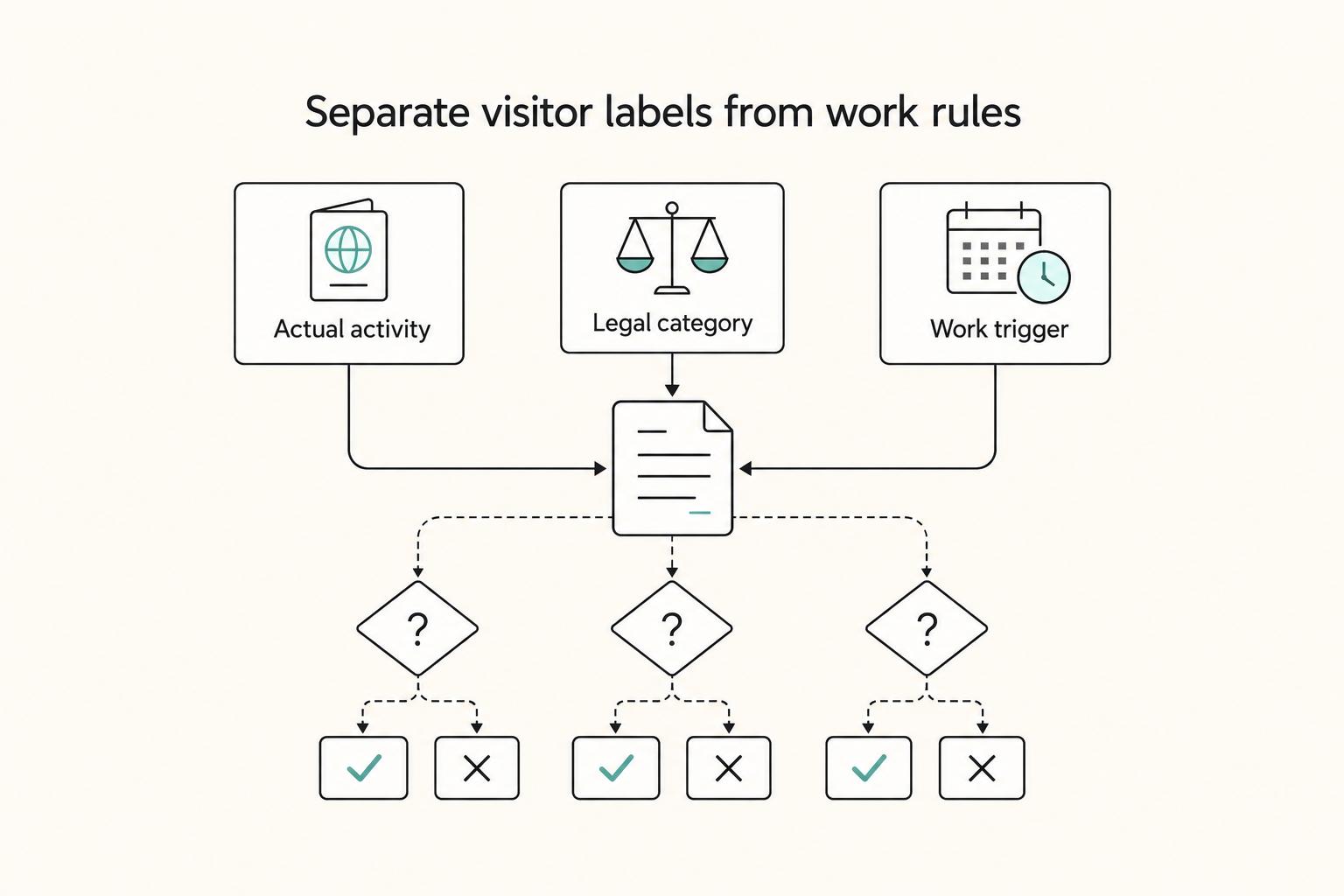
The phrase `canada digital nomad visa` is useful for search, but misleading if you treat it like a legal category. It is shorthand for existing Canadian status options, mainly visitor status and work permit rules, not a standalone visa stream with its own fixed process. That difference is not just technical. It changes how you should plan the trip, describe your purpose at entry, and organize your records before you leave.
Thinking, Fast and Slow for Freelancers Who Want Better Clients
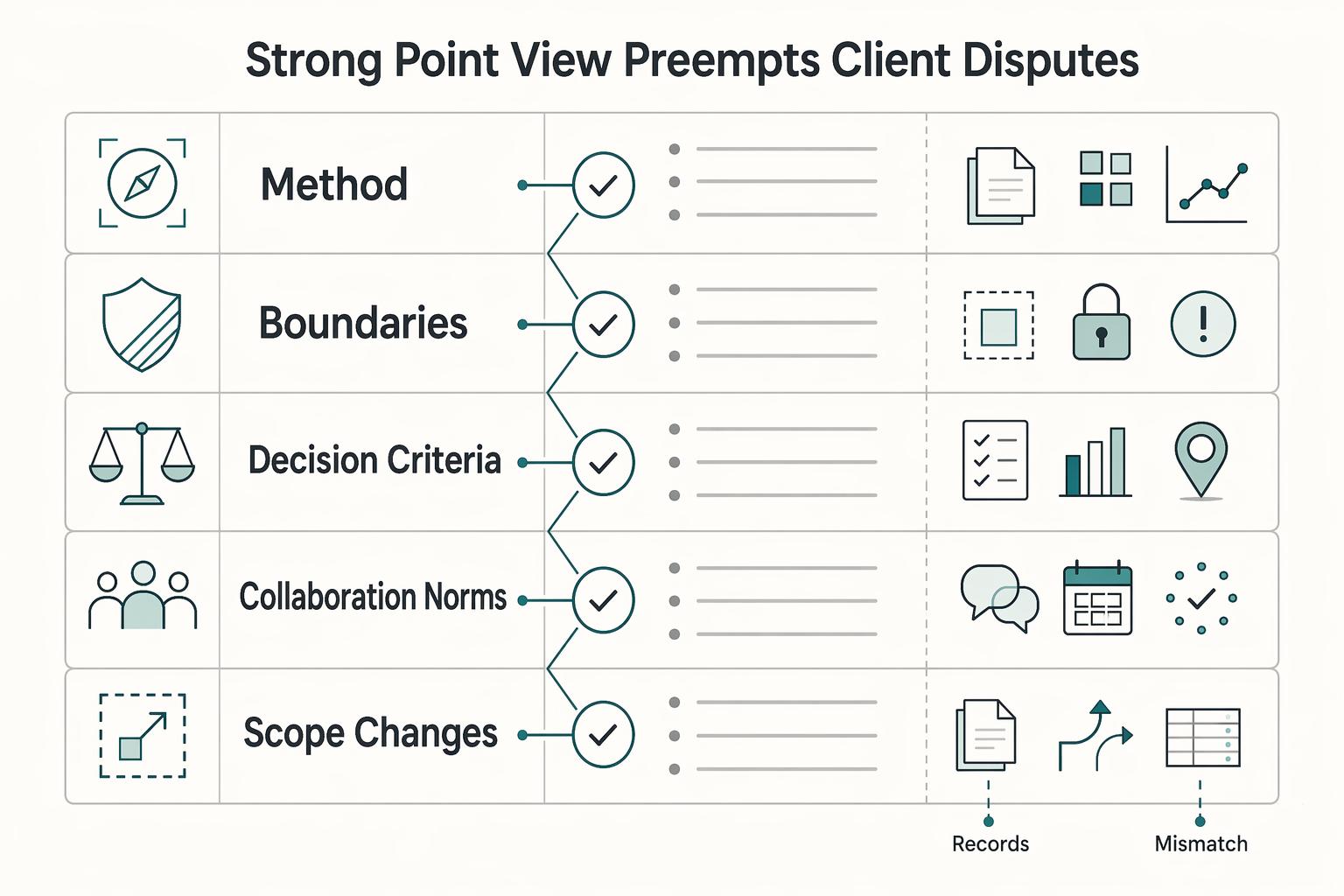
Treat thought leadership as risk control for your business, not just a visibility tactic. The real shift is from fast, reactive client chasing to slower, deliberate asset building. You publish to reduce risk before the next dry month, pricing call, or bad-fit project shows up.